Hassah Batool Iftikhar*, Jiang Hong
Department of Cardiology, Renmin Hospital of Wuhan University, 430060, Wuhan, Hubei
Province, PR China
*Corresponding Author: Hassah Batool Iftikhar, Department of Cardiology, Renmin Hospital of Wuhan University, 430060, Wuhan, Hubei Province, PR China
Received: 25 April 2018; Accepted: 27 April 2018; Published: 30 April 2018
Aim: The determined stage of ischemia and unknown HF in critical CVD events well-defined the higher incidence of SCD risk factors in the long-term modes of responsiveness with reduced LVEF if the idiopathic fibrillation lacking is not treated with counseling of LV remodeling in the association of rehospitalization survival rates.
Methods and results: The acute study in the time-dependent logistic evaluation of randomized decompensate HF characteristic reduce the all-cause mortality within each consecutive 180 days. Among 3000 patients of combined study on Kaplan-Meier event rates of 6.1 SCD alive [95% Confidence Interval 4.8- 8.5] and 3.2 SCD death [95% Confidence Interval 2.5 – 4.4] account 20% of SCD with hazard ratio 4.8 (2.6- 8.7). In the multivariable model of rate and rhythm control of 6-12 months per year highly affected the NYHA class II-IV 70- 78% with the P value <0.001 on wider QRS complex adjustments in overall (n= 2,427) responding to LVESV and LVEDV median to the follow-up of 85% females predicted improvement by LV reverse remodeling.
Conclusion: The identified relative risk in the comparison of controlling and preventions make the proportion of VT/VF death cause noted every 30 days denying the significance of obvious beneficial proof when implantation alternatively select LV remodeling in standard parameters.
Heart failure; Ventricular fibrillation; SCD; medical therapy; ICD; Cardiac resynchronization therapy
1. Introduction
Sudden death in 100,000 population every year claims the mode of disastrous progression of unrecognized cardiac arrest carrying the entities of increased pathophysiological symptomatic events in the predominance of heart failure and ischemic cardiomyopathies. The modulation of multifactorial pathogenesis in the concerns of coronary artery spasm risk factors highlights the contribution of ejection fraction, atrial fibrillation, ventricular fibrillation, myocardial infarction and coronary heart disease mortality rate, the cause of origin in detecting the natural history and ECG interpretation [1]. Several cohort studies presume the disrupted arrhythmogenesis morphology by the adjacent confounding data of premature ventricular beats in provoking the therapeutic justifications of differential diagnosis based protocols at early repolarization (ER), ion channels vulnerability, hormonal perception, hypertrophy dilations or metabolic causes.
Moreover, the optimal mandatory therapy in the improvements of necessitating appropriate prophylactic emphasizes the cardiac screening of implantable cardiac device and secondary prevention [2, 3] in the resuscitation of daily diagnostic practice. The guidelines in the possible prognosis of sophisticated technology in left ventricular dysfunction incidence overlap the long-term effectiveness by the follow-up of safest tool in survival rates to analyze the comprehensive abnormalities to measure QTc interval at 12 lead ECG by the selection of angiography flow chart for the casual studies of the functional acquisition of ventricular dysplasia and artery stenosis reoccurrences.
The objective of this study is to assess the clinical experience based on the documentation of linked family history abnormalities, biomarker yields, radiography examination, routine testing and the aborted VF conceals [4] the critical controversies of predictable outcomes by reversal left ventricular remodeling in terms of revascularization to discordance the validation of benefitting responsive survivors
2. Methods of study patients
The study design in the randomized study of clinical effectiveness at the decompensation of Acute Heart Failure cases enrolled the participants of 3000 patients rehospitalized on worsening conditions with EF> 35%, <35%, NYHA functional class I ? IV, from 2015 ? 2017 preserved the setting of quantified LVH by conventional viewing the end-diastolic volumes.
- Carry the limitations of drugs study composite to mortality rate.
- Follow-up of arrhythmic events (torsade de pointes, VF, Burgada syndrome) within 6-12 months monitoring
- Substrating the evidence of echocardiography in the eligibility of regional or general hypokinesis with the additional tests of NT- proBNP/ CT scan/ medication and the consideration of cardioverter defibrillator.
- The post hoc analysis of CHD differentiates ischemia by a successful enhanced device therapy of pacing in the identification of 98% clinical results.
2.1 End points
The independent sustainable premature ventricular beats define the unexplained SCD in the witnesses of favorable stable conditions of patients
- The instantaneous pre-existing pumping failure obviously makes etiology of co-morbidity progression.
- The deterioration signs and symptoms in acute heart failure nonresponders herald the predictor of quality of life abruptly requiring the rate and rhythm control within first 24 hours of admission [5,6].
- The classification of CVD events alike per year follow-up measures the clinical status of resuscitation therapy in the observations of life-threatening arrhythmia dysfunction episodes.
- The composite clinical score (CCS) in the improvement of each NYHA classes ? 25% end points preplanned the awareness of re-hospitalization treatment defining the statistical medical records sub clinically by the baseline criteria in the prolongation of blinded cardiac arrest time period at multivariable all-cause mortality.
2.2 Statistics
In the expressed standard ± deviation (SD) count the comparative parameters of dilated cardiomyopathy analysis between EF percentage distributed the transformed statistic of death ratio and re-hospitalized analysis. The impetrating multiple variables choose the assessment of survival curves in all the (n-value) responders in remodeling the impact on cardiac events. The incidence of SCD logarithm the index ratio of 0.5 equal to the proportions of <0.1 censor the evaluation of graph risk factors in the exploratory hazard proportion adjustments [7]. HR 13.5 (9.7-17.1)
The known stratifies results stepwise correlate the curve of cause based on side effects in the elimination of probability score [8] in adding the inclusion of linear co-ordinate assumption within study duration years, as measured by Kaplan-Meier. The examined caliber of each variable categorical the distribution of survival rate at the intra-observation of cardiac echocardiography of randomized calculated average value of significance in the measure of differences by using SPSS statistic version 21 (NY, USA)
3. Results
During the population-based follow-up of 2 years, longitudinal study divided into 2 groups
- Rehospitalized survival rate of >1 year.
- The HF hospitalized all-cause mortality.
A total of 3000 patients with often comorbidity of NYHA II-IV alive 70% and SCD 72% as shown in Table .1 the incidence of EF>30% decrease the HR 0.96 (0.94 ? 1.00). Moreover, the overall mortality rate 1.65 (1.60 ? 1.69) with P<0.0001experience the equal gender effect of idiopathic ventricular fibrillation in the demonstration of 1-year hospitalization composite to the history of co-existing conditions between (55-75%) predominant risk value.
a). Baseline variables prediction for SCD:
The countless demographic data in Table 2 outline the selection of High-Quality Life and Low-Quality Life survey independent to P<0.0001. The distinguishable of previous data i.e. SBP, DBP, BMI, and NT-proBNP reveal the calculation of (35-49%) from ECG variables according to each ?QTc interval respectively. The recognized outcome of n-value approaches the preventive strategy in the established impressive diagnostic screening to translucent the precipitating cardiac factors.
|
Variable
|
Overall |
SCD (alive) |
SCD (death cause) n value |
(Mortality) |
P value |
|
Age and gender |
76 (69 - 89) |
74 ( 62 – 79) |
38 (69 – 89) |
1.65 (1.60 – 1.69) |
<0.0001 |
|
BMI, kg/m2 |
32 (28 – 37) |
26 (22 – 30) |
21 (24 – 33) |
1.33 (1.13 – 1.56) |
<0.001 |
|
HR, bpm (median) |
88 (74 – 96) |
83 (69 – 95) |
70 (65 – 100) |
1.38 (1.28 – 1.49) |
<0.001 |
|
HF hospitalized per year 6-12 months |
|
6.1(4.8 – 8.5) |
3.2(2.5 – 4.4) |
4.8 (2.6 – 8.7) |
<0.003 |
|
Dilated cardiomyopathy |
72% |
10% |
58% |
2.48 (1.28 – 4.78) |
0.46 |
|
LVEF% |
30% |
29% |
36% |
0.96 (0.94 – 1.00) |
<0.05 |
|
History of MI |
58% |
61% |
44% |
1.41 (1.09 – 1.84) |
0.01 |
|
Hypertension |
69% |
76% |
53% |
0.95 (0.65 – 1.39) |
0.72 |
|
NYHA class II-IV |
77% |
70% |
72% |
8.45 (3.59 – 20.04) |
<0.001 |
|
GFR (ml/min) |
78 ± 19 |
72 ± 19 |
75 ± 19 |
1.34 (1.29 – 1.38) |
<0.001 |
|
Stroke |
8.3 (5.2 -13.2) |
2.0 (1.7 – 2.5) |
40 (38.1 – 43.5) |
2.9 (2.3 – 3.5 ) |
<0.01 |
|
Valvular heart disease |
75 (67 – 85) |
62 (71 – 86) |
54 (72 – 85) |
1.23 (1.07 – 1.42) |
<0.001 |
|
Paroxysmal or persistant AF |
4.5% |
2.9% |
9.4% |
3.26 (2.17 – 4.91) |
<0.0001 |
|
2nd ? 3rd Heart block |
2.6 |
2.58 (1.4 – 4.4) |
1.09 (0.6 – 1.88) |
1.31 (1.06 – 1.62) |
0.50 |
|
Hyperlipidemia |
72% |
11% |
59% |
1.02 (0.79 – 1.34) |
0.85 |
|
CHD |
72% |
65% |
32% |
2.04 (1.67 – 2.49) |
<0.05 |
|
DM |
61% |
52% |
24% |
1.57 (1.46 – 1.57) |
0.8 |
Table 1: Baseline variables in comparison of alive and SCD in the PRESERVE trial
|
Variables |
Patients in Quality of Life |
Patients not in Quality of Life |
P value |
|
BMI |
0.98 (0.92 – 0.97) |
0.96 (0.95 – 0.98) |
0.05 |
|
HR |
1.06 (1.02 – 1.04) |
0.92 (0.97 – 1.03 ) |
0.50 |
|
SBP (mmHg) |
116 ± 21 |
118 ± 18 |
0.51 |
|
DBP (mmHg) |
71 ± 8 |
74 ± 9 |
0.1 |
|
Creatinine |
2.53 (1.81 – 3.53) |
3.01 (1.82 – 3.54) |
<0.0001 |
|
CKD |
0.39 (0.17 – 1.74) |
0.23 (4.90 – 7.94) |
<0.0001 |
|
EF = 35% |
18.6 ± 8.0 (13.3 – 23.8) |
40.5 ± 1.2 (39.1 – 41.9) |
<0.0001 |
|
Haemoglobin |
<11 |
12 – 13 |
0.50 |
|
Albumin |
36% |
72 % |
0.004 |
|
Sodium |
32% improvement |
49% restriction |
0.035 |
|
Potassium |
3.5 – 5.3mmom/L |
4.3 – 5.6 |
0.05 |
|
NT- proBNP |
53 (42 – 73) |
74 (59 – 87) |
<0.05 |
|
Platelet |
62.09 ± 22.09 |
51.11 ± 19.81 |
0.005 |
|
Jugular venous distension |
1.32 (1.09 – 1.63) |
1.35 (1.07 – 1.75) |
<0.05 |
|
NYHA I - II |
1.21 (1.05 – 1.43) |
16.5(9.0 – 27.0) |
<0.01 |
|
NYHA III - IV |
20.0 (12.0 – 31.0) |
23.0 (15.0 – 37.0) |
0.02 |
|
X-ray congestion |
31% (18 – 52%) |
72% (63 – 88%) |
0.4 |
|
ECG variables |
49% |
35% |
0.001 |
|
LVH on ECG |
<19mm |
>30mm |
0.001 |
|
AF on ECG |
76.33 ± 14.91 units |
82.07 ± 12.38 |
0.01 |
|
PR interval, ms |
142 ± 3 (133 – 148) |
140 ± 2 (136 – 152) |
0.7 |
|
QRS interval, ms |
106 ± 25 (82 – 135) |
109 ± 26 (93 – 125) |
0.8 |
|
QTc interval |
478 ± 32 (443 – 514) |
479 ± 31 (458 – 499) |
0.9 |
|
LVEF |
9.9 ± 5.6 (3.7 – 16.1) |
25.8 ± 6.7 (22.5 – 31.2 ) |
0.004 |
Table 2: Clinical assessments of patients in QoL study
b). Event rates:
At the Kaplan-Meier of 6 months event rate favor (75-85%) ischemic disease with n=2,427 on controlling the rate amount initially with antihypertensive and anti-arrhythmia drugs as discussed in Table 3. The relative risk of atherosclerotic presence after the recovery discharge can be reduced (70-80%) satisfactory results in the combination of amiodarone dosing with the highest efficacy on patients health. In contrast, prior to VT/VF specifically make the reliable diagnostic of ICD in the suspection of prognostic complications.
|
Variables
|
Rhythm Control % |
Rate Control % |
|
ACEI / ARB |
6% |
18% |
|
– blocker |
37% |
71% |
|
Calcium channel blockers |
29% |
53% |
|
Digoxin |
14% |
40% |
|
Amiodarone |
73% |
82% |
|
Thiazide diuretics |
>80% |
20 ? 30% |
|
Loop diuretics |
<80% |
40 ? 45% |
|
Potassium sparing |
30 ? 70% |
10% |
|
Sotalol |
30% |
20% |
|
Aspirin |
41% |
38% |
|
Anti-thrombolytics |
45% |
20% |
|
Anti-diabetics |
23% |
20% |
|
Lipid-lowering agents |
46% |
43% |
|
Anti-arrhythmic agents |
45% |
47% |
|
Spironolactone |
30% |
39% |
|
Anti-platelet |
Reduced Relative Risk 10% |
Reduced Relative Risk 13% |
|
Anti-coagulant |
Reduced Relative Risk 16% |
Reduced Relative Risk 18% |
|
Vitamin K agonist |
>70% |
77% |
|
NSAIDS |
Elevated Relative Risk 45-75% |
Elevated Relative Risk 30% |
|
Dobutamine |
51% |
64% |
|
Norepinephrine |
8% |
12% |
|
Bromocriptine |
7.2% |
33% |
|
Treatment |
82% |
71% |
|
Cardiac resynchronization therapy |
86% |
32% |
Table 3: Characteristics of the patients according to the assigned treatment
The sensitive analysis in the absolute of preserved EF improved LVEDV=52% as shown in Table .4 with the least enhancement of CRT scoring criteria underlying the conditions of cardiomyopathies suppression. The modifiable treatment according to sex highly remained effective in females of 85% as compared in males of 37%. The notability of stable condition positively with echocardiography visualize extends of LVESV 37.1% responsiveness and 10.9% nonresponsiveness.
|
All |
Favorable |
Non-Favorable |
|
Aetiology |
75% ischemic disease |
61% non ischemic disease |
|
Co-morbidity per year |
n = 2,427 |
n = 1,020 |
|
Optimal medication |
>40 Consecutive |
<40 Consecutive |
|
Optimal medication |
>50% target dose |
1 - 50% target dose |
|
ECG variables |
>6 CRT score (98%) |
<6 CRT score (40 - 80%) |
|
Echocardiography |
88% |
81% |
|
NYHA class II ? III |
79% |
14.5% |
|
Device therapy |
85% Females |
37% Males |
Table 4: Baseline characteristic grouped according to the diagnostic treatment response
c). Survival and clinical responses:
The minimum duration with the backups of myocardial infarction and shock arrhythmia to ICD borderline the analysis of n=1,020 to least 40 consecutive days of nonresponding medication therapy in the emergence of targeting endpoints. The asymptomatic correlated pump failure as shown in Figure.1 bind the use of resynchronization with 86% successfully elicit the reverse remodeling therapy with cohort proportional outcomes of 98% survivors on CRT-pacing treatment.
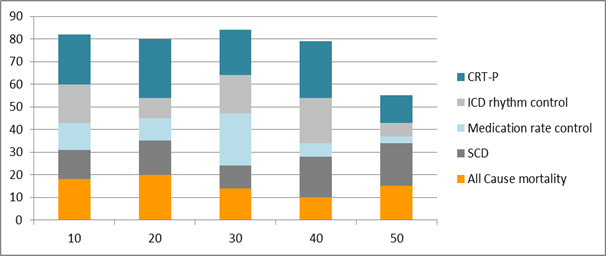
Figure 1: Estimation of SCD in AHF according to echocardiographic responses.
4. Discussion
The true assumption of the quarter percentage of HF in total death remains vigilance in delaying the electrical activity of LV end-diastolic recovery of evolutionary ventricular contractions [9]. The displaying risk factor of systemic arterial hypertension is a global proceeding disability in LV relaxation classifying the magnitude of HF refractory forms. The averting pathway of CHF in the dominance of LVD strictly ponder the Framingham Heart Study enormously scaffolds the rheumatic heart disease association strengthening the elliptically shaped modeling. The triggering hemodynamic circulation optimizes the compensatory adaptation of cellular tissue study that distorts the chamber for reperfusion in the presence of aneurysm process [10]. Therefore, the prevalence of thrombus-embolism engages a biological inhibitory action in co-morbidities directing the use of anticoagulation in fixed myocardial injury mass formation [11-13].
According to recent ASCEND-HF and VARIANT studies on wider QRS complex strongly predict 30-70% HF in sustainable NSTEMI ratio of combined ischemic cardiomyopathies in common risk. And also the registry from ARISTOTLE varying ROCKET-AF and ENGAGE-AF evaluated the hazard ratio of cluster formations in the contemporary random trials differentiating the prosthetic repair reminding the long- term asymptomatic activations. The amplifying unequivocal mechanism affects the atria fibrillation intersection in a moderate appearance of arterial disorders involvements relates the aggressiveness of low EF against mediated pump failure. As demonstrated in Figure 2 the novel finding of pivotal responder’s recipient the episodes of the premature beat in the protective support of Insync ICD Italian study [14] in ascertains of necessary odd preventions. The consistent NYHA risk factor surprisingly remarks a change with an interaction of Quality of Life partially [15] in the conduction of biventricular pacing method of repolarization [16]. The hypothesis in the attachment of (REVERSE) study govern the grades of intuitive nonsurvivors [17] to measure the chronic AF within 3-6months of diagnostic review. Moreover, the result in the diagnosis of two dimensional Trans echocardiography effectively influenced the surrogate markers of HF in the importance of stand by death cause.
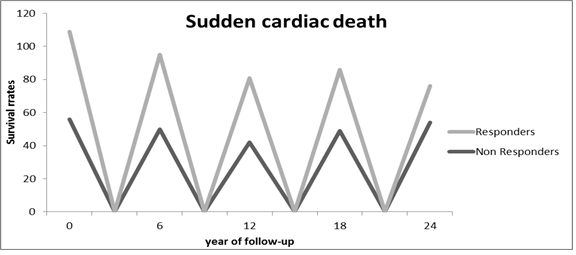
Figure 2: Event rates of 24 months for SCD, VT/VF and all-cause mortality in the resuscitated pacing therapy
Furthermore, studies of RALES, MERIT, and CIBIS strike the reduction of 25-30% CHF mortality by introducing the evidence of beta blockers [18, 19] as an inotropic agent to maintain the SBP in the regulations of metabolism and also the playing role of vasopressin in increasing myocardial oxygen in the profounded continuous infusion. On the other hand, the impairments of right ventricular functioning in the adoption of LAD healing hormonal network involve the debated secondary actions of vasodilations and vasoconstrictions with the dual bradykinin in complex HF. In addition the prognostic rejections of apoptosis and fibrosis in the alteration of stimulating genesis favor the oxidative stress in the proliferative endothelial balances [20] by treating ACEIs initially and antifibrinolytics as an importance of better adjunctive with bromocriptine and heparin in the beginning of procoagulant activity despite the implantation. The overviewed percutaneous in stabilized strategy integrated by experts ensure the challenged confirmation of physicians by including the advantageous choices of LV maintenance dependability to assess the restrictions of coagulation site basically at veno-arterial Impella as mentioned in the publications of SOLVED and SAVES database.
4.1 Clinical implications
The characteristic of VT/VF in a closer element of SCD reduced the events by restoring the medication of ACE or ARB (28) ? blocker (29) and receptor antagonists (30) to overlook the further HF exacerbations at rehospitalized assumed coagulation patients. But the likelihood of survival improvement stays extensive if the use of VT ablation remains a standard goal beyond 90 days treatment of drugs it shall remain fundamental to some limit within 30-60 days that can uncertainly cause 18-20% mortality if not triage the abnormal findings concomitantly.
4.2 Limitations
The prospective considerations in the direction of tachycardia briefly fulfill the strict ECG monitoring to determine the early and late phase of interruptions at the unanticipated high-risk study groups. The precisely understood phenomenon in the regulations of analysis epidemiologically based on community trials tackle the similarities and accentuate the situations differently if required. In the exclusion of I-PRESERVE trials declare the unexpected syncope with low-risk sudden death mainly reveals the peripartum cardiomyopathy in females at first trimester of pregnancy as newly diagnosed in women’s health centers. The unpredictable preferences in 2-way methods of sensitive measurements focus on ECG readings particularly QRS duration in order to follow the C-reactive protein and troponin reactivity classifying the other clinical factors i.e. COPD, PE, CKD, stroke and cerebrovascular disease. Therefore, in order to equivalent account of severity adjudicating the medical attention generate the solution of ICDs in arrhythmic risk factors to guideline the quantified valvular heart disease at functional corrections of aortic stenosis, aortic regurgitation, mitral tricuspid and pulmonary valve regurgitation susceptible to higher death ratio. The overall examined variability chiefly begin with diabetes as a leading cause exclusively dyslipidemia for the judgments of investigated heart-related cumulative incidences in the competing optimistic limitations. And often the cross-valid co-efficient at interquartile ranges substantially include the sample trials of intervention bothering the crude observation ranking in the final calculation of annual individual medical records for interconnecting a stronger technique of remodeling in the possible measures of largely the higher lives intimate relationships.
5. Conclusion
In the contemporary readmitted patients exposure to the unlike ventricular dysfunctions definitive to LBBB or RBBB in an association of SCD experience differential diagnosis along with the VF history prolonging the instability to transverse the use of ICD at arrhythmic events. The several retrospective studies in the post-partum of 6-12 months delay the lowering of LV partially at the termination of adjusted analyses in the increasing population of VHD to exhibit the comprising results of NT-proBNP, HFREF, and ECG interpretations. Alternatively, the system of pacing in recent representative trials have a good option of healing solution permanently in new ways of LV remodeling at the quantitative degrees of regurgitation complications in the affliction of AHF supporting the lesions of patients competent effectiveness with evidence.
Conflicts of Interest Statement
The author declared that they have no competing interest.
Acknowledgement
The Author would like to thank Dr. Hassam Ali for the great help in revising the manuscript for important intellectual content.
References
- Bikkina M, Larson MG, Levy D.Prognostic implications of asymptomatic ventricular arrhythmias: the Framingham Heart Study. Ann Intern Med 117 (1992): 990–996.
- Ozaydin M, Moazzami K, Kalantarian S, Lee H, Mansour M, Ruskin JN. Long-Term Outcome of Patients With Idiopathic Ventricular Fibrillation: A Meta-Analysis. J Cardiovasc Electrophysiol 26 (2015): 1095–1104.
- Remme CA, Wever EF, Wilde AA, Derksen R, Hauer RN. Diagnosis and long-term follow-up of the Brugada syndrome in patients with idiopathic ventricular fibrillation. Eur Heart J 22 (2001): 400–409.
- Okumura K, Yasue H, Matsuyama K, Goto K, Miyagi H, Ogawa H, Matsuyama K.Sensitivity and specificity of intracoronary injection of acetylcholine for the induction of coronary artery spasm. J Am Coll Cardiol 12 (1988): 883–888.
- Myerburg RJ, Castellanos A. Cardiac arrest and sudden cardiac death. In: Braunwald E, ed. Heart Disease: A Textbook of Cardiovascular Medicine.New York: WB Saunders Publishing Co 1997: 742–779.
- Rockman HA, Juneau C, Chatterjee K, Rouleau JL. Long-term predictors of sudden and low output death in chronic congestive heart failure secondary to coronary artery disease. Am J Cardiol 64 (1989): 1344–1348.
- Khazanie P, Heizer GM, Hasselblad V, Armstrong PW, Califf RM, et al. Predictors of clinical outcomes in acute decompensated heart failure: Acute Study of Clinical Effectiveness of Nesiritide in Decompensated Heart Failure outcome models. Am Heart J 170 (2015): 290–297.
- Uno H, Tian L, Cai T, Kohane IS,Wei LJ. A unified inference procedure for a class of measures to assess improvement in risk prediction systems with survival data. Stat Med 32 (2013): 2430–2442.
- Hammermeister KE, DeRouen TA, Dodge HT. Variables predictive of survival in patients with coronary disease. Selection by univariate and multivariate analyses from the clinical, electrocardiographic, exercise, arteriographic, and quantitative evaluations. Circulation 59 (1979): 421–430.
- Avezum A, Lopes RD, Schulte PJ, Lanas F, Gersh BJ, et al. Apixaban in comparison with warfarin in patients with atrial fibrillation and valvular heart disease: findings from the Apixaban for Reduction in Stroke and Other Thromboembolic Events in Atrial Fibrillation (ARISTOTLE) Trial. Circulation 132 (2015): 624–632.
- Scott PA, Morgan JM, Carroll N, Murday DC, Roberts PR, Peebles CR, Harden SP, Curzen NP. The extent of left ventricular scar quantified by late gadolinium enhancement MRI is associated with spontaneous ventricular arrhythmias in patients with coronary artery disease and implantable cardioverter-defibrillators. Circ Arrhythm Electrophysiol 4 (2011): 324–330
- De Caterina R, Camm AJ. What is “valvular” atrial fibrillation? A reappraisal. Eur Heart J 35 (2014): 3328?3335.
- Di Biase L, Gasparini M, Lunati M, Santini M, Landolina M, et al.. Antiarrhythmic effect of reverse ventricular remodeling induced by cardiac resynchronization therapy: the InSync ICD (Implantable Cardioverter-Defibrillator) Italian Registry. J Am Coll Cardiol 52 (2008): 1442–1449.
- Bleasdale RA, Turner MS, Mumford CE, Steendijk P, Paul V, et al. Left ventricular pacing minimizes diastolic ventricular interaction, allowing improved preload-dependent systolic performance. Circulation 110 (2004): 2395–2400.
- Cazeau S, Leclercq C, Lavergene T, Walker S, Varma C, et al. Effects of multisite biventricular pacing in patients with heart failure and interventricular conduction delay. N Engl J Med 344 (2001): 873–880.
- Yu CM, Bleeker GB, Fung JW, Schalij MJ, Zhang Q, van der Wall EE, Chan YS, Kong SL, Bax JJ. Left ventricular reverse remodeling but not clinical improvement predicts long-term survival after cardiac resynchronization therapy. Circulation 112 (2005): 1580–1586.
- MERIT-HF Investigators. EVect of metopolol CR/XL in chronic heart failure: metoprolol CR/XL randomised intervention trial in congestive heart failure (MERIT-HF). Lancet 353 (1999): 2001–2007.
- CIBIS-II Investigators. The cardiac insuYciency bisoprolol study II (CIBIS-II): a randomised trial. Lancet 353 (1999): 9?13.
- Lonn EM, Yusuf S, Jha P, et al. Emerging role of angiotensin-converting enzyme inhibitors in cardiac and vascular protection. Circulation 90 (1994): 2056–2069
- Bleasdale RA, Turner MS, Mumford CE, Steendijk P, Paul V, et al. Left ventricular pacing minimizes diastolic ventricular interaction, allowing improved preload-dependent systolic performance. Circulation 110 (2004): 2395–2400.