Josefine Christine Baudrexl1, Daniel Gagiannis1*
1Department of Pneumology, Bundeswehrkrankenhaus Ulm, 89081 Ulm, Oberer Eselsberg 40, Germany
*Corresponding author: Daniel Gagiannis, Department of Pneumology, Bundeswehrkrankenhaus Ulm, 89081 Ulm, Oberer Edelberg 40, Germany.
ORCID
Josefine Christine Baudrexl: 0009-0008-4754-8934
Daniel Gagiannis: 0009-0003-7498-5041
Received: 23 September 2026; Accepted: 28 September 2026; Published: 30 September 2026
Background: Persistent respiratory symptoms remain among the most common manifestations of post-acute sequelae of COVID-19 (PASC/ post-COVID). Although pulmonary rehabilitation improves functional outcomes, additional therapeutic approaches may further support recovery. Previous randomized studies demonstrated improvements in pulmonary diffusion capacity following the active manual therapeutic intervention (Myoreflextherapy); however, the relative contribution of treatment-specific physiological effects and contextual therapeutic influences remained uncertain.
Methods: In this controlled three-group study, patients with persistent post- COVID were randomly assigned to receive the active manual therapeutic intervention (Myoreflextherapy), a physician-guided sham intervention, or standard follow-up without manual intervention. The sham intervention reproduced physician contact, consultation time, and manual interaction while avoiding the predefined therapeutic principles of the active intervention. Pulmonary function testing, including DLCO and KCO, was performed before and after the intervention. Between-group differences were analyzed using non-parametric statistical methods.
Results: The active intervention produced the greatest improvement in pulmonary diffusion parameters. The sham intervention was associated with intermediate improvements, indicating a measurable contribution of contextual therapeutic influences. However, improvements in DLCO significantly favored the active intervention over the sham intervention, whereas KCO showed the largest improvement in the active intervention group and demonstrated a similar pattern without reaching statistical significance. These findings are consistent with treatment-specific physiological effects beyond contextual therapeutic influences.
Conclusions: Physician-guided manual interaction contributed to functional recovery in patients with post-COVID but did not fully account for the physiological improvements observed after the active manual therapeutic intervention. The findings support the presence of treatment-specific physiological effects beyond contextual therapeutic influences and illustrate the value of sham-controlled designs for investigating manual therapeutic interventions in respiratory rehabilitation.
COVID-19; SARS-CoV-2; PASC; Post-COVID; Myoreflextherapy.
COVID-19 articles; SARS-CoV-2 articles; PASC articles; Post-COVID articles; Myoreflextherapy articles
Introduction
Post-acute sequelae of COVID-19 (PASC/post-COVID) continue to represent a major clinical challenge, with persistent respiratory symptoms affecting a substantial proportion of patients months after the acute infection [1-3]. Among these, exertional dyspnea and impaired pulmonary gas exchange are particularly common and are frequently accompanied by a reduced diffusing capacity for carbon monoxide (DLCO), even in individuals without severe structural lung damage. Despite growing experience with multidisciplinary rehabilitation programs, effective therapeutic options for persistent pulmonary dysfunction remain limited. At the same time, evaluating manual therapeutic interventions presents a methodological challenge. Their clinical effects arise within a complex therapeutic encounter that includes physical contact, clinician–patient interaction, treatment expectations, and other contextual therapeutic influences. These contextual components are an inherent part of clinical care and may contribute substantially to patient outcomes, making it difficult to distinguish treatment-specific physiological effects from improvements attributable to the therapeutic context alone. This challenge is particularly relevant in PASC, where objective physiological endpoints such as pulmonary function testing provide an opportunity to investigate whether observed improvements extend beyond contextual therapeutic influences. Unlike patient-reported outcomes, measurements such as DLCO and the transfer coefficient for carbon monoxide (KCO) offer quantitative indices of pulmonary gas exchange that may help identify treatment-specific physiological responses [4-5]. Myoreflextherapy is a physician-delivered manual therapeutic intervention that aims to influence dysfunctional neuromuscular regulation through the targeted treatment of specific myofascial structures. The therapeutic concept has previously been described in detail, together with its theoretical background and clinical application [6]. In a previously published randomised controlled trial, patients with post-COVID receiving Myoreflextherapy demonstrated greater improvements in pulmonary diffusion capacity than untreated controls, suggesting a potential physiological benefit [7]. However, because the original study did not include a sham intervention, it remained unclear to what extent these findings reflected treatment-specific physiological effects or contextual therapeutic influences associated with intensive physician-guided manual therapy. To address this methodological limitation, the present study introduces a physician-guided sham intervention designed to reproduce the contextual components of manual treatment while deliberately avoiding the therapeutic principles considered specific to Myoreflextherapy. This three-group controlled design allows a more rigorous assessment of whether physiological improvements persist after controlling for contextual therapeutic influences. We hypothesized that the sham intervention would reproduce part of the observed improvement, reflecting the contribution of contextual therapeutic influences, but that the active intervention would demonstrate greater improvements in pulmonary diffusion capacity - particularly DLCO - consistent with treatment-specific physiological effects beyond the therapeutic context.
Methods
This three-group controlled study was conducted as an extension of our previously published randomized controlled trial in patients with post-acute sequelae of COVID-19 (PASC). Patients were enrolled according to the previously published eligibility criteria and randomly assigned using sealed envelopes, as described in the original study. In contrast to the previous two-arm design, participants were allocated in equal proportions to one of three study groups: the active manual therapeutic intervention (Myoreflextherapy), a physician-guided sham intervention, or a no-intervention control group. Equal allocation between the three groups was predefined in the study protocol. The study was conducted in accordance with the Declaration of Helsinki, approved by the responsible institutional ethics committee, and all participants provided written informed consent before enrolment. Patients with persistent respiratory symptoms following SARS-CoV-2 infection were recruited according to the same inclusion and exclusion criteria as described in the original randomized controlled trial. Eligible participants had ongoing symptoms consistent with PASC and objective evidence of impaired pulmonary function. Baseline demographic and clinical characteristics were recorded before allocation to one of the three study groups. Detailed eligibility criteria have been reported previously. Participants received either the active manual therapeutic intervention (Myoreflextherapy), a physician-guided sham intervention, or no intervention (control group). The active intervention was performed according to the previously published treatment protocol by physicians experienced in the method. Treatment consisted of manual stimulation of predefined myofascial structures and functional kinetic chains as described in detail in the original study and methodological publication. The physician-guided sham intervention was prospectively designed to reproduce the contextual components of the therapeutic encounter, including consultation, physical contact, treatment duration, and clinician–patient interaction, while deliberately avoiding the predefined anatomical targets and functional treatment principles considered specific to the active intervention. This design aimed to preserve contextual therapeutic influences without intentionally applying the therapeutic elements unique to Myoreflextherapy. Participants allocated to the control group received no manual intervention during the study period. Pulmonary function testing was performed before and after the intervention period using standardised procedures. The primary outcome was the change in diffusing capacity for carbon monoxide (DLCO), selected because persistent impairment of pulmonary gas exchange represents a characteristic physiological abnormality in patients with PASC. Secondary outcomes included: transfer coefficient for carbon monoxide (KCO), forced vital capacity (FVC), forced expiratory volume in one second (FEV1), cardiopulmonary exercise testing parameters, including oxygen uptake per heart rate (VO2/HF). Objective physiological outcome measures were chosen to minimise reliance on subjective symptom reporting. Statistical analyses were performed using non-parametric methods because of the limited sample size and the distribution of the study variables. Group comparisons were performed using the Kruskal–Wallis test followed by predefined post hoc analyses where appropriate. The principal comparison addressed the central study hypothesis by evaluating differences between the active intervention and the physician-guided sham intervention. Comparisons involving the control group were considered supportive for the interpretation of treatment effects. A two-sided p value < 0.05 was considered statistically significant. Statistical analyses were performed using standard statistical software. The detailed results of all comparisons are reported in the results section.
Results
A total of 141 patients were included in the three-group analysis comprising the active manual therapeutic intervention (Myoreflextherapy), the physician-guided sham intervention, and the no-intervention control group. Baseline demographic and clinical characteristics were comparable across all three groups (Table 1).
|
Parameter |
Kruskal-Wallis |
Treatment vs. No treatment |
Treatment vs. sham I. |
|
DLCO |
0.000635 |
1.244e-13 |
0.01037 |
|
KCO |
2.362e-09 |
1.684e-12 |
0.08202 |
|
FVC |
0.2805 |
4.832e-14 |
0.06807 |
|
FEV1 |
0.4932 |
1.734e-13 |
0.02903 |
|
RV/TLC |
0.569 |
0.002586 |
0.01183 |
|
MEF 50 |
0.1999 |
1.224e-14 |
0.2241 |
|
VO2/HF |
0.3244 |
2.726e-12 |
0.125 |
Table 1: P-values for the effects on pulmonary performanceous treatment groups. (Columns 2 and 3 using Wilcoxon test).
No statistically significant between-group differences were observed for age, sex distribution, body mass index, pulmonary function parameters, or exercise performance. The primary outcome was the change in diffusing capacity for carbon monoxide (DLCO). Improvements were observed in all three study groups, with the greatest increase in the active intervention group, followed by the physician-guided sham intervention group and the control group (Figure 1).
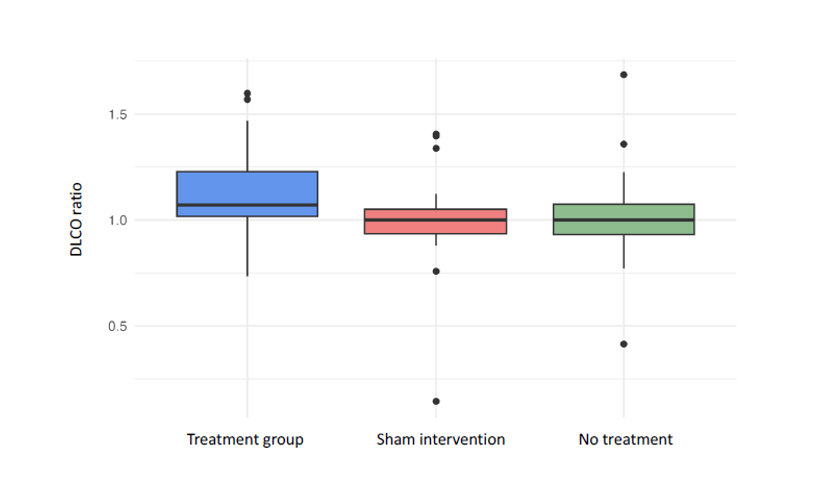
Figure 1: Changes in diffusing capacity for carbon monoxide (DLCO) across the three study groups. Patients receiving Myoreflextherapy demonstrated the greatest improvement, with a statistically significant difference compared with the sham intervention.
Pairwise comparison demonstrated a statistically significant difference between the active intervention and the physician-guided sham intervention (p = 0.01037). The secondary outcome was the change in the transfer coefficient for carbon monoxide (KCO) followed the same overall pattern as DLCO (Figure 2).
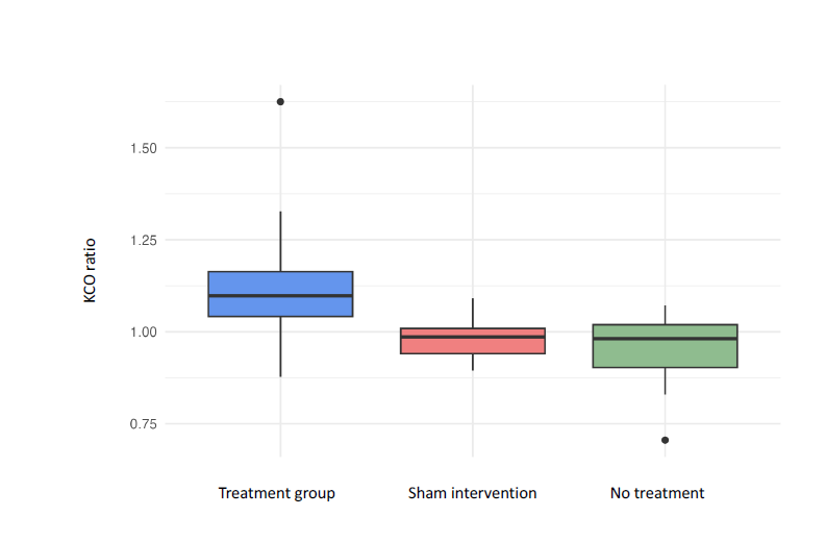
Figure 2: Changes in transfer coefficient for carbon monoxide (KCO). The Myoreflextherapy group showed the largest improvement, whereas the sham group demonstrated intermediate changes.
The greatest improvement was observed in the active intervention group, followed by the physician-guided sham intervention group and the control group. The difference between the active intervention and the physician-guided sham intervention did not reach statistical significance (p = 0.08202). Changes in forced vital capacity (FVC), forced expiratory volume in one second (FEV1), and cardiopulmonary exercise testing parameters, including oxygen uptake per heart rate (VO2/HF), followed the same overall pattern. Improvements were greatest in the active intervention group, intermediate in the physician-guided sham intervention group, and smallest in the control group (Figures 3-5).
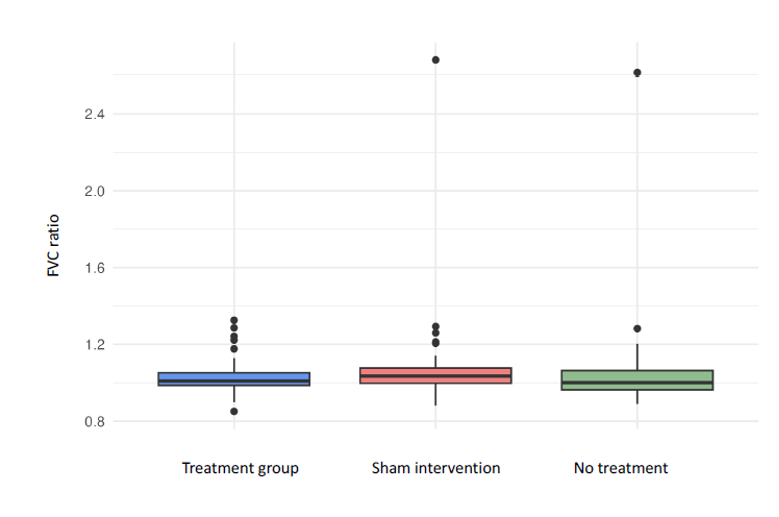
Figure 3: Changes in forced vital capacity (FVC) across study groups.
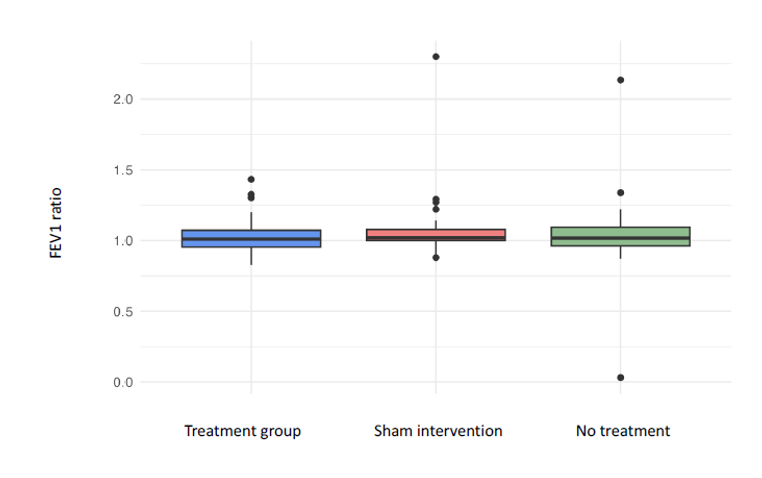
Figure 4:Changes in forced expiratory volume in one second (FEV1).
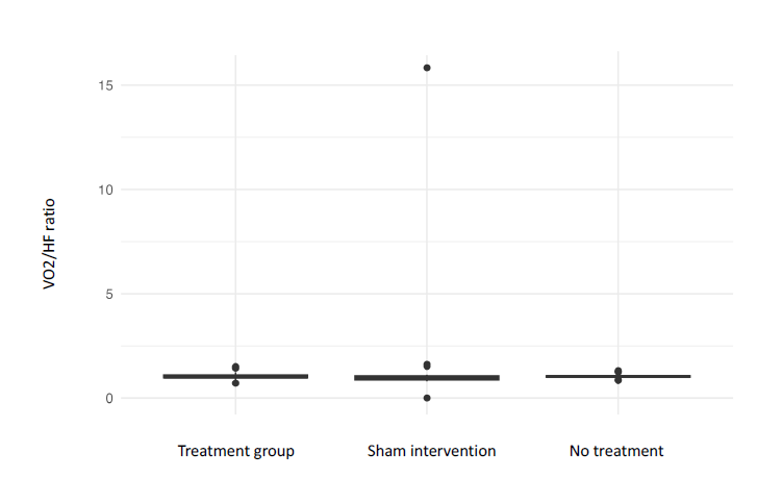
Figure 5: Changes in cardiopulmonary exercise performance (VO2/HF).
Discussion
The present three-group controlled study was designed to distinguish treatment-specific physiological effects from contextual therapeutic influences in patients with post-acute sequelae of COVID-19 (PASC). The principal finding is that physician-guided sham intervention reproduced part of the improvement observed following the active manual therapeutic intervention, indicating that contextual therapeutic influences contribute measurably to recovery. However, patients receiving Myoreflextherapy demonstrated greater improvements in pulmonary diffusion capacity, with a statistically significant advantage for DLCO compared with the sham intervention. These findings suggest that contextual therapeutic influences alone do not fully explain the observed physiological improvements. Importantly, the present findings do not imply that contextual therapeutic influences are negligible. On the contrary, the intermediate improvements observed in the sham group support the view that clinician–patient interaction, therapeutic touch, treatment expectations, and other non-specific components are integral contributors to therapeutic outcomes in manual medicine. Rather than diminishing their relevance, the study demonstrates that these influences can coexist with measurable treatment-specific physiological effects. Persistent impairment of pulmonary gas exchange has been identified as one of the most consistent physiological abnormalities in patients with PASC, with reduced DLCO frequently persisting months after acute infection [8,9]. Consequently, restoration of pulmonary diffusion capacity has become an important objective of rehabilitation strategies [10-13]. Our previous randomized controlled trial demonstrated improvements in DLCO following Myoreflextherapy compared with untreated controls, suggesting a potential physiological benefit [7]. However, because no sham intervention was included, the contribution of contextual therapeutic influences could not be assessed. The present study directly addresses this methodological limitation by incorporating a physician-guided sham intervention that reproduces the therapeutic encounter while deliberately avoiding the defining therapeutic principles of the active intervention. This design extends the evidence beyond a conventional efficacy comparison by allowing a more differentiated interpretation of manual therapeutic interventions. Instead of asking whether the intervention is associated with improvement, the study examines whether improvement remains detectable after accounting for contextual therapeutic influences. One of the most important contributions of this study is the explicit recognition that context-related therapeutic influences constitute an essential component of manual medicine and should not be viewed as a source of methodological error, since the psychological strain on post-COVID patients - due to the complex and protracted course of their illness - must not be underestimated [14,15]. Unlike pharmacological interventions, manual therapies cannot be completely separated from interpersonal interaction, therapeutic touch, and patient expectations. These components likely influence symptom perception, adherence to treatment, and functional recovery. The improvements observed in the sham treatment group are therefore neither unexpected nor contradictory. Rather, they support the increasingly accepted view that context-related therapeutic influences are part of the overall therapeutic response. The inclusion of a carefully designed sham intervention provides an opportunity to assess its contribution while simultaneously evaluating whether additional treatment-specific physiological effects remain detectable. The greater improvement in DLCO observed following Myoreflextherapy compared with the sham intervention represents the central finding of the present study. Because both interventions were delivered by physicians under comparable clinical conditions, the observed between-group difference is consistent with the presence of treatment-specific physiological effects beyond those attributable to the therapeutic context alone. The corresponding trend observed for KCO further supports this interpretation, although statistical significance was not reached. Together, these findings suggest that at least part of the physiological improvement associated with the active intervention cannot be explained solely by contextual therapeutic influences. The present study was not designed to identify the biological mechanisms responsible for these observations. Consequently, no conclusions regarding specific neurophysiological, musculoskeletal, circulatory, or inflammatory pathways can be drawn. Future mechanistic investigations will be required to determine how manual therapeutic interventions may influence pulmonary physiology in patients with PASC. From a clinical perspective, the present findings suggest that manual therapeutic interventions may complement multidisciplinary rehabilitation programs for selected patients with persistent pulmonary impairment following COVID-19. At the same time, the study has broader methodological implications extending beyond PASC. The results illustrate that rigorous sham-controlled designs are both feasible and informative in manual medicine, allowing investigators to quantify contextual therapeutic influences while simultaneously evaluating treatment-specific physiological effects. Such approaches may contribute to improving the methodological quality of future clinical trials evaluating non-pharmacological interventions. The principal strength of this study is the implementation of a physician-guided sham intervention specifically designed to reproduce the contextual elements of manual therapy while avoiding its predefined therapeutic principles. This design permitted a more rigorous distinction between contextual therapeutic influences and treatment-specific physiological effects than was possible in our previous trial. Furthermore, the use of objective pulmonary function parameters reduced reliance on subjective outcome measures. Several limitations should be acknowledged. The study population was relatively small, which limits statistical power, particularly for secondary outcomes. As in all manual therapy research, complete elimination of contextual influences is neither feasible nor desirable, and residual non-specific effects cannot be excluded. Finally, the findings are restricted to patients with PASC and should not be generalized to other clinical conditions without further investigation.
Conclusion
The present three-group controlled study demonstrates that contextual therapeutic influences contribute measurably to physiological recovery following manual therapeutic intervention in patients with PASC. However, these influences do not fully explain the greater improvement in pulmonary diffusion capacity observed after Myoreflextherapy. The findings are therefore consistent with the presence of treatment-specific physiological effects beyond the therapeutic context and support the use of rigorous sham-controlled designs in future research evaluating manual therapeutic interventions.
Declaration of Interest :
JCB was speaker for Boehringer-Ingelheim, MSD and Sanofi. DG was speaker for Boehringer-Ingelheim, MSD, Berlin Chemie, Sanofi, Pfizer and AstraZeneca.
Author Contributions
Study concept: JCB and DG. Data collection: JCB and DG. Initial draft of manuscript: JCB. Critical revision and approval of final version: JCB and DG.
Confirmation of Ethical Compliance
The study was approved by the ethics committee of the University of Ulm (reference no. 129-20) and was conducted in accordance with the Declaration of Helsinki.
References
- Lopez-Leon S, Wegman-Ostrosky T, Perelman C, et al. More than 50 long-term effects of COVID-19: a systematic review and meta-analysis. Sci Rep 11 (2021): 16144.
- Parotto M, Gyöngyösi M, Howe K, et al. Post-acute sequelae of COVID-19: understanding and addressing the burden of multisystem manifestations. Lancet Respir Med 11 (2023): 739-754.
- Nalbandian A, Sehgal K, Gupta A, et al. Post-acute COVID-19 syndrome. Nat Med 27 (2021): 601-615.
- Aiyegbusi OL, Hughes SE, Turner G, et al. Symptoms, complications and management of long COVID: a review. J R Soc Med 114 (2021): 428-442.
- Shao H, Qin Z, Geng B, et al. Impaired lung regeneration after SARS-CoV-2 infection. Cell Prolif 53 (2020): e12927.
- Baudrexl JC, Mosetter K, Mosetter R, et al. Introducing the “Gamechanger” - Myoreflextherapy. Health Sci Rev 14 (2025): 100215.
- Baudrexl JC, Schmidt Alba J, Mosetter K, et al. The impact of myoreflex therapy on patients with post-acute sequelae of COVID-19. Open J Clin Med Case Rep 10 (2024): 19.
- Schurink B, Roos E, Radonic T, et al. Viral presence and immunopathology in patients with lethal COVID-19: a prospective autopsy cohort study. Lancet Microbe 1 (2020): e290-e299.
- Peiris S, Mesa H, Aysola A, et al. Pathological findings in organs and tissues of patients with COVID-19: a systematic review. PLoS One 16 (2021): e0250708.
- Bazdyrev E, Rusina P, Panova M, et al. Lung fibrosis after COVID-19: treatment prospects. Pharmaceuticals 14 (2021): 807.
- Singh SJ, Baldwin MM, Daynes E, et al. Respiratory sequelae of COVID-19: pulmonary and extrapulmonary origins, and approaches to clinical care and rehabilitation. Lancet Respir Med 11 (2023): 709-725.
- Liu K, Zhang W, Yang Y, et al. Respiratory rehabilitation in elderly patients with COVID-19: a randomized controlled study. Complement Ther Clin Pract 39 (2020): 101166.
- Nopp S, Moik F, Klok FA, et al. Outpatient pulmonary rehabilitation in patients with long COVID improves exercise capacity, functional status, dyspnea, fatigue, and quality of life. Respiration 101 (2022): 593-601.
- Cheng AL, Anderson J, Didehbani N, et al. Multi-disciplinary collaborative consensus guidance statement on the assessment and treatment of mental health symptoms in patients with post-acute sequelae of SARS-CoV-2 infection (PASC). PM R 15 (2023): 1588-1604.
- Davis HE, Assaf GS, McCorkell L, et al. Characterizing long COVID in an international cohort: 7 months of symptoms and their impact. E Clinical Medicine 38 (2021): 101019.