Simeon Adelani Adebisi1*, Dogoh Faeren1, Lawson Ekpeni Ekpe2, Eyam Sunday Eyam2, Basil Bruno3
1Department of Chemical Pathology, Benue State University Teaching Hospital, Makurdi, Benue State, Nigeria
2Department of Chemical Pathology and Immunology, Faculty of Basic Clinical Sciences, University of Calabar, Calabar
3International Institute for Pathology and Forensic Science Research, David Umahi Federal University of Health Sciences, Uburu, Nigeria
Corresponding Author: Simeon. Adelani Adebisi, Department of Chemical Pathology, Benue State University Teaching Hospital, Makurdi, Benue State, Nigeria.
Received: 29 June 2026; Accepted: 18 July 2026; Published: 11 August 2026
DOI: 10.26502/fjwhd.2644-288400152
ShareBackground: Biomarkers of glycaemic control are essential tools in the diagnosis, monitoring, and management of diabetes mellitus. Although glycated haemoglobin (HbA1c) remains the standard biomarker, its limitations in certain clinical conditions have stimulated interest in alternative and complementary markers. Objective: To review evidence published between January 2023 and December 2025 regarding the utility, advantages, and limitations of biomarkers of glycaemic control in diabetes mellitus. Methods: A scoping review was conducted according to PRISMA-ScR guidelines. Electronic databases were searched for studies, evaluating established and emerging biomarkers of glycaemic control. Data were extracted and synthesized thematically. Results: Twenty-five studies were included. HbA1c remained the most widely used biomarker for long-term glycaemic assessment; however, its reliability was reduced in conditions affecting red blood cell turnover. Fructosamine and glycated albumin provided useful short-term measures of glycaemic control, while continuous glucose monitoring metrics offered valuable information on glycaemic variability and Time in Range. The triglyceride-glucose index emerged as a promising surrogate marker of glycaemic control. Across studies, integrated biomarker approaches demonstrated greater potential for comprehensive glycaemic assessment than reliance on a single marker. Conclusion: Emerging evidence suggests that optimal assessment of glycaemic control requires a multidimensional approach that combines HbA1c with complementary biomarkers and CGM-derived metrics. Such strategies may improve personalized diabetes care and enhance prediction of diabetes-related complications.
Diabetes mellitus; HbA1c; Glycaemic control; Biomarkers; Continuous glucose monitoring; Glycated albumin; Fructosamine; Triglyceride-glucose index
Diabetes mellitus articles; HbA1c articles; Glycaemic control articles; Biomarkers articles; Continuous glucose monitoring articles; Glycated albumin articles; Fructosamine articles; Triglyceride-glucose index articles
Introduction
Effective glycaemic control remains central to the management of diabetes mellitus, as it reduces the risk of both microvascular and macrovascular complications [1,2]. Traditionally, biomarkers such as glycated haemoglobin (HbA1c) have been widely used to assess long-term glycaemic exposure [3,4]. However, emerging evidence between 2023 and 2025 highlights important limitations of conventional biomarkers and supports the growing role of alternative biomarkers that provide complementary insights into glucose dynamics [5,6].
This scoping review synthesizes recent literature (2023-2025) on established and emerging biomarkers of glycaemic control, focusing on their clinical utility, advantages, and inherent limitations.
Methods
Study Designs
A scoping review was undertaken to provide a broad overview of the available work on biomarkers of glycaemic control in the management of diabetes mellitus: their advantages and limitations, without restricting inclusion to specific study designs. The review followed the methodological framework proposed by Arksey and O’Mally, [7] together with subsequent refinements, and was reported in accordance with the PRISMA extension for scoping reviews (PRISMA-ScR) [8].
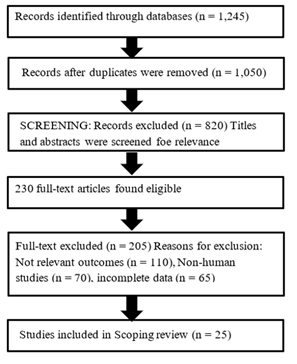
PRISMA-ScR Compliance Statement
This review was conducted in accordance with the preferred Reporting Items for Systematic Reviews and Meta-Analyses Extension for Scoping Reviews (PRISMA-ScR) checklist [8].
Research Question
This review addressed the question: What biomarkers of glycaemic control have been reported in the literature for the management of diabetes mellitus, and what are their respective advantages, limitations, and clinical applications?
Eligibility Criteria
We included studies that involved people diagnosed with type 2 diabetes mellitus (T2DM) and that examined biomarkers of glycaemic control as its concept and those that clinical management and monitoring of diabetes mellitus across healthcare settings was their context from January 2023 to December 2025 were considered. We excluded studies conducted in animals, opinion pieces without original data, or research focusing solely on non-diabetic populations.
Study Selection and Data Extraction
Titles and abstract were initially screened for relevance, followed by full-text review of potentially eligible articles. For each included study, data were extracted on study design, sample size, geographic location, participant characteristics, outcomes assessed, and principal findings.
Protocol registration
A protocol was not prospectively registered
Results
A total of 25 studies published between 2023 and 2025 were included. These comprised Methodological evaluation (n = 5), Cross-sectional (n≈1), cohort (n≈4), randomized trials (n≈2), and observational registry analysis (n≈3), Clinical guidelines report (3), review studies (n≈7), with study populations ranging from 94 to over 14,890 participants across diverse geographic regions.
Thematic Synthesis of Findings
Given heterogeneity in study designs and outcome measures, findings were synthesized narratively rather than quantitatively. Analysis of the 25 included studies revealed five major themes regarding biomarkers of glycaemic control in diabetes mellitus: (1) continued reliance on HbA1c with recognized limitations, (2) increasing use of short-term biomarkers, (3) emphasis on glycaemic variability, (4) emergence of the TyG index, and (5) a shift toward integrated biomarker
Theme 1: Persistent Central Role of HbA1c with Recognised Limitations
Across the evaluated literature, glycated hemoglobin {HbA1c} consistently emerges as the primary biomarker for evaluating long-term glycaemic control [9-17]. Its sustained clinical relevance is anchored in its robust correlation with diabetes-related microvascular and macrovascular complications, alongside its rigorous international standardization. Nonetheless, the synthesized evidence highlights a critical limitation regarding its diagnostic reliability in specific clinical contexts. Notably, in patients presenting with chronic kidney disease, anemia, hemoglobinopathies, or other conditions that alter erythrocyte turnover, {HbA1c} values regularly misrepresent true systemic glycaemic exposure by either underestimating or overstating average blood glucose level [5, 14, 16-19]. Consequently, there is an escalating consensus advising caution against the clinical utilization of {HbA1c} as an isolated, standalone diagnostic metric in populations characterized by anomalous red blood cell dynamics.
Theme 2: Growing Role of Short-Term Glycaemic biomarkers
Alternative biomarkers, specifically fructosamine and glycated albumin (GA), are consistently recognized across the literature as effective modalities for short to intermediate-term glycaemic assessment, capturing glycaemic trends over a two to three weeks window [5, 13, 19, 21-23]. Synthesized findings highlight several distinct clinical advantages of these markers. First, glycated albumin exhibits superior sensitivity in detecting postprandial glucose excursions compared to traditional metrics. Second, fructosamine demonstrate high clinical utility in tracking rapid glycaemic fluctuations, making it particularly valuable during pregnancy or acute illness. Finally, both biomarkers offer reliable alternatives in patient populations where hemoglobin A1c {HbA1c} measurements are confounded by altered erythrocyte dynamics.
Despite these clinical benefits, the widespread adoption of fructosamine and GA remains constrained by two primary limitations: a lack of universal laboratory standardization, and systemic confounding factors – such as liver cirrhosis or nephrotic syndrome – that alter protein metabolism and inadvertently skew results.
Theme 3: Emergence of Glycaemic Variability as a Critical Target
A prominent theme emerging across recent literature is the growing consensus that glycaemic variability – distinct from mean glucose concentrations – is a critical determinant in comprehensive diabetes management [12, 24-29]. Current methodologies utilized to quantify this variance include 1,5-anhydrologlucitol (1,5-AG) alongside continuous glucose monitoring (CGM)-derived metrics, most notably time in range (TIR) and glycaemic excursions.
The synthesized data yield several key insights into these modalities. First, CGM metrics deliver dynamic, real-time resolution of glucose fluctuations that standard assessments miss. Second, conventional hemoglobin A1c {HbA1c} measurements fail to capture acute hypoglycaemic episodes and transient postprandial glucose spikes, thereby masking significant daily volatility. Third, an expanding body of evidence demonstrates that TIR is inversely correlated with the risk of secondary diabetic complications. Collectively, these findings underscore a paradigm shift in clinical practice toward more comprehensive, dynamic, and patient-centered monitoring strategies.
Theme 4: Triglyceride–Glucose (TyG) Index as a Surrogate Marker
An expanding body of evidence highlights the triglyceride-glucose (TyG) index as a prominent emerging biomarker closely linked to insulin resistance, glycaemic control, and the development of microvacular and macrovascular complications, including nephropathy and neuropathy [31-33]. Investigation into this metric reveals several notable findings. The TyG index demonstrates a significant correlation with conventional hemoglobin A1c {HbA1c} levels while simultaneously offering insight into both underlying metabolic dysfunction and secondary vascular pathology. Furthermore, due to its low cost and procedural simplicity, the index possess high clinical utility in resource-limited healthcare setting.
However, several limitations temper its immediate widespread adoption. Most notably, the TyG index remains an indirect surrogate marker rather than a direct measure of true glycaemia. Consequently, its exact clinical role is still evolving, necessitating further large-scale validation before it can be integrated into standard diagnostic protocols.
Theme 5: Shift Toward Integrated and Composite Biomarker Approaches
A prominent, forward-looking theme emerging from the literature is the strategic integration of multiple biomarkers to optimize the accuracy of glycaemic assessment [12, 15, 19-21, 23, 25, 27-29]. Extant studies demonstrate that combining hemoglobin A1c {HbA1c} with short – to intermediate-term markers, such as glycated albumin or fructosamine, significantly enhances diagnostic precision. Furthermore, merging these laboratory metrics with continuous glucose monitoring (CGM) data yields a more nuanced, multidimensional profile of a patient’s true glycaemic control. Such composite indices effectively bridge the temporal gaps inherent to individual short-term and long-term biomarkers, offering a more continuous clinical picture. Collectively, these findings reflect a broader paradigm shift within the field toward personalized diabetes management, context-specific biomarker selection, and a deliberate reduction in the reliance on single-marker diagnostic strategies.
Overall Synthesis
Synthesized in their entirety, these findings demonstrate that the paradigm of glycaemic monitoring is transitioning from a traditional, single-marker model centered on haemoglobin A1c {HbA1c} toward a comprehensive, multidimensional framework. This evolving approach systematically incorporates metrics across distinct clinical dimensions: long-term glycaemic control {HbA1c}, short-to intermediate trends (fructosamine and glycated albumin), acute glycaemic variability (continuous glucose monitoring and 1,5-anhydroglucitol), and metabolic surrogates (the triglyceride-glucose index). Ultimately, this integrated diagnostic strategy enhances clinical precision, enabling providers to more effectively detect clinically relevant glucose fluctuations, tailor therapeutic interventions to individual patient profiles, and optimize long-term clinical outcomes.
Discussion
This scoping review examined the current evidence on biomarkers of glycaemic control in diabetes mellitus published between January 2023 and December 2025. The findings demonstrate that while glycated haemoglobin (HbA1c) remains the cornerstone of glycaemic monitoring, there is increasing recognition that no single biomarker can adequately capture the complexity of glucose homeostasis across all patient populations and clinical circumstances. Emerging evidence supports the complementary use of alternative biomarkers such as fructosamine, glycated albumin (GA), 1,5-anhydroglucitol (1,5-AG), continuous glucose monitoring (CGM)-derived metrics, and the triglyceride-glucose (TyG) index to provide a more comprehensive assessment of glycaemic status [19, 20, 21, 27, 28].
A major finding of this review is the continued dominance of HbA1c in clinical practice. HbA1c remains the most extensively validated biomarker for predicting diabetes-related complications and is endorsed by major international guidelines for diagnosis and monitoring. Its widespread availability, standardization, and ability to reflect average glycaemia over approximately three months make it an indispensable component of diabetes management [9-11]. Nevertheless, numerous studies included in this review highlighted important limitations that chronic kidney disease, haemoglobinopathies, iron deficiency anaemia, haemolytic anaemia, pregnancy, and recent blood transfusions may have on HbA1c values. Thus, in any of these conditions, HbA1c values do not accurately reflect glycaemic exposure [13, 14, 17]. These findings reinforce concerns raised in earlier studies and emphasize the need for clinicians to interpret HbA1c results within the boarder clinical context.
The growing interest in fructosamine and glycated albumin reflects the need for biomarkers that provide shorter-term assessments of glycaemic control. Both markers offer advantages in situations where HbA1c is unreliable or where rapid changes in glucose control need to be monitored [13, 18-23]. Glycated albumin, in particular, emerged as a promising biomarker because of its sensitivity to postprandial glucose excursions and glycaemic variability. Several studies demonstrated that GA performs particularly well in patients with chronic kidney disease, a population in whom HbA1c frequently underestimates glycaemic burden. However, the clinical utility of fructosemine and GA is limited by influence of abnormalities in protein metabolism, including nephrotic syndrome, liver disease, and severe malnutrition. Furthermore, lack of global standardization continues to hinder widespread implementation.
Another important finding is the increasing emphasis on glycaemic variability as a determinant of diabetes outcomes. Historically, diabetes management focused primarily on mean glucose levels; however, recent evidence suggests that fluctuations in glucose concentrations may independently contribute to oxidative stress, endothelial dysfunction, and the development of vascular complications. Continuous glucose monitoring has transformed this field by enabling assessment of metrics such as Time in Range (TIR), Time Above Range (TAR), Time Below Range (TBR), and coefficient of variation. These metrics provide clinically actionable information that cannot be derived from HbA1c alone [22, 23, 25-29]. Multiple studies included in this review reported strong associations between TIR and the risk of microvascular complications, supporting recommendations that CGM metrics should complement traditional laboratory biomarkers whenever feasible.
The review also identified increasing interest in the TyG index as a low-cost surrogate marker of insulin resistance and metabolic dysfunction. The TyG index has gained particular attention in low-income and middle-income countries because it requires only fasting glucose and triglyceride measurements, both of which are routinely available in most healthcare settings. Studies conducted between 2023 and 2025 consistently demonstrated associations between the TyG index and diabetic kidney disease, peripheral neuropathy, cardiovascular risk, and overall glycaemic status [30-32]. Despite these promising findings, the TyG index should currently be regarded as a supplementary rather than a primary glycaemic biomarker because it does not directly measure glucose exposure. Further longitudinal studies are needed to establish standardized cut-off values and clarify its prognostic role.
An emerging theme throughout the reviewed literature is the movement toward integrated biomarker strategies. Rather than relying solely in HbA1c, researchers increasingly advocate combining long-term, intermediate-term, and real-time markers to achieve a more accurate representation of glycaemic control [12, 20, 21, 27, 28]. Such an approach recognizes that diabetes is a heterogeneous disorder characterized by dynamic metabolic changes that cannot be fully captured by a single measurement. Combining HbA1c with glycated albumin, fructosamine, or CGM-derived metrics may improve risk satisfaction and facilitate more personalized therapeutic decisions. This paradigm aligns with the broader movement toward precision medicine in diabetes care.
From a global health perspective, the findings have important implications for resource-limited settings. While CGM provides the most comprehensive assessment of glycaemic patterns, its cost and limited availability restrict widespread use in many developing countries. In such settings, relatively inexpensive alternatives such as fructosamine, glycated albumin, and the TyG index may provide valuable adjunctive information when HbA1c is unavailable or unreliable consequently, healthcare systems should consider adopting context-specific biomarker strategies based on local resources, patient characteristics, and clinical needs.
Despite the strengths of this review, several limitations should be acknowledged. First, the evidence base remains dominated by observational and cross-sectional studies, limiting casual inference. Second, significant heterogeneity exists in study populations, laboratory methods, and outcome measures. Third, some emerging biomarkers lack standardized analytical methods and universally accepted reference ranges. Finally, the rapid evolution of diabetes technologies means that evidence regarding CGM and composite biomarkers continues to develop. Future research should prioritize multicentre prospective studies, standardization of alternative biomarker assays, and evaluation of integrated biomarker algorithms in diverse populations.
Overall, the evidence suggests that the future if glycaemic monitoring lies not in replacing HbA1c but in complementing it with additional biomarkers that address its limitations and provide a more complete picture of glycaemic control.
Conclusion
Biomarkers of glycaemic control remain fundamental to the effective management of diabetes mellitus. This scoping review demonstrates that HbA1c continues to be the principal biomarker for long-term glycaemic assessment because of its strong prognostic value, standardization, and widespread clinical acceptance. However, significant limitations exist in specific clinical conditions where HbA1c may not accurately reflect true glycaemic exposure.
Alternative biomarkers, including fructosamine, glycated albumin, 1,5-anhydroglucitol, CGM-derived metrics, and the triglyceride-glucose index, provide important complementary information regarding short-term glycaemia, glycaemic variability, and metabolic risk. Evidence from recent studies increasingly supports the use of multiple biomarkers rather than reliance on a single parameter.
The emerging paradigm of integrated glycaemic assessment has the potential to improve diagnostic accuracy, facilitate individualized treatment decisions, and enhance prediction of diabetes-related complications. Future efforts should focus on assay standardization, validation of novel biomarkers, and improving access to advances monitoring technologies, particularly in low- and middle-income countries.
Clinical Recommendations
Based on the evidence synthesized in this review, glycated haemoglobin (HbA1c) should remain the primary biomarker for monitoring long-term glycaemic control in individuals with diabetes mellitus. Owing to its extensive validation, standardization, and established association with diabetes-related complications, HbA1c continues to serve as the cornerstone of routine diabetes management. Nevertheless, clinicians should exercise caution when interpreting HbA1c values in patients with conditions that affect red blood cell survival or haemoglobin metabolism, as these factors may lead to inaccurate estimations of glycaemic status.
In clinical situations where HbA1c may be unreliable, alternative biomarker should be considered. Glycated albumin and fructosamine can provide valuable information on short-to intermediate-term glycaemic control and may be particularly useful in patients with chronic kidney disease, haemoglobinopathies, iron deficiency anaemia, haemolytic anaemia, pregnancy, or a recent history of blood transfusion. The use of these biomarkers can help overcome some of the limitations associated with HbA1c and provide a more accurate assessment of glycaemic control in selected patient populations.
Where resources permit, continuous glucose monitoring (CGM) should be incorporated into routine diabetes care. CGM-derived metrics, including Time in Range (TIM), Time Above Range (TAR), Time Below Range (TBR), and measures of glycaemic variability, offer valuable insights into daily glucose fluctuations that are not captured by HbA1c alone. The integration of these metrics with traditional laboratory biomarkers can facilitate a more comprehensive evaluation of glycaemic status and individualized treatment decisions.
The triglyceride-glucose (TyG) index may also be considered as an adjunctive tool for risk stratification. Evidence suggests that the TyG index is associated with insulin resistance, cardiovascular risk, and the development of diabetic kidney disease. However, because it is an indirect marker of metabolic dysfunction rather than a direct measure of glycaemic control, it should not be used as a substitute for established glycaemic biomarkers. Instead, it should be viewed as a complementary measure that can enhance clinical risk assessment.
An integrated biomarker approach is increasingly recommended for optimal diabetes management. Combining HbA1c as a marker of long-term glycaemic exposure with glycated albumin or fructosamine as indicators of intermediate-term control, alongside CGM-derived metrics that reflect real-time glucose variability, may provide a more complete understanding of an individual’s glycaemic profile. The selection of biomarkers should be tailored to the patient’s clinical characteristics, comorbidities, and the resources available within the healthcare setting.
In resource-limited environments, efforts should be directed toward improving access to affordable and clinically useful biomarkers such as fructosamine and the TyG index. Strengthening laboratory infrastructure, implementing quality assurance programmes, and developing context-specific clinical guidelines for biomarker utilization will be essential for improving diabetes care in these settings.
Future research should focus on the standardization of glycated albumin and fructosamine assays, validation of composite biomarker algorithms, and the conduct of longitudinal studies to evaluate the prognostic value of emerging biomarkers. Additionally, cost-effectiveness analyses are needed to determine the feasibility and impact of integrated glycaemic monitoring strategies, particularly in low- and middle-income countries.
Key Message
The future of glycaemic monitoring is unlikely to depend on a single biomarker. Rather, effective diabetes mellitus management will increasingly rely on the integration of HbA1c, alternative laboratory biomarkers, and continuous monitoring metrics to achieve a more accurate, individualized, and clinically meaningful assessment of glycaemic control. Such a multidimensional approach has the potential to improve risk stratification, optimize therapeutic decision-making, and ultimately enhance patient outcomes.
Declarations Section
Ethics approval and consent to participate
This study is a scoping review based exclusively on previously published literature and does not involve human participants or identifiable personal data. Therefore, ethical approval and informed consent were not required.
Consent for publication
Not applicable. This manuscript does not contain any individual person’s data in any form (including images, videos, or personal details).
Availability of data and materials
All data analysed during this study are included in this published article and its references. The data were obtained from publicly available sources.
Competing interests
We the authors declare that we have no competing interests.
Funding
We the authors declare that we received no specific funding for this work.
Authors’ contributions
SAA conceived and designed the study, conducted the literature search, performed data extraction, and drafted the manuscript.
DF contributed to data interpretation and critical review of the manuscript.
LEE contributed to study design, data interpretation, and critical revision of the manuscript.
ESE assisted with data extraction, synthesis of findings, and manuscript revision.
DF contributed to data interpretation and critical review of the manuscript.
BB contributed to data interpretation and critical review of the manuscript.
All authors read and approved the final manuscript.
Acknowledgements
We the authors acknowledge the support of the staff of the Department of Chemical Pathology, Benue State University Teaching Hospital, Makurdi, Nigeria, during the preparation of this manuscript.
References
- Diabetes Control and Complications Trial Research Group. The Effect of Intensive Treatment of Diabetes on the Development and Progression of Long-Term Complications in Insulin-Dependent Diabetes Mellitus. N Engl J Med 329 (1993): 977-986.
- UK Prospective Diabetes Study (UKPDS) Group. Intensive Blood-Glucose Control with Sulphonylureas or Insulin Compared with Conventional Treatment and Risk of Complications in Patients with Type 2 Diabetes (UKPDS). Lancet 352 (1998): 837-853.
- Koenig RJ, Peterson CM, Jones RL, et al. Correlation of Glucose Regulation and Hemoglobin A1c in Diabetes Mellitus. N Engl J Med 295 (1976): 417-420.
- Nathan DM, Kuenen J, Borg R, et al. Translating the A1C Assay into Estimated Average Glucose Values. Diabetes Care 31 (2008): 1473-1478.
- Zelnick LR, Trikudanathan S, Hall YN, et al. Accuracy, Variability, and Bias of Glycemic Biomarkers in Patients Treated with Maintenance Dialysis. Diabetes Care 49 (2026): 835-842.
- Kim M, Park S. Limitations of Glycated Hemoglobin and Emerging Biomarkers for Diabetes Care After Bariatric Surgery. World J Diabetes 16 (2025): 107928.
- Arksey H, O’Malley L. Scoping Studies: Towards a Methodological Framework. Int J Soc Res Methodol 8 (2005): 19-32.
- Tricco AC, Lillie E, Zarin W, et al. PRISMA Extension for Scoping Reviews (PRISMA-ScR): Checklist and Explanation. Ann Intern Med 169 (2018): 467-473.
- American Diabetes Association Professional Practice Committee. 2. Diagnosis and Classification of Diabetes: Standards of Care in Diabetes–2024. Diabetes Care 47 (2024): S20-S42.
- American Diabetes Association Professional Practice Committee. 6. Glycemic Targets: Standards of Care in Diabetes–2024. Diabetes Care 47 (2024): S97-S110.
- Chareesil C. Clinical Utility of Fasting Plasma Glucose and Hemoglobin A1C (HbA1C) for the Prediction of Type 2 Diabetes Mellitus Diagnosed by Oral Glucose Tolerance Testing in Cirrhotic Patient with Impaired Fasting Plasma Glucose. PSU Med J 4 (2024): 123-130.
- Uhl S, Choure A, Rouse B, et al. Effectiveness of Continuous Glucose Monitoring on Metrics of Glycemic Control in Type 2 Diabetes Mellitus: A Systematic Review and Meta-Analysis of Randomized Controlled Trials. J Clin Endocrinol Metab 109 (2024): 1119-1131.
- Dunn TC, Xu Y, Bergenstal RM, et al. Personalized Glycated Hemoglobin in Diabetes Management: Closing the Gap with Glucose Management Indicator. Diabetes Technol Ther 25 (2023): S52-S61.
- Fang M, Wang D, Rooney MR, et al. Performance of the Glucose Management Indicator (GMI) in Type 2 Diabetes. Clin Chem 69 (2023): 422-428.
- Khunti K, Zaccardi F, Amod A, et al. Glycaemic Control is Still Central in the Hierarchy of Priorities in Type 2 Diabetes Management. Diabetologia 68 (2025): 17-28.
- Bahat G, Ozkok S, Petrovic M. Management of Type 2 Diabetes in Frail Older Adults. Drugs Aging 40 (2023): 751-761.
- Li M, Ge S, Shu X, et al. Interference of Hemoglobin Variants with HbA1c Measurements by Six Commonly Used HbA1c Methods. Lab Med 55 (2024): 708-716.
- Nathan DM, Herman WH, Larkin ME, et al. Relationship Between Average Glucose Levels and HbA1c Differs Across Racial Groups: A Substudy of the GRADE Randomized Trial. Diabetes Care 47 (2024): 2155-2163.
- Cour S, Onal EM, Afsar B, et al. Diabetes Mellitus in Chronic Kidney Disease: Biomarkers Beyond HbA1c to Estimate Glycemic Control and Diabetes-Dependent Morbidity and Mortality. J Diabetes Complications 34 (2020): 107707.
- Selvin E, Rawlings AM, Lutsey PL, et al. Glycated Albumin and Adverse Clinical Outcomes in Patients with CKD: A Prospective Cohort Study. Am J Kidney Dis 84 (2024): 306-317.
- Yu HJ, Park CH, Shin K, et al. Cutoff Values for Glycated Albumin, 1,5-Anhydroglucitol, and Fructosamine as Alternative Markers for Hyperglycemia. J Clin Lab Anal 38 (2024): e25097.
- Naik SR, Roopa AN, Girish KS, et al. Comparative Evaluation of Fructosamine and Glycated Haemoglobin as a Marker of Glycaemic Control in Type 2 Diabetes Mellitus. J Diagn Acad Pathol 1 (2024): 68-71.
- Desouza CV, Fonseca VA, Kohzuma T, et al. Glycated Albumin Correlates with Time-in-Range Better than HbA1c or Fructosamine. J Clin Endocrinol Metab 108 (2023): e1193-e1198.
- American Diabetes Association Professional Practice Committee. Diabetes Technology: Standards of Care in Diabetes–2025. Diabetes Care 48 (2025): S181-S203.
- Battelino T, Danne T, Bergenstal RM, et al. Clinical Targets for Continuous Glucose Monitoring Data Interpretation: Recommendations from the International Consensus on Time in Range. Diabetes Care 42 (2019): 1593.
- Yu HJ, Park CH, Shin K, et al. Cutoff Values for Glycated Albumin, 1,5-Anhydroglucitol, and Fructosamine as Alternative Markers for Hyperglycemia. J Clin Lab Anal 38 (2024): e25097.
- Battelino T, Alexander CM, Amiel SA, et al. Continuous Glucose Monitoring and Metrics for Clinical Trials: An International Consensus Statement. Lancet Diabetes Endocrinol 11 (2023): 42-57.
- Spanakis EK, Cook CB, Kulasa K, et al. A Consensus Statement for Continuous Glucose Monitoring Metrics for Inpatient Clinical Trials. J Diabetes Sci Technol 17 (2023): 1527-1552.
- Ni J, Han W, Wang Y, et al. The Relationship Between Glycated Albumin and Time in Tight Range Type 2 Diabetes. J Diabetes 17 (2025): e70073.
- Ereqat S, Sharabati M, Nasereddin AF. Cost-Effective Markers for Identifying Poor Glycemic Control in Type 2 Diabetes Mellitus: The Role of the Triglyceride-Glucose Index. Cureus 17 (2025): e88597.
- Simental-Mendi LE, Morales-Gurrola FG, Barragan-Zuniga LJ. The Triglyceride-Glucose Index as a Surrogate Measure to Assess Glycemic Control in Type 2 Diabetes Patients. Ir J Med Sci 194 (2025): 515-520.
- Gajjar M, Mishra MK, Shah TJ, et al. Triglyceride-Glucose Index as Alternative Biomarkers for Glycemic Control in Type 2 Diabetes Mellitus. Cureus 17 (2025): e81550.