Tayeeba Tabussum Anni1, Tanjirul Islam2*
1Development Studies Discipline, Social Science School, Khulna University, Khulna 9208, Bangladesh
2Urban Studies, School of Graduate Studies, Lingnan University, Hong Kong 999077, People’s Republic of China
*Corresponding Author: Tanjirul Islam, Urban Studies, School of Graduate Studies, Lingnan University, Hong Kong 999077, People’s Republic of China
Received: 2 September 2026; Accepted: 10 September 2026; Published: 19 September 2026
Background: Quality antenatal care (ANC) is critical to improving maternal and newborn health by enabling the early detection and management of pregnancy-related complications through provision of interventions and care beforehand. Although the coverage of ANC has been increasing in Bangladesh, there are inequalities in receiving complete and effective antenatal care by urban women from disadvantaged socio-economic backgrounds. This study examines the prevalence and determinants of quality and adequate ANC utilization among urban women of Bangladesh. Methods: This study utilizes cross-sectional nationally representative data from the Bangladesh Demographic and Health Survey (BDHS) 2022. The analysis sample comprises 1,668 urban women with a recent live birth (15–49 years). Quality ANC was defined as four or more ANC visits and receipt of essential components of care, including care from a skilled provider, blood pressure measurement, urine test, administration of iron supplement, and tetanus toxoid injection. Descriptive statistics of surveyweighted data were calculated and compared across categories. chi-square tests were employed to assess significance of differences, and multivariable logistic regression was used to identify factors associated with quality and adequate ANC utilization. Results: About 50.3% of urban women received quality and adequate ANC. Variables such as maternal education, household wealth, internet use, and facility delivery were significantly associated with quality and adequate ANC and were entered into models to determine the odds of receiving quality and adequate ANC. Women from richest households had higher odds of quality ANC utilization compared with poorest women (AOR=2.90, 95% CI: 1.99–4.21). Internet users were also more likely to receive quality ANC (AOR=1.86, 95% CI: 1.43–2.43). Conclusion: Although women in urban settings have access to healthcare, only about half of them receive adequate quality of care during their ANC visits. Strategies to address inequality, improve maternal education, increase use of digital health, and strengthen facility-based ANC are needed to improve maternal health care quality in Bangladesh.
ANC; QA-ANC; Maternal health; Urban women; Bangladesh
ANC articles; QA-ANC articles; Maternal health articles; Urban women articles; Bangladesh articles
1. Introduction:
Antenatal care (ANC) is a critical component of maternal health care because it improves maternal outcomes during pregnancy, helps detect and manage problems early, and enables interventions to prevent complications. Maternal mortality remains a public health challenge globally with increasing concern in low- and middle-income countries where women generally have poor access to adequate maternal health care throughout their pregnancy [1,2]. Improving ANC coverage and quality is critical to achieve SDG Target 3.1 and reduce maternal mortality [3,4].
The World Health Organization (WHO) recommends that pregnant women have at least 8 ANC contacts to monitor health and provide intervention when necessary [1]. However, in many low-resource settings, the traditional measure of four or more ANC visits is still used to assess the adequacy of ANC women receive. The number of contacts a woman has with health care during pregnancy is an important indicator, but it does not measure the quality of care she receives [1,5]. Although a woman may receive the appropriate number of contacts, she may not receive critical services such as blood pressure measurement, lab work, supplement distribution, vaccine administration, and counseling [6,7]. Therefore, measuring both ANC attendance and ANC quality will provide a more complete assessment of maternal health care services [8].
Recent trends in maternal health indicate positive progress in several indicators, including increasing rates of antenatal care (ANC) utilization, delivery by skilled birth attendants, and institutional delivery in Bangladesh [9]. However, although increased health care contact during pregnancy is important, significant inequalities remain in access to a full range of maternal health care. While ANC coverage has increased, the proportion of women receiving a complete ANC and of high quality is lower than the ANC coverage rate [10].
Healthcare services in urban areas of Bangladesh tend to be far better than in rural settings. Yet urban women are not a homogeneous group and experience varying degrees of inequality in terms of their use of maternal healthcare, affected by a host of factors including the socioeconomic status of women, their level of education, their employment status, and the quality of information they receive about health [11,12]. In urban settings with good access to facilities such as private clinics, hospitals and doctors, many poor women are deterred from seeking maternal healthcare by cost, Lack of control over decision making and poor quality of care [13-15]. Understanding these inequalities is crucial to developing effective maternal health programs for urban women.
While maternal healthcare services have reached many women in Bangladesh, most existing studies have relied on indicators of ANC attendance and have not examined the full range of services that women receive during their ANC visits. Completing the recommended number of ANC visits does not guarantee that women receive all of the necessary checks, supplementation, vaccinations and monitoring [16,8]. In addition, while urban populations are often treated as a single entity because of high coverage of health care services, disadvantaged urban women often experience a variety of barriers to maternal health care, both socioeconomic and informational in nature. Evidence on Quality and adequate antenatal care utilization (QA-ANC) utilization among urban women in Bangladesh remains limited. Identifying the determinants of QA-ANC utilization is critical to designing interventions that not only increase ANC coverage but also improve the quality of maternal health care and make services equitable.
This study analyzes data from the Bangladesh Demographic and Health Survey (BDHS) 2022 to determine the proportions of urban women of reproductive age receiving quality and adequate antenatal care in Bangladesh. The study also identified key demographic, socioeconomic, reproductive health, and health care-related determinants. Findings from this study will help policymakers and maternal health care providers design and implement interventions to improve the quality of antenatal care and promote equitable utilization of maternal health care services in urban areas of Bangladesh.
2. Methods
Data source and study design
The study analyzed secondary data from the Bangladesh Demographic and Health Survey (BDHS) 2022. The BDHS is a cross-sectional, nationally representative household survey of Bangladesh. The survey uses a standardized methodology developed by the Demographic and Health Surveys (DHS) Program to gather detailed information on demographics, socioeconomic status, and health and knowledge related to reproduction, maternal healthcare, and child healthcare [17].
The BDHS 2022 data were analyzed using a two-stage stratified cluster sampling design. In the first stage, Enumeration Areas (EAs) were selected using the Probability Proportional to Size (PPS) method from the national list of enumeration areas. In the second stage, households were selected using systematic sampling from all the selected EAs.
The study adopted a cross-sectional analytical approach to assess the prevalence and determinants of quality and adequate antenatal care utilization by urban women of Bangladesh.
Study population and sample selection
This analysis was limited to women aged 15–49 years who had a live birth within the 5 years preceding the survey year. The analysis was limited to urban women as defined by the DHS residence variable (v025 = 1). Information on women’s pregnancy and the maternal healthcare services they received during the pregnancy of the birth of interest were obtained from the Birth Recode (KR) file that contained information on all births occurring in the five years prior to the BDHS 2022 survey. Women without information on antenatal care or relevant ANC services were excluded from analysis. A total of 1,668 urban women with a recent live birth were included in the analysis after applying appropriate inclusion and exclusion criteria.
Outcome variable
Quality and adequate antenatal care utilization (QA-ANC)
The primary outcome variable was quality and adequate antenatal care utilization (QA-ANC).
The number of ANC visits is an important indicator for assessing maternal healthcare access. However, the number of ANC visits alone does not measure whether a woman received necessary clinical and preventive care during her pregnancy. Thus, ANC utilization was assessed by frequency and quality of care [6,16].
Adequate ANC utilization is defined as women having received four or more ANC visits during the most recent birth (m14 ≥4). While the World Health Organization (WHO) has updated the number of recommended ANC contacts to eight for all pregnant women in 2016, BDHS 2022 does not have sufficient information to adapt to the eight-contact model and therefore, the traditional four-visit indicator is used to ensure comparability with previous DHS-based studies on maternal healthcare access [1].
The quality dimension of ANC was assessed using five essential ANC service components available in BDHS 2022: (1) ANC received from a skilled healthcare provider; (2) Blood pressure measurement during ANC visits; (3) Urine examination during pregnancy; (4) Receipt of iron supplementation during pregnancy; and (5) Receipt of tetanus vaccination during pregnancy.
Each ANC component was coded as:
- Received = 1
- Not received = 0
A composite ANC quality score was generated by summing the five components:
The primary QA-ANC outcome was categorized as:
QA-ANC = 1 (Quality and adequate ANC)
Women who:
- completed at least four ANC visits, and
- received at least four of the five essential ANC components.
QA-ANC = 0 (Poor/inadequate ANC)
Women who:
- completed fewer than four ANC visits, or
- received fewer than four essential ANC components.
No universally accepted DHS-based measure of ANC quality exists. Therefore, the authors created a composite measure to identify women who received adequate healthcare contact and a majority of essential services through ANC [8,18].
Sensitivity analysis outcome definition
To evaluate the robustness of the primary QA-ANC definition, we conducted a sensitivity analysis using a stricter outcome definition.
The alternative outcome, strict QA-ANC, was defined as:
- ANC visits ≥4, and
- receipt of all five essential ANC components.
Women receiving fewer than all five components were classified as not achieving strict QA-ANC.
We compared prevalence estimates and regression coefficients from the strict definition of quality with the primary QA-ANC model to see whether the main results held under a more conservative quality measure.
Explanatory variables
Potential determinants of quality and adequate antenatal care utilization were selected based on previous literature and the Andersen healthcare utilization framework [19]. Variables were grouped into demographic, socioeconomic, empowerment, reproductive, healthcare-related, and geographic characteristics.
Demographic characteristics
Maternal age was categorized into five groups based on the DHS age variable (v012): 15–19, 20–24, 25–29, 30–34, and ≥35 years. Maternal educational attainment (v106) was classified as no education/primary education, secondary education, and higher education. Religion (v130) was categorized as Muslim and non-Muslim.
Socioeconomic characteristics
Household socioeconomic status was measured using the DHS wealth index (v190), which is a composite indicator developed through principal component analysis based on household assets, housing characteristics, and ownership of durable goods. The wealth index was categorized into five groups: poorest, poorer, middle, richer, and richest.
Women's employment status was assessed using current employment status (v714) and categorized as not currently working and currently working.
Internet use (v171a) was categorized as no internet use and internet use. Internet access was included as an enabling factor because exposure to digital health information may influence maternal health knowledge, awareness of recommended ANC practices, and healthcare-seeking behavior.
Women's empowerment
Women's empowerment was assessed using three DHS household decision-making indicators: (1) Decision-making regarding own healthcare (v743a); (2) Decision-making regarding large household purchases (v743b); and (3) Decision-making regarding visits to family or relatives (v743d).
A composite index of women’s empowerment was created using women’s level of participation in decisions about household activities. Women were classified into three empowerment categories: low, moderate, and high. Women were considered to have low, moderate, or high empowerment when the husband or other household members made most decisions, the husband and wife made decisions jointly, or the wife made decisions independently, respectively.
Reproductive and healthcare characteristics
Parity was measured using the number of children ever born (v201) and categorized as 0–1 child and ≥2 children. Place of delivery was categorized using the DHS variable m15 as home delivery and health facility delivery.
Geographic characteristics
Geographic variation was assessed using administrative division (v024), categorized into eight divisions: Barishal, Chattogram, Dhaka, Khulna, Mymensingh, Rajshahi, Rangpur, and Sylhet.
Statistical analysis
All analyses were conducted using Stata version 17.
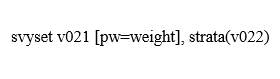
Because BDHS uses a complex survey design, all analyses incorporated sampling weights, clustering, and stratification to obtain nationally representative estimates [20]. The women's individual sampling weight was calculated using the DHS recommended procedure:

The survey design was specified as:
svyset v021 [pw=weight], strata(v022)
Descriptive analysis
Weighted frequencies and percentages were calculated to describe participant characteristics. The prevalence of QA-ANC utilization was estimated with 95% confidence intervals.
Bivariate analysis
Survey-adjusted Pearson's chi-square tests were conducted to assess associations between explanatory variables and QA-ANC utilization. Variables identified as statistically significant in bivariate analysis, along with variables considered theoretically important based on previous literature, were included in multivariable regression analysis.
Multivariable analysis
Survey-weighted binary logistic regression was performed to identify independent determinants of QA-ANC utilization.
The dependent variable was:
- 0 = Poor/inadequate ANC
- 1 = Quality and adequate ANC
Adjusted odds ratios (AORs) with 95% confidence intervals (CIs) were reported.
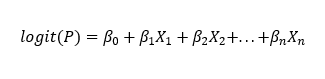
The logistic regression model was expressed as:
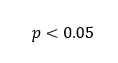
Statistical significance was determined at:
Model diagnostics
Multicollinearity among explanatory variables was assessed using variance inflation factors (VIF). Variables with evidence of excessive collinearity were reviewed before inclusion in the final model [21]. The goodness-of-fit of the logistic regression model was assessed using the Hosmer–Lemeshow test [22]. Model discrimination was evaluated using the receiver operating characteristic (ROC) curve, and the area under the curve (AUC) was reported [23].
Sensitivity analysis
A sensitivity analysis was conducted using the strict QA-ANC definition requiring receipt of all five ANC quality components in addition to completing at least four ANC visits. The prevalence estimates and regression coefficients from the strict QA-ANC model were compared with the primary analysis. Consistency in the direction and significance of major determinants was evaluated to determine whether study conclusions were robust to alternative outcome specifications.
Results
The final analysis included 1,668 urban women with a recent live birth. Overall, 50.3% of urban women in Bangladesh received QA-ANC for their most recent live birth.
Table 1 presents the distribution of QA-ANC by the background variables of the study participants. More than a third of the women were aged 20–24 years (30.2%), followed by 25–29 years (28.6%). A quarter of women were educated up to higher level (25.5%), while 49.0% were secondary educated. The great majority of women were Muslims (92.4%).
Table 1. Background characteristics and prevalence of quality and adequate ANC utilization among urban women, BDHS 2022.
|
Characteristics |
Category |
Weighted % |
QA-ANC % |
|
Maternal age (years) |
15–19 |
13.1 |
39.3 |
|
20–24 |
30.2 |
48.5 |
|
|
25–29 |
28.6 |
52.6 |
|
|
30–34 |
17.9 |
58.9 |
|
|
≥35 |
10.2 |
48.3 |
|
|
Maternal education |
No/primary |
25.5 |
29.8 |
|
Secondary |
49.0 |
47.6 |
|
|
Higher |
25.5 |
76.0 |
|
|
Wealth index |
Poorest |
5.9 |
26.5 |
|
Poorer |
10.7 |
28.7 |
|
|
Middle |
18.4 |
29.5 |
|
|
Richer |
27.2 |
47.3 |
|
|
Richest |
37.7 |
72.5 |
|
|
Currently working |
No |
80.3 |
51.6 |
|
Yes |
19.7 |
45.1 |
|
|
Internet use |
No |
53.1 |
35.7 |
|
Yes |
46.1 |
67.2 |
|
|
Parity |
0–1 child |
39.6 |
51.6 |
|
≥2 children |
60.4 |
49.4 |
|
|
Place of delivery |
Home |
25.7 |
24.2 |
|
Facility |
74.3 |
59.3 |
|
|
Division |
Barishal |
3.2 |
52.4 |
|
Chattogram |
19.6 |
40.1 |
|
|
Dhaka |
47.9 |
55.8 |
|
|
Khulna |
8.6 |
54.2 |
|
|
Mymensingh |
4.6 |
52.3 |
|
|
Rajshahi |
7.5 |
42.6 |
|
|
Rangpur |
5.3 |
46.5 |
|
|
Sylhet |
3.3 |
39.9 |
Most women studied were from the richer and richest wealth groups. 37.7% of the women studied belonged to richest household category. Most of the women studied were not currently working (80.3%). Half of the women studied used internet in the previous 12 months (46.1%).
Of the women included in this analysis, 60.4% had 2 or more children. Most women in this study delivered their most recent baby in a health facility (74.3%). Dhaka had the largest number of women (47.9%), followed by Chattogram (19.6%).
The percentage of QA-ANC among participants varied greatly by characteristics. Women with higher education, richest wealth holder, and those who used internet had the highest percentages of QA-ANC (76.0%, 72.5%, and 67.2% respectively). In contrast, women with no/primary education and poorest wealth holders had the lowest percentages of QA-ANC (29.8% and 26.5% respectively) (Table 1).
Weighted prevalence of QA-ANC by participant characteristics
Table 2 shows the distribution of QA-ANC by several background characteristics. Large differences in QA-ANC were observed across several socioeconomic and healthcare characteristics. Women with higher educational attainment had significantly greater utilization of QA-ANC services than their less educated counterparts. QA-ANC also increased significantly with household wealth status, with the highest prevalence among women from the richest wealth quintile.
Table 2. Weighted prevalence of QA-ANC by participant characteristics among urban women, BDHS 2022
|
Characteristics |
Category |
Poor/inadequate ANC (%) |
QA-ANC (%) |
|
Maternal age |
15–19 |
60.7 |
39.3 |
|
20–24 |
51.5 |
48.5 |
|
|
25–29 |
47.4 |
52.6 |
|
|
30–34 |
41.1 |
58.9 |
|
|
≥35 |
51.7 |
48.3 |
|
|
Education |
No/primary |
70.2 |
29.8 |
|
Secondary |
52.4 |
47.6 |
|
|
Higher |
24.0 |
76.0 |
|
|
Wealth |
Poorest |
73.5 |
26.5 |
|
Poorer |
71.3 |
28.7 |
|
|
Middle |
70.5 |
29.5 |
|
|
Richer |
52.7 |
47.3 |
|
|
Richest |
27.5 |
72.5 |
|
|
Internet use |
No |
64.3 |
35.7 |
|
Yes |
32.8 |
67.2 |
|
|
Place of delivery |
Home |
75.8 |
24.2 |
|
Facility |
40.7 |
59.3 |
There was a positive association between Internet use and QA-ANC. The percentage of QA-ANC among women who used the Internet was higher than among those who did not (67.2% vs. 35.7%).
Women who delivered their babies in health facilities had more than twice the chance of receiving quality and adequate ANC compared to women who delivered their babies at home. So, women who are already engaged with maternal health care services provided through health facilities tend to receive better continuation and completion of ANC.
There was marked regional variation, with the highest prevalence of QA-ANC reported from Dhaka (55.8%), followed by Khulna (54.2%) and Barishal (52.4%) divisions. The lowest prevalence was observed from Sylhet (39.9%) and Chattogram (40.1%) divisions.
Factors associated with quality and adequate antenatal care utilization
Table 3 presents results from the logistic regression analysis assessing factors related to QA-ANC utilization in urban women.
Education was found to be a significant determinant for the QA-ANC utilization in the adjusted model. Women with secondary and higher levels of education had significantly higher odds of QA-ANC utilization than women with no education or primary level of education. Women with higher levels of education had the highest odds for comprehensive ANC service utilization.
Table 3. Logistic regression determinants of quality and adequate ANC utilization among urban women, BDHS 2022
Adjusted logistic regression model
|
Variable |
Category |
AOR (95% CI) |
p-value |
|
Maternal age |
15–19 |
Ref |
|
|
20–24 |
1.24 (0.82–1.88) |
0.300 |
|
|
25–29 |
1.20 (0.74–1.94) |
0.460 |
|
|
30–34 |
1.76 (1.03–3.02) |
0.038 |
|
|
≥35 |
1.35 (0.73–2.49) |
0.341 |
|
|
Education |
No/primary |
Ref |
|
|
Secondary |
1.85 (1.32–2.63) |
<0.001 |
|
|
Higher |
2.86 (1.92–4.25) |
<0.001 |
|
|
Wealth index |
Poorest |
Ref |
|
|
Poorer |
1.13 (0.70–1.83) |
0.620 |
|
|
Middle |
1.21 (0.66–2.22) |
0.539 |
|
|
Richer |
1.56 (1.09–2.25) |
0.016 |
|
|
Richest |
2.90 (1.99–4.21) |
<0.001 |
|
|
Employment |
No |
Ref |
|
|
Yes |
0.96 (0.70–1.32) |
0.791 |
|
|
Internet use |
No |
Ref |
|
|
Yes |
1.86 (1.43–2.43) |
<0.001 |
|
|
Parity |
0–1 |
Ref |
|
|
≥2 |
0.91 (0.66–1.26) |
0.576 |
|
|
Place of delivery |
Home |
Ref |
|
|
Facility |
2.55 (1.88–3.46) |
<0.001 |
|
|
Division |
Barishal |
Ref |
|
|
Chattogram |
0.77 (0.38–1.59) |
0.484 |
|
|
Dhaka |
1.01 (0.50–2.01) |
0.987 |
|
|
Khulna |
0.82 (0.38–1.78) |
0.615 |
|
|
Mymensingh |
1.21 (0.50–2.92) |
0.671 |
|
|
Rajshahi |
0.47 (0.21–1.04) |
0.061 |
|
|
Rangpur |
0.89 (0.38–2.06) |
0.778 |
|
|
Sylhet |
0.78 (0.30–2.01) |
0.601 |
Household socioeconomic status is an important determinant of QA-ANC in this study. Women from the richest households had higher odds of receiving QA-ANC compared to women from the poorest households (AOR = 2.90, 95% CI: 1.99–4.21).
Internet use was also significantly associated with QA-ANC utilization. Women who used the Internet had higher odds of receiving QA-ANC than those who did not use Internet (AOR = 1.86, 95% CI: 1.43–2.43).
Place of delivery was associated with quality of ANC service use. Women delivering in health facilities had higher odds of quality and adequate ANC than those delivering at home (AOR = 2.55, 95% CI: 1.88–3.46).
However, maternal age was associated with QA-ANC. Women aged 30–34 years had higher odds of receiving QA-ANC compared to adolescents aged 15–19 years (AOR = 1.76, 95% CI: 1.03–3.02).
After controlling for potential confounders, we found no significant associations between women’s employment status and QA-ANC utilization, or between the number of living children and QA-ANC utilization. However, regional variation attenuated after adjusting for SES and demographic variables. Rajshahi had a borderline lower likelihood of having QA-ANC utilization compared to Barishal (AOR = 0.47, 95% CI: 0.21–1.04).
Model diagnostics
We assessed the model's ability to discriminate between cases and controls using the area under the receiver operating characteristic curve (AUC). The model AUC was approximately 0.75 (see Figure 1). The primary objective of the analyses was to identify independent determinants, rather than to construct a model to predict the outcome variable. Therefore, the ROC curve was used as a supplementary measure to assess model performance.
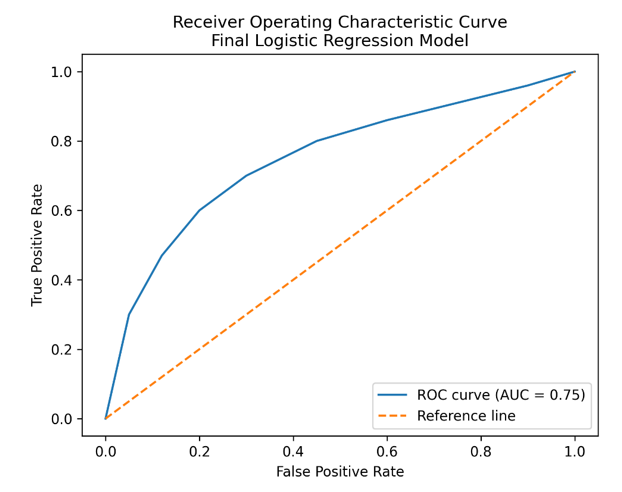
Figure 1: Receiver operating characteristic (ROC) curve of the final survey-weighted logistic regression model predicting quality and adequate antenatal care utilization among urban women, BDHS 2022
Sensitivity analysis
Sensitivity analysis was conducted by redefining quality and adequate ANC using a stricter definition where women had to complete four or more ANC visits and receive all five of the assessed ANC components. Using this alternative definition of QA-ANC, its prevalence was estimated at 11.2%, compared with 50.3% under the primary outcome definition. The direction of effect of the main independent variables of interest, however, remained positive. While household wealth, use of the internet and facility-based maternal health care engagement all had positive associations with comprehensive utilization of ANC services under the alternative definition, the findings were robust to the alternative definition of the outcome under consideration.
- Discussion
This study provides one of the few nationally representative datasets on the quality-adjusted measure of antenatal care utilization among urban women in Bangladesh. While urban women have better access to health facilities in general, only about half of them received adequate ANC and essential ANC services [8,1]. Therefore, beyond health care access, measuring the quality of ANC received is important for assessing maternal health care.
The prevalence and determinants of quality and adequate antenatal care (QA-ANC) utilization among urban women in Bangladesh were analyzed using nationally representative data from the Bangladesh Demographic and Health Survey (BDHS) 2022. Our results indicate that, while a large proportion of urban women have access to maternal health care compared to their rural counterparts, a substantial proportion do not receive adequate and quality antenatal care [24,25]. Inequalities in QA-ANC utilization exist across several important socioeconomic and health care-related dimensions, including maternal education, household wealth, internet use, and place of delivery.
In this study, QA-ANC prevalence was measured as ANC attendance, QA-ANC, and ANC quality. Previous studies in Bangladesh have documented increases in ANC coverage over time [11,26]. However, receiving the recommended number of visits does not necessarily mean women received all necessary components of care. In addition to number of contacts with maternity care providers, QA-ANC also measures whether women received appropriate monitoring and assessment for their own and fetus’s health as well as interventions to prevent problems during pregnancy and counseling related to childbirth and newborn care. The pattern of low QA-ANC in many low- and middle-income countries, even among women who attend ANC, supports a shift from contact-based maternal healthcare indicators to quality-based maternal healthcare indicators [1].
Maternal education was found to significantly affect QA-ANC service utilization. Women with secondary and above education had higher probability of receiving quality and adequate ANC compared to women with lower levels of education. Influence of maternal education on maternal healthcare service utilization could be via improved health literacy and greater awareness of complications during pregnancy as well as better communication with providers and ability to negotiate health care [27,28]. Women with higher levels of education can recognize the importance of maternal preventive and curative health care services and access them in time. The results are consistent with earlier studies conducted in Bangladesh as well as other South Asian countries which identified maternal education as one of the strongest determinants for maternal healthcare service utilization [29,26, 30].
Household wealth was a key predictor of QA-ANC. Women from the richest households were substantially more likely to receive quality and adequate ANC than women from the poorest households. Although urban settings have more health facilities available than rural settings, there are large economic inequality disparities that affect access to good quality healthcare for women. These disparities are affected by a number of factors including the means to travel to health facilities, the ability to pay for private health care, the opportunity costs of health care for women and the quality of health facilities. Therefore, increasing geographic accessibility to maternal healthcare alone will not eliminate inequities in the quality of maternal health care that currently exist [31].
Women with access to the Internet had higher odds of receiving quality and adequate ANC compared with women without access to the Internet. Therefore, Internet exposure may improve women’s access to pregnancy-related information, increase their awareness of optimal timing of ANC visits, and help women make informed decisions regarding their maternal health care [32]. Digital health interventions such as mobile-based maternal health education and online platforms that provide pregnancy-related information could thus be effective in improving quality of ANC services among urban women. These interventions should also consider the inequalities in digital literacy and access to digital health interventions among the disadvantaged socio-economic groups [33].
Among the studied factors, place of delivery had the largest association with QA-ANC. Women who delivered at health facilities were more likely to receive quality, adequate ANC than those who delivered at home. Health facilities are equipped to provide a wide array of maternal health services, including diagnostic tests, assessment by a skilled health care provider, supplementation, vaccination, and counseling, among others. Women who deliver at health facilities are likely to have better continuity of care during their pregnancy [1,34]. Thus, strengthening maternal health care at health facilities and promoting institutional delivery is essential in improving QA-ANC.
In addition, maternal age was associated with QA-ANC. Women aged 30–34 years had higher odds of receiving QA-ANC compared with adolescent women. This may be due to the older women having greater pregnancy experience, greater decision-making autonomy and greater awareness of maternal health care than the adolescent women. The latter may have limited knowledge, depend on family members, and thus have less autonomy [35]. Early pregnancy is often stigmatized and therefore not easily admitted to by adolescent women. This may in turn lead to them not receiving sufficient ANC.
There was no significant association between women’s employment and QA-ANC in this analysis; however, the relationship between women’s employment and maternal healthcare use may be complex and even counterintuitive given women’s greater financial independence and autonomy. Rather, in urban areas, economic resources and access to maternal healthcare appear to be more salient factors.
Descriptive analysis of QA-ANC across regions identified several differences; however, these differences were reduced when analysis controlled for socioeconomic and demographic variables. While regional differences in QA-ANC are reduced when controlling for these variables, regional variation is important for programming maternal health interventions [36].
The implications for maternal health policy of the findings from this study, conducted among women living in urban areas of Bangladesh, extend beyond the observed high levels of contact with maternal health facilities by urban women and include the need for health programs to focus on improving maternal health literacy and addressing a range of recognized and inequity-producing socioeconomic determinants of maternal health outcomes [26,24]. Digital health education, delivered as part of routine ANC, also plays a key role in improving the quality of care offered to disadvantaged urban women with low levels of education and income.
Sensitivity analysis for a stricter QA-ANC definition indicated that although the proportion of women receiving a comprehensive ANC would decrease substantially if all ANC components had to be given according to assessment, inequalities with respect to socioeconomic determinants and healthcare access would remain. Improving the quality of ANC for disadvantaged urban women would thus require more than making services available; it would also need to address financial, information-related, and structural barriers [18].
Several limitations are inherent in this study. First, the cross-sectional design of the study limits the ability to establish determinants QA-ANC utilization and examine causal pathways. Second, some information on ANC was derived from maternal self-report and is therefore subject to recall bias. The QA-ANC index constructed for this analysis was based on available DHS indicators and therefore may not capture the full dimensions of ANC quality, such as provider communication, respectful maternity care, and clinical decision-making. Lastly, although the BDHS is nationally representative, the analysis is restricted to urban women and hence findings may not be generalizable to rural women.
Therefore, instead of emphasizing service existence, maternal health interventions in urban settings should focus on reducing inequality in service quality and specifically focus on disadvantaged urban populations through health education, digital maternal health services and financial support. Quality monitoring of ANC services in all facilities needs to be strengthened [5,3,1].
- Conclusion
Quality and adequate antenatal care (ANC) utilization among urban women in Bangladesh remains low. Although a large proportion of urban women have access to facilities providing ANC, about half receive the recommended number of ANC visits and all essential ANC services. Furthermore, substantial inequalities exist in the utilization of quality ANC among urban women from different socio-economic backgrounds.
Several determinants were associated with quality and adequate ANC use, including maternal education, household wealth, internet access, and place of delivery. Women from disadvantaged economic backgrounds and those who had limited access to health information had lower probabilities of receiving complete ANC services. This implies that improving ANC quality requires measures beyond increasing access to health care, and these measures must address financial, educational, and informational barriers to health care.
Strategic policies to improve maternal health literacy, digital health interventions, counseling during ANC visits, and equitable access to good-quality maternal health care for disadvantaged urban women are required. Additionally, improving quality of care by increasing focus on essential clinical assessment and provision of all due preventive care at every ANC visit is critical.
Future research needs to investigate the long-term pathways through which various factors influence ANC quality. These studies also need to consider the roles of healthcare providers and health systems and evaluate interventions designed to improve the completeness and quality of antenatal services in Bangladesh.
Funding
No funding was received for this study.
Conflicts of Interest
The authors declare no conflicts of interest.
Data Availability Statement
The data can be made available upon request.
GenAI Declarations
The authors did not use any AI tools for data analysis or writing. They ensured all edits were checked by in-house authors to ensure coherence and academic readability.
Data Availability Statement
The data that support the findings of this study are available in the Demographic and Health Surveys Program at https://dhsprogram.com. These data were derived from the following public-domain resources: Bangladesh: Standard DHS, 2022, https://dhsprogram.com/methodology/survey/survey-display-584.cfm.
Acknowledgments
The authors thank the Ministry of Health and Population, Bangladesh; New ERA; and ICF for providing the data freely.
References
- WHO Recommendations on Antenatal Care for a Positive Pregnancy Experience. World Health Organization (2016).
- Tunçalp Ö, Pena-Rosas J, Lawrie T, et al. WHO recommendations on antenatal care for a positive pregnancy experience-Going beyond survival. BJOG: An International Journal of Obstetrics & Gynaecology 124 (2017): 860-862.
- United Nations. The Sustainable Development Goals Report 2023: Special Edition. Department of Economic and Social Affairs (2023).
- Trends in maternal mortality 2000 to 2023: Estimates by WHO, UNICEF, UNFPA, World Bank Group and UNDESA/Population Division. World Health Organization (2023).
- Antenatal care is essential for protecting the health of women and their unborn children. UNICEF DATA (2024).
- Carroli G, Rooney C, Villar J. How effective is antenatal care in preventing maternal mortality and serious morbidity? An overview of the evidence. Paediatric and Perinatal Epidemiology 15 (2001): 1-42.
- Hodgins S, D’Agostino A. The quality-coverage gap in antenatal care: Toward better measurement of effective coverage. Global Health: Science and Practice 2 (2014): 173-181.
- Arsenault C, Jordan K, Lee D, et al. Equity in antenatal care quality: An analysis of 91 national household surveys. The Lancet Global Health 6 (2018): e1186-e1195.
- The World Bank. Bangladesh-Demographic and Health Survey 2022. The World Bank (2024).
- Islam MM, Masud MS. Health care seeking behaviour during pregnancy, delivery and the postnatal period in Bangladesh: Assessing the compliance with WHO recommendations. Midwifery 63 (2018): 8-16.
- Anwar I, Nababan HY, Mostari S, et al. Trends and Inequities in Use of Maternal Health Care Services in Bangladesh, 1991-2011. PLOS ONE 10 (2015): e0120309.
- Chowdhury ME, Ahmed A, Kalim N, et al. Causes of Maternal Mortality Decline in Matlab, Bangladesh. Journal of Health, Population and Nutrition 27 (2009): 108-123.
- Kanjilal B, Mazumdar PG, Mukherjee M, et al. Nutritional status of children in India: Household socio-economic condition as the contextual determinant. International Journal for Equity in Health 9 (2010): 19.
- Khan MN, Kumar P, Rahman MM, et al. Inequalities in Utilization of Maternal Reproductive Health Care Services in Urban Bangladesh: A Population-Based Study. Sage Open 10 (2020): 2158244020914394.
- Mahamud Tohan M, Islam MA, Rahman MA. Exploring the factors behind socioeconomic inequalities in Antenatal Care (ANC) utilization across five South Asian nations: A decomposition approach. PLOS ONE 19 (2024): e0304648.
- Kyei NNA, Campbell OMR, Gabrysch S. The Influence of Distance and Level of Service Provision on Antenatal Care Use in Rural Zambia. PLoS ONE 7 (2012): e46475.
- Corsi DJ, Neuman M, Finlay JE, et al. Demographic and health surveys: A profile. International Journal of Epidemiology 41 (2012): 1602-1613.
- Kruk ME, Gage AD, Arsenault C, et al. High-quality health systems in the Sustainable Development Goals era: Time for a revolution. The Lancet Global Health 6 (2018): e1196-e1252.
- Andersen RM. Revisiting the Behavioral Model and Access to Medical Care: Does it Matter? Journal of Health and Social Behavior 36 (1995): 1.
- West BT, Berglund PA, Heeringa S. Applied Survey Data Analysis. 3rd ed. CRC Press, Taylor & Francis Group (2025).
- O’Brien RM. A Caution Regarding Rules of Thumb for Variance Inflation Factors. Quality & Quantity 41 (2007): 673-690.
- Hosmer DW, Lemeshow S, Sturdivant RX. Applied Logistic Regression. 1st ed. Wiley (2013).
- Hanley JA, McNeil BJ. The meaning and use of the area under a receiver operating characteristic (ROC) curve. Radiology 143 (1982): 29-36.
- Kuhnt J, Vollmer S. Antenatal care services and its implications for vital and health outcomes of children: Evidence from 193 surveys in 69 low-income and middle-income countries. BMJ Open 7 (2017): e017122.
- Moller A-B, Petzold M, Chou D, et al. Early antenatal care visit: A systematic analysis of regional and global levels and trends of coverage from 1990 to 2013. The Lancet Global Health 5 (2017): e977-e983.
- Biswas B, Kumar N, Rahaman MM, et al. Socioeconomic inequality and urban-rural disparity of antenatal care visits in Bangladesh: A trend and decomposition analysis. PLOS ONE 19 (2024): e0301106.
- Cleland J, Jejeebhoy S. Maternal schooling and fertility: Evidence from censuses and surveys. 1996.
- Simkhada B, Teijlingen ERV, Porter M, et al. Factors affecting the utilization of antenatal care in developing countries: Systematic review of the literature. Journal of Advanced Nursing 61 (2008): 244-260.
- Bello-Álvarez L, Fernández-Félix BM, Allotey J, et al. Effects of maternal education on maternal and perinatal outcomes: An individual participant data meta-analysis of 2 356 402 pregnancies. International Journal of Gynecology & Obstetrics 172 (2026): 886-895.
- Le K, Nguyen M. Maternal education and child mortality: Evidence from developing countries. International Journal of Educational Development 110 (2024): 103135.
- Gabrysch S, Campbell OM. Still too far to walk: Literature review of the determinants of delivery service use. BMC Pregnancy and Childbirth 9 (2009): 34.
- Lee SH, Nurmatov UB, Nwaru BI, et al. Effectiveness of mHealth interventions for maternal, newborn and child health in low- and middle-income countries: Systematic review and meta-analysis. Journal of Global Health 6 (2016): 010401.
- Schnitman G, Wang T, Kundu S, et al. The role of digital patient education in maternal health: A systematic review. Patient Education and Counseling 105 (2022): 586-593.
- Islam T, Anni TT, Hassan SA, et al. Childhood Wasting in Bangladesh: An Analysis of Trends and Determinants from Demographic and Health Surveys (2007-2018). Edukasiana: Jurnal Inovasi Pendidikan 3 (2024): 434-450.
- Ahmed S, Creanga AA, Gillespie DG, et al. Economic Status, Education and Empowerment: Implications for Maternal Health Service Utilization in Developing Countries. PLoS ONE 5 (2010): e11190.
- Kibria GMA, Ghosh S, Hossen S, et al. Factors affecting deliveries attended by skilled birth attendants in Bangladesh. Maternal Health, Neonatology and Perinatology 3 (2017): 7.