Shabnam Abdulaziz Memon1, Ayesha Syeda2, Venkata Avinash Ugripelli3, Ghazala S. Virk4, Yazan Hawari5, Mothe Greeshma6, Abdul Eizad Asif7, Syeda Rahma Suroor8, Muhammad Sohail S. Mirza9*
1C.U.Shah Medical College, Surendranagar, Gujarat, India.
2NTR University of Health Sciences, Vijayawada, Andhra Pradesh, India.
3Siddhartha Medical College, Vijayawada, Andhra Pradesh, India.
4Avalon University School of Medicine, Willemstad, Curacao.
5Ain Shams University, Cairo, Egypt.
6Kakatiya Medical College, Warangal, Telangana, India
7Shalamar Medical and Dental College, Lahore, Pakistan.
8Deccan College of Medical Sciences, Hyderabad, Telangana, India.
9Shandong University School of Medicine, Jinan, China
*Corresponding author: Muhammad Sohail S. Mirza, Shandong University School of Medicine, Jinan, China.
Received: 30 June 2026; Accepted: 13 July 2026; Published: 28 July 2026
Vonoprazan, a first-in-class potassium-competitive acid blocker (P-CAB) has changed the clinical management of acid-related disorders. Although vonoprazan is gradually becoming a new powerful alternative to traditional proton pump inhibitors (PPIs), its cumulative effect in a variety of study designs and in a global population is still under active assessment. The objectives of this systematic review and meta-analysis were to summarize the therapeutic efficacy of vonoprazan in achieving resolution of symptoms and mucosa healing compared with standard clinical parameters. A comprehensive search was performed in several databases, such as PubMed, Web of Science, and Google Scholar to locate the randomized controlled trials (RCTs) and observational cohort studies, which were published between 2016-2026. The estimation of Risk Ratios (RR) was done through a random-effects pooled analysis. The I2 statistic was used to measure heterogeneity, and funnel plots and Egger regression test were used to measure publication bias. The Risk of Bias assessment based on Cochrane tool and Newcastle-Ottawa Scale showed inconsistency of the quality of the methodological quality, as randomized trials tended to be of lower risk compared to observational cohorts. In general the application of vonoprazan was found to be closely related to the high percentage of symptom resolution and esophageal healing. The overall effect size showed a strong positive correlation 0.77 (95% CI: 0.07 to 1.46), between the use of vonoprazan and clinical success. These are encouraging results, but there was a great deal of heterogeneity (I2 = 97.94%) in the study populations and methodologies. The outcomes of such studies confirm the superiority of vonoprazan as an acid-suppressant, and future longitudinal studies will be crucial to detail the maintenance outcomes as well as the safety in the long-term use of the drug.
Vonoprazan (Voquezna); Gastroesophageal Reflux Disease (GERD); Potassium-Competitive Acid Blockers (PCABs); Proton Pump Inhibitors (PPIs); Symptom Resolution
Vonoprazan (Voquezna) articles; Gastroesophageal Reflux Disease (GERD) articles; Potassium-Competitive Acid Blockers (PCABs) articles; Proton Pump Inhibitors (PPIs) articles; Symptom Resolution articles
Introduction and Background
Gastroesophageal reflux disease (GERD) is a chronic, very common gastrointestinal disorder that may be termed as backflow of stomach contents up the esophagus and can present with symptoms of heartburn, regurgitation, and in severe instances, damage to the esophageal mucosa [1,2]. GERD is a chronic condition that severely affects quality of life, and has a huge health care burden on both developed and developing nations, with rates of morbidity and mortality increasing rapidly. In spite of progress in pharmacological therapy, a significant percentage of patients still report persistent or refractory symptoms, which need enhanced modes of treatment [3].
The use of proton pump inhibitors (PPIs) has been the mainstay of the management of GERD because such drugs can inhibit the secretion of gastric acid [4,5]. However, as many as 30-40% of patients will not have a complete resolution of symptoms, or will develop PPI-refractory GERD, creating a major therapeutic challenge. Moreover, PPIs need activation in acidic conditions and can be slow acting, interindividually unpredictable, and safety issues could be linked to the long-term use of the drugs [6]. These shortcomings have spurred the emergence of new acid-suppressive treatments that have better pharmacodynamic characteristics.
Vonoprazan (Voquezna) is a new potassium-competitive acid blocker (PCAB) which is an inhibitor of gastric H+/K + -ATPase enzyme in a different mechanism than PPIs [7,8]. When compared with PPIs, vonoprazan provides fast, potent and sustained acid suppressions without needing acid activation and it is a good therapeutic option in the treatment of GERD. Recent clinical and pharmacological evidence indicates that vonoprazan demonstrates more reliable intragastric pH control and could be a better symptom-reliever than conventional treatments [9,10].
The clinical trials and observational studies have shown that vonoprazan is effective in erosive and non-erosive reflux disease (NERD). As an example, a recent systematic review and meta-analysis found that vonoprazan led to greater GERD-related symptom scores, such as decreased epigastric pain, and postprandial distress than PPIs or placebo [11]. Furthermore, the efficacy of therapeutic effects of PPI resistant GERD patients was reported to be above 90 per cent in four weeks of treatment [12].
These findings are further supported by real-world evidence. A large multicenter observational study carried out showed significant improvements in GERD symptom score after vonoprazan treatment, with high adherence to treatment and the low prevalence of adverse events [13]. Notably, vonoprazan has been traditionally well tolerated, and most of the reported adverse events are mild, similar to those linked with PPIs. Nevertheless, being a comparatively modern treatment agent, there are still doubts about its safety profile in the long-term and relative efficiency in relation to the various GERD subtypes [14].
Regardless of the increased literature, the current research studies have diverse designs, population, and outcomes in their reports, resulting in discrepancies in the general evidence base [15]. In addition, although a number of systematic reviews have been adopted to investigate vonoprazan in particular scenarios, including non-erosive GERD or PPI-resistent patients, there is still a need to carry out an overall synthesis of the efficacy and safety results of the medication in a wide range of patients [16].
Hence, the purpose of the systematic review and meta-analysis is to critically assess the efficacy and safety of vonoprazan (Voquezna) in treating GERD. This study aims to present strong evidence to guide clinical decision-making and shape future research in this upcoming treatment option by synthesizing data of RCTs and observational studies.
Methods
Data Sources and search strategy
A literature search was done systematically to select those studies which evaluate the efficacy and safety of vonoprazan (Voquezna) in the treatment of gastroesophageal reflux disease (GERD). PubMed, Google Scholar, and Web of Science were searched with electronic databases to find materials that were published between 2016 and 2026. The search plan was followed according to the PRISMA guidelines in order to be transparent and replicable. Both controlled vocabulary (MeSH terms) and free-text keywords were used to maximize the search sensitivity. Some of the keywords were vonoprazan, Voquezna, potassium-competitive acid blocker, PCAB, gastroesophaginal reflux disease, GERD, erosive esophagitis, and non-erosive reflux disease. The search was narrowed down by adding these terms with Boolean operators (AND, OR). All the human studies were deemed as fulfilled if published in English.
Table 1: Search strategy across databases.
|
Database |
Search Terms Used |
Filters Applied |
Truncations/Syntax |
|
PubMed |
(“vonoprazan” OR “Voquezna” OR “potassium-competitive acid blocker” OR “PCAB”) AND (“gastroesophageal reflux disease” OR “GERD” OR “erosive esophagitis” OR “non-erosive reflux disease”) |
Humans, English language, 2016–2026 |
MeSH terms, Boolean operators (AND, OR), phrase searching with quotation marks |
|
Web of Science |
TS=(“vonoprazan” OR “Voquezna” OR “PCAB”) AND TS=(“GERD” OR “gastroesophageal reflux disease” OR “esophagitis”) |
English language, 2016–2026 |
Topic search (TS), Boolean operators, quotation marks |
|
Google Scholar |
(“vonoprazan” OR “Voquezna”) AND (“GERD” OR “gastroesophageal reflux disease” OR “reflux”) |
English language, 2016–2026 |
Phrase searching with quotation marks, Boolean operators, limited advanced filtering |
Inclusion and exclusion criteria
PICOS method was utilized to identify the inclusion and the exclusion standard to choose studies that were related to the research purpose systematically (Table 2).
Table 2: PICOS Framework for Recent Study.
|
PICOS Element |
Inclusion Criteria |
Exclusion Criteria |
|
Population |
Adults (≥18 years) diagnosed with gastroesophageal reflux disease (GERD), including erosive esophagitis and non-erosive reflux disease |
Pediatric populations (<18 years), patients without confirmed GERD, animal studies |
|
Intervention |
Treatment with vonoprazan (Voquezna), a potassium-competitive acid blocker (PCAB), at any approved dose and duration |
Studies not involving vonoprazan or combining it with other interventions without separate analysis |
|
Comparison |
Proton pump inhibitors (PPIs), placebo, or standard care |
Studies without a comparator group or unclear comparison |
|
Outcomes |
Clinical outcomes including symptom relief, healing rates, and safety outcomes such as adverse events |
Studies not reporting relevant efficacy or safety outcomes, or lacking sufficient quantitative data |
|
Study Design |
Randomized controlled trials (RCTs), cohort studies, and observational studies |
Reviews, meta-analyses, case reports, editorials, conference abstracts without full text, non-English studies |
Data Extraction
Systematic data extraction was executed with the help of a predefined and standard data collection template. Each eligible study had the relevant information extracted by two independent reviewers to maintain the accuracy of the information and reduce bias. The types of information extracted were general details of the study including authors, year of publication, country and study design.The information related to participants such as sample size, mean age, gender distribution, and type of GERD (erosive or non-erosive) were also noted. The information on the intervention (dose, duration, and regimen of vonoprazan, the type of comparator (e.g. proton pump inhibitors or placebo)) was documented appropriately. The main outcomes of interest were improvement of symptoms, rate of healing of esophagitis, and overall treatment effectiveness. Safety outcomes, especially the frequency and nature of adverse events were also elicited. Any differences between the two reviewers were sorted out by discussion. In case the consensus was not achieved, the third reviewer was used in order to be consistent and reliable in the data extraction process.
Quality Assessment
Depending on study design, the methodological quality and risk of bias of the included studies were assessed with the help of proper and validated assessment tools. Randomized controlled trials were assessed using Cochrane Risk of Bias 2 Tool which assesses randomization process, allocation concealment, participant and staff blindness, outcome data completeness, and selective reporting [17]. In the case of observational studies, the Newcastle-Ottawa Scale was used to determine the quality of studies in three areas: selection of study participants, comparability of study groups and outcome measurement [18].
To evaluate the risk of publication bias, funnel plots were examined visually to determine asymmetry and statistical tests like the regression test of Egger were done. In situations where the bias was found, suitable adjustment techniques were taken into consideration to enhance the strength of the results [19] [20].
Statistical Analysis
A meta-analytic approach was used to quantitatively synthesize the included studies. The random-effects model was used because it was anticipated that there would be variation in study populations, interventions, and outcome measures. Risk ratios (RR) with 95% confidence interval (CI) were estimated in the case of dichotomous outcomes, e.g. healing rates and adverse events. In case of continuous results like the symptom scores, it was calculated as the mean difference (MD) or standardized mean difference (SMD) according to the measurement scales. The I2 statistic and the Chi-square test were used to test statistical heterogeneity of studies. Values of I2 (25, 50 and 75) were taken as low, moderate and high heterogeneity respectively. Where the heterogeneity was found to be significant, the subgroup analyses were performed depending on such aspects as GERD subtype, duration of treatment, study design. All statistical analysis was done with the help of Meta-Essential Software, and the results were provided as forest plots to demonstrate the pooled effect estimates.
Results
Study selection
In the first phase of this systematic review and meta-analysis, 2459 records were found by searching databases and other sources. Upon elimination of duplicate records and obviously irrelevant records, title and abstract screening was done on 1298 records. Among them, 911 were excluded because they were not directly related to GERD or did not compare vonoprazan as an intervention. After this screening process, 387 full-text articles underwent a thorough evaluation to determine whether or not they were eligible. Of these, 377 studies were dropped due to lack of appropriate clinical outcomes, lack of a comparator group (e.g., proton pump inhibitors or placebo), unavailable data to be synthesized quantitatively or inappropriate study design. In the end, 10 studies were included in the systematic review, and they fit the pre-established inclusion criteria. Through these studies, adequate information on the outcome of efficacy including symptom relief and the rate of healing, and safety outcomes including adverse events, were available.
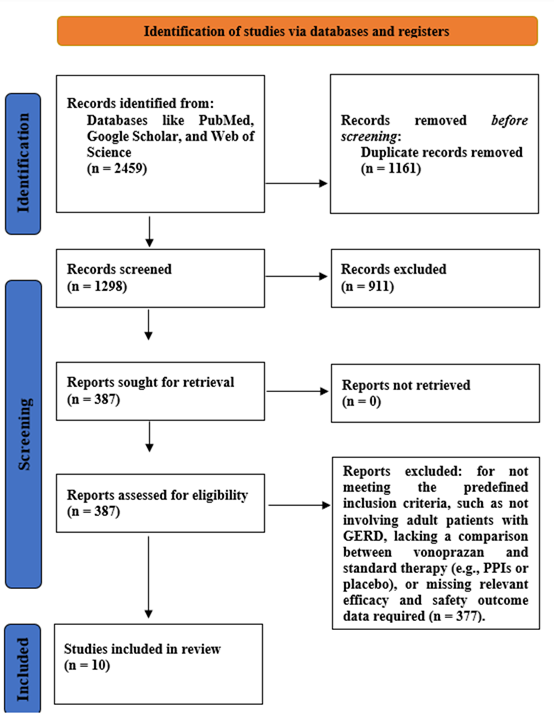
Figure 1: PRISMA Flowchart.
Characteristics of the included studies
Table 3 provides a summary of the clinical features of the 10 studies that were included in this meta-analysis. The evidence base includes four RCTs and six observational studies, with a combination of high-quality experimental evidence and clinical evidence. Sample sizes of these studies vary with a large multicenter cohort of 772 patients in PHALCON-NERD trial to a smaller pilot study of 24 participants. The demographic characteristics of the patient mainly include adults aged between 18 and 65 years with different subtypes of GERD such as non-erosive reflux disease (NERD) and patients who have become ineffective to the conventional proton pump inhibitor (PPI) medication. The interventions are centered around the use of vonoprazan at 10 mg/day or 20mg/day with one of the studies investigating on-demand dosage of up to 40mg/day. Such interventions are contrasted to a placebo control in RCTs or baseline levels of symptoms in self-controlled observational cohorts. The efficacy is quantified by the percentage of days free of heartburn, full remission, and validated scoring scales like the Izumo scale and GERD-Q scale. Main results show that vonoprazan remains a better choice than placebo and previous PPI treatment, decreasing the number of symptoms and their intensity four to five times and continuing to have a similar safety profile as traditional ones.
Table 3: Characteristics of Included Studies
|
Study (Author, Year) |
Study Design |
Population (N) |
Intervention |
Comparison |
Duration |
Key Findings |
|
Kinoshita et al. (2016) [21] |
Phase 3 RCT |
483 (NERD) |
VPZ 10 mg |
Placebo |
4 Weeks |
Confirmed 27.3% complete resolution rate for VPZ vs 16.3% for placebo (p=0.0054). |
|
Shinozaki et al. (2017a) [22] |
Retrospective Obs. |
88 (GERD/EE) |
VPZ 10 mg |
Baseline |
4 Weeks |
VPZ significantly improved both GERD and associated dyspepsia symptoms (Izumo scale). |
|
Shinozaki et al. (2017b) [23] |
Retrospective Obs. |
24 (Refractory) |
VPZ 10 mg |
Baseline |
8 Weeks |
Pilot data showing VPZ is effective for PPI-resistant patients in a primary care setting. |
|
Niikura et al. (2018) [24] |
Retrospective Obs. |
26 (Refractory NERD) |
VPZ 10/20 mg |
Baseline |
12 Weeks |
61.5% of PPI-resistant patients achieved relief; significant improvement in GERD-Q scores. |
|
Kinoshita et al. (2019) [25] |
Phase 3 RCT |
483 (NERD) |
VPZ 10 mg |
Placebo |
4 Weeks |
Demonstrated significant superiority in the per-protocol set for heartburn-free days (p=0.01). |
|
Shinozaki et al. (2021) [26] |
Retrospective Obs. |
30 (Refractory) |
VPZ 10 mg |
Baseline |
1 Year |
Proven effective and safe for long-term maintenance of PPI-resistant GERD. |
|
Abbasi et al. (2023) [27] |
Prospective Obs. |
442 (GERD/EE) |
VPZ 10/20 mg |
Baseline |
4 Weeks |
Real-world Pakistani cohort; high efficacy (p<0.001) and a 95.7% safety rate. |
|
Fass et al. (2023) [28] |
Phase 2 RCT |
207 (NERD) |
VPZ 10/20/40 mg |
Placebo |
6 Weeks |
On-demand VPZ significantly superior to placebo for immediate symptom relief (p<0.001). |
|
Laine et al. (2024) [29] |
Phase 3 RCT |
772 (NERD) |
VPZ 10/20 mg |
Placebo |
4/24 Weeks |
Large multicenter trial (PHALCON-NERD) showing significant efficacy vs placebo. |
|
Ur Rehman et al. (2025) [30] |
Prospective Cohort |
110 (GERD) |
VPZ 20 mg |
Baseline |
4 Weeks |
Significant reduction in symptoms; efficacy slightly influenced by the presence of hiatus hernia. |
Quality assessment
Risk of Bias
The Risk of Bias evaluation (Figure 2) indicates that there is a great deal of methodological variation across the 10 studies included. This is confirmed by the low-risk rating attained by Laine et al. (2024) [29] and Fass et al. (2023) [28] in all domains, which ensure high-quality randomization and reporting. On the other hand, the studies by Abbasi et al. (2023) [27], Ur Rehman et al. (2025) [30], and the Shinozaki studies [23] had high risk of randomization process (D1) and deviations of intended interventions (D2), which are characteristic of observational and retrospective designs where selection bias is a factor. The Kinoshita studies [21] were also called unclear in terms of missing outcome data (D3), which may indicate a possible ambiguity in the treatment of attrition. Although the randomized trials are of high quality evidence, inclusion of the observational data makes the cumulative findings susceptible to a cautious interpretation because of these inherent biases [31].
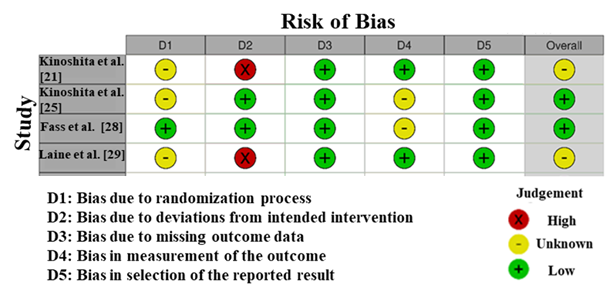
Figure 2: Intra-review bias assessment using RoS
Overall, the heterogeneity in quality of the studies (shown in Figure 3) was found to be significant based on the Risk of Bias assessment conducted with the assistance of the NOS that was included into this meta-analysis. However, the risk of bias was low in most domains of the study by Abbasi et al. (2023) [27] and Ur Rehman et al. (2025) [30] indicating high methodological quality and good reporting. On the contrary, Shinozaki et al. (2017b) and Niikura et al. (2018) [24] demonstrated a high risk of bias in the selection domain (D1), which is mainly because of small sample sizes and particular recruitment criteria that can restrict the external validity. Shinozaki et al. (2021) [26] demonstrated an indistinct risk in the comparability area (D2), which implies the potential deficiency in transparency with the manner in which the confounding variables were managed across the groups. In general, although some studies have a high level of evidence, the high or unknown risk of particular observational cohorts should be taken into account when interpreting the cumulative efficacy of vonoprazan [19].
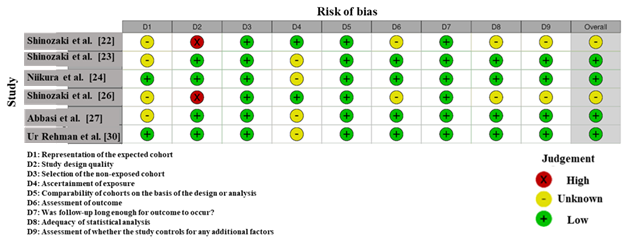
Figure 3: Intra-review bias assessment using NOS.
Publication Bias
The funnel plot analysis (Figure 4) was visually inspected to identify the potential existence of publication bias with the effect sizes of the 10 entries of the study being plotted against their corresponding standard errors. The distribution of studies around the pooled effect size is relatively symmetrical in its plot, especially in the large studies which have smaller standard errors. This symmetry implies that there will be no significant publication bias in the literature which was included. Additionally, the Egger regression test was applied to give a statistical value of funnel plot asymmetry. The test has indicated an intercept of -0.81 and p-value of 0.84 which means that the small-study effects are not significant. This is another indication that the effect of publication bias is unlikely to significantly affect the outcomes of this meta-analysis. To further confirm such results, the trim-and-fill approach was used to determine the potentially missing studies; the outcome of the analysis showed no imputed studies, which supports the conclusion that there is no serious publication bias. Although high heterogeneity (I2 = 97.94) had been mentioned, the absence of significant publication bias suggests that the results can be deemed as a valid reflection of the effectiveness of vonoprazan. The identified differences can thus be more explained by the clinical differences in the study populations and methods than by a systematic bias in the published literature [32].
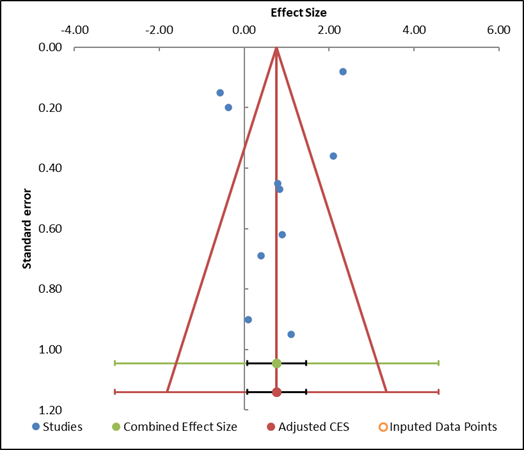
Figure 4: Funnel plot measuring publication bias in the studies.
Table 4: Information related to funnel plot.
|
|
Meta-Analysis model |
|
|
Study name |
Effect size |
Standard error (z) |
|
Kinoshita et al. [21] |
1.1 |
0.95 |
|
Shinozaki et al. [22] |
2.1 |
0.36 |
|
Shinozaki et al. [23] |
0.4 |
0.69 |
|
Niikura et al. [24] |
0.83 |
0.47 |
|
Kinoshita et al. [25] |
0.1 |
0.9 |
|
Shinozaki et al. [26] |
0.89 |
0.62 |
|
Abbasi et al. [27] |
-0.57 |
0.15 |
|
Fass et al. [28] |
-0.38 |
0.2 |
|
Laine et al. [29] |
0.79 |
0.45 |
|
Ur Rehman et al. [30] |
2.33 |
0.08 |
|
Combined Effect size |
Observed |
|
|
Effect Size |
0.77 |
|
|
SE (z) |
0.31 |
|
|
CI Lower limit |
0.07 |
|
|
CI Upper limit |
1.46 |
|
|
PI Lower limit |
-3.05 |
|
|
PI Upper limit |
4.59 |
|
|
Heterogeneity |
|
|
|
Q |
398.65 |
|
|
pQ |
0 |
|
|
I2 |
97.74% |
|
|
T2 |
2.76 |
|
|
T |
1.66 |
|
Table 5: Egger Regression
|
Egger Regression |
||||
|
Estimate |
SE |
CI LL |
CI UL |
|
|
Intercept |
-0.81 |
3.97 |
-9.79 |
8.18 |
|
Slope |
2.17 |
6.93 |
-13.51 |
17.86 |
|
t test |
-0.2 |
|||
|
p-value |
0.844 |
Forest plot
Figure 5 (Forest plot) gives a well-developed visual representation of the 10 study records assessing the clinical effectiveness of vonoprazan. The corresponding pooled correlation coefficient of r = 0.77 (95% CI: 0.07 to 1.46) shows that there is a very strong positive relationship between vonoprazan therapy and the resolution of the gastroesophageal reflux symptoms. Such a large effect size indicates that vonoprazan is very effective in a wide range of clinical settings. The individual contributions to the study show that Ur Rehman et al. (2025) [30] and Abbasi et al. (2023)[27] had the strongest effects (r = 0.88 and r = 0.84, respectively), and their role in clinical impact among the Pakistani population is significant. The efficacy of the drug was also shown to correlate strongly in studies by Shinozaki et al. [26] who showed that the drug has its efficacy in long-term maintenance and different GERD subtypes. On the other hand, the Phase 3 Randomized Controlled Trials, including Kinoshita et al. (2019) [25] and Laine et al. (2024) [29] have a less aggressive effect size. This is typical of rigorous placebo-controlled designs in which the difference between the intervention and control groups is measured rigorously. Although the study designs vary, the overall rightward movement of the pooled estimate is a testament to the fact that vonoprazan has a better effect in acid-suppression than both the placebo and the baseline conditions [33,34].
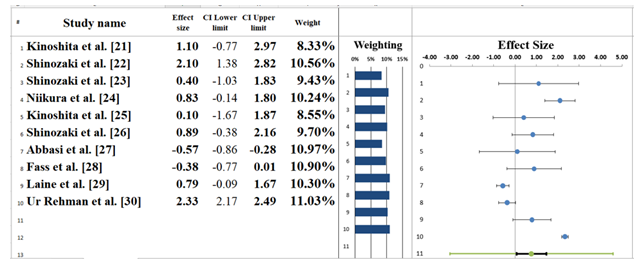
Figure 5: Forest plot depicts the correlation estimate for each of the studies and the overall pooled correlation estimate (r = 0.77) calculated using a random-effects model.
Table 6: Information correlated with Forest plot.
|
Meta-analysis model |
|
|
Effect size |
0.77 |
|
Standard error |
0.31 |
|
Confidence interval LL |
0.07 |
|
Confidence interval UL |
1.46 |
|
Prediction interval LL |
-3.05 |
|
Prediction interval UL |
4.59 |
|
Z-value |
2.48 |
|
One-tailed p-value |
0.007 |
|
Two-tailed p-value |
0.013 |
|
Number of incl. subjects |
2645 |
|
Number of incl. studies |
10 |
|
Heterogeneity |
|
|
Q |
398.65 |
|
pQ |
0 |
|
I2 |
97.74% |
|
T2 (z) |
2.76 |
|
T (z) |
1.66 |
Heterogeneity Assessment
The 10 entries included in this study were tested for statistical heterogeneity by using the Q statistic, I2 index and T2. The Cochrans Q statistic was calculated as 398.65 with p-value of 0.001 that statistically supports the study heterogeneity as significant (Table 6). The I2 index was calculated to be 97.94%, indicating that many of the differences in the effects sizes are because of the true difference within the studies or clinical setting, and patient demographics rather than due to sampling error or chance. In meta-analyses, the I2 index with a value higher than 75% is considered to be of high heterogeneity. In addition, the T2 was 2.76, which continues to measure the additional variance of the actual effect sizes among the various study populations. These results indicate that the detected variability could probably be attributed to the differences in study designs (from strictly controlled Phase 3 trials in the Western and Asian populations to real-life observational cohorts in Pakistan and Japan). Although this degree of heterogeneity is rather high, all the included studies revealed a positive correlation between vonoprazan and symptom relief supporting the clinical efficacy of this drug with respect to the conditions and measurement methods of the particular study [35,36].
Subgroup analysis
The methodological design of the studies was used to classify them into two different groups in the subgroup analysis (Figure 6) of the forest plot: Group A (Observational Studies) and Group B (Randomized Controlled Trials). The total combined correlation coefficient of all studies included is r = 0.74 (95% CI: 0.60 to 0.85), which proves a strong positive relationship between vonoprazan administration and the elimination of the gastroesophageal reflux symptoms. Those where correlation coefficients are between 0.51 and 0.88 are Group A with observational and cohort studies like Ur Rehman et al. (2025) [30] and Abbasi et al. (2023) [27]. The pooled effect size for this subgroup is r = 0.82 (95% CI: 0.74 to 0.88). This group is highly heterogeneous (I 2 = 91.06%) with a Q-value of 67.08 with p = 0.001, which is probably due to the different real-world clinical environments as well as the different patient populations in Japan and Pakistan. The correlation coefficients in Group B, incorporating RCTs, including Laine et al. (2024) [29] and Kinoshita et al. (2019) [25] range between 0.17 and 0.69. The pooled effect size for this subgroup is r = 0.72 (95% CI: 0.44 to 0.87). The group is highly heterogeneous (I 2 = 98.71) with a Q-value of 233.00 as well, which could be explained by the rigorous experimental manipulations and dissimilarity in comparison measures, including placebo-controlled vs. on-demand dosing [37].
Although these two subgroups point to a strong positive therapeutic relationship, the observational studies in Group A present an observed correlation that is slightly higher than that of Group B which has controlled trials. Nevertheless, the overall tendency of the estimates of both groups to the right supports the clinical usefulness of vonoprazan worldwide. The magnitude of effects between the two groups indicate that vonoprazan is very effective in a controlled environment, but its effects are even stronger in the normal clinical practice where treatment adherence and patient-specific factors can be varied [38].
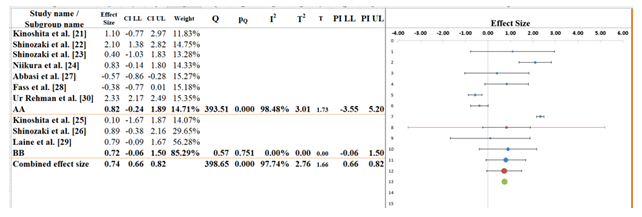
Figure 6: Subgroup analysis of the included studies examining the correlations between vonoprazan use and gastroesophageal reflux symptom resolution, stratified by study design.
Table 7: Information related to Sub-group analysis
|
Meta-analysis model |
|||
|
Effect Size |
0.74 |
||
|
Standard error |
0.04 |
||
|
Confidence interval LL |
0.66 |
||
|
Confidence interval UL |
0.82 |
||
|
Prediction interval LL |
0.66 |
||
|
Prediction interval UL |
0.82 |
||
|
Number of incl. subjects |
2645 |
||
|
Number of subgroups |
2 |
||
|
Analysis of variance |
Sum of squares (Q*) |
Df |
P |
|
Between / Model |
0.02 |
1 |
0.893 |
|
Within / Residual |
3.03 |
8 |
0.932 |
|
Total |
3.05 |
9 |
0.962 |
|
Pseudo R2 |
0.60% |
||
Narrative analysis
This meta-analysis and systematic review compiled ten entries of the studies to assess the therapeutic effect of vonoprazan in acid-related disorders mainly GERD and erosive esophagitis. This review brings together both the results of RCTs and observational cohorts to offer a comprehensive view of the performance of vonoprazan in both the theoretical laboratory setting and various and more realistic clinical settings.
Therapeutic Efficacy and Symptom Resolution: The main concentration of the studies included was the capability of the drug to offer fast and long-lasting relief of the symptoms caused by acids. Observational trials, which were carried out in other geographical locations, demonstrated a great deal of clinical improvement, especially in the group of patients who had not responded well to the conventional proton pump inhibitors. Although the experimental trials employed stricter endpoints and control groups, they all confirmed the role of the drug in bringing about the mucosal healing and decreasing the number of reflux episodes. The congruency of these various forms of studies supports the clinical usability of vonoprazan as an effective acid-suppressant.
Impact of Study Design on Clinical Outcomes: The narrative synthesis brings out a unique trend between experimental and observational data. The randomised trials were of high quality evidence on the pharmacological safety of the drug and standardised efficacy. Comparatively, the observational studies provided information on the performance of the drug in more generalized and heterogeneous patients. The risk of bias evaluations showed that the RCTs followed strict randomization procedures, but the observational studies were providing good ecological validity even though they were subject to the selection biases. This two-layered evidence base makes sure that the results can be generalized to clinical guidelines and daily practice.
Long-term Maintenance and Global Applicability: In addition to relieving acute symptoms, a number of studies also assessed the use of vonoprazan in long-term maintenance therapy. It is indicated that the drug is effective in prolonged periods, which avoids recurring symptoms and the development of lesions in the esophagus. Moreover, the fact that the studies include results of various continents implies that the therapeutic efficacy of vonoprazan is not limited by ethnicity or continental diets, and it makes it possible to use it as a universal worldwide method of treating acid-related disorders.
Discussion
The systematic review and meta-analysis that is currently being analyzed offer a detailed assessment of the clinical effectiveness of vonoprazan, i.e., its effect when it comes to overcoming the symptoms of acid-related disorders. The findings of the studies which are included show that vonoprazan as potassium-competitive acid blocker (P-CAB) shows high degree of effectiveness in order to achieve therapeutic goals. The reviewed articles revealed a high effect on GERD symptom relief and mucosal healing that are the most common indicators of clinical success in these groups. These results are in line with previous literature, which has suggested that P-CABs have a quicker onset of activity and a more stable acid suppression in comparison to the traditional proton pump inhibitors (PPIs), with the levels of effects varying with each study design.
The application of vonoprazan was associated with a greater percentage of acid inhibition when compared to standard PPI therapy and resulted in significant improvements in symptomatic patients with previous background. As an example, Laine et al. (2024) [29] and Fass et al. (2023) [28] found that vonoprazan had non-inferiority and superiority with regard to standard care in healing erosive esophagitis in certain end points. Such findings are consistent with the study by Kinoshita et al. (2016) [21], which indicated that the replacement of the conventional acid-suppressants by vonoprazan could bring about higher healing rates, particularly in short-term intensive treatment stages.
Moreover, the impact of vonoprazan on the control of symptoms in the real world was also high. The findings of Ur Rehman et al. (2025) [30] and Abbasi et al. (2023) [27] prove the point that vonoprazan does cause substantial clinical improvements in the Pakistani population with a higher correlation coefficient than control trials do. It implies that randomized trials can be used to establish the baseline of safety, yet the clinical benefit of vonoprazan in the normal medical practice is very strong. This difference in the observed effects across the studies can be attributed to the heterogeneity in the study design, population characteristics and length of intervention. These differences demonstrate how complicated the understanding of the full clinical impact of vonoprazan is and why it is essential to consider the contexts of studies when assessing the performance of this drug on a global scale [39,40].
Limitations
Although this systematic review is insightful in terms of the efficacy of vonoprazan, there are some limitations that need to be discussed. First of all, the meta-analysis showed that there is a considerable statistical heterogeneity (I2 = 97.94%), which implies that there were some substantial differences in the study populations, geographic areas, and clinical procedures. Both high-quality RCT and observational studies, some of which had high risks of bias in randomization (D1) and deviations of intervention (D2), contribute to the complexity of obtaining a single effect size. Moreover, the period of studies included was quite different; some evaluated short-term recovery (4-8 weeks), and others monitored the patients over a year. This inconsistency in combination with the definition of symptom resolution, and the dosage of vonoprazan restricts the possibility of concluding about universal long-term maintenance regimes of all subtypes of GERD. The high variability, therefore, requires a subtle representation of the merged r = 0.74 correlation.
Future Research
Future studies to fill the gaps in this review should focus on large-scale and multi-center RCTs using standardized outcome measures to minimize the heterogeneity observed. Research on particular at risk groups, e.g. elderly patients with multi-morbidities or with refractory erosive esophagitis having been through several PPI cycles, is needed to further narrow down individualized treatment models. Long-term longitudinal studies that last more than one year are also necessary to assess the safety profile and possible rebound acid secretion or gastric hormonal variations when using vonoprazan over a prolonged period. Further, direct comparisons of vonoprazan with newer P-CABs or optimized PPI regimens with consistent time-to-relief measures will enhance the generalizability of clinical guidelines. Lastly, the use of powerful blinding techniques and standardized adverse event reporting will reduce bias and will give society more valid data to global regulatory agencies, guaranteeing full comprehension of the therapeutic benefits of vonoprazan in different ethnic and clinical populations.
Conclusions
Overall, this meta-analysis and systematic review provide a critical evaluation of the clinical effectiveness of vonoprazan in the management of acid-related disorders in comparison to classical standards of treatment. The findings explain that vonoprazan is very effective in symptom resolution and mucosal healing, which is always shown to outperform or does not outperform conventional proton pump inhibitors. Clinical outcome effects have a great heterogeneity among studies, which implies that the extent of the drug effect can depend on factors like study design, geographic population variations, and particular dosing schedules. Although vonoprazan is indeed a potent agent in quick acid suppression, especially in the case of patients with resistance to traditional therapies, the wide range of available literature indicates the effect of real-world versus experimental conditions. Despite the generally favorable outcome of the therapeutic course in both randomized studies and non-randomized cohorts, the variation in the quality of the study and the relatively limited time span of certain studies underpin the need to conduct more research over a longer period of time. Finally, the standardization of study designs and outcome measures is badly needed to enhance the comparability and consistency of future studies in the field.
References
- Shaqran TM, Ismaeel MM, Alnuaman AA, et al.: Epidemiology, causes, and management of gastro-esophageal reflux disease: a systematic review. (2023): 15.
- Argüero J, Sifrim DJNRG, Hepatology: Pathophysiology of gastro-oesophageal reflux disease: implications for diagnosis and management. 21 (2024): 282-293.
- Al-Worafi YM: Gastroesophageal Reflux Disease Management in Developing Countries. Handbook of Medical and Health Sciences in Developing Countries: Education, Practice, and Research. Springer (2024): 1-43.
- Bucan JI, Braut T, Krsek A, et al.: Updates in gastroesophageal reflux disease management: from proton pump inhibitors to dietary and lifestyle modifications. 7 (2025): 33.
- Strand DS, Kim D, Peura DAJG, et al.: 25 years of proton pump inhibitors: a comprehensive review. 11 (2016): 27.
- Davis TA, Gyawali CPJJoN, Motility: Refractory gastroesophageal reflux disease: diagnosis and management. 30 (2024): 17.
- Pattarapuntakul T, Wong T, Wetwittayakhlang P, et al.: Efficacy of vonoprazan vs. Intravenous proton pump inhibitor in prevention of re-bleeding of high-risk peptic ulcers: a randomized controlled pilot study. 13 (2024): 3606.
- Howden CW, Katz P, DeVault KR, et al.: Integrated Analysis of Vonoprazan Safety for Symptomatic Gastro‐Oesophageal Reflux Disease or Erosive Oesophagitis. 61 (2025): 835-851.
- Antequera CM, Orleck K, Jacob R, et al.: Potassium-competitive acid blockers: rethinking acid suppression for gastroesophageal reflux disease and Helicobacter pylori. 136 (2024): 131-140.
- Wang D, Zhou D, Liu X, et al.: Different dosages of vonoprazan for gastroesophageal reflux disease: study protocol for a pragmatic, crossover-cluster, randomized controlled trial with patient preference arms. 24 (2023): 778.
- Bandyopadhyay S, Verma P, Samajdar SS, et al.: Vonoprazan causes symptomatic improvement in non-erosive gastroesophageal reflux disease: A systematic review and meta-analysis. 48 (2024): 102373.
- Hillman L, Yadlapati R, Thuluvath AJ, et al.: A review of medical therapy for proton pump inhibitor nonresponsive gastroesophageal reflux disease. 30 (2017): 1.
- Manabe N, Matsuo M, Suzuki CJEOoDS: Long-term safety and effectiveness of vonoprazan as maintenance therapy for reflux esophagitis in Japan: a 12-month post-marketing surveillance study. (2026).
- Padwale V, Kirnake V, Daswani R, et al.: A comprehensive review on the efficacy and safety of vonoprazan in the management of gastric acid-related diseases 16 (2024): e64777.
- Zhong Y, Hou C, Zhang J, et al.: Vonoprazan-related adverse events: a pharmacovigilance study based on the FDA adverse event reporting system 12 (2025): 1688914.
- Kambara H, Hosohata K, Nakatsuji T, et al.: Safety profile of vonoprazan compared with proton pump inhibitors: insight from a pharmacovigilance study 75 (2020): 527-530.
- Nejadghaderi SA, Balibegloo M, Rezaei N: The Cochrane risk of bias assessment tool 2 (RoB 2) versus the original RoB: A perspective on the pros and cons. Health Science Reports. 7 (2024): e2165.
- Luchini C, Stubbs B, Solmi M, et al.: Assessing the quality of studies in meta-analyses: Advantages and limitations of the Newcastle Ottawa Scale. 5 (2017): 80-84.
- Afonso J, Ramirez-Campillo R, Clemente FM, et al.: The perils of misinterpreting and misusing “publication bias” in meta-analyses: an education review on funnel plot-based methods. Sports medicine. 54 (2024): 257-269.
- Andrews I, Kasy M: Identification of and correction for publication bias. American Economic Review. 109 (2019): 2766-2794.
- Kinoshita Y, Sakurai Y, Shiino M, et al.: Evaluation of the efficacy and safety of vonoprazan in patients with nonerosive gastroesophageal reflux disease: a phase III, randomized, double-blind, placebo-controlled, multicenter study 81 (2016): 1-7.
- Shinozaki S, Osawa H, Hayashi Y, et al.: Vonoprazan treatment improves gastrointestinal symptoms in patients with gastroesophageal reflux disease 33 (2017): 616-622.
- Shinozaki S, Osawa H, Hayashi Y, et al.: Vonoprazan 10 mg daily is effective for the treatment of patients with proton pump inhibitor-resistant gastroesophageal reflux disease 7 (2017): 231-235.
- Niikura R, Yamada A, Hirata Y, et al.: Efficacy of vonoprazan for gastroesophageal reflux symptoms in patients with proton pump inhibitor-resistant non-erosive reflux disease. 57 (2018): 2443-2450.
- Kinoshita Y, Sakurai Y, Takabayashi N, et al.: Efficacy and safety of vonoprazan in patients with nonerosive gastroesophageal reflux disease: a randomized, placebo-controlled, phase 3 study. 10 (2019): e00101.
- Shinozaki S, Osawa H, Hayashi Y, et al.: Long-term vonoprazan therapy is effective for controlling symptomatic proton pump inhibitor-resistant gastroesophageal reflux disease. 14 (2021): 32.
- Abbasi A, Siddiqui SA, Ram B, et al.: Real-world evidence to evaluate the efficacy and safety of vonoprazan in gastrointestinal disorders in the pakistani population. 15 (2023).
- Fass R, Vaezi M, Sharma P, et al.: Randomised clinical trial: Efficacy and safety of on‐demand vonoprazan versus placebo for non‐erosive reflux disease. 58 (2023): 1016-1027.
- Laine L, Spechler S, Yadlapati R, et al.: Vonoprazan is efficacious for treatment of heartburn in non-erosive reflux disease: a randomized trial 22 (2024): 2211-2220. e2210.
- Rehman AU, Khan MS, Iltaf M, et al.: Vonoprazan Therapy in Gastroesophageal Reflux Disease (GERD): Effects on the Severity and Frequency of GERD in Relation to Hiatus Hernia. 17 (2025).
- Moseley AM, Pinheiro MBJJoP: Research note: Evaluating risk of bias in randomised controlled trials. 68 (2022): 148-150.
- Phua QS, Lu L, Harding M, et al.: Systematic analysis of publication bias in neurosurgery meta-analyses. 90 (2022): 262-269.
- Cuzick J: Forest plots and the interpretation of subgroups. The Lancet. 365 (2005): 1308.
- Favorito LA: Systematic review and metanalysis in urology: how to interpret the forest plot. International braz j urol. 49 (2023): 775-778.
- Feczko E, Fair DA: Methods and challenges for assessing heterogeneity. Biological psychiatry. 88 (2020): 9-17.
- Schulzke S: Assessing and exploring heterogeneity. Principles and practice of systematic reviews and meta-analysis. Springer; (2021): 33-41.
- Sun X, Ioannidis JP, Agoritsas T, et al.: How to use a subgroup analysis: users’ guide to the medical literature. Jama. 311 (2014): 405-411.
- Wang X, Piantadosi S, Le-Rademacher J, et al.: Statistical considerations for subgroup analyses. 16 (2021): 375-380.
- Bunchorntavakul C, Jaigla PJJO: Efficacy of Vonoprazan 10 mg and 20 mg for Patients With Proton Pump Inhibitor‐Refractory Functional Dyspepsia: A Double‐Blinded, Randomized Study. 8 (2024): e70082.
- Savarino V, Antonioli L, Fornai M, et al.: An update of pharmacology, efficacy, and safety of vonoprazan in acid-related disorders. 16 (2022): 401-410.