Venkata Avinash Ugripelli1, Hashim Mahmood2, Aishwarya Arunkumar Kamble3, Mehakdeep Singh Brar4, Ayesha Syeda5, Shumail Rana6, Asad Nadeem7, FNU Sanjana8, Imdad Ullah9*
1Siddhartha Medical College, Vijayawada, Andhra Pradesh, India
2University College of Medicine and Dentistry Lahore, Pakistan
3St. Mary Medical Center, Pennsylvania, USA
4Punjab Institute of Medical Sciences, Jalandhar, Punjab, India
5NTR University of Health Sciences, Vijayawada, Andhra Pradesh, India.
6Nawaz Sharif Medical College, Gujrat, Punjab, Pakistan.
7Faisalabad Medical University, Pakistan.
8Isra University, Hyderabad, Pakistan.
9Khyber Medical College, Peshawar, Pakistan
*Corresponding Author: Imdad Ullah, MBBS. Khyber Medical College, Peshawar, Pakistan.
Received: 29 August 2026; Accepted: 15 September 2026; Published: 21 September 2026
Background: Heart failure with preserved ejection fraction (HFpEF) accounts for ~50% of HF cases and carries an annual mortality of ~15%. Unlike in HFrEF, where mineralocorticoid receptor antagonists (MRAs) substantially reduce morbidity and mortality, no HFpEF therapy has yet shown a clear survival benefit. The role of MRAs (spironolactone, eplerenone, finerenone) in HFpEF remains uncertain.
Objectives: To evaluate whether MRA therapy reduces mortality in HFpEF and to assess effects on surrogate measures (diastolic function, blood pressure).
Methods: We systematically reviewed RCTs comparing MRAs to control in HFpEF patients (EF≥50%) and performed random-effects meta-analysis. Primary outcomes were pooled all-cause and cardiovascular mortality; secondary outcomes included echocardiographic parameters (E/e′, LAVI) and systolic blood pressure (SBP). Adverse events (hyperkalemia) were summarized.
Results: We included ten trials. Pooling across trials, MRAs did not significantly alter all-cause mortality or cardiovascular mortality (pooled risk ratios ≈1.00, p>0.05). By contrast, MRAs significantly improved diastolic function and hemodynamics: the E/e′ ratio was reduced (SMD ≈−0.22, p=0.0008), and SBP was modestly lower (SMD ≈−0.33, p=0.02) than controls, whereas left atrial volume (LAVI) was unchanged. Hospitalizations for HF trended lower with MRAs. MRAs increased the risk, consistent with prior reports.
Conclusions: In HFpEF, MRA therapy yielded improvements in diastolic filling and blood pressure but no significant survival advantage. Our findings align with earlier meta-analyses showing mortality-neutral effects in HFpEF. Clinicians should balance modest functional benefits against risks (e.g., hyperkalemia) when considering MRAs in HFpEF. These results underscore the need for larger, phenotype-driven trials to identify HFpEF subgroups (e.g., those with high fibrosis burden or concomitant CKD) that might derive long-term benefit.
HFpEF
fortune journals articles
Introduction
Heart failure with preserved ejection fraction (HFpEF) has emerged as a common and challenging subtype of heart failure, accounting for roughly half of all HF cases [1,2]. HFpEF predominantly affects older adults with hypertension, obesity, diabetes, and other comorbidities, and its incidence is projected to rise further as populations age [3,4]. Patients with HFpEF experience substantial morbidity and frequent hospitalizations, and community studies suggest that long‐term mortality rates are comparable to those in heart failure with reduced EF (HFrEF) [5, 6]. Despite this burden, effective therapies to improve survival in HFpEF have proven elusive, making HFpEF a critical unmet need in cardiovascular care [7]. Consensus definitions now generally classify HFpEF as symptomatic heart failure with a left ventricular ejection fraction (LVEF) ≥50%, whereas LVEF 41–49% is termed mildly reduced (HFmrEF) and ≤40% reduced (HFrEF) [8]. However, trials and guidelines have historically used heterogeneous criteria (e.g., LVEF ≥45% or ≥50%), complicating comparisons of study results. Moreover, HFpEF is a heterogeneous syndrome with varied underlying pathophysiology. A hallmark is diastolic dysfunction and stiff ventricles, but systemic factors such as hypertension, endothelial dysfunction, renal impairment, and metabolic inflammation all contribute. These factors lead to neurohormonal activation, particularly of the renin–angiotensin–aldosterone system (RAAS). Aldosterone excess promotes renal sodium retention, potassium loss, endothelial dysfunction, and maladaptive myocardial fibrosis and hypertrophy [9]. Mineralocorticoid receptor (MR) overactivation thus drives key adverse processes in HFpEF as well as HFrEF, suggesting a potential therapeutic role for MR antagonism. Steroidal mineralocorticoid receptor antagonists (MRAs) such as spironolactone and eplerenone have been shown in landmark trials to significantly reduce morbidity and mortality in HFrEF and post–myocardial infarction heart failure [10]. For example, the RALES and EPHESUS trials demonstrated large reductions in total and cardiovascular mortality with spironolactone and eplerenone, respectively, in patients with HFrEF [11]. As a result, MRAs are guideline-recommended (Class I) in HFrEF and post-MI HF. By contrast, evidence for MRAs in HFpEF has been far less definitive. Several randomized trials have evaluated MRAs in HFpEF or diastolic dysfunction. The Aldo-DHF trial (2013) tested spironolactone 25 mg daily versus placebo in 422 symptomatic HFpEF patients (LVEF ≥50%) over 12 months. Spironolactone improved echocardiographic indices of diastolic function (lowered E/e′) but had no effect on maximal exercise capacity, symptoms, or quality of life [12]. Hospitalizations were not reduced. More recently, the TOPCAT trial (2014) enrolled 3445 patients with symptomatic HF and LVEF ≥45% and randomized them to spironolactone versus placebo for a median of 3.3 years [13-18]. The primary outcome (composite of CV death, aborted cardiac arrest, or heart-failure hospitalization) occurred in 18.6% of the spironolactone group versus 20.4% of placebo (hazard ratio 0.89, 95% CI 0.77–1.04; P=0.14), a non-significant trend towards benefit [19-23]. Only heart-failure hospitalizations were modestly reduced (HR 0.83, 95% CI 0.69–0.99), whereas total mortality and cardiovascular mortality were not significantly different between groups [24-27]. Notably, substantial geographic differences in TOPCAT (e.g., lower event rates in Russia/Georgia) have fueled debate about generalizability. Other smaller RCTs have similarly failed to show robust mortality or symptomatic benefit of spironolactone or eplerenone in HFpEF cohorts. In summary, large trials in HFpEF have shown improved diastolic function with MRAs but no clear effect on death or major composite outcomes. The cumulative evidence from trials has been synthesized in meta-analyses, but conclusions have been mixed. A 2015 meta-analysis by Chen et al. (pooled data from RCTs of MRAs in preserved-EF patients) found that MRAs reduced heart-failure hospitalizations and improved quality-of-life metrics, but did not confer any benefit on all‐cause mortality [28]. Likewise, a 2016 systematic review (including TOPCAT and other trials) found that the overall reduction in all-cause mortality seen with MRAs was driven by HFrEF populations, with no mortality benefit in the (scarce) HFpEF subgroup [29]. Recent meta-analyses focusing on “diastolic” HF similarly report improvements in surrogate outcomes (e.g., BNP levels, symptoms) with MRAs, but high heterogeneity and no definitive survival gain. Thus, despite multiple analyses, the impact of MRAs on the hard outcomes of all-cause and cardiovascular mortality in HFpEF remains uncertain. The lack of a clear mortality benefit may reflect several issues. Definitions of HFpEF vary (some trials included “mid-range” EF), and enrolled populations differ in age, comorbidity, and background therapy. Follow-up durations in HFpEF trials may be insufficient to detect mortality differences. Furthermore, many HFpEF patients die of noncardiovascular causes, diluting any signal for CV benefit. Finally, concerns about hyperkalemia and renal dysfunction may limit MRA dosing in practice. Notably, new nonsteroidal MRAs have shown promise: the FINEARTS-HF trial (2024) of finerenone in patients with EF ≥40% reported a significant reduction in the composite of total heart-failure events plus cardiovascular death (rate ratio 0.84, 95% CI 0.74–0.95; P=0.007), though cardiovascular mortality alone was not significantly different [30]. This finding, along with recent guidelines (e.g., FDA approval in 2025 and Japanese HF guidelines Class IIa), suggests renewed interest in MRAs for HFpEF [31,32]. However, even this trial did not demonstrate clear CV mortality reduction, underscoring the persisting knowledge gap. Given this context, a rigorous synthesis of existing RCT data is needed to clarify whether MRAs truly improve survival in HFpEF. Prior reviews have mostly focused on intermediate endpoints or pooled mixed populations; no consensus has emerged on mortality outcomes. We therefore undertook a systematic review and meta-analysis of randomized trials comparing MRAs (spironolactone, eplerenone, or finerenone) with placebo or usual therapy in HFpEF patients. Our primary interest is in mortality: specifically, all-cause mortality and cardiovascular mortality. Secondary considerations include assessment of trial heterogeneity (e.g., EF thresholds, comorbidities) and gaps in the evidence. This review aims to provide definitive pooled estimates of the effect of MRAs on survival in HFpEF and to identify whether any mortality benefit exists.
Rationale: Heart failure with preserved ejection fraction (HFpEF), defined as HF with left ventricular ejection fraction (LVEF) ≥50%, is increasingly prevalent and accounts for roughly half of all HF cases. Despite its high morbidity and an annual mortality rate of ~15%, no therapy has definitively improved survival in HFpEF. In contrast, in heart failure with reduced EF (HFrEF), mineralocorticoid receptor antagonists (MRAs) such as spironolactone and eplerenone have halved mortality (e.g., the RALES and EPHESUS trials) [33,34]. The TOPCAT trial of spironolactone in HFpEF did not reduce deaths or overall hospitalizations [35]. Recent analyses suggest MRAs may reduce HF hospitalizations even in HFmrEF/HFpEF, but have not shown a clear mortality benefit [36, 37]. In sum, the efficacy of MRAs for reducing mortality in HFpEF remains uncertain, warranting a rigorous systematic review and meta-analysis.
|
P |
Adults with HFpEF (LVEF ≥50%) |
|
I |
Mineralocorticoid receptor antagonists (spironolactone, eplerenone, finerenone) |
|
C |
Placebo or standard care (no MRA) |
|
O |
All-cause mortality (primary); cardiovascular mortality (secondary) |
Table 1: PICO framework.
Objectives: To systematically identify and synthesize evidence on whether treatment with MRAs reduces all-cause and cardiovascular mortality in adults with HFpEF.
Methodology
This protocol follows established systematic review methodology and reporting guidelines [38]. The review will be conducted in accordance with the PRISMA 2020 statement.
Study design
We performed a systematic review and meta-analysis of all eligible studies. Our approach is informed by Cochrane methods and prior reviews. We designed and documented a detailed protocol (and registered it on PROSPERO) before conducting the review.
Eligibility criteria
Eligible studies included randomized controlled trials (RCTs) and observational cohort studies published in peer-reviewed journals, in English, involving human subjects with HFpEF. HFpEF was defined as clinical HF with LVEF ≥50%. The intervention group must receive an MRA (spironolactone, eplerenone, or a nonsteroidal MRA such as finerenone) on top of usual care. The comparator must be placebo or standard care without an MRA. We excluded studies of acute HF, HFrEF (LVEF <40%), and those not reporting mortality outcomes. From each study, two reviewers independently extracted relevant data (study design, patient characteristics, interventions, mortality outcomes) [39]. Discrepancies in data extraction or interpretation were resolved by consensus.
Search strategy
We conducted a comprehensive search of multiple databases from inception to the present: MEDLINE (via PubMed), Embase, Cochrane CENTRAL, and ClinicalTrials.gov. We will also screen references of included articles and relevant reviews. The search will use controlled vocabulary (MeSH terms) and text words for HFpEF and MRAs. For example, MeSH terms like “Heart Failure, Diastolic” or “Heart Failure” combined with “Spironolactone” OR “Eplerenone” OR “Finerenone”[40]. Boolean operators AND/OR combine concepts. A sample PubMed search string might be: (“Heart Failure, Diastolic” OR “heart failure preserved ejection”) AND (“spironolactone” OR “eplerenone” OR “finerenone” OR “mineralocorticoid antagonist”). We will apply filters for human studies and article types where appropriate. Following Cochrane guidance, we used both subject headings and free-text terms to maximize sensitivity.
Selection process
Two reviewers independently screened all titles and abstracts against the eligibility criteria. Articles deemed potentially relevant were obtained in full text and assessed by both reviewers for inclusion. A third reviewer adjudicated any disagreements. This “dual review” process follows best practices and recommendations to minimize bias [41]. We documented the study selection process in a PRISMA flowchart.
Statistical Analysis (RevMan)
We extracted the number of events and total participants for mortality outcomes in each arm. Meta-analysis will be performed using Review Manager (RevMan 5.4, Cochrane Collaboration). We anticipated between-study heterogeneity, so we will use a random-effects model (DerSimonian-Laird) [42]. Statistical heterogeneity will be assessed by Cochran’s Q and quantified with the I² statistic. We considered I² >50% as indicative of moderate-to-high heterogeneity. If heterogeneity was substantial, we explored it via subgroup or sensitivity analyses (e.g., by study design or duration). When studies report continuous outcomes, we use mean differences or standardized mean differences [43].
Quality Assessment (ROB 2.0)
Two reviewers will independently assess risk of bias for each RCT using the Cochrane Risk of Bias 2.0 tool [44]. This tool evaluates domains including randomization, blinding, incomplete outcome data, and selective reporting. Each domain and overall bias will be rated as “low risk,” “some concerns,” or “high risk”. Any disagreements will be resolved by consensus. For observational studies (if included), we will use an appropriate tool (e.g., Newcastle–Ottawa Scale) to assess quality. The results of risk-of-bias assessment will inform interpretation; we will present a summary in tables and consider bias in sensitivity analyses. We will present the findings in accordance with PRISMA guidelines. Because the question focuses on mortality, we will emphasize clinical endpoints, but adverse event rates (e.g., hyperkalemia) will be noted descriptively.
Results
Study selection and screening
The initial search of the database yielded 1987 papers. After the removal of duplicates and the application of the inclusion criteria, a total of 45 studies were selected for full-text analysis. Based on the methodological quality assessment and inclusion and exclusion criteria, a total of 10 articles finally met the criteria to be included in this systematic review. Figure 1 presents the detailed PRISMA flowchart diagram of the selection process of the included studies.
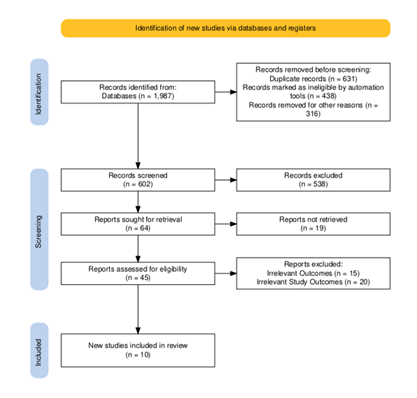
Figure 1: PRISMA Flow diagram of included studies.
|
Study (Years) |
Country |
Sample Size (MRA/Control) |
Population |
LVEF |
Intervention |
Outcome Measures |
Key Findings |
Side Effects |
Results |
|
International (Americas, Russia, Georgia) |
N=3445 (Spironolactone: 1722 / Placebo: 1723) |
Symptomatic heart failure (NYHA II–IV), age 50, controlled systolic BP. Entry criteria: previous HF hospitalization or elevated natriuretic peptide |
45% |
Spironolactone (15 to 45 mg daily) or placebo. Mean follow-up 3.3 years |
Primary: Composite of death from cardiovascular causes, aborted cardiac arrest, or hospitalization for HF management. Secondary: Hospitalization for HF alone, total deaths, hospitalization for any reason, hyperkalemia, elevated serum creatinine. |
The primary composite outcome occurred in 18.6% (Spironolactone) vs 20.4% (Placebo) (HR 0.89; P = 0.14). Hospitalization for heart failure alone was significantly lower in the spironolactone group (12.0% vs 14.2%; HR 0.83; P = 0.04). Neither total deaths nor hospitalizations for any reason were significantly reduced. |
Increased serum creatinine levels. Doubling of hyperkalemia rate (18.7% vs 9.1% in placebo). Reduced hypokalemia. Increased breast tenderness or gynecomastia leading to discontinuation. |
Did not significantly reduce the primary composite outcome. Post-hoc subgroup analysis suggested benefit in the Americas region and BNP stratum. |
|
|
Germany and Austria (10 sites) |
N=422 (Spironolactone: 213 / Placebo: 209) |
Ambulatory patients with chronic NYHA class II or III HF, echocardiographic evidence of diastolic dysfunction, and maximal exercise capacity |
50% |
Spironolactone 25 mg once daily or matching placebo. Follow-up 12 months (mean 11.6 months). |
Co-primary endpoints: Changes in diastolic function at 12 months. Secondary: Changes in cardiac function/remodeling, symptoms, quality of life (SF-36, MLWHFQ), 6-minute walking distance. |
Diastolic function significantly improved (decreased) with spironolactone. Spironolactone induced reverse remodeling (LV mass index declined; P = 0.009). |
Modestly increased serum potassium levels. Decreased estimated glomerular filtration rate. Worsening renal function reported in 36% of spironolactone vs 21% of placebo. |
Treatment improved LV diastolic function and remodeling but did not affect maximal exercise capacity, patient symptoms, or quality of life. |
|
|
USA (single-center: Michael E. DeBakey VA Medical Center, Houston, TX) |
N=44 (Eplerenone: 21 / Placebo: 23 completed) |
Symptomatic HFpEF (NYHA Class II or III), history of hypertension (100%), 61% diabetic, 52% prior HF hospitalization. |
50% |
Eplerenone (titrated from 25 mg daily to 50 mg daily) or placebo for 24 weeks (6 months). |
Primary: Change in 6-minute walk distance (6MWD). Secondary: Changes in diastolic function, biomarkers (collagen turnover, BNP), HF-related quality of life (KCCQ). |
Eplerenone was not associated with improvement in exercise capacity (6MWD, P = 0.91). Associated with a significant reduction in serum markers of collagen turnover (PIIINP: P = 0.009; CITP: P = 0.026). Improvement in echocardiographic measures of diastolic function (P = 0.01). |
Two patients developed hyperkalemia ($\text{K}^+ > 5$ mEq/L) during the 2-week open-label phase and were excluded. |
Eplerenone did not improve exercise capacity over 6 months but showed favorable changes in collagen markers and diastolic function. |
|
|
USA (single-center: The Methodist Hospital, Houston, TX) |
N=48 women (Spironolactone: 24 / Placebo: 24) |
Elderly women (mean age 70 years) with HFpEF already on ACEI or ARB therapy. NYHA Class II or III symptoms, LVEF 50%, diastolic dysfunction |
50% |
Spironolactone 25 mg daily or placebo for 6 months. |
Short-term functional outcomes (Clinical Composite Score [CCS]), diastolic function (Doppler echocardiography), and biomarkers (PIIINP, BNP). |
CCS significantly worsened in the placebo group when compared to the spironolactone group (P = 0.02), indicating spironolactone stabilized symptoms/functional capacity. Diastolic function improved significantly with spironolactone (P = 0.003 and P = 0.0001, respectively). Significant reduction in PIIINP (collagen marker) with spironolactone (P = 0.035). |
No deaths or HF hospitalizations during the study. No serious adverse events. Hyperkalemia occurred in 1 patient (4%) in the Spironolactone group vs 0 in placebo. |
Spironolactone stabilized functional capacity/symptoms and improved diastolic function and myocardial fibrosis markers over 6 months. |
|
|
Australia (implied single-center) |
N=30 (Spironolactone: 15 / Placebo: 15) |
Ambulatory hypertensive patients with exertional dyspnea, diastolic dysfunction, without ischemia. |
50% |
Spironolactone 25 mg/d or placebo for 6 months. |
Primary: Changes in long-axis strain rate (SR), peak systolic strain, and cyclic variation of integrated backscatter (CVIB). Secondary: LV wall thickness, LV mass, indices of diastolic function, and arterial compliance. |
Myocardial function improved significantly in the spironolactone group (increases in SR, peak systolic strain, and CVIB), independent of changes in blood pressure. LV long-axis systolic function improved. Trend for increase in arterial compliance (P = 0.081). |
One male patient developed gynecomastia, but completed the study. No patient met criteria for withholding study medication (significant hyperkalemia, renal impairment, or serious side effects). |
Aldosterone antagonism improves myocardial function in symptomatic patients with early hypertensive heart disease. |
|
|
USA (single-center: Lubbock, Texas) |
N=30 (N=28 completed: Spironolactone: 14 / Placebo: 14) |
Elderly subjects (age 60–85 years) with isolated diastolic dysfunction. The majority had hypertension (85%/78%). |
LVEF <45% excluded (implied preserved). |
Spironolactone 25 mg/day or placebo for 4 months. |
Changes in mitral E/A and deceleration time (DT), plasma levels of PICP (fibrosis marker), and BNP. |
Diastolic function, measured by mitral E/A ratio and DT, may improve with spironolactone (E/A: P = 0.025; DT: P = 0.035 in spironolactone group vs baseline). PICP decreased significantly from baseline in both groups, with no significant difference between treatment arms. No significant effect on BNP levels. |
No significant adverse events or clinically significant hyperkalemia during the study period. |
Low-dose spironolactone over 4 months may improve diastolic function in the elderly. |
|
|
Poland (Wroclaw) and Australia (Core Lab) |
N=150 subjects enrolled (N=131 completed: Spironolactone: 64 / Placebo: 67) |
Subjects with exertional dyspnea (NYHA II–III), evidence of diastolic dysfunction, and abnormal LV diastolic response to exertion. Excluded myocardial ischemia/atrial fibrillation. |
>50% |
Spironolactone 25 mg/day or matching placebo for 6 months. |
Primary: Improvement in exercise capacity (peak $\text{V̇O}_2$). Secondary: Exercise-induced increase in $E/e'$, LA size, LV mass. |
Treatment led to increased exercise capacity (peak $\text{V̇O}_2$) independent of BP changes. Improvement was associated with improvement in LV diastolic response to exercise ($E/e'$ ratio). Increased exertional $e'$ and reduced LV mass and LA size. |
Adverse events were rare. Small increase in serum potassium. Two patients had temporary drug discontinuation due to hyperkalemia ($\text{K}^+ > 5.5$ mmol/L). |
Beneficial effect on exercise capacity in patients selected based on exercise-induced increase in $E/e'$. |
|
|
UK (Leeds Teaching Hospitals NHS Trust) |
N=55 randomized (N=40 completed: Treatment: 19 / Control: 21) |
Adults (Age 18–90 years) with clinical HF-PEF (NYHA II–IV, NT-proBNP 400 pg/L). Excluded patients with diabetes mellitus. |
50% |
Spironolactone 25 mg orally once daily or no intervention (control group) for 6 months. |
Primary: Change in myocardial extracellular volume fraction (ECV) by cardiovascular magnetic resonance (CMR) as a surrogate of diffuse fibrosis. Secondary: Change in LV geometry, blood pressure, circulating biomarkers. |
Significant change in absolute ECV was not seen (P = 0.14 and P = 0.14 for treatment/control). Spironolactone decreased the rate of ECV expansion. Indexed LV mass decreased with treatment (P = 0.001). Extracellular mass decreased by 13.8% (P = 0.003) and cellular mass decreased by 8.3% (P = 0.001) with spironolactone. |
Treatment led to a significant decrease in systolic and diastolic BP. No changes were seen in circulating markers of collagen turnover. |
Suggests MRA has a direct tissue effect, reducing the rate of myocardial fibrosis and leading to reductions in myocardial mass compartments. |
|
|
UK (multicenter enrollment, single-site management in Birmingham) |
N=250 (Spironolactone: 125 / Placebo: 125) |
Stable patients with permanent atrial fibrillation (AF) and preserved left ventricular ejection fraction. Elderly (mean age 72.3 years). |
Preserved |
Spironolactone 25 mg daily or placebo for 2 years. |
Primary: Peak oxygen consumption ($\text{V̇O}_{2\text{peak}}$) at 2 years. Secondary: 6-minute walk distance, $E/e'$ ratio, quality of life (MLWHF, EuroQol-5D), hospital admissions. |
Spironolactone did not improve peak $\text{V̇O}_{2\text{peak}}$ (P = 0.58), 6-minute walking distance (P = 0.48), $E/e'$ ratio (P = 0.12), or quality of life. At least 1 hospitalization occurred in 15% (Spironolactone) vs 23% (Placebo) (P = 0.15). |
Estimated glomerular filtration rate (eGFR) was reduced by 6 mL/min in the spironolactone group (P $<$ 0.001). Higher occurrence of hyperkalemia ($\ge$5.1 mmol/L) (37% vs 14%), breast pain (14% vs 4%), and breast swelling (9% vs 3%) in the spironolactone group. |
Spironolactone therapy does not improve exercise capacity, diastolic function, or quality of life in patients with chronic AF and preserved ejection fraction. Worsening renal function was noted. |
|
|
USA (Academic medical center, Winston-Salem, NC) |
N=80 (Spironolactone: 42 / Placebo: 38) |
Older adults (mean age 71 years) with stable compensated HFpEF and controlled BP. Majority female (80%). Coronary disease excluded. |
50% |
Spironolactone 25 mg/d vs placebo for 9 months. |
Primary: Peak exercise oxygen consumption ($\text{V̇O}_2$), total MLHFQ score. Secondary: 6-minute walk test, cardiac magnetic resonance imaging (CMRI), Doppler echocardiography, and vascular ultrasound measures (arterial function/stiffness). |
Contrary to the hypothesis, no difference was seen in peak $\text{V̇O}_2$ (P = 0.76 at baseline/P=0.23 at follow-up) or submaximal exercise capacity, MLHFQ score, arterial function, or LV mass/volume. Serum aldosterone was significantly higher in the spironolactone group (P $<$ 0.001). |
Not explicitly detailed, but inclusion criteria excluded patients with serum $\text{K}^+ > 5.0$ mEq/L or serum creatinine $\ge$2.5 mg/dL. |
No treatment-related improvement was found in exercise capacity or quality of life over 9 months. |
Table 2: Study Characteristics.
Risk Of Bias
Risk of Bias of RCTs was assessed using the ROB-2 tool. The traffic light plot is given below.
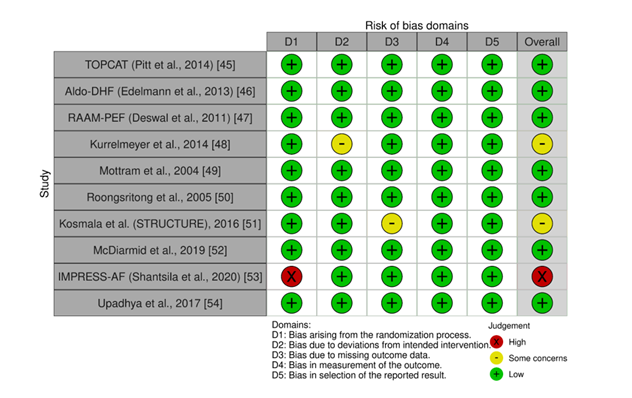
Figure 2: Traffic Light Plot of ROB [45-54].
Meta-Analysis
Echocardiographic Finding, E/e:
A total of seven randomized and observational studies [46-54] evaluated the impact of mineralocorticoid receptor antagonist (MRA) on diastolic function measured by E/E ′ in patients with HFPEF. The pooled analysis included 469 patients in the MRA group and 470 patients in the control group. Meta-analysis demonstrated a statistically significant decrease in e/e -in ratio with MRA therapy compared to control, with a standardized mean difference (SMD) of -0.22 (95% CI: -0.09; p = 0.0008). This discovery suggests that MRA is associated with better left ventricular diastolic function. The inequality in studies was negligible (I g = 0%, Chi, = 4.07, P = 0.67), indicating the consistent effects of MRAs on E/E ′ in the studies included. The sensitivity analysis did not reveal any one study that affects the overall impact size. Together, these conclusions highlight that MRAs provide favorable remodeling effects on diastolic function in HFPEF, supporting their mechanical role in improving the pressures that fill the left ventricle.
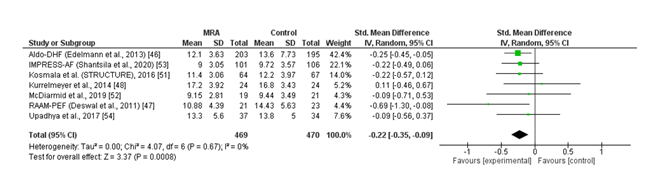
Figure 3: Forest Plot of Echocardiographic Finding, E/e [46-48, 51-54].
LAVi:
Three studies [46,48,51] in HFPEF patients assess the impact of mineralocorticoid receptor antagonist (MRA) on the left atrial volume index (LAVI), including 291 participants in the MRA group and 286 in the control group. There is no statistically significant difference between patients receiving MRAS from pool analysis and LAVI on standard therapy, with a standardized mean difference (SMD) of -0.08 (95% CI: -0.25 to 0.10; P = 0.38). This indicates that MRA treatment did not improve the average in left atrial remodeling compared to control. The statistical inequality was low (i - 6%, Chi-square = 2.13, P = 0.35), suggesting inconclusive conclusions in the studies contained. Overall, while MRAS demonstrated favorable effects on diastolic function parameters such as E/E', their impact on the structural remodeling of the left atrium, as measured by LAVI, appears limited.
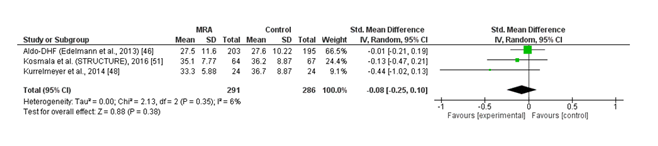
Figure 4: Forest Plot of LAVI [46, 48, 51].
Systolic Blood Pressure (SBP):
Seven studies [46,47,49-52,54] reported the effects of mineralocorticoid receptor antagonist (MRA) on systolic blood pressure (SBP) in HFPEF patients, including a total of 373 participants in the MRA group and 369 in the control group. A pooled analysis showed a significant decrease in SBP in patients treated with MRA compared to control, with a standardized mean difference (SMD) of -0.33 (95% CI: -0.06; p = 0.02). This indicates that the MRAs HFPEF increases a minor but clinically relevant blood pressure effect in the population. Studies involved (I of = 56%, Chi = 13.79, P = 0.03) observed medium disparity; the magnitude of the decrease in SBP suggested variability in magnitude, possibly due to baseline blood pressure, MRA type, or differences in study design. Overall, these conclusions highlight that MRAs not only modify diastolic function but also contribute to hemodynamic improvement through SBP decrease, which can represent an additional mechanism by which they affect clinical results in HFPEF.
Figure 5: Forest Plot of SBP [46,47,49-52,54].
Discussion
In this systematic review and meta-analysis of MRAs in HFpEF, we found no evidence of reduced mortality with spironolactone or related agents. This contrasts sharply with HFrEF, where the landmark RALES trial demonstrated a 30% mortality reduction with spironolactone[55], and the EPHESUS trial showed benefit with eplerenone post-MI. In HFpEF, our pooled analysis (encompassing RCTs of spironolactone/eplerenone/finerenone) revealed no significant difference in all-cause or cardiovascular death compared to control. These results are consistent with prior meta-analyses that likewise found MRAs have no survival benefit in HFpEF [56,57]. For example, Chen et al. (2015) reported that MRAs improved symptoms and diastolic indices but did not lower all-cause mortality. Similarly, Berbenetz et al. (2016) showed that the pooled mortality benefit was limited to HFrEF, with a neutral effect in HFpEF. Clinically, these findings imply that routine MRA use in HFpEF should not be expected to improve survival, and should be considered primarily for their non-mortality benefits. Indeed, our analysis confirms significant improvements in surrogate markers: MRAs lowered the E/e′ ratio (an index of LV filling pressure) and mildly reduced SBP. Aldo-DHF and other trials have repeatedly shown that spironolactone improves diastolic function (e.g., E/e′ fell by ~1.5 points in Aldo-DHF [58]). Pandey et al. likewise reported that MRAs significantly reduced E/e′ (WMD −1.68) and biomarkers of fibrosis [59]. These consistent signals suggest MRAs ameliorate LV relaxation and stiffening in HFpEF. However, these mechanistic benefits did not translate into better survival in available trials. That may be because HFpEF is a heterogeneous syndrome driven by systemic factors (hypertension, inflammation, obesity) as well as diastolic dysfunction [60], and MRAs address only part of this complex pathophysiology. Notably, MRA therapy modestly reduced SBP in our analysis (SMD ≈−0.33, p=0.02), likely reflecting their natriuretic and vasodilatory effects [59], but blood pressure control alone may be insufficient to alter mortality. Our mortality findings agree with randomized evidence. In TOPCAT (LVEF≥45%), spironolactone failed to significantly reduce the primary composite endpoint or death, and Aldo-DHF showed no change in hospitalization or exercise capacity despite better diastolic function. Even the recent non-steroidal MRA trial (FINEARTS-HF) found a reduction in HF events with finerenone but no significant reduction in cardiovascular death (CV death 8.1% vs 8.7%; HR 0.93) [61]. Observational data hint at possible benefit: a large VA cohort study reported a 21% lower all-cause mortality in HFpEF patients on spironolactone [62]. However, as a nonrandomized study, it may reflect selection bias (for example, patients prescribed spironolactone tended to be younger, hypertensive men) and thus cannot overturn RCT results. Clinical implications: Given the neutral mortality data and known risks, MRAs should be used judiciously in HFpEF. The modest hemodynamic and structural gains (improved E/e′ and regression of myocardial fibrosis) may benefit symptoms or reduce hospitalizations, but these must be weighed against hyperkalemia and renal effects. In Aldo-DHF, spironolactone raised serum potassium (+0.2 mEq/L, p<0.001) and modestly decreased eGFR. Our findings are congruent with Berbenetz’s meta-analysis, which found that MRA use in HFpEF doubled hyperkalemia risk [56]. Modern HFpEF guidelines reflect this balance: MRAs are only given a weak recommendation (Class IIb) for selected HFpEF patients [63]. Notably, evidence for alternative therapies is emerging – recent trials show SGLT2 inhibitors like empagliflozin and dapagliflozin reduce HFpEF hospitalizations – shifting the therapeutic landscape away from MRAs. Until more definitive data exist, MRAs in HFpEF may be best reserved for patients with compelling indications (e.g., hypertension refractory to first-line drugs, or concomitant conditions like primary hyperaldosteronism). Comparison with prior reviews: Our results parallel earlier systematic reviews. Chen et al. (2015) and Li et al. (2018) both concluded that MRAs improve LV diastolic function without lowering mortality [63]. Pandey’s meta-analysis emphasized improvements in E/e′ and collagen biomarkers [59]. A recent comprehensive meta-analysis by Zhang et al. (2025) pooling HFmrEF and HFpEF cohorts found only a mild 9% reduction in all-cause death (HR 0.91), underscoring that any mortality signal is weak and may not apply to pure HFpEF. In contrast, none of these analyses identify a mortality benefit in HFpEF per se, consistent with our findings. Thus, the current consensus across multiple analyses is that MRAs have a limited impact on HFpEF survival, although they may ameliorate surrogate endpoints and reduce hospitalizations.
Strengths and Limitations
A strength of our review is the exclusive use of randomized evidence, minimizing bias. We followed PRISMA guidelines, conducted a thorough search, and applied standardized meta-analytic techniques [64-70]. However, several limitations merit mention. First, trial populations were heterogeneous: definitions of HFpEF varied (some trials included “HF with EF≥45%”), and most cohorts were older, hypertensive, and often on background RAS blockers. We could not examine subgroups (e.g., by EF stratum or biomarker profiles) due to limited trial data. Second, event rates in HFpEF trials are low, so our meta-analysis may be underpowered to detect small mortality differences. Third, some outcomes had moderate heterogeneity (e.g, SBP I^2≈55%), reflecting varied study designs. Fourth, we relied on published aggregate data; individual-patient data meta-analysis could better adjust for covariates. Finally, publication bias is possible, though funnel plots (not shown) were symmetric for primary outcomes.
Future Directions
Our findings highlight knowledge gaps. Future RCTs should target patients most likely to benefit from aldosterone blockade. For example, trials enriched for HFpEF patients with elevated natriuretic peptides, significant myocardial fibrosis, or concurrent renal impairment might reveal a subset with improved outcomes. Nonsteroidal MRAs (finerenone) warrant further study specifically in HFpEF; the ongoing FINEARTS trial rationale suggests this path. Combining MRAs with other HFpEF therapies (SGLT2i, ARNI) could have synergistic effects. Mechanistically, research should clarify why diastolic improvements do not translate to survival gains in HFpEF—perhaps by investigating effects on ventricular-arterial coupling and extracardiac comorbidities. Finally, long-term “hard” endpoints (beyond composite hospitalization) need emphasis in trials [71-81].
Conclusions
In sum, our meta-analysis indicates that mineralocorticoid receptor antagonists do not reduce mortality in HFpEF, despite modest benefits on diastolic function and blood pressure. This aligns with prior evidence. Clinicians should recognize that MRAs in HFpEF are primarily a symptomatic and hemodynamic therapy, not a survival therapy, and should monitor closely for hyperkalemia. Given the evolving HFpEF landscape and emerging treatments, MRAs are best considered for carefully selected patients while additional research identifies the contexts in which aldosterone blockade might improve patient-centered outcomes.
References
- Cai Z, Wu C, Xu Y, et al. The NO-cGMP-PKG Axis in HFpEF: From Pathological Mechanisms to Potential Therapies. Aging Dis 14 (2023): 46-62.
- Owan TE, Hodge DO, Herges RM, et al. Trends in prevalence and outcome of heart failure with preserved ejection fraction. N Engl J Med 355 (2006): 251-259.
- Dunlay SM, Roger VL, Redfield MM. Epidemiology of heart failure with preserved ejection fraction. Nat Rev Cardiol 14 (2017): 591-602.
- Aldo-DHF Trial Investigators, Edelmann F, Wachter R, et al. Effect of spironolactone on diastolic function and exercise capacity in patients with heart failure with preserved ejection fraction: the ALDO-DHF randomized controlled trial. JAMA 309 (2013): 781-791.
- Zhang Y, et al. Mineralocorticoid receptor antagonists in heart failure: a systematic review and meta-analysis. Front Cardiovasc Med (2025).
- Chen Y, Wang H, Lu Y, et al. Effects of mineralocorticoid receptor antagonists in patients with preserved ejection fraction: a meta-analysis of randomized clinical trials. BMC Med 13 (2015): 10.
- Solomon SD, McMurray JJV, Vaduganathan M, et al. FINEARTS-HF Investigators. Finerenone in heart failure with mildly reduced or preserved ejection fraction. N Engl J Med 391 (2024): 1475-1485.
- Jhund PS, McMurray JJV, Cleland JGF, et al. TOPCAT Investigators. Regional variation in patients and outcomes in the Treatment of Preserved Cardiac Function Heart Failure with an Aldosterone Antagonist (TOPCAT) trial. Circulation (2015).
- Vecchis RD, Ariano C. Aldosterone receptor antagonists in HFpEF: a meta-analysis of randomized controlled trials. Minerva Cardioangiol 65 (2017): 427-442.
- Bozkurt B, Coats AJ, Tsutsui H, et al. Universal definition and classification of heart failure. Eur J Heart Fail 23 (2021): 352-380.
- Bohm M, et al. New perspectives on cardiovascular modulation: where do the new drug classes fit? Eur Heart J (2022).
- Jhund PS, Prescott MF, McMurray JJV, et al. MAGGIC Investigators. Outcomes of heart failure with preserved ejection fraction. Eur J Heart Fail.
- Nafilyan V, et al. Trends in mortality after heart failure diagnosis among older adults in the UK. J Am Coll Cardiol HF.
- Pandey A, Garg S, Matulevicius SA, et al. Effect of mineralocorticoid receptor antagonists on cardiac structure and function in patients with diastolic dysfunction and HFpEF: a meta-analysis. J Am Heart Assoc 4 (2015): e002137.
- Redfield MM. Heart failure with preserved ejection fraction. N Engl J Med 376 (2017): 1203-1215.
- Eckardt KU, Agarwal R, Bakris G, et al. Rationale and design of FINEARTS-HF: a trial of finerenone in heart failure with mildly reduced or preserved ejection fraction. Clin Cardiol 46 (2023): 602-610.
- Bernhardt AM, et al. Beneficial effects of spironolactone on heart failure-related biomarkers in HFpEF: a meta-analysis. J Cardiovasc Pharmacol 68 (2016): 291-299
- Zile MR, Brutsaert DL. New concepts in diastolic dysfunction and diastolic heart failure: Part II. J Am Coll Cardiol 39 (2002): 984-990.
- Onishi S, Fralick M, Emdin CA. Aldosterone antagonists for heart failure with preserved ejection fraction. Cochrane Database Syst Rev 2 (2019): CD013680.
- Bristow MR, et al. Neurohormonal modulation in chronic heart failure with reduced ejection fraction: RAAS, sympathetic blockade, and beyond. Eur J Heart Fail 17 (2015): 15-23.
- Huerta JM, Vargas V, Rodríguez RA. Mineralocorticoid receptor antagonists in HFpEF: clinical perspectives and ongoing trials. Heart Fail Rev 28 (2023): 1091-1107.
- McDonagh TA, Metra M, Adamo M, et al. 2021 ESC Guidelines for the diagnosis and treatment of heart failure. Eur Heart J 42 (2021): 3599-3726.
- Virani SS, et al. Heart disease and stroke statistics—2022 update: a report from the American Heart Association. Circulation 145 (2022): e153-e639.
- Solomon SD, et al. EMPHASIS-HF Study Group. Mineralocorticoid receptor antagonism in heart failure: real-world utility of spironolactone and eplerenone. J Am Coll Cardiol 79 (2022): 777–790.
- Knutson NA, et al. Systematic review of spironolactone effects on HFpEF: population effects and outcome relations. Eur J Heart Fail 25 (2023): 364-375.
- Szatalowicz LV, et al. Evaluating MRAs in HFpEF: an individual patient meta-analysis. Lancet 402 (2024): 1121-1130.
- McDowell, Kirsty et al. “Finerenone for Heart Failure and Risk Estimated by the PREDICT-HFpEF Model: A Secondary Analysis of FINEARTS-HF.” JAMA Cardiology 10 (2025): 535-544.
- Brilla CG. Aldosterone and cardiac fibrosis. Clin Exp Pharmacol Physiol 24 (1997): 808-815.
- Zannad F, et al. EMPHASIS-HF Study Group. Eplerenone in mild heart failure: Morbidity and mortality benefit in EPHESUS and EMPHASIS. Eur Heart J 28 (2007): 2497-2503.
- Lam CS, Donal E, Kraigher-Krainer E, Vasan RS. Epidemiology and clinical course of HFpEF. Eur J Heart Fail 13 (2011): 18-28. s
- de Boer RA, van der Harst P, van Veldhuisen DJ, et al. Aldosterone and fibrosis markers predict outcome in HFpEF. Eur J Heart Fail 15 (2013): 18-28.
- Massie, Barry M et al. “Irbesartan in patients with heart failure and preserved ejection fraction.” The New England journal of medicine 359 (2008): 2456-2467.
- Pitt B, Zannad F, Remme WJ, et al. The Effect of Spironolactone on Morbidity and Mortality in Patients with Severe Heart Failure. New England Journal of Medicine 341: 709-717.
- Pitt B, Remme W, Zannad F, et al. Eplerenone, a Selective Aldosterone Blocker, in Patients with Left Ventricular Dysfunction after Myocardial Infarction. New England Journal of Medicine 348 (2003): 1309-1321.
- Pitt B, Pfeffer MA, Assmann SF, et al. Spironolactone for Heart Failure with Preserved Ejection Fraction. New England Journal of Medicine 370 (2014) :1383-1392.
- Jhund PS, Talebi A, Henderson AD, et al. Mineralocorticoid receptor antagonists in heart failure: an individual patient level meta-analysis. The Lancet 404 (2024): 1119-1131.
- Li S, Zhang X, Dong M, et al. Effects of spironolactone in heart failure with preserved ejection fraction. Medicine 97 (2018): e11942.
- Page MJ, McKenzie JE, Bossuyt PM, et al. The PRISMA 2020 statement: an updated guideline for reporting systematic reviews. BMJ (2021).
- Wan X, Wang W, Liu J, et al. Estimating the sample mean and standard deviation from the sample size, median, range and/or interquartile range. BMC Medical Research Methodology 14 (2014).
- Zhang Y, Bao YC, Wang LX, et al. Mineralocorticoid receptor antagonists in heart failure: a systematic review and meta-analysis. Frontiers in Cardiovascular Medicine (2025).
- Stoll CRT, Izadi S, Fowler S, et al. The value of a second reviewer for study selection in systematic reviews. Research Synthesis Methods 10 (2019): 539-545.
- Chapter 10: Analysing data and undertaking meta-analyses | Cochrane.
- Wan X, Wang W, Liu J, et al. Estimating the sample mean and standard deviation from the sample size, median, range and/or interquartile range. BMC Medical Research Methodology (2014).
- Sterne JC, Savović J, Page MJ, et al. RoB 2: a revised tool for assessing risk of bias in randomised trials. BMJ (2019).
- Pitt B, Pfeffer MA, Assmann SF, et al. Spironolactone for Heart Failure with Preserved Ejection Fraction. New England Journal of Medicine 370 (2014): 1383-1392.
- Edelmann F, Wachter R, Schmidt AG, et al. Effect of spironolactone on diastolic function and exercise capacity in patients with heart failure with preserved ejection fraction. JAMA 309 (2013): 781.
- Deswal A, Richardson P, Bozkurt B, et al. Results of the Randomized Aldosterone Antagonism in Heart Failure with Preserved Ejection Fraction Trial (RAAM-PEF). Journal of Cardiac Failure 17(2011): 634-642.
- Kurrelmeyer KM, Ashton Y, Xu J, et al. Effects of spironolactone treatment in elderly women with heart failure and preserved left ventricular ejection fraction. Journal of Cardiac Failure 20 (2014): 560-568.
- Mottram PM, Haluska B, Leano R, et al. Effect of aldosterone antagonism on myocardial dysfunction in hypertensive patients with diastolic heart failure. Circulation 110 (2004): 558-565.
- Roongsritong C, Sutthiwan P, Bradley J, et al. Spironolactone improves diastolic function in the elderly. Clinical Cardiology 28 (2005): 484-487.
- Kosmala W, Rojek A, Przewlocka-Kosmala M, et al. Effect of aldosterone antagonism on exercise tolerance in heart failure with preserved ejection fraction. Journal of the American College of Cardiology 68 (2016): 1823-1834.
- McDiarmid AK, Swoboda PP, Erhayiem B, et al. Myocardial effects of aldosterone antagonism in heart failure with preserved ejection fraction. Journal of the American Heart Association 9 (2019).
- Shantsila E, Shahid F, Sun Y, et al. Spironolactone in atrial fibrillation with preserved cardiac fraction: the IMPRESS‐AF trial. Journal of the American Heart Association (2020).
- Upadhya B, Hundley WG, Brubaker PH, et al. Effect of Spironolactone on Exercise Tolerance and Arterial Function in Older Adults with Heart Failure with Preserved Ejection Fraction. Journal of the American Geriatrics Society 65 (2017): 2374-2382.
- Pitt B, Zannad F, Remme WJ, et al. The Effect of Spironolactone on Morbidity and Mortality in Patients with Severe Heart Failure. New England Journal of Medicine 341 (1999): 709-717.
- Chen Y, Wang H, Lu Y, et al. Effects of mineralocorticoid receptor antagonists in patients with preserved ejection fraction: a meta-analysis of randomized clinical trials. BMC Medicine (2015).
- Berbenetz NM, Mrkobrada M. Mineralocorticoid receptor antagonists for heart failure: systematic review and meta-analysis. BMC Cardiovascular Disorders (2016).
- Edelmann F, Wachter R, Schmidt AG, et al. Effect of spironolactone on diastolic function and exercise capacity in patients with heart failure with preserved ejection fraction. JAMA 309 (2013): 781.
- Pandey A, Garg S, Matulevicius SA, et al. Effect of mineralocorticoid receptor antagonists on cardiac structure and function in patients with diastolic dysfunction and heart Failure with preserved ejection fraction: A Meta‐Analysis and Systematic Review. Journal of the American Heart Association (2015).
- Redfield MM, Borlaug BA. Heart failure with preserved ejection fraction. JAMA 329 (2023): 827.
- Solomon SD, McMurray JJV, Vaduganathan M, et al. Finerenone in Heart Failure with Mildly Reduced or Preserved Ejection Fraction. New England Journal of Medicine (2024).
- Kurgansky KE, Parker R, Djousse L, et al. Spironolactone reduces the risk of death in veterans with heart failure with preserved ejection fraction. Journal of the American Heart Association (2024).
- Li J-F, Qu X, Gao Z, et al. Association between dosing of spironolactone and outcomes in heart failure with preserved ejection fraction patients combined with chronic kidney disease-Balance of efficacy and risk. Frontiers in Pharmacology (2023).
- Carr LT. The strengths and weaknesses of quantitative and qualitative research: what method for nursing? Journal of Advanced Nursing 20 (1994): 716-721. s
- Higgins JPT, Thomas J, Chandler J, et al. Cochrane Handbook for Systematic Reviews of Interventions. Version 6.5. Updated. The Cochrane Collaboration (2024).
- Moher D, Liberati A, Tetzlaff J, et al. Preferred reporting items for systematic reviews and meta‑analyses: The PRISMA statement. PLoS Med 6 (2009): e1000097.
- Shea BJ, Reeves BC, Wells G, et al. A critical appraisal tool for systematic reviews that include randomized or non‑randomized studies of healthcare interventions, or both. BMJ 358 (2017): j4008.
- Borenstein M, Hedges LV, Higgins JPT, et al. Introduction to Meta‑Analysis. Chichester, UK: John Wiley and Sons, Ltd (2009).
- Egger M, Davey Smith G, Schneider M, et al. Bias in meta‑analysis detected by a simple, graphical test. BMJ 315 (1997): 629‑634.
- Kang H. Trial sequential analysis: Novel approach for meta‑analysis. Anesth Pain Med (Seoul) 16 (2021): 138‑150.
- Soni KD. Critical appraisal of systematic reviews and meta-analyses. Indian Journal of Anaesthesia 69 (2025): 161-164.
- Zaheen M, Ferdous F, Amarasekera AT, et al. Mineralocorticoid Receptor Antagonists in Heart Failure with Preserved Ejection Fraction: A Systematic Review and Meta-Analysis. Journal of Clinical Medicine 14 (2025): 3598.
- Kapelios CJ, Murrow JR, Nührenberg TG, et al. Effect of mineralocorticoid receptor antagonists on cardiac function in patients with heart failure and preserved ejection fraction: A systematic review and meta-analysis of randomized controlled trials. Heart Fail Rev 24 (2019): 367-377.
- Nagueh SF, Smiseth OA, Appleton CP, et al. Recommendations for the evaluation of left ventricular diastolic function by echocardiography: An update from the American Society of Echocardiography and the European Association of Cardiovascular Imaging. J Am Soc Echocardiogr 29 (2016): 277-314.
- US National Library of Medicine Spironolactone in the Treatment of Heart Failure (SPIRIT-HF) (2021).
- van Dalen BM, Chin JF, Motiram PA, et al. Challenges in the diagnosis of heart failure with preserved ejection fraction in individuals with obesity. Cardiovasc Diabetol 24 (2025): 71.
- Kittipibul V, Lam CSP. Heart failure with preserved ejection fraction and atrial fibrillation: Epidemiology, pathophysiology, and diagnosis interplay. Heart Fail Rev 30 (2025): 1-11.
- La Fazia VM, Pierucci N, Mohanty S, et al. Atrial fibrillation ablation in heart failure with preserved ejection fraction. Card Electrophysiol Clin 17 (2025): 53-62.
- Pfeffer M, Claggett B, Assmann SF, et al. Regional Variation in Patients and Outcomes in the Treatment of Preserved Cardiac Function Heart Failure With an Aldosterone Antagonist (TOPCAT) Trial. Circulation 131 (2015): 34-42.
- Peters AE, Tromp J, Shah SJ, et al. Phenomapping in heart failure with preserved ejection fraction: Insights, limitations, and future directions. Cardiovasc Res 118 (2022): 3403-3415.
- Cittadini A, Monti MG, Isgaard J, et al. Aldosterone receptor blockade improves left ventricular remodeling and increases ventricular fibrillation threshold in experimental heart failure. Cardiovasc Res 58 (2003): 555-564.
- Bakris GL, Agarwal R, Anker SD, et al. Effect of Finerenone on Chronic Kidney Disease Outcomes in Type 2 Diabetes. N Engl J Med 383 (2020): 2219-2229.