Sanjay Kumar1, Rajesh Kumar*1, Mumtaz Hussain2, Shashi Kant1, Sumit Kumar2, Richa Singh1
1All India Institute of Medical Sciences, Patna, India
2Indira Gandhi Institute of Medical Sciences, Patna, India
*Corresponding Author: Rajesh Kumar, All India Institute of Medical Sciences, Patna, India.
Received: 16 July 2026; Accepted: 21 July 2026; Published: XX- July 2026
Introduction: Post-operative sore throat (POST) remains the most frequent minor morbidity following endotracheal intubation for general anaesthesia, with reported incidence exceeding 60% and a consequent reduction in patient satisfaction. Intratracheal instillation of dexamethasone or dexmedetomidine through a dedicated supraglottic-subglottic port has been proposed as a lowdose, high-yield alternative to systemic administration, but head-to-head comparative data remain limited.
Methodology: This prospective, double-blind, randomised controlled study was conducted at the Department of Anaesthesiology, Indira Gandhi Institute of Medical Sciences (IGIMS), Patna, India. One hundred and thirty adult patients of ASA physical status I-II undergoing elective surgery under general anaesthesia were randomised in a 1:1 ratio to receive either supraglottic and subglottic dexamethasone (8 mg diluted to 5 mL, n = 65) or dexmedetomidine (100 mcg diluted to 5 mL, n = 65) instilled via the dedicated ports of a highvolume low-pressure cuffed endotracheal tube immediately after intubation. The primary outcome was the incidence and severity of POST at 0, 2, 4, 6, 12 and 24 hours postoperatively; secondary outcomes were hoarseness, pain on deglutition, cough and haemodynamic stability (heart rate, systolic and diastolic blood pressure, mean arterial pressure). Continuous variables were analysed by repeated-measures ANOVA and binary outcomes by binomial logistic generalised estimating equations (GEE).
Results: Baseline demographic and haemodynamic parameters were comparable between groups (all p > 0.05). A significant Group, Time and Group×Time interaction effect was observed for heart rate, systolic blood pressure, diastolic blood pressure and mean arterial pressure (all p < 0.001), indicating greater haemodynamic stability with dexmedetomidine. For the incidence of sore throat, hoarseness, pain on deglutition and cough, a significant Time effect was seen in all four GEE models (declining incidence with time in both groups), while the odds of each symptom were consistently, though not statistically significantly, lower with dexmedetomidine than dexamethasone (sore throat OR 0.37, 95% CI 0.12-1.11; hoarseness OR 0.41, 95% CI 0.12-1.40; pain on deglutition OR 0.72, 95% CI 0.24-2.22; cough OR 0.66, 95% CI 0.11-4.06).
Discussion: Both intratracheal dexamethasone and dexmedetomidine were associated with a progressive decline in POST-related symptoms over the first 24 postoperative hours, consistent with the natural resolution of mucosal injury described in the wider POST literature. The consistently lower point estimates with dexmedetomidine, together with its superior haemodynamic profile, support a possible incremental advantage of the α-2 agonist over the corticosteroid, although the confidence intervals for the symptom outcomes crossed unity in this sample size.
Postoperative Sore Throat; Dexamethasone; Dexmedetomidine; Intratracheal Instillation; Endotracheal Intubation; General Anaesthesia
Postoperative Sore Throat articles; Dexamethasone articles; Dexmedetomidine articles; Intratracheal Instillation articles; Endotracheal Intubation articles; General Anaesthesia articles
Introduction
Endotracheal intubation is a standard part of general anaesthesia for both laparoscopic and non-laparoscopic surgery, with post-operative sore throat (POST) being its most common but relatively minor long-term effect [1]. While rarely serious, POST is a significant cause of decreased patient satisfaction with anaesthetic care, with a reported prevalence of almost 62% and higher after general anaesthesia [2]. Hoarseness and cough are common sequelae of POST [4,5] and share a common mechanistic origin: mucosal irritation and inflammation induced by instrumentation of the airway with the laryngoscope, the endotracheal tube itself, and sustained pressure on airway mucosa from the inflated cuff [3,4]. Bucking and coughing during emergence after an elective surgery may lead to laryngeal reflexes on their own, which can then precipitate laryngospasm, laryngeal oedema, increased intra-abdominal pressure and even anastomotic bleeding. Pharmacological strategies have been employed to mitigate POST, including nebulised or aerosolised dexamethasone, budesonide, ketamine and lidocaine, intravenous dexmedetomidine and lidocaine, as well as replacement of double-lumen tubes [5] and controlled cuff-pressure strategies [6], but with variable success [7]. In spite of this budding evidence base, there is a lack of consensus about the relative efficacy and acceptability of these small-particle airway interventions when given directly to the airway vs. systemically. Intratracheal drug administration provides rapid access to the airway mucosa with minimal systemic exposure as compared with intravenous administration [8]. This non-invasive, user-friendly pathway is already successfully used for topical anaesthetics like lidocaine [9]. Dexamethasone is a potent corticosteroid with anti-inflammatory and immunosuppressant properties which also decreases the local production of prostaglandins and leukotrienes; when instilled on the airway mucosa, a local anti-inflammatory effect at much lower doses than those required systemically via intravenous as a POST prophylaxis, is achieved [10-13]. Dexmedetomidine, a highly selective α-2 adrenergic agonist, exerts sympatholysis and evokes sedation and analgesia devoid of clinically relevant respiratory depression [10]. While intravenous dexmedetomidine has been extensively studied to blunt airway and circulatory reflexes at extubation [7], it is, however, limited by dose dependent bradycardia and hypotension. Direct instillation of dexmedetomidine into the trachea 30 min before extubation yields a more stable, calmer recovery [9]. Post-intubation sore throat is of two anatomically distinct origins, supraglottic pain from direct laryngoscopy and infraglottic pain from the tube or cuff, and dexmedetomidine would address the specific analgesic properties of both components [10]. While both agents were individually effective, to our knowledge, no adequately powered trial has compared supraglottic-and-subglottic-acting dexamethasone and dexmedetomidine delivered at the same time through the same dedicated dual-port endotracheal tube. The present study aimed to compare intratracheal dexmedetomidine with preoperative dexamethasone in prevention of POST after endotracheal intubation for general anaesthesia, so we designed this study to determine the comparative efficacy of single dose of dexamethasone (6 mg IV given preoperatively) and dexmedetomidine (0.5 mg/kg) given by nebulization after induction of anaesthesia for the prevention of POST after endotracheal intubation and their secondary effects on haemodynamic stability, hoarseness, pain on deglutition and cough in post operative period.
Aims and Objectives
Primary objective: To compare the efficacy of supraglottic and subglottic instillation of dexamethasone versus dexmedetomidine in decreasing the incidence and severity of postoperative sore throat (POST) after general anaesthesia. Secondary objective: To assess postoperative haemodynamic stability, pain on deglutition, hoarseness, cough and any other adverse effects associated with the two study drugs.
Methodology
Study Design and Setting
This was a prospective, single-centre, double-blind, randomised controlled study in the Department of Anaesthesiology, Indira Gandhi Institute of Medical Sciences (IGIMS), Patna, Bihar, India, after approval from the Institute Ethics Committee and registered in CTRI (CTRI/2023/03/050517). The study was carried out in accordance with the Declaration of Helsinki and the Indian Council of Medical Research (ICMR) National Ethical Guidelines for Biomedical and Health Research Involving Human Participants. All participants were provided with written informed consent prior to enrolment.
Eligibility Criteria
Inclusion criteria were ASA physical status I or II; age 18-65 years of either sex; Mallampati class I-II; patients posted for elective surgery under general anaesthesia; and willingness to participate. Exclusion criteria were: patient refusal; ASA physical status III or above; age less than 18 or more than 65 years; suspected difficult airway or Mallampati grade III-IV; history of upper respiratory tract hypersensitivity; recent upper respiratory tract infection; pregnancy, morbid obesity, or a prior history of sore throat; and postoperative transfer to the intensive care unit while still intubated.
Sample Size
The sample size was calculated using G*Power software (version 3.1.9.7), performing a Z-test for two independent proportions [28] with P1 = 0.56 and P2 = 0.30, derived from the meta-analysis of Liu et al. on the efficacy of perioperative dexmedetomidine [23] and the randomised controlled trial of Bagchi et al. on the efficacy of dexamethasone in postoperative sore throat20. With an alpha error of 0.05, power of 80% and an anticipated dropout of 20%, the effective sample size was 130, allocated equally into two groups of 65 patients each.
Randomisation and Blinding
Patients were randomised using a computer-generated random number table into either Group A (dexamethasone, n = 65) or Group B (dexmedetomidine, n = 65). Patients and attending anaesthetists were blind to group allocation; study drugs were prepared in identical syringes by an independent anaesthesiologist completely unaware of patient assessment.
Anaesthetic Technique and Study Drug Administration
Patients were kept nil per oral for 8 hours prior to surgery. Upon arrival to the operating room, we documented baseline ECG, systolic blood pressure (SBP), diastolic blood pressure (DBP), mean arterial pressure (MAP) and heart rate (HR). An intravenous cannula of 18G size was secured, and the patients were preoxygenated with 100% oxygen through a face mask for 3 minutes. Induction was done with fentanyl 2 µg/kg, propofol 2 mg/kg and atracurium 0.5 mg/kg or vecuronium 0.1 mg/kg. Trachea intubation was performed under direct laryngoscopy use of single use, High-volume low-pressure cuffed ETT provided with dedicated supraglottic and subglottic instillation ports, cuff 3–5 mL air inflated. At the time of confirmation of tube position, a study drug volume of 5 mL, containing either 8 mg dexamethasone diluted in 3 mL normal saline (Group A) or 100 mcg dexmedetomidine (diluted in 3 mL normal saline (Group B), was instilled through the supraglottic and subglottic ports. We excluded patients with failed intubation (failed after two attempts) or when oxygen saturation during intubation fell below 90%. Anaesthesia was maintained within a safe minimum alveolar concentration of isoflurane together with intermittent neuromuscular blockade in 50% oxygen-50% nitrous oxide. Twenty minutes prior to the completion of surgery, 4 mg ondansetron was administered as prophylaxis against postoperative nausea and vomiting, and neuromuscular blockade was reversed with neostigmine 0.05 mg/kg and glycopyrrolate 0.01 mg/kg. Extubation was performed in a standardized manner in both groups when patients were fully awake, and patients who bucked or coughed during extubation were excluded from analysis.
Outcome Measures
Patients were examined by a fellow junior resident, blinded to group allocation, in the post-operative ward at 0, 2, 4, 6, 12 and 24 hours after extubation. The main outcome was throat pain, which was expressed dichotomously (sore or not sore) and by severity (none, mild (complains only if asked), moderate (self-report) or severe (forceful and/or localized pain and/or discomfort). Hoarseness (None/Mild/Moderate/Severe), pain on deglutition, cough, haemodynamic parameters (HR, SBP, DBP, MAP, SpO₂) at 1, 5 and 10 min post-extubation, and adverse events (nausea, vomiting, dizziness) were also recorded.
Statistical Analysis
Data were entered in MS Excel and imported into R statistical software (version 4.5.2) for cleaning, transformation and analysis, using the core tidyverse, gtsummary, afex, emmeans and geepack packages. Continuous variables were tested for normality and are presented as mean ± standard deviation (SD), or median (interquartile range, IQR) where non-normally distributed. Categorical variables are presented as frequency and percentage. Because the repeated-measures data were auto-correlated across time-points, between-group differences in continuous outcomes over time were analysed using repeated-measures ANOVA with Greenhouse-Geisser correction applied where sphericity was violated. Binary symptom outcomes (sore throat, hoarseness, pain on deglutition, cough) were modelled using binomial logistic generalised estimating equations (GEE) to account for within-subject correlation across repeated time-points, generating odds ratios (OR) and 95% confidence intervals (CI) for the Group, Time and Group×Time interaction effects. GEE was selected over conventional repeated measures approaches for its robustness to the correlation structure inherent in longitudinal binary data. A two-tailed p-value < 0.05 was considered statistically significant throughout.
Patient and Public Involvement
The study was conceptualised in response to an unmet clinical need identified by the treating anaesthesia team at IGIMS Patna. Patients were not otherwise involved in the design, conduct or reporting of this research.
Results
Baseline Characteristics
One hundred and thirty patients were enrolled and randomised, 65 to Group A (dexamethasone) and 65 to Group B (dexmedetomidine). The two groups were similar in terms of age, BMI, sex distribution and ASA physical status (Table 1 and Table 2), confirming sufficient randomisation. Age was comparable; 39 ± 13 in Group A and 41 ± 14 in Group B (p = 0.5). Mean BMI was 23.08 ± 3.16 kg/m2 in group A and 23.32 ± 2.89 kg/m2 in group B (p = 0.7) respectively. Comparison of Baseline Patient CharacteristicsMost of patients in both groups were ASA physical status I (69% and 65% respectively, p = 0.6).
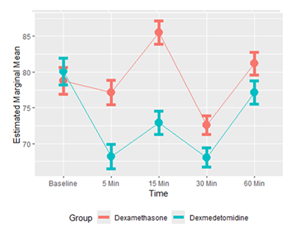
Figure 1: Heart rate trend over postoperative time-points by study group.
Table 1: Baseline demographic and clinical characteristics (n = 130).
|
Characteristic |
Dexamethasone (n = 65) |
Dexmedetomidine (n = 65) |
p-value |
|
Age (years), mean ± SD |
39 ± 13 |
41 ± 14 |
0.5 |
|
Sex, n (%) |
0.3 |
||
|
Female |
40 (62%) |
46 (71%) |
|
|
Male |
25 (38%) |
19 (29%) |
|
|
BMI (kg/m²), mean ± SD |
23.08 ± 3.16 |
23.32 ± 2.89 |
0.7 |
|
ASA class, n (%) |
|
|
0.6 |
|
I |
45 (69%) |
42 (65%) |
|
|
II |
20 (31%) |
23 (35%) |
|
Baseline (0-minute) haemodynamic parameters were also comparable between groups, with no statistically significant differences in heart rate, systolic blood pressure, diastolic blood pressure, mean arterial pressure or oxygen saturation (Table 2).
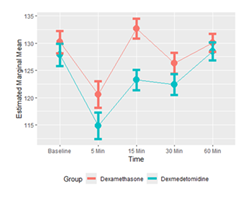
Figure 2: Systolic blood pressure trend over postoperative time-points by study group.
Table 2: Baseline haemodynamic parameters (n = 130).
|
Parameter (0 min) |
Dexamethasone (n = 65) |
Dexmedetomidine (n = 65) |
p-value |
|
Heart rate (bpm) |
79 ± 8 |
80 ± 7 |
0.3 |
|
SBP (mmHg) |
130 ± 8 |
128 ± 9 |
0.11 |
|
DBP (mmHg) |
79 ± 6 |
79 ± 7 |
0.8 |
|
MAP (mmHg) |
96 ± 6 |
95 ± 7 |
0.3 |
|
SpO₂ (%), median (Q1, Q3) |
100 (100, 100) |
100 (100, 100) |
- |
Repeated-Measures ANOVA: Haemodynamic Parameters
For all four assessed haemodynamic parameters, repeated-measures ANOVA confirmed significant Group, Time and Group×Time interaction effects (heart rate: F _1,24=30.34, P <0.0001; SBP: F _1,24=49.06, P <0.0001; DBP: F _1,24=21.92, P <0.0001; MAP: F _1,24=33.92, P <0.0001), showing distinct postpartum haemodynamic trajectories for the two study drugs (Table 3, Figures 1-4). The largest effect sizes (partial η²) for heart rate (Group η² = 0.273) and smallest for diastolic blood pressure (Group η² = 0.053), consistent with the sympatholytic actions of dexmedetomidine finding their most dominant effect on heart rate.
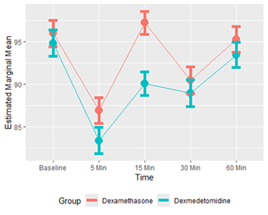
Figure 3: Diastolic blood pressure trend over postoperative time-points by study group.
Table 3: Repeated-measures ANOVA effect sizes for haemodynamic parameters (Greenhouse-Geisser corrected).
|
Parameter |
Effect |
Partial η² |
Generalized η² |
P value |
|
Heart rate |
Study Group |
0.273 |
0.16 |
<.001 |
|
Time |
0.41 |
0.256 |
<.001 |
|
|
Study Group × Time |
0.204 |
0.112 |
<.001 |
|
|
SBP |
Study Group |
0.142 |
0.075 |
<.001 |
|
Time |
0.361 |
0.224 |
<.001 |
|
|
Study Group × Time |
0.056 |
0.03 |
<.001 |
|
|
DBP |
Study Group |
0.053 |
0.023 |
0.009 |
|
Time |
0.348 |
0.235 |
<.001 |
|
|
Study Group × Time |
0.043 |
0.025 |
<.001 |
|
|
MAP |
Study Group |
0.125 |
0.058 |
<.001 |
|
Time |
0.401 |
0.276 |
<.001 |
|
|
Study Group × Time |
0.055 |
0.032 |
<.001 |
Main Outcomes: Binomial Logistic GEE
Binary logistic GEE modelling was used to compare the incidence of sore throat, hoarseness, pain on deglutition and cough between groups across the six postoperative time-points, with dexamethasone as the reference group and 0 hour as the reference time-point.
Sore Throat.
The odds of sore throat were consistently lower in the dexmedetomidine group compared to the dexamethasone group, but did not attain statistical significance (OR 0.37, 95% CI 0.12-1.11, p=0.077). A strong Time effect demonstrated decreasing odds of sore throat at 12 hours (OR 0.29, 95% CI 0.09-0.95, p = 0.041) and at 24 hours (OR 0.21, 95% CI 0.06-0.80, p = 0.022), relative to baseline, with a similar natural symptomatic resolution observed in both groups. For the interaction between Group and Time on any time-point, the effect was non-significant (Table 4, Figure 5).
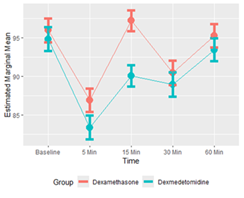
Figure 4: Mean arterial pressure trend over postoperative time-points by study group.
Table 4: GEE model - incidence of sore throat.
|
Characteristic |
OR |
95% CI |
p-value |
|
Group: Dexmedetomidine (ref. Dexamethasone) |
0.37 |
0.12, 1.11 |
0.077 |
|
Time: 2 h (ref. 0 h) |
0.9 |
0.37, 2.22 |
0.8 |
|
Time: 4 h |
0.53 |
0.20, 1.45 |
0.2 |
|
Time: 6 h |
0.37 |
0.12, 1.11 |
0.077 |
|
Time: 12 h |
0.29 |
0.09, 0.95 |
0.041 |
|
Time: 24 h |
0.21 |
0.06, 0.80 |
0.022 |
|
Dexmedetomidine × 2 h |
1.36 |
0.29, 6.28 |
0.7 |
|
Dexmedetomidine × 4 h |
1.88 |
0.37, 9.62 |
0.5 |
|
Dexmedetomidine × 6 h |
2.14 |
0.37, 12.4 |
0.4 |
|
Dexmedetomidine × 12 h |
2 |
0.30, 13.3 |
0.5 |
|
Dexmedetomidine × 24 h |
1.78 |
0.21, 15.0 |
0.6 |
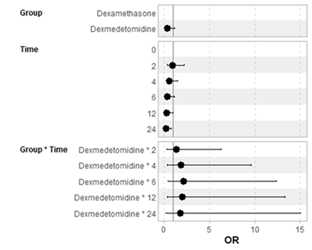
Figure 5: Incidence of sore throat over postoperative time-points by study group.
Hoarseness
The odds of hoarseness were lower with dexmedetomidine than dexamethasone (OR 0.41, 95% CI [0.12-1.40], p = 0.2), but not statistically significant. Once again, a significant Time effect was present, with odds of adherence significantly lower by 12 hours (OR 0.20, 95% CI 0.04–0.95, p = 0.043) and no events in the reference group by 24 hours (p < 0.001) (Table 5, Figure 6).
Table 5: GEE model - incidence of hoarseness.
|
Characteristic |
OR |
95% CI |
p-value |
|
Group: Dexmedetomidine (ref. Dexamethasone) |
0.41 |
0.12, 1.40 |
0.2 |
|
Time: 2 h (ref. 0 h) |
1 |
0.37, 2.71 |
>0.9 |
|
Time: 4 h |
0.52 |
0.16, 1.64 |
0.3 |
|
Time: 6 h |
0.3 |
0.08, 1.17 |
0.083 |
|
Time: 12 h |
0.2 |
0.04, 0.95 |
0.043 |
|
Time: 24 h |
0 |
0.00, 0.00 |
<0.001 |
|
Dexmedetomidine × 2 h |
1 |
0.18, 5.71 |
>0.9 |
|
Dexmedetomidine × 4 h |
0.93 |
0.12, 7.49 |
>0.9 |
|
Dexmedetomidine × 6 h |
0.79 |
0.06, 10.7 |
0.9 |
|
Dexmedetomidine × 12 h |
0 |
0.00, 0.00 |
<0.001 |
|
Dexmedetomidine × 24 h |
2.45 |
0.68, 8.81 |
0.2 |
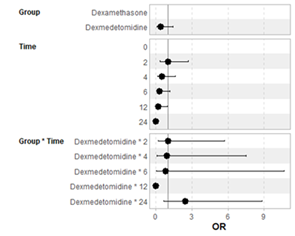
Figure 6: Incidence of hoarseness over postoperative time-points by study group.
Pain on Deglutition.
Dexmedetomidine was associated with numerically lower odds of pain on deglutition (OR 0.72, 95% CI 0.24-2.22, p = 0.6). Odds declined significantly with time, reaching near-zero by 12 and 24 hours in the reference group (both p < 0.001) (Table 6, Figure 7).
Table 6: GEE model - pain in deglutition.
|
Characteristic |
OR |
95% CI |
p-value |
|
Group: Dexmedetomidine (ref. Dexamethasone) |
0.72 |
0.24, 2.22 |
0.6 |
|
Time: 2 h (ref. 0 h) |
0.72 |
0.24, 2.22 |
0.6 |
|
Time: 4 h |
0.23 |
0.05, 1.11 |
0.067 |
|
Time: 6 h |
0.11 |
0.01, 0.92 |
0.041 |
|
Time: 12 h |
0 |
0.00, 0.00 |
<0.001 |
|
Time: 24 h |
0 |
0.00, 0.00 |
<0.001 |
|
Dexmedetomidine × 2 h |
0.89 |
0.16, 5.00 |
0.9 |
|
Dexmedetomidine × 4 h |
1.38 |
0.14, 13.5 |
0.8 |
|
Dexmedetomidine × 6 h |
1.38 |
0.07, 28.0 |
0.8 |
|
Dexmedetomidine × 12 h |
1.38 |
0.43, 4.45 |
0.6 |
|
Dexmedetomidine × 24 h |
1.38 |
0.43, 4.45 |
0.6 |
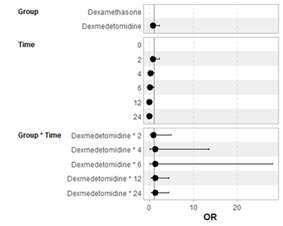
Figure 7: Incidence of pain on deglutition over postoperative time-points by study group.
Cough.
Heterogeneity in definition of cough was noted, odds of postoperative cough were in favour of dexmedetomidine (OR 0·66, 95% CI 0·11–4·06, p = 0·7). Similar to the other symptom outcomes, the odds of reporting these were significantly lower with time, with no observed events being noted in the reference group from the 6-hour time point (all p < 0.001) (Table 7, Figure 8). The two groups of patients experienced no serious adverse events, tube dislodgement, or drug-related complications.
Table 7: GEE model - incidence of cough.
|
Characteristic |
OR |
95% CI |
p-value |
|
Group: Dexmedetomidine (ref. Dexamethasone) |
0.66 |
0.11, 4.06 |
0.7 |
|
Time: 2 h (ref. 0 h) |
0.66 |
0.11, 4.06 |
0.7 |
|
Time: 4 h |
0.32 |
0.03, 3.19 |
0.3 |
|
Time: 6 h |
0 |
0.00, 0.00 |
<0.001 |
|
Time: 12 h |
0 |
0.00, 0.00 |
<0.001 |
|
Time: 24 h |
0 |
0.00, 0.00 |
<0.001 |
|
Dexmedetomidine × 2 h |
0.75 |
0.04, 15.6 |
0.9 |
|
Dexmedetomidine × 4 h |
0 |
0.00, 0.00 |
<0.001 |
|
Dexmedetomidine × 6 h |
1.52 |
0.24, 9.75 |
0.7 |
|
Dexmedetomidine × 12 h |
1.52 |
0.24, 9.75 |
0.7 |
|
Dexmedetomidine × 24 h |
1.52 |
0.24, 9.75 |
0.7 |
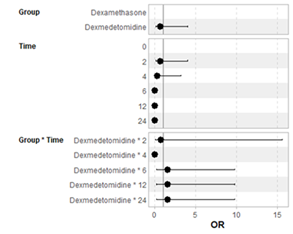
Figure 8: Incidence of cough over postoperative time-points by study group.
Discussion
This prospective, double-blind, randomised controlled study directly compared supraglottic and subglottic instillation of dexamethasone against dexmedetomidine, delivered through a purpose-designed dual-port endotracheal tube, for the prevention of postoperative sore throat and its associated symptoms. Both agents were followed by a significant time-dependent decline in the incidence of sore throat, hoarseness, pain on deglutition and cough over the first 24 postoperative hours, while dexmedetomidine was additionally associated with significantly greater haemodynamic stability across heart rate, systolic blood pressure, diastolic blood pressure and mean arterial pressure.
Comparison with Published Literature on Dexamethasone
Dexamethasone's efficacy in reducing POST is well documented. Bagchi et al. found that intravenous dexamethasone reduced the incidence of sore throat at 1-hour post-extubation from 48.9% to 18.8% [20], while the systematic review and meta-analysis by Kuriyama and Maeda, pooling 15 randomised trials and 1,849 patients, confirmed that preoperative intravenous dexamethasone reduces both the incidence (RR 0.62) and severity of POST compared with non-analgesic control [21]. Zhao et al. similarly demonstrated a protective effect of dexamethasone across pooled trial data [15]. The present findings, in which the dexamethasone arm alone showed a substantial decline in symptom odds over time, are consistent with this established evidence base, and support the view that even a low, topically instilled dose achieves comparable anti-inflammatory benefit to systemic administration while avoiding the theoretical risks of intravenous corticosteroid exposure.
Comparison with Published Literature on Dexmedetomidine
Intratracheal dexmedetomidine has likewise shown benefit in prior work. Niu et al. reported that intratracheal dexmedetomidine combined with ropivacaine significantly reduced the incidence and severity of sore throat at 2 hours compared with control, with the benefit persisting at 24 hours [10]. Wang et al. found that intratracheal dexmedetomidine administration avoided the untoward laryngeal responses seen during emergence from general anaesthesia after gynaecological laparoscopic surgery [11], while the meta-analysis by Liu et al. of perioperative intravenous dexmedetomidine confirmed a consistent reduction in POST incidence across pooled trials, providing the effect-size estimates used for the present sample size calculation [23]. Nahar et al. further demonstrated that low-dose intratracheal dexmedetomidine attenuates peri-extubation cough [25], a finding mirrored in the present cohort, where the odds of cough fell to near zero by 6 hours in both groups but were numerically lowest with dexmedetomidine.
Haemodynamic Stability
The significant Group, Time and Group×Time interaction effects observed for all four haemodynamic parameters (Table 3) are consistent with the well-characterised sympatholytic action of α-2 adrenergic agonism10. Tanskanen et al. similarly documented attenuation of circulatory reflex responses with dexmedetomidine during airway manipulation7, and the present data extend this observation to the postoperative recovery period following topical, rather than intravenous, drug delivery. Given that dexmedetomidine's principal clinical drawback in intravenous use is bradycardia and hypotension, it is notable that the topical instillation route in this study was not associated with any adverse haemodynamic events, supporting the safety of this lower, locally delivered dose.
Mechanistic Considerations
POST arises from two anatomically distinct injury sources - supraglottic trauma from laryngoscopy and infraglottic trauma from the tube and cuff [4] - and cuff-pressure-related mucosal injury has separately been linked to the severity of postoperative complaints [13]. By delivering both drugs directly to the supraglottic and subglottic mucosa through a dedicated dual-port tube, this study's technique addressed both injury sources simultaneously, which may explain the comparably favourable symptom trajectories observed in both arms relative to historical placebo-controlled data2. Sharma et al. showed that the route of dexamethasone administration influences its efficacy in reducing POST and hoarseness, which supports the rationale for evaluating direct airway instillation in the present study. 19
Limitations
This study has several limitations. First, there was no placebo (normal saline) arm, rendering indecipherable the absolute benefits of either drug over no treatment and limiting inferences to a head-to-head comparison of the two. Second, the moderate sample size of 130 patients limits the accuracy of the odds ratio estimates for the symptom outcomes, as evidenced by the wide confidence intervals that crossed unity despite consistent benefits in terms of point estimates for dexmedetomidine. Third, symptom assessment was based on subjective patient-reported ordinal grading scales, which may be prone to inter-observer and recall variability, although widely utilized in the POST literature. Finally, the follow-up was limited to 24 horas after surgery, and the long-term outcomes like voice quality and patient-reported recovery experience were not documented. This study has several limitations. First, the lack of a placebo (normal saline) arm prevents the ability to directly quantify the absolute benefit of either drug compared to no treatment and limits the conclusions to a head-to-head comparison. Third, the sample size of 130 patients in this single-centre study may have not provided sufficiently precise odds ratio estimates for the symptom outcomes, as indicated by the wide confidence intervals crossing the unity mark, despite consistently better but small point estimates in favour of dexmedetomidine. Third, symptom evaluation was based on subjective patient-reported grading of symptoms on ordinal scales which, although used for decades in the POST literature, are subject to inter-observer and recall bias. Lastly, the follow-up was restricted to 24 hours post-operatively and longer-term outcomes such as voice quality and patient-reported recovery experience were not captured.
Conclusion
Dexamethasone and dexmedetomidine instilled supraglottically and subglottically through a dual-port endotracheal tube were associated with significant time-dependent decreases in the incidence and severity of postoperative sore throat, hoarseness, pain on deglutition and cough during the first 24 postoperative hours. Each symptom had consistently lower odds with dexmedetomidine, though only statistically significant for the proportion that experienced at least one symptom and the number of symptoms experienced (all comparisons P > 0.05). However, dexmedetomidine also provided statistically superior perioperative haemodynamic stability, as measured by heart rate and blood pressure. Therefore, these results support the use of either agent as an effective, low-dose, topically administered POST prophylaxis, with dexmedetomidine offering a further haemodynamic benefit that favours its use in patients at high risk of intraoperative cardiovascular instability. Larger, adequately powered multicentric trials are warranted to confirm a definitive superiority between the two agents for the primary symptom-based outcomes.
References
- Park SH, Han SH, Do SH, et al. Prophylactic dexamethasone decreases the incidence of sore throat and hoarseness after tracheal extubation with a double-lumen endobronchial tube. Anesth Analg 107 (2008): 1814-1818.
- Kumari KS, HA R. Comparative study of dexamethasone nebulisation with magnesium sulphate nebulisation in preventing post operative sore throat following endotracheal intubation. Indian J Clin Anaesth [Internet]. IP Innovative Publication Pvt Ltd (2020): 341-347.
- Ahmed A, Abbasi S, Ghafoor HB, et al. Postoperative sore throat after elective surgical procedures. J Ayub Med Coll Abbottabad 19 (2007): 12-4.
- El-Boghdadly K, Bailey CR, Wiles MD. Postoperative sore throat: a systematic review. Anaesthesia 71 (2016): 706-717.
- Ahuja V, Mitra S, Sarna R. Nebulized ketamine decreases incidence and severity of post-operative sore throat. Indian J Anaesth 59 (2015): 37-42.
- Soltani HA, Aghadavoudi O. The effect of different lidocaine application methods on postoperative cough and sore throat. J Clin Anesth 14 (2002): 15-8.
- Tanskanen PE, Kyttä JV, Randell TT, et al. Dexmedetomidine as an anaesthetic adjuvant in patients undergoing intracranial tumour surgery: a double-blind, randomized and placebo-controlled study. Br J Anaesth 97 (2006): 658-665.
- Tufanogullari B, White PF, Peixoto MP, et al. Dexmedetomidine infusion during laparoscopic bariatric surgery: the effect on recovery outcome variables. Anesth Analg 106 (2008): 1741-1748.
- Knoll H, Ziegeler S, Schreiber JU, et al. Airway injuries after one-lung ventilation: a comparison between double-lumen tube and endobronchial blocker. Anesthesiology 105 (2006): 471-477.
- Niu J, Hu R, Yang N, et al. Effect of intratracheal dexmedetomidine combined with ropivacaine on postoperative sore throat: a prospective randomised double-blinded controlled trial. BMC anesthesiology 22 (2022): 144.
- Wang F, Zhong H, Xie X, et al. Effect of intratracheal dexmedetomidine administration on recovery from general anaesthesia after gynaecological laparoscopic surgery. BMJ Open 8 (2018): e020614.
- Szefler SJ. Pharmacodynamics and pharmacokinetics of budesonide: a new nebulized corticosteroid. J Allergy Clin Immunol 104 (1999): 175-183.
- Liu J, Zhang X, Gong W, et al. Correlations between controlled endotracheal tube cuff pressure and postprocedural complications. Anesth Analg 111 (2010): 1133-1137.
- Lee JH, Kim SB, Lee W, et al. Effects of topical dexamethasone in postoperative sore throat. Korean J Anesthesiol 70 (2017): 58-63.
- Zhao X, Cao X, Li Q. Dexamethasone for the prevention of postoperative sore throat: a systematic review and meta-analysis. J Clin Anesth 27 (2015): 45-50.
- Fang P, Zong Z, Lu Y, et al. Effect of topical ropivacaine on the response to endotracheal tube during emergence from general anesthesia. BMC Anesthesiol 18 (2018): 134.
- Greenberg MI. The use of endotracheal medication in cardiac emergencies. Resuscitation 12 (1984): 155-165.
- Mussavi M, Asadollahi K, Abangah G, et al. Application of lidocaine spray for tracheal intubation in neonates - a clinical trial study. Iran J Pediatr 25 (2015): e245
- Sharma S, Bhardwaj V, Sharma S, et al. Dexamethasone to decrease post-anesthesia sore throat (POST) and hoarseness - which is the most effective route: intravenous, topical, or nebulization? Ain-Shams J Anesthesiol 13 (2021): 26.
- Bagchi D, Mandal MC, Das S, et al. Efficacy of intravenous dexamethasone to reduce incidence of postoperative sore throat: a prospective randomized controlled trial. J Anaesthesiol Clin Pharmacol 28 (2012): 477-480.
- Kuriyama A, Maeda H. Preoperative intravenous dexamethasone prevents tracheal intubation-related sore throat in adult surgical patients: a systematic review and meta-analysis. Can J Anaesth 66 (2019): 562-575.
- Mayhood J, Cress K. Effectiveness of ketamine gargle in reducing postoperative sore throat in patients undergoing airway instrumentation: a systematic review. JBI Database System Rev Implement Rep 13 (2015): 244-278.
- Liu Y, Ai D, Wang X. Efficacy of perioperative intravenous dexmedetomidine administration for the prevention of postoperative sore throat: a meta-analysis. J Int Med Res 49 (2021): 3000605211017686.
- Chen PP, Zhang X, Ye H, et al. Effects of preoperative inhaled budesonide combined with intravenous dexamethasone on postoperative sore throat in patients who underwent thyroidectomy: a randomized controlled trial. Medicine (Baltimore) 103 (2024): e38235.
- Nahar AR, Gopinath V, Ruth MS. Can low dose of intratracheal dexmedetomidine be used to attenuate peri-extubation cough? A prospective, double-blinded, randomized clinical trial. Saudi J Anaesth 17 (2023): 39-44
- Ma Y, Mazumdar M, Memtsoudis SG. Beyond repeated measures ANOVA: advanced statistical methods for the analysis of longitudinal data in anesthesia research. Reg Anesth Pain Med 37 (2012): 99-105.
- Zeger SL, Liang KY. Longitudinal data analysis for discrete and continuous outcomes. Biometrics 42 (1986): 121-30.
- Faul F, Erdfelder E, Lang AG, et al. G*Power 3: a flexible statistical power analysis program for the social, behavioral, and biomedical sciences. Behav Res Methods 39 (2007): 175-191.
- ASo A. ASA physical status classification system. ASA House of Delegates. 2014.
- Mallampati SR, Gatt SP, Gugino LD, et al. A clinical sign to predict difficult tracheal intubation: a prospective study. Can Anaesth Soc J 32 (1985): 429-434.