Mohamed A Eltahir1, Amar M Ismail2, Elhaj NM Babiker1, Mohammed KA Karrar1, Kawthar A Mohammed S Alih3*
1Department of Clinical Chemistry, Faculty of Medical Laboratory Science, Sudan University of Science and Technology, Khartoum, Sudan
2Department of Biochemistry and Molecular Biology, Faculty of Science and Technology, Al-Neelain University, Khartoum, Sudan
3General Department, Faculty of Medical Laboratory Science, Sudan University of Science and Technology, Khartoum, Sudan
*Corresponding Author: Kawthar A Mohammed S Alih, General Department, Faculty of Medical Laboratory Science, Sudan University of Science and Technology, Khartoum, Sudan;
Received: 22 October 2020; Accepted: 03 November 2020; Published: 18 November 2020
Abstract
Background:
Rheumatoid arthritis (RA) is the most common inflammatory arthritis in the world. Its exact cause is unknown; proinflammatory and anti inflammatory cytokines play key roles in the pathophysiology of disease. Objectives: This study aimed to measure the level of pro inflammatory cytokines Osteopontin (OPN) and interleukin (IL-17) and anti-inflammatory cytokine interleukin 10 (IL-10) in study volunteers.
Materials and Methods:
A case control hospital based study for groups of 88 rheumatoid arthritis patients was included from Outpatient Clinic. The control groups matched in numbers, age and sex with case. After inform consent, Serum from Both patients and controls were examined for OPN, IL-17 and IL-10.
Results:
The mean age of RA patients was 41.0 ±11.7 years. 84 (95.5%) were females and 4 (4.5%) males. As well as 59 (67%) were anti CCP positive and others 29 (33%) were negative. No significant difference in OPN, IL-10 and IL-17 among patients gender. No statistic significant for OPN, IL-17 and IL-10 According to anti CCP. There were significant differences in OPN and IL-10, with mean (38.3±29.6, 45.9±42.9); respectively and (p-value 0.00) for each one. IL-17 exhibited no significant difference among case and control group.
Conclusion:
The result indicate that there, is a significant increase of OPN and IL-10 in Rheumatoid arthritis Sudanese patients, moreover no significant in IL-17.
Rheumatoid arthritis (RA); Osteopontin (OPN); Interleukin (IL-17) and interleukin 10 (IL-10)
Introduction
Rheumatoid Arthritis (RA) is an autoimmune chronic inflammatory disease, of unknown etiology, with production of several autoantibodies (anti citrullinated cyclic peptide Anti CCP), which correlate with disease severity and used as diagnostic tool [1,2,3,4]. It is public health problem, worldwide distributed disease affect roughly 0.5-1% of population, and most common in females. No previous studies declared official statistics to show the Prevalence of RA in Sudan [4,5,6]. Numerous cytokines are associated with the pathogenesis RA [7].
Osteopontin (OPN) is a pro-inflammatory cytokine, stimulates production of several other pro inflammatory cytokines in patients with RA [8]. A deficiency of level has been shown to protect joints against destruction in arthritis [8,9].
Interleukin 17 (IL-17A) is a potent pro-inflammatory cytokine play role in inflammation of many autoimmune diseases, attributed and produced at high levels during various chronic inflammatory diseases, such as rheumatoid arthritis, although it is role in the pathogenesis of the autoimmune diseases is still unclear [10,11,12]. Neutralizing anti–IL-17 antibody reduces the severity of arthritis [13,14,15].
Interleukin-10 (IL-10) it is fascinating immunomodulatory cytokine, contribute to the pathogenesis of RA, however its mechanisms of action poorly understood [16,17,18]. Administration of IL-10 did not attenuate RA activity [19,20].
Therefore the present study carried out to determine whether the Osteopontin (OPN), IL-17 and IL-10 cytokines associated with rheumatoid arthritis among Sudanese populations.
Materials and methods
Patients and Controls: This was a case control hospital based study carried out in Khartoum State, from December 2017 to October 2018. Local Scientific Committee of Sudan University of Science and Technology approved this study. After obtaining patients verbal informed consent, 88 patients with RA who fulfilled the American criteria of rheumatology (ACR), 4 men and 84 women, with age ranged from 28 to 90 years and 88 matched age and gender healthy controls were recruited from different hospitals (Military Hospital, Alamal Hospital and Zain clinic). Blood from patients and controls, were centrifuged at 3000 rpm for 10 minutes after clotting for 30 minutes at room temperature and samples stored at -40°C until analysis. Demographic and clinical data were collected by structured questionnaire and evaluated, Patients with acute or chronic infectious disease or malignant disease were excluded.
Estimations of cytokines: All patients and controls sera were investigated for OPN, IL-17 and IL-10 by Enzyme linked Immune Sorbent Assay (ELISA) (ELISA Development; Thermo Fisher Scientific Systems) according to the manufacturer’s instructions.
Statistical analysis
Results obtained were analyzed using SPSS software (version 16). Results were expressed as frequency and mean ± standard deviation. Independent sample t-test was used to determine the level of significance (P-value of 0.05 was considered to be statistically significant).
Result
Results of demographic and clinical data demonstrate that, the mean age of RA patient's 51±11.3 years. Frequency of the RA was found more common in female (84/88; 95.5%) than male (4/88; 4.5%). Most of RA patients had anti CCP positive (59/88; 67%), while fewer were negative 29/88 (33%), Table-1. Independent t test analysis observed that, serum OPN and IL-10 levels were statistically significant in RA patients (38.3±29.6, 45.9±42.9) respectively; and (p.value 0.00) for both cytokines, while IL-17 exhibited no significant difference (6.55±1.17); (p.value 0.12), Table-2. Moreover no significant difference in IL-10, IL-17 and OPN among patients gender with (p.value 0.54, 0.21, 0.95) respectively, Table-3. The results revealed that, there were no statistical significant for IL-10, IL-17 and OPN According to anti CCP respectively (p.value 0.52, 0.28, 0.94), Table-4. Person correlation analysis observed that, there were no association between age, IL-10 and OPN with (r=0.00, 0.333, p. value 0.55, 0.69) respectively, whereas there was association between age and IL-17 level (r=0.02, p. value 0.00), figure-1,2,3.
Table 1: Demographic and clinical data
|
Variables |
Frequency (percentage) Mean ±SD |
|
Age |
51.8±11.3 |
|
Sex |
|
|
Male |
4 (4.5%) |
|
Female |
84 (95.5%) |
|
Anti ccp |
|
|
Positive |
59 (67%) |
|
Negative |
29 (33%) |
|
Total |
88 (100%) |
Table 2: Comparison of study parameters of case versus control
|
Parameters |
Case Mean ±SD |
Control Mean ±SD |
p.value |
|
IL-10 |
45.9±42.9 |
8.48±7.36 |
0.00 |
|
IL-17 |
12.4±9.71 |
10.3±8.04 |
0.12 |
|
OPN |
38.3±29.6 |
10.1±10.6 |
0.00 |
Table 3: Comparison of study parameters among gender
|
Parameters |
Male mean±SD |
Female mean±SD |
p.value |
|
IL-10 |
58.8±60.7 |
45.3±42.3 |
0.54 |
|
IL-17 |
6.55±1.17 |
12.9±9.85 |
0.21 |
|
OPN |
39.2±20.4 |
38.3±30.0 |
0.95 |
Table 4: Comparison of study parameters among anti CCP
|
Parameters |
Positive anti CCP mean±SD |
Negative anti CCP mean±SD |
p. value |
|
IL-10 |
43.9±42.6 |
50.1±44.0 |
0.522 |
|
IL-17 |
13.1±9.98 |
10.8±9.10 |
0.285 |
|
OPN |
38.5±28.8 |
38.0±31.7 |
0.945 |
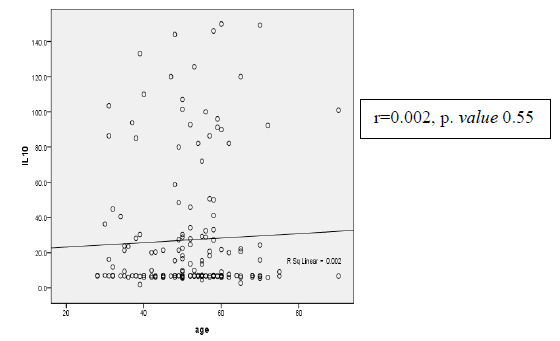
Figure 1: Correlation between IL-10 and patients age
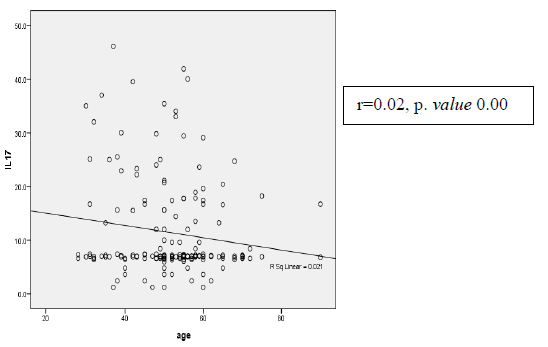
Figure 2: Correlation between IL-17 and patients age
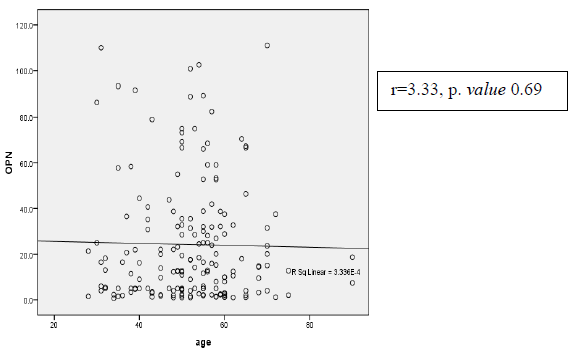
Figure 3: Correlation between OPN and patients age
Discussion
The difficulty in diagnosis of RA is due to overlapping of signs and symptoms with others inflammatory autoimmune diseases. Although unknown causes of disease, cytokines play critical role in pathophysiology and tissue damage, and may be target for therapeutic agents. Accordingly the present study conducted to assess expression level of OPN, IL-17 and IL-10 cytokines among rheumatoid arthritis. Concurrent with previous studies [20,21], indicated that IL-10 and OPN show significantly difference between Rheumatoid Arthritis patients and the control group. In fact [13,14,15], noted that significant level of IL-17 was observed in RA patients, Our result found that, there is no significant difference in IL-17 between case and control. The possible explanation may be due to action of treatment which lead to significant decline of IL-17 level after therapy [22]. The current study revealed that, RA more common in females than males with ratio (21:1). This agree with previous studies which showed that, females more likely to develop RA three time than males [4,23,24] and greater than (9:1) ratio which observed in Sudan [6]. Menopausal sex hormones changes account main reason for this phenomena. Current study found that no significant difference has been found in OPN, IL-10 and IL-17 among gender. This result comes on line to report showed that IL-10, IL-17 and OPN not statistically differ between male and female [25,26,27]. Contraindication finding observed that, OPN is higher in men with SLE and only young women [28] and disagreed to other report which demonstrated that, the IL-17 differ and higher in men than female in patients with multiple sclerosis [29]. The present study observed that, there were no statistical difference in OPN, IL-10 and IL-17 in base of anti-CCP. Contradict with study found that, Seropositive patients had higher levels of pro inflammatory cytokines than those of sero negative patients and healthy controls [30]. Other previous studies focused on the evaluating cytokines in Synovial fluid found that, higher levels of cytokines IL-1β, IL-10, and IL-17 and the CCL20 chemokine in anti-CCP positive patients than those in sero negative patients [31,32]. United in opinion with previous study [32], our study reported that no significant correlation between IL-10 level and age. Although researcher noted that IL-17 not significantly correlate with age [26], present study found that there was positive significant correlation between IL-17 with age. The present study revealed no significant association was found in IL-17 with age. Inconsistency with observation which showed that plasma OPN positively correlate with age [33].
Conclusion
The current result conclude that significant increase of OPN and IL-10 which may contribute to several aspect in RA Sudanese patients, whereas no increase detected in IL-17.
Ethical Approval:
Ethical clearance was obtained from Sudan University of Science and Technology. All patients consented by verbal inform consent. Patient's information's and data used for research only.
References
- Liu WX, Jiang Y, Hu QX, et al. Improved quality of life and joint functions in patients with knee rheumatoid arthritis who underwent five portal arthroscopic synovectomy. PeerJ 6 (2018): e4727.
- Khudair S, Eledressy M, Osman Y, et al. Clinical importan ce of anti citrullinated peptide in early diagnosis of Sudanese patients with rheumatoid arthritis. Neelin Medical 3 (2015): 1858-6155.
- Demirdal US, Kuspeci OY, Kavncu V, et al. Rheumatoid arthritis and co existing parkinsons disease a report of 5 cases. European Journal of General Medicine 10 (2013): 108-111.
- ELsedig MI, Elhag W, El-Mak MJ, et al. Seroprevalence of Human Parvovirus B19 Antibodies among Sudanese Patients with Rheumatoid Arthritis. American Journal of Ethnomedicine 1 (2014): 2348-9502.
- Hyder M, Ahmad S. Pattern of Rheumatic Disorders among Sudanese Patients-Khartoum State. International Journal of Neurologic Physical Therapy 3 (2017): 17-20.
- Abdelsalam SK, Hashim NT, Elsalamabi EM, et al. Periodontal status of Rheumatoid arthritis patients in Khartoum state. Biomed Central 4 (2011): 1-6.
- Sarker S, Tesmer LA, Hindnavis V, et al. IL-17 as amolecular target in immune mediated arthritis. Arthritis and Rheumatism 56 (2007): 80-100.
- Take Y, Nakata K, Hashimoto J, et al. Specifically modified osteopontin in Rheumatoid arthritis fibroblast like synoviocyte. Arthritis and Rheumatisim 60 (2009): 3591-3601.
- Chen G, Zhang X, Li R, et al. Role of osteopontin in synovial Th17 differentiation in Rheumatoid arthritis. Arthritis and Rheumatism (2010): 2900-2908.
- Elvira D, Nasrul E, Sofyan Y, et al. Increased serum levels of interleukin-17 and transforming growth factor in patients with Graves’ disease. Earth and Environmental Science125 (2018): 1-4.
- Mengesha BG, Conti HR. The Role of IL-17 in Protection against Mucosal Candida Infections. Journal of Fungi 3 (2017): 1-12.
- Lockshin B, BalagulaY, Merola J F. Interleukin 17, inflammation, and cardiovascular risk in patients with psoriasis. Journal of the American Academy of Dermatology 79 (2018): 346-352.
- Tan Z, Qian X, Jiang R, et al. IL 17 play acritical role in the pathogenesis of liver fibrosis through hepatic stellate cell activation. Immunology 191 (2013): 1-11.
- Miletic M, Stojanovic R, Pajic O, et al. Serum IL-17 and nitric oxide levels in patients with primary sjogren syndrome. Indian Medical Research 135 (2012): 513-519.
- Ruderman EM. Of mice and men define the role of IL-17 in Rheumatoid arthritis. Immunology 42 (2015): 1069-1071.
- Shikhpour E, Noorbakhsh P, Elnaz F, et al. A survey on the role of interleukine 10 in breast cancer. Report of Biochemistry and Molecular Biology 7 (2018): 1-10.
- Zdanov A. Structural features of the interleukin-10 family of cytokines. Current Pharmaceutical Design 10 (2004): 3873-3884.
- Tao J, Kamanaka M, Hao JL, et al. IL-10 signaling in CD4Tcells is critical for the pathogenesis of collagen induced arthritis. Arthritis Research and Therapy 13 (2011): 1-13.
- Fathy MM, Elsaadany FH, Ali FY, et al. Association of IL-10 gene polymorphism and susceptibility to juvenile idiopathic arthritis in egyptian children and adolescents. Italian Journal of Pediatrics 43 (2017): 2-8.
- Holdsworth SR, Gan PY. Cytokines: names and numbers you should care about. Clinical Journal of the American Society of Nephrology 10 (2015): 2243-2254.
- Luukkonen J, Pascual LM, Patlaka C, et al. Increased amount of phosphorylated proinflammatory osteopontin in rheumatoid arthritis synovia is associated to decreased tartrate-resistant acid phosphatase 5B/5A ratio. PloS One 12 (2017): e0182904.
- Nasef N, Elnagdy M, Younis W, et al. T helper 17 cells and interleukin-17 in patients with rheumatoid arthritis. International Journal of Clinical Rheumatology 14 (2019): 113.
- Mursal T, Elbager S , Fadl Elmola A, et al. Differential diagnosis of anemia in rheumatoid arthritis Sudanese patients. World Journal of Pharmaceutical and Medical Research 2 (2016): 01-04.
- Eftekharian MM. Risk factors for rheumatoid arthritis: Level of education, tonsillectomy and appendectomy. Marmara Medical Journal 26 (2013): 30-33.
- Aulock SV, Deininger S, Draing C, et al. Gender difference in cytokine secretion on immune stimulation with LPS and LTA. Journal of Interferon & Cytokine Research 26 (2006): 887-892.
- Akdeniz S, Akdeniz O, Sakall? N, et al. The Relationship Between Interleukin-17 and Osteoporosis in Patients with Rheumatoid Arthritis. Turk Osteoporoz Dergisi 24 (2018): 46.
- Azab MM, Mohamed SM, El-Sheik MM, et al. Serum Interleukin-17 Level in Patients with Rheumatoid Arthritis and its Relation to Disease Activity. Zagazig University Medical Journal 26 (2020): 87-93.
- Karluki SN, Moore JG, Kirou KA, et al. Age and gender specific modulation of serum osteopontin and interferon α by OPN genotype in SLE. Genes Immune 10 (2009): 487-494.
- Ghaffari SA, Nemati M, Hajchani H, et al. circulating concentration of IL-17 in patients with multiple sclerosis. Iran Journal of Neural 16 (2017): 15-25.
- Burbano C, Rojas M, Muñoz-Vahos C, et al. Correa L, Vásquez G & Castaño D. Extracellular vesicles are associated with the systemic inflammation of patients with seropositive rheumatoid arthritis. Scientific Reports 8 (2018): 1-13.
- Gómez-Puerta JA, Celis R, Hernández MV, et al. Differences in synovial fluid cytokine levels but not in synovial tissue cell infiltrate between anti-citrullinated peptide/protein antibody-positive and–negative rheumatoid arthritis patients. Arthritis Research & Therapy 15 (2013):
- Abd Elazeem MI, Mohammed RA, Abdallah NH. Correlation of serum interleukin-10 level with disease activity and severity in systemic lupus erythematosus. Egyptian Rheumatology and Rehabilitation 45 (2018):
- Mohammed FI, Abd El-Azeem MI, KamalElDin AM. Plasma and synovial fluid osteopontin levels in patients with knee osteoarthritis: relation to radiological grade. The Egyptian Rheumatologist 34 (2012): 131-13