Md Jakir Hossain1, Aklima Aktar2, Jannatul Fardaus3, Pinki Akter4, Md Aynul Haque5, Md. Shafiul Azam6, Prakash Chandra Mondal7, Sujan Barman8, Md. Shahidul Islam9, Rashedur Rahman10*
1Medical Laboratory Technologist Shifa Al Jazeera Polyclinic, Batha Riyadh, Saudi Arabia
2Medical Technologist (Laboratory), Institute of Public Health and Nutrition, Mohakhali, Dhaka
3Medical Technologist (Laboratory), IEDCR Mohakhali, Dhaka, Bangladesh.
4Labaid Limited Diagnostics, Dhanmondi, Dhaka, Bangladesh
5Lecturer, Institute of Health Technology, Mohakhali, Dhaka
6Department of Medical Biotechnology, University of Technology Sydney, Sydney, Australia
7Medical Technologist, Kumidini Women's Medical Collage Hospital, Mirazapir, Tangail, Bangladesh
8MLT, Purelab, UAE
9Medical Technologist (Laboratory), Medical Assistant Training School, Kushtia Bangladesh
10Medical Technologist, Central Police Hospital, Dhaka, Bangladesh
*Corresponding author: Rashedur Rahman, Medical Technologist, Central Police Hospital, Dhaka, Bangladesh
Received: 17 August 2026; Accepted: 19 August 2026; Published: 21 September 2026
Antimicrobial-resistant Salmonella Typhi has emerged as a significant clinical and public health concern in developing countries, including Bangladesh. This study was conducted to determine the frequency of antimicrobial-resistant S. Typhi isolated from blood samples of patients in Dhaka city and to evaluate their antimicrobial susceptibility patterns using conventional cultural, biochemical, serological, and antibiogram methods. Blood culture–confirmed S. Typhi isolates were identified following standard laboratory procedures, and antimicrobial susceptibility testing was performed using the disc diffusion method. Resistance among the isolates varied across the tested antibiotics, with complete susceptibility observed to meropenem and the highest resistance noted against sulfamethoxazole. Gentamicin demonstrated high effectiveness, while a considerable proportion of isolates exhibited multidrug resistance, defined as resistance to five or more commonly used antibiotics. Despite widespread clinical use, most isolates remained susceptible to ciprofloxacin. The findings indicate a high burden of multidrug-resistant S. Typhi in this setting, emphasizing the need for continuous antimicrobial resistance surveillance, rational antibiotic use, and evidence-based treatment strategies to ensure effective management of typhoid fever.
Typhoid fever; Salmonella Typhi; Antimicrobial resistance; Multidrug resistance; Blood culture
Typhoid fever articles; Salmonella Typhi articles; Antimicrobial resistance articles; Multidrug resistance articles; Blood culture articles
Introduction
Typhoid fever remains a major public health concern in low- and middle-income countries, particularly in South Asia, where inadequate sanitation, unsafe water supplies, and overcrowded living conditions facilitate sustained transmission [1]. The disease continues to impose a substantial burden in terms of morbidity, mortality, healthcare expenditure, and socioeconomic loss. Bangladesh is recognized as a highly endemic setting, with typhoid fever affecting individuals across all age groups, although children and young adults are disproportionately impacted [2,3]. The etiological agent, Salmonella enterica serovar Typhi, is a Gram-negative, motile, non-spore-forming bacillus belonging to the family Enterobacteriaceae. It is a strictly human-adapted pathogen transmitted via the fecal–oral route, primarily through contaminated food and water [4]. Following intestinal invasion, the organism can enter the bloodstream, leading to systemic infection characterized by prolonged fever and potentially severe complications if untreated. Virulence factors such as endotoxin, capsular Vi antigen, and intracellular survival mechanisms contribute to its pathogenicity and clinical severity [5,6]. Appropriate antimicrobial therapy has historically been the cornerstone of typhoid fever management and has significantly reduced case fatality rates. However, the progressive emergence and spread of antimicrobial-resistant S. Typhi have undermined treatment effectiveness and complicated disease control efforts [7]. Resistance to conventionally used first-line agents—including ampicillin, chloramphenicol, and co-trimoxazole—has been increasingly documented in Bangladesh since the early 1990s, followed by reduced susceptibility to fluoroquinolones and other commonly prescribed antibiotics. Multidrug-resistant strains are associated with prolonged illness, higher rates of complications, increased treatment costs, and limited therapeutic options [8,9].
Blood culture remains the most widely used and practical diagnostic method for typhoid fever, particularly during the early phase of illness when bacteremia is most pronounced. Although more invasive specimens such as bone marrow provide higher diagnostic yield, blood culture continues to be the primary tool in routine clinical practice and plays a critical role in antimicrobial susceptibility testing [10]. Surveillance of resistance patterns using blood isolates is therefore essential for guiding empirical therapy and informing local treatment guidelines8.
Given the dynamic nature of antimicrobial resistance and the heterogeneity of affected populations, continuous, location-specific data are required to understand current resistance trends and their distribution across different demographic groups [11]. The Mohakhali area of Dhaka city represents a densely populated urban setting where such data are particularly relevant for public health planning and clinical decision-making. This study aimed to determine the frequency of antimicrobial-resistant Salmonella Typhi isolated from blood samples of patients across different age and sex groups in the Mohakhali area of Dhaka city, Bangladesh.
Materials and Methods
This laboratory-based cross-sectional study was conducted in the Department of Microbiology, Primeasia University, Dhaka, Bangladesh, on blood samples collected from patients clinically suspected of typhoid fever in the Mohakhali area of Dhaka city. All microbiological procedures were performed under strict aseptic conditions following standard laboratory protocols. All culture media and aqueous solutions were sterilized by autoclaving at 121 °C under 15 psi pressure for 15 minutes. Glassware was sterilized in a hot air oven at 180 °C for two hours prior to use. Prepared agar plates and slants were stored at 4 °C and brought to room temperature and dried under aseptic conditions before inoculation. MacConkey agar, Salmonella–Shigella agar, Mueller–Hinton agar, Mueller–Hinton broth, Kligler’s iron agar, Simmons’ citrate agar, and motility–indole–urease medium were used for the isolation and identification of bacterial isolates. All culture media were prepared according to the manufacturers’ instructions. Venous blood samples were collected aseptically using sterile disposable vacutainer systems and inoculated into blood culture bottles. The bottles were loaded into an automated blood culture system following standard operating procedures after disinfecting the bottle caps with alcohol swabs. Bottles flagged positive by visual and audible alerts were promptly removed for further microbiological processing. Positive blood culture samples were subcultured onto MacConkey agar and Salmonella–Shigella agar plates and incubated aerobically at 37 °C for 18–24 hours. Plates were examined for the presence of non-lactose-fermenting pale colonies suggestive of Salmonella species. Presumptive isolates were identified using standard biochemical tests, including Kligler’s iron agar reaction, citrate utilization, urease test, indole production, and motility testing. Pure cultures were maintained on MacConkey and Salmonella–Shigella agar plates and stored at 4–8 °C until further analysis. Serological confirmation was performed using slide agglutination tests with commercially available Salmonella O, H, and Vi antisera. A smooth bacterial suspension was prepared in normal saline on a clean glass slide and mixed with specific antisera. The slide was gently rocked for up to two minutes, and visible agglutination was considered a positive reaction. Serotyping was carried out accordingly.
Antimicrobial susceptibility testing was performed using the Kirby–Bauer disc diffusion method on Mueller–Hinton agar. Fresh bacterial colonies were inoculated into Mueller–Hinton broth and incubated to achieve turbidity equivalent to a 0.5 McFarland standard. The standardized inoculum was evenly spread over the agar surface using sterile cotton swabs, and antibiotic-impregnated discs were placed aseptically on the plates. The plates were incubated at 37 °C for 18–24 hours. After incubation, the diameters of zones of inhibition were measured in millimetres, and isolates were categorized as susceptible, intermediate, or resistant according to standardized interpretive criteria. All culture media, biochemical reactions, and antimicrobial susceptibility tests were routinely quality controlled using standard reference strains to ensure the accuracy and reproducibility of the results.
Results
A total of 80 confirmed Salmonella Typhi isolates obtained from blood samples of patients with clinically suspected typhoid fever were included in this study. All isolates were subjected to cultural and biochemical characterization for definitive identification. On selective and differential media, S. Typhi produced moderately large, moist, smooth, dome-shaped circular colonies. On Salmonella–Shigella (SS) agar, colonies appeared grayish-white, while on MacConkey agar they were pale or colorless, indicating non-lactose-fermenting characteristics consistent with Salmonella species. Biochemical identification demonstrated a uniform reaction pattern among the isolates. All tested isolates showed an acid butt and alkaline slant with hydrogen sulfide (H₂S) production on Kligler’s iron agar, were methyl red positive, citrate negative, Voges–Proskauer negative, indole negative, catalase positive, and oxidase negative. These biochemical profiles confirmed the identity of the isolates as Salmonella Typhi (Table 1). Representative Muller Hington agar plate showing no zone of inhibition for Salmonella typhi & Salmonella paratyphi A (Figure 1).
Table 1: Biochemical characteristics of Salmonella Typhi isolates.
|
Test |
Reaction |
|
Kligler’s Iron Agar (Butt) |
Acid |
|
Kligler’s Iron Agar (Slant) |
Alkaline |
|
H₂S production |
Positive / Variable |
|
Citrate utilization |
Negative |
|
Methyl Red (MR) |
Positive |
|
Voges–Proskauer (VP) |
Negative |
|
Indole production |
Negative |
|
Catalase |
Positive |
|
Oxidase |
Negative |
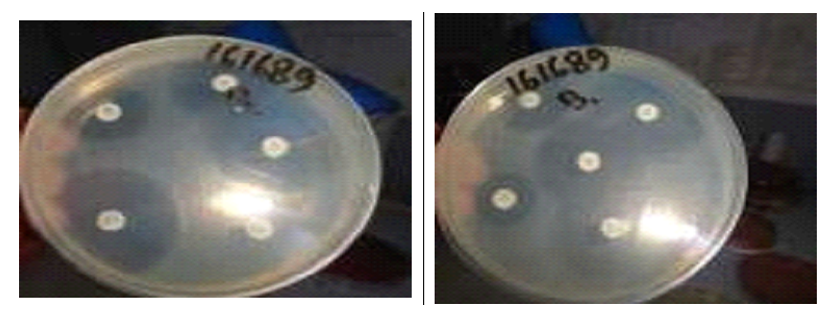
Figure 1: Antimicrobial resistance pattern on Mueller–Hinton agar.
Table 2 shows the zone of inhibition diameter ranges (in millimeters) used in this study to interpret antimicrobial susceptibility results, based on measured inhibition zones obtained from disc diffusion testing of Salmonella isolates.
Table 2: Standard interpretive criteria for zones of inhibition (mm).
|
Antibiotic (disc content) |
Sensitive (mm) |
Intermediate (mm) |
Resistant (mm) |
|
Amoxiclav (16 µg) |
≥16 |
14–15 |
≤13 |
|
Ceftriaxone (15 µg) |
≥18 |
14–17 |
≤13 |
|
Cefixime (30 µg) |
≥18 |
16–17 |
≤15 |
|
Cefotaxime (30 µg) |
≥21 |
15–20 |
<14 |
|
Azithromycin (30 µg) |
≥18 |
15–17 |
≤14 |
|
Co-trimoxazole (10 µg) |
>18 |
15–17 |
<14 |
|
Gentamicin (5 µg) |
≥18 |
14–17 |
≤13 |
|
Ciprofloxacin (25 µg) |
≥20 |
13–19 |
≤12 |
|
Levofloxacin (20 µg) |
≥15 |
13–14 |
≤12 |
|
Meropenem (20 µg) |
≥18 |
16–17 |
≤15 |
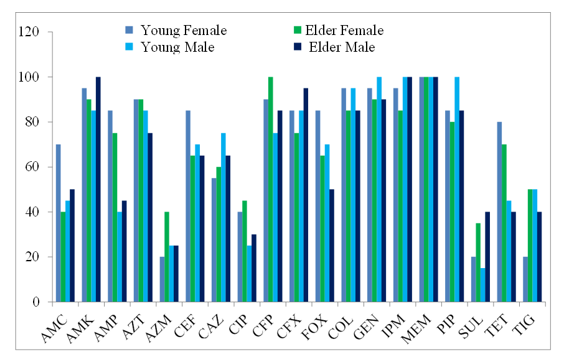
Figure 2: Percentage (%) sensitivity of Salmonella Typhi to tested antibiotics
The emergence of multidrug-resistant Salmonella Typhi, particularly resistance to ampicillin, chloramphenicol, and co-trimoxazole, has led to increased reliance on fluoroquinolones for the treatment of typhoid fever. However, reduced susceptibility and resistance to fluoroquinolones were also observed, indicating declining effectiveness of this class of antibiotics. This study, conducted between January and June 2011 in Dhaka city, evaluated the prevalence and antimicrobial susceptibility patterns of S. Typhi isolates among pediatric patients and assessed phenotypic characteristics associated with multidrug resistance, including resistance to amoxicillin and ciprofloxacin (Figure 2).
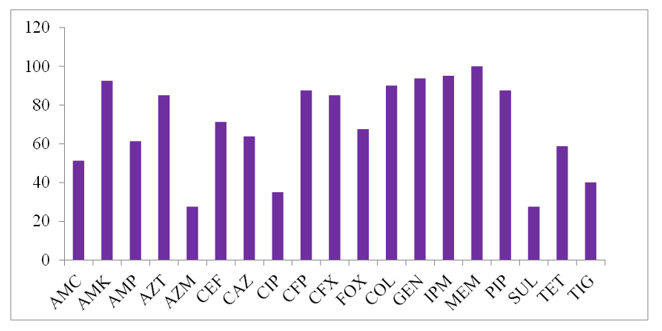
Figure 3: Percentage (%) sensitivity of Salmonella typhi to antibiotics.
Presumptive S. Typhi isolates were selected based on typical colony morphology and subsequently confirmed by biochemical and serological testing. Antimicrobial susceptibility analysis showed a wide variation in resistance, ranging from 0% resistance to meropenem to 68.75% resistance to sulfamethoxazole. Meropenem demonstrated 100% sensitivity, making it the most effective agent, followed by gentamicin with 93.75% sensitivity against the tested S. Typhi isolates (Figure 3).
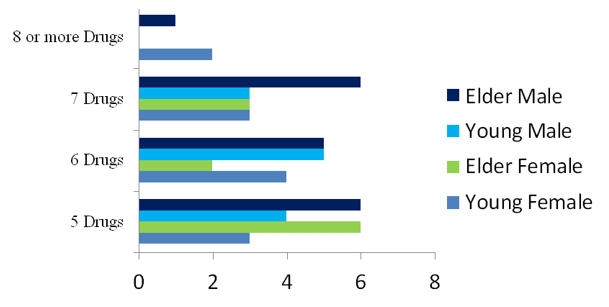
Figure 4: Multidrug resistance (MDR) pattern of Salmonella Typhi isolates.
In Figure 4, multidrug resistance was observed in 11 isolates (55%) among elderly females, 18 isolates (90%) among elderly males, and 12 isolates (60%) among young male and female patients, indicating a higher prevalence of MDR strains in elderly male patients.
Discussion
The present study revealed a substantial burden of antimicrobial resistance among Salmonella Typhi isolates recovered from blood samples of patients with clinically suspected typhoid fever in Dhaka city. Of the 80 confirmed isolates analyzed, 66.25% were multidrug resistant, defined as resistance to five or more of the tested antimicrobial agents. This high proportion of multidrug-resistant strains underscores the increasing difficulty in managing typhoid fever in endemic settings and reflects the progressive erosion of therapeutic efficacy of commonly used antibiotics. Antimicrobial susceptibility testing demonstrated marked variability in resistance patterns. While meropenem showed 100% sensitivity, indicating complete effectiveness against all tested isolates, resistance was highest to sulfamethoxazole (68.75%), highlighting the limited utility of several first-line and commonly prescribed agents. Gentamicin retained high activity (93.75% sensitivity), suggesting its continued effectiveness as a treatment option in severe infections. In contrast, the observed reduction in susceptibility to fluoroquinolones, including ciprofloxacin, raises concern given their widespread use as empirical therapy for typhoid fever [12,13]. The high prevalence of multidrug resistance has led to increased reliance on fluoroquinolones; however, this study demonstrated emerging resistance to this class as well. Investigation of ciprofloxacin resistance mechanisms revealed that resistance persisted following plasmid curing, indicating that resistance was not plasmid mediated. This finding suggests that chromosomal mutations or efflux pump mechanisms are likely responsible for fluoroquinolone resistance in the studied isolates, contributing to stable and clinically significant resistance [14].
Age- and sex-specific analysis of multidrug resistance patterns showed notable demographic variation. Multidrug resistance was detected in 55% of isolates from elderly female patients, 90% from elderly male patients, and 60% from younger male and female patients, indicating a particularly high burden of MDR S. Typhi among elderly males [15]. Additionally, a higher incidence of typhoid fever was observed among young children, consistent with increased exposure risks, immature immune responses, and environmental vulnerability in this age group. The dissemination of antimicrobial resistance in S. Typhi may occur through clonal expansion of resistant strains or through independent acquisition of resistance determinants mediated by mobile genetic elements such as transposons and integrons [12]. Detailed molecular epidemiological studies are essential to elucidate transmission pathways and resistance evolution. Molecular typing techniques with high discriminatory power and reproducibility would be particularly valuable for tracking resistant clones within endemic communities [16]. Control of typhoid fever requires an integrated approach that extends beyond antimicrobial therapy. Improvements in water quality, sanitation, hygiene practices, vaccination coverage, and early laboratory-based diagnosis are critical to reducing disease transmission [13]. The findings of this study further emphasize the need for rational antibiotic use, ongoing antimicrobial resistance surveillance, and regular revision of treatment guidelines based on local susceptibility data to prevent further escalation of resistance and to preserve the effectiveness of remaining therapeutic options [17].
Conclusion
Typhoid fever remains a significant public health problem in developing countries due to the emergence of multidrug-resistant Salmonella Typhi. Although ciprofloxacin remains largely effective, continuous antimicrobial surveillance and rational antibiotic use are essential to ensure effective treatment and limit further resistance.
Limitations
This study was conducted at a single center with a limited sample size, which may restrict the generalizability of the findings. Molecular characterization of resistance mechanisms was not performed, limiting detailed understanding of genetic determinants of antimicrobial resistance.
Conflict of Interest
The authors declare that there is no conflict of interest regarding the publication of this study.
References
- Mina SA, Hasan MZ, Hossain AZ, et al. The prevalence of multi-drug resistant Salmonella typhi isolated from blood sample. Microbiology Insights 16 (2023): 11786361221150760.
- Imtiaz R, Saha P, Brishty EM, et al. Prevalence of Multiple Antibiotic Resistance Among Salmonella Isolates from Clinical Samples in Dhaka, Bangladesh. Oman Medical Journal 39 (2024): e674.
- Das S, Samajpati S, Ray U, et al. Antimicrobial resistance and molecular subtypes of Salmonella enterica serovar Typhi isolates from Kolkata, India over a 15 years period 1998–2012. International Journal of Medical Microbiology 307 (2017): 28–36.
- Rahman SI, Dyson ZA, Klemm EJ, et al. Population structure and antimicrobial resistance patterns of Salmonella Typhi isolates in urban Dhaka, Bangladesh from 2004 to 2016. PLoS Neglected Tropical Diseases 14 (2020): e0008036.
- Asghar M, Khan TA, Séraphin MN, et al. Exploring the antimicrobial resistance profile of Salmonella Typhi and its clinical burden. Antibiotics 13 (2024): 765.
- Rahman MA, Nipu SA, Nahar DN, et al. In Vitro Evaluation of the Antibacterial Activity of Zingiber officinale (Ginger) Against Salmonella Typhi. Bangladesh J Infect Dis 12 (2025): 260-266.
- Tanni NN, Nesa M, Kabir RB, et al. Distribution, epidemiology, and antimicrobial resistance pattern of gram-negative bacteria isolated from blood: A retrospective study in a tertiary care hospital, Dhaka, Bangladesh. PLOS Global Public Health 5 (2025): e0004915.
- Islam S, Aziz ZT, Rahman MA, et al. Characterization of the microorganisms of human pus samples-a tertiary care hospital based study. Molecular Mechanism Research 2 (2024): 6171.
- Ahmad J, Khan MA, Atif M, et al. Incidence and antimicrobial resistance profile of multi-drug resistant Salmonella typhi isolated from blood samples in Khyber Pakhtunkhwa, Pakistan. Diagnostic Microbiology and Infectious Disease (2025): 117122.
- Nuzhat SN. Prevalence and patterns of antimicrobial resistance in Salmonella enterica serovar Typhi and Salmonella enterica serovar Paratyphi, Bangladesh. Doctoral dissertation, BRAC University.
- Akther K, Amin MA, Sharna FK, et al. Development and Evaluation of Fluorogenic and Chromogenic Chitosan-Based Hydrogels for the Detection of Bacterial Enzymes. Bangladesh J Infect Dis 12 (2025): 273–284.
- Chowdhury AM, Ekra MA, Jahan L, et al. Prevalence of carbapenem-resistant Escherichia coli in the drinking water system in Dhaka. Doctoral dissertation, BRAC University.
- Zakir M, Khan M, Umar MI, et al. Emerging trends of multidrug-resistant (MDR) and extensively drug-resistant (XDR) Salmonella Typhi in a tertiary care Hospital of Lahore, Pakistan. Microorganisms 9 (2021): 2484.
- Akter L, Hassan M, Ahmed Z. Present status and antibiotic sensitivity pattern of Salmonella typhi and S. paratyphi in different age group hospitalized patients in Dhaka city, Bangladesh. IOSR J Pharm Biol Sci 4 (2012): 27-30.
- Rahman MA. Antimicrobial resistance patterns of Salmonella typhi isolated from stool culture. Chattagram Maa-O-Shishu Hospital Medical College Journal 14 (2015): 26-30.
- Mahbub A, Islam S, Chanda M, et al. Observing the Prevalence of Antimicrobial Resistance at a Tertiary-Level Medical Facility in Bangladesh. Eastern Medical College Journal 10 (2025): 57-64.
- Hossain MS, Kamal SM, Mahmud A, et al. Detection and determination of drug resistance pattern of MTB among non-suspected TB patients admitted in a tertiary care level hospital in Bangladesh using FAST Strategy. Am J Biomed Sci & Res 27 (2025): AJBSR.MS.ID.003527.