Riya Mehta, B.A¹*, Harish Karthikeyan, B.A¹, Asad Siddiqui, B.A¹, Fahad Jamal¹, Libby Lueck¹, Stacey Algren M.D¹
1University of Missouri-Kansas City School of Medicine, Kansas City, Missouri, USA
Author’s ORCIDs:
Riya Mehta: https://orcid.org/0009-0008-5873-8178
Harish Karthikeyan: https://orcid.org/0009-0007-1851-528X
Asad Siddiqui: https://orcid.org/0009-0006-8851-4920
Fahad Jamal: https://orcid.org/0009-0005-2910-756X
Libby Lueck: https://orcid.org/0009-0006-5213-5590
Stacey Algren: https://orcid.org/0009-0000-8055-9397
*Corresponding authors: Riya Mehta, B.A, University of Missouri-Kansas City School of Medicine, Kansas City, Missouri, USA.
Received: 29 June 2026; Accepted: 06 July 2026; Published: 14 July 2026
Objectives:
Geographic disparities in women's health outcomes across the United States are influenced by structural barriers to healthcare access, including insurance gaps, rural healthcare shortages, and reduced preventive services. Traditional public health surveillance systems may underestimate disease burden in underserved populations, creating a phenomenon termed the screening paradox, in which limited healthcare access obscures the true prevalence of screening-dependent diseases.
Methods:
A cross-sectional analysis was conducted using state-level data from all 50 U.S. states and the District of Columbia obtained from the 2023 Kaiser Family Foundation State Profiles for Women’s Health database. Variables included maternal and infant mortality, chronic disease prevalence, insurance coverage, healthcare utilization, and cancer incidence. States were stratified by U.S. Census region, and Pearson correlation analyses were performed to evaluate associations between healthcare access measures and health outcomes.
Results:
The South demonstrated the highest maternal mortality (31.99 per 100,000 live births), infant mortality (6.7 per 1,000 live births), uninsured rates (10.9%), and prevalence of obesity, diabetes, and hypertension. Uninsured rates were strongly associated with deferred medical care due to cost (r = 0.88). Cervical cancer incidence positively correlated with uninsured status (r = 0.57, p < 0.0001) and failure to seek medical care (r = 0.63, p < 0.000003). In contrast, breast cancer incidence demonstrated negative correlations with these barriers (r = -0.42 and -0.38, respectively), suggesting underdiagnosis in underserved regions despite likely persistent disease burden.
Conclusions:
Structural healthcare inequities contribute to worse maternal and oncologic outcomes while simultaneously distorting disease surveillance. These findings highlight the need for targeted policy interventions, including Medicaid expansion, rural healthcare investment, and innovative screening strategies, to improve health equity and enhance diagnostic capture in vulnerable populations.
Maternal Health; Health Disparities; Healthcare Access; Cancer Screening; Rural Health Equity
Maternal Health articles; Health Disparities articles; Healthcare Access articles; Cancer Screening articles; Rural Health Equity articles
Introduction:
An issue of critical importance in the United States (U.S.) healthcare system is the geographic and socioeconomic division of women's health outcomes. Traditional epidemiological surveillance relies on state registries to monitor disease prevalence and allocate public health resources. However, these systems are fundamentally limited by an underlying assumption of uniform healthcare access. In reality, public health metrics are split into two distinct categories: acute clinical endpoints and screening-dependent registries. Acute biologic endpoints consist of outcomes like maternal and infant mortality, which manifest regardless of institutional support [1,2]. On the other hand, screening-dependent registries require active clinical infrastructure to exist, with examples consisting of oncological tracking. When dissecting health care delivery based on geographic regions, these metrics often yield conflicting viewpoints. This phenomenon creates a Screening Paradox: a systemic structural barrier from decreased medical surveillance artificially lessening the documented prevalence of asymptomatic chronic diseases. This creates epidemiologic blind spots that often conceal the true burden of disease in the U.S.’s most vulnerable population [3,4].
This paradox is driven by socio-political determinants of health that restrict healthcare access. Care deserts exist throughout the US, particularly in the South and Midwest, created by underinvestment in primary care infrastructure, restrictive state Medicaid eligibility thresholds, and the increase in rural hospital closures [5-7]. Medicaid is a joint federal-state public health insurance program that provides free or low-cost health coverage to eligible low-income individuals, including children, pregnant women, seniors, and people with disabilities. States administer their own programs under federal guidelines and may elect to expand coverage to all adults up to 138% of the federal poverty level; variation in Medicaid expansion across states is a key structural factor influencing access to maternal care and cancer screening in rural and low-income populations [8]. These systemic deficits cause spikes in preventable clinical endpoints like cervical cancer, where a lack of preventative screening allows uninterrupted cellular progression into advanced malignancy [9,10]. Further, they misrepresent epidemiology of silent, asymptomatic conditions like breast cancer [10] Proactive diagnostic screening in resource rich environments yields a high baseline incidence by identifying early stage, asymptomatic tumors [10]. Conversely, in high-barrier regions, the absence of routine clinical encounters prevents early diagnostic capture [11]. As a result, raw data is misinterpreted as a low biologic disease burden, instead of the true structural cause of low diagnoses, further masking the late-stage oncologic risk in this high-risk population [11].
While existing literature documents isolated disparities regarding maternal survival and chronic risk factors, there are few comprehensive epidemiologic models that analyze how these barriers systematically mask the integrity of public health reporting [12,13]. Most population-level analyses evaluate risk factors in isolation, as they fail to examine the direct correlation between insurance deficits and cost-driven healthcare avoidance [4]. To establish a more in depth framework for resource allocation, this study aims to evaluate how systemic regional healthcare gaps can alter the data of women’s oncological and maternal outcomes. When comparing a preventable disease like cervical cancer to a screening-dependent disease like breast cancer, the lack of healthcare data hides the true scope of illness. This will ensure that underserved communities aren't ignored when health policies and funding are decided.
Methods
This cross-sectional study utilized state-level data for all 50 U.S. states and District of Columbia (N = 51) aggregated from the 2023 Kaiser Family Foundation (KFF) State Profiles for Women’s Health database, which compiles metrics from the CDC’s National Center for Health Statistics and National Vital Statistics System.
Variables were extracted across three core conceptual domains:
- Maternal and Infant Health Outcomes: Maternal and infant mortality rates, and the prevalence of low birthweight and preterm births.
- Chronic Disease Prevalence: State-level percentages of women diagnosed with hypertension, diabetes, and obesity.
- Healthcare Access and Coverage: Uninsured rates, percentages of Medicaid-financed deliveries, and the timing of prenatal care initiation.
To evaluate regional patterns, states were stratified into the four primary U.S. Census Bureau regions: Northeast, South, Midwest, and West [14].
Regional Mapping Framework
|
Region |
States Included |
|
South |
Alabama, Arkansas, Delaware, District of Columbia, Florida, Georgia, Kentucky, Louisiana, Maryland, Mississippi, North Carolina, Oklahoma, South Carolina, Tennessee, Texas, Virginia, West Virginia |
|
Midwest |
Illinois, Indiana, Iowa, Kansas, Michigan, Minnesota, Missouri, Nebraska, North Dakota, Ohio, South Dakota, Wisconsin |
|
Northeast |
Connecticut, Maine, Massachusetts, New Hampshire, New Jersey, New York, Pennsylvania, Rhode Island, Vermont |
|
West |
Alaska, Arizona, California, Colorado, Hawaii, Idaho, Montana, Nevada, New Mexico, Oregon, Utah, Washington, Wyoming |
Data Cleaning and Preprocessing
Variables containing missing information or non-numeric administrative placeholders ( "NR" for not reported, "NA", or "T") were programmatically converted to null values (NaN) to prevent distortion of the descriptive and inferential architectures. Column headers and state identifiers were trimmed of all leading, trailing, and hidden whitespace to ensure accurate data integration. All percentage-based metrics were normalized into continuous numeric formats suitable for parametric testing.
Statistical Analysis
Data analysis was conducted in Python using the Pandas, NumPy, and SciPy statistical libraries. Descriptive statistics, including means, standard deviations, and ranges were calculated to characteristically map the distribution of maternal and infant health outcomes across the four primary Census zones. To evaluate the strength, direction, and linearity of relationships between continuous maternal/infant health outcome metrics, chronic disease prevalence, and healthcare access indicators, two-tailed Pearson correlation coefficients (r) were calculated. Statistical significance was established at p = 0.05.
Results
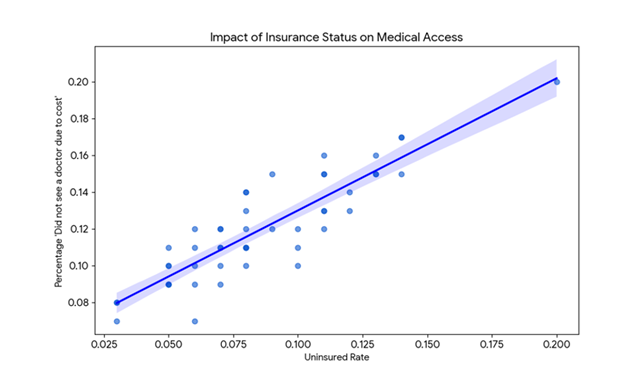
Figure 1: The Economic Barrier to Care
Figure 1 illustrates the direct relationship between state-level Uninsured Rates (x-axis) and the Percentage of individuals who did not see a doctor due to cost (y-axis). The data points demonstrate a positive linear trajectory, indicating a strong correlation (r = 0.88) where increases in a state's uninsured population directly mirror increases in the population facing financial barriers to medical care. The visual distribution highlights that states with higher uninsured rates consistently report the highest percentages of residents deferring necessary medical appointments due to financial constraints.
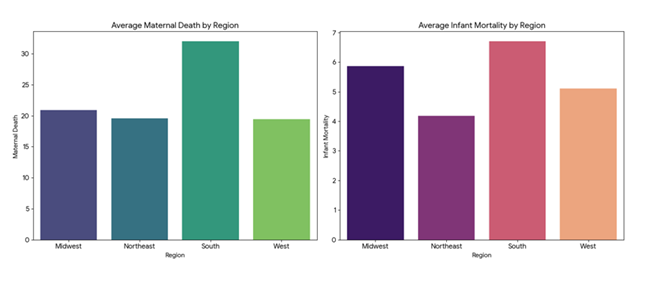
Figure 2: Regional Disparities in Maternal and Infant Mortality.
The initial regional comparison focused on Maternal Death and Infant Mortality, revealing a consistent hierarchy of health outcomes. The South exhibits a concerning lead in both metrics, with an average maternal death rate of 31.99 per 100,000 live births, nearly double that of the West (19.4) and the Northeast (19.6). Tennessee (41.1) and Alabama (38.6) hold the highest average maternal death rate in the nation.
Infant Mortality followed a similar trajectory, though with slightly less regional variance than maternal outcomes. The Northeast achieved the lowest infant mortality (4.18), while the South again the highest at 6.7.
Table 1A: Regional Demographic Profiles
|
Region |
Average Rate of Diabetes (%) |
Average Rate of Obesity (%) |
Average Rate of Hypertension (%) |
Average Rate of Uninsured (%) |
Average Rate of Smoking (%) |
Cervical Cancer Rate (# per 100,000) |
|
South |
13.9 |
38.3 |
37.3 |
10.9 |
12.3 |
8.44 |
|
Midwest |
11 |
36.8 |
31.7 |
7.2 |
12.5 |
6.9 |
|
West |
9.8 |
30.8 |
27.9 |
9.5 |
9.5 |
6.67 |
|
Northeast |
9.4 |
30.1 |
30 |
5.3 |
9.2 |
6 |
Table 1A reveals a significant geographic divide in fundamental pillars of public health: medical coverage and chronic disease prevalence. The South represents the most vulnerable profile in this dataset, characterized by an average uninsured rate of 10.9%, which is more than double the 5.3% seen in the Northeast.
Table 1B: Comparison between Northeast and South Regions
|
Variable |
Northeast Mean (%) |
South Mean (%) |
Absolute Difference (%) |
Significance (p-value) |
|
Diabetes |
9.4 |
13.9 |
4.5 |
<0.000006 |
|
Obesity |
30.1 |
38.3 |
8.2 |
<0.000005 |
|
Hypertension |
30 |
37.3 |
7.3 |
<0.0001 |
|
Uninsured Rates |
5.3 |
10.9 |
5.6 |
<0.0002 |
|
Smoking |
9.3 |
12.3 |
3 |
0.033 |
Table 1B provides a direct comparative analysis of the Northeast and South across socioeconomic and health metrics. The values represent mean percentages per region, differences between the two regional means, and their respective statistical significance (p-values). The data objectively shows that the South carries a significantly higher burden across all negative health indicators, including higher uninsured rates, a higher prevalence of metabolic conditions (obesity and diabetes), and a higher rate of cervical cancer. Conversely, the Northeast presents a baseline characterized by lower chronic disease metrics and higher insurance coverage rates.
Table 2: Correlation of Cancer Rates with Health Care Access.
|
Metric |
Correlation with Uninsured |
Correlation with No Doctor Visit |
|
Cervical Cancer |
+0.57 (Strong) |
+0.63 (Strong) |
|
p < 0.0001 |
p < 0.000003 |
|
|
Breast Cancer |
-0.42 (Negative) |
-0.38 (Negative) |
|
p < 0.003 |
p < 0.00819 |
Table 2 reveals the analysis of cancer rates revealed a notable difference between Breast and Cervical cancer. Cervical Cancer demonstrated a strong positive correlation with both Uninsured Rates (r = 0.57, p= < 0.0001) and "Did not see a doctor" (0.63). In contrast, Breast Cancer showed a negative correlation with these access barriers.
Table 3: Regional Cancer Rates Comparison.
|
Metric |
Region |
Value |
Significance (p-value) |
|
Cervical Cancer |
South vs Northeast |
2.44 higher in South |
0.0009 |
|
Breast Cancer |
Northeast vs South |
8.05 higher in Northeast |
0.029 |
Based on the findings in Table 3, in the South, the mean cervical cancer rate is 8.44, which is 2.44 units higher than the Northeast’s mean of 6.00 (p = 0.0009). Conversely, the Northeast exhibits a significantly higher recorded breast cancer rate of 141.02 compared to the South's 132.97 (p = 0.029), resulting in an absolute difference of 8.05.
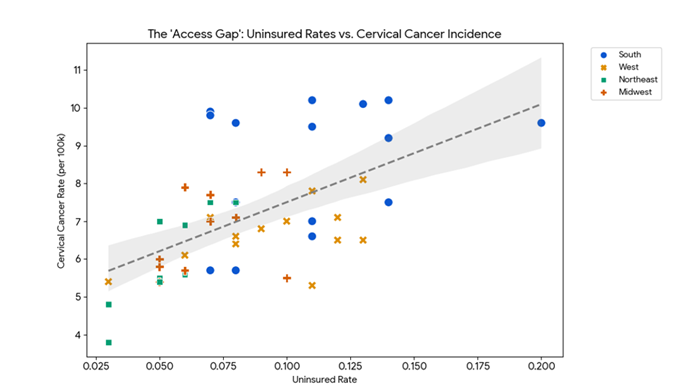
Figure 3: Uninsured Rates and Cervical Cancer Incidence.
Figure 3 illustrates the relationship between state-level Uninsured Rates (represented on the x-axis) and Cervical Cancer Incidence per 100,000 women (represented on the y-axis), with data points color-coded by region. A linear regression line running through the data points demonstrates a positive linear trajectory, indicating that as the percentage of the uninsured population increases, the recorded rate of cervical cancer cases rises concurrently. The clustering of the data points shows that states belonging to the South are predominantly concentrated at the upper-right quadrant of the plot (higher uninsured rates and higher cancer incidence), while states from the Northeast cluster in the lower-left quadrant (lower uninsured rates and lower cancer incidence).
Discussion
The results of this study demonstrate a systemic geographic divide in women’s public health outcomes across the United States, highlighted by a cycle of structural economic barriers and heavy clinical burdens. By evaluating the intersections of maternal and infant mortality, metabolic chronic diseases, and oncology screening patterns across established U.S. Census regions analysis reveals that the Southern Region in the U.S. represents the nation's most vulnerable risk profile [14]. This regional disparity is driven not by isolated clinical incidents, but by a systemic failure in the healthcare delivery where individuals with the highest clinical risk face the highest financial and structural barriers to care.
Regional Disparities and Structural Barriers to Care
When evaluating health equity through a geographic lens, the boundaries defined by the U.S. Census Bureau reveals distinct socio-political realities that dictate patient outcomes. The South (17 jurisdictions) and Midwest (12 states) represent heavily rural cohorts burdened by systemic vulnerabilities, including the nation's highest uninsured rates, acute physician shortages, and rural hospital closures [15]. Compared to the Northeast (9 states) and West (13 states) which feature progressive state mandates, such as aggressive Medicaid expansion that improve coverage and support access to preventive care [7].
The clinical consequence of this geographic divide is a compounding high-risk, low-access environment in which state-level health policies and regional geography operate as structural determinants of health, systematically shaping access to care and clinical outcomes [6]. This structural divide is quantified when comparing the demographic and economic profiles of the Northeast and the South [Table 1B]. The South’s uninsured population is more than double that of the Northeast (10.9% vs. 5.3%, p < 0.0002), leaving Southern women with half the structural access to manage a baseline physiological risk profile that is significantly more severe. This insurance deficit is a catalyst for increased regional health risks: hypertension in the South is 7.3% higher than in the Northeast (p < 0.001), while the South's obesity rate is 8.2% higher (p < 0.000005). Even lifestyle choices like smoking demonstrate a statistically significant gap (p = 0.033) between the regions, emphasizing that systemic structural disparities outweigh individual behavioral choices.
This severe access gap allows a dangerous shift from proactive, preventative health management to reactive, emergent care. This barrier is directly confirmed by the positive linear relationship observed between state-level uninsured rates and cervical cancer incidence (r = 0.57, p < 0.0001), alongside an even stronger correlation with the proportion of women who did not see a doctor (r = 0.63, p < 0.000003) [Table 2]. When economic constraints force women to avoid the healthcare system, they lose necessary secondary prevention mechanisms. These regional disparities show that reducing mortality cannot be accomplished through isolated clinical interventions alone; it requires addressing the upstream insurance, workforce, and infrastructure gaps that determine whether disease is prevented early, detected promptly, and accurately captured in the health system [3,4].
The Maternal Care Crisis in the South
The regional disparities in maternal and infant mortality rates expose a deep systemic influence on the public health crisis localized within the nation’s rural-predominant regions. When evaluating the data, the South and Midwest emerge as areas of vulnerability, as they hold the highest maternal and infant death rates in the country [Figure 2]. The strong correlation between maternal and infant mortality across these regions suggests that the underlying structural failures, a combination of divided prenatal access and high baseline chronic disease prevalence, are impacting both populations simultaneously. In rural communities within these territories, the closure of local obstetric units forces expectant mothers to travel long distances for routine care, meaning critical complications like preeclampsia or fetal growth restriction go undetected, ultimately compromising both maternal and neonatal survival [1,16].
The physiological foundation of this mortality crisis is clearly illustrated by the regional distribution of chronic conditions, which maps out a distinct geographic phenomenon best described as the Metabolic Belt. When framing these results [Table 1A] through a rural healthcare lens, the high concentrations of obesity (38.3% in the South, 36.8% in the Midwest) and diabetes (13.9% in the South, 11.0% in the Midwest) reveal a risky environment where rural infrastructure deficits, a higher density of food deserts, and a systemic lack of preventative health resources actively exacerbate metabolic syndrome [1,3]. These elevated baseline chronic rates are highly consequential; they directly mirror the regions' elevated maternal mortality trends and provide a clear clinical explanation for them.
The Metabolic Belt is clinically impactful, as conditions such as obesity and diabetes significantly elevate the risk for severe gestational complications, including gestational diabetes, chronic hypertension, and cardiovascular events during childbirth [2]. Because a lack of early metabolic intervention heavily compromises maternal and adult survival outcomes in rural-heavy states, women in the South and Midwest are essentially entering pregnancy with a compounding clinical disadvantage [17]. Without accessible, local primary care to manage these metabolic risk factors before and during early pregnancy, the healthcare systems in these regions are left reacting to acute crises rather than preventing them, directly fueling the high rates of preventable maternal and infant death observed in the data.
The Screening Paradox in Oncologic Outcomes
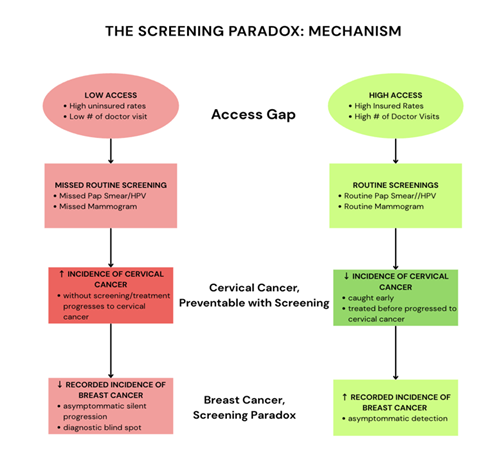
Figure 4: The Screening Paradox Mechanism
The comparative analysis of regional cancer rates exposes a critical phenomenon known as the screening paradox, where health data can mask the true burden of disease due to structural disparities in medical access. When evaluating the regional cancer comparisons [Table 3], a separation emerges between cervical and breast cancer outcomes that correlates strongly with the South's higher uninsured rates and limited medical consultations. While cervical cancer rates are significantly elevated in the South, recorded breast cancer incidence is paradoxically lower in this region compared to the Northeast. This discrepancy does not indicate a lower biological risk of breast cancer among Southern women; rather, it reflects a diagnostic failure driven by systemic access barriers. In regions with robust healthcare infrastructure, higher insurance coverage, and frequent medical consultations, proactive surveillance leads to the early detection and documentation of cancer cases [9]. Conversely, in regions heavily defined by rurality and uninsurance, the absence of routine clinical interactions creates a data artifact where the lack of formal diagnoses is misinterpreted as a lower disease burden.
This paradox is quantified in Table 2, which displays the relationship between cancer rates and two metrics: uninsured rates and the proportion of women who did not see a doctor. Cervical cancer demonstrates a strong positive correlation with both metrics, r = 0.57 with uninsured rates (p < 0.0001) and r = 0.63 with no doctor visit (p < 0.000003), confirming that its incidence rises in direct proportion to the lack of healthcare access. Breast cancer, by contrast, exhibits a negative correlation with both metrics, r = -0.42 (p < 0.003) and r = -0.38 (p < 0.00819), indicating that recorded breast cancer rates are paradoxically higher where access is strongest. These opposing directional relationships are not coincidental, as they reflect two fundamentally different relationships between screening and disease visibility. For cervical cancer, screening functions as prevention, its absence allows malignancy to develop. For breast cancer, screening functions as detection; without screening, existing disease is simply a gap in the data. Table 2 does not present two unrelated findings but instead two examples of the same structural failure permissible through different oncological mechanisms.
This systemic avoidance of the healthcare system clarifies the mechanism driving the paradox within the dataset for both malignancies, a phenomenon made evident in the screening paradox diagram [Figure 4]. As the diagram illustrates, the low-access and high-access pathways do not only produce different health outcomes, they produce opposite diagnostic signals depending on the oncological role that screening plays for each cancer type.
For cervical cancer, this distinction is particularly consequential because routine screening does not merely detect existing malignancy, it identifies precancerous cellular changes at a stage when intervention can halt progression entirely. Where access is strong, precancerous lesions are caught and treated before advancing to invasive cancer; where it is absent, cellular changes go unrecognized until symptoms force a clinical encounter. The strong positive correlations, r=0.88 identified in Figure 3 validate this mechanism statistically, confirming that cervical cancer incidence rises in direct proportion to the lack of screening access. High incidence figures in underserved regions therefore do not reflect a true biological increase in disease, but the accumulated effects of uninterrupted cellular progression in women who, constrained by economic barriers, were never reached by the preventative infrastructure that would have stopped it.
For breast cancer, the paradox operates through a different but equally revealing mechanism. Without routine mammography, breast cancer progresses silently through its early asymptomatic phases, producing falsely low incidence figures that misrepresent the true biological burden. Where comprehensive screening infrastructure exists, the same malignancies are identified before symptoms present, generating a higher recorded incidence that more honestly reflects population disease reality. The statistical analysis confirms this pattern, higher breast cancer rates are consistently reported in regions with superior access to care [Table 3], such as the Northeast, precisely because robust screening produces a more complete diagnostic capture. Ultimately, lower recorded incidence in underserved regions should not be interpreted as a win, but instead as a diagnostic blind spot from the absence of preventative medical infrastructure.
Public Health and Policy Implications
The higher rates of metabolic-related pathologies in the Southern states visualized in Table 1A demands a fundamental shift from clinic-based healthcare models to public health policies. Because the data proves that high physiological risk factors (obesity and hypertension) intersect with the weak insurance safety nets in the South and Midwest, traditional healthcare interventions that rely on a patient initiating an in-person doctor's visit are inherently insufficient for rural populations. To dismantle these disparities, state and federal policymakers must pursue targeted structural reforms.
The recent implementation of self-collection human papillomavirus (HPV) swabs directly targets the healthcare gap in rural communities. In May 2024, the U.S. Food and Drug Administration (FDA) approved the first HPV self-collection tests that allow patients to collect their own vaginal sample in a healthcare setting rather than during a clinician pelvic exam.18 In May 2025, the FDA further approved the first at-home self-collection device, the Teal Wand™, a prescription kit for at-home cervical cancer screening in individuals aged 25–65 at average risk.18 Utilizing self-swabs represents a highly impactful, cost-effective initial step for rural cervical cancer prevention [18]. A large U.S. study found that offering at-home self-collection tripled cervical cancer screening engagement in rural regions [19]. By allowing women to collect their own samples at home or at local community hubs, this method completely bypasses the primary structural barriers identified in this study: long travel distances to specialists and the immediate out-of-pocket costs of a medical consultation. Self-collected HPV samples have demonstrated similar sensitivity to clinician-collected cervical samples and higher sensitivity than Pap testing alone, providing accurate, guideline-concordant primary HPV screening without requiring a speculum exam [18]. As coverage and telehealth infrastructure expand, this technology is ready for generalized deployment across the United States, with the potential to reach under-screened and never-screened populations, including rural, low-income, and minority women.
However, implementing innovative screening modalities is merely the first phase of a broader clinical necessity. For self-swabbing programs or mobile health clinics to successfully lower mortality rates, they must be legally and financially integrated into comprehensive healthcare. If a rural woman screens positive for a pre-cancerous lesion or a metabolic condition via an alternative outreach program, there must be a state-subsidized pathway that connects her to definitive diagnostic and treatment services regardless of her insurance status.
Breast cancer screening faces parallel, though distinct, challenges in rural communities. Rural women have slightly lower mammography utilization rates than urban counterparts and are 17% more likely to be diagnosed at later stages of breast cancer, reflecting delayed detection and reduced access to screening facilities [20]. Key barriers include geographic distance to imaging centers, lack of transportation, and limited availability of screening mammography within rural hospitals, many of which have closed obstetric and imaging services [20]. However, emerging models such as mobile mammography units have demonstrated the ability to eliminate transportation, cost, and distance barriers by bringing screening services directly to underserved rural communities, often offering low- or no-cost care [21]. Mobile mammography has been shown to reach traditionally underserved groups with low breast cancer screening rates and increase utilization among women who otherwise would not access facility-based mammography [22] Community-based interventions that reduce structural barriers, including tailored educational videos and low-cost or free screening programs, are also effective in increasing breast cancer screening adherence in rural populations [23].
Therefore, long-term policy reform must pair technological innovation with legislative action, specifically through the expansion of state Medicaid programs in non-expansion states across the South and in remaining Midwest holdout states, alongside targeted funding for rural obstetric and primary care infrastructure in the Midwest. Medicaid expansion is associated with lower maternal mortality, improved perinatal care access and utilization among low-income women, and reduced rural hospital closures, making it a critical lever for improving both maternal and infant survival in underserved regions [10]. To fully address the screening paradox and reduce cervical, breast, and maternal–infant disparities, future policy should:
- Expand Medicaid coverage for self-collection and mobile screening: Federal and state policymakers should ensure Medicaid expansion states explicitly cover HPV self-collection kits, telehealth consultations for prescribing, and mobile mammography services as preventive care with no out-of-pocket costs. Non-expansion states in the South and Midwest should be incentivized to adopt expansion, given the demonstrated 7.01-death-per-100,000 reduction in maternal mortality and improved perinatal care access associated with Medicaid expansion.24
- Invest in rural community health hub infrastructure: Federal grants should support the establishment of community health centers where self-collection kits are distributed, telehealth visits occur, and mobile imaging units regularly schedule. These centers can serve as points of care for cervical and breast screening, prenatal education, and chronic disease management, reducing the need for long-distance travel to specialists. Screening initiatives cannot operate in isolation. They must be paired with robust, pre-established referral pipelines. Incorporating dedicated pathways for advanced diagnostic services, including colposcopies, diagnostic mammograms, and breast biopsies, is a necessary prerequisite to ensure continuity of care and maximize the public health impact of early detection efforts.
- Integrate self-collection and mobile screening into public health campaigns: State public health departments should embed HPV self-collection and mobile mammography into existing women's health campaigns, emphasizing that these tools are designed for under-screened and never-screened populations, including rural, low-income, and minority women. Public messaging should clarify that self-collection is not a lower-quality test but a highly accurate, guideline-concordant primary HPV screening method that removes logistical and emotional barriers to care.
The data compiled in this study highlights that rural health equity cannot be achieved by forcing vulnerable populations into a broken, high-cost system; instead, public health policy must actively restructure the delivery of medicine to meet rural women where they live.
Limitations
While this study offers robust statistical evidence of regional healthcare disparities, certain limitations must be acknowledged. First, the cross-sectional aggregate state-level nature of the dataset prevents the drawing of direct causal conclusions at an individual patient level, leaving the analysis subject to the ecological fallacy. Second, the data analysis lacks granular demographic covariates, such as racial and ethnic composition, socioeconomic proxies, and urban versus rural designations, which are known to further compound access to care and maternal survival within individual states. Finally, using cancer incidence rates as a proxy for disease burden is inherently limited by the identified screening bias, suggesting that mortality-incidence ratios may provide a more accurate depiction of the oncology burden in future studies.
Conclusion
Ultimately, this study demonstrates that geographic health disparities across the United States are fundamentally driven by structural inequities rather than biological variations. By exposing the screening paradox, the data reveals that a lack of healthcare access creates a dangerous dual-ended distortion in public health reporting. It fuels a biological surge in preventable cervical cancers by failing to interrupt precancerous cellular progression, while simultaneously generating a false diagnostic blind spot that artificially suppresses recorded breast cancer incidence. Lower reported cancer rates in underserved areas must therefore be reinterpreted not as a clinical success, but as a systemic failure of diagnostic capture. To dismantle these entrenched regional divides, public health policy must transition away from traditional clinic-reliant models and invest in structural interventions, such as home-based self-collection technologies and targeted Medicaid expansion, effectively restructuring medical delivery to meet vulnerable populations where they live.
Declarations:
Ethics approval and consent to participate
This study utilized de-identified data from the publicly available Kaiser Family Foundation (KFF) State Profiles for Women’s Health database. As the dataset contains no identifiable patient information and involves no direct interaction with human participants, this study was considered exempt from Institutional Review Board review and the requirement for informed consent was waived, consistent with the ethical principles outlined in the Declaration of Helsinki.
Consent for publication
Informed consent was waived because this study used publicly available, de-identified data from the Kaiser Family Foundation (KFF) State Profiles for Women’s Health database, which contains anonymized cancer registry information collected for public health surveillance. No identifiable patient information was accessed.
Availability of data and materials
The data analyzed in this study was obtained from the KFF database. Requests for access to these datasets should be directed to https://www.kff.org/interactive/womens-health-profiles/united-states/maternal-infant-health/
Conflict of Interest
The authors have no conflicts of interest to declare.
Funding Sources
This student project was supported by the Health Resources and Services Administration (HRSA) of the U.S. Department of Health and Human Services (HHS) under grant identification T99HP52109 as part of an award totaling $16,000,000 with 10% financed with non-governmental sources. The contents are those of the author(s) and do not necessarily represent the official views of, nor an endorsement, by HRSA, HHS, or the U.S. Government. For more information, please visit HRSA.gov
Author Contributions
RM.: Investigation, formal analysis, Data curation, validation, Writing-original draft, Writing-review, editing, project administration, supervision.
H.K: Conceptualization, Investigation, Data curation, Writing-original draft, Writing-review, editing
A.S.: Conceptualization, Investigation, Data curation, formal analysis, resources, validation, writing original draft, review, supervision
F.J.: Writing-original draft, Writing-review & editing.
L.L.: Writing-original draft, Writing-review & editing.
S.A.: Supervision & project administration
All authors read and approved the submitted version.
Data Availability Statement
Data is publicly available at https://www.kff.org/interactive/womens-health-profiles/united-states/maternal-infant-health
References
- Ajayi KV, Eboreime E, Ferdinand A, et al. Maternal Chronic Disease Prevention in Rural America: A Life Course Perspective. J Prim Care Community Health 16 (2025): 21501319251404285.
- Agrawal P. Maternal mortality and morbidity in the United States of America. Bull World Health Organ 93 (2015): 135.
- Coughlin SS, Clary C, Johnson JA, et al. Continuing Challenges in Rural Health in the United States. J Environ Health Sci. 5 (2019): 90-92.
- Improving Health and Health Care in Rural Communities: A Position Paper From the American College of Physicians | Annals of Internal Medicine. Accessed June 9, 2026. https://www.acpjournals.org/doi/10.7326/ANNALS-24-03577
- Eliason EL. Adoption of Medicaid Expansion Is Associated with Lower Maternal Mortality. Womens Health Issues 30 (2020): 147-152.
- Huson T. Medicaid and Rural Health.
- Uninsured Americans in Rural Communities and Medicaid. Modern Medicaid Alliance. Accessed June 9, 2026. https://modernmedicaid.org/pollingresearch/uninsured-americans-in-rural-communities-and-medicaid/
- Medicaid - Health, United States. June 6, 2025. Accessed June 9, 2026. https://www.cdc.gov/nchs/hus/sources-definitions/medicaid.htm
- County-Level Cervical Cancer Screening Coverage and Differences in Incidence and Mortality | Oncology | JAMA Network Open | JAMA Network. Accessed June 9, 2026. https://jamanetwork.com/journals/jamanetworkopen/fullarticle/2837485
- The Impact of Medicaid Expansion on Breast and Cervical Cancer Screening Rates | Department of Epidemiology. Accessed June 9, 2026. https://epi.washington.edu/epi_research/the-impact-of-medicaid-expansion-on-breast-and-cervical-cancer-screening-rates/
- Rural US counties see an increase in cervical cancer rates | MUSC Hollings Cancer Center. Accessed June 9, 2026. https://hollingscancercenter.musc.edu/content-hub/News/2025/03/03/rural-us-counties-see-an-increase-in-cervical-cancer-rates
- United States Government Accountability Office. Maternal Health: Outcomes Worsened and Disparities Persisted During the Pandemic. GAO-23-105871, U.S. Government Accountability Office, Oct. 2022. - Google Search. Accessed March 11, 2026. https://www.google.com/search?q=United+States+Government+Accountability+Office.+Maternal+Health%3A+Outcomes+Worsened+and+Disparities+Persisted+During+the+Pandemic.+GAO-23-105871%2C+U.S.+Government+Accountability+Office%2C+Oct.+2022.&oq=United+States+Government+Accountability+Office.+Maternal+Health%3A+Outcomes+Worsened+and+Disparities+Persisted+During+the+Pandemic.+GAO-23-105871%2C+U.S.+Government+Accountability+Office%2C+Oct.+2022.&gs_lcrp=EgZjaHJvbWUyBggAEEUYOTIHCAEQIRiPAjIHCAIQIRiPAjIHCAMQIRiPAtIBBzI0NGowajmoAgCwAgHxBcyVoba3MmgO&sourceid=chrome&ie=UTF-8
- Fleszar LG, Bryant AS, Johnson CO, et al. Trends in State-Level Maternal Mortality by Racial and Ethnic Group in the United States. JAMA 330 (2023): 52-61.
- Census Regions and Divisions of the United States.
- NRHA’s Rural Health Voices Blog | National Rural Health Association - NRHA - NRHA. Accessed June 9, 2026. https://www.ruralhealth.us/blogs/2025/07/recruitment-challenges,-solutions,-and-outlooks-for-the-rural-doc-shortage
- Ehrenthal DB, Kuo HHD, Kirby RS. Infant Mortality in Rural and Nonrural Counties in the United States. Pediatrics 146 (2020): e20200464.
- Prevalence of metabolic syndrome among pregnant women: a systematic review and meta-analysis | Endocrine | Springer Nature Link. Accessed June 9, 2026. https://link.springer.com/article/10.1007/s12020-025-04160-8
- HPV Tests with Self-Collection in a Health Setting Approved - NCI. July 24, 2024. Accessed June 9, 2026. https://www.cancer.gov/news-events/cancer-currents-blog/2024/fda-hpv-test-self-collection-health-care-setting
- Why At-Home Cervical Cancer Screening is an Important Option For Women Living in Rural Areas. Accessed June 9, 2026. https://www.getteal.com/post/why-at-home-cervical-cancer-screening-is-an-important-option-for-women-living-in-rural-areas
- Sprague BL, Ahern TP, Herschorn SD, et al. Identifying Key Barriers to Effective Breast Cancer Control in Rural Settings. Prev Med 152 (2021): 106741.
- Mobile Mammography Improves Breast Cancer Screening Access | SCHD26. Accessed June 9, 2026. https://binaytara.org/news/Research/breast-cancer-screening-goes-mobile-schd-26-oral-abstract-presenter-savannah-allen
- New Study Shows Mobile Mammography Reach is Highest in Underserved Groups with Low Breast Cancer Screening Adherence. Harvey L. Neiman Health Policy Institute. Accessed June 9, 2026. https://www.neimanhpi.org/press-releases/new-study-shows-mobile-mammography-reach-is-highest-in-underserved-groups-with-low-breast-cancer-screening-adherence/
- Increasing Cancer Screening among Women in Rural US - NCI. June 1, 2023. Accessed June 9, 2026. https://www.cancer.gov/news-events/cancer-currents-blog/2023/improving-cancer-screening-rural-women
- Maternal Mortality in the United States, 2025 | Commonwealth Fund. Accessed June 9, 2026. https://www.commonwealthfund.org/publications/issue-briefs/2025/jul/maternal-mortality-united-states-2025