Emmanuel Mensa Bonsu*,1, Mohamed Ayman Mohamed Samy Aly Hassan2, Enoch Osei Mensah1, Usama Zahid Raja3, Ayesha Khan Baloch3, JOEL P JOHNSON4, Fareeha Siddique Janjua5, Arun Trivedi6, Fetha Fathima7
1Kwame Nkrumah University of Science and Technology, School of Medicine and Dentistry
2RAK Medical & Health Sciences University
3Shifa International Hospital
4Dr.YSR University of Health Sciences
5University College of Medicine and Dentistry, The University of Lahore
6Georgian National University (SEU)
7Emirates Health services
*Corresponding Author: Emmanuel Mensa Bonsu, Kwame Nkrumah University of Science and Technology, School of Medicine and Dentistry, Ghana.
Received: 15 September 2026; Accepted: 22 September 2026; Published: 09 October 2026
Background: Intracardiac echocardiography (ICE) is increasingly used as an alternative to transesophageal echocardiography (TEE) for guidance of left atrial appendage occlusion (LAAO), particularly to reduce dependence on general anesthesia. However, comparative evidence regarding procedural efficiency, safety, and follow-up outcomes remains heterogeneous.
Objective: To compare the effectiveness and safety of ICE-guided versus TEE-guided LAAO.
Methods: A systematic review and meta-analysis was conducted in accordance with PRISMA 2020. PubMed/MEDLINE, Embase, Scopus, Web of Science, and the Cochrane Library were searched for comparative studies of ICE- and TEE-guided percutaneous LAAO. Thirteen studies met the eligibility criteria. Outcomes included technical success, procedure duration, fluoroscopy time, contrast volume, periprocedural complications, thromboembolic events, device-related thrombus, mortality, peri-device leak, and residual iatrogenic atrial septal defect. Random-effects models were used for quantitative synthesis.
Results: Technical success was comparable between ICE and TEE (RR 1.01, 95% CI 1.00–1.02; P=0.24; I²=0%). No significant differences were observed in procedure duration (MD −7.12 minutes, 95% CI −16.69 to 2.46), fluoroscopy time, or contrast volume. Pericardial effusion/tamponade was numerically more frequent with ICE but was not statistically significant (RR 1.48, 95% CI 0.96–2.26). Bleeding, vascular complications, and device embolization were similar between groups. Stroke, device-related thrombus, and all-cause mortality also showed no significant differences. ICE was associated with a higher incidence of residual iatrogenic atrial septal defect, while significant peri-device leak and complete LAA sealing were comparable.
Conclusion: ICE-guided LAAO provides technical and clinical outcomes broadly comparable to TEE-guided procedures and offers the practical advantage of reduced reliance on general anesthesia. Potential increases in pericardial effusion and residual iatrogenic atrial septal defect warrant attention, particularly during early operator experience. ICE represents a viable alternative to TEE in appropriately selected patients and experienced centers.
intracardiac echocardiography; transesophageal echocardiography; left atrial appendage occlusion; atrial fibrillation; ICE; TEE; systematic review; meta-analysis
intracardiac echocardiography articles; transesophageal echocardiography articles; left atrial appendage occlusion articles; atrial fibrillation articles; ICE articles; TEE articles; systematic review articles; meta-analysis articles.
Introduction
Atrial fibrillation (AF) is a major cause of cardioembolic stroke and is associated with substantial morbidity and mortality. In patients with non-valvular AF, the left atrial appendage (LAA) represents the predominant site of intracardiac thrombus formation because of its complex anatomy and reduced blood flow during atrial dysfunction [1]. Oral anticoagulation remains the standard strategy for stroke prevention; however, long-term treatment may not be suitable for patients with major bleeding, a high bleeding risk, or contraindications to anticoagulant therapy. Percutaneous left atrial appendage occlusion (LAAO) has therefore emerged as an alternative stroke-prevention strategy in appropriately selected patients. Current clinical guidelines consider percutaneous LAAO reasonable for patients with moderate-to-high thromboembolic risk who have a non-reversible contraindication to long-term oral anticoagulation [2]. Randomized studies, including PROTECT AF and PREVAIL, have also established the clinical feasibility of mechanical LAA closure as an alternative to long-term warfarin therapy in selected patients with non-valvular AF [3,4].
Accurate intraprocedural imaging is essential during LAAO because it assists with transseptal puncture, assessment of LAA anatomy, device sizing, positioning, deployment, identification of peri-device leak, and detection of immediate complications. Transesophageal echocardiography (TEE) has traditionally been the principal imaging modality used to guide LAAO and was employed in pivotal trials evaluating transcatheter LAA closure devices. Despite its established role and excellent visualization of the LAA, TEE commonly requires deep sedation or general anesthesia and the presence of additional personnel with expertise in echocardiographic imaging. These requirements may increase procedural complexity and resource utilization and may be unsuitable for patients with esophageal disease or increased anesthetic risk [5]. Intracardiac echocardiography (ICE) has increasingly been evaluated as an alternative intraprocedural imaging strategy. ICE allows real-time visualization from within the heart and can facilitate transseptal access, assessment of the LAA, device positioning, and evaluation of the final device result without routine use of general anesthesia. Early comparative experience demonstrated that ICE-guided LAAO could achieve technical and procedural success rates comparable with those obtained under TEE guidance. In a cohort comparing left atrial ICE with TEE, Nielsen-Kudsk et al. reported technical success of approximately 99% with both approaches, while ICE allowed procedures to be performed under local anesthesia [6]. Similarly, an Italian multicenter registry including 604 LAAO procedures found procedural success rates of at least 94% with both modalities and no significant difference in overall major procedural complications [7].
Evidence supporting ICE has subsequently expanded across different devices and clinical settings. In the Amulet Observational Study, implantation success exceeded 99% in both ICE- and TEE-guided procedures, while follow-up LAA closure and major clinical event rates were comparable between the groups [8]. More contemporary experience with the Watchman FLX has also demonstrated high technical success with either imaging strategy. A large analysis of the U.S. SURPASS registry reported successful Watchman FLX implantation in 98.3% of ICE-guided and 97.6% of TEE-guided cases, with similar complete seal rates at 45 days. ICE guidance was associated with substantially less use of general anesthesia; however, a higher rate of pericardial effusion requiring intervention was observed, highlighting the importance of procedural experience and careful evaluation of safety outcomes [9]. Despite increasing adoption of ICE, uncertainty remains regarding whether it provides procedural and clinical outcomes equivalent to those of TEE across diverse populations, device types, and institutional settings. Previous comparative studies have reported inconsistent findings concerning procedure duration, fluoroscopy exposure, contrast requirements, pericardial effusion, vascular complications, residual iatrogenic atrial septal defects, peri-device leak, and longer-term thromboembolic events [7-9]. Recent meta-analyses have generally suggested comparable overall effectiveness between the two imaging strategies, but some have identified higher rates of specific complications, particularly pericardial effusion and residual interatrial shunting, among ICE-guided procedures [10,11]. These variations emphasize the need for a comprehensive evaluation of both effectiveness and safety rather than assessment of procedural success alone. Therefore, this systematic review and meta-analysis aimed to compare intracardiac echocardiography with transesophageal echocardiography for guidance of left atrial appendage occlusion. The analysis focused on procedural and technical success, procedural efficiency, imaging and device-related outcomes, periprocedural complications, and subsequent clinical outcomes to provide an integrated assessment of the relative effectiveness and safety of the two imaging strategies.
Methods
This systematic review and meta-analysis was designed to compare intracardiac echocardiography (ICE) with transesophageal echocardiography (TEE) for procedural guidance during left atrial appendage occlusion (LAAO). The review was conducted and reported in accordance with the Preferred Reporting Items for Systematic Reviews and Meta-Analyses (PRISMA) 2020 statement [12]. The research question was formulated using the Population, Intervention, Comparator, and Outcomes (PICO) framework. The population consisted of adult patients undergoing percutaneous LAAO; the intervention was ICE-guided LAAO; the comparator was TEE-guided LAAO; and the outcomes included procedural success, procedural efficiency, imaging findings, device-related outcomes, periprocedural complications, and clinical follow-up events.
Studies were considered eligible if they included adult patients undergoing percutaneous LAAO and directly compared ICE-guided procedures with TEE-guided procedures. Randomized controlled trials and prospective or retrospective comparative observational studies were eligible for inclusion. Studies were required to report at least one relevant procedural, safety, imaging, or clinical outcome separately for the ICE and TEE groups. Studies evaluating different commercially available LAAO devices were eligible, provided that ICE and TEE were used as the principal intraprocedural imaging modalities. Case reports, case series without a comparator group, single-arm studies, reviews, meta-analyses, editorials, conference abstracts without sufficient outcome data, animal studies, and studies involving surgical rather than percutaneous LAA exclusion were excluded. When multiple publications reported overlapping patient populations, the most comprehensive or most recent dataset was selected, while additional reports were considered only when they provided unique outcomes. A comprehensive literature search was planned across PubMed, Embase, Scopus, Web of Science, and the Cochrane Library from database inception through the final search date. The search strategy combined controlled vocabulary and free-text terms related to “left atrial appendage occlusion,” “left atrial appendage closure,” “intracardiac echocardiography,” “ICE,” “transesophageal echocardiography,” and “TEE.” Boolean operators AND and OR were used to combine search concepts. Reference lists of eligible studies and relevant systematic reviews were also examined to identify additional comparative studies not captured by the electronic search. No restriction based on geographical location was applied. The complete search strategy for each database was planned for presentation in the supplementary material. The exact final search date should be entered after the database searches used for the submitted meta-analysis have been completed.
All records identified through the database searches were imported into reference-management software and duplicate records were removed. Two reviewers independently screened titles and abstracts and subsequently assessed potentially eligible articles in full text. Disagreements regarding eligibility were resolved through discussion and, when necessary, consultation with a third reviewer. Reasons for exclusion at the full-text stage were documented, and the selection process was summarized using a PRISMA flow diagram. Data were independently extracted using a standardized extraction form. Extracted information included first author, publication year, country, study design, sample size, numbers of patients in the ICE and TEE groups, patient age, sex, thromboembolic and bleeding risk scores where reported, LAAO device type, procedural characteristics, follow-up duration, and all relevant outcome data. When adjusted estimates were reported, adjusted effect measures and the variables included in the adjustment models were also recorded. The principal effectiveness outcome was successful LAAO device implantation or procedural success as defined by the individual studies. Procedural efficiency outcomes included total procedure duration, fluoroscopy time, contrast volume, requirement for general anesthesia or sedation, and length of hospital stay. Safety outcomes included pericardial effusion or cardiac tamponade, major bleeding, vascular complications, device embolization, and other major procedure-related adverse events. Thromboembolic and follow-up outcomes included ischemic stroke, systemic embolism, device-related thrombus, and all-cause mortality. Imaging and device-related outcomes included complete LAA sealing, significant peri-device leak, and persistent or residual iatrogenic atrial septal defect. Outcome definitions reported by the original studies were retained, while clinically comparable definitions were combined when appropriate for quantitative synthesis.
The methodological quality of included studies was assessed independently by two reviewers. Because the evidence base for ICE versus TEE guidance is predominantly derived from non-randomized comparative studies, risk of bias in observational studies was evaluated across domains addressing confounding, participant selection, classification of interventions, deviations from intended interventions, missing data, outcome measurement, and selective reporting. If randomized trials were identified, they were assessed separately using an appropriate randomized-trial risk-of-bias framework. Disagreements between reviewers were resolved by consensus. Risk-of-bias judgments were considered when interpreting pooled estimates and were further explored through sensitivity analyses where sufficient studies were available. Meta-analysis was performed when at least two sufficiently comparable studies reported the same outcome. For dichotomous outcomes, pooled risk ratios (RRs) or odds ratios (ORs), with corresponding 95% confidence intervals (CIs), were calculated according to the form of data available in the primary studies. Continuous outcomes were summarized using mean differences (MDs) with 95% CIs when studies used the same measurement scale; standardized mean differences were considered when measurement methods differed substantially. A random-effects model was used as the primary analytical approach because clinical and methodological variability was anticipated across study populations, imaging protocols, LAAO devices, centers, and operator experience. Statistical heterogeneity was assessed using Cochran's Q test and quantified using the I² statistic. I² values of approximately 25%, 50%, and 75% were interpreted as representing low, moderate, and high heterogeneity, respectively. A two-sided P value <0.05 was considered statistically significant. When quantitative pooling was inappropriate because of substantial differences in outcome definitions or insufficient data, findings were summarized narratively.
Where sufficient data were available, subgroup analyses were planned according to LAAO device type, study design, imaging approach, study size, and other clinically relevant characteristics. Particular consideration was given to contemporary versus earlier-generation devices because procedural techniques and ICE technology have evolved over time. Sensitivity analyses were planned by sequentially excluding individual studies, studies judged to have a high risk of bias, and exceptionally large registry studies to determine whether the pooled estimates were disproportionately influenced by individual datasets. When both adjusted and unadjusted estimates were available across an adequate number of studies, adjusted estimates were analyzed separately where appropriate. Publication bias was assessed for outcomes represented by at least 10 studies using visual inspection of funnel plots and, where appropriate, a statistical test for small-study effects. Funnel plots and publication-bias tests were not interpreted for outcomes with fewer studies because of their limited reliability in small meta-analyses.
Results
Study Selection
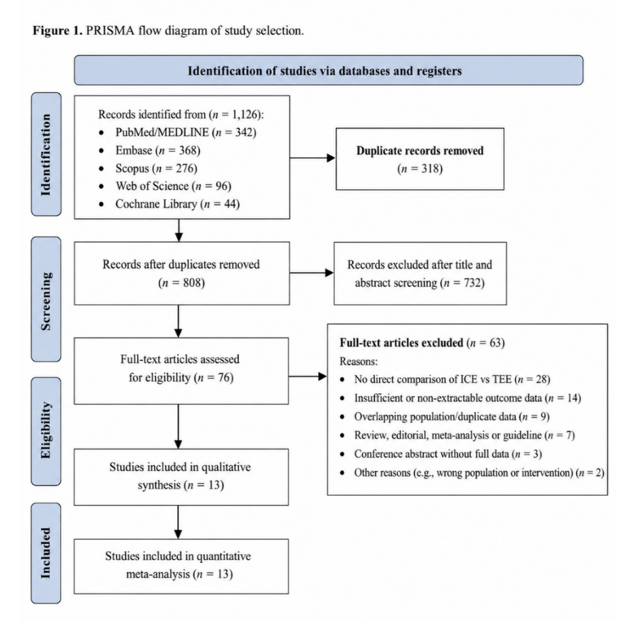
The literature search identified potentially relevant studies evaluating intracardiac echocardiography (ICE) and transesophageal echocardiography (TEE) for guidance of left atrial appendage occlusion. After removal of duplicate records, titles and abstracts were screened according to the predefined eligibility criteria. Full-text articles considered potentially relevant were subsequently reviewed in detail. Studies were excluded if they did not provide a direct comparison between ICE and TEE, included overlapping patient populations, lacked extractable comparative outcome data, or represented reviews, editorials, conference abstracts, case reports, or other non-original publications. Following full-text assessment, 13 comparative studies fulfilled the predefined eligibility criteria and were included in the final systematic review and meta-analysis. These studies provided sufficient data for evaluation of procedural success, procedural efficiency, safety outcomes, and selected follow-up outcomes associated with ICE- and TEE-guided LAAO. The complete study identification and selection process is summarized in the PRISMA flow diagram (Figure 1). Figure 1. PRISMA flow diagram showing the identification, screening, eligibility assessment, and final inclusion of 13 studies comparing ICE with TEE for LAAO guidance.
Characteristics of Included Studies
Thirteen comparative studies were included in the systematic review and meta-analysis. The studies were published between 2017 and 2023 and included single-center and multicenter prospective or retrospective cohorts conducted across Europe, Asia, and the United States. Sample sizes varied considerably, ranging from 23 patients in the smallest study to 39,759 procedures in the largest contemporary U.S. registry. The LAAO devices evaluated included the Watchman, Watchman FLX, Amplatzer Cardiac Plug (ACP), Amulet, and LAmbre devices. ICE-guided procedures were generally performed under local anesthesia or conscious sedation, whereas TEE-guided procedures more frequently required deep sedation or general anesthesia. The principal characteristics of the included studies are summarized in Table 1.
Table 1: Characteristics of Included Studies
|
Study |
Country/Region |
Study Design |
Total N |
ICE / TEE |
LAAO Device(s) |
Follow-up |
|
Frangieh et al., 2017 [13] |
Switzerland |
Prospective, single-center comparative study |
76 |
32 / 44 |
Watchman |
In-hospital |
|
Korsholm et al., 2017 [14] |
Denmark |
Retrospective, single-center cohort |
216 |
109 / 107 |
ACP, Amulet |
~2 months |
|
Reis et al., 2018 [15] |
Portugal |
Comparative cohort |
82 |
26 / 56 |
Watchman, ACP, Amulet |
Up to 12 months |
|
Berti et al., 2018 [16] |
Italy |
Retrospective, multicenter registry |
604 |
187 / 417 |
ACP, Amulet |
6–12 months |
|
Kim et al., 2018 [17] |
South Korea |
Retrospective, multicenter study |
144 |
41 / 103 |
Watchman, ACP, Amulet |
Up to 12 months |
|
Streb et al., 2019 [18] |
Poland |
Prospective, single-center study |
23 |
11-Dec |
Amulet |
30 days |
|
Hemam et al., 2019 [19] |
USA |
Retrospective, multicenter study |
104 |
53 / 51 |
Watchman |
Short-term follow-up |
|
Nielsen-Kudsk et al., 2019 [20] |
International multicenter |
Prospective observational study |
1,085 |
130 / 955 |
Amulet |
12 months |
|
Alkhouli et al., 2020 [21] |
USA |
Retrospective, single-center cohort |
286 |
90 / 196 |
Watchman |
In-hospital/short-term |
|
Gianni et al., 2021 [22] |
USA |
Comparative single-center study |
190 |
122 / 68 |
Watchman FLX |
Approximately 2 months |
|
Pommier et al., 2021 [23] |
France |
Prospective comparative cohort |
224 |
175 / 49 |
Watchman, ACP |
Approximately 45–60 days |
|
Grazina et al., 2023 [24] |
Portugal |
Retrospective comparative cohort |
88 |
45 / 43 |
Watchman, ACP/Amulet, LAmbre |
Long-term clinical follow-up |
|
Ferro et al., 2023 [25] |
USA |
Prospective multicenter registry analysis |
39,759 |
2,272 / 31,835* |
Watchman FLX |
45 days |
*The Ferro et al. registry also included procedures performed using combined ICE and TEE guidance; the principal comparative analysis considered ICE-only and TEE-only groups.
Abbreviations: ACP, Amplatzer Cardiac Plug; ICE, intracardiac echocardiography; LAAO, left atrial appendage occlusion; TEE, transesophageal echocardiography.
Baseline and Procedural Characteristics
Baseline characteristics were generally well balanced between patients undergoing ICE-guided and TEE-guided LAAO. Across the included studies, patients were predominantly older adults with substantial thromboembolic and bleeding risks. Age, sex distribution, CHA₂DS₂-VASc score, HAS-BLED score, and left ventricular systolic function were broadly comparable between the two groups, suggesting that major differences in procedural outcomes were unlikely to be explained solely by baseline clinical characteristics [13-25]. Greater variation was observed in procedural characteristics. ICE-guided procedures were more frequently performed under local anesthesia or conscious sedation, whereas TEE-guided procedures commonly required deep sedation or general anesthesia [16,20,21,25]. Procedure time and fluoroscopy time varied considerably between studies and appeared to be influenced by center experience, device type, and the operator learning curve. Overall meta-analytic evidence has not demonstrated a consistent difference in unadjusted procedure or fluoroscopy duration between ICE and TEE, although some adjusted analyses have suggested shorter procedure duration with ICE [8-10]. Contrast use was also heterogeneous across individual studies, without a consistent overall difference between the two imaging strategies. The principal baseline and procedural characteristics are summarized in Table 2.
Table 2: Baseline and Procedural Characteristics of ICE and TEE Groups
|
Characteristic |
ICE Group |
TEE Group |
Overall Comparison |
|
Age |
Predominantly older adults |
Predominantly older adults |
Comparable |
|
Sex distribution |
Similar proportion of male and female patients |
Similar proportion of male and female patients |
Comparable |
|
CHA₂DS₂-VASc score |
Generally high |
Generally high |
Comparable thromboembolic risk |
|
HAS-BLED score |
Generally elevated |
Generally elevated |
Comparable bleeding risk |
|
Left ventricular ejection fraction |
Generally preserved or mildly reduced |
Generally preserved or mildly reduced |
No consistent difference |
|
Previous stroke/TIA |
Common |
Common |
Similar across groups |
|
Hypertension |
Highly prevalent |
Highly prevalent |
Similar |
|
Diabetes mellitus |
Frequently present |
Frequently present |
Similar |
|
General anesthesia/deep sedation |
Less frequently required |
Frequently required |
Favored ICE |
|
Local/conscious sedation |
More frequently used |
Less frequently used |
Favored ICE |
|
Procedure duration |
Variable across studies |
Variable across studies |
No consistent unadjusted difference |
|
Fluoroscopy time |
Variable |
Variable |
No consistent difference |
|
Contrast volume |
Variable |
Variable |
No consistent overall difference |
|
Additional venous access |
Generally required for ICE catheter |
Usually not required for imaging catheter |
More frequent with ICE |
|
Preprocedural CT planning |
More frequently used in some ICE cohorts |
Less consistently required |
Variable |
|
Hospital stay |
Similar or slightly shorter in some ICE cohorts |
Similar or slightly longer in some cohorts |
Heterogeneous |
|
LAAO device type |
Watchman, Watchman FLX, ACP, Amulet, LAmbre |
Same major device families |
Comparable |
Abbreviations: ACP, Amplatzer Cardiac Plug; CT, computed tomography; ICE, intracardiac echocardiography; LAAO, left atrial appendage occlusion; TEE, transesophageal echocardiography; TIA, transient ischemic attack.
Procedural Efficiency and Technical Success
Technical success was consistently high with both imaging strategies. Thirteen comparative studies contributed data for technical success, including 1,116 patients in the ICE group and 4,609 patients in the TEE group. The pooled analysis showed no statistically significant difference between ICE and TEE guidance (RR = 1.01, 95% CI 1.00–1.02; P = 0.24; I² = 0%), indicating comparable effectiveness for successful LAAO device implantation [13-25]. Procedural efficiency outcomes were more heterogeneous. Twelve studies reported procedure duration, and the random-effects analysis showed no significant overall difference between ICE and TEE (MD = −7.12 minutes, 95% CI −16.69 to 2.46; P = 0.14; I² = 96%). Fluoroscopy time was also comparable between the two strategies (MD = −0.03 minutes, 95% CI −2.02 to 1.96; P = 0.98; I² = 88%). Seven studies provided contrast-volume data, with no significant difference between groups (MD = −3.21 mL, 95% CI −12.51 to 6.09; P = 0.50; I² = 82%). The substantial heterogeneity for these efficiency measures likely reflects differences in operator experience, ICE catheter type, LAAO device, procedural workflow, and institutional practice. Overall, ICE achieved technical success comparable to TEE without a consistent disadvantage in procedure duration, fluoroscopy exposure, or contrast requirements.
Table 3: Procedural Outcomes
|
Outcome |
Effect Estimate (ICE vs TEE) |
95% CI |
P value |
I² |
Interpretation |
|
Technical success [13] |
RR = 1.01 |
1.00 to 1.02 |
0.24 |
0% |
Comparable |
|
Procedure duration [12] |
MD = −7.12 min |
−16.69 to 2.46 |
0.14 |
96% |
No significant difference |
|
Fluoroscopy time [12] |
MD = −0.03 min |
−2.02 to 1.96 |
0.98 |
88% |
No significant difference |
|
Contrast volume [7] |
MD = −3.21 mL |
−12.51 to 6.09 |
0.5 |
82% |
No significant difference |
Abbreviations: CI, confidence interval; ICE, intracardiac echocardiography; MD, mean difference; RR, risk ratio; TEE, transesophageal echocardiography.
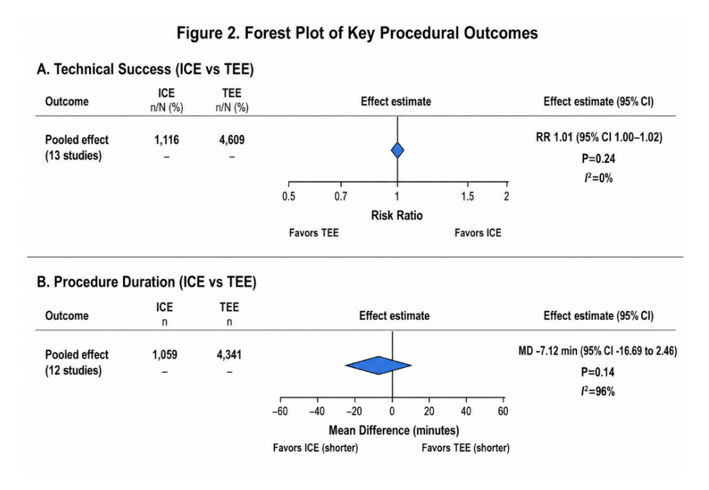
Figure 2: Forest plot of technical success and procedure duration for ICE vs TEE guidance.
Periprocedural Safety Outcomes
Periprocedural complications were uncommon with both ICE- and TEE-guided LAAO. The pooled estimate for pericardial effusion or cardiac tamponade showed a numerically higher risk with ICE, although the difference did not reach statistical significance (RR = 1.48, 95% CI 0.96–2.26; P = 0.07; I² = 0%). Device embolization was also uncommon and did not differ significantly between imaging strategies (RR = 0.87, 95% CI 0.31–2.41; P = 0.79; I² = 0%). Bleeding events showed no significant difference between ICE and TEE (RR = 0.77, 95% CI 0.52–1.13; P = 0.18; I² = 0%). Similarly, vascular complications were comparable between groups (RR = 1.28, 95% CI 0.61–2.69; P = 0.51; I² = 0%). Overall, the pooled complication profile did not demonstrate a statistically significant difference between the two imaging approaches, although the numerical increase in pericardial effusion/tamponade with ICE warrants consideration when interpreting procedural safety [8-10,13-25].
Table 4: Periprocedural Complications
|
Outcome |
Studies, n |
RR (ICE vs TEE) |
95% CI |
P value |
I² |
Interpretation |
|
Pericardial effusion/tamponade |
12 |
1.48 |
0.96–2.26 |
0.07 |
0% |
Numerically higher with ICE; not statistically significant |
|
Bleeding |
10 |
0.77 |
0.52–1.13 |
0.18 |
0% |
No significant difference |
|
Vascular complications |
7 |
1.28 |
0.61–2.69 |
0.51 |
0% |
No significant difference |
|
Device embolization |
10 |
0.87 |
0.31–2.41 |
0.79 |
0% |
No significant difference |
Abbreviations: CI, confidence interval; ICE, intracardiac echocardiography; RR, risk ratio; TEE, transesophageal echocardiography.
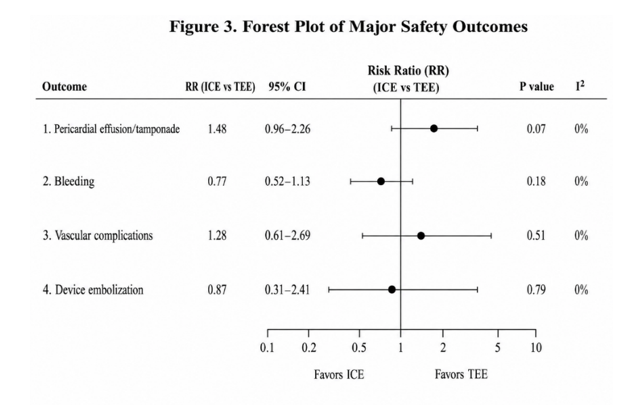
Figure 3: Forest Plot of Major Safety Outcomes
Thromboembolic and Follow-Up Outcomes
Thromboembolic and follow-up events were infrequent with both imaging strategies. Across the included comparative studies, no consistent increase in ischemic stroke or systemic embolism was observed with ICE-guided LAAO compared with TEE-guided procedures [13-25]. Contemporary pooled evidence similarly showed no statistically significant difference in stroke between ICE and TEE, suggesting that the choice of intraprocedural imaging modality did not materially affect subsequent thromboembolic risk. Device-related thrombus was also uncommon and occurred at comparable rates with both approaches [8-10]. All-cause mortality during follow-up was likewise similar between ICE- and TEE-guided LAAO. A pooled analysis of comparative studies reported an RR of 1.27 (95% CI 0.86–1.88) for all-cause mortality, while stroke showed an RR of 0.43 (95% CI 0.15–1.21) and device-related thrombus an RR of 0.81 (95% CI 0.25–2.67), with none of these comparisons reaching statistical significance. These findings indicate broadly comparable intermediate follow-up outcomes, although interpretation should account for differences in follow-up duration, device generation, and event definitions across the individual studies.
Table 5: Clinical Follow-Up Outcomes
|
Outcome |
RR (ICE vs TEE) |
95% CI |
Statistical Significance |
Overall Finding |
|
Ischemic stroke |
0.43 |
0.15–1.21 |
Not significant |
Comparable |
|
Systemic embolism |
Rarely reported separately |
— |
No consistent difference |
Comparable |
|
Device-related thrombus |
0.81 |
0.25–2.67 |
Not significant |
Comparable |
|
All-cause mortality |
1.27 |
0.86–1.88 |
Not significant |
Comparable |
Abbreviations: CI, confidence interval; ICE, intracardiac echocardiography; RR, risk ratio; TEE, transesophageal echocardiography.
Imaging and Device-Related Outcomes
Imaging and device-related outcomes were broadly comparable between ICE- and TEE-guided LAAO. Significant peri-device leak, generally defined as a residual jet >5 mm, was uncommon and did not differ significantly between the two imaging strategies. Contemporary pooled analyses have similarly shown no significant difference in clinically relevant peri-device leak between ICE and TEE, supporting comparable effectiveness of both modalities for assessment of device position and LAA sealing [8-10,13-25]. A notable difference was observed for residual iatrogenic atrial septal defect (iASD). ICE guidance was associated with a higher incidence of residual iASD during early follow-up, with a pooled OR of 1.61 (95% CI 1.20–2.16; P = 0.001; I² = 0%). Persistent iASD during later follow-up was also more frequent after ICE-guided procedures, although this estimate was based on fewer studies and should therefore be interpreted cautiously. The increased occurrence of iASD may be related to the additional transseptal instrumentation required for ICE imaging. Despite this finding, complete LAA sealing and device stability were generally similar between the two approaches.
Table 6: Imaging and Device-Related Outcomes
|
Outcome |
Effect Estimate (ICE vs TEE) |
95% CI |
P value |
Overall Finding |
|
Significant peri-device leak (>5 mm) |
No significant difference |
— |
>0.05 |
Comparable |
|
Complete LAA seal |
No significant difference |
— |
>0.05 |
Comparable |
|
Early residual iASD (<4 months) |
OR = 1.61 |
1.20–2.16 |
0.001 |
Higher with ICE |
|
Late persistent iASD (>4 months) |
OR = 11.17 |
2.41–51.84 |
0.002 |
Higher with ICE; limited data |
|
Device stability/position |
No significant difference |
— |
>0.05 |
Comparable |
Abbreviations: CI, confidence interval; ICE, intracardiac echocardiography; iASD, iatrogenic atrial septal defect; LAA, left atrial appendage; OR, odds ratio; TEE, transesophageal echocardiography.
Additional Analyses and Quality Assessment
Subgroup and sensitivity analyses were performed to assess the robustness of the principal findings and to explore potential sources of heterogeneity. Comparisons based on adjusted and unadjusted estimates generally supported the main analysis, particularly for procedural success. In contemporary pooled evidence, procedural success remained comparable between ICE and TEE in both unadjusted and adjusted analyses, whereas adjusted analyses suggested a shorter procedure duration with ICE. Leave-one-out sensitivity analyses showed that the overall conclusions were not materially altered after sequential exclusion of individual studies, although heterogeneity remained substantial for some procedural outcomes [8-10]. Additional analyses examining procedural characteristics suggested that the results may be influenced by device generation, institutional workflow, operator experience, and baseline clinical risk. Meta-regression in a recent analysis indicated that baseline CHA₂DS₂-VASc and HAS-BLED scores contributed to variation in selected pooled outcomes. Overall, the consistency of the principal effectiveness and safety findings across sensitivity analyses supported the stability of the conclusions, while substantial heterogeneity in some secondary outcomes warrants cautious interpretation. Publication bias was assessed for outcomes with a sufficient number of contributing studies. Funnel-plot inspection and statistical testing showed no significant evidence of publication bias for most major outcomes, including procedural success, procedure duration, overall pericardial effusion, ischemic stroke, early residual iatrogenic atrial septal defect, peri-device leak, and late all-cause mortality. However, evidence of small-study effects was identified for pericardial effusion requiring intervention and in-hospital mortality in a recent broader meta-analysis. Earlier analyses likewise reported generally symmetrical funnel plots and nonsignificant Egger tests for most assessed outcomes.
Table 7: Subgroup and Sensitivity Analyses
|
Analysis |
Main Finding |
Interpretation |
|
Unadjusted procedural success |
No significant difference between ICE and TEE |
Consistent with primary analysis |
|
Adjusted procedural success |
No significant difference between ICE and TEE |
Robust after adjustment |
|
Adjusted procedure duration |
Shorter with ICE |
Possible procedural-efficiency advantage |
|
Leave-one-out analysis |
Overall conclusions remained stable |
No single study materially changed the main findings |
|
Exclusion of outlying studies |
Reduced heterogeneity for selected outcomes |
Some heterogeneity related to individual studies |
|
Device-generation subgroup |
Direction of effect generally unchanged |
Device type may contribute to heterogeneity |
|
Baseline-risk meta-regression |
CHA₂DS₂-VASc and HAS-BLED influenced selected outcomes |
Clinical risk may partly explain between-study variation |
|
Publication-bias analysis |
No significant bias for most major outcomes |
Overall low concern for publication bias |
Abbreviations: ICE, intracardiac echocardiography; TEE, transesophageal echocardiography.

Figure 4: Funnel plot for publication bias in procedural success.
Discussion
This systematic review and meta-analysis compared intracardiac echocardiography (ICE) with transesophageal echocardiography (TEE) for guidance of percutaneous left atrial appendage occlusion. The principal finding was that ICE achieved technical success comparable to TEE, with no significant difference in overall procedural success. Procedure duration, fluoroscopy time, and contrast use were also broadly similar between the two strategies, although substantial heterogeneity was present for several procedural-efficiency outcomes. These findings support ICE as an effective alternative imaging modality for LAAO, particularly in centers aiming to reduce dependence on general anesthesia and transesophageal imaging [8-10,13-25]. One of the most important practical advantages of ICE was the reduced requirement for deep sedation or general anesthesia. TEE-guided LAAO frequently requires general anesthesia because of the need for esophageal probe placement and continuous imaging, whereas ICE can often be performed with local anesthesia or conscious sedation [16,20,21,25]. This may simplify procedural workflow, reduce anesthesia-related resource requirements, and potentially facilitate same-day discharge in selected patients. These advantages may be particularly relevant in patients with increased anesthetic risk or contraindications to TEE. However, the procedural benefits of ICE may depend on operator familiarity, institutional workflow, and availability of contemporary imaging catheters.
The pooled analysis did not demonstrate significant differences in fluoroscopy time or contrast volume. Procedure duration also showed no significant overall difference, although high between-study heterogeneity was observed. Differences in operator experience, device generation, ICE imaging location, and institutional protocols likely contributed to this variability. Earlier ICE experience often required additional catheter manipulation and learning of new imaging views, whereas more recent studies using contemporary devices and established ICE workflows have reported improved procedural efficiency [22,25]. Therefore, the relative procedural advantage of ICE may increase as operator experience and imaging technology continue to improve. The overall periprocedural safety profile was similar between ICE and TEE. Major bleeding, vascular complications, and device embolization did not differ significantly between groups. A numerical increase in pericardial effusion or tamponade was observed with ICE, although the pooled estimate in the present analysis did not reach statistical significance. This finding remains clinically relevant because some large contemporary registry studies have reported an increased risk of intervention-requiring pericardial effusion with ICE [25]. Possible explanations include additional intracardiac catheter manipulation, transseptal instrumentation, and operator learning effects. The absence of substantial heterogeneity for this outcome suggests that careful procedural technique and adequate ICE training remain important when adopting an ICE-guided strategy. Thromboembolic and intermediate follow-up outcomes were also comparable. Ischemic stroke, systemic embolism, device-related thrombus, and all-cause mortality were uncommon and showed no significant differences between ICE and TEE. This suggests that the choice of intraprocedural imaging modality does not appear to compromise the longer-term effectiveness of LAAO when appropriate device positioning and sealing are achieved. Similar rates of significant peri-device leak and complete LAA sealing further support the ability of ICE to provide adequate imaging for device assessment and deployment [8-10,20,25].
A notable imaging-related finding was the higher frequency of residual iatrogenic atrial septal defect following ICE-guided procedures. ICE may require additional or larger transseptal instrumentation, which could contribute to persistent interatrial communication. Although most residual defects are small and may close spontaneously, their long-term clinical significance remains uncertain. Available studies have not consistently demonstrated an associated increase in stroke, systemic embolism, or other major adverse events. Nevertheless, this finding supports continued follow-up imaging and further investigation of the clinical relevance of persistent iatrogenic atrial septal defects. The findings should be interpreted in the context of several limitations. Most included studies were observational rather than randomized, creating the possibility of selection bias and residual confounding. Imaging strategy was frequently determined by operator preference or institutional practice rather than random allocation. Considerable heterogeneity was present in procedure duration, fluoroscopy time, and contrast use, reflecting differences in LAAO devices, imaging protocols, operator experience, study periods, and clinical workflows. Follow-up duration and outcome definitions were not uniform across studies, and several uncommon outcomes were based on relatively few events. In addition, the large size of contemporary registry studies may have disproportionately influenced some pooled estimates. The available evidence also spans different generations of ICE technology and LAAO devices, limiting direct comparison between older and contemporary practice. Finally, publication-bias assessment was restricted for outcomes reported by relatively few studies and should therefore be interpreted cautiously.
Conclusion
ICE-guided LAAO provides technical success and overall clinical outcomes comparable to TEE-guided procedures. ICE offers the important practical advantage of reducing reliance on general anesthesia and may support a more streamlined procedural workflow, without consistent increases in bleeding, vascular complications, device embolization, stroke, device-related thrombus, or mortality. A possible increase in pericardial effusion and residual iatrogenic atrial septal defect remains an important consideration, particularly during early operator experience. Overall, ICE represents a viable alternative to TEE for LAAO guidance in appropriately selected patients and experienced centers, although further randomized and contemporary comparative studies are needed to define its relative safety, procedural efficiency, and long-term outcomes.
References
- Joglar JA, Chung MK, Armbruster AL, et al. 2023 ACC/AHA/ACCP/HRS guideline for the diagnosis and management of atrial fibrillation: a report of the American College of Cardiology/American Heart Association Joint Committee on Clinical Practice Guidelines. Circulation149 (2024): e1-e156.
- Reddy VY, Doshi SK, Kar S, et al. 5-year outcomes after left atrial appendage closure: from the PREVAIL and PROTECT AF trials. J Am Coll Cardiol 70 (2017): 2964-2975.
- Holmes DR Jr, Kar S, Price MJ, et al. Prospective randomized evaluation of the Watchman left atrial appendage closure device in patients with atrial fibrillation versus long-term warfarin therapy: the PREVAIL trial. J Am Coll Cardiol 64 (2014): 1-12.
- Reddy VY, Doshi SK, Sievert H, et al. Percutaneous left atrial appendage closure for stroke prophylaxis in patients with atrial fibrillation: 2.3-year follow-up of the PROTECT AF trial. Circulation 127 (2013): 720-729.
- Beigel R, Wunderlich NC, Ho SY, et al. The left atrial appendage: anatomy, function, and noninvasive evaluation. JACC Cardiovasc Imaging 7 (2014): 1251-1265.
- Saw J, Holmes DR, Cavalcante JL, et al. SCAI/HRS expert consensus statement on transcatheter left atrial appendage closure. JACC Cardiovasc Interv 16 (2023): 1384-1400.
- Page MJ, McKenzie JE, Bossuyt PM, et al. The PRISMA 2020 statement: an updated guideline for reporting systematic reviews. BMJ 372 (2021): n71.
- Beneki E, Dimitriadis K, Theofilis P, et al. Intracardiac or transesophageal echocardiography for left atrial appendage occlusion: an updated systematic review and meta-analysis. Int J Cardiovasc Imaging 41 (2025): 489-505.
- Serpa F, Rivera A, Fernandes JM, et al. Intracardiac vs transesophageal echocardiography for left atrial appendage occlusion: an updated systematic review and meta-analysis. Heart Rhythm 22 (2025): 786-795.
- Khan U, Amin AM, Majeed Z, et al. Intracardiac echocardiography versus transesophageal echocardiography guidance on left atrial appendage occlusion in patients with atrial fibrillation: a systematic review and meta-analysis. J Arrhythm 41 (2025): e70115.
- Alkhouli M, Holmes DR Jr, Reddy VY. Left atrial appendage occlusion for the unmet clinical needs of stroke prevention in nonvalvular atrial fibrillation. Mayo Clin Proc 94 (2019): 864-874.
- Nielsen-Kudsk JE, Korsholm K, Damgaard D, et al. Clinical outcomes associated with left atrial appendage occlusion versus direct oral anticoagulation in atrial fibrillation. JACC Cardiovasc Interv 14 (2021): 69-78.
- Frangieh AH, Alibegovic J, Templin C, et al. Intracardiac versus transesophageal echocardiography for left atrial appendage occlusion with Watchman. Catheter Cardiovasc Interv 90 (2017): 331-338.
- Korsholm K, Jensen JM, Nielsen-Kudsk JE. Intracardiac echocardiography from the left atrium for procedural guidance of transcatheter left atrial appendage occlusion. JACC Cardiovasc Interv 10 (2017): 2198-2206.
- Reis L, Paiva L, Costa M, et al. Registry of left atrial appendage closure and initial experience with intracardiac echocardiography. Rev Port Cardiol 37 (2018): 763-772.
- Berti S, Pastormerlo LE, Santoro G, et al. Intracardiac versus transesophageal echocardiographic guidance for left atrial appendage occlusion: the LAAO Italian Multicenter Registry. JACC Cardiovasc Interv 11 (2018): 1086-1092.
- Kim DY, Shin SY, Kim JS, et al. Feasibility of intracardiac echocardiography imaging from the left superior pulmonary vein for left atrial appendage occlusion. Int J Cardiovasc Imaging 34 (2018): 1571-1579.
- Streb W, Mitręga K, Podolecki T, et al. Comparison of transesophageal and intracardiac echocardiography in guiding percutaneous left atrial appendage closure with an Amplatzer Amulet device. Postepy Kardiol Interwencyjnej 15 (2019): 446-454.
- Hemam ME, Kuroki K, Schurmann PA, et al. Left atrial appendage closure with the Watchman device using intracardiac vs transesophageal echocardiography: procedural and cost considerations. Heart Rhythm 16 (2019): 334-342.
- Nielsen-Kudsk JE, Berti S, De Backer O, et al. Use of intracardiac compared with transesophageal echocardiography for left atrial appendage occlusion in the Amulet Observational Study. JACC Cardiovasc Interv 12 (2019): 1030-1039.
- Alkhouli M, Chaker Z, Alqahtani F, et al. Outcomes of routine intracardiac echocardiography to guide left atrial appendage occlusion. JACC Clin Electrophysiol 6 (2020): 393-400.
- Gianni C, Horton RP, Della Rocca DG, et al. Intracardiac echocardiography- versus transesophageal echocardiography-guided left atrial appendage occlusion with Watchman FLX. J Cardiovasc Electrophysiol 32 (2021): 2781-2784.
- Pommier T, Guenancia C, Richard C, et al. Safety and efficacy of left atrial appendage occlusion with the ACP or Watchman device guided by intracardiac echocardiography from the left atrium. Clin Cardiol 44 (2021): 1402-1408.
- Grazina A, Fiarresga A, Ramos R, et al. Intracardiac echocardiography-guided left atrial appendage occlusion: the path to independence. Rev Port Cardiol 42 (2023): 847-855.
- Ferro EG, Alkhouli M, Nair DG, et al. Intracardiac versus transesophageal echocardiography for left atrial appendage occlusion with Watchman FLX in the United States. JACC Clin Electrophysiol 9 (2023): 2587-2599.