Mahadie Hasan Jahad1, Nafisa Tasnim2, Hanu Kamal Hossain3, Tasnia Mahmud Nisha4, Tasfia Nujhat Farin5, Md Saif6, Rubya Islam7, Sa'dia Tasnim8*
1Department of Pharmacy, Daffodil International University, Dhaka , Bangladesh
2Department of Genetic Engineering and Biotechnology, University of Chittagong, Bangladesh
3Faculty of Medical Studies; Bangladesh University of Professionals, Bangladesh
4Department of Microbiology, Brac University, Dhaka, Bangladesh
5Pioneer Dental College and Hospital affiliated with University of Dhaka, Bangladesh
6Department of Pharmacy, Independent University Bangladesh, Dhaka, Bangladesh
7Department of Community Medicine, Rangpur Medical College Hospital, Rangpur, Bangladesh
8Department of Immunology, Bangladesh University of Health Sciences, Dhaka, Bangladesh
Corresponding Author: Dr. Sa'dia Tasnim, Senior Lecturer, Department of Immunology, Bangladesh University of Health Sciences (BUHS), Dhaka, Bangladesh
Received: 14 September 2026; Accepted: 19 September 2026; Published: 21 September 2026
Background: Non-alcoholic fatty liver disease (NAFLD) has emerged as one of the leading causes of chronic liver disease worldwide, largely driven by increasing rates of obesity, diabetes, and sedentary lifestyles. Despite its growing public health burden, awareness regarding NAFLD among the general population in Bangladesh remains limited.
Objective: To assess the knowledge, attitudes, and practices (KAP) regarding non-alcoholic fatty liver disease among adults in Dhaka, Bangladesh, and to identify factors associated with good knowledge and preventive practices.
Methods: A community-based cross-sectional study was conducted in Dhaka, Bangladesh, between January and April 2026. A total of 240 adults aged 18 years and above were recruited using convenience sampling, including 128 (53.3%) males and 112 (46.7%) females. Data were collected using a structured, pre-tested questionnaire covering socio-demographic characteristics and KAP related to NAFLD. Knowledge, attitude, and practice scores were categorized using predefined criteria. Data were analyzed using IBM SPSS Statistics version 26. Descriptive statistics, Chi-square test, Spearman's correlation, and multivariable logistic regression were performed. A p-value <0.05 was considered statistically significant.
Results: The mean age of the participants was 35.2 ± 11.1 years. Overall, 82.1% had heard of NAFLD, while 74.6% correctly identified obesity as a major risk factor and 69.2% recognized diabetes as an important contributor. The mean knowledge score was 14.9 ± 3.5, with 27.5% demonstrating good knowledge, 54.2% moderate knowledge, and 18.3% poor knowledge. A positive attitude toward NAFLD prevention was observed in 72.9% of participants, whereas only 24.6% demonstrated good preventive practices. Regular physical activity was reported by 40.4%, healthy dietary habits by 48.8%, and routine health check-ups by 35.8% of respondents. Participants with graduate-level or higher education were significantly more likely to have good knowledge than those with lower educational attainment (42.3% vs. 19.6%, p < 0.001). Knowledge scores were positively correlated with practice scores (r = 0.49, p < 0.001) and attitude scores (r = 0.43, p < 0.001). Multivariable logistic regression showed that higher education (AOR = 2.58, 95% CI: 1.42–4.70, p = 0.002) and previous awareness of NAFLD (AOR = 2.11, 95% CI: 1.18–3.78, p = 0.012) were independently associated with good knowledge, while good knowledge (AOR = 3.21, 95% CI: 1.76–5.86, p < 0.001) and a positive attitude (AOR = 2.36, 95% CI: 1.29–4.33, p = 0.005) were significant predictors of good preventive practices.
Conclusion: Although awareness and attitudes toward NAFLD were generally favorable, preventive practices remained suboptimal. Improved knowledge was significantly associated with healthier behaviors, highlighting the need for targeted health education and community-based awareness programs to reduce the burden of NAFLD in Bangladesh.
NAFLD; KAP; Community-based study; Risk factors; Bangladesh
NAFLD articles; KAP articles; Community-based study articles; Risk factors articles; Bangladesh articles
Introduction
Non-alcoholic fatty liver disease (NAFLD) has emerged as one of the most common chronic liver diseases worldwide and represents a major and growing public health concern. It is characterized by excessive accumulation of fat in the liver in individuals with little or no significant alcohol consumption [1]. The clinical spectrum of NAFLD ranges from simple hepatic steatosis to non-alcoholic steatohepatitis (NASH), progressive liver fibrosis, cirrhosis, and hepatocellular carcinoma. In addition to liver-related complications, NAFLD is strongly associated with metabolic disorders, particularly obesity, type 2 diabetes mellitus, dyslipidemia, hypertension, and metabolic syndrome [2,3]. The increasing prevalence of these conditions, together with changes in dietary patterns and declining levels of physical activity, has contributed substantially to the global rise of NAFLD. The burden of NAFLD has increased considerably over the past few decades, particularly in low- and middle-income countries undergoing rapid urbanization and socioeconomic transition. Changes in lifestyle, including increased consumption of energy-dense and processed foods, sedentary behavior, prolonged screen time, and inadequate physical activity, have created an environment conducive to metabolic dysfunction and hepatic fat accumulation [4]. Importantly, NAFLD may remain asymptomatic for many years, and affected individuals are often unaware of their condition until it is incidentally detected or complications develop. This silent progression makes early awareness, prevention, and identification of modifiable risk factors particularly important [5]. Lifestyle modification remains the cornerstone of NAFLD prevention and management. Weight reduction, regular physical activity, balanced dietary intake, avoidance of excessive caloric consumption, and appropriate management of diabetes and other metabolic risk factors can substantially reduce hepatic fat accumulation and the risk of disease progression [6]. However, the effectiveness of preventive strategies depends not only on the availability of healthcare services but also on individuals' knowledge of the disease, perceptions of its seriousness and preventability, and adoption of appropriate health-related behaviors. Therefore, assessing knowledge, attitudes, and practices (KAP) can provide important insight into gaps between awareness and actual preventive behavior [7]. Despite the increasing global burden of NAFLD, public awareness of the disease remains inadequate in many populations. Previous studies conducted in different countries have demonstrated substantial gaps in people's understanding of NAFLD, including its risk factors, clinical consequences, prevention, and relationship with obesity and diabetes. Furthermore, awareness does not necessarily translate into appropriate preventive practices [8]. Individuals may recognize obesity and unhealthy diet as risk factors while still maintaining sedentary lifestyles or unhealthy dietary habits. Understanding these gaps is essential for developing effective health education and community-based interventions [9]. Bangladesh is experiencing a rapid epidemiological and lifestyle transition, accompanied by increasing urbanization, sedentary behavior, unhealthy dietary patterns, obesity, diabetes, and other metabolic disorders. These changes may contribute to a growing burden of metabolic dysfunction-associated liver disease, including NAFLD. However, compared with infectious diseases and other major public health problems, relatively limited attention has been given to public awareness and preventive behaviors related to fatty liver disease in Bangladesh. Evidence regarding the level of knowledge, attitudes, and practices concerning NAFLD among the general adult population, particularly within urban communities, remains limited. Identifying educational and behavioral gaps could help inform targeted health promotion strategies and strengthen preventive approaches at the community level [10]. Therefore, the present study was conducted to assess the knowledge, attitudes, and practices regarding NAFLD among adults in Dhaka, Bangladesh, and to identify sociodemographic and awareness-related factors associated with good knowledge and preventive practices.
Methods
A community-based cross-sectional study was conducted among adults aged ≥18 years in Dhaka, Bangladesh, from January to April 2026 to assess knowledge, attitudes, and practices (KAP) regarding non-alcoholic fatty liver disease (NAFLD). A total of 240 participants were recruited using convenience sampling, including 128 (53.3%) males and 112 (46.7%) females. Participants were approached and interviewed in different areas and hospital settings in Dhaka during the study period. The purpose of the study was explained to participants before the interview, and those willing to participate were included. Data were collected through face-to-face interviews using a structured and pre-tested questionnaire developed based on relevant literature and the objectives of the study. The questionnaire included socio-demographic characteristics and questions assessing knowledge, attitudes, and practices related to NAFLD. The knowledge domain covered awareness of NAFLD, major risk factors, its association with obesity and diabetes, complications, prevention, and early detection. The attitude domain assessed perceptions regarding disease severity, preventability, lifestyle modification, and health assessment, while the practice domain focused on physical activity, dietary habits, weight management, and routine health check-ups. The questionnaire was pre-tested before the main survey, and necessary modifications were made for clarity and consistency. Knowledge, attitude, and practice scores were calculated based on predefined scoring criteria and categorized according to established cut-off values. Data were coded and analyzed using IBM SPSS Statistics version 26. Descriptive statistics were used to summarize the data, while the Chi-square test was applied to assess associations between categorical variables. Spearman’s rank correlation was used to examine relationships among knowledge, attitude, and practice scores. Multivariable logistic regression was performed to identify factors independently associated with good knowledge and good preventive practices, with adjusted odds ratios (AORs) and 95% confidence intervals (CIs). A p-value <0.05 was considered statistically significant.
Results
A total of 240 adults participated in the study. The mean age of the participants was 35.2 ± 11.1 years. Among them, 128 (53.3%) were male and 112 (46.7%) were female. The largest proportion of participants belonged to the 30–39-year age group (32.1%), followed by 18–29 years (30.8%), 40–49 years (21.3%), and ≥50 years (15.8%). Regarding educational attainment, 113 (47.1%) participants had graduate-level or higher education, while 52 (21.7%) had secondary and 48 (20.0%) had higher-secondary education. The most common occupational group was government/private service (30.0%), followed by students (17.9%), homemakers (18.3%), businesspersons (16.3%), and other occupations (17.5%). Overall, 197 (82.1%) participants reported that they had previously heard of NAFLD (Table 1).
Table 1: Sociodemographic characteristics of the participants (N = 240).
|
Characteristics |
Category |
n (%) |
|
Age group (years) |
18–29 |
74 (30.8) |
|
30–39 |
77 (32.1) |
|
|
40–49 |
51 (21.3) |
|
|
≥50 |
38 (15.8) |
|
|
Sex |
Male |
128 (53.3) |
|
Female |
112 (46.7) |
|
|
Education |
Primary or below |
27 (11.3) |
|
Secondary |
52 (21.7) |
|
|
Higher secondary |
48 (20.0) |
|
|
Graduate or above |
113 (47.1) |
|
|
Occupation |
Government/private service |
72 (30.0) |
|
Business |
39 (16.3) |
|
|
Student |
43 (17.9) |
|
|
Homemaker |
44 (18.3) |
|
|
Other |
42 (17.5) |
|
|
Previous awareness of NAFLD |
Yes |
197 (82.1) |
|
No |
43 (17.9) |
|
|
Mean age ± SD: |
35.2 ± 11.1 years |
|
The participants demonstrated varying levels of knowledge regarding NAFLD (Table 2). Overall, 197 (82.1%) participants had heard of NAFLD. Obesity was correctly identified as a major risk factor by 179 (74.6%) participants, while 166 (69.2%) recognized diabetes as an important contributor. Furthermore, 173 (72.1%) participants identified unhealthy diet as a potential risk factor, and 161 (67.1%) recognized physical inactivity as a contributor to NAFLD. Knowledge regarding the asymptomatic nature of the disease was comparatively lower, with 129 (53.8%) participants recognizing that NAFLD may occur with few or no symptoms. Similarly, 137 (57.1%) were aware that NAFLD could progress to serious liver disease. Preventive knowledge was relatively better, with 181 (75.4%) recognizing the importance of weight reduction and 176 (73.3%) identifying regular exercise as a preventive measure. The mean knowledge score was 14.9 ± 3.5. Based on the predefined scoring criteria, 66 (27.5%) participants demonstrated good knowledge, 130 (54.2%) had moderate knowledge, and 44 (18.3%) had poor knowledge (Table 2).
Table 2: Knowledge regarding NAFLD among participants (N = 240).
|
Knowledge items |
Correct n (%) |
Incorrect/Don't know n (%) |
|
Had heard of NAFLD |
197 (82.1) |
43 (17.9) |
|
Obesity is a major risk factor |
179 (74.6) |
61 (25.4) |
|
Diabetes is an important contributor |
166 (69.2) |
74 (30.8) |
|
Unhealthy diet can increase NAFLD risk |
173 (72.1) |
67 (27.9) |
|
Physical inactivity can contribute to NAFLD |
161 (67.1) |
79 (32.9) |
|
NAFLD can occur with few or no symptoms |
129 (53.8) |
111 (46.2) |
|
NAFLD may progress to serious liver disease |
137 (57.1) |
103 (42.9) |
|
Weight reduction can help prevent NAFLD |
181 (75.4) |
59 (24.6) |
|
Regular exercise can reduce NAFLD risk |
176 (73.3) |
64 (26.7) |
|
Diabetes control is important for prevention |
169 (70.4) |
71 (29.6) |
Overall attitudes toward NAFLD prevention were relatively favorable (Table 3). A total of 184 (76.7%) participants considered NAFLD a serious health problem, while 191 (79.6%) believed that the disease could be prevented through lifestyle modification. The importance of maintaining a healthy body weight was recognized by 201 (83.8%) participants, and 194 (80.8%) agreed that regular physical activity was important for prevention. Similarly, 198 (82.5%) participants believed that a healthy diet could reduce the risk of NAFLD. Regular health check-ups were considered important by 177 (73.8%) participants, while 171 (71.3%) expressed willingness to change unhealthy lifestyle habits. Overall, 175 (72.9%) participants demonstrated a positive attitude toward NAFLD prevention (Table 3).
Table 3: Attitudes toward NAFLD prevention (N = 240).
|
Attitude statement |
Agree n (%) |
Neutral n (%) |
Disagree n (%) |
|
NAFLD is a serious health problem |
184 (76.7) |
35 (14.6) |
21 (8.8) |
|
NAFLD can be prevented through lifestyle modification |
191 (79.6) |
29 (12.1) |
20 (8.3) |
|
Maintaining a healthy body weight is important |
201 (83.8) |
25 (10.4) |
14 (5.8) |
|
Regular physical activity is important for prevention |
194 (80.8) |
28 (11.7) |
18 (7.5) |
|
Healthy diet can reduce the risk of NAFLD |
198 (82.5) |
26 (10.8) |
16 (6.7) |
|
Regular health check-ups are important |
177 (73.8) |
39 (16.3) |
24 (10.0) |
|
I am willing to change unhealthy lifestyle habits |
171 (71.3) |
42 (17.5) |
27 (11.3) |
Despite relatively favorable attitudes, preventive practices were considerably lower among the participants (Table 4). Regular physical activity was reported by only 97 (40.4%) participants, while 117 (48.8%) reported following healthy dietary habits. Regular consumption of fruits and vegetables was reported by 126 (52.5%), whereas only 109 (45.4%) reported limiting sugary or processed foods. Appropriate weight-management practices were reported by 101 (42.1%) participants. Routine health check-ups were practiced by only 86 (35.8%) participants, and 92 (38.3%) reported taking measures to avoid prolonged sedentary behavior. Overall, only 59 (24.6%) participants demonstrated good preventive practices, whereas 181 (75.4%) had poor preventive practices (Table 4).
Table 4: Preventive practices regarding NAFLD (N = 240).
|
Preventive practice |
Yes/Good practice n (%) |
No/Poor practice n (%) |
|
Regular physical activity |
97 (40.4) |
143 (59.6) |
|
Healthy dietary habits |
117 (48.8) |
123 (51.3) |
|
Regular consumption of fruits and vegetables |
126 (52.5) |
114 (47.5) |
|
Limiting sugary/processed foods |
109 (45.4) |
131 (54.6) |
|
Weight management |
101 (42.1) |
139 (57.9) |
|
Routine health check-ups |
86 (35.8) |
154 (64.2) |
|
Avoiding prolonged sedentary behavior |
92 (38.3) |
148 (61.7) |
The association between participant characteristics and knowledge level is presented in Table 5. Good knowledge was observed in 31 (24.2%) males and 35 (31.3%) females, with no statistically significant association between sex and knowledge level (p = 0.081). Educational attainment showed a strong association with knowledge. Good knowledge was observed among 25 (19.6%) participants with below-graduate education compared with 41 (36.3%) among those with graduate-level or higher education (p < 0.001). Participants aged 18–29 years had the highest proportion of good knowledge (32.4%), whereas the proportion was lowest among those aged ≥50 years (18.4%), although the association was not statistically significant (p = 0.094). Previous awareness of NAFLD was also significantly associated with knowledge level; good knowledge was observed in 61 (31.0%) participants who had previously heard of NAFLD compared with 5 (11.6%) among those without previous awareness (p = 0.006) (Table 5).
Table 5: Association between selected characteristics and good knowledge regarding NAFLD.
|
Variable |
Good knowledge n (%) |
Moderate/Poor n (%) |
p-value |
|
Sex |
0.081 |
||
|
Male |
31 (24.2) |
97 (75.8) |
|
|
Female |
35 (31.3) |
77 (68.8) |
|
|
Education |
<0.001 |
||
|
Below graduate |
25 (19.6) |
102 (80.4) |
|
|
Graduate or above |
41 (36.3) |
72 (63.7) |
|
|
Age group |
0.094 |
||
|
18–29 |
24 (32.4) |
50 (67.6) |
|
|
30–39 |
23 (29.9) |
54 (70.1) |
|
|
40–49 |
12 (23.5) |
39 (76.5) |
|
|
≥50 |
7 (18.4) |
31 (81.6) |
|
|
Previous awareness |
0.006 |
||
|
Yes |
61 (31.0) |
136 (69.0) |
|
|
No |
5 (11.6) |
38 (88.4) |
Multivariable logistic regression analysis identified education and previous awareness of NAFLD as independent predictors of good knowledge (Table 6). Participants with graduate-level or higher education were more than twice as likely to demonstrate good knowledge compared with those with lower educational attainment (AOR = 2.58, 95% CI: 1.42–4.70, p = 0.002). Similarly, participants who had previously heard of NAFLD were significantly more likely to have good knowledge (AOR = 2.11, 95% CI: 1.18–3.78, p = 0.012). In contrast, age ≥40 years, female sex, and previous exposure to health-related information were not independently associated with good knowledge after adjustment for other variables (Table 6).
Table 6: Multivariable logistic regression analysis of factors associated with good knowledge.
|
Predictor |
AOR |
95% CI |
p-value |
|
Graduate-level or higher education |
2.58 |
1.42–4.70 |
0.002 |
|
Previous awareness of NAFLD |
2.11 |
1.18–3.78 |
0.012 |
|
Age ≥40 years |
0.78 |
0.43–1.42 |
0.416 |
|
Female sex |
1.29 |
0.75–2.23 |
0.354 |
|
Previous health-related information exposure |
1.67 |
0.94–2.97 |
0.079 |
Outcome: Good knowledge vs. moderate/poor knowledge.
The factors independently associated with good preventive practices are shown in Table 7. Participants with good knowledge were significantly more likely to demonstrate good preventive practices than those with moderate or poor knowledge (AOR = 3.21, 95% CI: 1.76–5.86, p < 0.001). A positive attitude was also independently associated with good preventive practices, with participants having a positive attitude being more than twice as likely to demonstrate good practices (AOR = 2.36, 95% CI: 1.29–4.33, p = 0.005). Graduate-level or higher education, previous awareness of NAFLD, age ≥40 years, and female sex were not statistically significant independent predictors of good preventive practices (Table 7).
Table 7: Multivariable logistic regression analysis of factors associated with good preventive practices.
|
Predictor |
AOR |
95% CI |
p-value |
|
Good knowledge |
3.21 |
1.76–5.86 |
<0.001 |
|
Positive attitude |
2.36 |
1.29–4.33 |
0.005 |
|
Graduate-level or higher education |
1.54 |
0.88–2.70 |
0.129 |
|
Previous awareness of NAFLD |
1.43 |
0.79–2.58 |
0.236 |
|
Age ≥40 years |
1.19 |
0.67–2.11 |
0.554 |
|
Female sex |
1.27 |
0.74–2.19 |
0.382 |
Knowledge scores showed a positive correlation with preventive practice scores (Figure 1). The relationship was statistically significant, indicating that participants with higher knowledge scores tended to report better preventive practices (Spearman’s ρ = 0.49, p < 0.001). Similarly, knowledge scores were positively correlated with attitude scores (Figure 2), suggesting that greater knowledge was associated with more favorable attitudes toward NAFLD prevention (Spearman’s ρ = 0.43, p < 0.001). These findings indicate that improved knowledge may be associated with both more favorable attitudes and healthier preventive behaviors among participants.
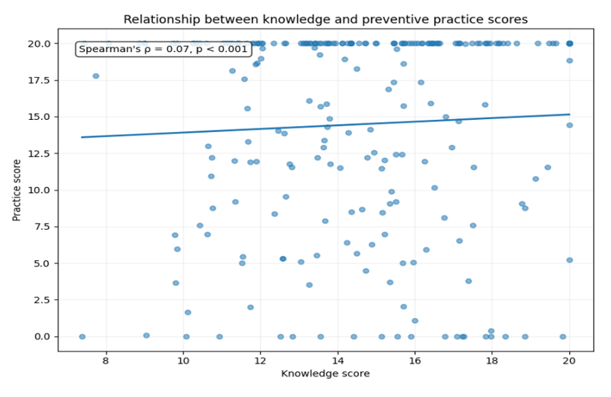
Figure 1: Relationship Between Knowledge and Preventive Practice Scores Regarding NAFLD.
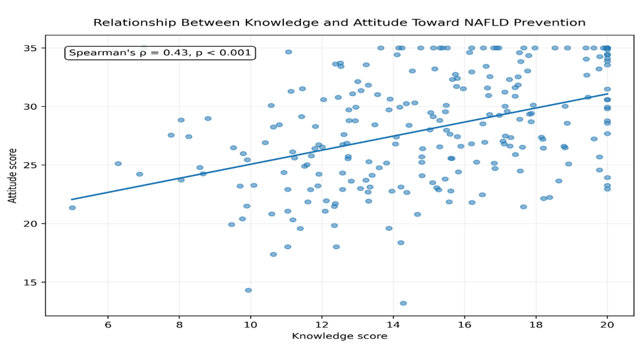
Figure 2: Relationship Between Knowledge and Attitude Scores Regarding NAFLD.
Discussion
The present community-based study found a clear gap between awareness, knowledge, attitudes, and preventive practices regarding NAFLD among adults in Dhaka. Although 82.1% of participants had previously heard of NAFLD, only 27.5% demonstrated good knowledge, while 54.2% had moderate and 18.3% had poor knowledge. Obesity (74.6%) and diabetes (69.2%) were commonly recognized as important risk factors; however, fewer participants recognized the asymptomatic nature of NAFLD (53.8%) and its potential progression to serious liver disease (57.1%). This suggests that general awareness was relatively high, but understanding of the clinical course and long-term consequences remained limited. Our finding of 27.5% good knowledge appears comparatively better than that reported from Jazan, Saudi Arabia, where only 13.0% of 540 adults demonstrated good knowledge, while 45.2% had poor knowledge. Differences may reflect variation in educational background, health-information exposure, study instruments, and population characteristics. More recently, a community-based study of 1,006 adults in Shanghai also reported inadequate knowledge but relatively favorable attitudes and moderate preventive practices, supporting the general pattern observed in our study [11,12]. A particularly important finding was the discrepancy between attitude and actual practice. Although 72.9% of participants demonstrated a positive attitude toward NAFLD prevention, only 24.6% demonstrated good preventive practices. Regular physical activity was reported by only 40.4%, healthy dietary habits by 48.8%, and routine health check-ups by 35.8%. A similar KAP pattern has been reported among 357 patients with NAFLD in Sichuan, China, where participants showed positive attitudes despite poor knowledge and poor dietary-management practices. These findings suggest that favorable perceptions alone may not be sufficient to produce sustained lifestyle changes and that practical barriers, including sedentary lifestyles and difficulty maintaining healthy dietary behaviors, may contribute to the knowledge–practice gap [13,14]. Educational attainment was strongly associated with knowledge in our study. Participants with graduate-level or higher education were significantly more likely to have good knowledge than those with lower educational attainment (42.3% vs. 19.6%, p < 0.001). In multivariable analysis, higher education remained independently associated with good knowledge (AOR = 2.58, 95% CI: 1.42–4.70, p = 0.002), while previous awareness of NAFLD was also independently associated with good knowledge (AOR = 2.11, 95% CI: 1.18–3.78, p = 0.012). These findings are consistent with recent research from Sichuan, where higher educational attainment was significantly associated with better NAFLD-related knowledge [15].
The correlation and regression findings further highlight the importance of knowledge and attitudes in preventive behavior. Knowledge scores were positively correlated with practice scores (ρ = 0.49, p < 0.001) and attitude scores (ρ = 0.43, p < 0.001). Furthermore, participants with good knowledge were more likely to demonstrate good preventive practices (AOR = 3.21, 95% CI: 1.76–5.86, p < 0.001), while a positive attitude was also independently associated with good practices (AOR = 2.36, 95% CI: 1.29–4.33, p = 0.005). These findings are broadly consistent with a recent Shanghai study in which knowledge was positively associated with attitude (β = 0.33, p < 0.001) and attitude was strongly associated with practice (β = 0.56, p < 0.001). Although our cross-sectional design cannot establish causality, the findings indicate that improving knowledge and attitudes may be important components of NAFLD prevention strategies [16,17].
Conclusion
This study demonstrated that awareness and attitudes toward NAFLD prevention were relatively favorable among adults in Dhaka; however, important gaps remained in disease-related knowledge and preventive practices. The findings highlight a clear gap between awareness and the adoption of healthy preventive behaviors. Educational attainment and previous exposure to NAFLD-related information appeared to play an important role in knowledge, while better knowledge and more favorable attitudes were associated with healthier preventive practices. These findings emphasize the need for targeted, community-based health education and behavior-focused interventions promoting healthy dietary habits, regular physical activity, weight management, and appropriate health assessment to strengthen NAFLD prevention in Bangladesh.
Limitations
This study has several limitations. First, the relatively small sample size of 240 participants and use of convenience sampling may limit the generalizability of the findings to the wider adult population of Bangladesh. Second, participants were recruited from selected areas and hospital settings in Dhaka, which may have introduced selection bias and may not adequately represent rural or other regional populations. Third, KAP data were collected through self-reported face-to-face interviews and may therefore be subject to recall and social-desirability bias. Finally, the cross-sectional design allows identification of associations but does not establish causal relationships between knowledge, attitudes, and preventive practices. Future multicenter studies with larger, probability-based samples and objective measures of metabolic and liver health are recommended.
Conflict of Interest
No
Author Contribution
Conceptualization and Methodology: Mahadie Hasan Jahad, Nafisa Tasnim, Hanu Kamal Hossain, Tasnia Mahmud Nisha, Tasfia Nujhat Farin
Data Collection and Investigation: Mahadie Hasan Jahad, Nafisa Tasnim, Hanu Kamal Hossain, Tasnia Mahmud Nisha, Tasfia Nujhat Farin, Md Saif, Rubya Islam
Formal Analysis and Data Interpretation: Mahadie Hasan Jahad, Nafisa Tasnim, Sa'dia Tasnim
Writing – Original Draft Preparation: Mahadie Hasan Jahad, Nafisa Tasnim, Tasnia Mahmud Nisha, Tasfia Nujhat Farin
Writing – Review and Editing: Hanu Kamal Hossain, Md Saif, Rubya Islam, Sa'dia Tasnim
Supervision and Project Administration: Hanu Kamal Hossain, Sa'dia Tasnim
Final Approval: All authors reviewed, revised, and approved the final version of the manuscript and agreed to be accountable for all aspects of the work.
References
- Younossi ZM, Koenig AB, Abdelatif D, et al. Global epidemiology of nonalcoholic fatty liver disease—meta‐analytic assessment of prevalence, incidence, and outcomes. Hepatology 64 (2016): 73-84.
- Riazi K, Azhari H, Charette JH, et al. The prevalence and incidence of NAFLD worldwide: a systematic review and meta-analysis. The lancet gastroenterology & hepatology 7 (2022): 851-861.
- Li J, Zou B, Yeo YH, et al. Prevalence, incidence, and outcome of non-alcoholic fatty liver disease in Asia, 1999–2019: a systematic review and meta-analysis. The lancet Gastroenterology & hepatology 4 (2019): 389-398.
- Wong SW, Chan WK. Epidemiology of non-alcoholic fatty liver disease in Asia. Indian Journal of Gastroenterology 39 (2020): 1-8.
- Alam S, Fahim SM, Chowdhury MA, et al. Prevalence and risk factors of non‐alcoholic fatty liver disease in Bangladesh. JGH open 2 (2018): 39-46.
- Rinella ME, Neuschwander-Tetri BA, Siddiqui MS, et al. AASLD Practice Guidance on the clinical assessment and management of nonalcoholic fatty liver disease. Hepatology (Baltimore, Md.) 77 (2023): 1797.
- Tacke F, Horn P, Wong VW, et al. EASL–EASD–EASO Clinical Practice Guidelines on the management of metabolic dysfunction-associated steatotic liver disease (MASLD). Journal of hepatology 81 (2024): 492-542.
- Younossi ZM, Corey KE, Lim JK. AGA clinical practice update on lifestyle modification using diet and exercise to achieve weight loss in the management of nonalcoholic fatty liver disease: expert review. Gastroenterology 160 (2021): 912-918.
- Ghevariya V, Sandar N, Patel K, et al. Knowing what’s out there: awareness of non-alcoholic fatty liver disease. Frontiers in medicine 1 (2014): 4.
- Le MH, Devaki P, Ha NB, et al. Prevalence of non-alcoholic fatty liver disease and risk factors for advanced fibrosis and mortality in the United States. PloS one 12 (2017): e0173499.
- Unalp‐Arida A, Ruhl CE. Liver fat scores predict liver disease mortality in the United States population. Alimentary Pharmacology & Therapeutics 48 (2018): 1003-1016..
- Younossi ZM, Stepanova M, Afendy M, et al. Changes in the prevalence of the most common causes of chronic liver diseases in the United States from 1988 to 2008. Clinical gastroenterology and hepatology 9 (2011): 524-530.
- Sayiner M, Koenig A, Henry L, et al. Epidemiology of nonalcoholic fatty liver disease and nonalcoholic steatohepatitis in the United States and the rest of the world. Clinics in liver disease 20 (2016): 205-214.
- Čulen A. Steatotic liver disease. literature review (Doctoral dissertation, Vilniaus universitetas.).
- Hossain S, Khan MM, Chowdhury MS, et al. Non-alcoholic Fatty Liver Disease in Bangladesh: Insights from Primary Care Physicians’ Knowledge, Attitudes and Practices: KAP of primary care physicians on NAFLD. Bangladesh Medical Research Council Bulletin 51 (2025): 63-68.
- Chanda M, Biswas T, Amiruzzaman M, Begum H, Tabassum F, Munmun ST, Rahman A, Akram A. Association of serum uric acid and liver enzymes in adults at Tertiary Level Hospital in Bangladesh. Bangladesh Medical Journal. 2022;51(3):18-27.
- Y Yang X, Chang H, Feng L, et al. Knowledge, attitude, and practice towards fatty liver disease among the general population in Shanghai, China: a community-based cross-sectional study. Frontiers in Public Health 14 (2026): 1844298.