Jacques Chirac Awa1, Alberic Ndonku Signang2,4*, Henry Ndasi1,3, James Fombi Tamon1, Pascal Ahidjo5, Gaya Hamza6, Ngeh Gaius1, Alain Kouamo Tchouamo1, Denis Warri2, Pius Tih2, Samuel Ngum2
1Socio-Economic Empowerment of Persons with Disabilities program, Cameroon Baptist Convention Health Services, Bamenda-Cameroon,
2Director of Health Services Office, Cameroon Baptist Convention Health Services, Bamenda Cameroon
3Baptist Hospital Mutengene, Mutengene-Cameroon
4Faculty of Medicine and Health Sciences, University of Antwerp, Antwerp Belgium
5Disability and Inclusive Development Association (DIDA), Garoua-Cameroon
6Faculty of Medicine and Biomedical Sciences (FMSB), University of Garoua, Garoua-Cameroon
*Corresponding Author: Alberic Ndonku Signang, Faculty of Medicine and Health Sciences, University of Antwerp, Antwerp Belgium, Cameroon Baptist Convention Health Services, Bamenda, Cameroon.
Received: 08 July 2026; Accepted: 14 July 2026; Published: 00 July 2026
Background: Clubfoot is a common congenital deformity that responds well to early treatment. However, delayed presentation remains a major challenge in low-resource settings. This study aimed to estimate the proportion of delayed presentation of clubfoot and identify associated barriers in the North and Far North regions of Cameroon.
Methods: We conducted a retrospective cross-sectional study using medical records of children aged 0–17 years diagnosed with clubfoot between January 2014 and August 2025, complemented by community and health worker surveys. Delayed presentation was defined as first presentation after 12 months of age. Descriptive statistics were used to summarize demographic, clinical, and health system characteristics.
Results: A total of 63 children were included. Late presentation was high, affecting 68% (32/47) of cases in the North and approximately 59% (≈17/29) in the Far North. Most children are presented between 1 and 3 years of age, often with severe deformities (79%) and high Pirani scores (81% scoring 6). The majority (81%, 38/47) had no prior treatment before presentation in the North region. The Ponseti method was the main treatment (83%, 52/63), but splint provision was low (24%, 15/63), and follow-up documentation was poor, with 92% missing data on splint compliance. Appointment adherence varied by region, with higher adherence in the Far North (75%) compared to the North (13%), though correction rates remained modest. Key barriers included low caregiver awareness (75%), lack of information on services (70%), high cost of care (62%), long distance to facilities (56% living >10 km), and cultural preferences for traditional treatment. Health system gaps included absence of screening programs (60%) and limited trained personnel (33%).
Conclusion: Delayed presentation of clubfoot is common and driven by multiple interacting factors. Improving outcomes requires coordinated interventions focused on community awareness, access to care, health worker capacity, and adherence to treatment protocols.
Clubfoot; Delayed presentation; Awareness; Health system barriers; Early detection; Cameroon
Clubfoot articles; Delayed presentation articles; Awareness articles; Health system barriers articles; Early detection articles; Cameroon articles
1. Introduction
Congenital talipes equinovarus (clubfoot) is among the most common serious musculoskeletal birth defects worldwide, with a global incidence estimated at approximately 1–2 per 1,000 live births, corresponding to 150,000–200,000 new cases annually. The majority (about 80%) of affected children are born in low- and middle-income countries (LMICs) [1, 2]. Clubfoot occurs more often in males and may affect both feet in 30–50% of cases [3].
The deformity includes hindfoot equinus, hindfoot varus, midfoot cavus, and forefoot adduction [4, 5]. Without timely treatment, the deformity persists into adulthood and may cause progressive disability, pain, abnormal gait, difficulty walking, reduced quality of life, and secondary skin and soft tissue complications [6-8]. Its causes are multifactorial, involving both genetic and environmental factors, including early amniocentesis and oligohydramnios during pregnancy [7-9].
Early diagnosis and treatment, particularly using the Ponseti method, can achieve excellent correction and prevent long-term disability [10]. However, many children in LMICs, including Cameroon, present late for care, often after the best period for non-surgical correction [11]. Late presentation increases the risk of complex treatment, residual deformity, lifelong disability, stigma, and exclusion from school and community life [12].
In Cameroon, clubfoot prevalence is estimated at 1.11 per 1,000 live births, or about 1,000 new cases annually [13]. However, these estimates are largely extrapolated and may not reflect the burden in underserved areas. The North and Far North regions face poverty, geographic isolation, limited health infrastructure, and poor access to specialist services, all of which may delay diagnosis and treatment [14, 15].
This lack of evidence represents a major knowledge gap. Existing studies have mainly focused on urban referral centers in southern and western Cameroon, where Ponseti treatment outcomes have been documented but referral bias may underestimate the national burden [13]. This gap limits planning, resource allocation, advocacy, and the design of locally appropriate interventions. Therefore, this study is needed to determine the occurence and profile of late-presenting clubfoot in northern Cameroon and to guide strategies for early detection, timely referral, and improved long-term outcomes.
2. Methodology
We conducted a retrospective cross-sectional study to estimate the occurence of delayed presentation of clubfoot and describe associated factors in the North and Far North regions of Cameroon from 2017 to 2025. The study was carried out in selected health facilities providing clubfoot care and in surrounding communities involved in case identification and referral. The study population included children aged 0–17 years with a confirmed diagnosis of congenital talipes equinovarus (clubfoot) recorded between January 2017 and August 2025. Children were included if their age at first presentation and place of residence were documented, while records with missing age at presentation were excluded from prevalence estimation. Community participants included caregivers of affected children, community health workers, and key informants involved in care pathways.
The study defines delayed presentation as first contact after 12 months of age. Health facilities were selected using a stratified approach based on service availability and geographic coverage, while community participants were purposively selected to capture key actors involved in care-seeking and referral. Data was collected from medical records and through structured questionnaires administered to community members and health professionals. Trained data collectors used standardized tools (kobo collect) to extract information on demographic characteristics (age, sex, residence), clinical features (laterality, severity, Pirani score, and type of clubfoot), age at presentation, previous treatment history, and distance to health facility. Additional information on knowledge, attitudes, care-seeking behavior, and perceived barriers to early diagnosis was obtained from survey responses.
Data was cleaned and analyzed using Stata. Descriptive statistics were used to summarize all variables. Categorical variables were presented as frequencies and percentages, while continuous variables were summarized using means and standard deviations. The prevalence of delayed presentation was calculated as the proportion of children presenting after 12 months among all identified clubfoot cases. Findings were reported overall and stratified by region where appropriate. Missing data was reported explicitly, and analyses were based on available data.
Ethical approval was obtained from the Regional Ethics Committee for Human Health Research (IRB2025-97), and administrative authorization was secured from participating institutions. Data was anonymized prior to analysis, and informed consent was obtained from all community participants before data collection. Study was carried out in accordance with the declaration of Helsinki on the ethics of human research.
3. Results
3.1 Baseline Characteristics of Children Presenting with Late-Diagnosed Clubfoot
Across both regions, most children presented between 1 and 3 years (37%), indicating delayed detection early in life, with an overall mean age of 4.8 ± 3.3 years. There was an overall male predominance 34 (54%). More than half of children 35 (56%) lived over 10 km from a health facility, highlighting significant geographic barriers to early diagnosis. (Table 1).
Table 1: Baseline Characteristics of Children Presenting with Late-Diagnosed Clubfoot
|
Variable |
Category |
North (n = 47) |
Far North (n = 29) |
Overall (N = 63) |
|
Age at presentation (years) |
1–3 |
13 (27%) |
18 (63%) |
23 (37%) |
|
4–6 |
10 (21%) |
5 (19%) |
15 (21%) |
|
|
7–9 |
8 (17%) |
2 (6%) |
10 (14%) |
|
|
10–12 |
3 (6%) |
2 (6%) |
5 (6%) |
|
|
13–15 |
1 (3%) |
2 (6%) |
3 (3%) |
|
|
≥16 |
1 (3%) |
0 (0%) |
1 (2%) |
|
|
Mean age ± SD (years) |
— |
5.3 ± 3.4 |
3.6 ± 2.6 |
4.8 ± 3.3 |
|
Sex |
Male |
28 (74%) |
11 (38%) |
39 (54%) |
|
Female |
10 (26%) |
18 (63%) |
28 (32%) |
|
|
Missing |
9 |
0 |
9 (14%) |
|
|
Distance to health facility |
<10 km |
— |
3 (21%) |
— |
|
10–50 km |
10 (21%) |
— |
— |
|
|
>50 km |
11 (23%) |
1 (6%) |
— |
|
|
>10km (combined)** |
— |
— |
(35) 56% |
3.2 Clinical Characteristics of Late-Diagnosed Clubfoot
Bilateral deformity was the most common presentation (57% overall) and was more pronounced in the Far North (87%). Most children were presented with severe clubfoot (79%), supported by high Pirani scores, with 81% scoring the maximum value of 6. Nearly all cases were idiopathic (94%), with no syndromic or neurologic cases reported. (Table 2).
Table 2: Clinical Characteristics of Late-Diagnosed Clubfoot
|
Variable |
Category |
North (n = 47) |
Far North (n = 16) |
Overall (N = 63) |
|
Laterality |
Bilateral |
22 (46%) |
14 (87%) |
36 (57%) |
|
Right unilateral |
14 (30%) |
1 (7%) |
15 (24%) |
|
|
Left unilateral |
11 (24%) |
1 (6%) |
12 (19%) |
|
|
Severity (clinical classification) |
Severe |
39 (84%) |
11 (67%) |
50 (79%) |
|
Moderate |
8 (16%) |
3 (20%) |
11 (17%) |
|
|
Mild |
0 (0%) |
2 (13%) |
2 (3%) |
|
|
Pirani score |
Score 6 (very severe) |
- |
— |
51 (81%) |
|
Score 5 (severe) |
— |
— |
12 (19%) |
|
|
Type of clubfoot |
Idiopathic |
— |
— |
59 (94%) |
|
Other (syndromic/neurologic) |
— |
— |
0 (0%) |
3.3 Previous Treatment Before Presentation Among Children with Clubfoot
Most children (81%) presented without any prior treatment. Among those who received care (19%), treatment was heterogeneous and included both formal (casting, surgery) and informal approaches (traditional massage). Casting was the most common prior intervention (44% of treated cases). (Table 3).
Table 3: Previous Treatment Before Presentation Among Children with Clubfoot (N = 47*)
|
Variable |
Category |
Frequency (n) |
Percentage (%) |
|
Previous treatment before presentation |
None |
38 |
81% |
|
Any treatment |
9 |
19% |
|
|
Type of treatment among those treated (n = 9) |
Casting |
4 |
44% |
|
Surgery |
2 |
22% |
|
|
Traditional massage |
1 |
11% |
|
|
Other treatments |
2 |
22% |
3.4 Pre-treatment, Facility Treatment, and Outcomes
Most children presented to health facilities without prior care (figure 1). Overall, 81% (38/47) had no previous treatment, while only 19% (9/47) received any form of care before presentation. Among those treated, interventions were heterogeneous: casting was the most common (44%), followed by surgery (22%), other treatments (22%), and traditional care (11%).
In health facilities, the Ponseti method was the dominant treatment approach, used in 83% of cases (≈52/63 children). Other treatment modalities were less frequent, including surgery (9%, ≈6/63) and physiotherapy (7%, ≈4/63). Additional procedures were common, with tenotomy performed in 53% of children (≈33/63). However, only 24% of patients (≈15/63) received splints.
Treatment adherence and outcomes varied between regions. Appointment adherence was substantially higher in the Far North (75%) compared to the North (13%). Despite this, treatment outcomes remained modest, with corrections achieved in 27% of cases in the North (≈13/47) and 14% in the Far North (≈2/16). Documentation of follow-up care was limited, as splint compliance was not recorded in 92% of medical records (≈58/63).
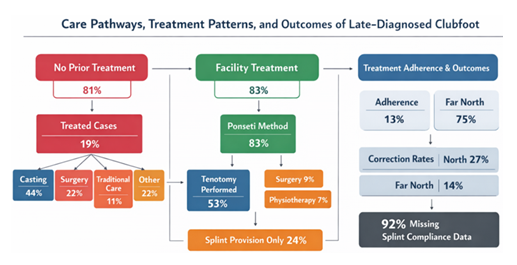
Figure 1: Pre-treatment, Facility Treatment, and Outcomes
3.5 Prevalence of Clubfoot and Late Presentation
In the North region, a total of 47 children with clubfoot were identified. Among these, 32 children were presented after 12 months of age, giving a late presentation prevalence of 68% (32/47).
In the Far North region, late presentation was estimated from aggregated data across years and districts. A total of 17 late-presenting cases were identified out of approximately 29 total cases, corresponding to a late presentation prevalence of 59% (17/29).
Across both regions combined, there were approximately 49 late-presenting cases (32 in the North + 17 in the Far North) out of 76 total identified cases, giving an overall late presentation prevalence of approximately 64% (49/76). (Table 4).
Table 4: Prevalence of Clubfoot and Late Presentation
|
Region |
Total clubfoot cases (n) |
Late-presenting cases (>12 months) (n) |
Prevalence of late presentation (%) |
|
North |
47 |
32 |
68% (32/47) |
|
Far North |
29 |
17 |
59% (17/29) |
|
Overall |
76 |
49 |
64% (49/76) |
3.6 Factors Associated with Delayed Presentation of Clubfoot in the North and Far North Regions
Delayed presentation of clubfoot is driven by a combination of low caregiver awareness (75%), limited access to information (70%), and high cost of care (62–58%). Geographic barriers, including distance to facilities (37–50%), further limit access. Cultural beliefs and preferences for traditional care (42–66%) also contribute, while health system weaknesses particularly lack of screening programs (60%) and limited skilled personnel (33%) reinforce delays. (Table 5).
Table 5: Factors Associated with Delayed Presentation of Clubfoot in the North and Far North Regions
|
Domain |
Factor |
Percentage (%) |
Parameter Description |
|
Socio-demographic |
Lack of caregiver awareness of clinical signs |
75% |
Proportion of staff reporting poor parental recognition of early signs |
|
Low level of education (no formal education) |
34% |
Respondents without formal schooling |
|
|
Secondary education (limited health literacy context) |
46% |
Highest education level among respondents |
|
|
Children diagnosed after age 2 years |
25% |
Proportion of late-diagnosed cases among children |
|
|
Geographic |
Distance from treatment centers |
37% |
Respondents citing distance as a barrier |
|
Distance to specialized centers |
50% |
Staff reporting geographic inaccessibility |
|
|
Preference for nearby traditional providers |
48% |
Accessibility advantage of traditional care |
|
|
Economic |
High cost of treatment |
62% (community) / 58% (providers) |
Financial barriers limiting access to care |
|
Lower cost of traditional treatment |
66% |
Main driver for choosing traditional care |
|
|
Health system |
Lack of information on services |
70% |
Respondents unaware of available services |
|
Absence of screening programs |
60% |
Lack of structured early detection activities |
|
|
Lack of qualified personnel |
33% |
Insufficient skilled workforce for management |
|
|
Weak early detection systems |
— |
Reflected by absence of screening and awareness gaps |
|
|
Cultural & social |
Belief in traditional/spiritual causes |
15% |
Attribution of disease to non-medical causes |
|
Preference for traditional treatment |
42% |
Staff reporting cultural delay in care-seeking |
|
|
Faith in traditional treatment |
37% |
Cultural belief supporting traditional care |
|
|
Family/social pressure |
18% |
Influence of relatives on treatment decisions |
|
|
Stigma and family rejection/neglect |
37% |
Social exclusion affecting care-seeking |
|
|
Behavioral / time factors |
Lack of time for caregivers |
16% |
Competing household priorities delaying care |
3.7 Knowledge and Capacity of Health Workers on Clubfoot
Health workers (n ≈ 130) also showed important knowledge gaps, especially at the primary care level. Although they play a key role in early detection, 75% reported that caregivers lack awareness of clinical signs, and 60% highlighted the absence of structured screening programs, which limit opportunities for early diagnosis. In addition, 33% identified a lack of trained personnel as a challenge in managing clubfoot cases. The relatively young workforce, with many having less than 10 years of experience. (Table 6).
Table 6: Knowledge and Capacity of Health Workers on Clubfoot (n ≈ 130)
|
Domain |
Indicator |
Category |
Frequency (n) |
Percentage (%) |
|
Workforce profile |
Professional category |
Nurses |
53 |
42% |
|
Midwives |
33 |
26% |
||
|
Doctors |
20 |
16% |
||
|
Physiotherapists |
13 |
10% |
||
|
Traditional practitioners |
6 |
5% |
||
|
Experience level |
Years of experience |
<10 years |
≈78 |
≈60% |
|
≥10 years |
≈52 |
≈40% |
||
|
Knowledge of clinical signs |
Awareness of early signs |
Adequate |
32 |
25% |
|
Inadequate |
98 |
75% |
||
|
Perceived caregiver awareness |
Caregiver knowledge |
Adequate |
32 |
25% |
|
Inadequate |
98 |
75% |
||
|
Screening capacity |
Availability of screening programs |
Available |
52 |
40% |
|
Not available |
78 |
60% |
||
|
Health system capacity |
Availability of trained personnel |
Adequate |
87 |
67% |
|
Inadequate |
43 |
33% |
||
|
Perceived barriers to early diagnosis |
Lack of caregiver awareness |
98 |
75% |
|
|
High cost of treatment |
75 |
58% |
||
|
Lack of screening programs |
78 |
60% |
||
|
Distance to specialized centers |
65 |
50% |
||
|
Preference for traditional treatment |
55 |
42% |
4. Discussion
4.1 Late Presentation of Clubfoot in Northern Cameroon: Findings and Implications
The overall late presentation prevalence of 64% in Northern Cameroon, with children presenting at a mean age of 4.8 ± 3.3 years, represents a substantial delay compared to international benchmarks. In Haiti, a low-resource setting with similar challenges, children presented at a median age of 4.1 weeks, dramatically earlier than the 4.8 years observed in this study [16]. Even among late-presenting cases in Haiti, the age range extended only to 4.4 years maximum, which approximates the mean age in Northern Cameroon [16]. This comparison highlights the exceptional degree of delay in the present setting.
The male predominance of 54% in this study is lower than the typical 2:1 male-to-female ratio reported globally [17]. This may reflect differential care-seeking patterns, with families potentially prioritizing treatment for female children due to concerns about marriage prospects, or it may indicate sampling variation. The bilateral presentation rate of 57% overall aligns with global estimates of 30-50% bilaterality, though the Far North region showed a markedly higher rate of 87%, suggesting possible regional differences in case severity or referral patterns [17].
Geographic isolation emerged as a critical barrier, with 56% of children living more than 10 km from a health facility. This finding is consistent with systematic reviews identifying transportation difficulties as one of the most impactful barriers to clubfoot care in low- and middle-income countries. The care delivery value chain framework specifically emphasizes addressing barriers to access as essential for program success, yet the present study demonstrates that geographic barriers remain largely unaddressed in Northern Cameroon [17].
4.2 Clinical Severity
The high proportion of severe deformity (79%) and maximum Pirani scores (81% scoring 6) reflects the consequences of delayed presentation. In Haiti, higher Pirani scores were associated with increased risk of requiring 10 or more casts (RR 2.78 per 0.5 increase) and higher relapse rates (RR 1.09 per 0.5 increase) [16]. The predominance of maximum severity scores in Northern Cameroon therefore predicts substantial treatment challenges and elevated risk of suboptimal outcomes. A meta-analysis of late-presenting clubfoot in children older than walking age found that while satisfactory outcomes were achieved in 89% of cases using the Ponseti method, these results depended on complete protocol adherence including proper bracing [18].
The 94% idiopathic classification is consistent with the typical distribution of clubfoot etiology, where idiopathic cases represent the majority [17]. The absence of syndromic or neurologic cases may reflect true population characteristics or may indicate that children with complex presentations are not reaching this facility, possibly seeking care elsewhere or remaining untreated.
4.3 Treatment Patterns and Gaps
The 81% rate of no prior treatment before presentation indicates that most children are entering the formal health system for the first time at this facility. Among the 19% who received prior care, the heterogeneous mix of interventions including casting (44%), surgery (22%), and traditional massage (11%) reflects fragmented care pathways and lack of standardized protocols at lower levels of the health system. This pattern mirrors findings from other low-resource settings were weak referral systems and limited provider training result in inconsistent early management [4].
The 83% adoption of the Ponseti method as the primary treatment approach demonstrates appropriate uptake of evidence-based practice. The Ponseti technique is recognized globally as the gold standard for clubfoot management and is particularly well-suited for resource-limited settings because casting and brace supervision can be performed by trained non-physician health workers, with results as good as or better than those obtained by physicians [17]. However, successful implementation requires completion of the entire protocol, including adequate casting, tenotomy when indicated, and sustained bracing.
The tenotomy rate of 53% falls substantially below expected benchmarks. In standard Ponseti protocols, approximately 90% of cases require percutaneous Achilles tenotomy to correct residual equinus deformity [17]. The lower rate observed in this study may indicate incomplete correction, variation in clinical practice, or possible documentation gaps. Studies from Ethiopia treating neglected clubfoot in children aged 2-10 years achieved plantigrade functional feet in all patients using Ponseti casting combined with tenotomy and limited additional surgical intervention, suggesting that higher tenotomy rates may be necessary for optimal correction in late-presenting cases [19].
4.4 The Critical Bracing Gap
The most significant treatment gap identified in this study is the provision of braces, with only 24% of children receiving splints. This represents a fundamental breakdown in the Ponseti protocol. Following cast correction and tenotomy, the standard protocol mandates bracing with boots and bar for 23 hours daily for three months, then during sleep until age four years. Proper bracing is essential for maintaining correction, and failure to brace is the primary cause of relapse. The American Academy of Pediatrics emphasizes that parental understanding of the bracing phase is critical to ultimate success, and there is a very high rate of recurrent deformity when bracing is not done properly or is stopped prematurely [10].
The 92% rate of undocumented splint compliance further compounds this problem, preventing assessment of whether the 24% who received braces used them consistently. In countries with limited resources, effective and economical braces can be made using local systems, suggesting that the barrier is not purely technical but may involve supply chain issues, cost barriers, or inadequate emphasis on this phase of treatment [17].
4.5 Treatment Outcomes and Regional Variation
The modest correction rates of 27% in the North and 14% in the Far North fall far below the 89% satisfactory outcome rate reported in the meta-analysis of late-presenting clubfoot [18]. This discrepancy almost certainly reflects the critical gap in bracing provision. Without proper bracing, even well-corrected feet will relapse. The higher correction rate in the North despite lower appointment adherence (13% vs 75% in Far North) is paradoxical and may reflect differences in case severity, provider experience, documentation practices, or follow-up duration.
4.6 Barriers to Care and System Constraints
The barriers identified in Northern Cameroon align closely with systematic reviews of clubfoot service delivery in low- and middle-income countries. A 2017 review identified the most impactful barriers as financial constraints, transportation difficulties, brace and cast care challenges, lack of physical resources, and provider knowledge gaps [17].
Financial constraints likely underlie many of the gaps observed. Even when casting is subsidized, families face costs of transportation, missed workdays, and brace purchase. The care delivery value chain emphasizes engaging families in care and addressing barriers to access as essential components, yet the present findings suggest these elements remain underdeveloped in Northern Cameroon [17].
The lack of structured follow-up systems represents another critical gap. The care delivery chain recommends providing follow-up in the patient's community to reduce travel burden and maintain contact with families [17]. The low appointment adherence in the North region (13%) suggests that facility-based follow-up alone is insufficient, particularly for families living more than 10 km away.
4.7 Knowledge, Attitudes and Practice Amongst Health Care Providers and Care Givers
A key finding of this study is the low level of awareness among caregivers. Most caregivers were unable to recognize early signs of clubfoot, and a large proportion did not know where to seek care. Similar gaps in knowledge have been reported in other African settings, where limited awareness contributes to delayed care-seeking and poor outcomes [20]. In our study, misconceptions about the causes of clubfoot, including attribution to spiritual or traditional factors, further influenced care-seeking behavior. These beliefs have been widely documented and are known to delay engagement with formal health systems [21, 22].
Geographic and economic barriers also played a major role. More than half of the children lived far from health facilities, and cost of care was frequently reported as a barrier. These findings are consistent with previous studies showing that distance and financial constraints limit access to orthopedic care in rural and underserved populations [22, 23]. In such settings, families often prioritize accessible and affordable alternatives, including traditional care, which may delay appropriate treatment.
Health system factors further contributed to delayed presentation. A significant proportion of health workers reported the absence of structured screening programs and limited trained personnel. This reflects broader challenges in health systems in resource-limited settings, where early detection of congenital conditions is often weak [24]. The predominance of relatively young and less experienced health workers in our study may also affect early recognition and timely referral of cases.
Cultural and social factors were also important. Stigma, family pressure, and preference for traditional treatment influenced decision-making among caregivers. These findings highlight the need to engage communities, including traditional and religious leaders, in awareness and education efforts. Previous studies have shown that community-based interventions and culturally sensitive health education can improve early detection and treatment uptake [25].
Despite the widespread use of the Ponseti method in health facilities, treatment outcomes remained modest. While the Ponseti method is highly effective when applied early and consistently, its success depends on adherence to the full treatment protocol, including splint use [26, 27]. In our study, low splint provision and poor documentation of follow-up care likely contributed to suboptimal outcomes. The large proportion of missing data on splint compliance also limits the ability to fully assess treatment effectiveness.
4.8 Implications for Practice
These findings show that although the Ponseti method has been adopted in Northern Cameroon, key gaps in early detection, bracing, access, adherence, and follow-up still limit outcomes. Improving care requires training midwives and community health workers to identify clubfoot at birth and refer early, when treatment is most effective [28].
Priority actions include affordable local brace production, brace subsidies, rural outreach clinics, supervised training of non-physician providers, and stronger family education to support adherence [17]. Standardized clinical protocols, clear tenotomy criteria, proper documentation, and routine monitoring of correction, relapse, and brace use are also needed.
Financial barriers must be addressed systematically through inclusion of clubfoot treatment in national health insurance or subsidy programs. Referral and follow-up systems should be strengthened through clear pathways from primary care to Ponseti centers and community-based follow-up to maintain contact with families and monitor brace adherence.
Study Limitations
The study used a retrospective design based on medical records, which may be affected by incomplete or missing data. Key variables such as distance to health facility, follow-up information, and splint compliance were not consistently documented. This limits the accuracy of some estimates and may introduce information bias.
Some results were derived from aggregated facility and survey data rather than individual-level data, particularly for the Far North region. This limits the precision of regional comparisons and may affect the reliability of calculated proportions.
The study was facility-based and community-linked and therefore may not fully represent all children with clubfoot in the general population. Children who never reached health facilities were not captured, which may lead to underestimation of the true burden and delay in presentation.
The study lacked a population denominator, making it impossible to estimate the true population-level prevalence of clubfoot. The findings are therefore limited to prevalence within identified cases rather than the general population.
Finally, some data, particularly from community surveys, relied on self-reported information, which may be subject to recall bias and social desirability bias. Caregivers may not accurately recall timing of presentation or reasons for delay.
Conclusion
Delayed presentation of clubfoot is common in the Northern regions, with most children presenting after the optimal window for early treatment. Improving outcomes will require a coordinated and multi-level approach. Key priorities include strengthening community awareness and early detection, improving access to affordable and decentralized services, building capacity of frontline health workers (midwives and nurses), and ensuring consistent follow-up and adherence support. Addressing these gaps can reduce delays, improve treatment success, and ultimately reduce the burden of disability associated with clubfoot in these regions.
Declarations
Ethics Approval and Consent to Participate
The study received ethical approval from the regional delegation of public health of the northern regions ethical Review Board (Reference: IRB2025-97). All participants gave written informed consent before taking part in the survey. The study followed the principles of the Declaration of Helsinki, respecting participants’ rights to autonomy, confidentiality, and their freedom to withdraw at any time without any consequence.
Consent for Publication
All participants gave written informed consent before taking part in the survey and evidence generated to be used for publications.
Availability of Data and Materials
The datasets used and/or analysed during the current study are available from the corresponding author on reasonable request.
Competing Interests
The authors declare that they have no competing interests.
Funding
Hope and Healing International
Acknowledgement
The authors sincerely acknowledge the Regional Delegations of Public Health for the North and Far North Regions of Cameroon for their invaluable collaboration and support throughout this study. We are grateful for their facilitation of field activities, coordination with health facilities, and commitment to strengthening health research and evidence generation in the region. Their partnership was instrumental in the successful implementation of this work and in advancing efforts to improve health outcomes for the populations they serve.
Authors’ Contribution
JCA: Conceptualization, methodology, supervision, manuscript review and editing.
ANS: Conceptualization, study design, data collection, data analysis, interpretation of findings, manuscript drafting, and corresponding author.
HN: Clinical oversight, Data collection, data validation, manuscript review and editing.
TJN: Investigation, data collection, and manuscript review.
NG: Data collection, participant recruitment, and manuscript review.
KT: Investigation, data collection, and manuscript review.
PA and GY: Data collection, project implementation, and manuscript review.
DW: interpretation of findings, and manuscript review.
PT: Supervision, methodology, interpretation of findings, and manuscript review.
SN: Conceptualization, supervision, critical review of the manuscript, and overall project oversight.
All authors contributed to the interpretation of results, critically reviewed the manuscript for important intellectual content, approved the final version, and agreed to be accountable for all aspects of the work.
Conflict of Interest
No competing interests declared.
Conclusion
To our knowledge this is the first study on measurements of RF radiation in air plane after introduction of high speed Wi-Fi on board. All measurements showed high levels that exceed those reported to have negative impacts on human health. However, the results were below limits from FCC and ICNIRP that are only based on thermal effects and excluding influence not based on heating (non-thermal). The levels are problematic particularly for sensitive parts of the population, frequent flyers and the staff on board the aircrafts. Before new technology based on RF radiation is introduced proper risk evaluation should be performed by scientists without conflicts of interest.
Acknowledgements
Not applicable.
Funding
No funding was received.
Availability of Data and Materials
The information generated and analyzed during the current study is available from the corresponding author on reasonable request.
Authors' Contributions
LH made the RF radiation measurements. Both authors participated in the writing of the manuscript, and have read and approved the final version.
Ethics Approval and Consent to Participate
Not applicable.
Patient Consent for Publication
Not applicable.
Competing Interests
The authors declare that they have no competing interests.
References
- Smythe T, Kuper H, Macleod D, et al. Birth prevalence of congenital talipes equinovarus in low- and middle-income countries: a systematic review and meta-analysis. Trop Med Int Health TM IH 22 (2017): 269-285.
- Cady R, Hennessey TA, Schwend RM. Diagnosis and Treatment of Idiopathic Congenital Clubfoot. Pediatrics 149 (2022): e2021055555.
- Abdu SM, Seyoum G, Ayana B. Prevalence and pattern of congenital clubfoot among less than 5-year-old children in Ethiopia; cross-sectional based study. BMC Musculoskelet Disord 25 (2024): 604.
- Ganesan B, Luximon A, Al-Jumaily A, et al. Ponseti method in the management of clubfoot under 2 years of age: A systematic review. PloS One 12 (2017): e0178299.
- do Amaral E Castro A, Peixoto JB, Miyahara LK, et al. Clubfoot: Congenital Talipes Equinovarus. Radiogr Rev Publ Radiol Soc N Am Inc 44 (2024): e230178.
- Mange TR, Bram JT, Scher DM, et al. Idiopathic Talipes Equinovarus: Current Concepts. J Am Acad Orthop Surg (2025).
- Cady R, Hennessey TA, Schwend RM. Diagnosis and Treatment of Idiopathic Congenital Clubfoot. Pediatrics 149 (2022): e2021055555.
- Yau A, Doyle SM. Clubfoot for the primary care physician: frequently asked questions. Curr Opin Pediatr 32 (2020): 100-106.
- Siddique I, Choudry Q, Paton RW. The inter-relationship of clinical parameters in congenital talipes equinovarus: relevance to pathological anatomy and clinical classification. J Child Orthop 6 (2012): 45-50.
- Bergerault F, Fournier J, Bonnard C. Idiopathic congenital clubfoot: Initial treatment. Orthop Traumatol Surg Res OTSR 99 (2013): 150-159.
- Ponseti method for late presentation of clubfoot (2025).
- Yoyos D. A Four-year Review of Delayed Initial Treatment of Patients with Congenital Talipes equinovarus in a General Hospital. Malays Orthop J 9 (2015): 11-13.
- Ghassi H, Buh FC, Atemkeng F, et al. Club foot management in the Bafoussam Baptist Healthcare center (BBHC), Cameroon: Treatment outcomes and the associated factors of relapse with the Ponseti’s technique. GSC Adv Res Rev 14 (2023): 230-240.
- Addressing the Health Care Needs of Cameroon’s Most Vulnerable Populations - Cameroon | ReliefWeb (2025).
- Tandi TE, Cho Y, Akam AJC, et al. Cameroon public health sector: shortage and inequalities in geographic distribution of health personnel. Int J Equity Health 14 (2015): 43.
- Qudsi RA, Selzer F, Hill SC, et al. Clinical outcomes and risk-factor analysis of the Ponseti Method in a low-resource setting: Clubfoot care in Haiti. PloS One 14 (2019): e0213382.
- Cady R, Hennessey TA, Schwend RM. Diagnosis and Treatment of Idiopathic Congenital Clubfoot. Pediatrics 149 (2022): e2021055555.
- Ferreira GF, Stéfani KC, Haje D de P, et al. The Ponseti method in children with clubfoot after walking age - Systematic review and metanalysis of observational studies. PloS One 13 (2018): e0207153.
- Ayana B, Klungsøyr PJ. Good results after Ponseti treatment for neglected congenital clubfoot in Ethiopia. A prospective study of 22 children (32 feet) from 2 to 10 years of age. Acta Orthop 85 (2014): 641-645.
- Echem RC, Eyimina PD. Lower extremity gangrene in children from traditional bone setters care: an avoidable cause of limb loss. Int J Res Med Sci 8 (2020): 2524-2530.
- O’Shea RM, Sabatini CS. What is new in idiopathic clubfoot? Curr Rev Musculoskelet Med 9 (2016): 470-477.
- Ong JX, Lim JY, Thisinayagam S, et al. Barriers to compliance with the Ponseti method for childhood clubfoot management in developing nations: A systematic review. J Musculoskelet Surg Res 9 (2025): 177-185.
- Sharma L, Agarwal A, Garg V, et al. Parent reported outcomes for idiopathic clubfoot children treated with the Ponseti technique: An analysis of 140 feet followed minimum 5 years. J Clin Orthop Trauma 53 (2024): 102432.
- Abdu SM, Assefa EM, Tareke AA. Treatment outcome of the Ponseti method for clubfoot in Africa. Bone Jt Open 7 (2026): 102-114.
- Bedson J, Jalloh MF, Pedi D, et al. Community engagement in outbreak response: lessons from the 2014–2016 Ebola outbreak in Sierra Leone. BMJ Glob Health 5 (2020): e002145.
- Sharma L, Agarwal A, Garg V, et al. Parent reported outcomes for idiopathic clubfoot children treated with the Ponseti technique: An analysis of 140 feet followed minimum 5 years. J Clin Orthop Trauma 53 (2024): 102432.
- Bakarman KA, Zamzam MM, Addweesh AK, et al. Outcomes of clubfoot conservative treatment using the Ponseti technique in an academic hospital in Saudi Arabia. J Musculoskelet Surg Res 8 (2024): 354-358.
- The global birth prevalence of clubfoot: a systematic review and meta-analysis - PubMed (2026).