Frankline Sevidzem Wirsiy1, 2*, Denis Ebot Ako-Arrey2, Patrick Achiangia Njukeng2
1Department of Public Health and Hygiene, Faculty of Health Sciences, University of Buea, Buea, Cameroon
2Global Health Systems Solutions (GHSS), Denver layout, Bonamoussadi, Douala, Littoral Region, Republic of Cameroon
*Corresponding Author: Frankline Sevidzem Wirsiy, Department of Public Health and Hygiene, Faculty of Health Sciences, University of Buea, P.O. Box 63 - Buea, Cameroon
Received: 26 June 2019; Accepted: 08 July 2019; Published: 15 July 2019
DOI: 10.26502/fjwhd.2644-28840010
ShareBackground and aim: The health systems of Cameroon are still facing considerable challenges in achieving better women’s health outcomes among its diverse population. mHealth (Mobile technologies application in health care) represent a feasible approach to aid the alleviation of some of Cameroon’s disease burden and generate improvements in women’s health care outcomes. Although some studies have shown the potentials of mHealth in Cameroon, there is a huge gap of data establishing clear outcomes of mHealth interventions in Cameroon. This review was carried out to evaluate the evidence on the empirical impact of mHealth interventions on women’s health outcomes in Cameroon.
Methods: A search on PubMed, ScienceDirect, Cochrane Library, African Journals Online, MEDLINE, Scopus and Google Scholar with the following Keywords: “mobile health”, “Mobile phone”, “health care”, “interventions”, “Cameroon”, “Women’s Health Outcomes” was conducted, with the Medical Subject Headings (MeSH), on empirical studies relating to mHealth interventions on health outcomes in Cameroon. Our search was limited to, articles published from the year 2009 to 2019 (A 10 year review) in English and French. The search identified a total of 111 articles amongst which only 5 original articles met the inclusion criteria.
Results: This review revealed that, using SMS text messages and mobile phones (mHealth interventions) in Cameroon had been targeted at eliciting behavioral actions as well as improving treatment adherence in women patients/individuals. However, while mHealth augurs the potential to improve women’s health outcomes and probably transform the Cameroon health systems, there was insufficient evidence to assert the effect o
mHealth, Mobile Phone, Women, Health Outcomes, Intervention, Cameroon
1. Introduction
Being a man or a woman has a significant impact on health, as a result of both biological and gender-related differences. The health of women is of keen interest because, in many facets of society, they are disadvantaged by enormous discrimination rooted in diverse determinants. It is worthy to note that, young women face increased vulnerability to STIs including HIV/AIDS. In our digital world of today, mHealth has the ability to transform the scope of health service delivery across the world and particularly in developing countries [1, 2]. An enormous combination of determinants is driving this change [1]. Considering the spread of mobile phones even in remote areas, and their wireless access and affordability, they are continually seen as the technology of choice for improving women’s health outcomes in low and middle-income countries [3]. This mhealth rapidly evolving dynamic field includes voice calling, short messaging service (SMS) and wireless data transmission, which are all the mobile phone applications facilitate the collection/dissemination of health-related information or for direct health care [4]. The increasing rate of mobile phone penetration has attracted considerable interest among United Nation Agencies, World Bank Group, governments and researchers, regarding its application in strengthening health care delivery systems [5].
Information and communication technology (ICT) tools have been seen as a sort of silver lining through which health care systems in various African countries like Cameroon can be improved [5, 6]. Mobile phone users keep increasing and it is estimated that by the end of 2019, the number will reach 4.68 billion users [7]. In Africa, mobile phone usage has grown rapidly in recent years with an overall subscriber penetration reaching 44% in 2017 [8]. The level of mobile phone ownership by the Cameroonian population exploded over the past 10 years and the rate of usage of this mode of communication within the population rose from 9.8 to 71% between 2004 and the first quarter of 2014 [9]. There were 81.93 mobile subscriptions registered for every 100 people in Cameroon as of 2017 [10]. Today, Cameroon has officially more than 17 million subscribers to mobile phone, in a population of 24.5 million people [11]. Early evidence from peer-reviewed publication including grey literature suggests that mobile phone-based platforms can be efficiently and effectively used for a wide range of health-related purposes [12].
However, a limited number of scholarly articles describing the effect of mHealth interventions on women’s health outcomes exist in Cameroon [4]. Though of recent, more developed mHealth interventions are applied to disease prevention and control in more resource-limited settings [13]. Applications of mHealth within the field of global health include health education, community/health worker communication, medication adherence as well as emergency and disaster response [14, 15]. Furthermore, mHealth applications have been targeted at eliciting behavioral change communication and educating as thus enhancing decision making as well as enabling communication between health care staff, tracking vital events, collecting and reporting health related data, and the management of human resources [16]. Point-of-care testing for patients, work scheduling/planning, effective financial management, electronic health records and supply chain management are other areas of mHealth applications that are increasingly used [17]. mHealth offers wide opportunities in strengthening health systems, thus improving health care service delivery and women’s health outcomes in particular [18-23]. The goal of this review was to evaluate the evidence on the empirical impact of mHealth interventions on women’s health outcomes in Cameroon.
2. Methods
The research design that was applied to this study was a review of the available evidence on the effect of mHealth interventions on women’s health outcomes in Cameroon. A review permitted us to conduct an exhaustive search for primary studies with our focus on the research question, selecting studies using clear and reproducible eligibility criteria, critically appraising study quality and completing a synthesis of our findings according to pre-determined methods. Our expectation was to combine data of all studies establishing an evaluation of empirical evidence on the effect of mHealth interventions on women’s health outcomes in Cameroon. We also anticipated that by studying similar outcomes across a wide variety of contexts and settings, we would be able to assess the rigor of available evidence on the effect of mHealth interventions on health outcomes in Cameroon, and the transferability of the results within and between countries in the Central African Region. Additionally, considering that reviews are considered among the best source of evidence, our study is also intended to provide pooled estimates about the impact of mHealth interventions in Cameroon, which may be more reliable than evidence from single studies. This evidence will be critical to inform research, and guide policy makers as they constantly seek innovative solutions on how to significantly contribute in strengthening health systems in Cameroon.
2.1 Search strategy
We initially conducted a scoping search done to identify existing reviews on the effect of mHealth interventions on women’s health outcomes in Cameroon, and this permitted us to further highlight relevant search terms and clarify inclusion and exclusion criteria as well as avoid duplication in efforts. For this review, we searched several electronic databases for published articles from 2009 to 2019 (10 year review). We decided to start our search in 2009 to be able capture up-to-date data on this topic in Cameroon. We also focused on randomized controlled trials (RCTs) since they remain the gold standard in assessing the outcome of medical interventions, and the cornerstone for evidence-based decision-making [19, 24]. We used the Boolean strategy to search through the following databases; PubMed, ScienceDirect, Cochrane Library, African Journals Online, MEDLINE, Scopus and Google Scholar. We used a combination of Medical Subject Heading (MeSH) and free text terms to search through these databases using the following key words;
“mobile health”, “Mobile phone”, “health care”, “interventions”, “women’s Health Outcomes” And combined with “Cameroon”
In order to further extend our evidence base, and minimize publication bias due to selective availability of papers, we decided to search for grey literature (conference abstracts, research reports, book chapters and policy documents). The most recent comprehensive search for each database was March 26th, 2019, and all relevant studies were exported to Zotero reference management software.
2.2 Eligibility criteria
According to our study design and the research topic, we established predefined criteria for study retention in the review as follows
2.2.1 Study content: All published research articles focusing on the effect of mHealth interventions on women’s health outcomes in Cameroon.
2.2.2 Timeframe: Papers were eligible if published/unpublished in or after the year 2009.
2.2.3 Context: We sought studies carried out in Cameroon.
2.2.4 Study design: Randomised Control trails-RCTs.
2.2.5 Population: Adult women and young girl’s populations.
2.2.6 Setting: Community and healthcare facilities.
2.2.7 Language: English and French.
2.3 Studies with the following characteristics were excluded
- Studies not entirely carried out in Cameroon
- mHealth studies that did not use randomized control trails as the main study design
- Studies without a mobile device intervention, and evaluative or pilot phase.
2.4 Data screening and extraction
We first of all removed all duplicate articles that we found from the databases. We then performed an initial screening of the titles and abstracts on the basis of the eligibility criteria stated above in order to validate their selection as part of this review. Next, we performed full text screening of selected studies. A systematic search of the reference lists of the full texts was conducted to identify studies that may have been missed. All the articles that met our inclusion criteria were retained for data extraction. This was done using an electronic standardized data extraction template that was designed by the team in line with the study objective, the inclusion criteria, and made up of relevant study components for data analysis. This data extraction template was first pilot-tested on a representative sample of articles. The titles, abstracts and full texts screening as well as data extraction was done independently and in duplicate (FSW and DEAA) with disagreements resolved via consensus, or by a tie breaker (PAN).
2.5 Data analysis
The extracted data was uploaded into Excel for analysis. Considering that the studies on mHealth in Cameroon were heterogeneous and methodologically diverse (context, population, setting, and type of health outcomes), we could not perform a formal study quality assessment nor a meta-analysis of the selected papers. We assessed the papers based on a judgment of their validity and reliability as well as overall relevance to our topic. We collated, summarized and categorized the extracted data.
3. Results and Discussion
Of the 111 studies found eligible for the review, only 05 met our eligibility criteria. The adapted PRISMA flow diagram as shown in Figure 1 presents the exclusion and inclusion criteria. The full text of the five studies included for review were extracted as seen in Table 1.
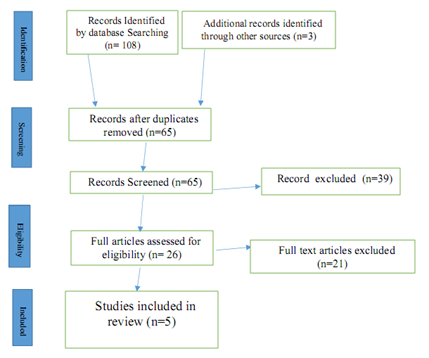
Figure 1: PRISMA flow diagram of the included studies on mHealth interventions in Cameroon (2009-2019).
All the interventions described in the reviewed studies were mobile phone based. While adopting text-messaging platforms in five of the reviewed studies drove the mobile phone interventions, it was based on mobile phone call, or concomitant text message and mobile phone call in one study. Table 1 indicates the characteristics of the studies included in the review. Thematically and in line with the categorization of mHealth interventions, all of the studies under review were considered to be characterized as interventions aimed at behavior change communication/client education [25].
3.1 Improving women’s health outcomes through mobile phone technology
In recent times, mobile phones have become inexpensive, portable, and accessible [26]. The ability of mhealth to improve women’s health outcomes is a domain worth exploring, especially in this era of increased uptake and dependence on mobile phones [27]. It is worthy to note that, mobile phone networks penetration in many developing countries surpasses other infrastructure such as electricity and paved roads and dwarfs fixed Internet deployment [28]. The growing sophistication of these networks – offering higher and higher speeds of data transmission alongside cheaper and more powerful handsets are transforming the way health services and information are accessed, delivered, and managed [29]. In the study by Bigna et al., [21] mobile-phone-based reminders of scheduled HIV appointments for carers (mostly women) of paediatric patients was reported to increase attendance. They went further to indicate that, the effective method of reminder was phone calls and text messages, but text messaging alone was established to be the most cost-effective method. In the samelight, the implementation of the MASHS trial by Wirsiy et al (Article in Press) contributed in the improvement of adolescent girl’s Sexo-Reproductive Health in Cameroon. The study showed significant findings between before and after adolescent girl’s perception on Sexo-Reproductive health. This study clearly demonstrated the ability of mobile phone technology using SMS improves the knowledge, attitudes and practices of the adolescent girls on sexo-reproductive health. Such improved perception (knowledge, attitudes and practices) results in improved health outcomes among adolescent girls.
3.2 Health education and information
Mobile phones for health education and information offer privacy in comparison with face-to-face meetings with health staff, and they provide populations with anonymous health information tailored without judgment/stigma [30]. Furthermore, young girls are excited about using new technologies thus responsive to this intervention in promoting Sexo-Reproductive Health [31]. Using the mobile phone as the main medium of relaying information, the MASHS scheme used a comprehensive sexo-reproductive health education (through a two way unique SMS text base messaging) approach to indirectly reduce the vulnerability of adolescents to the risk of early pregnancy and its complications, acquiring STIs including HIV, sexual exploitation, coercion and violence, child marriage, leaving school by improving the knowledge on contraceptive use, improving dialogue between adolescents and their peers, parents/guardians and encouraging them to visit health facilities for individual counseling on sexo- reproductive health. The MASHS intervention was centered on the Health Belief Model which of behavior change, a component of the Health Promotion theory [32]. In the MASHS study, majority of participants (96.5%) after the intervention reported they wanted to continue receiving the sexo-reproductive health educational text messages.
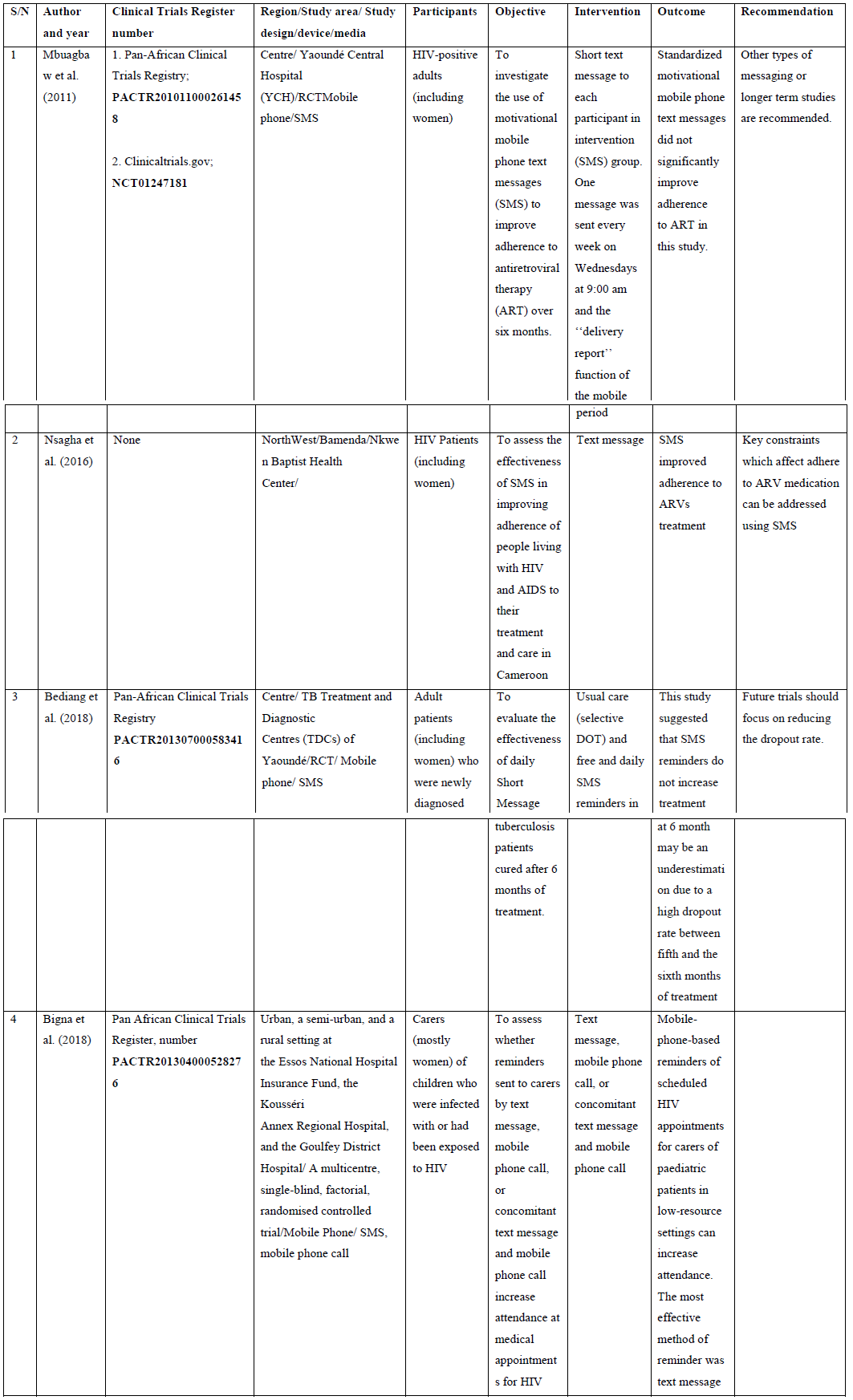
Table 1: Characteristics of the studies included in the review: Cameroon mHealth interventions (2009-2019).
3.3 Short message service (SMS) or "text message" shown to improve women’s health outcomes
The relative novelty of text messaging as part of mHealth results in a lack of generalizable policy guidelines/frameworks for health care [33]. It has been found in several studies that the use of SMS generally improves women’s health outcomes in resource-limited settings like Cameroon. Nsagha et al. [22] exemplified this in 2016 by showing that SMS improved adherence to Anti-retroviral (ARV) medication in Cameroon. The study further established that key constraints that affect adherence to ARV medication can be addressed using SMS. Also, in 2015, Mbuagbaw et al. [18] reported that text messaging interventions improve health outcomes in women living with HIV and other chronic diseases. In the samelight, the study by Bediang et al. [34] suggested that Short Message Service reminders don’t increase treatment success/cure proportions of tuberculosis patients (including women) in Cameroon. However, this study showed that the low proportion of tuberculosis patients cured at 6 months may be an underestimation due to a high dropout rate between the 5th and the 6th months of treatment.
3.4 Treatment adherence
The Cameroon Mobile Phone SMS trial by Mbuagbaw et al. [20] investigated the use of motivational SMS to improve adherence to antiretroviral therapy (ART) over 6 months. Cameroon Mobile Phone SMS (CAMPS) was a single-site randomized two-arm parallel design trial carried out in Yaounde´, Cameroon. The CAMPS trial enrolled and randomized HIV-positive adults (including women) on anti-retroviral therapy, aged 21 years and above to receive a weekly standardized motivational text message versus usual care alone. The primary outcome was adherence measured using a visual analogue scale (VAS), number of pharmacy refill data and doses missed. Outcome assessors and service providers were blinded to allocation. At six months, overall retention was 81.5%. There was no significant effect on adherence thus, in this study, standardized motivational mobile phone text messages did not significantly improve adherence to ART in this study. However, it was recommended that other forms of messaging for long term studies could create more impact.
4. Limitation
This article is not without some limitations. The study is limited in time and design scope, as it focused only on RCTs and studies published within a 10-year span. Also, the gray literature that may have yielded some valuable publications were not consulted. Oversight on the part of the author in selecting studies for inclusion in this study is also not improbable. However, a more elaborate and collaborative study reviewing the mHealth landscape in the Central African region and Cameroon in particular is underway.
5. Conclusion
Success has been reported in the use of mHealth as a supportive tool in patient diagnosis, data collection, modification of health related behavior, screening campaigns, and as an add-on to public health prevention, care and treatment initiatives worldwide. However, this study does not provide sufficient evidence to affirm mHealth interventions as causing significant improvements in women’s health outcomes or health care processes in Cameroon. Strides have been made in implementing ICT systems for monitoring and evaluation and disease surveillance in Cameroon, but information on health outcomes or health system efficiency is generally lacking. Additionally, some mHealth programs exist in Cameroon, but evidence on the value for money (cost effectiveness) of these digital solutions is lacking. It is worth noting that while mHealth may hold great promise to improvements in the use of health services and women’s health outcomes, it can only yield significant results when considered in the framework of more comprehensive interventions, and supported by a demonstrated health system capacity and government ownership. The impact of these mHealth interventions can then further be studied through research, using rigorous methodologies like RCTs with quantifiable economic, clinical and long–term patient as well as population level health outcomes. Thus there is a need for more intervention studies to ascertain the effect of mHealth interventions on women health outcomes and health care delivery processes in Cameroon.
Declarations
Ethics Approval and Consent to Participate
Not applicable.
Funding
The author(s) received no financial support for the research, authorship, and/or publication of this article.
Consent for Publication
Not applicable.
Availability of Data and Material
Not applicable.
Competing Interests
The authors declare that they have no competing interests.
Acknowledgments
The authors alone are responsible for the views expressed in this article, which do not necessarily represent the views, decisions or policies of the institution with which they are affiliated.
Author Contributions
Conceived and designed the study: FSW; Contributed in the analysis and interpretation of the data and in writing the original manuscript: FSW, DEAA; Contributed in the intellectual content of the manuscript: FSW, DEAA, PAN.
References
- mHealth: New horizons for health through mobile technologies WHO-Global Observatory for eHealth series 3 (2011): 9
- mHealth: Use of appropriate digital technologies for Public Health, 71st World Health Assembly (2018).
- Boulos MNK, Wheeler S, Tavares C, et al. How smartphones are changing the face of mobile and participatory healthcare: an overview, with example from eCAALYX. Biomed Eng OnLine 10 (2011): 24.
- Betjeman TJ, Soghoian SE, Foran MP. mHealth in Sub-Saharan Africa. Int J Telemed Appl (2013): 1-3
- Ojo AI. mHealth Interventions in South Africa: A Review. SAGE Open 8 (2018).
- James J, Versteeg M. Mobile phones in Africa: how much do we really know? Soc Indic Res 84 (2007): 117-126.
- Number of mobile phone users worldwide 2015-2020. Statista (2019).
- GSMA Mobile Economy. The Mobile Economy-Sub-Saharan Africa 2018. The Mobile Economy-Sub-Saharan Africa (2018).
- Cameroun Web. Cameroon mobile penetration rate rises from 9.8 to 71% between 2004 and 2014, Business News (2014): 12-15.
- Mobile subscription penetration Cameroon 2000-2017. Statista (2019).
- Trading Economics. Cameroon Population, 2019, Data, Chart, Calendar, Forecast, News (2019).
- Iribarren SJ, Cato K, Falzon L, et al. What is the economic evidence for mHealth? A systematic review of economic evaluations of mHealth solutions. PLOS ONE 12 (2017): e0170581.
- Opoku D, Stephani V, Quentin W. A realist review of mobile phone-based health interventions for non-communicable disease management in sub-Saharan Africa. BMC Med 15 (2017): 24.
- Okuboyejo S and Eyesan O. mHealth: Using Mobile Technology to Support Healthcare Online J Public Health Inform 5 (2014): 233.
- Kallander K, Tibenderana JK, Akpogheneta OJ, et al. Mobile Health (mHealth) Approaches and Lessons for Increased Performance and Retention of Community Health Workers in Low- and Middle-Income Countries: A Review. J Med Internet Res 15 (2013): 17.
- Labrique AB, Vasudevan L, Kochi E, et al. mHealth innovations as health system strengthening tools: 12 common applications and a visual framework. Glob Health Sci Pract 1 (2013): 160-171.
- Marcolino MS, Oliveira JAQ, D’Agostino M, et al. The Impact of mHealth Interventions: Systematic Review of Systematic Reviews. JMIR MHealth UHealth 6 (2018): 23.
- Mbuagbaw L, Mursleen S, Lytvyn L, et al. Mobile phone text messaging interventions for HIV and other chronic diseases: an overview of systematic reviews and framework for evidence transfer. BMC Health Serv Res 15 (2015): 33.
- Mbuagbaw L, Thabane L, Ongolo-Zogo P, et al. The challenges and opportunities of conducting a clinical trial in a low resource setting: the case of the Cameroon mobile phone SMS (CAMPS) trial, an investigator initiated trial. Trials 12 (2011): 145.
- Mbuagbaw L, Thabane L, Ongolo-Zogo P, et al. The Cameroon Mobile Phone SMS (CAMPS) trial: a randomized trial of text messaging versus usual care for adherence to antiretroviral therapy. PloS One 7 (2012): e46909.
- Bigna JJR, Noubiap JJN, Kouanfack C, et al. Effect of mobile phone reminders on follow-up medical care of children exposed to or infected with HIV in Cameroon (MORE CARE): a multicentre, single-blind, factorial, randomised controlled trial. Lancet Infect Dis 14 (2014): 600-608.
- Nsagha DS, Lange I, Fon PN, et al. A Randomized Controlled Trial on the Usefulness of Mobile Text Phone Messages to Improve the Quality of Care of HIV and AIDS Patients in Cameroon. Open AIDS J 10 (2016): 93-103.
- Bigna JJR, Kouanfack C, Noubiap JJN, et al. A randomized blinded controlled trial of mobile phone reminders on the follow-up medical care of HIV-exposed and HIV-infected children in Cameroon: study protocol (MORE CARE). Trials 14 (2013): 313.
- Spieth PM, Kubasch AS, Penzlin AI, et al. Randomized controlled trials-a matter of design. Neuropsychiatr Dis Treat 12 (2016): 1341-1349.
- Labrique AB, Vasudevan L, Kochi E, et al. mHealth innovations as health system strengthening tools: 12 common applications and a visual framework. Glob Health Sci Pract 1 (2013): 160-171.
- Wray R. In just 25 years, the mobile phone has transformed the way we communicate. The Guardian. 2010
- Steinhubl SR, Muse ED, Topol EJ. The emerging field of mobile health. Sci Transl Med 7 (2015): 283.
- The Economist. Beefing up mobile-phone and internet penetration in Africa. The Economist (2017).
- Kher RK. Mobile and E-Healthcare: Recent Trends and Future Directions. J Health Med Econ 2 (2016).
- L’Engle KL, Mangone ER, Parcesepe AM, et al. Mobile Phone Interventions for Adolescent Sexual and Reproductive Health: A Systematic Review. Pediatrics 138 (2016).
- Hyden C, Cohall A. Innovative approaches to using new media and technology in health promotion for adolescents and young adults. Adolesc Med State Art Rev 22 (2011): 498-520.
- Maiman LA, Becker MH. The Health Belief Model: Origins and Correlates in Psychological Theory. Health Educ Monogr 2 (1974): 336-353.
- Mbuagbaw L, Thabane L, Ongolo-Zogo P. Opening communication channels with people living with HIV using mobile phone text messaging: insights from the CAMPS trial. BMC Res Notes 6 (2013): 131.
- Bediang G, Stoll B, Elia N, et al. SMS reminders to improve adherence and cure of tuberculosis patients in Cameroon (TB-SMS Cameroon): a randomised controlled trial. BMC Public Health 18 (2018): 583.