Donato Longo1*, Chiara Favini2, Gian Domenico Giusti3, Donatella Mastria4, Gaetano Tammaro1, Paolo De Simone5
1 Intensive Care Unit, Vito Fazzi Hospital, Lecce, Italy
2 Hospital coordination for organ and tissue donation, University Hospital of Sassari, Sassari, Italy
3 Education and Quality, Nursing Degree Course, Perugia Hospital, Perugia, Italy
4 Hospital Coordinator for organ and tissue donation, Vito Fazzi Hospital, Lecce, Italy
5 Liver Transplant Program, Department of Surgical, Medical and Biomolecular Pathology and Intensive Care, University of Pisa, Pisa, Italy
*Corresponding Author: Donato Longo, Intensive Care Unit, Vito Fazzi Hospital, Lecce, Italy.
Received: 31 August 2026; Accepted: 04 September 2026; Published: 28 September 2026
Background: Intensive Care Unit (ICU) nurses play a pivotal role in both the management of critically ill patients and the care of potential organ donors after brain death (DBD). Although these contexts share core critical care competencies, organ donor management introduces additional clinical, ethical, and communicative challenges.
Objective: To identify and synthesize the competencies required for ICU nurses in the management of DBD potential organ donors using the European federation of Critical Care Nursing associations (EfCCNa) competency framework.
Methods: A Best-Fit Framework Synthesis literature review was conducted in accordance with PRISMA guidelines. Searches were conducted in MEDLINE (PubMed), Web of Science, Scopus, Cochrane Library, CINAHL, and Google Scholar for studies published from 2015 to 2025. Eligible studies focused on nursing care in the context of DBD organ donation. Data was synthesized using a Best Fit Framework approach, mapping findings to the EfCCNa competency domains and identifying donor management competencies through thematic analysis.
Results: A total of 49 studies were included. Core ICU competencies were consistently required, but organ donor management required additional, more complex capabilities. These included advanced physiological optimization of organ function, structured donor identification and referral processes, enhanced family-centered communication, and increased ethical and legal awareness. Furthermore, donor care required greater emotional resilience and the ability to coordinate with multidisciplinary and transplant systems. Several competencies were found to extend beyond the current EfCCNa framework.
Conclusions: The management of potential organ donors requires an expanded set of nursing competencies. These findings highlight the need to integrate donation-specific competencies into critical care nursing frameworks and education, supporting nurses in delivering high-quality, ethical, and effective donor management.
Organ Donation; Intensive Care Nursing; Nursing Competence; Critical Care; Organ Donor Management; Clinical Competencies
Organ Donation articles; Intensive Care Nursing articles; Nursing Competence articles; Critical Care articles; Organ Donor Management articles; Clinical Competencies articles
Introduction
Organ transplantation remains one of the most transformative achievements in modern medicine, significantly enhancing both survival and quality of life for patients with end-stage organ failure. However, the growing gap between organ demand and availability continues to pose a critical challenge. Addressing this imbalance requires not only increasing the number and quality of donated organs but also strengthening the role of intensive care professionals who are central to this process [1]. Within the Intensive Care Unit (ICU), nurses play a pivotal role in delivering high-quality care to critically ill patients, relying on a complex blend of advanced clinical expertise, technical proficiency, and interpersonal skills [2]. In recent years, their responsibilities have expanded beyond traditional patient care to include the management of organ donors - a highly specialized and demanding area of practice [3]. Caring for organ donors differs fundamentally from standard ICU practice [4]. While conventional care is primarily aimed at stabilizing and restoring patient health, donor management focuses on maintaining organ viability following the determination of death [5], while simultaneously providing compassionate support to families navigating emotionally challenging decisions [6]. These distinct clinical contexts generate unique competence requirements, particularly in domains such as ethical decision-making, end-of-life care [7], effective communication with families [8], and multidisciplinary collaboration [9]. Despite the critical importance of these competencies, there remains a lack of comprehensive synthesis of skills required across these areas of practice. This Best-Fit Framework Synthesis seeks to address this gap by examining the competencies required of ICU nurses in managing organ donors after brain death (DBD), using the European federation of Critical Care Nursing associations (EfCCNa) competency framework as an analytical lens. The synthesis would identify donor-specific competencies that extend or require contextual adaptation beyond those represented in the EfCCNa framework.
Methods
Study Design
This study is a Systematic Literature review using a Best-Fit Framework Synthesis aimed to identify and synthesize nursing competencies required for the management of potential DBD organ donors and to map these competencies against the EfCCNa competency framework for intensive care nursing. The review followed the Preferred Reporting Items for Systematic Reviews and Meta-Analyses (PRISMA) statement [10], consistent with the original methodological description of Best-Fit Framework Synthesis by Carroll et al., who characterized their approach as a systematic review of qualitative evidence [11]. PRISMA items relating to search, screening, and study selection were followed in full; items specific to qualitative synthesis coherence and interpretation were additionally informed by established qualitative evidence synthesis principles [12].
Eligibility Criteria
The study's eligibility criteria were informed by the study's overall objective and the data sought extraction. Studies were included if they focused on nursing care for potential organ donors after brain death in ICU settings and addressed nursing competencies, skills, or roles. Studies were excluded if they focused on donation after circulatory death (DCD), involved living donors, tissue donors, or bone marrow donors. The lower publication-date limit was set at January 2015 to focus the review on contemporary evidence concerning nursing practice in the management of potential organ donors after brain death. This cut-off was selected pragmatically to capture literature reflecting more recent developments in intensive care-based donor management, including physiological optimization, donor identification and referral, multidisciplinary coordination, and the specific educational and clinical role of nurses. Relevant nursing-focused literature addressing donor management was already available from 2015, including evidence concerning the intensive care management of deceased organ donors and nurse education [13,14]. Subsequent literature further emphasized the development of structured care pathways and multidisciplinary approaches to donation after brain death [15]. The 2015 cut-off was therefore intended to balance contemporary relevance with sufficient breadth of evidence, rather than to represent a specific change in clinical practice occurring in that year. Because the review question concerned the identification and mapping of competencies rather than intervention effectiveness, both primary and secondary source of evidence were considered eligible. Potential overlap between evidence sources could not be completely excluded; both primary and secondary sources were included when they provided evidence relevant to the review question and the identification of nursing competencies in potential organ donor management.
Information sources
A comprehensive literature search was conducted in MEDLINE (PubMed), Web of Science (Clarivate©), Scopus (Elsevier©), Cochrane Library, and CINAHL database. The search for grey literature was conducted using the Google Scholar search engine. The search strategy was initially developed for PubMed and adapted to other databases. The search string combined terms related to organ donation (e.g., “organ donor”, “DBD”, “organ procurement”), nursing roles (e.g., “nursing care”, “clinical nurses”), and ICU context and competencies.
The search was conducted from 28 October to 3 November 2025.
Search strategy
The review aimed to answer the following question: “What nursing competencies, if any, beyond routine ICU care, must nurses possess in order to provide appropriate care to potential organ donors?”. The search strings used are reported in the Supplementary Materials.
Selection process
All identified records were imported into Zotero reference management software (Zotero© 9.0.3 64-bit), and duplicates were removed. Study selection proceeded in three stages: title screening, abstract screening, and full-text review. Two independent reviewers classified studies as “Yes,” “No,” or “Maybe.” Disagreements were resolved through discussion or consultation with a third reviewer. Articles were excluded after title and abstract screening if they were deemed clearly irrelevant to the topic under investigation. Subsequently, full-text assessment of the remaining studies was conducted to evaluate their eligibility according to the predefined inclusion and exclusion criteria. Reasons for excluding full-text articles were recorded.
Data collection process
Data were independently extracted by two reviewers and included the following: author and year, title of the study, country, study design, aim of the study, and findings related to nursing competencies. Extracted data focused on nurse’s competencies in the following areas: identification of potential donors, clinical management of donors, communication with family, and staff training. Multidisciplinary evidence was retained when nursing practice was embedded within the described donor-management pathway, as excluding such evidence would have overlooked the collaborative context in which ICU nurses perform donor-related activities. In the initial phase, reviewers independently and in parallel extracted data using shared data extraction tables; subsequently, the extracted data were discussed and compared to verify their consistency.
Data items
The reviewers collected data concerning the domains, subdomains, and core competencies outlined in the EfCCNa framework related to potential donor management. In addition, the reviewers extracted additional data to identify specific competencies required of ICU nurses in the management of potential organ donors.
Study risk of bias assessment
Given that most of the studies included in this review were qualitative, particular attention was paid to methodological rigor and transparency throughout the analytical process. To ensure methodological rigor, qualitative researchers are required to maintain transparency, methodological coherence, and relevance to clinical practice throughout the research process. Although alternative interpretations of the data may emerge, providing a clear account of how themes were identified and developed is essential for establishing the credibility and robustness of the findings [16]. The methodological quality of included studies was assessed using the Critical Appraisal Skills Program (CASP) checklists [17]. Each study was independently appraised according to the CASP domains, including clarity of aims, appropriateness of methodology, research design, recruitment strategy, data collection, ethical considerations, data analysis, and value of the research. Attention was paid to the completeness and transparency of reported data, including the management of missing data and participant attrition, where applicable. The appraisal process was used to support the interpretation of findings and to contextualize the overall strength and limitations of the available evidence, rather than to exclude studies from the review.
Synthesis methods
A Best-Fit Framework Synthesis approach [18] was used to identify and organize nursing competencies relevant to the management of potential DBD organ donors and to map these competencies against the EfCCNa competency framework. The EfCCNa framework was selected as the priori framework because it provides an established reference for the competencies expected of ICU nurses and therefore enabled the donor-management findings to be examined in relation to competencies required in routine ICU practice. First, the relevant EfCCNa domains and subdomains were extracted and organized as a predefined coding matrix. Findings from the included sources were then independently coded against the relevant a priori domains and subdomains. The unit of coding was an individual finding describing a nursing competency, skill, role, responsibility, or practice relevant to the management of a potential DBD donor. Where a finding could not be adequately accommodated within the existing EfCCNa framework, an inductive code was generated and retained for further analysis. The coded findings were subsequently compared across studies and grouped into conceptually related competency categories. Through an iterative process of comparison, discussion, and refinement, these categories were organized into broader donor-management competency areas. The synthesis therefore followed a structured pathway from individual findings to initial codes, to EfCCNa domains/subdomains, and finally to higher-order donor-management competency areas. These areas were interpreted as donor-specific manifestations, extensions, or contextual adaptations of existing critical care nursing competencies rather than as new overarching competency domains. Two reviewers independently conducted the initial coding and compared their interpretations. Disagreements were resolved through discussion and, when consensus could not be reached, through consultation with a third reviewer. The coding matrix was subsequently reviewed to ensure consistency between the extracted findings, their assigned EfCCNa domains, and the final competency areas. The synthesis process was documented to provide an audit trail from the original evidence to the final thematic structure (Table 1_Supplementary materials). Given the heterogeneity of the included evidence, findings were synthesized qualitatively rather than quantitatively. Recipient and transplantation outcomes, such as graft survival, were not extracted; therefore, no inference was made regarding the relationship between nursing competencies and recipient outcomes. The number of sources reporting a particular competency area was used descriptively to illustrate the distribution of available evidence and was not interpreted as an indicator of evidence strength, competency importance, or effectiveness.
Results
Study selection
A total of 4,427 articles were identified through the search strategy, including 2,218 from PubMed, 803 from CINAHL, 757 from Web of Science, 385 from Google Scholar, 255 from Cochrane Library, and 9 from Scopus. All retrieved records were managed using Zotero reference management software. After removing 959 duplicates, 3,468 records remained for screening. Of these, 2,965 studies were excluded based on title screening and 357 were excluded after abstract review because they were clearly not relevant to the study’s aim. A total of 146 full-text articles were assessed for eligibility; among these, 92 were excluded because they did not meet the inclusion criteria or met one or more exclusion criteria; 7 potentially eligible reports could not be retrieved in full text despite attempts to obtain the publications. In addition, two studies previously known to the authors were independently assessed against the same eligibility criteria and were also included. Therefore, a total of 49 studies were included in the present literature review, published between 2015 and 2025. The following flowchart reports the studies selection process (Figure 1).
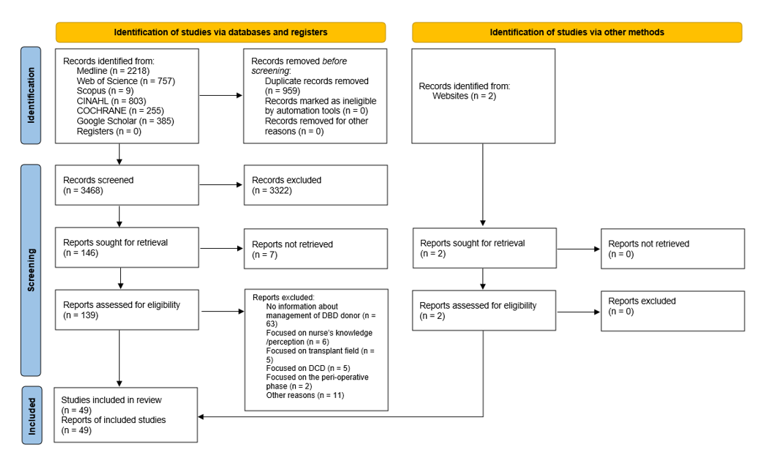
Figure 1: PRISMA Flowchart of studies selection process.
Study Characteristics
Most studies originated in Europe (15), Brazil (12), North America (8), and Australia (4), reflecting a broad international perspective. The included studies consisted of narrative and systematic reviews, qualitative studies, observational and cross-sectional studies, as well as consensus processes and position statements. Overall, the literature was heterogeneous, with a predominance of descriptive and qualitative evidence examining clinical, ethical, and experiential aspects of organ donor management. The included studies underwent critical appraisal of their methodological quality using the CASP checklists. In keeping with the intended use of CASP, no numerical quality score or threshold was applied. Instead, appraisal findings were considered at the domain level and used to identify methodological strengths and limitations of the evidence base and to contextualise the interpretation of the synthesis. Across the evidence included, most studies reported clear aims and an appropriate alignment between research questions and methodology. Common limitations included incomplete reporting of reflexivity, recruitment procedures, data analysis and/or ethical considerations in some qualitative studies. These limitations were considered when interpreting the contribution of individual sources to synthesis. Detailed results of the quality appraisal for each individual study are presented in Table 2_Supplementary materials. A synopsis of the included studies is presented in the following table (Table 1). An expanded form of synopsis is reported in supplementary material (Table 3_Supplementary materials).
Table 1: Synopsis of included studies.
|
Author, year |
Country |
Type of study |
Key results |
|
Ave, 201619 |
Switzerland |
Ethical analysis |
Organ Preserving- Cardiopulmonary Resuscitation (OP-CPR) is acceptable with consent; ethical issues depend on donor wishes and family agreement. |
|
Barreto, 201920 |
Brazil |
Literature review |
A nursing diagnosis is established, entitled ‘impaired physiological balance syndrome’. |
|
Barreto, 202021 |
Brazil |
Consensus |
The indicators have been validated for the nursing diagnosis ‘Impaired physiological balance syndrome’. |
|
Barreto, 202222 |
Brazil |
Diagnostic accuracy study |
Hyperglycaemia, impaired oxygenation, altered coagulation, altered heart rate, hyperthermia, hypothermia and ineffective peripheral tissue perfusion are significantly associated with the nursing diagnosis of impaired physiological balance syndrome. |
|
Bloomer, 202523 |
Australia |
Rapid review |
It is important to distinguish discussions about end-of-life care and death from the issue of organ donation. Discussions must be based on trust, open and honest communication, respect and autonomy. It is essential to provide time and a private space. |
|
Corbett, 202124 |
UK and ROI |
Descriptive |
Vasopressin should be considered the first-line pharmacological treatment for vasodilatory shock. Isotonic are preferred. |
|
Protective lung ventilation is the standard of care. A urine output >4 ml/h should raise suspicion of diabetes insipidus. |
|||
|
da Costa, 202125 |
Brazil |
Cross-sectional observational, analytical |
Brain death requires strict criteria. It defines a waiting period before starting the determination of brain death. The management of potential donors involves a range of therapeutic measures aimed at maintaining the haemodynamic stability of potential organ donors. Maintain BP, oxygenation, temp, metabolic balance. |
|
da Fonseca, 202126 |
Brazil |
Literature review |
It defines a waiting period before starting the determination of brain death. |
|
Hemodynamic management: noradrenaline/vasopressin; maintain temp >35°C; hormone therapy useful. |
|||
|
da Silva Bento, 202027 |
Brazil |
Retrospective quantitative |
Donor loss linked to poor hemodynamic control |
|
Hypernatremia is related to inadequate management of diabetes insipidus. |
|||
|
da Silva Knihs, 202028 |
Brazil |
Quantitative, retrospective, and descriptive |
Nurses carry out management and care tasks to minimise clinical changes in the potential donor and prevent their loss due to cardiac arrest. A physical examination is essential and necessary for assessing, verifying and validating potential donors. |
|
Nurse ensures donor stability and the prevention of complications. |
|||
|
da Silva, HB, 201729 |
Brazil |
Literature review |
It is important for nurses to carry out research, provide information and deliver education in the field of transplantation, thereby highlighting the importance of their work in improving patient care throughout the donation and transplantation process. |
|
Danet, 201930 |
Spain |
Qualitative systematic review |
Staff members were regarded as both ‘therapists’ and ‘guardian angels. Healthcare professionals are aware of their role in shaping and promoting the public perception and acceptance of organ donation and transplantation, and are responsible for conveying a message of optimism and hope regarding these issues. |
|
de la Longuiniere, 201631 |
Brazil |
Qualitative |
The nursing staff’s responsibility is to monitor all haemodynamic parameters, polyuria, autonomic dysfunction, sudden changes in temperature, dry mucous membranes and arrhythmias. |
|
Dicks, 202032 |
Australia |
Literature review |
Nurses must provide support to the donor’s family. |
|
Frenette, 201933 |
Canada |
Survey |
Specialist nurses are responsible for organ compatibility testing and organ allocation. |
|
Autonomic storm management; hemodynamic monitoring and treatment (vasopressin first-line); hormone therapy. |
|||
|
Frontera, 201534 |
USA |
Review |
When brain death is expected and imminent, it is advisable to shift from treatment strategies aimed at ‘brain protection’ to those aimed at ‘organ protection’. |
|
Gardiner, 201735 |
UK |
Case report and review |
Care for the potential donor can be summarised as the maintenance of homeostasis; maintaining vital signs, ensuring adequate oxygenation, fluid resuscitation, monitoring urine output, correcting electrolytes, avoiding hypothermia and lung damage. |
|
Green, 202336 |
South Africa |
Quantitative, and descriptive |
Professional nurses play a key role in identifying potential donors, referring them to organ donation coordinating unit and rendering health care that will ensure that organs are transplantable, by keeping them well perfused and healthy |
|
Hoste, 201837 |
Belgium |
modified Delphi approach |
It defined a standardized donor management pathway: diagnosis, family communication, monitoring, organ optimization. |
|
Jawoniyi, 201538 |
Northern Ireland |
Review |
The nurse ascertain which organs legitimately and ethically can be retrieved; and clinically maintaining the functions of the organ. He checks any risk factors for the transmission of disease(s). He discusses the organ donation with potential donors’ families; he is responsible for logistical management, and for ensuring effective liaison with the national center. |
|
Kentish-Barnes, 201939 |
France |
Narrative review |
The nurse plays an important role in supporting the family and in discussing the patient’s wishes and preferences. |
|
Kimszal, 202040 |
Poland |
Descriptive |
An understanding of the pathophysiological processes associated with brain death and its complete, irreversible dysfunction is essential; early recognition of the signs of brain death; documentation of information relating to the care of the deceased donor. |
|
Luberda, 201741 |
UK |
Scoping review |
Nurses should be willing to answer families’ questions honestly and transparently, and support them regardless of their decision regarding organ donation and encourage them to be present at the potential donor’s bedside. |
|
Magalhães, 201842 |
Brazil |
Qualitative |
Working closely with the donation coordination team is essential to providing appropriate care. Treatment must be ongoing and administered promptly. The complexity of process requires coordination of care practices among the various professionals. |
|
Magalhães, 201943 |
Brazil |
Qualitative |
Nurse manages the patient’s haemodynamic monitoring and support, body temperature, control of fluid balance, glycaemic control, the need for transfusions, monitoring of urine output, and other recommendations specific to organ donation. |
|
Manara, 202044 |
UK |
Descriptive |
The approach to the family should be carried out in three distinct stages. Once brain death has been confirmed, the focus of patient care shifts from aiming to restore health and function to preserve the organs. Donor optimization must be aggressive. |
|
Marklin, 202245 |
USA |
Retrospective |
Starting CRRT in a donor with oligoanuric AKI following a diagnosis of BD allows more time to manage the donor and optimise the function of the thoracic organs, thereby increasing their chances of being transplanted. |
|
Milliken, 202046 |
USA |
Descriptive |
When brain death is suspected, a clinical assessment is carried out. Brain death diagnosis requires strict neurologic criteria and testing. Family members may be invited to be present during the tests to determine brain death. |
|
Mills, 201647 |
UK |
Systematic literature review |
Nurses must provide families with clear information. A full explanation of the medical terminology and relevant information must be provided to help the family come to terms with the death of their loved one and understand that consenting to organ donation can actually help in the grieving process. |
|
Najmi, 202448 |
Saudi Arabia |
Descriptive |
It defines nursing diagnoses in the potential donor: ineffective tissue perfusion; anticipatory grief within the family; and impaired coping mechanisms within the family. It defines clinical criteria of brain death and nursing care for potential donor. |
|
Pengel, 202549 |
Netherlands |
Systematic review |
Healthcare professionals must shift their focus from patient care to supporting the family, and then from supporting the family to obtaining consent, and finally to ensuring the organs are properly cared for on behalf of the recipient. |
|
Petpichetchian, 201550 |
Thailand |
Descriptive, cross-sectional |
The doctors and nurses who care for patients who are potentially brain dead are responsible for initiating the organ procurement process. |
|
Prins, 201951 |
South Africa |
Mixed method |
Nurses must be trained in identifying potential donors and the criteria for brain death. Nurses should be aware that the family can withdraw their consent to organ donation at any time. Nurses should take part in reflection and debriefing sessions. |
|
Raios, 201752 |
Australia |
Retrospective audit |
It is unclear whether respiratory physiotherapy could improve suitability of lungs and improve donation rates. |
|
Raios, 202453 |
Australia |
Qualitative descriptive |
Respiratory physiotherapy may reduce alveolar collapse and improve the clearance of secretions, thereby increasing lung volumes and improving gas exchange. Treatment techniques are described. |
|
Rotteau, 202454 |
Canada |
Descriptive qualitative |
Early referral and automatic donor identification improve outcomes. |
|
Ruiz, 202155 |
Argentina |
Cross-sectional descriptive |
Healthcare professionals dealing with potential donors must liaise with the relevant centres. |
|
Healthcare professionals must be familiar with the procedures for conducting the apnoea test. |
|||
|
Simonsson, 202056 |
Sweden |
Interview |
Caring for donors requires the ability to empathise and to strike a balance between supporting family members and carrying out clinical procedures. Nurses with limited experience need special support during the donation process. |
|
Smetana, 201513 |
USA |
Review |
The use of a three-drug combination hormone therapy is recommended. The nurse must closely monitor the effects of hormone therapy. Adequate blood glucose control is essential during pre-transplant care. |
|
Souter, 201557 |
USA |
Literature review |
It defines a waiting period before starting the determination of brain death. It is recommended that healthcare professionals anticipate the family’s need for information, allow them to be close to the patient, and assess any specific unmet needs. Where resources permit, all patients with DBI who have no known prior objection should be resuscitated aggressively. |
|
Souter, 201858 |
USA |
Consensus process |
Intensive care for deceased donors is focused exclusively on organ resuscitation. |
|
Provides recommendations on hemodynamic, pulmonary management, and invasive monitoring. |
|||
|
Srivastava, 202159 |
India |
Descriptive |
A patient with a low GCS score should be kept under close observation, and the cessation of triggers should be detected at an early stage. It defines intensive monitoring of potential donor, fluid control, lung-protective ventilation. |
|
Tocher, 201960 |
UK |
Discursive paper |
The specialist nurse ensures that the diagnosis of death is confirmed and the appropriate tests are carried out, approaches the family to obtain consent for organ removal and supports the family throughout the donation process and beyond. |
|
Victorino, 201861 |
Brazil |
Qualitative |
The overall objectives of managing potential organ donors are to maintain optimal circulatory and metabolic conditions, to improve the function of each organ, to maximise the number and quality of organs available for transplantation. |
|
Walton, 202062 |
UK |
Descriptive study |
The intensive care nurse provides end-of-life care and supports the bereaved family. |
|
The issue of organ donation should only be discussed once death has been officially confirmed. |
|||
|
Yazdimoghaddam (a), 202163 |
Iran |
Qualitative research |
Nurses experience increased stress and conflict when caring for brain-dead patients. To address this, they apply the theory of the "Moral obligation to provide holistic care until the last minute". |
|
Yazdimoghaddam (b), 202064 |
Iran |
Qualitative content analysis |
Nurses are under pressure to keep the patient alive and face the fear of failure. |
|
Nurses need adequate information on the assessment of brain death. |
|||
|
Nurses must be able to support the donor’s family and ease their grief. |
|||
|
Yazdimoghaddam (c), 202165 |
Iran |
Qualitative |
Nurses are responsible for keeping their knowledge up to date and attending training courses. |
|
YazdiMoghaddam (d), 202066 |
Iran |
Systematic review |
Nurses must have a clear understanding of the concept and diagnosis of brain death. |
|
Nurse needs coping strategies for maintaining health and improving the quality of care in the organ donation process. |
The studies included in the literature review provided evidence on nursing competencies involved in the organ donation process, addressing different domains of competency. Some domains of EfCCNa framework were more extensively investigated across the included studies, whereas others received limited or no attention. Despite that, the number of sources reporting a competency was used to describe the distribution of the available evidence and should not be interpreted as an indicator of the strength, importance or effectiveness of that competency. The included evidence encompassed both bedside ICU nurses and specialist donation nursing roles. Given the variability in scope of practice, education, authority, and organisational responsibilities across these roles, findings were interpreted in relation to the specific nursing activities and competencies described in each study, rather than being attributed uniformly to all nursing roles. The synthesis therefore aimed to identify competencies relevant to donor management while acknowledging that their implementation may vary according to professional role and organisational context. Figure 2 illustrates the number of studies reporting evidence for each domain and subdomain of the EfCCNa framework.
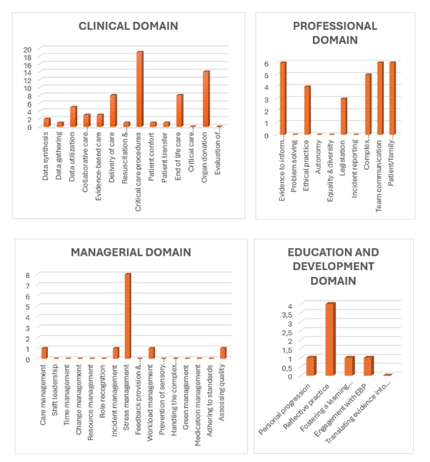
Figure 2: Number of studies reporting evidence for each domain of the EfCCNa Framework.
Organ Donor Care Based on the Efccna Competency Framework
The Best Fit Framework approach was used to map donor-specific nursing competencies against the established EfCCNa framework for routine critical care nursing. This method involves identifying a relevant conceptual framework, theory, or model, which is subsequently reduced to its core elements to establish the themes of the a priori framework. Evidence extracted from the studies included in the literature review are then synthesized according to these predefined themes, while additional themes are generated from findings not encompassed by the original framework [67,68]. The data identified through this review were categorized according to the EfCCNa framework, a tool adopted by the leading European scientific society for critical care nurses to assess the competencies of ICU nurses [69]. Analysis of collected data did not identify new overarching competency domains outside the EfCCNa framework. Instead, the synthesis identified six donor-management competency areas that represented either specific manifestations, extensions, or contextual adaptations of competencies contained within the existing EfCCNa framework. The resulting framework was considered preliminary and hypothesis-generating, providing a structured basis for further validation rather than a validated competency model. The resulting data synthesis is presented in Figure 3.
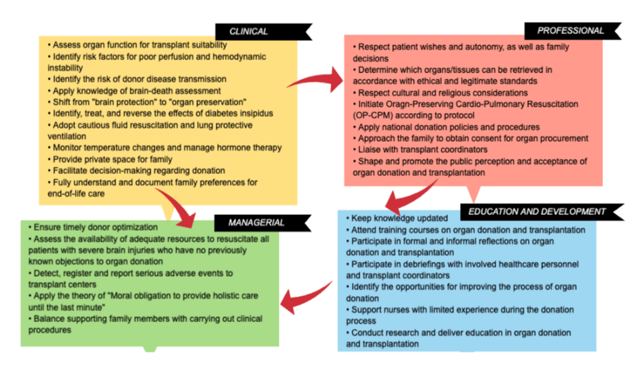
Figure 3: Identified competencies for ICU nurses in DBD donor management.
Within the Clinical domain, competencies were identified in the subdomain of Assessment and Nursing Diagnosis. ICU nurses are required to perform comprehensive clinical assessments and collect an accurate medical history through interviews with family members or other relevant individuals in order to evaluate organ suitability for transplantation [28,37]. When organ donation is considered feasible, nurses should be able to identify appropriate nursing diagnoses, including impaired physiological balance syndrome [20], ineffective tissue perfusion [48], anticipatory grief within the family [48], and impaired coping mechanisms within the family [48]. Within the Planning subdomain, the findings underscored the importance of recognizing devastating neurological injury [57] and, after the appropriate observation period [25,57], promptly identifying and reporting a potential organ donor [36,54,59]. ICU nurses are also required to transition from a “brain protection” approach to an “organ protection” strategy [34,44] while respecting the patient’s and family’s values, beliefs, and wishes [23]. The Implementation subdomain emphasized competencies for supporting brain death determination procedures [25,26,37,46,48,51,55,60,66] and for preserving the viability and quality of transplantable organs [38,57,61]. This includes ensuring adequate tissue perfusion and oxygenation [58] by maintaining optimal hemodynamic and metabolic stability [25,28,43]. Simultaneously, nurses play a central role in providing family-centered care by ensuring timely communication, privacy, emotional support, and physical comfort throughout the donation process [23,28,30,32,47,57,62]. Within the Professional domain, the literature review identified competencies in Complex Decision-Making, Ethical and Legal, and Communication subdomain. ICU nurses are required to possess thorough knowledge of local regulations, institutional policies, and clinical procedures related to organ donation [23,38,50]. The findings also emphasized that, when resources permit and in the absence of documented opposition or refusal from the family, patients with devastating brain injuries should receive appropriate resuscitative measures in order to preserve the possibility of organ donation [57]. The donation process further requires nurses to address highly sensitive and emotionally complex discussions with the potential donor’s family to facilitate shared understanding and consensus regarding donation [38,61]. These conversations should occur only after death has been formally communicated and accepted by the family [23,37,49,62]. The literature highlights the importance of identifying a reference person within the family [57] and providing clear, comprehensive, and truthful information progressively over time to reduce emotional distress [37,44,47,57]. In addition, ongoing psychological and emotional support should be ensured for family members during the weeks following organ donation [37]. Furthermore, effective communication with the referral transplant center represents a particularly important aspect of donor management. ICU nurses are responsible for coordinating communication with the national transplant center [37,38], the hospital donation team [42], and other relevant services [55] involved in the donation pathway, thereby ensuring continuity of care, timely information exchange, and appropriate multidisciplinary collaboration throughout the process [37,60]. Within the Managerial domain, competencies were identified in the subdomains of Unit Management, Team Management, and Quality Assurance. The literature emphasizes that the physiological instability associated with donor homeostasis requires prompt, aggressive measures to preserve organ viability [42]. Furthermore, any adverse events or clinical changes should be rapidly identified, documented, and communicated to the referral transplant center to ensure patient safety and optimize transplantation outcomes [37]. The complexity and emotional burden of the organ donation process also make this area of practice particularly demanding for ICU nurses [64]. Consequently, effective coordination among the multidisciplinary team is considered essential throughout all phases of donor management42. In addition to organizational and leadership competencies, nurses are required to possess strong emotional and interpersonal skills [30,42,49,56], as well as effective coping strategies [63,66], to manage the psychological stress associated with caring for potential organ donors and supporting their families. Within the Education and Development domain, the literature highlighted the importance of continuous professional development and the maintaining up-to-date knowledge through participation in educational and training activities related to organ donation and transplantation [65]. Nurses are also encouraged to contribute to research initiatives and educational programs aimed at improving the quality of care throughout the donation and transplant process [29]. Furthermore, experienced ICU nurses involved in donor management are expected to support and mentor less experienced colleagues, promoting knowledge transfer, professional growth, and the development of clinical expertise within the critical care team [56].
Thematic Synthesis of Competencies
Data extracted from the included studies identified a wide range of competencies and skills required of ICU nurses in managing patients with severe brain injury and brain death. Six major competency areas in the management of potential DBDs emerged from the analysis and are illustrated in Figure 4. The six competency areas are presented in a non-hierarchical order and do not imply any ranking in terms of importance.
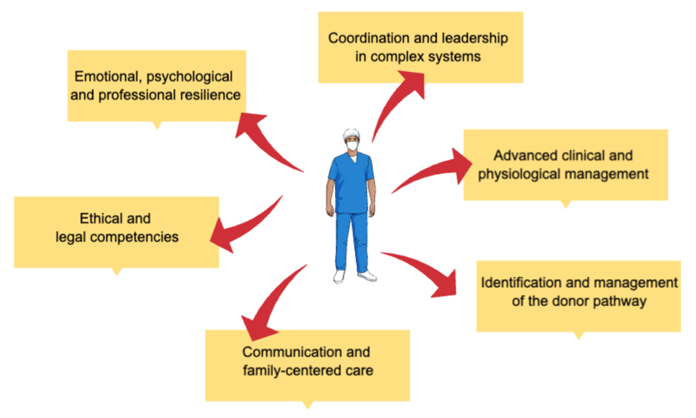
Figure 4: Nurses major competency areas in DBD organ donation.
Advanced Clinical and Physiological Management
Several studies have investigated the clinical management of potential organ donors [13,20-29,31,33-35,37,38,40,43-45,48,52,53,55,57-59,61,64]. A dominant theme across studies was the need for highly specialized clinical competence in managing the profound physiological instability associated with brain death. Key competencies included:
- hemodynamic stabilization [25,27,31,33,37,58,59] (vasopressors [24,26,33,37,44,59], fluid management [24,26,33,37,44,59])
- management of endocrine and metabolic disturbances [13,26,33,35,37,44,58,59]
- recognition and treatment of diabetes insipidus [13,24,27,37,44,59]
- lung-protective ventilation strategies[24,35,37,44,48,53,55,58,59]
- temperature regulation and prevention of hypothermia [25,26,31,35,37,58,59].
Brain death induces complex systemic dysfunction, including hormonal, cardiovascular, and metabolic collapse, necessitating continuous monitoring and quick intervention [20,24,58]. Barreto et al. [21,22] identified a specific nursing diagnosis, such as “impaired physiological balance syndrome”, encompassing multiple organ system impairments requiring coordinated nursing interventions. While ICU care focuses on stabilization for recovery, donor care requires active optimization of organ function for transplantation [38,61], often under conditions of irreversible neurological death.
Identification and Management of the Donor Pathway
Several studies have addressed the identification and referral of potential organ donors, highlighting the pivotal role of ICU nurses in the early recognition of donation opportunities and in the timely activation of the donation pathway [19,23,25,26,29,36–38,40,46,48,50,51,54,55,57–60,66]. As reported in the included studies, this critical competency domain concerns a central role for nurses in:
- recognizing potential donors [36,37,51,59,66]
- initiating referral protocols [36,50,54]
- supporting brain death assessment procedures [25,26,46,48,55]
- ensuring adherence to legal and clinical criteria [23,37,48,60].
Studies emphasize the importance of knowledge of brain death diagnostic criteria, monitoring for neurological and physiological indicators, and structured protocols for donor identification [25,51,54]. This competency is largely absent in routine ICU care, where the focus is on diagnosis and treatment [34,44] rather than eligibility for donation pathways. In the context of donor management, they represent an extension of routine critical care assessment because the purpose of recognition shifts from diagnosis and treatment toward timely identification of donation potential.
Communication and Family-Centered Care
Communication emerged as one of the most distinctive and complex competencies in several studies [23,28,30,32,37-39,41,44,46-49,51,57,60-62,64]. Nurses are required to
- provide clear, honest, and sensitive information [37,38,47,57]
- support families during end-of-life decision-making [23,28,32,37,38,49,60-62,64]
- discuss organ donation only after death is understood and accepted [23,37,44,62]
- build trust and maintain transparency [23,30,39,41,46,51]
Effective communication is structured, staged, and emotionally sensitive, and is articulated by explaining the prognosis, confirming death, and introducing donation [23,44,47]. Nurses are also compelled to respect cultural, ethical, and personal values and to facilitate private, supportive environments for families [23,38,48]. It is important to note that communication in ICU care is primarily patient-focused, whereas donor care shifts decisively to family-centered communication, often involving consent for organ donation [44,49,57]. Communication and family-centered care extended beyond the transmission of information. The identified competencies encompassed the ability to explain brain death and the donation process clearly [37,44,57], recognize and respond to relatives’ emotional and informational needs [41,47,57], adapt communication to cultural and individual values [23,48], and support families in making informed decisions without exerting undue pressure [38,41,57,61]. Communication was therefore interpreted as an integrated clinical and relational competency rather than as a discrete interpersonal skill.
Ethical and Legal Competence
Ethical complexity in donor management is substantial and extensively discussed in the literature, representing a major challenge in critical care practice. Several studies highlight the ethical dilemmas faced by healthcare professionals, particularly ICU nurses [19,23,38,39,41,47-50,57,63,66]. Key competencies include managing potential conflicts of interest (care vs. donation) [19,57,63]; respecting patient autonomy and previously expressed wishes [23,39,41,57]; ensuring informed consent [19,38,47,49,51,60,61]; and understanding the legal frameworks governing brain death and donation [23,37,38,48,50,51,66]. Ethical dilemmas are inherent in clinical practice and include the use of interventions such as organ-preserving cardiopulmonary resuscitation (OP-CPR) and the separation of end-of-life care decisions from discussions of donation [19,62]. Although ethics is central to ICU care, donor care requires advanced ethical reasoning in contexts involving death, consent, and transplantation [38,57,63].
Emotional, Psychological, and Professional Resilience
Caring for organ donors imposes significant emotional and psychological demands [30,42,49,56,63,64,66]. Studies have highlighted stress related to maintaining physiological stability after death, the emotional burden of supporting grieving families, and moral tension and perceived responsibility [30,65]. In this regard, the required competencies include emotional regulation [30,42,49,56], coping strategies [30,66], participation in debriefing, and peer support [23,37,51] and self-care [23,66]. While ICU nursing is inherently stressful, donor care involves unique moral and emotional tensions, requiring additional resilience and coping strategies [30,42,63].
Coordination and Leadership in Complex Systems
Organ donation requires complex, multi-level coordination beyond routine ICU teamwork [30,33,42]. Nurses must liaise with transplant coordinators and surgical teams and coordinate diagnostics and logistics and ensure continuity of care across phases [38,60]. Coordination extends beyond the ICU to national transplantation systems and multidisciplinary networks [37,38,55,60].
Discussion
A Best-Fit Framework Synthesis was conducted, and the collected evidence was synthesized using the Best Fit Framework approach combined with Thematic Synthesis. Data extraction was guided by the EfCCNa competency framework for ICU nursing, using its predefined domains and themes as the priori framework. Subsequently, the review team performed a thematic analysis to further interpret and analyze evidence captured within the framework. The initial analysis and synthesis were conducted independently by two reviewers and subsequently discussed with a third reviewer to achieve consensus on the final set of themes. This provides a structured mapping of donor-management nursing competencies onto an established ICU competency framework, thereby identifying where donor management represents an extension, contextual adaptation or increased complexity of existing critical care competencies for ICU nurses involved in DBD donor management. The evidence extracted through this literature review came from a wide range of geographic settings, reflecting considerable variability in healthcare systems and, consequently, in the competencies required of ICU nurses involved in organ donation processes. Europe and North America are the regions with the highest levels of organ donation activity [70]. In these contexts, several factors may influence nursing roles and responsibilities in donor management, including the number of nurses dedicated to organ donation activities, the adoption of opt-in versus opt-out consent systems, the professional profile responsible for procurement coordination [70], the public attitudes toward organ donation, the religious beliefs or misconceptions, the logistical challenges in rural areas [71], the staff perceptions, and the presence of established organizational structures for donation and transplantation programs [72]. The organization of donation systems, consent legislation and distribution of responsibilities between bedside ICU nurses and specialist donation nurses/coordinators may influence the scope and intensity of the competencies required. In systems in which donation coordination or specialist nurse is embedded within the hospital, ICU nurses may have more direct responsibilities for donor identification, family communication and coordination. Conversely, where external or regional OPO structures are predominant, these responsibilities may be shared with or transferred to specialist coordinators. Similarly, opt-in and opt-out legislative frameworks may shape the communication context surrounding donation. These contextual differences are particularly relevant to the Communication and Family-centered care, and Coordination and Leadership competency areas. Despite these differences, most studies included in this review were conducted in European countries, the United States, and Brazil, all of which largely adopt one of the two most established organizational approaches to organ donation: the Spanish model or the OPO-based model. Furthermore, the competency framework proposed by the American Association of Critical-Care Nurses (AACN) [73], largely reflects the European framework, although it differentiates competency levels according to the nurse’s clinical experience and professional development. This common organizational background can enhance the overall generalizability and applicability of the findings. The findings included in this review were derived predominantly from qualitative studies. Although qualitative research can provide rich and valuable insights, methodological rigor is essential to ensure the credibility and trustworthiness of the findings [74]. For this reason, the quality of the included studies was assessed using the CASP checklists, one of the most widely adopted tools for the appraisal of qualitative research [75]. The CASP instrument supports the evaluation of methodological validity, relevance, and applicability of study findings to clinical practice [76]. The data extracted from this review were mapped across the domains and subdomains of the EfCCNa competency framework. The study aimed to inductively analyze the competencies identified in the included studies to determine whether domains or subdomains of competence were required for the management of potential organ donors. Although no competencies emerged outside the priori domains and subdomains of the framework, the review identified several key competencies related to the organ donation process and the management of potential DBD donors that were not explicitly represented within the original framework. These additional competencies were critically discussed among the reviewers and subsequently grouped into six major areas, leading to the development of a conceptual framework defining the core competencies required for nursing care of potential DBD donors in the ICU setting. The identification of competencies beyond those defined in the priori framework could suggest that organ donation represents a highly specialized area of nursing practice. The process is characterized by complexity [77,78] and significant clinical, ethical, and societal implications [77,79-81]. Although several competencies required in the donation process overlap with those necessary for routine ICU practice, donor management could involve additional specific knowledge, technical skills, and personal attitudes that extend beyond standard ICU nursing competencies [82,83]. These advanced competencies should therefore be specifically developed, maintained, and promoted through targeted education, training, and clinical experience [78,84]. The transition from patient care to donor management marks a paradigm shift from life-saving care to organ-preserving care, from a patient-centered to a family-centered focus, and from clinical recovery to ethical responsibility and societal benefit. Several factors contribute to the complexity of transplant-oriented care within the intensive care setting. First, the management of potential organ donors requires advanced, specialized knowledge of the profound physiological alterations associated with severe brain injury and brain death [77,85-88]. Second, the emotional distress experienced by family members [89,90] may compromise the accuracy of anamnestic information collected during the donation process. Third, relatives may request rapid release of the donor’s body to proceed with funeral arrangements [91,92], potentially creating organizational and ethical challenges. Finally, families may experience uncertainty or difficulty understanding the concept of brain death, particularly when the patient’s organs continue to function through artificial support measures [77,79,91-93]. These aspects highlight the need for ICU nurses to possess not only advanced clinical competencies, but also strong communication, ethical, and emotional management skills throughout the donation process [77,90].
Strengths and Limitations
The findings support the integration of donor-specific competencies into critical care curricula, structured training programs, clinical guidelines, and competency pathways. Rather than proposing new overarching competency domains, this review provides a preliminary framework for contextualizing existing EfCCNa competencies within organ donation. Several limitations should be considered, including heterogeneity in study designs and methodological approaches, a predominance of qualitative and descriptive evidence, and limited direct comparative research. Differences in reporting and methodological quality may also have influenced the identification and mapping of competencies. The heterogeneity of the evidence precluded quantitative comparison and assessment of the relative importance or effectiveness of individual competencies; therefore, the frequency of reported competencies was interpreted descriptively rather than as an indicator of evidence strength. Furthermore, because the scope of practice of bedside ICU nurses and specialist donation nurses varies across healthcare systems, the applicability of individual competency areas may differ according to local organizational and professional roles. Finally, the resulting competency areas are preliminary and hypothesis-generating rather than a validated competency model.
Conclusion
This review identified six donor-management competency areas that could be mapped onto the EfCCNa framework and may represent extensions or contextual adaptations of competencies required in routine intensive care nursing. These findings provide a preliminary, hypothesis-generating framework that may inform education, competency assessment and future guideline development. However, the available evidence does not establish that these competencies improve nursing performance, organ donation rates, organ quality or transplantation outcomes. Further research is required to validate the framework across different healthcare systems and to determine its applicability to bedside ICU nurses.
Registration and protocol
This systematic review protocol was prospectively registered on 21 October 2025 with the International Platform of Registered Systematic Review and Meta-analysis Protocols (INPLASY) under registration number INPLASY2025100077 (doi:10.37766/inplasy2025.10.0077). During the conduct and refinement of the review, several methodological adaptations were made to improve the comprehensiveness and transparency of the evidence synthesis. CINAHL was added to the databases specified in the original protocol to broaden the retrieval of nursing-specific evidence, and the search strategies were adapted to the syntax and indexing characteristics of each information source. The planned narrative comparison was subsequently operationalized as a Best-Fit Framework Synthesis, using the EfCCNa competency framework as the a priori reference framework, followed by qualitative thematic synthesis. Methodological appraisal using the appropriate CASP checklist was also incorporated to support interpretation of the evidence. Because the EfCCNa framework represents established competencies for routine critical care nursing, a separate evidence base of routine ICU patients was not systematically assembled; the comparison was therefore conducted analytically by mapping donor-specific findings against the EfCCNa framework. These adaptations did not alter the overarching review question, the focus on nursing competencies relevant to the management of potential donors after brain death, or the main eligibility criteria concerning the donor population.
Acknowledgements: This study was conducted as part of the educational and research activities of the master’s degree in “Nursing Coordination of Organ and Tissue Donation and Transplantation” at the University of Pisa, Italy.
Funding: This research received no specific grant from any funding agency in the public, commercial or non-profit sectors.
Competing Interests: None declared.
Patient consent: Patients and/or the public were not involved in the design, or conduct, or reporting, or dissemination plans of this research.
Data Availability: The datasets used and/or analyzed during the current study are available from the corresponding author on reasonable request.
AI Use Disclosure
Generative AI tools were used solely for language editing and to improve the clarity and fluency of the manuscript. No AI tools were used for study design, literature searching, data analysis, interpretation of findings, or formulation of conclusions. The authors reviewed and approved the final manuscript and take full responsibility for its content.
Author contribution statement
DL: conceptualization, investigation, methodology, data curation, formal analysis, visualization, writing – original draft
CF: investigation, formal analysis, data curation, formal analysis, writing – review & editing
GDG: methodology, formal analysis, supervision, writing – review & editing
DM: data curation, formal analysis, validation, writing – review & editing
GT: data curation, formal analysis, validation, writing – review & editing
PDS: conceptualization, methodology, formal analysis, visualization, project administration, supervision, writing – review & editing.
Strengths and limitations of this study
- This review provides a comprehensive synthesis of the competencies required for intensive care nurses involved in the management of potential organ donors after brain death.
- The study applied a Best Fit Framework Synthesis using the European federation of Critical Care Nursing associations (EfCCNa) competence framework, allowing a comparison between routine ICU care and donor management competencies.
- The inclusion of studies from different international healthcare settings increases the transferability and relevance of the findings across transplantation systems.
- The evidence base was heterogeneous and predominantly composed of qualitative and descriptive studies, limiting the possibility of quantitative comparison and meta-analysis.
- Variability in legal, organizational, and cultural aspects of organ donation among countries may have influenced the reported nursing roles and competencies.
References
- Vanholder R, Domínguez-Gil B, Busic M, et al. Organ donation and transplantation: a multi-stakeholder call to action. Nature Reviews Nephrology 17 (2021): 554-568.
- The European Federation of Critical Care Nursing Associations (EfCCNa) Education Committee. EfCCNa Competencies for European Critical Care Nurses. 2013.
- Urquhart R, Kureshi N, Dirk J, Weiss M, Beed S. Nurse knowledge and attitudes towards organ donation and deemed consent: the Human Organ and Tissue Donation Act in Nova Scotia. Canadian Journal of Anesthesia 70 (2023): 245-252.
- Son M, Kim N. Experiences of Intensive Care Unit Nurses in Caring for Brain-Dead Donors. J Hosp Palliat Nurs 26 (2024): E38-E44.
- Yoshikawa MH, Rabelo NN, Welling LC, Telles JPM, Figueiredo EG. Brain death and management of the potential donor. Neurol Sci 42 (2021): 3541-3552.
- Witjes M, Jansen NE, van Dongen J, et al. Appointing nurses trained in organ donation to improve family consent rates. Nurs Crit Care 25 (2020): 299-304.
- Palmryd L, Rejnö Å, Alvariza A, Godskesen T. Critical care nurses’ experiences of ethical challenges in end-of-life care. Nurs Ethics 32 (2025): 424-436.
- Matsuo M, Ito K, Yuasa M, et al. Sustained Effect of Serious Illness Communication Skills Training on Clinicians’ Self-Preparedness in Brain-Death Organ Donation Decision-Making. J Palliat Med. 2025.
- MEŞE S, HARMANCI P. Competency in Liver Transplant Nursing: A Qualitative Study. Balikesir Health Sciences Journal 14 (2025): 374-382.
- Page MJ, McKenzie JE, Bossuyt PM, et al. The PRISMA 2020 statement: an updated guideline for reporting systematic reviews. BMJ 372 (2021): n71.
- Carroll C, Booth A, Cooper K. A worked example of “best fit” framework synthesis: A systematic review of views concerning the taking of some potential chemopreventive agents. BMC Med Res Methodol 11 (2011): 29.
- Thomas J, Harden A. Methods for the thematic synthesis of qualitative research in systematic reviews. BMC Med Res Methodol 8 (2008): 45.
- Smetana K, Kimmons L, Jones G. The Role of Hormone Replacement Therapy in the Intensive Care Management of Deceased Organ Donors: A Primer for Nurses. Critical Care Nursing Quarterly 38 (2015): 359-370.
- Citerio G, Cypel M, Dobb GJ, et al. Organ donation in adults: a critical care perspective. Intensive Care Med 42 (2016): 305-315.
- Hoste P, Vanhaecht K, Ferdinande P, et al. Care pathways for organ donation after brain death: guidance from available literature? Journal of Advanced Nursing 72 (2016): 2369-2380.
- Smith J, Noble H. Understanding sources of bias in research. Evid Based Nurs 28 (2025): 137-139.
- Critical Appraisal Skills Programme (2024) CASP checklist.
- Flemming K, Noyes J. Qualitative Evidence Synthesis: Where Are We at? International Journal of Qualitative Methods 20 (2021): 1609406921993276.
- Dalle Ave AL, Gardiner D, Shaw DM. Cardio-pulmonary resuscitation of brain-dead organ donors: a literature review and suggestions for practice. Transpl Int 29 (2016): 12-19.
- Menna Barreto LN, Chies N, Cabral ÉM, Nomura ATG, Almeida MDA. Impaired physiological equilibrium syndrome in potential organ donors: identification of defining characteristics. Enf Global 18 (2019): 643-693.
- Barreto LNM, Cabral ÉM, Chies N, Almeida MDA. Indicadores clínicos para o diagnóstico de enfermagem Síndrome do equilíbrio fisiológico prejudicado para doadores de órgãos. Esc Anna Nery 24 (2020): e20190341.
- Barreto L, Cabral É, Buffon M, Mauro J, Pruinelli L, Almeida M. Nursing Diagnosis for Potential Organ Donors: Accuracy Study. Clinical Nursing Research 31 (2022): 60-68.
- Bloomer MJ, Brooks LA, Coventry A, Ranse K, Rowe J, Thomas S. The role of critical care nurses in organ and tissue donation: A position statement of the Australian College of Critical Care Nurses. Australian Critical Care 38 (2025): 101073.
- Corbett S, Trainor D, Gaffney A. Perioperative management of the organ donor after diagnosis of death using neurological criteria. BJA Education 21 (2021): 194-200.
- Costa VCD, Nascimento MMDL, Silva JELD, Silva BCVD, Melo NRMD, Guimarães TMR. Knowledge of the health team about brain death protocol and maintenance of potential donor. RPCF 13 (2021): 1499-1505.
- da Fonseca B, de Souza V, Batista T, et al. Strategies for hemodynamic maintenance of potential brain-dead donor integrative review. Einstein-Sao Paulo 19 (2021).
- Da Silva Bento P, Santiago AD, Vendrame Saes LS, et al. Loss of Potential Donors Due to Hemodynamic Maintenance. Transplantation Proceedings 52 (2020): 1226-1230.
- Knihs NDS, Santos ACBD, Magalhães ALP, Barbosa SDFF, Paim SMS, Santos J. Management of nurse care in the organ and tissue donation process. Texto Contexto - Enferm 29 (2020): e20180445.
- da Silva H, da Silva K, Diaz C. Intensive nursing front of organ donation: an integrative review. Revista de Pesquisa-Cuidado e Fundamental Online 9 (2017): 882-887.
- Danet A, Cardoso P. Emotional experiences of health professionals in organ procurement and transplantation. A systematic review. Cirugia Espanola 97 (2019): 364-376.
- de la Longuiniere A, Lobo M, Leite P, Barros R, Souza A, Vieira S. Knowledge of critical care nurses about the process of brain death diagnosis. Rev Rene 17 (2016): 691-698.
- Dicks SG, Burkolter N, Jackson LC, Northam HL, Boer DP, Van Haren FMP. Grief, Stress, Trauma, and Support During the Organ Donation Process. Transplantation Direct 6 (2020): e512.
- Frenette A, Charbonney E, D’Aragon F, et al. A Canadian survey of critical care physicians’ hemodynamic management of deceased organ donors. Canadian Journal of Anesthesia 66 (2019): 1162-1172.
- Frontera J, Curtis J, Nelson J, et al. Integrating Palliative Care Into the Care of Neurocritically Ill Patients: A Report From the Improving Palliative Care in the ICU Project Advisory Board and the Center to Advance Palliative Care. Critical Care Medicine 43 (2015): 1964-1977.
- Gardiner DC, Nee MS, Wootten AE, Andrews FJ, Bonney SC, Nee PA. Critical care in the Emergency Department: organ donation. Emerg Med J 34 (2017): 256-263.
- Green B, Goon DT, Mtise T, Oladimeji O. A Cross-Sectional Study of Professional Nurses’ Knowledge, Attitudes, and Practices Regarding Organ Donation in Critical Care Units of Public and Private Hospitals in the Eastern Cape, South Africa. Nursing Reports 13 (2023): 255-264.
- Hoste P, Hoste E, Ferdinande P, et al. Development of key interventions and quality indicators for the management of an adult potential donor after brain death: a RAND modified Delphi approach. BMC Health Services Research 18 (2018).
- Jawoniyi OO, Gormley K. How critical care nurses’ roles and education affect organ donation. Br J Nurs 24 (2015): 698-700.
- Kentish-Barnes N, Siminoff L, Walker W, et al. A narrative review of family members’ experience of organ donation request after brain death in the critical care setting. Intensive Care Medicine 45 (2019): 331-342.
- Kimszal E. Zespół transplantacyjny – rola pielęgniarki anestezjologicznej. Piel Pol 76 (2020): 122-126.
- Luberda K, Cleaver K. How modifiable factors influence parental decision-making about organ donation. Nursing Children and Young People 29 (2017): 29-36.
- Magalhães ALP, Erdmann AL, Sousa FGM de, Lanzoni GM de M, Silva EL da, Mello ALSF de. Meaning of nursing care to brain dead potential organ donors. Rev Gaucha Enferm 39 (2018): e20170274.
- Magalhães ALP, Oliveira RJTD, Ramos SF, Lobato MM, Knihs NDS, Silva ELD. Gerência do cuidado de enfermagem ao paciente em morte encefálica. Rev Enferm UFPE On Line 13 (2019): 1124.
- Manara AR, Thomas I. Current status of organ donation after brain death in the UK. Anaesthesia 75 (2020): 1205-1214.
- Marklin GF, Ewald L, Klinkenberg WD, Joy CM, Bander SJ, Rothstein M. The benefits of initiating continuous renal replacement therapy after brain death in organ donors with oligoanuric acute kidney injury. Clin Transplant 36 (2022): e14764.
- Milliken A, Uveges M. CE: brain death: history, updates, and implications for nurses. AJN The American Journal of Nursing 120 (2020): 32-38.
- Mills L, Koulouglioti C. How can nurses support relatives of a dying patient with the organ donation option? Nurs Crit Care 21 (2016): 214-224.
- Najmi FH, Otayf MAM, Harby SAA, et al. Brain Death: A Comprehensive Overview of Nursing Interventions-An Updated Review. Egypt J Chem 0 (2024): 0-0.
- Pengel LHM, Mazarello-Paes V, Paredes-Zapata D, et al. The experiences of clinical staff approaching families for organ donation consent: A systematic review and thematic synthesis of qualitative studies. Transplantation Reviews 39 (2025): 100935.
- Petpichetchian W, Kitbunyonglers S, Kitrungrote L. Nurses’ Values, Beliefs and Roles Regarding Organ Donation. 19 (3).
- Prins L, Human L. Early identification and referral of organ donors in five private hospitals: a survey to determine the knowledge and views of critical care professional nurses pre and post a PowerPoint training intervention. S Afr J Crit Care 35 (2019): 48.
- Raios C, Keating J, Stitt N, Opdam H, Skinner E. Challenges in Providing Timely Physiotherapy and Opportunities to Influence Outcomes for Potential Lung Donors. Progress in Transplantation 27 (2017): 112-124.
- Raios C, Keating JL, Skinner EH, Opdam HI, Haines KJ. Exploring current physiotherapy practices in the care of people who are potential lung donors: A qualitative study. Aust Crit Care 37 (2024): 539-547.
- Rotteau L, Vaillancourt S, Magaz M, et al. Characteristics and Practices of High-Performing Centers in Organ Donor Identification and Referral: A Qualitative Study. Canadian Journal of Kidney Health and Disease 11 (2024).
- Ruiz VR, Terrasa SA, Bauque S, et al. Lung donation and donor lung management: a survey among health care professionals in Argentina. Crit Care Sci 33 (2021).
- Simonsson J, Keijzer K, Södereld T, Forsberg A. Intensive critical care nurses’ with limited experience: Experiences of caring for an organ donor during the donation process. Journal of Clinical Nursing 29 (2020): 1614-1622.
- Souter MJ, Blissitt PA, Blosser S, et al. Recommendations for the critical care management of devastating brain injury: Prognostication, psychosocial, and ethical management: A position statement for healthcare professionals from the Neurocritical Care Society. Neurocrit Care 23 (2015): 4-13.
- Souter MJ, Eidbo E, Findlay JY, et al. Organ donor management: part 1. Toward a consensus to guide anesthesia services during donation after brain death. Seminars in Cardiothoracic and Vascular Anesthesia 22 (2018): 211-222.
- Srivastava V, Nakra M, Datta R. Optimal management of brain-dead organ donor. Medical Journal Armed Forces India 77 (2021): 1-5.
- Tocher J, Neades B, Smith GD, Kelly D. The role of specialist nurses for organ donation: A solution for maximising organ donation rates? Journal of Clinical Nursing 28 (2019): 2020-2027.
- Victorino JP, Mendes KDS, Westin ÚM, Magro JTJ, Corsi CAC, Ventura CAA. Perspectives toward brain death diagnosis and management of the potential organ donor. Nurs Ethics 26 (2019): 1886-1896.
- Walton P, Miller C, Maycock S, Nicol K. Deemed consent to organ donation: what critical care nurses need to know. British Journal of Nursing 29 (2020): 910-912.
- Yazdimoghaddam H, Manzari ZS, Heydari A, Mohammadi E. The ethical obligation to provide care to patients diagnosed with brain death until the end stages based on grounded theory. JMEHM 14 (2021).
- YazdiMoghaddam H, Manzari ZS, Heydari A, Mohammadi E. Challenges in the Management of Care of Brain-Dead Patients in the Donation Process: A Qualitative Content Analysis.
- Yazdimoghaddam H, Manzari ZS, Heydari A, Mohammadi E. Improving psychological security and empowerment: New model for nurses toward the care of potential organ donors. Journal of Education and Health Promotion 10 (2021).
- YazdiMoghaddam H, Manzari ZS, Mohammadi E. Nurses’ challenges in caring for an organ donor brain dead patient and their solution strategies: A systematic review. Iranian Journal of Nursing and Midwifery Research 25 (2020): 265.
- Carroll C, Booth A, Leaviss J, Rick J. “Best fit” framework synthesis: refining the method. BMC Med Res Methodol 13 (2013): 37.
- Shafaghat T, Bastani P, Nasab MHI, et al. A framework of evidence-based decision-making in health system management: a best-fit framework synthesis. Arch Public Health 80 (2022): 96.
- Stellabotte M, Pinto F. Advanced nursing competencies in critical care: education and evaluation tools. A narrative review. Scenario 40 (2023).
- Cowie S, Choy SH, Shah DM, Gomez MP, Yoong BK, Koong JK. Healthcare System Impact on Deceased Organ Donation and Transplantation: A Comparison Between the Top 10 Organ Donor Countries With 4 Countries in Southeast Asia. Transpl Int 36 (2023): 11233.
- Olawade DB, Marinze S, Qureshi N, Weerasinghe K, Teke J. Transforming organ donation and transplantation: Strategies for increasing donor participation and system efficiency. European Journal of Internal Medicine 133 (2025): 14-24.
- Johnston-Webber C, Mah J, Streit S, et al. A Conceptual Framework for Evaluating National Organ Donation and Transplantation Programs. Transpl Int 36 (2023): 11006.
- AACN Competence Framework for Progressive and Critical Care: Initial Competency. American Association of Critical-Care Nurses; 2022.
- Köhler T, Smith A, Bhakoo V. Templates in Qualitative Research Methods: Origins, Limitations, and New Directions. Organizational Research Methods 25 (2022): 183-210.
- Maeda Y, Caskurlu S, Kozan K, Kenney RH. Development of a critical appraisal tool for assessing the reporting quality of qualitative studies: a worked example. Qual Quant 57 (2023): 1011-1031.
- González De Dios J, Albi Rodríguez MS, Gimeno Díaz De Atauri Á, et al. Lectura crítica (I): Fundamentos, herramientas y su aplicación en artículos científicos sobre pronóstico y efectos perjudiciales. Anales de Pediatría 103 (2025): 503941.
- Selvaraj N, Baillie J, Jones J, Edwards D. Challenges and Support Strategies for Intensive Care Unit Nurses in the Organ Donation Process: A Scoping Review. Journal of Advanced Nursing (2025): jan.70384.
- Araujo CAS, Siqueira MM. The Effect of Educational Initiatives on the Attitude and Knowledge of Health Care Professionals Regarding Organ Donation and Transplantation: An Integrative Literature Review. Transplantation Proceedings 55 (2023): 13-21.
- Saxena D, Trivedi P, Bhavsar P, et al. Challenges and Motivators to Organ Donation: A Qualitative Exploratory Study in Gujarat, India. IJGM 16 (2023): 151-159.
- Molina-Pérez A, Delgado J, Frunza M, et al. Should the family have a role in deceased organ donation decision-making? A systematic review of public knowledge and attitudes towards organ procurement policies in Europe. Transplantation Reviews 36 (2022): 100673.
- Ambagtsheer F, Annema C, Forsythe J, Jansen N, Paredes-Zapata D. Ethical and Legal Aspects of Organ Donation and Transplantation. Transpl Int 37 (2024): 13011.
- Arıburnu Ö, Gül Ş, Dinç L. Nurses’ Perspectives and Experiences Regarding Organ Transplantation in Turkey: A Qualitative Study. J Relig Health 61 (2022): 1936-1950.
- John P. Organ Donation: Nursing Imperatives. Indian Journal of Continuing Nursing Education 24 (2023): 29-39.
- Alwahaibi N, Al Wahaibi A, Al Abri M. Knowledge and attitude about organ donation and transplantation among Omani university students. Front Public Health 11 (2023): 1115531.
- Bas-Sarmiento P, Coronil-Espinosa S, Poza-Méndez M, Fernández-Gutiérrez M. Intervention programme to improve knowledge, attitudes, and behaviour of nursing students towards organ donation and transplantation: A randomised controlled trial. Nurse Education in Practice 68 (2023): 103596.
- Majchrowicz B, Tomaszewska K, Guzak B. Opinion of surveyed nurses on transplantation and reasons for negative public attitudes toward organ donation. Front Transplant 2 (2023): 1193680.
- Abdolmohammadi Y, Nabi M, Mostafavi K, Mokhber Dezful M, Nejatollahi S M R, & Ghorbani F. Hospital Characteristics and Nursing Attitude toward Organ Donation. Iranian Red Crescent Medical Journal (2022), 24(3): e188974.
- Smith E, Henderson MA. Organ donation and management of the potential organ donor. Anaesthesia & Intensive Care Medicine 25 (2024): 386-392.
- Sarti AJ, Sutherland S, Meade M, et al. The experiences of family members of deceased organ donors and suggestions to improve the donation process: a qualitative study. CMAJ 194 (2022): E1054-E1061.
- Skåren Birkåsen J, Meyer K, Frivold G. Supporting Relatives During Organ Donation Decisions: Experiences of Intensive Care Nurses and Anesthetists in general ICUs. SSRN (2026).
- Silva A, Lalani J, James L, et al. Donor audits in deceased organ donation: a scoping review. Can J Anesth/J Can Anesth 71 (2024): 143-151.
- Shim L, Wensley C, Casement J, Parke R. What determinants impact deceased organ donation consent in the adult intensive care unit? An integrative review exploring the perspectives of staff and families. Australian Critical Care (2024).
- Carola V, Morale C, Vincenzo C, Cecchi V, Errico L, Nicolais G. Organ donation: psychosocial factors of the decision-making process. Front Psychol 14 (2023): 1111328.