Md. Noushad Ansari1, Md. Adnanul Alam2, Shohael Mahmud Arafat3, Abed Hussain Khan*4
1Consultant Physician, Shree Hospital, Biratnagar, Nepal
2Assistant Professor (Medicine), Saidpur 100 Bed Hospital, Saidpur, Nilphamari, Bangladesh
3Professor, Department of Internal Medicine, Bangladesh Medical University, Shahbag, Dhaka, Bangladesh
4Associate Professor, Department of Internal Medicine, Bangladesh Medical University, Shahbag, Dhaka, Bangladesh
*Corresponding Author: Dr. Abed Hussain Khan, Associate Professor, Department of Internal Medicine, Bangladesh Medical University, Shahbag, Dhaka, Bangladesh
Received: 16 July 2026; Accepted: 24 July 2026; Published: 18 August 2026
Background: Anaemia is a common issue in elderly patients, linked to complications such as increased mortality risk, cardiovascular disease, cognitive decline, longer hospital stays, and comorbidities.
Methods: This cross-sectional study was conducted in a geriatric hospital in Bangladesh to assess the common patterns of anaemia among elderly patients. Socio-demographic, dietary, drug history, comorbidities, and clinical profiles were collected. Haematological and biochemical parameters were analysed using standard methods.
Results: A total of 79 participants were enrolled. The mean age of the participants was 64.84 ±6.08 years, with 59.5% men and 40.5% women. Normocytic anaemia was the most common type (52%), followed by microcytic (43%) and macrocytic anaemia (5%). Fatigue was the most frequently reported symptom (89.9%), and hypertension was the most prevalent comorbidity (58.23%). The majority of the participants followed a non-vegetarian diet.
Conclusion: Normocytic anaemia is the predominant pattern among the anaemic geriatric population in this setting, frequently co-occurring with chronic comorbidities like hypertension.
Anaemia, geriatric medicine, geriatric nutrition
Anaemia articles, geriatric medicine articles, geriatric nutrition articles
Introduction
With life expectancy reaching nearly 75 years, elderly people (aged 60 and above) comprise over 9% of the total population in Bangladesh now (1). Among all the morbidities of elderly people, anaemia represents a significant public health issue worldwide. Anaemia in geriatric patients represents a challenge and a burden for the individual, community and healthcare providers. Ageing naturally increases vulnerability, and anaemia in older adults is associated with reduced mobility and higher mortality rates (2)(3). It is also linked to a greater incidence of coronary heart disease and increased frailty (4)(5). Micronutrient deficiencies, particularly of iron, folic acid, and vitamin B12, are well-documented causes of anaemia in this population and have been shown to impair cognitive function and immune status (6). Therefore, understanding the types of anaemia, dietary habits, possible causes, severity, and coexisting conditions in elderly patients is crucial for effective management.
Materials and Methods
This cross-sectional study was conducted with the participants recruited from a geriatric hospital named Probin Hospital (Bangladesh Association of Aged and Institute of Geriatric Medicine), Agargaon, Sher-e-Bangla Nagar, Dhaka, Bangladesh. Elderly men and women aged 60 years or older with clinical and haematological evidence of anaemia were eligible. Participants with recent blood transfusions, or who received folic acid or iron supplements within the last 12 weeks, or were on steroid therapy, were excluded. Socio-demographic data were obtained through face-to-face interviews using a semi-structured questionnaire. Anthropometric measurements were performed following standard procedures. Venous blood samples were collected aseptically and sent to the haematology department for analysis of haemoglobin, mean cell volume (MCV), mean cell haemoglobin (MCH), mean cell haemoglobin concentration (MCHC), and red cell distribution width (RDW-CV) using a haematology analyser. Peripheral blood films were prepared manually. Biochemical tests—including iron profile, serum vitamin B12, and serum folic acid—were conducted in the Biochemistry Department at Bangladesh Medical University (BMU). Anaemia was defined according to World Health Organization (WHO) criteria: haemoglobin < 12 g/dL in women and < 13 g/dL in men (7). Only those presenting to the medical outpatient department with clinically and laboratory-confirmed anaemia were included. Prior approval was obtained from the Institutional Review Board (IRB) of BMU. Data were analysed using SPSS version 23.0 for Windows. Quantitative variables were expressed as means ± standard deviations and compared using the unpaired t-test and ANOVA for p-values. Qualitative data were presented as frequencies and percentages, with associations tested using the chi-square test. Fisher’s Exact test was used for categorical tables with small cell counts. A p-value < 0.05 was considered statistically significant.
Results
A total of 79 participants were enrolled during the study period, with blood samples obtained from all (100%). Participants’ ages ranged from 60 to 90 years, with a mean age of 64.84 ± 6.08 years. There were 47 males (59.5%) and 32 females (40.5%), yielding a male-to-female ratio of 1.5:1. The most prevalent type of anaemia was normocytic, seen in 41 participants (52%), followed by microcytic anaemia in 34 (43%) and macrocytic anaemia in 4 (5%). Among those with microcytic anaemia, iron deficiency anaemia (IDA) was the most common cause, accounting for 27 cases (79%). The most frequent symptom was fatigue (89.9%), followed by skin and conjunctival pallor (87%), with paraesthesia being the least reported symptom at 1.3%. Common comorbidities included hypertension (58.22%), diabetes (45.57%), and rheumatoid arthritis (4%). The majority of participants were non-vegetarian.
Table I: Distribution of the study participants by socio-demographic variable (n=79)
|
Demographic variable |
Number of participants |
Percentage |
|
Age (in years) |
||
|
60-64 |
44 |
55.7 |
|
65-69 |
22 |
27.8 |
|
≥70 |
13 |
16.5 |
|
Mean±SD |
64.84±6.08 |
|
|
Range (min, max) |
(60, 90) |
|
|
Gender |
||
|
Male |
47 |
59.5 |
|
Female |
32 |
40.5 |
|
Marital status |
||
|
Married |
78 |
98.7 |
|
Divorced |
1 |
1.3 |
|
Educational level |
||
|
Illiterate |
11 |
13.9 |
|
Primary |
43 |
54.4 |
|
Secondary |
18 |
22.8 |
|
Higher secondary |
3 |
3.8 |
|
Graduate |
4 |
5.1 |
|
Occupational status |
||
|
Retired |
14 |
17.7 |
|
Unemployed |
15 |
19 |
|
Business |
21 |
26.6 |
|
Homemaker |
25 |
31.6 |
|
Day labourer |
4 |
5.1 |
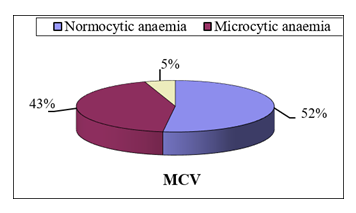
Figure 1: Pie-chart showing types of anaemia by MCV of the study respondents
Table II: Comorbidities present in different types of anaemia of elderly respondents (n=79)
|
Comorbidities |
Normocytic (n=41) |
Macrocytic (n=4) |
Microcytic (n=34) |
|||
|
|
n |
% |
n |
% |
n |
% |
|
DM |
22 |
53.7 |
0 |
0 |
14 |
41.2 |
|
HTN |
28 |
68.3 |
0 |
0 |
18 |
52.9 |
|
CKD |
3 |
7.3 |
0 |
0 |
14 |
41.2 |
|
Rheumatoid arthritis |
2 |
4.9 |
0 |
0 |
1 |
2.9 |
|
Ischaemic heart disease |
12 |
29.3 |
0 |
0 |
8 |
23.5 |
|
COPD/Asthma |
5 |
12.2 |
0 |
0 |
2 |
5.9 |
|
Osteoarthritis |
7 |
17.1 |
0 |
0 |
3 |
8.8 |
Table III: Comparison of different types of anaemia and BMI of elderly respondents (n=79)
|
BMI (kg/m2) |
Normocytic (n=41) |
Macrocytic (n=4) |
Microcytic (n=34) |
p value |
|||
|
n |
% |
n |
% |
n |
% |
||
|
Underweight (<18.5 kg/m2) |
3 |
7.3 |
0 |
0 |
6 |
17.6 |
|
|
Normal (18.5-24.9 kg/m2) |
27 |
65.9 |
4 |
100 |
25 |
73.5 |
|
|
Overweight (25.0-29.9 kg/m2) |
10 |
24.4 |
0 |
0 |
3 |
8.8 |
|
|
Obese (>30 kg/m2) |
1 |
2.4 |
0 |
0 |
0 |
0 |
|
|
Mean±SD |
22.72±3.34 |
20.17±1.15 |
21.72±2.93 |
0.168ns |
|||
|
Range(min,Max) |
17.6,30 |
19.16,21.33 |
17,28 |
||||
ns= not significant, p value reached from ANOVA test
Table IV: Comparison of different types of anaemia and dietary habit of respondents (n=79)
|
Dietary habit |
Normocytic (n=41) |
Macrocytic (n=4) |
Microcytic (n=34) |
|
|||
|
n |
% |
n |
% |
n |
% |
|
|
|
Animal and Vegetable protein |
40 |
97.56 |
4 |
100 |
33 |
97.05 |
0.938ns |
|
Vegan |
1 |
2.44 |
0 |
0 |
1 |
2.95 |
0.938ns |
|
Lactovegan |
0 |
0 |
0 |
0 |
0 |
0 |
- |
|
Ovo vegan |
0 |
0 |
0 |
0 |
0 |
0 |
- |
|
Lacto-ovo vegan |
0 |
0 |
0 |
0 |
0 |
0 |
- |
|
Animal protein |
|||||||
|
Once a week |
1 |
2.43 |
0 |
0 |
1 |
2.95 |
0.848ns |
|
Twice a week |
18 |
43.9 |
3 |
75 |
16 |
47.05 |
|
|
More than twice a week |
21 |
51.23 |
1 |
25 |
16 |
47.05 |
|
|
Vegetable protein |
|||||||
|
Once a week |
2 |
4.8 |
0 |
0 |
4 |
11.76 |
0.303ns |
|
Twice a week |
6 |
14.6 |
2 |
50 |
5 |
14.74 |
|
|
More than twice a week |
33 |
80.6 |
2 |
50 |
25 |
73.5 |
|
ns= not significant, p value reached from Fisher’s exact test
Table V: Comparison of different types of anaemia with drugs of elderly respondents (n=79)
|
Drugs |
Normocytic (n=41) |
Macrocytic (n=4) |
Microcytic (n=34) |
P value |
|||
|
n |
% |
n |
% |
n |
% |
|
|
|
PPI |
5 |
12.2 |
0 |
0 |
16 |
47.1 |
0.001s |
|
NSAID |
7 |
17.1 |
0 |
0 |
5 |
14.7 |
0.659ns |
|
Anti-helminthic |
21 |
51.2 |
3 |
75 |
16 |
47.1 |
0.569ns |
ns= not significant, p value reached from Fisher’s exact test
Table VI: Clinical profile of different types of anaemia of elderly respondents (n=79)
|
Clinical profile |
Normocytic (n=41) |
Macrocytic (n=4) |
Microcytic (n=34) |
|||
|
n |
% |
n |
% |
n |
% |
|
|
Fatigue |
33 |
80.5 |
4 |
100 |
34 |
100 |
|
Malaise |
29 |
70.7 |
4 |
100 |
29 |
85.3 |
|
Skin and Conjunctival Pallor |
31 |
75.6 |
4 |
100 |
34 |
100 |
|
Breathlessness |
1 |
2.4 |
0 |
0 |
1 |
2.9 |
|
Paresthesia |
0 |
0 |
1 |
25 |
0 |
0 |
|
Headache |
32 |
78 |
1 |
25 |
29 |
85.3 |
|
Poor memory |
0 |
0 |
2 |
50 |
0 |
0 |
|
Angular stomatitis |
0 |
0 |
0 |
0 |
8 |
23.5 |
|
Koilonychia |
1 |
2.4 |
0 |
0 |
9 |
26.5 |
|
Glossitis |
9 |
22 |
2 |
50 |
29 |
85.3 |
|
Smooth sore tongue |
1 |
2.4 |
2 |
50 |
10 |
29.4 |
|
Palpitation |
1 |
2.4 |
0 |
0 |
1 |
2.9 |
Table VII: Comparison of iron deficiency anaemia with non-iron deficiency anaemia (n=34)
|
Iron profile |
Iron deficiency anaemia (n=27) |
Non-iron deficiency anaemia (n=7) |
P value |
|
|
Mean±SD |
Mean±SD |
|
|
Hb (gm/dl) |
8.34±1.5 |
9.6±1.49 |
0.056ns |
|
Range (min-max) |
6.1-11.4 |
7.6-11.3 |
|
|
MCV (fl) |
69.4±4.79 |
76.87±4.91 |
0.028s |
|
Range (min-max) |
56-78.5 |
62-79.7 |
|
|
MCH (pg) |
20.9±2.23 |
25.91±3.32 |
0.001s |
|
Range (min-max) |
15.6-27.5 |
19.6-29.3 |
|
|
MCHC (gm/dl) |
29.8±2.63 |
33.57±2.62 |
0.001s |
|
Range (min-max) |
24.5-34.8 |
30.4-37.6 |
|
|
RDW-CV (%) |
19.2±3.93 |
14.93±2.30 |
0.001s |
|
Range (min-max) |
11.3-28 |
12.8-19.3 |
|
|
Serum Iron (μg/dL) |
26.0±15.4 |
79.1±5.3 |
0.001s |
|
Range (min-max) |
11-62 |
70-85 |
|
|
Serum ferritin (ng/ml) |
23.5±29.9 |
252.5±315.6 |
0.001s |
|
Range (min-max) |
0.4-96 |
77.27-953 |
|
|
TIBC (μg/ml) |
416.1±67.0 |
328.4±26.2 |
0.001s |
|
Range (min-max) |
241-564 |
305-374 |
|
|
TSAT (%) |
6.3±3.9 |
24.8±2.0 |
0.001s |
|
Range (min-max) |
2-15 |
20.85-26.8 |
s= significant, p value reached from Unpaired t-test

Figure 2A: Bar diagram showing mean serum iron of the study respondents.

Figure 2B: Bar diagram showing mean serum ferritin of the study respondents.
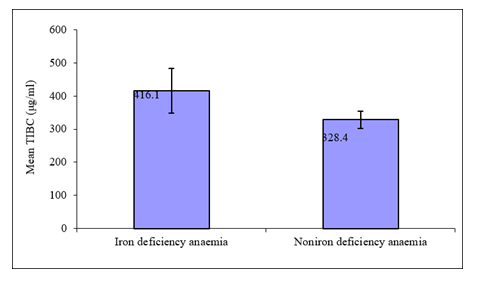
Figure 2C: Bar diagram showing mean TIBC of the study respondents.
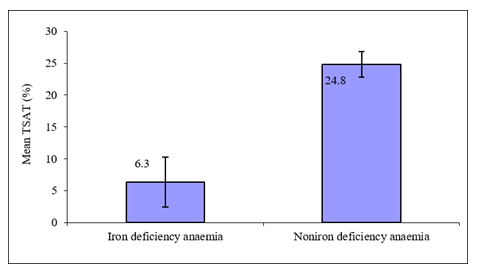
Figure 2D: Bar diagram showing mean TSAT of the study respondents
Discussion
This cross-sectional study was conducted among elderly individuals aged 60 and above at a geriatric hospital in Dhaka City. Normocytic anaemia was the most common type, observed in 52% of participants. This finding aligns with the high prevalence of chronic diseases in the elderly and is consistent with the study by Sharma et al. (8). Iron deficiency anaemia (IDA) was found in 34.18% (27 out of 79) of participants, closely matching results reported by Petrosyan et al. (9). A macrocytic blood picture was observed in 5% of participants, comparable to findings by Stouten et al. (10).
It is important to note that not all subjects with a microcytic blood picture were iron deficient; this may be attributed to conditions such as thalassemia, sideroblastic anaemia, or anaemia of chronic disease. Consequently, iron deficiency may remain undiagnosed when it coexists with chronic illness. Among comorbidities, hypertension (HTN) was the most common, affecting 58.22% of respondents, similar to the study by Islam & Majumder (11). Diabetes mellitus (DM) was present in 45.57%, consistent with findings from Talukder & Hossain (12). Chronic kidney disease (CKD) was observed in 21.52%, aligning with Banik & Ghosh (13), while ischemic heart disease (IHD) affected 25.32%, comparable to Muhit et al. (14). Regarding clinical symptoms, fatigue was reported by 89.9% of participants, followed by skin and conjunctival pallor in 87.3%, and paraesthesia was least common at 1.3%, findings similar to Bhasin & Rao (15). In terms of dietary habits, 97% of respondents reported consuming animal protein, with 46.8% consuming it more than twice a week. Similarly, 97% consumed vegetable protein, with 76% consuming it more than twice a week. No statistically significant association was found between dietary intake and anaemia, unlike Aspuru et al. (16), which linked poor dietary intake with iron deficiency anaemia. Among the elderly, 20.3% were using proton pump inhibitors (PPIs), with 76.2% of these belonging to the microcytic anaemia group. This association was statistically significant (p = 0.001), supporting Sarzynski et al. (17), who reported that PPIs impair micronutrient absorption and contribute to anaemia. Anaemia prevalence was higher in males (59.5%) than females (40.5%), consistent with Sodhi (18). The majority of participants (55.7%) were aged 60-64 years, with a mean age of 64.84 ± 6.08 years (range 60–90), similar to Sharma et al. (8). Gender distribution showed nearly two-thirds were male (59.5%) and one-third female (40.5%). This study contributes valuable insight into the types and prevalence of anaemia and associated factors among the elderly in this population.
Conclusion
The most common pattern of anaemia observed in this study was normocytic anaemia (52%), followed by microcytic (43%) and macrocytic (5%) types. The most prevalent symptom among participants was fatigue, and hypertension was the most common comorbidity. Additionally, the majority of respondents reported a non-vegetarian dietary habit. This study was conducted exclusively at a single specialized geriatric hospital in Dhaka and may not be generalizable to the broader community-dwelling elderly population across Bangladesh. Moreover, due to the observational, cross-sectional design, temporal or causal relationships between identified risk factors (e.g., proton pump inhibitor use, dietary intake) and the development of anaemia cannot be definitively established. Larger prospective cohort studies across diverse geographic regions in Bangladesh are recommended
References
- Rahman A. Population Aging of Bangladesh: Issues and Challenges. Sir Salimullah Medical College Journal 33 (2025): 1-2.
- Chaves PH, Ashar B, Guralnik JM, et al. Looking at the relationship between hemoglobin concentration and prevalent mobility difficulty in older women. Should the criteria currently used to define anaemia in older people be reevaluated, Journal of the American Geriatrics Society 50 (2002): 1257-64.
- Penninx BW, Pahor M, Woodman RC et al. Anaemia in old age is associated with increased mortality and hospitalization, The Journals of Gerontology Series A: Biological Sciences and Medical Sciences 61 (2006): 474-9.
- Culleton BF, Manns BJ, Zhang J, et al. Impact of anaemia on hospitalization and mortality in older adults, Blood 107 (2006): 3841-46.
- Chaves PH, Semba RD, Leng SX, et al. Impact of anaemia and cardiovascular disease on frailty status of community-dwelling older women: The Women's Health and Aging Studies I and II, The Journals of Gerontology Series A: Biological Sciences and Medical Sciences 60 (2005): 729-35.
- González-Gross M, Marcos A et al. Nutrition and cognitive impairment in the elderly, British Journal of Nutrition 86 (2001): 313-21.
- WHO. Haemoglobin concentrations for the diagnosis of anaemia and assessment of severity (No. WHO/NMH/NHD/MNM/11.1). World Health Organization (2011): 1-6.
- Sharma D, Suri V, Pannu AK, et al. Patterns of geriatric anaemia: A hospital-based observational study in North India, Journal of Family Medicine and Primary Care 8 (2019): 976–80.
- Petrosyan I, Blaison G, Andrès E et al. Anaemia in the elderly: an aetiologic profile of a prospective cohort of 95 hospitalised patients, European Journal of Internal Medicine 23 (2012): 524-8.
- Stouten K, Riedl JA, Droogendijk J, et al. Prevalence of potential underlying aetiology of macrocytic anaemia in Dutch general practice, BioMed Central Family Practice 17 (2016): 1-8.
- Islam AM & Majumder AA. Hypertension in Bangladesh, Indian Heart Journal 64 (2012): 319-23.
- Talukder A & Hossain MZ. Prevalence of Diabetes Mellitus and its Associated factors in Bangladesh: Application of two-level Logistic Regression Model, Scientific Reports 10 (2020): 1-7.
- Banik S & Ghosh A. Prevalence of chronic kidney disease in Bangladesh: A systematic review and meta-analysis, International Urology and Nephrology 53 (2021): 713-18.
- Muhit MA, Rahman MO, Raihan SZ, et al. Cardiovascular disease prevalence and prescription patterns at a tertiary level hospital in Bangladesh, Journal of Applied Pharmaceutical Science 2 (2012): 80-84.
- Bhasin A & Rao MY. Characteristics of anaemia in elderly: A hospital-based study in South India, Indian Journal of Hematology and Blood Transfusion 27 (2011): 26–32.
- Aspuru K, Villa C, Bermejo F, et al. Optimal management of iron deficiency anaemia due to poor dietary intake, International Journal of General Medicine 4 (2011): 741–50.
- Sarzynski E, Puttarajappa C, Xie Y, et al. Association between proton pump inhibitor use and anaemia: a retrospective cohort study, Digestive Diseases and Sciences 56 (2011): 2349-53.
- Sodhi BS. Study of anaemia in geriatric patients attending a tertiary care hospital in Unnao district, International Journal of Clinical and Diagnostic Pathology 3 (2020): 84-7.