Morva Tahmasbi Rad1*, Dario Colacurci1,2, Giuseppe Bifulco2, Lisa Wilhelm1, Ina Shehaj1, Sven Becker1, Kristina Shcherbatiuk1
1Department of Gynaecology and Obstetrics, Johann Wolfgang Goethe University, Frankfurt Am Main, Germany
2Department of Public Health, University Federico II, via Pansini 5, 80131 Naples, Italy
Corresponding Author: Morva Tahmasbi Rad, Department of Gynaecology and Obstetrics, Johann Wolfgang Goethe University, Frankfurt Am Main, Germany.
Received: 01 June 2026; Accepted: 04 June 2026; Published: 14 July 2026
DOI: 10.26502/fjwhd.2644-288400150
ShareBackground Laparoscopic surgery is commonly performed in patients with endometriosis and endometriosis-associated infertility; however, counseling regarding postoperative fertility remains challenging. Reproductive outcomes may be influenced by surgical factors, the timing of conception after surgery, and the need for subsequent fertility treatment. This study aimed to evaluate long-term pregnancy achievement after laparoscopic surgery for endometriosis to identify clinical factors associated with reproductive success. Methods This retrospective cohort study included 102 patients with histologically confirmed endometriosis-associated infertility treated at a university endometriosis center. All patients underwent laparoscopic surgery, had a documented desire to conceive, and were followed for a median of 70 months during the initial follow-up. Clinical and surgical variables included revised American Society for Reproductive Medicine (rASRM) stage, presence of deep infiltrating endometriosis (DIE), duration of infertility, previous operations, completeness of treatment of visible endometriotic lesions, adhesions, recurrence, and mode of conception. Outcomes included postoperative pregnancy, time to pregnancy, spontaneous conception, and pregnancy achieved with assisted reproductive technology (ART), including egg donation. Follow-up of patients who had not achieved pregnancy was extended by at least 28 months through April 2020, corresponding to the beginning of the first COVID-19 lockdown. Results At the initial follow-up, pregnancy was achieved in 71 of 102 patients, corresponding to a cumulative pregnancy rate of 69.6%, and the live birth rate was 58.8%. Pregnancies occurred predominantly during the early postoperative period: 26.5% were achieved within 6 months and 48.0% within 12 months. The median time to pregnancy was 8 months. Among the 31 patients without pregnancy at initial follow-up, 11 still wished to conceive during extended follow-up; two underwent ART with egg donation, resulting in one live birth. Nine patients underwent repeat surgery for recurrent endometriosis followed directly by ART, resulting in three additional pregnancies with live births. Patients who achieved pregnancy had a shorter duration of infertility than those who did not (2.7 ± 2.1 vs. 4.7 ± 3.2 years). DIE was associated with markedly reduced postoperative pregnancy rates, with pregnancy reported in only 3 of 14 patients. Conclusions Fertility after laparoscopic surgery for endometriosis is time-dependent and influenced by both clinical and surgical factors. The first postoperative year appears to be particularly important, whereas patients with unfavorable characteristics may require earlier reproductive counseling and consideration of ART. In selected cases of recurrent disease, repeat surgery followed by ART may contribute to achieving pregnancy.
Endometriosis-associated infertility; Laparoscopic surgery; Assisted reproductive technology; Time to pregnancy; Reproductive counseling
Endometriosis-associated infertility articles; Laparoscopic surgery articles; Assisted reproductive technology articles; Time to pregnancy articles; Reproductive counseling articles
Abbreviations:
ART: Assisted Reproductive Technology; BMI: Body Mass Index; CI: Confidence Interval; DIE: Deep Infiltrating Endometriosis; EFI: Endometriosis Fertility Index; ESHRE: European Society of Human Reproduction and Embryology; HR: Hazard Ratio; MRI: Magnetic Resonance Imaging; rASRM: Revised American Society for Reproductive Medicine
Introduction
Endometriosis is a chronic inflammatory gynecological condition defined by the presence of endometrial-like tissue outside the uterus. It is one of the most common gynecological conditions associated with infertility and may impair reproductive potential through inflammatory, anatomical, and ovarian mechanisms [1,2]. It is commonly associated with pelvic pain, dysmenorrhea, dyspareunia, reduced quality of life, and infertility [3,4]. Its prevalence depends on the population and diagnostic criteria used, but it is considerably more common among infertile women than asymptomatic women [3,5]. In patients wishing to conceive, endometriosis represents a clinically heterogeneous condition in which symptom burden, disease location, anatomical distortion, and reproductive prognosis may diverge. The relationship between endometriosis and infertility is multifactorial [6,7]. Several mechanisms may contribute to infertility in women with endometriosis; in particular, chronic pelvic inflammation, adhesions, tubo-ovarian anatomy distortion, impaired ovarian function, and alterations in endometrial receptivity are considered the main contributing mechanisms [8,9]. In addition, the effect on fertility may also vary depending on the type of endometriosis, affecting both spontaneous pregnancy rates and the need for assisted reproductive treatment [10,11]. Superficial peritoneal endometriosis, ovarian endometriosis, and deep infiltrating endometriosis (DIE) may therefore have different implications for postoperative pregnancy, spontaneous conception, and ART counseling [12,13]. Laparoscopic surgery remains an important diagnostic and therapeutic approach in patients with endometriosis-associated infertility [14]. Laparoscopic treatment allows diagnosis and surgical management of visible disease, including excision of lesions, adhesiolysis, and restoration of pelvic anatomy [5,15]. The rationale is that reduction of disease burden and correction of distorted anatomy may improve the probability of pregnancy. However, surgery performed with the intention of preserving fertility does not uniformly restore reproductive potential. Surgical benefit may depend on disease severity, surgical completeness, ovarian involvement, recurrence, previous operations, adhesions, duration of infertility, and postoperative reproductive strategy. Postoperative counseling remains difficult because the presence and stage of endometriosis do not always correspond directly to the chance of pregnancy. Some patients conceive soon after surgery, whereas others remain infertile despite apparently adequate surgical treatment. Existing tools such as the Endometriosis Fertility Index (EFI) may support counseling regarding spontaneous pregnancy after surgery, but they do not replace clinical interpretation of disease burden, age, ovarian reserve, partner factors, and patient preference [8,16]. Current ESHRE guidance emphasizes individualized management of endometriosis-associated infertility and recognizes roles for both surgery and ART depending on patient characteristics and treatment goals [5]. The practical clinical question is therefore not only whether laparoscopic surgery can improve fertility, but also how long patients should attempt conception after surgery before ART should be considered. This topic is particularly relevant in patients with a less favorable reproductive profile, particularly those with DIE, prolonged infertility, previous abdominal surgery, recurrent disease, extensive adhesions, or incomplete surgical treatment of visible lesions. In these patients, prolonged expectant management may delay effective reproductive treatment. At the same time, immediate ART for all patients may result in overtreatment of women who still retain a reasonable probability of spontaneous conception after surgery. The relationship between surgical findings, time to conception after surgery, and mode of conception remains clinically relevant but insufficiently integrated into postoperative counseling. The aim of this study was to evaluate postoperative reproductive outcomes after laparoscopic surgery for endometriosis with particular focus on the temporal pattern of conception and the clinical factors associated with less favorable reproductive outcomes.
Materials and Methods
Study Design
This is a retrospective cohort study of patients with endometriosis-associated infertility treated at a tertiary university endometriosis center. The study evaluated postoperative reproductive outcomes in relation to surgical findings, time to conception, and mode of conception after laparoscopic surgery. The study was conducted at Frankfurt University Hospital, Germany. The cohort reflects long-term follow-up of patients treated surgically for endometriosis-associated infertility in collaboration with the reproductive medicine unit.
Study Population
The initial cohort included 695 patients who underwent laparoscopic surgery for endometriosis between January 2007 and December 2017 with histological confirmation of disease. Patients with a current desire for conception were identified, and patients were eligible for inclusion if they had infertility, defined as no pregnancy after at least 12 months of regular unprotected intercourse, and wished to conceive after surgery. A total of 102 patients with endometriosis-associated infertility were included in the final cohort. Follow-up was conducted using standardized questionnaires completed during follow-up consultation interviews. The initial follow-up period had a median duration of approximately 70 months. Patients without pregnancy were subsequently re-evaluated during an extended follow-up phase, resulting in an overall mean follow-up of approximately 106 months (range 60–221 months). Exclusion criteria included previous or current malignancy, concomitant benign diseases affecting fertility, current infection, incomplete clinical data, incomplete follow-up data, and patient refusal (Figure 1).
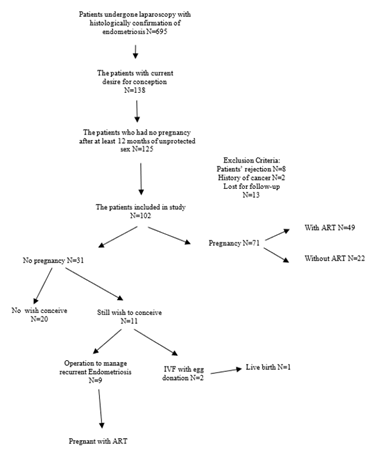
Figure 1: Flowchart of study population.
Surgical Intervention
All patients underwent laparoscopic surgery with histological confirmation of endometriosis. All procedures were performed by experienced surgeons specialized in endometriosis surgery. Surgical variables included type and location of endometriosis, rASRM stage, presence of DIE, involved pelvic organs, adhesion status, previous operations, surgical treatment of ovarian and non-ovarian lesions, complete treatment of visible endometriotic lesions, normalization of anatomy, and recurrence. Recurrence was defined as clinically and/or imaging-confirmed recurrent endometriosis during follow-up. DIE was defined as one or more endometriotic lesions infiltrating deeper than 5 mm, as described in the surgical report or detected by ultrasound or magnetic resonance imaging. Adhesions were classified as extensive or non-extensive. Extensive adhesions were defined as dense vascularized adhesions requiring sharp dissection, whereas filmy adhesions allowing blunt dissection were classified as non-extensive. Clinical variables included age, body mass index (BMI), duration of infertility, primary versus secondary infertility, symptoms before surgery, male factor infertility, deliveries, live births, and ART use. Symptoms before surgery included dysmenorrhea, dyspareunia, menstrual cycle anomalies, and abdominal pain.
Outcomes
The primary outcome was postoperative pregnancy during follow-up. Secondary outcomes included live birth, time to pregnancy, spontaneous pregnancy, pregnancy achieved with ART, and persistent infertility. Spontaneous pregnancy and pregnancy achieved through ART were analyzed separately. ART use and ART-related pregnancies were analyzed separately. The decision to undergo ART was individualized and based on patient age, duration of infertility, disease characteristics, previous treatments, ovarian reserve, and reproductive counseling. Time to pregnancy was defined as the interval between laparoscopic surgery and the first day of the last menstrual period, consistent with the cohort definition. The distribution of pregnancies over postoperative follow-up was evaluated using clinically relevant intervals, including pregnancy within 6 months, within 12 months, after 24 months, and the final observed plateau in cumulative pregnancy rate. Postoperative reproductive outcomes were interpreted in relation to surgical characteristics and mode of conception, with particular focus on factors associated with reduced pregnancy rates. Pregnancies were recorded during follow-up interviews and confirmed through available clinical documentation when possible.
Statistical Approach
Statistical analyses were performed using BiAS 11.10. Differences in cumulative pregnancy rates were analyzed using the log-rank test and Kaplan–Meier method. Categorical variables were compared using the chi-square test or Fisher’s exact test. Factors potentially influencing time to pregnancy or postoperative pregnancy were examined using univariable and multivariable Cox regression, with hazard ratios and 95% confidence intervals reported. A p value < 0.05 was considered statistically significant.
Ethical Approval
The study was approved by the Ethics Committee of Frankfurt am Main University Hospital (approval no. 19–487). The study was conducted in accordance with the principles of the Declaration of Helsinki. Informed consent was obtained from all patients prior to inclusion in the study.
Results
Cohort Characteristics
A total of 102 patients with histologically confirmed endometriosis-associated infertility were included. The mean age was 33.3 ± 4.6 years, and mean BMI was approximately 22.8–23 kg/m². Primary infertility was present in 78 patients (76.5%), while 24 patients (23.5%) had secondary infertility. Mean duration of infertility before surgery was approximately 40 months. Cohort characteristics and postoperative pregnancy outcomes are summarized in Table 1. Patients who achieved pregnancy were younger than those who remained without pregnancy (32 ± 4 vs. 35 ± 5 years), although age did not reach statistical significance (p = 0.081). BMI was similar between groups (23 ± 4 vs. 23 ± 5 kg/m²) and was not significantly associated with postoperative pregnancy (p = 0.53). Duration of infertility was shorter in patients who became pregnant than in those without pregnancy (2.7 ± 2.1 vs. 4.7 ± 3.2 years; p = 0.007). Preoperative symptoms were reported in 46 patients (45.1%). These symptoms included dysmenorrhea, dyspareunia, menstrual cycle anomalies, and abdominal pain. Among symptomatic patients, 30 became pregnant during follow-up. Symptoms before surgery were not significantly associated with the time to pregnancy (HR 0.84; 95% CI 0.52–1.35; p = 0.47).
Among the 31 patients who had not achieved pregnancy during the initial follow-up, 11 still wished to conceive. Of these, 2 underwent ART with egg donation at other European centers, as this treatment is not permitted in Germany. One of these pregnancies resulted in a live birth. Nine patients with recurrent endometriosis underwent repeat surgery followed directly by ART. This resulted in 3 additional pregnancies with live births.
Overall Postoperative Pregnancy and Live Birth Outcomes
During the first follow-up, 71 of 102 patients achieved pregnancy, corresponding to a cumulative pregnancy rate of 69.6% in one analysis and 69.6% after 38 months in another cohort report. Postoperative pregnancy outcomes are summarized in Table 2. Pregnancy occurred predominantly during early postoperative follow-up. A total of 27 patients (26.5%) became pregnant within the first 6 months after laparoscopy, and 49 patients (48%) became pregnant within the first 12 months. The cumulative pregnancy rate increased by more than 10% from the first to the second postoperative year, reaching 61.8% at 24 months. The median time to pregnancy after laparoscopic intervention was 8 months, with an average of approximately 10 months. The highest pregnancy rate occurred 7 months after surgery. Eight patients achieved pregnancy more than 24 months after laparoscopy, and the longest observed time to pregnancy was 38 months.
Persistent infertility was reported in 31 patients. Of these, 20 patients (65%) no longer wished to pursue pregnancy, mainly because of patient age and changes in personal circumstances. The remaining 11 patients wished to continue attempts to conceive. Two of these patients underwent ART with egg donation. Nine patients were advised to undergo repeat surgery because of recurrent endometriosis, followed by ART. Among these 9 patients, 3 (33.3%) subsequently achieved pregnancy and live birth. This subgroup is summarized in Table 4 according to primary rASRM stage.
Surgical and Clinical Factors Associated With Less Favorable Outcomes
Several clinical and surgical variables were associated with postoperative pregnancy outcomes. Clinically relevant favorable, unfavorable, and non-significant factors associated with postoperative pregnancy outcomes are summarized in Table 3. Duration of infertility before surgery was a significant clinical factor. Patients who became pregnant had a shorter duration of infertility than those who did not (2.7 ± 2.1 vs. 4.7 ± 3.2 years). Duration of infertility correlated significantly with the interval between surgery and pregnancy (p = 0.007), and longer infertility duration was associated with lower postoperative pregnancy probability. Previous abdominal operations were also associated with less favorable outcomes. Patients who did not become pregnant had a higher number of previous operations than those who achieved pregnancy (HR 0.75; 95% CI 0.58–0.97; p = 0.03). Complete treatment of visible endometriotic lesions was associated with improved postoperative pregnancy outcomes. Complete treatment, including coagulation and resection of visible lesions, was associated with a higher chance of pregnancy (HR 2.2; 95% CI 1.4–3.6; p = 0.001). Normalization of pelvic anatomy showed a favorable trend but did not reach conventional statistical significance (HR 2.7; 95% CI 1.0–7.4; p = 0.054). Recurrence of endometriosis was associated with less favorable reproductive outcomes. A total of 23 patients (22.5%) had recurrence during follow-up, occurring approximately 14–20 months after surgery. Recurrence was associated with a longer time to pregnancy (HR 0.4; 95% CI 0.21–0.76; p = 0.005). Adhesions were also associated with reduced postoperative pregnancy. Extensive adhesions were observed in 62 patients (60.8%). Among these patients, 37 became pregnant. In patients without adhesions, the pregnancy rate was higher. Adhesions were associated with a lower postoperative chance of pregnancy (HR 0.45; p = 0.001). Disease stage was evaluated using the rASRM classification. In the cohort, 57 patients had rASRM stage I–II disease and 45 patients had rASRM stage III–IV disease. Differences in postoperative pregnancy patterns were observed across rASRM stages. In the first 6 months after laparoscopy, pregnancy occurred in 38% of patients with rASRM stage I, 13.3% with rASRM stage II, 43.8% with rASRM stage III, and 6.9% with rASRM stage IV. After 42 months of follow-up, the highest cumulative pregnancy rate was reported in rASRM stage III, followed by rASRM stage I, while the lowest pregnancy rate was observed in rASRM stage IV disease. The highest cumulative pregnancy rate without ART was reached after 36 months for rASRM stage I, after 24 months for rASRM stage II, and after 12 months for rASRM stages III and IV. However, this finding should be interpreted cautiously because rASRM stage was not an independent predictor in multivariable analysis. DIE was strongly associated with reduced postoperative pregnancy rates. DIE was present in 14 patients (13.7%). Among patients with DIE, only 3 patients (21.4%) became pregnant, while 11 patients (78.6%) remained without pregnancy after follow-up. In this subgroup, 9 patients used ART. The cumulative pregnancy rate differed significantly between patients with peritoneal, ovarian, and deep infiltrating endometriosis. Patients with DIE had an 82% reduced chance of postoperative pregnancy compared with patients without DIE (HR 0.18; 95% CI 0.06–0.58). Bowel endometriosis or DIE was also associated with reduced postoperative pregnancy probability (HR 0.26).
|
Variable |
Total (n=102) |
Pregnancy (n=71) |
No pregnancy (n=31) |
|
Age, years |
33.3 ± 4.6 |
32 ± 4 |
35 ± 5 |
|
BMI, kg/m² |
22.8 |
23 ± 4 |
23 ± 5 |
|
Duration of infertility, years |
3.3 |
2.7 ± 2.1 |
4.7 ± 3.2 |
|
Primary infertility |
78 |
56 |
22 |
|
Secondary infertility |
24 |
15 |
9 |
|
Symptoms before surgery (dysmenorrhea, dyspareunia, menstrual irregularities, and abdominal pain) |
46 |
30 |
16 |
|
rASRM stage I–II |
57 |
45 |
12 |
|
rASRM stage III–IV |
45 |
26 |
19 |
|
Deep infiltrating endometriosis |
14 |
3 |
11 |
Table 1: Baseline Characteristics of the Study Population at Initial Follow-up.
Footnote: Values are presented as mean ± SD or absolute numbers. rASRM = revised American Society for Reproductive Medicine; DIE = deep infiltrating endometriosis.
|
Outcome |
Initial follow-up |
Extended follow-up |
|
Total pregnancies, n |
71/102 |
75/102 |
|
Cumulative pregnancy rate (%) |
69.6% |
73.5% |
|
Live birth rate, n (%) |
60/102 (58.8%) |
64/102 (62.7%) |
|
Pregnancy within 6 months, n (%) |
27/102 (26.5%) |
NA |
|
Pregnancy within 12 months, n (%) |
49/102 (48.0%) |
NA |
|
Pregnancy after 24 months, n (%) |
8/102 (7.8%) |
NA |
|
Pregnancies after repeat surgery + ART, n(%) |
NA |
3/102 (2.9%) |
|
Pregnancy after egg donation,n (%) |
NA |
1/102 (1.0%) |
|
Spontaneous pregnancies, n |
22 |
22 |
|
Pregnancies achieved with ART, n |
49 |
53 |
|
Persistent infertility, n |
31/102 |
27/102 |
Table 2: Reproductive Outcomes During Initial and Extended Follow-up.
Footnote: Pregnancies achieved with ART and patients using ART are different measures and should be reported separately. ART = assisted reproductive technology.
|
Factor |
Direction |
Evidence |
|
Shorter duration of infertility |
Favorable |
2.7 ± 2.1 vs. 4.7 ± 3.2 years; p = 0.007; HR 0.84 |
|
Complete treatment/resection of visible lesions |
Favorable |
HR 2.2; 95% CI 1.4–3.6; p = 0.001 |
|
Deep infiltrating endometriosis (DIE) |
Unfavorable |
HR 0.18; 95% CI 0.06–0.58 |
|
Previous operations |
Unfavorable |
HR 0.75; 95% CI 0.58–0.97; p = 0.03 |
|
Recurrence of endometriosis |
Unfavorable |
HR 0.4; 95% CI 0.21–0.76; p = 0.005 |
|
Extensive adhesions |
Unfavorable |
HR 0.45; p = 0.001 |
|
rASRM stage IV |
Less favorable pattern |
Lowest cumulative pregnancy rate among rASRM stages; rASRM stage not significant in multivariate analysis |
|
Symptoms before surgery |
Not significant |
HR 0.84; 95% CI 0.52–1.35; p = 0.47 |
|
BMI |
Not significant |
HR 0.98; 95% CI 0.92–1.04; p = 0.53 |
|
Type of infertility |
Not significant |
HR 0.84; 95% CI 0.48–1.49; p = 0.56 |
|
Normalization of anatomy |
Favorable trend / not significant |
HR 2.7; 95% CI 1.0–7.4; p = 0.054 |
Table 3: Clinically Relevant Favorable and Unfavorable Prognostic Factors.
|
rASRM stage |
Total patients (n) |
Spontaneous pregnancy n (%) |
Pregnancy achieved with ART n (%) |
Pregnancy after repeat surgery + ART n (%) |
Pregnancy after egg donation n (%) |
No pregnancy n (%) |
|
Stage I |
42 |
12 (28.6) |
23 (54.8) |
1 (2.4) |
0 |
6 (14.3) |
|
Stage II |
15 |
5 (33.3) |
5 (33.3) |
1 (6.7) |
0 |
4 (26.7) |
|
Stage III |
16 |
3 (18.8) |
12 (75.0) |
0 |
0 |
1 (6.3) |
|
Stage IV |
29 |
2 (6.9) |
9 (31.0) |
1 (3.5) |
1 (3.5) |
16 (55.2) |
|
Total |
102 |
22 (21.6) |
49 (48.0) |
3 (2.9) |
1 (1.0) |
27 (26.5) |
Table 4: Pregnancy outcomes according to rASRM stage during extended follow-up. (ART = assisted reproductive technology; rASRM = revised American Society for Reproductive Medicine.)
Discussion
This cohort study suggests that reproductive outcomes after laparoscopic surgery for endometriosis are influenced by both postoperative timing and disease-related clinical factors. Nearly half of all pregnancies occurred within the first postoperative year, and no additional pregnancies in the initial follow up group were observed after 38 months, emphasizing the importance of the first postoperative year for conception after laparoscopic surgery. Postoperative outcomes were not uniform across patients. Shorter duration of infertility and complete treatment of visible endometriotic lesions were associated with more favorable outcomes, whereas DIE, longer duration of infertility, previous operations, recurrence, and adhesions were associated with less favorable postoperative pregnancy patterns. ART contributed substantially to overall reproductive outcomes and should be interpreted as a distinct treatment pathway rather than simply as a marker of pregnancy success.
Interpretation in Relation to Previous Literature
The present findings support the multifactorial nature of endometriosis-associated infertility and confirm that surgical treatment may improve fertility in selected patients without uniformly restoring reproductive potential [9,14]. Endometriosis may affect fertility through anatomical distortion, adhesions, altered peritoneal inflammation, impaired tubo-ovarian interaction, reduced ovarian reserve, and possible endometrial effects [3,5,8,17]. Surgical treatment may improve fertility in selected patients by reducing visible disease and restoring anatomy, but surgery alone does not guarantee pregnancy [14,18,19]. Current ESHRE recommendations support individualized management strategies combining surgery and ART according to patient characteristics and reproductive goals [5]. The present cohort further suggests that postoperative timing should be interpreted together with baseline disease characteristics. In this cohort, the first postoperative year represented the most active period for conception, while no additional pregnancies were observed after 38 months. Patients with favorable clinical profiles may reasonably attempt spontaneous conception after surgery, whereas ART consideration may be appropriate in women with DIE, recurrent disease, prolonged infertility, or extensive adhesions. DIE was one of the strongest unfavorable factors in the cohort. This is consistent with recent evidence indicating that both surgery and ART may have roles in women with DIE-associated infertility, while optimal sequencing remains debated [20–22]. A 2024 systematic review and meta-analysis reported that both first-line surgery and first-line ART may be effective in women with DIE, with treatment effects varying according to lesion type and associated endometriomas [23].
Clinical Implications
The present findings underscore the importance of time-sensitive postoperative fertility counseling after endometriosis surgery. Because nearly half of pregnancies occurred within the first postoperative year, this period may represent the most important window for reproductive planning after surgery. During this period, patients may attempt spontaneous conception when clinically appropriate, but they should also receive timely counseling about ART if unfavorable factors are present. In patients with favorable characteristics, including shorter duration of infertility, complete treatment of visible lesions, absence of DIE, fewer previous surgeries, and absence of extensive adhesions or recurrence, expectant management may be reasonable. On the other hand, patients with DIE, longer duration of infertility, repeated abdominal surgeries, recurrence, or extensive adhesions, may benefit from earlier referral to reproductive medicine. These findings should not be interpreted as support for universal immediate ART after surgery [24]. Instead, the data support individualized postoperative management. Decisions should consider age, ovarian reserve, duration of infertility, partner factors, rASRM stage, DIE, surgical completeness, recurrence risk, previous operations, patient preference, and access to reproductive medicine. ART may represent an important pathway to pregnancy in this cohort. Conversely, the present analysis cannot determine whether earlier ART would have improved outcomes, because treatment selection was not randomized and ART use was influenced by clinical circumstances. The data support the clinical relevance of several unfavorable prognostic factors. First, duration of infertility before surgery was consistently associated with reproductive outcome. Patients who became pregnant had shorter infertility duration than those who did not, supporting early referral and careful timing of intervention rather than prolonged delay before treatment. Second, although limited by the small subgroup size, DIE was associated with markedly lower pregnancy rates. Only 3 of 14 patients with DIE became pregnant, and DIE was associated with an 82% reduced chance of postoperative pregnancy. Although the subgroup was small, the magnitude of this association suggests that patients with DIE require particularly careful counseling. In addition, previous surgeries were associated with reduced postoperative pregnancy and longer time to pregnancy. This supports the principle that repeated surgery should be avoided when possible and that surgical planning should aim for effective treatment during an appropriately timed intervention. Moreover, complete treatment of visible endometriotic lesions was associated with improved pregnancy outcomes. This finding reinforces the importance of surgical quality and completeness, while also acknowledging that surgical aggressiveness must be balanced against preservation of ovarian function and avoidance of complications. Finally, adhesions and recurrence were associated with less favorable outcomes. These factors may reflect disease severity, anatomical distortion, and persistent inflammatory activity, all of which can reduce the likelihood of postoperative pregnancy. The extended follow-up period ended at the beginning of the first COVID-19 lockdown, which may also have influenced access to reproductive treatment and follow-up continuation.
Strengths and Limitations
The strengths of this study include long-term follow-up, a well-defined cohort of patients with histologically confirmed endometriosis-associated infertility, detailed surgical characterization, and availability of postoperative reproductive outcomes including pregnancy, live birth, timing after surgery, and mode of conception. Patients were treated within a tertiary endometriosis center with integrated reproductive medicine care, reflecting clinically relevant interdisciplinary management.
Several limitations must be acknowledged. The study is retrospective and single-center. The DIE subgroup was small, limiting the precision of subgroup interpretation. Treatment selection bias is particularly relevant for ART, because patients who received ART may differ from those attempting spontaneous conception. Partner factors, ovarian reserve, age, disease severity, and physician recommendation may all have influenced ART use.
Future Directions
Future studies should prospectively evaluate postoperative reproductive pathways after endometriosis surgery using standardized definitions of spontaneous pregnancy, ART use, pregnancy achieved with ART, live birth, recurrence, and time to pregnancy. Larger multicenter cohorts are needed to clarify which subgroups benefit most from expectant management and which should be referred earlier for ART.
Future research should also evaluate whether integrating surgical findings, infertility duration, ovarian reserve, and postoperative timing may improve individualized fertility counseling beyond existing predictive tools such as the EFI.
Conclusions
Pregnancy after laparoscopic surgery for endometriosis is influenced by postoperative timing and clinical/surgical factors. Most pregnancies occurred within the first postoperative year, while no additional pregnancies were observed after 38 months. Shorter duration of infertility and complete treatment of visible endometriotic lesions were associated with more favorable outcomes. DIE, longer infertility duration, previous operations, adhesions, recurrence, and incomplete treatment were associated with less favorable reproductive outcomes. These findings support individualized postoperative fertility management, particularly in women with recurrent disease or DIE, and suggest that earlier ART counseling may be appropriate in selected patients with unfavorable prognostic characteristics.
Declarations
Funding
No specific funding was received for this study.
Conflicts of Interest
The authors declare that they have no conflicts of interest.
Data Availability
The datasets generated and/or analyzed during the current study are available from the corresponding author on reasonable request.
Ethics approval
The study was approved by the Ethics Committee of Frankfurt am Main University Hospital (approval no. 19–487). The study was conducted in accordance with the principles of the Declaration of Helsinki. Informed consent was obtained from all patients prior to inclusion in the study.
Consent to participate
Informed consent was obtained from all participants prior to participation in the study.
Consent to publish
Not applicable, as no individual-level or identifiable data are included in this manuscript.
Author contribution
Morva Tahmasbi Rad: Project administration, Conceptualization, Investigation, Methodology, Data curation, Formal analysis, Writing – original draft, Supervision; Dario Colacurci: Methodology, Investigation, Writing – original draft; Giuseppe Bifulco: Investigation, Methodology, Data curation, Formal analysis; Lisa Wilhelm: Investigation, Methodology, Data curation, Formal analysis; Ina Shehaj: Investigation, Methodology, Data curation, Formal analysis; Sven Becker: Conceptualization, Methodology, Writing – review & editing, Supervision, Project administration; Kristina Shcherbatiuk: Conceptualization, Data curation, Methodology, Formal analysis, Writing – review & editing, Supervision.
References
- Maulenkul T, Kuandyk A, Makhadiyeva D, et al. Understanding the impact of endometriosis on women’s life: an integrative review of systematic reviews. BMC Women's Health 24 (2024): 524.
- Leone Roberti Maggiore U, Chiappa V, Ceccaroni M, et al. Epidemiology of infertility in women with endometriosis. Best Practice & Research Clinical Obstetrics & Gynaecology 92 (2024): 102454.
- Zondervan KT, Becker CM, Missmer SA. Endometriosis. New England Journal of Medicine 382 (2020): 1244-1256.
- Giudice LC. Endometriosis. New England Journal of Medicine 362 (2010): 2389-2398.
- Becker CM, Bokor A, Heikinheimo O, et al. ESHRE guideline: endometriosis. Human Reproduction Open (2022): hoac009.
- Bonavina G, Taylor HS. Endometriosis-associated infertility: From pathophysiology to tailored treatment. Frontiers in Endocrinology 13 (2022): 1020827.
- Coccia ME, Nardone L, Rizzello F. Endometriosis and Infertility: A Long-Life Approach to Preserve Reproductive Integrity. International Journal of Environmental Research and Public Health 19 (2022): 6162.
- Tomassetti C, D’Hooghe T. Endometriosis and infertility: Insights into the causal link and management strategies. Best Practice & Research Clinical Obstetrics & Gynaecology 51 (2018): 25-33.
- de Ziegler D, Borghese B, Chapron C. Endometriosis and infertility: pathophysiology and management. The Lancet 376 (2010): 730-738.
- Elizur SE, Mostafa J, Berkowitz E, et al. Endometriosis and infertility: pathophysiology, treatment strategies, and reproductive outcomes. Archives of Gynecology and Obstetrics 312 (2025): 1037-1048.
- Pirtea P, Vulliemoz N, de Ziegler D, et al. Infertility workup: identifying endometriosis. Fertility and Sterility 118 (2022): 29-33.
- Meuleman C, Tomassetti C, D’Hoore A, et al. Surgical treatment of deeply infiltrating endometriosis with colorectal involvement. Human Reproduction Update 17 (2011): 311-326.
- Chapron C, Santulli P, de Ziegler D, et al. Ovarian endometrioma: severe pelvic pain is associated with deeply infiltrating endometriosis. Human Reproduction 27 (2012): 702-711.
- Bafort C, Beebeejaun Y, Tomassetti C, et al. Laparoscopic surgery for endometriosis. Cochrane Database of Systematic Reviews (2020): CD011031.
- Dunselman GAJ, Vermeulen N, Becker C, et al. ESHRE guideline: management of women with endometriosis. Human Reproduction 29 (2014): 400-412.
- Adamson GD, Pasta DJ. Endometriosis fertility index: the new, validated endometriosis staging system. Fertility and Sterility 94 (2010): 1609-1615.
- As-Sanie S, Mackenzie SC, Morrison L, et al. Endometriosis: A Review. JAMA 334 (2025): 64-78.
- Spencer S, Lazaridis A, Grammatis A, et al. The treatment of endometriosis-associated infertility. Current Opinion in Obstetrics and Gynecology 34 (2022): 300-314.
- Pirtea P, Vigano P, Salmeri N, et al. Why does surgery for endometriosis-associated infertility often fail to improve pregnancy outcome? Human Reproduction 41 (2026): 658-664.
- Chen Y, Liu C, Wang X, et al. Global, Regional and National Burden of Infertility due to Endometriosis: Results From the Global Burden of Disease Study 2021 and Forecast to 2044. BJOG 132 (2025): 944-960.
- Vercellini P, Viganò P, Bandini V, et al. Association of endometriosis and adenomyosis with pregnancy and infertility. Fertility and Sterility 119 (2023): 727-740.
- Somigliana E, Garcia-Velasco JA. Treatment of infertility associated with deep endometriosis: definition of therapeutic balances. Fertility and Sterility 104 (2015): 764-770.
- Liang Y, Liu M, Zhang J, et al. First-line surgery versus first-line assisted reproductive technology for women with deep infiltrating endometriosis: a systematic review and meta-analysis. Frontiers in Endocrinology 15 (2024).
- Chen I, Veth VB, Choudhry AJ, et al. Pre- and postsurgical medical therapy for endometriosis surgery. Cochrane Database of Systematic Reviews (2020): CD003678.