André Léké1*, Djamal-Dine Djeddi2, Guy Kongolo3, Aicha Tir-Touil Medda4, Bertin Elion Dzon5, Maurice Biendo6
1Department of Neonatal Intensive Care Unit and Neonatal Medicine, Amiens-Picardie University Hospital, South Site 80054, Amiens, France
2Department of Pediatric Gastroenterology, Hepatology and Nephrology, Amiens-Picardie University Hospital, South Site 80054, Amiens, France
3Neonatal and Pediatric Intensive Care Unit, Amiens-Picardie University Hospital, South Site 80054, Amiens, France
4Bioconversion, Microbiology Engineering and Health Safety Laboratory, Nature and Life Sciences, University of Mascara, 29000 Alger (Algeria)
5Department of Vascular Surgery and Parenteral Nutrition, University Hospital of Lille, 59037 Lille, France
6Department of Peritox Laboratory, UMRI-01, University Health Research Center, University Jules Verne, F-80054, Amiens-Picardie, Amiens, France
*Corresponding author: Léké André. Department of Neonatal Intensive Care Unit and Neonatal Medicine, Amiens-Picardie University Hospital, South 80054, Amiens, France.
Received: July 17, 2026; Accepted: July 25, 2026; Published: August 07, 2026
The infant gut microbiome is a living script written in the earliest chapters of life, and the first 1,000 days represent a particularly malleable paragraph with outsized influence on lifelong health. Breast milk (BM) is not merely nutrition but a dynamic ecosystem shaped by maternal factors, such as gestational age, mode of delivery, breastfeeding patterns and lactation stage, maternal diet (notably fiber), antibiotic exposure, and the surrounding environment. Emerging evidence supports an enteromammary route by which the mother’s gut microbes and their signals imprint the composition of human breast milk (HBM), in turn seeding the infant gut. Microbial assembly unfolds in distinct stages: an initial colonization at birth, followed by rapid diversification and gradual stabilization that extends across the first five years. Delivery mode, breastfeeding and timing of solid-food introduction, host genetics, environmental contacts, and early antibiotic use steer this trajectory, jointly sculpting microbial diversity and immune education. Disturbances during this critical window increase the risk of immune, metabolic, and neurodevelopmental disorders. This review synthesizes contemporary studies from 2018-2025, with particular attention to how antibiotics and other modifiable factors in HBM influence infant gut microbiome maturation and downstream developmental outcomes. By mapping recent findings, we highlight potential intervention points to nurture healthier microbial beginnings and reduce long-term disease.
Human breast milk; Breast milk microbiota; Pregnant women; Infant gut microbiota; Prebiotic; Probiotic.
Human breast milk articles; Breast milk microbiota articles; Pregnant women articles; Infant gut microbiota articles; Prebiotic articles; Probiotic articles.
Introduction
A collection of microorganisms residing within a specific body cavity, along with their genetic material and the surrounding environmental factors, is collectively known as the microbiome [11,12]. Microbiota supports the development and function of the immune and central nervous systems (CNS), prevents pathogens from entering the body's mucous membranes, alters metabolic processes, and produces active compounds [13,14]. There is greater contention regarding the presence of microorganisms in the prenatal intrauterine environment and the sterility of the surroundings in which the fetus develops. The prevailing hypothesis posits that the human fetal environment is sterile, and the neonate's microbiome is acquired through exposure during and after birth [15].
Previously, it was believed that the placenta was a sterile site. Nevertheless, numerous research findings indicate the presence of bacteria in the placenta [16]. Other researchers, employing 16S rRNA and whole genome shotgun gene sequencing [17], discovered that the placenta harbors a unique microbiome, predominantly composed of Firmicutes, Bacteroidetes, Proteobacteria, and Actinobacteria [18].
Previously believed sterile, new studies reveal that prenatal exposure to microbes could prime the gut for colonization [19]. Recent studies have discovered a microbial community in the placentas of uncomplicated pregnancies at full term [20]. The bacterial compositions of placentas from premature births differ markedly from those of placentas from full-term pregnancies. Scientists remain uncertain about the origin of the placental microbiome. Some say it comes from the vagina, whereas others say it comes from the mouth [21-24]. Among the 700 species that constitute the oral microbiome, Streptococci, Lactobacilli, Staphylococci, and Corynebacteria are included [25,26]. Factors such as pH, anaerobic conditions, diet, hormonal fluctuations, and the lack of dental access in low-resource areas can all impact the diversity and makeup of the oral microbiome [25,27]. It is plausible that oral bacteria can be transferred to the fetus via the bloodstream, as Fusobacterium nucleatum has been found in dental plaque, placenta, and amniotic fluid in up to 30% of women delivering prematurely [28].
Mothers with elevated levels of cavity-causing bacteria could transmit these germs to their newborns’ mouths after delivery. It is crucial to acknowledge that pregnant women can prevent dental cavities and periodontal disease [29]. The child's colonization is intensified by extended contact with a wide variety of bacteria from its surroundings during and after birth. The initial microbial community from the mother gradually establishes itself in the infant's body over the first few hours of its existence. The genetic traits from both parents are transmitted to him, and his mother supplies him with the microorganisms from her uterus and gut.
He obtains his skin microbiome and HBM’s microbiota through breastfeeding. In the first two years of life, a critical ''window of opportunity'' allows physiological events to shape the host's biology, producing both immediate and lasting health consequences [30-32]. Consequently, research [32,33] underscores the necessity of introducing non-pathogenic microbes via founder species and enabling host-microbe communication through microbial metabolites. Within one to four weeks post-birth, strains such as Bifidobacterium spp., Bacteroides spp., Ruminococcus spp., and Lachnospiraceae spp., obtain the initial gut colonization of a healthy full-term infant with bacteria from the genera Escherichia coli, Staphylococcus, Enterococcus, and Lactobacillus [30,33,34]. Research employing strain-level metagenomic analysis reveals that the maternal microbiome transfers bacteria to the newborn during and following birth [34,35]. This process is referred to as the vertical transmission of microbes from mother to child [36-39]. Multiple transmission pathways enable the transfer of strains between different species [34].
Key determinants of mother-to-infant transmission encompass maternal antibiotic usage, mode of delivery, gestational age, environmental factors, and genetic predisposition. These factors include the development, composition, diversity, and proliferation of the gut microbiota [37,40-43]. However, breastfeeding remains vital for the initial establishment of the gut microbiota. Research suggests that breastfeeding provides defense against both infectious and inflammatory disorders. Antibiotics taken during pregnancy can change the bacterial composition in a baby's mouth and gut. This modification affects the baby's immune system [44]. Preterm infant (PI) stool samples were analyzed via 16S rRNA sequencing on postnatal days 7 and 14. Of the 28 PIs, 12 received prenatal antibiotics while the other 12 did not. Antibiotic therapy decreased the abundance of Bacteroidetes and Bifidobacterium while elevating levels of Escherichia/Shigella [45].
In a sweeping 2021 meta-analysis, Grech et al. [46] found that the prenatal antibiotic exposure reshaped the fetal gut microbiome dimming the presence of Actinobacteria while amplifying Firmicutes and Proteobacteria. That synthesis drew on 76 studies examining how a constellation of maternal influences antibiotics and probiotics, diet, pre-pregnancy body mass index (BMI), gestational weight gain, diabetes, and even mood, before and during pregnancy leave their mark on the infant gut microbiota (IGM).
Multiple probiotic strains consistently yielded beneficial results while demonstrating negligible adverse side effects. The precise mechanism by which probiotics operate is still not fully understood. Nethertheless, this approach may involve multiple steps, including modifying gut microbiota, suppressing pathogen proliferation, enhancing mucosal barrier integrity, and regulating immunomodulatory and anti-inflammatory mechanisms [47].
Necrotizing enterocolitis (NEC) and sepsis are the leading causes of mortality and morbidity in PIs. NEC occurs in 26 to 28% of cases, with an estimated mortality rate of 20 to 30%. Nethertheless, this figure rises dramatically to as much as 50% when infant surgical procedures are involved [48]. Late-onset sepsis (LOS) impacts approximately 20% of very low birth weight (VLBW) infants, posing significant threats to both immediate survival and long-term neurodevelopmental outcomes [48]. A meta-analysis of thirty randomized controlled trials (RCTs) and fourteen observational studies revealed that a probiotic blend containing L. acidophilus and B. infantis significantly reduced NEC severity by roughly 50% and overall mortality by approximately 25%. RCTs demonstrated a 12% reduction in sepsis risk, whereas observational studies indicated a 19% lower incidence compared to prior data sources such as those cited by Dermyshi E and referenced by Martinelli M et al. [48].
A 2019 comprehensive study reviewing data from 34 relevant researches demonstrated that probiotics reduce the risk of NEC by 3.5% compared to placebo groups. The study reported gut-associated sepsis at a rate of 15.5%, and a 5.2% decrease in mortality among PIs [49]. A recent single-center study examined two groups of PIs, 469 born before and 519 after the routine daily administration of Lactobacillus and Bifidobacterium to prevent NEC. Following the initiative’s implementation, the NEC fee dropped from 7.5 to 3.1%, while performance metrics rose by 1% [50]. LOS figures also declined, falling from 22.6 to 11.5% [50].
Research indicates that consuming probiotics significantly lowers the risk of NEC and associated infections while reducing mortality rates in PIs. Research indicates that probiotics are generally safe. Nethertheless, there are worries that PIs using this treatment may face a higher risk of developing septicemia. Research indicates that using LGG alone or combining B. infantis, B. lactis, and Streptococcus thermophilus in treatment regimens can reduce the incidence of NEC. Children’s allergies: from asthma and allergic rhinitis to food sensitivities and atopic dermatitis ripple beyond individual symptoms, shaping the health of families and communities. Scientists have long looked to the gut microbiome as a key interpreter of those allergic responses, tracking how maternal diet, infections or medications during pregnancy, and early antibiotic exposure alter microbial life. Yet even after accounting for these influences, studies still find puzzling variation in who develops allergic disease and who does not. Growing evidence indicates that multiple prenatal factors, including delivery method, breastfeeding length, the timing of solid food introduction, and ongoing medication use throughout childhood, play a significant role in preventing allergies and managing chronic conditions such as asthma.
Research using probiotic bacteria dendritic cells (DCs) behavior by directly interacting with monocyte-derived immune cells. One study indicates that a compound from B. breve can boost immune cells development by triggering Toll-Like Receptors (TLR2) to increase Interleukin 10 (IL-10) levels in DCs. NF-κB (nuclear factor-kappa B) activation promoted enhanced DC development. Extended DC survival and elevated IL-10 production occurred independently of the activated B cell NF-κB-light-chain-enhancer. Instead, they demonstrated that distinct internal mechanisms were at play.
Biological regulation of DC functions appears to depend on intracellular pathways including mitogen-activated protein kinases (MAPK), glycogen synthase kinase-3 (GSK3), and phosphatidylinositol 3-kinase (PI3K) [51,52]. The main goal in treating allergic conditions is to integrate probiotics into clinical practice to reduce both the frequency and intensity of gut microbiome disturbances [53]. Additional research is needed to fully understand the effects of B. animalis subsp. lactis BB-12, specific strains such as Lacticaseibacillus paracasei, Limosilactobacillus reuteri, and Lacticaseibacillus rhamnosus GG have demonstrated exceptional efficacy [54]. Studies examining how prebiotics, probiotics, and synbiotics impact children suffering from atopic dermatitis have produced inconsistent results. While some research showed positive outcomes, other investigations found no significant differences. The most effective approach for lowring SCORAD (Scoring Atopic Dermatitis) scores involves using multi-strain probiotics, including Lactobacillus spp. in conjunction with synbiotics. However, neither Bifidobacterium nor prebiotics yielded significant improvements [55].
Crohn's disease (CD) and ulcerative colitis (UC) are the two main types of Inflammatory Bowel Disease (IBD) [56, 57]. Originally designed mainly to prevent and treat infections, antibiotics now also influence the gut microbiota through their application. Consequently, they could potentially serve as therapeutic treatments for conditions such as CD [58]. Research indicates that specific probiotics strains may alleviate symptoms in people suffering from irritable bowel syndrome (IBS) and UC, as well as other conditions.
The research carried out by Verburgt and colleagues [57] drew from two RCTs involving 101 pediatric patients with IBD. Thirty-five patients with moderate CD received either azithromycin (AZ) combined with metronidazole (MET) or MET alone (n=38). Their effects were not significantly different. Compared to other regimens, the AZ+MET combination therapy achieved superior induction of remission. The AZ+MET regimen demonstrated greater efficacy in achieving remission than MET therapy alone. Twelve infants with acute severe colitis (ASC) were split into two cohorts: one receiving vancomycin, amoxicillin, MET, doxycycline alongside intravenous corticosteroids (IVCS), and the other treated with IVCS alone. The research revealed that these treatment methods yielded equivalent recovery results. This thorough examination highlights a lack of information on how effective antibiotics are for treating IBD in children. In the trial described by Levine et al. [59], 73 children with CDs were followed through eight-week courses of therapy. Some received MET alone, while others took MET paired with AZ. The combined approach produced a striking advantage: 65.7% of those on the dual regimen showed clinical improvement, compared with just 39% of children treated with MET alone. Equally telling, far fewer patients in the combination arm needed escalation to additional therapies. Only 17.1% versus roughly 42.1% in the MET/thiopurine-alone group. Taken together, these findings hint that adding AZ to MET not only raises the chance of improvement but also lowers the likelihood of needing further treatment.
Towsend et al. [60] brought together thirteen RCTs involving 1,303 participants, assembling a veritable pharmacologic lineup. These studies tested a range of antibiotics such as ciprofloxacin, rifaximin, MET, clarithromycin and co-trimoxazole often vs placebo. Some trials compared ciprofloxacin plus MET vs methylprednisone or budesonide or with placebo; others paired ciprofloxacin with biologics (adalimumab or infliximab) against the biologic-only or placebo-controlled arms. Clarithromycin along with antimycobacterial vs placebo; and MET and cotrimoxazole vs placebo were used. According to Turner et al. [61] enrolled 31 children with ASC and randomized 28 of them to one of two treatments: intravenous methylprednisolone (IVCS) along or IVCS combined with a cocktail of antibiotics (vancomycin, amoxicillin, ciprofloxacin, MET, doxycycline) or solely methylprednisolone. The combination arm produced a larger drop in Pediatric UC Activity Index (PUCAI) scores than steroids alone, and by day 5 the antibiotic-plus-steroid group showed a 19% improvement rate versus 8% in the steroid-only group. While the trend favored adding antibiotics, the early gains were modest and did not reach statistical significance.
Breton and colleagues enrolled 63 people with treatment-resistant UC, CD, and IBD-unclassified and gave them combination oral antibiotic regimens by combining three- or four- drug courses that included amoxicillin, MET, and either doxycycline or ciprofloxacin. Thirty-four participants (54% of the cohort) were steroid-refractory, most because they had already failed anti-tumor-necrosis factor (TNF)-α therapy. The antibiotic combinations produced clinical remission in roughly 39.7% of patients. That benefit from oral antibiotics appeared to be independent of any changes or improvements in TNF-directed treatments. Notably, among the 25 young people who achieved clinical remission, only one required surgery within a year, compared with the surgeries in the nonresponder subgroup [62].
Abraham and Quigley [63] sifted through the RCTs like cartographers mapping unsettled terrain, assembling systematic reviews to see how antibiotics fared in UC. Their work found that, during acute flares, antibiotics often produced a noticeable uptick in response rates. An encouraging first act, but those early gains usually did not translate into lasting remission.
Digging deeper into specific treatments revealed a mixed picture. Single agents such as ciprofloxacin or vancomycin did not demonstrate clear benefit, yet some combination regimens surprised expectations. When MET was paired with drugs like tobramycin; amoxicillin, tetracycline; or tobramycin, vancomycin; or Rifaximin, given for seven to three-month durations showed efficacy in managing mild UC cases.
To summarize. Antibiotics can brighten the outlook for some people with CD and UC, but the picture is far from simple. Studies vary widely in the drugs tested and the results reported, which makes it hard to draw firm conclusions. Prescribing antibiotics for IBD is common, yet remains contreversal, part science, part art. Part of the uncertainty stems from the gut itself: if bacteria play a role in driving IBD, which species are to blame is still unclear. Many microbes nestle in niches that shield them from standard drugs, and treating a complex microbial ecosystem with broad-spectrum antibiotics can produce unpredictable outcomes. Long-term antibiotic use also carries real risks of side effects and the rise of resistant strains that can make future infections harder to treat. For now, the best approach is personalized care. Decision about antibiotics or probiotics should be tailored to the individual condition based on the specific diagnosis, the location of disease in the digestive tract, and the nature of the illness involved. Antibiotic-associated diarrhea (AAD) that begins during antibiotic therapy and is not explained by other causes. It is common and unwelcome companion to many pediatric antibiotic courses. Biasucci and colleagues [64] highlighted this clinical pattern and prompted further work to identify effective preventive strategies.
Building on such data, an ESPGHAN working group produced a strain-specific, evidence-based guide that clinicians can use when considering probiotics for AAD prevention [65]. Two probiotic strains stand out in RCTs. LGG was examined in five RCTs and was associated with a drop in AAD risk from roughly 23% to about 9% when given alongside antibiotics. However, one trial found LGG did not prevent C. difficile-associated diarrhea in children. S. boulardii evaluated in six RCTs, showed a similar protective signal lowring AAD incidence from approximately 20.9% to 8.8% and, in 2 trials, also reduced the occurrence of C. difficile-associated diarrhea.
Yan and Goldman [66] pooled data from six RCTs and found that two probiotics strains: LGG and S. boulardii meaningfully cut the burden of AAD in children. Across those studies, the chance of developing AAD was about 12% in kids given probiotics vs roughly 29% in control groups, a clear signal that adding LGG or S. boulardii alongside antibiotic treatment can substantially lower pediatric AAD risk.
In a sweeping 2018, King S and colleagues [67] sifted through 17 RCTs to track how often infants and young children were prescribed antibiotics in both treated and comparison groups. From the dozen trials pooled in their meta-analysis, the picture that emerges is striking: giving probiotics was associated with roughly a 29% drop in antibiotic prescription.
The authors stress the uncertainty around that point estimate plausible effects span from a modest 6% reduction up to a more substantial 46% reduction compared with usual care. Yet the overall message is clear. In this body of evidence, probiotics correlated with fewer antibiotic starts in pediatric patients.
In summary. Think of probiotics as helpful reinforcements for our microbial community by bolstering resistance to every bugs, they can indirectly shrink the chorus of voices asking for antibiotics. Here’s how that connection plays out:
(1) Fewer infections, fewer prescriptionhs. When beneficial bacteria reduce susceptibility to common illnesses, people simply get sick less often. With fewer trips to the clinic, there are fewer opportunities for antibiotics to be prescribed. (2) Shorter sickness, fewer follow-ups. Studies suggest probiotics can shorten symptom duration for some conditions. When an illness resolves more quickly, patients need fewer return visits and clinicians have less reason to reach for an antibiotic. (3) For many mild, self-limiting complaints, people increasingly turn to gentler options. Sometimes even clinicians opt for probiotic-based approaches instead of jumping straight to antibiotics. In every practice, taking probiotics can be seen as a low-intervention alternative for minor problems, a way for individuals and healthcare providers to manage symptoms without immediate medical escalaton. (4) Overuse of antibiotics for routine ailments often reflects social pressures and psychological habits more than true medical need, and that habit fuels the rise of resistant bacteria. Introducing probiotics into the picture can help on two fronts: directly, by supporting a healthy microbial balance, and indirectly, by reducing reliance on antibiotics.
The colonization of gut microbiota is intrinsically linked to metabolic training, immune system maturation, and gut development. Bacteroides and Bifidobacterium genera collectively constitute approximately 11% of the early colonizers that persist throughout the first year of life [68]. Due to physiological characteristics that promote gut colonization [69], Bifidobacterium genus increase in relative abundance during the initial months following birth [34].
A child’s gut microbiota composition is essential for their overall health because it influences immune regulation, metabolism, and neurological function. It remains uncertain how significantly HBM microbiota influence the infant gut microbiome or how much ingested bacteria colonize the baby’s digestive tract. Failing to properly establish or preserving the gut microbiome during this critical window can leave individuals vulnerable to future diseases.
The gut microbiota experiences significant changes during infancy. Specifically, certain carbohydrates, notably HMOs found in HBM [70], facilitate the establishment and maintenance of bifidobacterial strains in infants. The lack, depletion, or reduction of Bifidobacteria in an infant’s gut during the first few months after birth is linked to an increased risk of developing antibiotic resistance, asthma, allergies, and infectious diseases [71-73].
HBM ensures infants obtain critical support and nurturing during a pivotal stage of their growth and well-being. The diverse bioactive compounds found in HBM support the development and growth of an newborn's gut microbiome [74]. Maintaining a robust balance of microbes in the mucosal layers is essential for immune function. It bolsters the immune system [75]. Children’s gut and respiratory microbiomes receive essential nutrients from HBM microbiota, a process critical for their growth and development [74-77].
This review synthesizes key evidence on the factors driving intergenerational mobility formation during early development. Guided by the PRISMA framework for systematic reviews [78], this evaluation incorporates data spanning from 2018 through 2025.
Methods
Research question (PICO framework)
The central question of this review was formulated according to the PICO framework. A group of expectant and nursing mothers, each at a different point on the journey of lactation, gathered with their infants who carried the burden of early-onset IBD (P). Clinicians explored interventions that ranged from targeted antibiotic courses to carefully chosen probiotic regimens (I) that these children might receive. Unlike the control group (C), the assessment (O) evaluated enhancements in newborn health and quality of life along side a decrease in IBD-related risks
Database search strategy
The review implemented a systematic approach that was consistent with the PRISMA framework. Utilizing the MeSH, gut microbiota of children, HBM microbiota, probiotics, prebiotics, and dietary changes from 2018 to 2025, the databases ScienceDirect, ResearchGate, and PubMed MeSH were searched.
Inclusion and exclusion criteria
Figure 1 served as a guide for the search strategy, which was subsequently employed to locate the articles. The review encompassed diverse forms of human subjects, English-language publications, research articles, systematic reviews, meta-analyses, and RCTs. Following the removal of duplicates, the initial search yielded 111 studies. Of the ten papers, those lacking the inclusion criteria were excluded from the initial screening process. The eligibility of 101 articles was verified, and 50 were disqualified, with specific reasons provided. Forty-eight studies were incorporated into the final analysis. We filtered out duplicate entries, content not aimed at the appropriate audience, articles in languages other than English, animal subjects, unpublished works, case studies, letters, and commentaries. Apart from an article by Consolidated standards of Reporting Trials (CONSORT 2010), which was included because it contained previously unreported crucial data not found elsewhere, all other pre-2018 full-text publications were declined.
Study selection
Two separate evaluators employed Rayan Software to screen abstracts and titles according to the inclusion and exclusion criteria. Any inconsistencies were addressed by consulting a separate investigator. Two researchers separately performed the data extraction and the assessment of risk of bias. The CONSORT 2010 statement was employed to evaluate the comprehensive reporting accuracy of the chosen studies [79]. The Risk of Bias 2 (RoB 2) tool, version 5, is utilized in Rev-Man. The Cochrane Collaboration was employed to assess the risk of bias. The study's findings were evaluated to have a 'low' or 'high' risk of bias, and to raise 'some concerns'.
The phases of milk production
HBM comprises three stages: the colostrum (1-5 days), the transitional milk (6 days to two weeks postpartum), and the mature milk (four to six weeks postpartum). Mature milk is categorized into two types: foremilk, which is thin and high in nutrients like lactose, proteins, water, and vitamins, and hindmilk, which is thicker and richer in fat. Milk of this type can be found at the beginning of feeding.
The second milk flow yields hindmilk, which is the milk that follows the initial flow. It appears whiter because it contains more fat, which gives it substantial energy and is crucial for gaining weight. Colostrum is rich in whey protein and minimal amounts of casein, lactose, and fat. Colostrum contains abundant secretory IgA, lactoferrin, leukocytes, and white blood cells. It contains substantial amounts of epidermal growth factor (EGF), transforming growth factor (TGF)-ß, and colony-stimulating factor (CSF). The concentration of sodium, chloride, and magnesium in colostrum exceeds that in later milk, while potassium and calcium levels are lower
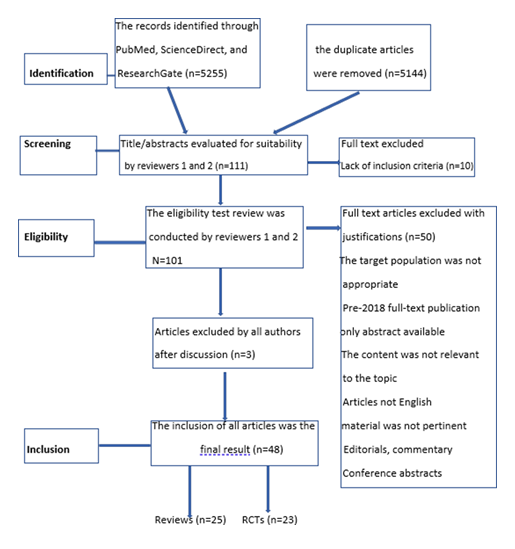
Figure 1: Relevant model for the search strategy. This diagram depicts the process followed in selecting articles for publication.
in colostrum compared to later milk. Infants start consuming transition milk after five days. The concentration of lysozyme in this milk increases, whereas that of lactoferrin and IgA decreases. Levels of protein diminish, alongside those of minerals like copper, manganese, and zinc. Most milk typically reaches its full maturity by the second week after birth, with full development occurring between the fourth and sixth week post-birth [80,81].
Physiology of lactation
Lactation occurs when the body produces and releases breast milk (BM) through the mammary glands after childbirth. Lactation is divided into five stages: (1) Mammogenesis, breast development reaches a functional state. (2) Lactogenesis is synthesis and secretion of milk occurs in the breast alveoli. (3) Galactokinesis is ejecting milk from the nipple. (4) Galactopoiesis maintains lactation.
(5) Involution is decreased and atrophy post lactation [80-83].
Hormonal influence during mammogenesis
The hypophyseal ovarian, uterine cycle starts when the duct system branches extensively and parenchymal cells proliferate in response to estrogen and progesterone control. During early pregnancy, changes occur as the body prepares for childbirth. The uterus grows larger, and blood vessels branch out to supply nutrients and oxygen to the growing baby. Hormones from the ovaries and placenta cause these changes. Progesterone causes increased growth of alveoli size and lobes. Estrogen causes the milk ducts to develop and change shape, leading to the accumulation of fat cells. Prolactin helps make more air sacs grow bigger and help alveoli and ductal structures develop.
Stage 1 begins in mid-pregnancy. Milk production starts when the body makes more cells in the alveoli that make it easier for milk to be made. Then, prolactin tells these special cells to make milk. Insulin and serum growth factors trigger stem cell division in the glands, causing cortisol for alveolar formation and milk synthesis induction. High levels of progesterone from the placenta inhibit further differentiation, while loss of progesterone receptors in the lactating breast prevents it. Stage 2, late pregnancy lasts until day 8. After the birth of a baby, progesterone drops rapidly. Nutrient and mineral mobilization depends on high prolactin, cortisol, insulin, growth hormone, and parathyroid hormone levels. A switch occurs between endocrine and autocrine control [84].
Lactogenesis pathways for milk secretion by the mammary epithelial cell
Five ways were explained: milk proteins and lactose travel via exocytosis from the Golgi. Reverse pinocytosis (lipids) is created in smooth endoplasmic reticulum form droplets that cover phospholipid membranes before being transported as milk fat globules. Monovalent ions (sodium, potassium, chloride), some monosaccharides, water, and glucose move directly across the apical membrane of cells through trancytosis. Some interstitial fluid components and leukocytes can pass between cells through paracellular pathways, diapedesis by tight junctions. The suckling action starts galactokinesis processes, during which alveolar structures expel the BM via duct systems. The hormone oxytocin increases levels of substances within muscle tissues surrounding mammary glands responsible for producing milk (the process by which milk is expelled). The production of galactopoietic substances like prolactin maintains lactation flow, while suckling further stimulates milk secretion. Frequent breastfeeding eases clogs within breast ducts by triggering increased milk secretion via an innate hormonal response mechanism. Involution involves lactogenic hormone deficiency coupled with localized stimuli, leading to cellular demise and reorganization within postpartum tissues [84].
Characterization of Human Breast Milk Components
Various kinds of food possess distinct caloric values, quantities, and dietary merits. Not a single substance provides an adequate amount of every necessary nutrient for bodily requirements. Every nutrient is indispensable. Therefore, it's crucial for us to thoroughly understand each of them. The composition of HBM is displayed in Table 1. Biofluid HBM comprises an exceptionally intricate mixture composed mainly of macroelements, such as complex carbohydrates. These include various types of HMOs along with fats, proteins, and water [85]. Trace elements like vitamins and minerals play crucial roles within our diets at minimal levels. Essential nutrients promote healthy development during infancy. The formation of an IGM community significantly depends on the bacterial strains found in human birth material [86] is specified. Unlike previous studies which mainly concentrated on nutrient composition analysis, this investigation delves deeper by examining the bacterial gut within HBM and its impact on IGM levels. It explores how dietary supplements such as prebiotics and probiotics influence infants during the initial stages of development. After that, a concise summary of this subject was subsequently delivered. See the study by Savarino G et al. [87] for more information.
Carbohydrate requirements
The HBM ensures an ongoing flow of sugars for infants, facilitating healthy development, maturity, and rapid physical growth. Researchers discovered an affirmative link between infants' rapid body development speed and their intake levels of BM. This connection is further supported by evidence showing how particular amounts of sugar in the mother's milk correlate directly with children's height, weight gain, and lean muscle composition.
Table 1: *HBM microbiota and composition, and Infant gut microbiota.
|
Human breast milk microbiota (A) |
Human breast milk composition (B) |
Infant gut microbiota (C) |
|
Streptococcus Staphylococcus |
Water |
Bifidobacterium Lactobacillus |
|
Enterococcus |
Macronutriments Carbohydrates |
Anaerostipes |
|
Veillonella |
Oligosaccharides (HMO) |
Clostridium |
|
Ralstonia |
Lactose |
Faecalibacterium |
|
Prevotella |
Fat |
Verrucomicrobium |
|
Gemella |
Proteins |
Bacteroides |
|
Serratia |
Micronutriments |
Escherichia coli |
|
Bifidobacterium |
Minerals |
Pasteurella |
|
Faecalibacterium |
zinc, potassium, sodium, |
Stenomonadales |
|
Akkermansia muciniphila |
copper, iron, calcium, |
Veillonella |
|
Lactobacillus |
selenium, magnesium, chlorine |
Streptococcus |
|
Corynebacterium |
Vitamins |
Collinsella |
|
Propionibacterium |
A, B1, B2, B3, B6, B8, B12, C, D, K |
Akkermansia |
|
Cutibacterium |
Immunomodulating components |
Enterococcus |
|
Bacteroides |
Cytokines |
Staphylococcus |
|
Bacillus |
Chemokines |
Prevotella |
|
Sphingomonas |
CX (α), CC (ß), C (ϒ), CX3 (δ) |
Corynebacterium |
|
Pseudomonas |
Interleukines |
Propionibacterium |
|
Bradirhizobium |
IL (F8, F6, F8, F9, F10) |
Lachnospiraceae |
|
Fungi: Malassezia, |
CSF, G-CSF, GM-CSF, |
|
|
Candida, Saccharomyces |
M-CSF, TGF-ß, VEGF, TNF, EGF |
|
|
Rhodotorula,Davidiella, |
Adipokines |
|
|
Sistotrema, Penicillium |
Leptin, adiponectin, omentin, resistin, vaspin, |
|
|
Archaea: |
Visfatin, apelin, chemerin, obestatin, ghrelin, nesfatin-1, irisin |
|
|
Haloarcula, halorhabdus |
Hormones |
|
|
and Halomicrobium |
PTHrP, cortisol, melatonin, |
|
|
Protozoa : Giardia and |
Insulin, estrogen, androgen, prolactin, IGF, progesterone, |
|
|
Toxoplasma |
GnRH |
|
|
Virus: Myxoviridae, |
||
|
Podoviridae, Siphoviridae |
Note: A-Microbes present in healthy females' breast milk originate from within their gut. Additionally, they originate through their skin, as well as within the surroundings. B-This table indicates that HBM is made up of complex compounds primarily consisting of macronutrients, micronutrients, and immunomodulating substances. C-The infant gut microbiota under one-year-old harbors fewer bacterial species compared to those in adults. Based on the prevailing demographic view, it is evident that there is substantial diversity within the baby's gut microbiota.
*HBM: human breast milk; PTHrP: parathyroid-hormone-related protein; IGF:insulin-like growth factor; VEGF: vascular endothelial growth factor; EGF: epidermal growth factor; GnRH: gonadotrophin-releasing hormone.
Some observed that breastfeeding mothers' babies consume less lactose and carbohydrates by three and six months than those formula-fed (FF) do. The HBM categorizes carbohydrates into three primary groups: starchy foods (complex carbohydrates), sweeteners (simple carbohydrates), and dietary fibers (a type of complex carbohydrate) [87]. HMOs comprise five monosaccharides, D-glucose (GLc), D-galactose (Gal), N-acetylglucosamine (GLcNac), L-fucose (Fuc), and Sialic acid (SLa). During late gestation, these substances originate within the breast tissue through enzymatic processes catalyzed by members belonging to the glycosyltransferase group [88,89]. An L-lactose unit consisting of two monosaccharides, galactose and glucose, joins together with a disaccharide, such as lacto-N-biose or N-acetylactosamine, to form a linear chain (if the sugar bond is type 1-3) or a branched chain (if the connection is type 1-6).
The oligosaccharide chains thus formed can then be fucosylated or sialylated, thereby enhancing their content of HMOs. There are three separate categories within HMOs: neutral fucosylated HMOs comprising approximately 35% to 60%, neutral non-fucosylated HMOs ranging between 42% and 55%, and those changed by sialic acid HMOs accounting for roughly 12% to 14% [88-90].
Variations in hormone-binding protein levels arise because of genetic variations involving the FUT2 gene (encoding fucosyltransferase 2), which is classified under the secretor gene type 2 [Se] subcategory, alongside alterations in the FUT3 gene (also known as the Lewis gene designated [Le] by some sources [89, 91]. When the FUT2 gene in females cannot function properly, it prevents the production of specific types of sugar molecules called fucosylated HMOs, such as 2-fucosyllactose (2-FL).
Specific types of fucose-containing HMOs like lacto-N-fucopentaoses II and III won't form if an individual's FUT3 gene trait isn't expressed. Because of variations in how genes express themselves, researchers found distinct types of motherhood exhibited by four groups. Genes Se+ Le+ express activity in all four phenotypes, Se+ Le-, Se-Le+ and the non-secretor phenotype Se-Le-. Human beings cannot digest HMOs. Thus, they become accessible to gut microbes, particularly species of Bifidobacteria. All members of the HMO molecule family contained within HBM can effectively enter into and undergo metabolism by B. infantis, an organism typically living only in the gut of breastfed babies and possessing sets of genes specifically designed for utilizing these HMO components. B. infantis holds a competitive edge within its ecosystem because of its ability to metabolize HMOs within cellular structures.
When HMO undergoes breakdown, it produces both lactic acid and acetic acid. Subsequently, the host assimilates those organic acids or employs microbial associates for their utilization. Various microorganisms get energy through metabolizing lactic acid and acetic acid, ultimately resulting in the synthesis of additional short-chain fatty acids (SCFAs) such as butyric acid [92].
SCFAs typically live in the colon at concentrations ranging between 50-200 mM. They exert diverse impacts on host health by promoting immunological regulation and fortifying gut barriers. Alterations of microbial populations and their by-products might significantly influence digestive well-being for B. infantis. Introducing B. infantis into the developing gut microbiota of infants only fed through breastfeeding significantly enhances observable health outcomes. This encompasses elevated concentrations of organic acids within stool specimens, a reduction in the presence of enteric bacteria such as those belonging to the family Enterobacteriaceae, diminished detection of harmful genetic traits, and alteration in gut defense mechanisms [93].
In HBM, HMO levels peak at 20-25 g/L in colostrum before decreasing to around 5-20 g/L during mature lactation [74]. On average, there's more total HMO content compared to total milk protein content at 8 g/L. This makes HMOs an important biological stimulus available for use throughout early childhood growth stages.
These bio-macromolecules display remarkable structural variation, comprising over 150 distinct varieties within HBM. During pregnancy and breastfeeding periods, factors such as shipping method, geographic location, mother's BMI, fetal weight gain benefits during gestation, and caloric consumption significantly influence the production of HMOs [89, 91, 94-96] (Table 1B). HMO fragmentation leads to an increase in SCFA production, benefiting gut cell growth while enhancing the strength of the gut's protective layer through this mechanism [97]. Through their provision of nourishment, HMOs cultivate the microbial community in the gut through interactions with beneficial gut microbiota such as Bifidobacterium spp., and functioning as an obstacle against potentially dangerous microorganisms [98].
Lipid requirements
Toddlers in high-fat milk consume about 50% of their total daily calories as fats. This molecule serves as the ultimate catalyst in enhancing brain development and cognitive functions while also bolstering immunity and regulating inflammatory processes [99]. The HBM typically comprises three elements. The score is five against four. Fats make up about 3.5%-4.5%, but most around 95%-98% exist as triglycerides, primarily comprising of saturated fatty acids (SFAs), monounsaturated fatty acids (MUFAs), and either omega-3 or omega-6 polyunsaturated fatty acids (PUFAs).
Infants' retinal and cerebral cortex enhancements suffer because of long-chain polyunsaturated fatty acids (LCPUFAs) like arachidonic acid (ARA) and docosahexaenoic acid (DHA), which reach them through HBM. These substances play a role in regulating inflammation by altering genetic activity and influencing membrane fluidity across diverse tissue types, including those specialized for critical functions like the brain and retina. A deficiency in these conditionally necessary nutrients, ARAs and DHAs, may cause changes in both the nervous system and immune levels. Several variables affect the quantity of fats found in HBM. These include dietary components consumed during gestation, maternal nutrient intake before conception, fluctuations in fetal size over time, as well as how fully developed breasts have grown at delivery, all influencing when milk production begins.
Colostrum typically contains approximately 15-20g/L in terms of fat content. The amount of fat gradually rises throughout time, reaching approximately 40g/L by maturity. Levels of DHA and eicosapentaenoic acid (EPA), along with all other omega-3 fatty acids (FAs) found in HBM (n-3 LCPUFA), influence infant weights [100].
A child's cognitive development significantly depends on the availability of circulating PUFAs, often promoted through levels measured in HBM. Linoleic acid (LA) and α-linolenic acid (ALA) found in HBM exhibit minimal influence on the formation of intracellular PUFAs [96]. Studies show that increased concentrations of omega-3 PUFAs throughout breastfeeding's first few months correlate with greater infant motor skill development [101] (Table 1B).
Protein requirement
The protein need is approximately 1% (around 8-10 g/L) of HBM, significantly increasing to around 14-16 g/L during certain periods of early lactation. After 3 to 4 months post-delivery, the level of this compound drops to approximately 8 to 10g/L. It further reduces to 8 to 10g/L after 3-4 months after delivery and continues to lower to 7-8 g/L after six months onwards. During the initial academic term, an increase in HBM, height expansion, and skull diameter causes protein intake. Breastfeeding exclusively (EBF) during the initial months allows infants to meet their nutritional requirements for proteins through high-quality nutrients supplied by BM.
Nutrients called proteins contribute significantly by aiding growth, nurturing infants, and fortifying their immunity [102]. Most of the proteins identified within the HBM consist primarily of casein and whey proteins because of their presence of immunoglobulins, digestive enzymes, internal peptide fragments, and mucus components originating from milk fat globules' membranes. The protein casein lives within micellar structures and has the potential to precipitate into lumps or curdled masses during digestion in the gut tract. The substance includes α-casein, ß-casein, γ-casein, and k-casein. Alternatively, whey exists as a fluid state and can be easily absorbed by the body with little effort. In HBM, whey protein makes up 40% of α-lactalbumin. However, ß-lactoglobulin, which is present in larger quantities within cow's milk whey proteins, does not feature in this formulation.
The protein lactalbumin plays an indispensable role during milk synthesis within breast tissues by supplying vital building blocks for proteins and facilitating mineral uptake by infants. Enhances immunity while known for its antibacterial properties. These proteins, lactoferrin and lysozyme, prevent bacterial proliferation, while IgA protects gut mucosa and helps eliminate pathogens. Non-protein nitrogen like urea, uric acid, creatine, creatinine, nucleotides, unbound amino acids, and peptides contribute approximately 20-25% of the total protein found in HBM measurements. Amino acids become degraded within the gut tract before they reach the body via blood circulation. During this process, differences exist between the levels of amino acids found in the bloodstream compared to those prescribed for diet reduction programs and recommended by the Healthy Eating Pyramid. The breast tissue possesses an immunological layer which controls protein, peptide, and amino acid transport inside it, possibly influencing differences in amino acid content found in serum versus HBM (Table 1B).
Micronutrients
Newborns need micronutrients to aid in their physical development. HBM adequately fulfills a child's nutritional requirements for essential micronutrients during the initial months of life. It is abundant in vitamins, minerals, and trace elements. The composition of HBM is displayed in Table 1B. The food choices of expectant mothers affect the health of their EBF infants, as these babies might lack enough vitamins D and K, underscoring the necessity for additional supplementation. The concentration of vitamin D in the BM is influenced by the mother's sun exposure, eating patterns, and life choices. A small quantity of vitamin K is also passed from the mother to the developing fetus. Its critical function in initiating blood clotting mechanisms, and its absence can result in bleeding disorders.
Women who don't eat enough food might also be deficient in essential vitamins, including pyridoxine (vitamin B6) and cobalamin (vitamin B12). The primary form of folate, present in colostrum, gradually increases over the first few weeks, reaching its peak around 2-3 months, then decreases between 3-6 months, and continues to be significant until lactation. The food item keeps adequate levels of thiamin (vitamin B1), riboflavin (vitamin B2), and niacin (vitamin B3) [103,104]. Biotin (vitamin B8), as a vital part of the carboxylase enzyme, is essential for the metabolic processes involving amino acid metabolism, gluconeogenesis, fatty acid biosynthesis, and the metabolism of odd-chain fatty acids. Ascorbic acid (vitamin C), is a water-soluble antioxidant that acts as an electro donor, supporting the immune system by stimulating leukocytes, boosting antibody production, and promoting the production of interferons. Its concentrations peak in colostrum and gradually decline during lactation [104]. Vitamin A is crucial for cell development and the control of programmed cell
Table 2: Factors affecting human breast milk exosomes.
|
Maternal-associated factors |
Mechanism of action |
References |
|
Lactation phases |
During pregnancy changes occur in miRNAs |
97, 101, 102 |
|
Within HBM. Colostrum contained elevated |
||
|
Levels of miRNAs compared to mature breast milk. HBM samples taken between day 3-8 after birth contained more exosomes compared to mature breast milk gathered 2 months later |
||
|
Preterm/Term birth |
Premature or term delivery impacts an infant’s |
103, 104 |
|
Production of exosomes and influences their |
||
|
Immune system activities |
||
|
Digestive system |
Enhanced absorption of miRNAs-rich HBM exosomes in the gut might be promoted due to inflammation-induced changes within the gut |
|
|
Milieu alongside heightened gut barrier dysfunction throughout lactation periods |
||
|
Mode of delivery |
||
|
C-section |
Exhibit altered miRNA profiles within breast milk compared to those giving birth vaginally |
106, 107 |
|
Elevation of external oxytocin leads to elevated expression of miRNA-148a and miRNA-30 within |
||
|
Vaginal birth |
HBM. Desreasing expression of miRNa-30 in human colostrum higher levels of miRNA-320 wthin HBM postpartum compared to those containing low concentration of miRNA-148a. |
|
|
Lower levels of miRNA-148a and miRNA-125b in transition and mature HBM |
||
|
Maternal nutrition |
Alterations in miRNA concentrations within HDL particles depend on what the mother consumes during pregnancy. Women consuming more fats or carbohydrates than proteins exhibited elevated levels of miRNAs-67 and miRNA-27 in their bodies. Whithin HBM exosomes, there are two miRNAs: miRNA-156a and miRNA-168a |
100, 111 |
|
Maternal overweight and obesity |
miRNA-148a and miRNA-30b inside the HBM of women with ordinary weight and with averweight/obesity have been decreased in mothers with overweight/obese. miRNA- 148a-5p and miRNA-146-5p are related to maternal weight, and miRNa-26a-5p is associated with the lipid milk fraction. |
109, 110, 111, 112 |
|
Decreased levels of miRNA-148a and miRNA-30b which are linked to infant antropometric measurments in breast milk of overweight/obese |
||
|
Wommen. |
||
|
Maternal stress (psychological distress) |
miRNA-containing exosomes interacted with stress. The rise in mother’s anxiety is associated with changes at gene levels affecting processes like fat production, hormone synthesis and cell division. |
108 |
|
Maternal chronique diseases (gestational diabetes mellitus (GDM) |
Decrease levels of miRNA-148a, miRNA-30b, miRNA-let-7a, and miRNA-let-7d levels in mothers with GDM, correlated positively with maternal obesity. |
103, 110 |
Note: The mechanisms responsible for the changes in exosome composition in human breast milk (HBM) are illustrated in this Table. Research has indicated that the exosome composition of HBM is influenced by a number of factors, including the lactation period, preterm or term birth, digestion, delivery method, maternal nutrition, body weight, stress during pregnancy, and chronic diseases in the mother.
death. It also contributes to embryonic development, growth, immune function, and vision. HBM is short of both iron and zinc (Zn). It excels in nutrient uptake, while the iron and zinc accumulated during pregnancy meet the infant's nutritional requirements during the first six months of life, until the introduction of complementary foods.
Should an external source of iron not be introduced during the second half of infancy, EBF infants are susceptible to iron deficiency. It is crucial for the creation of hemoglobin and the formation of new tissues. It aids in the functioning of the immune system and the development of the nervous system, particularly in infants during their first few months of life, where their iron stores are derived from the mother during pregnancy.
Zinc is crucial for many cellular processes and is vital for growth and development. It is crucial during cell differentiation, especially in tissues, that rapidly change and grow, like the immune system and the gut. A substantial portion of the mineral composition, such as zinc, is plentiful in colostrum but diminishes as lactation intensifies.
Other bioactive components in HBM
Beyond macro- and micronutrients, HBM encompasses diverse bioactive compounds. These elements encompass immunomodulatory substances, mRNAs, long non-coding RNAs (incRNAs), circular RNAs (cirRNAs), microribonucleic acids (miRNAs), and extracellular vesicles, specifically focusing on exosomes [105]. The bioactive compounds in HBM are derived from various origins, including the mammary gland, milk cells, maternal serum, and milk fat globule secretions [106].
Immunomodulating components
HBM includes immunomodulatory elements, like cytokines and leukocytes, that aid in safeguarding the infant against infections and support the maturation of the immune system [107]. HBM includes adipokines called cytokines, such as leptin, adiponectin, ghrelin, apelin, nesfatin-1, obestatin, omentin, resistin, irisin, chemerin, vaspin, and visfatin. These adipokines exert a significant influence on metabolism by modulating FA metabolism and directly engaging with insulin signaling pathways. They are probable contributors to the pathophysiology of cardiovascular diseases linked to obesity and insulin resistance, and they contribute to the development of a chronic low-grade inflammatory condition (Table 1B). Adipokines are released by the mother's fat cells into her blood, and some are also produced by specialized cells called lactocytes in her mammary glands, and are present in the HBM. These adipokines, including leptin, transmit messages from adipose tissue to the brain, influencing a baby's appetite, eating patterns, growth, and body composition.
Someone significantly correlated the concentrations of leptin in the baby’s blood with the mother's BMI. Both leptin and adiponectin are linked to higher infant adiposity, whereas higher adiponectin intake is associated with a decrease in lean body mass during the first year of life [108]. Adiponectin is abundant in HBM and can traverse the gut to aid in metabolic regulation and inflammation reduction. Another proposal is that adiponectin could help regulate the rate at which breastfed infants' stomachs are empty. A different hormone, ghrelin, discovered in the HBM, has been observed to be more abundant in formula-fed infants versus those EBF. Studies have shown a direct correlation between plasma ghrelin levels and infant obesity. The presence of growth factors like ciliary neurotrophic factor in HBM lasts up to 90 days after birth. The protein vascular endothelial growth factor (VEGF) is believed to contribute to the formation of new blood vessels and potentially decrease the risk of retinopathy in premature infants [108].
Other hormones, such as resistin, tumor necrosis factor (TNF), transforming growth factor (TGF), and epidermal growth factor (EGF), share structural similarities with cytokines. These cytokines can be extracted from the mother's blood or synthesized within the mammary gland. HBM includes several hormones, such as parathyroid hormone-related protein (PTHrP), cortisol, melatonin, insulin, estrogen, androgens, prolactin, gonadotropin-releasing hormone (GnRH), and progesterone [108]. PTHrP contributes to the control of calcium movement within the mammary gland. The body manufactures a steroid hormone called cortisol in response to both physical and emotional stress. It aids in regulating blood glucose levels by stimulating glucose production through gluconeogenesis and also facilitates the breakdown of fats, proteins, and carbohydrates for energy. The concentration of cortisol in the body peaks in the morning and dips at night. Melatonin plays a role in regulating the body's sleep-wake cycle and possesses antioxidant, anti-inflammatory, and immunomodulatory properties. It exhibits a daily pattern in maternal plasma and HBM, with peak concentrations occurring around midnight and declining throughout the day.
Studies have shown that higher concentrations of insulin in human milk (HM) are associated with reduced body fat in infants. The hormone insulin-like growth factor (IGF-1) and IGF-2 are found in colostrum but diminish as lactation continues (Table 1B).
HBM microribonucleic acids
Derived through HBM technology, these vesicles significantly influence both infant feeding practices and immune regulation by affecting inflammatory responses, enhancing immunological functions, and safeguarding epithelial tissues [109]. Particles known as exosomes can be found throughout various bodily liquids such as blood, saliva, urine, cerebrospinal liquid, lymph matter, fetal fluid, umbilical cord bathwater, and HBM. HBM and crop milk both harbor extracellular vesicles resistant to enzymatic breakdown along with microRNA molecules which traverse gut epithelial layers into systemic circulation before reaching various tissue cell compartments. Exosomes facilitate the transformation of natural CD4+T cells into regulatory T cells (Tregs) and helper type 2 (Th2) cells by inhibiting their development into Th17 and Th1 subsets. The active substance penetrates into the cell's core [110]. These tiny vesicles shuttle various cell contents, such as proteins, fats, and nucleic acids between different tissues within an organism. Their actions impact various cellular functions such as immune system regulation, communication between cells, wound healing responses, resistance against diseases like stress and infections, development of new tissues through stem cell proliferation and specialization, cognitive abilities via neurotransmitter interactions, repair mechanisms for damaged areas, virus production suppression, ultimately influencing overall health conditions and disorders in humans [111,112].
Microvesicles execute critical functions within cellular interactions [113]. Concurrently, RNA molecules within extracellular vesicles influence epigenetic modifications [114]. HBM contains an abundance of miRNAs, which play crucial roles in protecting infants, influencing their growth and metabolic processes, as well as regulating cellular tissue deaths. miRNAs are non-coding RNA molecules that act as regulatory elements in cells by controlling processes like cellular division, growth, development into specific types of tissues, programmed death mechanisms known as apoptosis, and responses to external stimuli including immunity. Approximately 1400 microRNA molecules are transported via HBM, among which some have been hypothesized to aid in the development of the immune response. The microRNA molecules produced within breast tissue migrate into milk fed to newborns via breastfeeding. These enter gut cell linings where they circulate throughout the body, reaching different tissues through blood vessels.
HBM bacterial extracellular vesicles and gut microbiota
Studies show extracellular vesicles derived from HBM exosomes serve as nourishment for gut microorganisms. HMB-retrieved extracellular vesicles enhance bacterial proliferation in Escherichia coli strain K-12 MG1655 and Lactobacillus plantarum of WCFS1 strains. Here there are a variety of live bacterial cultures helpful for maintaining human well-being. Zhou et al. [115] research revealed that the gut's microbiome enables cells to communicate through HBM exosomes. Particles called extracellular vesicles (EVs), which originate in various types of living organisms, including Bacteria, Archaea, and Eukaryotes [116], may be released into their surroundings. The initial discovery of bacterial extracellular vesicles (BEVs) was made in E. coli and Vibrio cholerae species [116]. Members of the human gut microbiome secrete these vesicles which aid in modulating microbe-host communications within the gut environment. They interact with both host tissues and influence the host's immune response and its enteric nerve system. Extracellular vesicles within an envelope system, primarily composed of concentric layers around particular transport proteins, may be classified based on their origin in different biological species. The eukaryotic vesicles can be classified into three primary categories: cellular microvesicles, like microparticles or ectosomes, apoptotic bodies, and exosomes [116]. Continuous bud formation on membranes leads to microvesicle release. These vesicles take part in intercellular signaling through transport of diverse cargos like hormones, growth factors, and even immunomodulators. Upon completion of an apoptotic event, cells release particles known as apoptotic bodies. These formations occur because of alterations in membrane behavior during programmed cell demise and may include various types of biomolecules alongside more substantial components, like complete organelles and chromatin. From exocytosis, exosomes are made when the plasma membrane and the membrane of multivesicular endosomes fuse together.
They encompass tasks like waste removal during cellular metabolism, movement within tissues for signaling, which all contribute to phenomena including fetal growth, control over immune reactions, and worsening diseases. Microorganisms originating from Archaea may generate vesicles through bud formation on their membranes or exhibit them as cylindrical entities known as nanotubes. These vesicles play roles in cellular rivalry, biomineralisation, transfer of genetic material, and detoxification.
Bacterial extracellular vesicles (BEVs) derived from membrane blebbing (B-type) encompass outer membrane vesicles (OMVs), inner-outer membrane vesicles (IOMVs), all generated by gram-negative bacteria. Cytoplasmic membrane vesicles (CMVs), also synthesized in response to gram-positive bacteria [116-118].
In contrast, vesicles may form through lysing cells explosively (E-type), triggered by viral enzymes like endolysin or autolytic proteins, then reconstructed after fragmentation occurs within the membranes. Involving gram-negative organisms, there are explosive outer membrane vesicles (EOMVs) and explosive outer-inner membrane vesicles (EOIMV) alongside them. For gram-positive, similar structures known as explosive cytosolic membranes (ECMs). Both types arise through cellular demise processes, termed "explosive" cytoplasmic membrane vesicles (ECMVs). Various gram-positive and gram-negative microorganisms generate tubular membrane-bound entities known as tubesome-like formations, encompassing nanotubes, nanowires, and nanoparticles. Most gut microbiota produce BEVs, carrying unique cargoes and performing various roles, including inter-bacterial communications and relationships with their hosts. Such encounters may enhance an individual's well-being or exacerbate different diseases. Derived from gut microbiota, these BEVs display favorable biocompatibility and minimal immune response characteristics, rendering them appropriate for therapeutic interventions designed to regulate cardiac remodeling while minimizing adverse outcomes associated with treatments [118].
Factors affecting HBM exosomes and miRNAs
Despite insufficiently elucidated mechanisms behind changes in exosome content within HBM, numerous research findings linking different variables affecting exosomal make-up in these cells continue to accumulate. Moreover, HBM extracellular vesicles influence cellular origins, activities, and interactions [119]. Exosomes from HBM are influenced by the factors listed in Table 2.
Lactation phases
Variations in the dynamism of bioactive compound compositions within an HBM fluctuate across various developmental phases [120]. During pregnancy, changes occur in miRNAs within HBM [114]. The study found that HBM samples taken between day 3-8 after birth contained more exosomes compared to mature BM gathered two months later. The colostrum contained elevated levels of miRNAs compared to matureBM [121]. The study by Xi et al. cited by çelik et al. [119] found that colostrum contained less miRNA-30B levels and more let-7a miRNA-378 compared to mature milk.
Preterm/Term birth
The premature or term delivery impacts an infant's production of exosomes and influences their immune system activities [122]. Studies show alterations in hormone levels and miRNA concentrations within the HBM of women giving birth prematurely [123].
Storage conditions and heat treatment
In situations where premature infant mothers lack adequate BM production, donor Human Milk Bank services come into play. Milk intended for human consumption should be sterilized through heat treatment prior to its usage.
The holder undergoes pasteurization at 62.5°C for 30 min for an extended period is commonly used in medical procedures involving human blood components [124]. The alteration in these structures diminishes their impact significantly, reducing it roughly by half while preventing newborns from benefiting from the helpful properties contained within extracellular vesicles.
Digestive system
Exosomal HBM molecules safeguard against enzymatic, chemical, physical erosion, and acid-induced cellular harm through mechanisms akin to those found in gastric and pancreatic fluids. Enhanced absorption of miRNAs-rich HBM exosomes in the gut might be promoted because of inflammation-induced changes within the gut milieu alongside heightened gut barrier dysfunction throughout lactation periods.
These vesicles enter human gut stem cell-like tissues through their recognition of approximately 288 stable miRNA molecules. During an alternative study focusing on stimulating gastric and pancreatic enzyme secretion, hsa-miRNAs were found to be highly abundant. Despite consistent levels of miRNA content within HBM exosomes post-digestion, this suggests workable gut uptake.
Mode of delivery
Women delivering babies via C-section exhibit altered miRNA profiles within BM compared to those giving birth vaginally. During childbirth via vagina, an elevation of external oxytocin leads to elevated expressions of miRNAs 148a and miRNA-30 within HBM while concurrently decreasing expression of miRNA-320 in human colostrum [125]. Higher levels of miRNA-320 were detected within maternal BM samples obtained postpartum compared to those containing low concentrations of miRNA-148a. The discovery is associated with an increased likelihood of developing type 2 gestational diabetes mellitus (GDM) later on due to disrupting the C-section miRNAs : miRNA-148 and miRNA-320's regulatory equilibrium [126] are represented in this format.
Maternal nutrition
A variety of studies have investigated how various elements of a mother's diet affect her body chemistry and its internal components through the HBM framework. In particular, changes in miRNA levels within high-density lipoprotein (HDL) particles are influenced by what the mother ingests during pregnancy. Individuals who consumed more fats or carbohydrates than proteins had higher levels of miRNAs-67 and miRNA-27 in their systems. Lukasik et al's study identified two miRNAs, miRNA-156a and miRNA-168a, in HBM extracellular vesicles, findings previously reported by Çelik E et al. [119]
Maternal stress
The psychological stress endured by mothers impacts their children's overall health, physical growth, and developmental stages negatively. A study examined the interaction between miRNA-containing exosomes and environmental factors, such as stressful experiences faced by pregnant women, in 80 participants. An increase in mothers' anxiety is linked to alterations in gene expression, impacting processes such as fat metabolism, hormone production, and cell cycle regulators that influence body size development [127]. Exploring how mothers' stress influences specific miRNA molecules within cells might provide a deeper understanding of their relationship.
Maternal overweight and obesity
There might be a beneficial connection between a mother's overweight or obesity and her children, as suggested in the HBM framework [128]. Within the first month postpartum, Shah et al. [129] examined miRNA-148a and miRNA-30b levels in the HBM of 30 women of normal weight and 30 women with overweight/obesity, finding that these levels had decreased in mothers with overweight/obesity. Adjusting for initial weight, gender, and gestational age, these miRNAs showed a significant association with babies' anthropometric measurements. Each unit decrease in miRNA-148a was correlated with a significant increase of 0.6 kg in body mass and a weight gain of a 0. 3 kg increase in body fat content. This prolonged courtship ceased during the first three and six months of lactation [129].
Research shows that miRNA-148a-5p and miRNA-146-5p are linked to maternal weight, while miRNA-26a-5p is connected to the lipid content of milk. Despite limited information about the mechanisms, studies show that a few miRNAs in HBM influence maternal weight and toddler body composition [130]. Studies show that mothers with a stable weight typically exhibit lower levels of leptin, adiponectin, and specific miRNA stages compared to those with overweight or obesity. They reported a reciprocal interaction between leptin, adiponectin, miRNA-17, miRNA-103, miRNA-181a, miRNA-let7c, miRNA-222, and miRNA-146b in the HBM of mothers with normal weight and their infants [131].
Maternal chronic diseases
The miRNA content within HBM exosomes is significantly reduced in individuals with GDM. The HBM from 32 mothers with GDM exhibited lower levels of miRNA-148a, miRNA-30b, miRNA-let-7a, and miRNA-let-7d compared to HBM from healthy mothers, which was significantly associated with maternal obesity [129]. Within the first month of existence, the weight and fat content of toddlers are directly linked to the levels of miRNa-30b and inversely related to miRNA-148a [122].
The Composition of the Microbiota in Human Breast Milk
HBM serves as a crucial nutritional resource during infancy. Beyond its vitamin and mineral content, HBM contains beneficial microorganisms known as commensals. Microbiota linked to HBM influence primary IGM. It plays an important part in shaping and affecting infants' immunity development.
The simplicity of HBM's approach makes it suitable for ethical research, making it easily accessible for further study, highlighting its significance within current academic pursuits. In truth, it's clear that short-term bacterial gut influences the shift from predominantly Th2 responses within the womb towards a balance of both Th1 and Th2 types. Microbes present in both BM's early stages and its later phases activate an anti-inflammatory reaction through the induction of particular signaling molecules called cytokines, diminishing the likelihood of various inflammations occurring across different systems within the body and safeguarding against conditions like asthma and atopic dermatitis caused by overactive immunity. Microbes living within us form a community known as the microbiome, which thrives by interacting with our bodies through mutually beneficial partnerships. This includes various microscopic life forms like bacteria, viruses, yeasts, parasites, and archaea. Collectively, microorganisms contribute to forming the microbial gene pool.
Origin of HBM microbiota
HBMs were once deemed sterile. However, recent studies reveal they harbor microbial agents potentially impacting child health outcomes. EBF infants consume around 1 x 10⁵ to 1 x 10⁷ bacterial cells per day, which makes up roughly 30% of their total microbiome makeup. These microorganisms primarily originate through human milk intake. It remains unclear precisely what mechanisms give rise to human gut microbial communities.
HBM is considered a constant reservoir of microorganisms containing over two hundred distinct bacterial types. Microbes were once believed to originate from contamination, either through the newborn's vaginal exposure or by direct contact between the mother's skin and the infant's mouth. Three key ideas about how these bacteria ended up in milk were suggested: through the enteromammary route, by flowing backward, or as established microorganisms living in the mammary glands [132]. DCs and macrophages in the enteromammary system carry bacteria from the mother's mucosa to the breast, where the newborn emerges [133].
The enteromammary pathway is an internal method for translocating a mother's gut bacteria from the digestive tract to the breast tissue through natural means [133]. DCs and macrophages create gaps in gut epithelial cell connections, allowing them to capture bacteria via dendrites. Hormonal shifts around the end of pregnancy might make it easier for immune cells to break down gut wall barriers. DCs move through the lymphatic and bloodstream and arrive at the mammary ducts, releasing bacteria into the milk [134].
So, like, it may be that those microorganisms you find in healthy women's milk don't just come from their gut. They could also come from their skin, or even the baby's mouth, or even just, like, the environment. For instance, some of those skin bacteria, y'know like Staphylococcus, Corynebacterium, and Propionibacterium. They were pretty common in HBM too [132]. Microbes are exchanged between the infant’s mouth and the breast during breastfeeding, as per the retrograde flow hypothesis [132]. This might explain why bacteria from the baby's mouth, like Veillonella or Prevotella, or even vaginal bacteria like Lactobacillus, could also be present in HBM [132].
Bacterial microbiota
Evidence gathered showed that microbial populations were present in early-collected BM samples before infants began nursing, confirming the entero-mammary route for nutrient transfer and showing that HBM is not inherently sterile [135]. Studies show variations in the composition of bacteria found in BM during the initial weeks postpartum as influenced by microorganisms present in an infant’s mouth at birth [136]. It is possible that these microorganisms present within the precursor colostrum play a vital role in establishing the infant's initial gut microbial community. An intriguing discovery reveals that female breast tissues harbor non-sterile bacterial communities until breastfeeding begins, comprising species such as Bacillus, Acinetobacter, Enterobacteriaceae, Pseudomonas, Staphylococcus, Comamonadaceae,
Table 3: Human breast milk (HBM) microbiota: Taxonomy of bacterial phyla and their predominant genera.
|
Phylum |
Class |
Order |
Family |
Genus |
|
Actinomycetota |
Actinomycetes |
Actinomycetales |
Actinomycetaceae |
Actynomyces |
|
Actinomycetota |
Actinomycetia |
Mycobacteriale |
Corynebacteriaceae |
Corynebacterium |
|
Actinomycetota |
Actinomycetia |
Propionibacteriales |
Propionibacteriaceae |
Propionibacterium |
|
Bacteroidetes |
Bacteroidia |
Bacteroidales |
Prevotellaceae |
Prevotella |
|
Bacillota |
Bacilli |
Lactobacillales |
Streptococcaceae |
Streptococcus |
|
Bacillota |
Bacilli |
Bacillales |
Staphylococcaceae |
Staphylococcus |
|
Firmicutes |
Bacilli |
Lactobacillales |
Lactobacillaceae |
Lactobacillus |
|
Actinomycetota |
Actinomycetia |
Bifidobacteriales |
Bifidobacteriaceae |
Bifidobacterium |
|
Bacillota |
Bacilli |
Lactobacillales |
Enterococcaceae |
Enterococcus |
|
Bacillota |
Negativicutes |
Veillonellales |
Veillonellaceae |
Veillonella |
|
Bacillota |
Bacilli |
Bacillales |
Staphylococcaceae |
Gemella |
|
Pseudomonadota |
Gammaproteobacteria |
Pasteurellales |
Pasteurellaceae |
Haemophilus |
|
Firmicutes |
Clostridia |
Clostridiales |
Clostridiaceae |
Clostridium |
|
Fusobacteria |
Fusobacteria |
Fusobacteriales |
Leptotrichiaceae |
Leptotrichia |
|
Pseudomonadota |
Gammaproteobacteria |
Enterobacteriales |
Enterobacteriaceae |
Escherichia |
|
Pseudomonadota |
Gammaproteobacteria |
Enterobacteriales |
Enterobacteriaceae |
Enterobacter |
|
Proteobacteria |
Gammaproteobacteria |
Pseudomonodales |
Pseudomonaceae |
Pseudomonas |
|
Pseudomonadota |
Gammaproteobacteria |
Enterobacteriales |
Yersiniaceae |
Serratia |
|
Proteobacteria |
Betaproteobacteria |
Burkholderiales |
Burkholderiaceae |
Ralstonia |
|
Pseudomonadota |
Alphaproteobacteria |
Sphingomonadales |
Sphingomonadaceae |
Sphingomonas |
|
Proteobacteria |
Alphaproteobacteria |
Rhizobiales |
Bradyrhizobiaceae |
Bradyrhizobium |
Note: HBM contains a variety of bacteria that are transmitted to the infant and have been suggested to contribute to gut microbiota development and immune maturation. The table shows that the main taxa of bacteria found in HBM can differ among people, which means that geographic, genetic, and what you eat might affect how diverse the bacteria are in HBM.
Gammaproteobacteria, Prevotella, and Propionibacterium [137].
A table listing the classification system for major bacterial groups within the human body's microflora [138], along with their top representatives, appears in Tables 1A and 3. After passing through the mother's vagina during childbirth [139], infants gain their first significant portion of gut bacteria alongside those present in the surrounding environment. Amongst the human gut microbial community, diverse bacteria exist, including species such as Bifidobacterium (B.) and various strains of Lactobacillus spp. Someone widely acknowledged its vast potential for aiding digestion. Researchers identified three distinct Lactobacilli spp. thriving within dairy products: L. gasseri, L. salivarius, and L. fermentum. Microbes found in stool lead to increased levels of IgA, triggering the production of interleukin 10 (IL-10).
HBM variants exhibit potent antioxidants and anti-cancer properties, rendering them helpful in enhancing physical health. The B. breve and B. longum strains have been examined. It was noted they adhere to the gut lining when removed from the human gut tract. A recent study examined individuals. It found an instance of the bacterium B. breve present in both the mother's rectal area post-C section surgery and her infant's feces, validating the idea of the interconnection between maternal and neonatal gut systems [136].
These include Staphylococcus, Streptococcus, Enterococcus, Lactobacillus spp., Propionibacterium, Rothia spp., Enterobacteriaceae, Bifidobacterium spp., and Baceroides spp. Culturally, it has recognized specific methodologies. Bacteria such as anaerobes, including Bacteroides and Clostridium, were detected using non-invasive cultivation methods. These approaches do not rely upon bacterial proliferation within an incubation medium [137].
Viral microbiota
Studies published recently [140,141] show that the viral community, or virome within organisms, significantly contributes to child’s wellbeing. Species belonging to the Podoviridae, Siphoviridae, Myoviridae families have been identified as being among the predominant components in healthy human gut microbiota [142].
Table 4: Viral, Fungal, Protozoal and Archea microbiota taxonomy on human breast milk.
|
Phylum (virome) |
Class |
Order |
Family |
Genus |
|
Uroviricota |
Caudoviricetess |
Caudovirales |
Podoviridae |
Podovirus |
|
Uroviricota |
Caudoviricetes |
Caudovirales |
Siphoviridae |
Siphovirus |
|
Uroviricota |
Caudoviricetes |
Caudovirales |
Myoviridae |
Myxovirus |
|
Causaviricota |
Papovaviricetes |
Zurhausenvirales |
Papillomaviridae |
Papillomavirus |
|
Artverviricota |
Revtraviricetes |
Ortervirales |
Retroviridae |
Retrovirus |
|
Peploviricota |
Herviviricetes |
Herpesvirales |
Herpesviridae |
Herpesvirus |
|
(Fungus) |
||||
|
Aseomycota |
Saccharomycetes |
Saccharomycetales |
Saccharomycetaceae |
Saccharomyces |
|
Basidiomycota |
Malasseziomycetes |
Malasseziales |
Malasseziaceae |
Malassezia |
|
Ascomycota |
Dothideomycetes |
Pleosporales |
Pleosporaceae |
Alternaria |
|
Basidiomycota |
Microbotrymycetes |
Sporidiobolales |
Sporidiobolaceae |
Rhodotorula |
|
Ascomycota |
Saccharomycetes |
Saccharomycetales |
Saccharomycetaceae |
Candida |
|
Ascomycota |
Dothideomycetes |
Capnodiales |
Davidiellaceae |
Davidiella |
|
Graphiopsis |
||||
|
Hoorsmania |
||||
|
(Protozoan) |
||||
|
Metamonada |
Eopharynga |
Diplomonadida |
Giardidae |
Giardia |
|
Apicomplexa |
Conoidasida |
Eucoccidiorida |
Sarcocystidae |
Toxoplasma |
|
(Archea) |
||||
|
Euryarchaeota |
Halobacteria |
Halobacteriales |
Halobacteriaceae |
Haloarcula |
|
Euroarchaeota |
Methanobacteria |
Methanobacteriales |
Methanobacteriaceae |
Methanobrevibacter |
Note: Viral microbiota (virome) for a child’s health, where participants provided in Table 4 were found out to be dominant individuals of the everyday human microbiome. It has been shown that human milk viruses are transmitted from the mom to the child via breastfeeding, with a vertical transmission of bacteriophages. The characterization of fungal organisms in milk from healthful mothers is currently unknown even though their presence has been mentioned inside the infant gut and also in milk from different mammals. Among yeasts, the species offered in this table is dominant during breastfeeding. In addition, a few protozoal factors have additionally been isolated in HBM. Archea are taken into consideration as one of the potential sources of microbes in HBM.
The newly born individual appears to be initially infected by bacteriophage particles, triggered by existing microorganisms within its early gut microbiota [141], subsequently leading to viral replication there, influencing bacterial populations and shaping the composition of the IGM [141,142]. Studies show reduced levels and intensity of these pathogens in newborns fed only on mother's milk. Studies have shown that HBM infections may spread between mothers and infants via BM, leading to vertical transfer of bacteriophages [65]. A study suggests that the breast tissue acts as an origin point for microbial elements found in our gut flora.
The HBM facilitates the delivery of beneficial virus components, inhibiting the propagation and duplication of detrimental viruses [141]. Viral fragments not derived from bacteriophages were found within samples of HBM, belonging to the Papillomaviridae, Retroviridae, and Herpesviridae families [142].
Yeast microbiota
The BM contains an array of beneficial microorganisms called the "mycobiome," transferred genetically from the mother to her offspring through lactation [143]. A mixture includes species such as Saccharomyces, Malassezia, Alternaria, Rhodotorula, Cryptococcus, and various strains of Candida [138].
During lactation, Debaryomyces hansenii predominates among yeasts. However, when infants transition into solid foods, Saccharomyces cerevisiae becomes the leading strain in their digestive system [144]. The organisms living on the surface of the body are recognized as crucial members of the microbial ecosystem. Consequently, Malassezia globosa can be detected only across every sample of normal HBM mammary glands, yet someone has observed universally its absence among those associated with mastitis cases. Multiple research findings show that mastitis often results in altered microbial compositions within the body's flora [142] (Tables 1A and 4).
Protozoal and Archaea microbiota
Specific parasitic components like Giardia intestinalis and Toxoplasma gondii were detected in sample HBM [142]. Microbes within the HBM [145] may originate from Archaea, such as hyper-thermophiles known as Halorhodospirillum fulvum, Haloferax volcanium, Haloarcula marismortui, and methanogens represented by Methanosarcina acetivorans, Methanobrevibacter smithii (Tables 1A and 4).
Factors Influencing the Microbial Composition in Human Breast Milk
Beyond its nutrient content, HBM boasts an abundance of beneficial microbes. By feeding on BM, beneficial bacteria reach an infant's gut tract, potentially establishing either temporary or lasting colonization there. Thus, it is hypothesized that maternal BM microbiota plays a crucial role in shaping the IGM, impacting their overall health and susceptibility to diseases. An overview is provided on potential elements influencing the makeup of microbial communities within HBM. Exploring which elements shape the makeup and role of bacteria in mother's milk helps create best practices for breastfeeding after birth to lower chances of catching illnesses both common and rare. Researchers scrutinize unique components potentially influencing HBM’s composition [139]. Several variables influence the composition of microorganisms in an infant's mother's BM, such as whether they were fed through nursing, exposure to
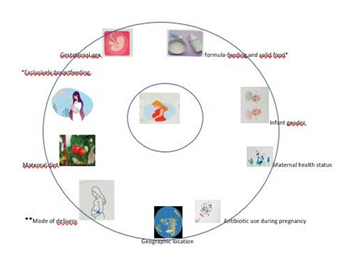
Figure 2: Elements shaping the microbial composition found within human maternal milk. Multiple variables such as mother's health condition, nutrition intake, baby's development phase, birth method, breast milk supply level, type of feed given, antibiotics taken by mom while pregnant, geographic area where they live impact the make-up of bacteria in human breast milk. Consequently affecting what germs reach an infant via nursing.
*Mode of feeding: exclusively breastfeeding, formula-feeding and solid food; **Mode of delivery: C-cesarean or vaginal.
antibiotics during pregnancy or while producing milk, their developmental phase at birth, how it was delivered, along with various aspects related to the mother like her dietary choices, tobacco usage, drinking alcohol levels, geographic origin, and current health condition. Figure 2 delineates several variables influencing the makeup of HBM's microbial community.
Breastfeeding approach
The mom's pre-pregnancy BMI and weight during pregnancy influenced the impact of breastfeeding on the IGM composition. Studies reveal that the bacterial makeup of a mother's BM and its α-range are affected by pre-pregnancy BMI and weight gain. Multiple studies revealed that a mother's pre-pregnancy BMI was consistently linked to certain bacterial genera in her BM, which was more prevalent in those with a higher incidence of Streptococcus in their milk. Yet, in another mother, Bifidobacterium and Ralstonia are more abundant in the milk, whereas Staphylococcus is less common. The BMI has been linked to Staphylococcus, Streptococcus, Lactobacillus, and Bifidobacterium in the HBM.
The presence of specific microorganisms stimulated the development of the toddler's gut microbiome, including Streptococcus spp. and Veillonella, found in both the BM and the infant gut [145]. Toddlers whose mothers are overweight are more likely to become overweight than adults [146]. The BMI prior to pregnancy and the additional weight gained during pregnancy influenced the child's gut microbiome, and breastfeeding could have played a role in this. Mothers who EBF their infants saw a significant change in their pre-pregnancy BMI.
This statement evolved into being less frequently mentioned among women who were feeding their toddlers, both BM and formula. The structure and appearance of the HBM microbiota are deteriorating due to breastfeeding methods, whether the toddler is breastfed with expressed milk or formula-fed.
Maternal diet
Intriguingly diverse microbial communities in our digestive tracts profoundly affect us through many influences, such as dietary choices, levels of mother's fiber consumption during pregnancy, and genetic predispositions. An intriguing observation suggests that the mother's dietary habits prior to conception significantly influence the bacterial community within her offspring's gut more so compared to those established after breastfeeding [147, 148].
Maternal dietary habits significantly impact the microbial diversity within HBM because of their potential nutritional value for microorganisms in the environment. During pregnancy, what mom consumes influences bacterial composition within her digestive tract. This could pass onto her offspring, possibly affecting their well-being [57]. During pregnancy, consuming more vitamin C leads to higher numbers of Staphylococcus bacteria, whereas increasing PUFAs and LA intake results in increased populations of Bifidobacterium bacteria. Consuming vitamins B1, B2, and B9 may influence the makeup of the human bacterial community, according to research carried out by Scientists [144,149]. During breastfeeding, elevated carbohydrate consumption correlates with reduced Pseudomonas, but higher folate intakes lead to more Pseudomonas proliferation in BM samples. A new study revealed an association between higher levels of Bifidobacterium bacteria and increased consumption of PUFAs and LA. Contrarily, another investigation revealed an inverse relationship between Bifidobacteria and Lactobacilli, along with MUFAs and omega-3 PUFAs within milk phospholipids. SFA levels showed an inverse correlation with both Corynebacterium and Streptococcus spp. It has linked a variety of associations among milk microbial species to mothers' intake levels of SFAs, MUFAs, sugars, proteins, and fibers. Higher intake of proteins correlated with more occurrences of bacteria, such as Gemella, Bacillus, Peptoniphilus, and Aerococcus. There's an assumption that additional dairy substances might influence the makeup of microorganisms within it.
To illustrate, higher concentrations of polyamines like putrescine tend to be associated with an increase in Gammaproteobacterial populations alongside a decrease observed among certain types of bacteria such as those belonging to the genera Streptococcus, Escherichia, Bacteroides, Prevotella, Fusobacterium, Veillonella, Peptostreptococcaceae, Ruminococcus, Lachnospiraceae, Coprococcus, Rothnia, and Eubacteriaceae. A laboratory experiment revealed that Bifidobacterium strains capable of metabolizing particular HMOs promoted the proliferation of other Bifidobacterial spp. unable to degrade these molecules [150]. It might cause them to gain control over HBM, altering its microbiome makeup.
Antibiotic use during pregnancy
In some pregnancies, antibiotics are not uncommon, typically serving as preventive measures to safeguard both the mother and her infant or as treatments for infections. Several studies suggest that the use of antibiotics during pregnancy significantly alters the bacterial composition of the HBM [151]. An antibiotic treatment may upset the balance of specific microorganisms, resulting in a reduction of Bifidobacterium and Lactobacillus spp., despite conclusive evidence. Samples from mothers who did not receive antibiotics during childbirth have been retrieved to include the microorganisms of Bifidobacterium spp. [138,152]. A specific finding in HBM samples from mothers is the reduced presence of Lactobacilli and Bifidobacteria because of antibiotic use during pregnancy or breastfeeding.
Treatment with chemotherapy has been linked to an increased risk of Acinetobacter and Xanthomonadaceae infections, alongside a reduction in the prevalence of Bifidobacterium, Staphylococcus, and Eubacterium spp.
Gestational age
The HBM exhibited diverse patterns according to gestational age, with higher Enterococcus counts and lower Bifidobacterium levels observed in the HBM of preterm-delivering mothers versus those who delivered on their expected due date. Nonetheless, despite variations in the quantities of Bifidobacterium, Lactobacillus, Staphylococcus, Streptococcus, and Enterococcus spp.
All participants in HBM were represented by mothers who had either given birth prematurely or at full term. Identifying distinct microbial profiles revealed a notable difference between term and preterm births [153]. The subsequent bacterial group exhibiting a reduction in preterm infants includes Bacteroidetes (B. fragilis) and Actinobacteria, (Bifidobacterium infantis, B. breve). The most frequently encountered microorganisms in PIs are Firmicutes (such as Enterococcus faecalis and Staphylococcus), and Proteobacteria (including Escherichia coli and Klebsiella pneumoniae).
Lactation stage
For a long time, it has been known that the HBM composition can meet an infant's urgent needs. It is divided into three distinct groups, colostrum, transitional milk, and mature milk [80]. The colostrum is notable for its varied bacterial makeup, with the majority of the bacteria belonging to genera such as Weisella, Leuconostoc, Staphylococcus, Streptococcus, and Lactococcus.
During lactation, the total bacterial count will increase, whereas the diversity of bacteria will decrease. The relative proportions of Bifidobacterium, Enterococcus, Veillonella, Leptotrichia, Prevotella, Lactobacillus, and Staphylococcus in transitional and mature milk are increasing compared to colostrum. During the lactation period, the presence of HMOs was observed in conjunction with the milk's glycosylation patterns, which also interacted with the milk fat globule membrane. As opposed to the group with pregnant women, the group of women with preterm pregnancies showed a notable reduction in Bifidobacterium spp. Moreover, there was a significant variation in the timing of milk introduction during lactation.
Mode of delivery
Some experts propose that the types of microorganisms found in HBM should be influenced by the transport method. Depending on the chosen shipping method, the composition of milk microbes underwent substantial alterations. The HBM gut microbiome is activated by undergoing a C-section delivery [127]. Strains of Streptococcus, belonging to the Protobacteria phylum and the Carnobacteriaceae family, are found in the post-delivery environment following a C-section. However, the prevalence of Firmicutes, which includes Bifidobacterium, Lactobacillus, and Leuconostocaceae, has diminished [99,144]. Mothers who delivered vaginally exhibited a more varied composition of HBM microbiota compared to those who had a C-section. Research indicated that women who delivered vaginally possessed higher concentrations of Bifidobacterium and Lactobacillus spp. in their HBM than women who had a C- section [152].
Gender of the kid
It is believed that the gender of the child significantly influences the structure of HBM, yet no correlation was found in some cases. For example, an increased presence of Rothia was observed within the HBM among mothers of female toddlers compared to those of male infants. Several research studies found no variation in microbial compositions among infants of different genders. The HBM microbiota is shaped by the toddler's oral cavity, and although the host is predominantly female, there are differences in the contribution of male and female infants to the HBM, according to the retrograde inoculation hypothesis [135].
The geographical location
Numerous studies have investigated the influence of different geographical regions on the HBM composition. Their research indicates that the makeup of HBM can vary by location, with a higher variety of microorganisms detected in milk samples from rural areas compared to urban areas [148]. A plethora of HBM microbiome profiles have been identified for isolated nations [101]. Additionally, the breast tissue microbiome composition differed significantly across regions, as evidenced by a study. Xu J et al. [154] demonstrated that ethnicity influences the infant's microbiota. The microbiota of Indian toddlers was characterized by higher concentrations of Bifidobacterium and Lactobacillus, whereas Chinese infants exhibited higher abundances of Bacteroides and Akkermansia. Those results provide a detailed examination of the specific and chronological effects of youth factors and ethnicity on the formation of the human gut microbiome. Buttis et al. [155] have examined the microbial community structure in HBM samples from women of diverse ethnicities in New Zealand. They noted minimal differences in HBM ethnicity and few instances of fecal bacteria. According to HBM, the predominant bacteria include Ruminococcaceae, Bifidobacterium, and Lachnospiraceae. The predominant microorganisms found in the mother's feces were Ruminococcaceae, Bacteroides, and Lachnospiraceae, whereas in the infant's feces, Bifidobacterium and Bacteroides were the most common microorganisms.
Maternal health status
Maternal health conditions could affect the makeup and variety of bacteria in a newborn's digestive tract [156]. The prevalence of obesity has reached unprecedented levels globally. Besides posing substantial health risks during pregnancy, excessive weight gain by mothers increases their children's chances of developing obesity later in life. Although there is little understanding of these processes, differences in hormone composition and quantity between overweight and healthy-weight mothers could play a substantial role. In truth, research shows that pregnant women with higher BMI tend to have a less diverse microbial composition in their bodies compared to those with a normal BMI. They also display fewer strains including Bifidobacterium, Lactobacillus, and Streptococcus, while having more species like Staphylococcus, Akkermansia, and Granulicatella present [157].
Research shows obese women are more likely to have an elevated presence of pathogens like Staphylococcus, Corynebacterium, and Brevundimonas in their Hemolytic Uremic Syndrome bacteria during pregnancy compared to those who weigh more moderately or less than average [158,159]. The current research revealed that among all Hemolytic Uremic Syndrome patient body fluids, the most prevalent bacterial species were Lactobacillus, followed by Streptococcus, Staphylococcus, Moraxella, Acinetobacter, Enterobacter, and finally Corynebacterium [160,161].
Specifically, elevated levels of hormones such as insulin and leptin in the blood of obese pregnant women can impact the development of an IGM. A study indicates that gestational prehypertension is associated with a diminished microbial diversity and a lower incidence of Lactobacillus in the healthy microbiomes of pregnant women [160].
If we decrease the amount of Lactobacillus in an infant's gut, their immune system may become less effectively shielded by these bacteria. The HBM framework examines factors such as celiac disease, atopic dermatitis, and food allergies when evaluating health behaviors. Multiple research findings indicated that the most beneficial mother's gut microbiome harbored higher quantities of strains such as Bifidobacterium spp. and Bacteroides fragilis, along with elevated concentrations of the regulatory cytokine TGF-β1, contrasting with those affected by celiac disease. Higher levels of TGF-β1 in BM at birth are inversely associated with a reduced risk of infantile dermatitis.
A greater presence of Bifidobacteria was noted in HBM samples taken from non-allergic women compared to those collected from allergic mothers. A proposal indicates that the body's response to certain illnesses could lead to lower levels of Bifidobacteria in BM produced by women with either celiac disease or allergies. A study cited in an article by Stsepetova J et al. [161] found that women with celiac disease had significantly lower populations of Bifidobacterium and Bacteroides fragilis compared to those without the condition.
The researchers discovered that individuals in the gluten sensitivity group have unique microbial profiles, marked by higher concentrations of certain bacterial species like Bacteroidetes, Fusobacteria, Clostridia, Fusobacteria, Leptotrichia, Anaerococcus, Sphingomonas, Actinomyces, and Akkermansia, compared to those without gluten sensitivity, who typically have lower levels of these bacteria. The HBM lacks significant numbers of active microorganisms. A number of recent genome-wide association studies have found Streptococcus, Staphylococcus, Gemella, Veillonella, Rothia, Latobacillus, Propionibacterium, Corynebacterium, and Pseudomonas in HBM specimens collected from asymptomatic females. Multiple studies indicate that various groups within the HBM may contain unique dominant bacterial populations, which could be influenced by factors such as geographic location, genetics, and diet. Increased presence of species such as Actinomyces odontolyticus, Anaerococcus hydrogenalis, Anaerococcus octavius, Faecalibacterium prausnitzii, and decreased levels of Lactobacillus fermentum were noted in the celiac disease patients.
Additional variables
Maternal genetics: The genetic profile of a newborn impacts the gut microbial composition. Studies have shown that male and female infants display different microbial compositions and bacterial counts [162,163]. Recent research indicates that the father's gut health could influence an offspring's microbiome and its fitness during conception. This commentary highlights that parental influence plays a role in the child's development [164]. Significantly, while the paternal gut microbiome had sufficient time to recover before conception, these adverse effects were mitigated, indicating that the impacts are transient and can be reduced by restoring the microbiome.
Further studies indicate that the father's gut microbiome could influence his children's behavior through epigenetic mechanisms. Just like genetic and environmental factors, fathers transmit microorganisms to their children immediately. Studies over time reveal that paternal gut bacteria can populate the child's guts, with the father's contribution matching that of the mother until the child's first birthday.
Pregnant women who underwent C-sections had their maternal microbial transmission impeded, necessitating paternal seeding for microbial transfer [165]. The significance of paternal health, particularly the gut health, in reproduction and the well-being of children is enhanced by recent advancements. It can stimulate the gut flora of future generations through elements such as nutrients, antibiotic therapy, and way of life choices that affect the father. Individuals curious about conception should ensure their gut flora remains healthy by consuming a balanced diet, using antibiotics judiciously, and keeping good health. Others have studied the entire genome to highlight the significance of the gut microbiome [166]. The relationship between the microbiota's makeup and the host's genetic traits has not been thoroughly investigated. A few writers have identified a connection between the creation of HMO and a mother's genetic makeup. The FUT2 gene has been linked to differences within the HMO profile, as researchers have found. Staphylococcus and various strains of Bifidobacterium are present among the particular gut bacterial groups that are known to be promoted by HMO.
Mutations in the FUT2 gene have a substantial impact on the gut microbiota ecosystem. Gene FUT2 produces the α-1, 2 fucosyl transferase protein, which is necessary for the development of ABO blood group markers in mucous membranes. A baby’s genes can affect the types of microbiota that live in their gut when they are born. Host genetics and IGM research has been progressively extended. The most convincing evidence suggests that children under 10 years old with genetically identical twins have a higher level of microbial similarity than non-identical twins and unrelated people. Single nucleotide polymorphisms (SNPs) in the human lactase gene are linked to the amount of Bifidobacterium that is present [167,168]. In their study, Kumbhare et al.
[168] discovered that monozygotic twin pairs exhibited
significantly more within-bacterial-network similarities than dizygotic twin pairs. Studies have investigated the impact of genetic modifications associated with IBD on specific gene sequences, such as those for NOD2, CARD9, ATG16L1, IRGM, and FUT2. Scientists found that people with IBD were more genetically vulnerable. Those who were born with the capacity to apply makeup were referred to as ‘’non-secretors’’ due to hereditary changes. For people who don’t make secretin, there is an extra problem. They are more likely to develop diseases like UC and CD. This can be explained by the change in the composition of gut microbiota.
Postpartum period: Maternal stress and depression in the postpartum length influences not most effectively the mother now, but additionally her new child baby who’s at accelerated danger for wide range of issues later in life [169,170]. The mechanisms underlying transmission of maternal stress to the child stay elusive. HBM is a capability candidate and is an important supply of fatty acids (FAs) that are crucial for baby neurodevelopment. Maternal stress in the first month postpartum changed into being associated with an overal decrease tiers of FA in HBM. This possibility suggests a direction of transmission of maternal stress signals to the toddler [169].
Maternal pressure and despair throughout pregnancy were associated with adverse fetal results which includes low birth weight and preterm beginning in addition to unfavorable youth results. Prenatal stress has previously been related to neurodevelopmental problems in children, which include a multiplied hazard of interest deficit hyperactivity disorder (DHD), autism spectrum disorder (ASD), cognitive delay, and schizophrenia [170].
Postpartum length is maternal postnatal misery, which is characterized by means of despair or anxiety. Mildpostpartum depressive signs and symptoms have been associated with accelerated cortisol levels, which can modify the fecal microbiota variety through the recently proposed gut-brain axis. According to the enteromammary pathway hypothesis, this will additionally have an impact on the HBM composition. Maternal postnatal distress can also have an impact on the HBM composition. Mothers with high psychosocial distress had a less numerous HBM at 3 months postpartum in comparison to people with low psychosocial misery. Furthermore, both companies saw a huge decrease in the relative abundance of Staphylococcus. But, the HBM from mothers within the lower organization confirmed changes in the sorts of Firmicutes, Proteobacteria, Actinobacteria, and Bacteroidetes to the phylum degree and had a sizable growth in the relative abundance of Acinetobacter, Flavobacterium, and Lactobacillus at the genera level. Finally, no big modifications in the relative abundance of Bifidobacterium have been referred to.
Bacterial infection factors: HBM has become more extensively considered sterile. But, sure styles of microorganism have been located within the sparkling milk of wholesome, lactating mothers, suggesting that HBM does indeed comprise a commensal microbiota. It’s now widely widespread that healthful HBM carries several protective nutrients, which function as prebiotics, and microorganisms, which serve as probiotics and assist create surroundings for commensal gut microbes inside the toddler’s gut.
Lactational mastitis is normally as a result of trauma, genetic elements, immune factors, toddler-feeding issues, and nutritional factors, as well as infection. In cases where lactational mastitis arises due to an infection, this condition is referred to as lactational infectious mastitis (LIM). Recent findings indicate that LIM might result from imbalanced microbial communities in breast tissue. The term "mammary dysbiosis" refers to reduced microbial variety caused by higher numbers of harmful microorganisms. Bacteria's presence within HBM appears due to its being colonized through various means such as translocation of maternal gut bacteria and retrograde HBM flow.
Previously believed to be linked to obstructed HBMs leading to insufficient HBM outflow and subsequent infection issues. Nevertheless, improvements in DNA analysis methods indicate an increase in prevalence for strains such as Staphylococcus aureus, S. epidermidis, Lactobacillus sp., Lactobacillus casei subsp. rhamnosus and Bifidobacterium sp. In the framework of lactating motherhood, they significantly contribute to the formation of LIM [171].
A subacute mastitis (SAM) affects many nursing women as it's often linked to premature separation from their infants. Despite clear understanding of how AM arises and is diagnosed, much remains unknown regarding what triggers SAM. The bacterial count was notably elevated in milk samples associated with mastitis cases, subsequently declining once symptoms of inflammation subsided. The variety of bacteria present was less abundant in SAM HBM specimens compared to others, highlighting variations within their microbial makeup. Despite being similar to AM, identical microbial strains were detected across both sets of maternal samples. Those belonging to healthy individuals as well as SAM carriers. However, their presence differed quantitatively, suggesting an alteration in community composition indicative of altered ecosystem dynamics [172]. Complications arising from breast abscesses frequently result from untreated mastitis infections typically triggered by S. aureus bacteria. These conditions commonly exhibit an overabundance of S. aureus alongside the absence of beneficial B. breve sp. within their host's milk production units. Furthermore, Salmonella enterica and Burkholderia ambifaria can be found exclusively among HBM samples taken from mother's breasts where there is an accumulation of pus, whereas multiple Bifidobacterium and Lactobacillus spp. have been linked to the absence of both milk infection and breast abscesses. The study found reduced microbial variety, elevated bacteria counts, and changed gut microbe makeup among mothers's bodies affected by GDM using data provided by Boix-Amoros A et al. [172].
Viral infection factors: Studies indicate alterations in human ß-melanin content due to viral invasions. Research revealed an increased presence of Enterobacter/Klebsiella in the HBM microbiome of newborns' mothers who gave birth to children experiencing symptoms related to Rotavirus infections. Despite this, the health behavior model for mother-infant pairs where both children were free from symptoms and had no history of Rotaviruses showed predominance in bacterial infections such as those caused by Staphylococci and Streptococci.
A heightened presence of Staphylococcus bacteria was observed among healthy mother's BM samples as opposed to the less diverse lactose-rich milk produced by HIV-infected women which contained elevated levels of beneficial Lactobacilli sp. Overall findings indicate that many eukaryotic viruses frequently engage both direct and indirect interactions with bacteria, potentially influencing the bacterial component of host-associated microbiomes significantly.
Breastfeeding and nutrition, advice and suggestions
Breastfeeding and diet: Breastfeeding entails similar nutrient needs compared to being pregnant. Thus, mothers should continue eating in accordance with what was consumed while expecting. On the contrary, nursing requires approximately 200 more daily calories compared to those burned during gestation. Thus, ensuring these nutrients come exclusively from wholesome sustenance becomes paramount for lactating mothers. Breastfeeding does not require strict adherence to any particular dietary regimen. Despite everyone's advice, eating an assortment of nutritious foods daily is suggested as beneficial for overall well-being.
Breastfeeding and medicine: During BM administration, most medicines do not harm infants in significant ways. This encompasses numerous medications such as many antibiotics, inhaled bronchodilators for managing asthma symptoms, along with supplements but strictly within their prescribed doses.
Breastfeeding and smoking: Preventing smoking before or right after conception leads to fewer complications during pregnancy and promotes better health for both mother and child. A crucial action for newborns' respiratory safety involves abstaining from tobacco use by mothers. Stopping breastfeeding should be considered when dealing with difficulties with quitting smoking. Infants remain safeguarded against illnesses while receiving nourishment through BM unavailable in formulas.
Breastfeeding and drinking alcohol: Drinking alcohol passes through me directly to my child via their feeding process. Excessive drinking may harm both individuals and their offspring. Excessive drinking impairs lactation while also posing other health hazards. Limiting consumption to infrequent and controlled amounts is advisable. No more than two servings per occasion. Avoid exposing your newborn to ethanol by either nursing exclusively or pumping expressed milk prior to feeding. Delay breastfeeding for at least an hour post-drinking session.
The Composition of the Gut Microbiota in Newborns
During infancy, an IGM exhibits minimal complexity but undergoes rapid changes due to environmental influences throughout early childhood development. At first, newborns' guts start life without bacteria [103] approaching. Before delivery, the developing embryo remains protected within its maternal environment, where it undergoes filtration of external materials via the placental barrier until it reaches maturity in utero. At birth, infants lack an entirely matured immune system. This immaturity provides protection against maternal antibodies without causing excessive responses in newborns. Microbiota residing in the gut is pivotal for producing diverse antigens including peptidoglycans, lipoproteins, LPS, and flagella. Every antigen possesses the capability to impact, stimulate, and instruct not only the initial but also the subsequent immune responses in humans.
There's an assumption that fetal development occurs within a sterile womb setting. Initially colonized by diverse microorganisms derived mainly from the mother and their surroundings around birth, the gut contains numerous species [173]. Adults have more variety in their gut microorganisms compared to infants under one year of age. IGM harbors predominantly Bifidobacteria but exhibits significant diversity across different subjects. Based on predominant demographic characteristics, the primary division within an IGM comprises six distinct categories: Group I comprising Bifidobacterium, Lactobacillus, Anaerostypes, Clostridiales, and Faecalibacterum; Group II including Verrucomicrobiales and Bacteroidales; Group III containing Clostridiales alone; Group IV featuring Enterobacteriales exclusively; Group V characterized by Pasteurellales species only; and Group VI identified as Selenomonadales Additional bacteria have detected in the child’s microbiota (Table 1C). The main reason postnatal gut microbes are there is because they interact with the person receiving food. When babies are born, their guts already have both helpful and harmful microorganisms, which can greatly influence their health. Babies come into contact with important microorganisms, particularly those found in their mothers’ bodies, during birth.
During a vaginal birth, bacteria from the mother’s vagina move into the baby’s gut and also settle on the baby’s skin [174]. Microorganisms that are present in the HBM are transmitted to the infants’ gut through feeding [175]. The bacteria that live in a baby’s gut at birth are mostly types of enteric bacteria, like E. coli, E. faecalis, Streptococcus, and S. aureus [176]. The bacteria from the mother’s vagina and stool predominate over Lactobacillus sp. in vaginally born babies. Skin-born bacteria like Staphylococcus and Corynebacterium frequently colonize newborns born via C-section. The gut microbiota of babies is mostly made up of species like Bifidobacterium and Lactobacillus because they eat on formula made from HBM that is high in HMO compounds, which helps these bacteria grow. Around six months of age, babies start eating new kinds of food, which increases the variety of microbes in their gut. The number of microbial spp. in the infant gut is slow at birth. However, it increases as the child grows into adulthood. Upon reaching adulthood, the normal gut bacteria gradually replace the small amount of microbes that were present during childhood. Scientists studied the gut microbiota of newborns and found that bacteria like Clostridium sp., E. coli strains, Streptococcus, and Staphylococcus are present shortly after birth. About 40% of newborns’ guts contain these bacteria by the time they are three years old, including Clostridia, Bacteroides, and Bifidobacterium.
Variables Influencing the Early Gut Microbiota in Newborns
Figure 3 shows the main factors that affect the growth of gut bacteria before, during, and after birth.
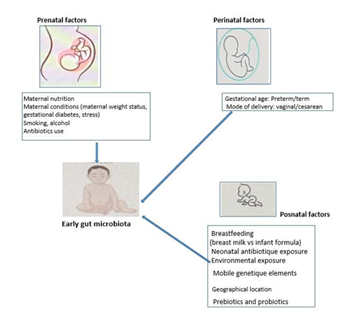
Figure 3: Factors influencing microbial populations during their infancy stage.
This chart summarizes several crucial factors affecting gut microbial development throughout pregnancy and after birth.
Prenatal factors
Prenatal factors affecting the maternal gut microbiota during pregnancy could influence the newborn's initial gut development and possibly mold future growth patterns and behavior. Infants usually have their gut microbiota populated by about four phyla of bacteria, Acinetobacteria, Bacteroidetes, Firmicutes, and Proteobacteria. Microbiome contributions crucial for infants' digestive health. It is passed down through vertical transmission routes including maternal gut microbiota, vaginal microbiota, mouth microbiota, skin microbiota and BM microbiota.
Maternal nutrition during pregnancy: At birth, breastfeeding forms an intense interaction primarily between mom and child. Maternal dietary intake influences both the microbiome makeup and its biodiversity within BM samples. Additionally, specific bioactive compounds found in dairy products are crucial roles in shaping these aspects of infant gut health through their presence in HMOs such as those identified in studies like this one [177, 178]. Health maintenance organizations within health benefit management programs offer advantages by supporting infant development through both nutritional support and bolstering immunity. Health maintenance organizations facilitate the expansion of beneficial bacteria like Bifidobacteria and Bacteroides within the gut system despite the absence of an individual element found in their composition affecting gut microbiota.
Additionally, they might provide defense against allergic reactions along with various conditions like celiac syndrome, weight gain, type-2 diabetes mellitus, and frequent loose stools. Various earlier research not only confirmed an obvious link between food intake and gut microbiome, but also highlighted the significant impact of a mother’s dietary adjustments on shaping IGM composition due to their potential effect on altering the child’s gut microbiome. Research indicates that the mother’s dietary habits before birth significantly influence not only her own gut microbiota but also affect those of her newborn infants depending upon their birthing method [179]. Consumption of an excessive amount of fatty foods by mothers while pregnant or after childbirth leads to imbalances within their newborn’s gut microbiome. Observations indicate lower bacterial counts of Bacteroides spp. within the IGM [180]. Throught lactation, maternal dietary fats influence microbial compsition within HBM through their impact on gut microbiota development. An investigation analyzed how food intake affects the composition of an IGM within its initial seven weeks post-birth. Infants fed exclusively (EBF) by BM versus those on formula-fed (FF) either directly or mixed fed (MF) together had their stools analyzed for comparison purposes. Firmicutes and Proteobacteria were the most common types of bacteria found in this study. However, the EBF, FF, and MF subgroups exhibited a higher prevalence of Actinobacteria and Bacteroidetes respectively. The level of Bifidobacteria was notably elevated among those receiving either type of infant formula compared to their respective counterparts who did not receive any milk substitutes. The most common microorganisms found in each of the three households were E. coli.
Maternal smoking during pregnancy
Maternal smoking at some stage in pregnancy is one of the most unusual environmental factors that negatively affects child development [181]. Smoking at some point in pregnancy is a vital public fitness trouble due to its large effect on maternal and neonatal health, which includes multiple risks of low beginning weight, preterm delivery, and better fears of morbidity and mortality [182]. Most of the dangers related to smoking are pre-eclampsia, placental abruption and placenta praevia, poor fetal outcomes which include untimely beginning, premature birth, low birth weight, stillbirth, sudden infant death syndrome, and excessive usual perinatal mortality. Smoking in the course of pregnancy is estimated at an occurrence value of 1. 7% [183].
The prenatal and postnatal publicity of environmental smoke increases the range of gut microbiota in babies, specifically the Firmicutes phylum at three months of age, and became related to a better risk of being obese or overweight at 1-3 years of age. Moreover, maternal smoking extended the abundance of Bacteroides and Staphylococcus at 6 months of age, and early-existence exposure to environmental smoke elevated the ranges of Ruminococcus and Akkermansia in the small gut microbiota [184].
Consumption of alcohol by pregnant women
Numerous health issues affecting infants born prematurely or at birth show connections to maternal drinking of alcohol while pregnant. Numerous studies indicate that drinking alcohol affects the gut microbiome in both adults and pregnant women. Alterations in the maternal gut microflora during pregnancy may affect an infant’s developing gut microbiome, increasing its vulnerability to infection and disease later [168,185].
The research was conducted by [186] study, researchers investigated how mothers' diets and drinking habits affected their IGM while they were pregnant in China's families. The consumption of alcohol resulted in an observable decrease in the presence of the Fecalibacterium genus relative to individuals who abstained from drinking alcoholic beverages.
Maternal and fetal conditions
Numerous research indicates that prenatal environmental factors could affect fetal microbiome composition and possibly modulate innate immunity and gut maturation. Recent research has challenged traditional views of uterine sterility by revealing detectable microbe DNA within placental tissue, amniotic fluid, and meconium [193].
However, there is controversy surrounding the true nature of beneficial bacterial communities within placentas. Some observations could potentially stem from errors during sample collection or analysis processes. Regardless of other factors considered, research suggests that both maternal conditions alongside GDM might influence fetal microbiome composition and impact early immunological and gut maturation processes [187,188].
Newborns typically acquire initial microbial colonizations through infections such as intrauterine inflammation known as chorioamnionitis. However, emerging data indicates that the environment where toddlers grow up may not offer complete safety [125]. Healthy infants contain beneficial microorganisms within their placentas, umbilical cords [145-147], and meconium, regardless of how they were born [189]. The piece reflects upon its relation to birth weight at the moment it was delivered. Studies reveal Lactobacillus and Bifidobacterium DNA found within newborns delivered vaginally or through the C-section route. These microorganisms migrated from the maternal gut into the placenta before reaching the fetus, highlighting their existence there. During pregnancy, certain kinds of bacteria found in the uterus’s environment seem comparable to those present in the mother's oral cavity. Prior to delivering the baby, the pregnant woman guarantees their well-being and separation. At conception, an infant’s immune system has yet to develop completely. This could potentially lead to milder reactions in response to maternal antibodies during pregnancy. Researchers suggest that the gut microbiome significantly contributes to antigen production through mechanisms involving peptidoglycans, lipoproteins, LPS, and flagellin. These markers contribute significantly by influencing both the initial response of the non-specific defense system and the subsequent activation and guidance provided by the specific immunity mechanisms.
During pregnancy, maternal health profoundly influences fetal growth and development because both parties share microorganisms and substances within their uterine environment. In the human gut tract, symbiotic microorganisms exert substantial influences over immunity, metabolism, hormonal responses, and general health throughout gestation [190]. Numerous research findings indicate that individuals who were exposed to their mother's having either diabetes or being overweight/obese during pregnancy face an increased risk of developing type 2 diabetes and obesity later on in life. The suggestion indicates that conditions like neonatal diabetes and obesity could affect an infant’s risk for chronic metabolic disorders through changes in microbial makeup within their mothers' bodies during gestation and lactation. Alterations in bacterial species composition may pose adverse impacts on maternal and fetal wellbeing. New research revealed that elevated maternal weights correlated with higher counts of bacteria like Bacteroides, Clostridium, and Staphylococcus while reducing the presence of Bifidobacteria groups in their gut. A significant shift in the gut microbiota has occurred in infants whose mothers were overweight or obese. Numerous Lachospiraceae bacteria were detected in significant quantities. Infants delivered by C-section were approximately three times more prone to being overweight by their first birthday [191].
Pregnancy typically results in an increase in a woman's body weight. Research indicates that excessive maternal weight gain may alter the gut microbiome of the infant. There is an increase in Bacteroides and Enterobacteriaceae, and a decrease in Lactobacilli, Bifidobacteria, and Akkermansia muciniphila. Due to significant gestational weight gain (defined as16 kg or more for women with a BMI of 19.8-25 kg/m2 or 11.5 kg/m2 or more for women with a BMI>25 kg/ m2). During pregnancy, this weight gain can alter the baby's gut microbiome by decreasing the presence of Enterococcus, Acinetobacter, Pseudomonas, and Hydrogenophilus bacteria [192]. A mother's weight can influence the bacteria in her baby's gut. In the first six months of breastfeeding, overweight mothers had a higher overall bacterial count, more Staphylococcus and Lactobacillus strains, and fewer Bifidobacterium species. This indicates that babies conceived by mothers who are overweight or obese might face an increased likelihood of becoming obese or overweight. Babies conceived by mothers with normal weights may harbor specific bacteria such as Akkermansia muciniphila, Staphylococcus, and C. difficile during pregnancy.
GDM can alter the gut microbiome of the mother, potentially affecting the newborn's microbiota[193]. Women with GDM gave birth to infants whose gut microbiomes differed from those of other newborns [193]. These alterations are characterized by an increase in harmful bacteria and a decrease in beneficial species such as Lactobacillus and Prevotella [194]. The presence of GDM is associated with alterations in the gut microbiome [194].
Wang et al. [195] hypothesized that the dysbiosis linked to GDM may be transmitted vertically to the baby. Samples from the stool of newborns exposed to mothers with GDM contained elevated concentrations of Corynebacterium, Bacteroides, and Bevundimonas. If a mother suffers from allergies, it should impact the baby's gut microbiome. Mothers who suffered from allergies had lower levels of Bifidobacterium in their gut. Research indicates that early interaction with pets or siblings reduces the likelihood of developing allergies. Various allergic conditions are linked to the reduced microbial diversity in an infant's gut. The microbial diversity was greater in toddlers who slept with pets compared to those who shared their bedrooms with older siblings. Bifidobacteriaceae and Peptostreptococcaceae were less prevalent in babies living with pets compared to those without pets. The formation of the gut microbiota might be affected by interactions with pets and siblings. This could potentially influence allergic conditions. Despite higher concentrations of S. aureus in children under stress, the counts of Lactobacilli and Bacteroides were lower.
The administration of antibiotics by mothers during pregnancy
The use of antibiotics during pregnancy could influence gut microbiota, possibly leading to a reduction in microbial diversity. This disruption could further influence the infant's early microbial exposure, possibly affecting the immune system development and increasing the likelihood of infections [196,197]. Many reviews indicate that excessive antibiotic use can significantly alter the gut microbiota's overall ecology, change the abundance of resident gut microorganisms, possibly predispose children to certain diseases, and confer antibiotic resistance in infancy [2, 168].
The use of antibiotics during pregnancy has been linked to an increased risk of colonization by certain bacteria, particularly Bifidobacterium and Lactobacillus spp. It has been observed that the prevalence of Staphylococcus spp. has increased in the vaginal environment. The possible risks of prenatal antibiotic exposure are highlighted by the use of antibiotics during pregnancy and the finding of E. coli colonization in women during the first trimester.
A significant number of these modifications could potentially influence the initial colonization of the newborn by microorganisms. However, Kamal et al. [198] and Korpela et al. [199] found no significant differences in gut microbiota composition between babies born via C-section and those exposed to maternal antibiotics, but antibiotics significantly alter the gut microbiota in vaginally delivered infants.
Korpela et al. [199] observed that the vaginal delivery IGM profile of infants whose mothers received intrapartum antibiotic prophylaxis showed an elevation in Clostridia, Enterobacteria, Streptococci, and a reduction in Bifidobacteria. Those results highlight the truth that antibiotic use by mothers during pregnancy can impact the newborn's gut microbiome, which, in turn, can affect the child's health and development.
Perinatal factors
Method of delivery: At an earlier phase of life, how birth methods shape the make-up of gut microbiota is significant [200]. Infants born via natural birth share similar microbial communities as those found in maternal vaginal and fecal microbiota, predominantly characterized by Lactobacillus alongside other bacterial strains such as Sneathia spp. Escherichia, Bacteroides, Bifidobacterium, Streptococcus spp. and Prevotella.
During the assessment, it is noted that the gut microbiota in newborns delivered by C- section resembles that found on their mother's skin and mouth areas. The predominant species include Staphylococcus, which dominates alongside other bacteria such as Propionibacterium, Corynebacterium, and Streptococcus. The infants displayed low levels of Bifidobacteria and Escherichia/Shigella while having excessive amounts of Klebsiella, Clostridia, Staphylococcus, and lacking Bacteroides. A newborn can encounter their mother's vaginal and gut microbiota during birth through natural delivery methods. Newborns born via vaginal delivery harbor bacterial species such as Lactobacillus, Prevotella, E. coli, Bifidobacteria, and Streptococcus spp. among others. Infants were identified as having predominantly Bifidobacterium spp. such as B. Longum and B. catenulatum.
The timing of ship arrivals influences which method is used for initial settlement. C- section births versus natural deliveries. Throughout the C-section procedure, infants come into contact with germs present in their mothers' pores and skin instead of being delivered vaginally where they would be born free of such contaminants.
Gestational age: Significantly affecting fetal gut microbiota composition is gestational period duration. PIs frequently receive an excessive quantity of antibiotics due to their high susceptibility, often requiring extended periods in the neonatal intensive care unit for medical attention. Mechanical ventilation is necessary for them, typically obtaining nutritional fluids through an intravenous line. Under these circumstances, any alteration may fundamentally alter the natural process by which gut bacteria establish themselves and grow [201]. Examining the gut microbiota of PIs revealed that E. coli, Streptococcus, and Staphylococcus aureus were dominant, alongside an underrepresentation of probiotic strains such as Lactobacillus acidophilus and Bacteroides, which correlates negatively with altered microbial community composition in neonates aged between 18 weeks and two years old [202,203]. During pregnancy, the variety of microorganisms in the vagina diminishes alongside the presence of Lactobacillus spp. likely enhancing their defensive mechanism. However, it has always been recognized in medical research that bacterial, viral, and fungal infections during pregnancy can be associated with intrauterine growth retardation (IUGR) and premature delivery. Agents causing positive infections may enter the amniotic cavity, leading to intramenstrual contamination and initiating inflammation in both mother's and fetus' tissue areas. This triggers premature labor by rupturing the membranes prematurely. Several bacterial species were identified at elevated concentrations like Atopobium, Gardnerella, and Ureaplasma, while others exhibited reduced counts among them being Lactobacillus spp. Candida albicans was found in greater quantities near women who experienced preterm births.
Postnatal factors
Type of feeding (breast milk versus infant formula): Generally speaking, BM serves as the initial nourishment for infants. This exposure occurs exclusively through breastfeeding, thereby establishing an integral bond between the mother and the newborn at this crucial stage. Despite their increasing resemblance to BM substitutes, significant disparities persist in these infant formulas. The BM contains numerous components such as different types of hormones like growth factors and digestive enzymes. These elements vary throughout its life cycle in stages including colostrum, transition milk, and mature milk. Reports indicate that both Bacillus megaterium and specific components like HMOs, probiotics polyamines, lactoferrin, nucleotides, and whey proteins influence various physiological functions by influencing optimal childhood growth and reducing disease recurrence rates [98, 168, 204]. The differences in the gut microbial composition between the infants who has been fed with BM and those who have been fed with IF are documented [201]. Studies reveal variations in infant gut microbiome compositions when exposed to BM versus formula feeding regimes. Infants who consume formulas have more diverse microorganisms in their guts compared to those EBF due to differences in carbohydrates, bacteria, and nutrient exposure, leading to distinct colonizing behaviors within the gut.
Within these investigations, research indicated that fecal samples derived from individuals belonging to the breastfed infant (BFI) group exhibited elevated concentrations of Bifidobacterium spp. Among all bacteria species listed here including B. brevis, B. longum, B. dentium, B. infantis, and B. pseudocatenulatus (Phylum Actinobacteria) stands out as the predominant type. Moreover, BFI's stools have more Lactobacilli and fewer pathogenic organisms compared to infant FF babies. Newborns who solely relied on BM had higher rates of colonization by Staphylococci, Bacteroides, and clostridium spp. Enterococci, Escherichia, and the species Atopobium.
The act of breastfeeding stimulates an increase in beneficial bacteria primarily found within the digestive tract. Feeding through breastfeeding confers an advantage on strains of bacteria like Bifidobacterium and Bacteroides which rely on HMOs for survival. Breastfeeding style during infancy significantly influences health beliefs about feeding practices. Numerous research indicates higher levels of Bifidobacteria in the stool of babies fed on hydrolyzed milk formula compared to those consuming whole cow's milk formula. However, Enterococci and Clostridia tend to be more common among infants receiving fully formulated formulas [137]. Breastfeeding directly exposes infants to oral microorganisms through BM, while formula feeding introduces external germs instead.
IGM have an intimate connection with their feeding method. Many people think that FF provides the best way of giving nutrients to babies. This research examines how interventions during infancy influence child growth and maturity. Specifically, there's an elevated presence of Bifidobacteria within the digestive system of infants fed through breastfeeding. The prebiotics influence naturally occurring immune responses within the body as well as interactions between gut cells. Several research findings indicate that infant gut microbiome profiles remain consistent across those receiving BM versus formulas, irrespective of feeding habits.
Nonetheless, great research has shown the existence of Clostridium spp. along with various Streptococcus strains. Various types of microorganisms found within the earth's surface environment include Bacillus subtilis, Bacteroides spp., E. coli strains, among others. The bacteria E. coli and Enterococcus lead to infections as per studies.
Neonatal antibiotic exposure: Antibiotic treatments for infants after birth may influence their gut microbial communities starting before birth and persisting through crucial developmental periods. Their actions alter the usual sequence of events during microbial invasion, impacting the proliferation of previously predominant bacterial phyla within the human gut [205]. Such modifications may persist over extended durations, lasting anywhere from several weeks up until complete restoration occurs. After prolonged intervals ranging from months through potentially decades [168], there is an increased vulnerability to various illnesses throughout adulthood due to this factor [206].
Reyman et al. [205], observed among 147 newborns who were given antibiotics within their first month, there was an observation showing reduced levels of Bifidobacterium spp. The quantity of Klebsiella and Enterococcus spp. has risen significantly in comparison to those without any intervention. Furthermore, concerning the choice of antibiotics used, it was noted by these researchers that amoxicillin combined with cefotaxime demonstrated the most significant impact on altering bacterial makeup as well as influencing patterns related to antimicrobial-resistant genes. Despite this, Penicillin plus Gentamicin showed minimal impact. When evaluating treatments, another aspect worth considering involves the time frame for administering antibiotics. A research paper examined whether brief (≤3 days) or extended (≥5 days) interventions might affect infant gut microbial communities during infancy.
Zwittink et al. [207] observed that infants experienced a decline in their gut Bifidobacteria count due to antibiotic therapy in three weeks post-treatment. After prolonged therapy, there is still an observed reduction of Bifidobacteria for six weeks after childbirth. Across all antibiotic therapies examined, Enterococcus emerged as the most prevalent genus within microbiome composition. These findings indicate that early childhood is an important period when exposure to antibiotics might affect the developing infant gut microbiota and potentially link those alterations to future health issues. Studies revealed that changes within an infant's gut bacteria differed when their mother received antibiotic treatment compared to other babies receiving antibiotics. It underscores how maternal drugs impact infants' well-being. Among obese expectant mothers using maternal antimicrobial agents during labor led to increased presence of families like Streptococcus, Gemella, Lactobacillus, and Bifidobacterium in newborns whose moms hadn't received such interventions postpartum. Additionally, it was discovered that Protobacterial family members were prevalent among infant populations whose mothers had received postpartum antibiotic treatments. Premature infant guts lack capacity for colonization by beneficial anaerobic microorganisms like Bacteroides and Bifidobacterium, while exhibiting elevated levels of Enterococcus and Enterobacteriaceae spp. in stool samples. Infants born prematurely have their gut microbiota shift progressively from Bacteriaceae to Enterobacterales followed by Clostridiales and Gammaproteobacteria in early life stages.
Often, premature or small-for-gestational-age newborns receive prophylactic antibiotic therapy. The measure decreases microbial variety in the digestive tract and impedes the establishment of symbiotic microorganisms, impacting the host's metabolic processes as evidenced by study.
Research indicates that prolonged use of antibiotics alters bacterial composition within the digestive tract. A higher chance of developing IBD among kids might result in an infection causing diarrhea while they're hospitalized because these germs spread within healthcare settings.
Frequent occurrences of negative results often stem from infections caused by bacteria like Klebsiella pneumoniae and Clostridium difficile. Higher levels of antibiotics used in conjunction with reduced bacterial populations correlate with higher risks of developing NEC and severe infections like those due to Group B Streptococcus leading to fatalities.
The geographical location: Geographical location has been described as a relevant environmental factor that had the greatest impact upon the composition of both mothers and newborns' gut microbiota. Different ethnogeography population have distinct genetic backgrounds, dietary patterns, and cultural practices. Delivering via C-section might significantly alter the bacterial makeup within an infant's gut tract. Perhaps it could affect how these elements, like where the baby is born or its mother’s weight before pregnancy, affect when the newborn starts growing big enough for feeding. Furthermore, it has been observed that having a smaller BMI for pregnant women is associated with more Fecalibacterium sp. residing within their guts as well as the detection of Lachnospiraceae organisms not only by them but also among their infants. The study found that Chinese mother-infant pairs exhibited more similar microbial communities than those in Spain regarding genera levels.
Out of the two categories examined, Bifidobacterium and Shigella/Escherichia species constituted the majority in their prevalence among [208] instances observed. The process of urban development affects not only city dwellers but also those living in surrounding areas, influencing their digestive systems significantly [209].
A research investigation carried out by De Filipo et al which was cited by Suarez-Martinez et al [210] compared the gut bacterial compositions between children living in an isolated rural area of Burkina Faso's countryside and those residing in the city center of Florence, Italy. This study revealed that choosing this group primarily stemmed from observing their dietary habits in Burkina Faso, which consist predominantly of whole grain foods like cereals, pulses, and vegetables without any added processing. Moreover, they resemble societies akin to those established during the prehistoric New Stone Age period. Italian youngsters consume American-style fare rich in animal products, refined carbohydrates, and more calories than necessary. Microbial communities found in Burkina Faso infants predominantly consisted of members belonging to the class Bacteroidia, while their relative abundance was diminished compared to those classified under the order Clostridiales. In general, geographic conditions such as dietary habits within an area and familial structures play a role in shaping the composition of gut microorganisms at birth. However, further research is required for precise identification of which elements have stronger influences on this process. To summarize. A substantial consensus exists concerning key determinants affecting the spread and eventual establishment of an IGM, albeit differing viewpoints in regard to maternal-fetal bacterial transfer during pregnancy. Pregnancy diet and antibiotics impact both BM's makeup and maternal’s gut microbiota. Other components could potentially influence infant colonization alongside their subsequent development's longevity and wellness. Despite multiple inconsistencies found in research examining how many macronutrients and micronutrients affect an IGM while pregnant, no conclusive findings have been produced yet. Some writers propose abstaining entirely from drinking while pregnant due to concerns about harming the fetus’ well-being rather than altering its gut microbiota. However, throughout gestation, women require varying dietary requirements which evolve over time. Alterations in diet might lead to limitations on particular macronutrients or microelements, potentially affecting both parents' and children's well-being. During the initial stages of infancy, which is an important period for development, external influences such as antibiotic usage during pregnancy, exposure to various environments, and dietary choices all play significant roles in shaping the composition of the baby's gut microbiota. The alterations are associated with illnesses in the future.
Intake of prebiotics and probiotics during infancy
Consumption of prebiotic supplementation: Beneficial prebiotics consist of indigestible carbohydrates in our diet which travel through the gut unprocessed until reaching its end section, at which point these fibers serve as food for advantageous microorganisms there. Beneficial fibers constitute the main component in HM. Studies have shown that incorporating different kinds of prebiotics, such as fructo-oligosaccharides (FOS) and galacto-oligosaccharides (GOS) into infant formulas promotes the development of beneficial bacteria like Bifidobacterium and Lactobacillus species within IGM.
Introducing prebiotics early in life could strengthen the gut barrier, decrease the likelihood of pathogenic microorganisms invading the system, and foster overall well-being during development. Studies show that both mothers and babies taking prebiotic supplements can lower their chances of developing allergies [211]. IGM levels were examined in studies involving mothers who took prebiotics like FOS and GOS during pregnancy for their postpartum health benefits. Significant variations in the percentage of Bifidobacterium species found in an infant's feces did not occur between day 5, 20, and 182 months after birth. However, in yet another research involving pregnant and nursing women who consumed FOS alongside their diet, there was a notable disparity between the bacterial count within the treatment cohort versus those receiving placebo. Specifically, higher levels were noted for B. longum subsp. They were identified. An examination was conducted into how lipid nutrient supplements (LNS) affect the infant's gut microbial composition when taken by pregnant and breastfeeding women. For the initial research project, pregnant women received supplementation of multiple micronutrients (MMN), like iron and folic acid (IFA) through six months after childbirth. Infants within the LNS cohort consumed supplementary foods between six and eighteen months old, whereas those in the comparison group were not provided with such supplements at all. An increased α diversity was noted among infant subjects aged 18 months within the LNS cohort versus those in the IFA category. However, there were no discernible variations in ß diversity across all evaluated ages [212]. However, in another investigation, pregnant women were divided into two groups, those receiving either micronutrient supplements (LNS or MMN) alongside folic acid supplementation throughout their pregnancies up till 6 months after childbirth, versus control participants who received solely IFA without additional nutrients. Infants receiving supplementary nutrition later included those who received either LNS or none at all during their period from 6 to18 months post-birth. In conclusion, this research revealed that nor lactation nutrition supplementation influenced changes in the infants' gut microbial composition and development between 6 and 30-months post-birth [213]. A study was conducted using randomization to examine how taking vitamin D affects an IGM while pregnant. This research did not reveal any notable variations in α or ß microbial diversity among infant guts across their first year when exposed to vitamin D supplements versus control placebo [214].
Consumption of probiotics and probiotics food
A research project examined how consuming probiotics by pregnant women influenced their babies' gut microorganisms post-birth. It showed more instances of B. longum bacteria in newborns born to moms who took these supplements near term and a trend towards a higher increased prevalence of B. breve compared to those without them at around nine months old. A research project undertaken by Zaidi et al. [215], consumption of probiotics by pregnant and breastfeeding women correlated with similar bacterial colonizations in infants' guts.
However, these outcomes differed based on individual factors and types of supplements used. The study found minimal impact of prenatal and postnatal intake of probiotics or vitamins D on BM's α and ß diversity as well as IGM development. A study found evidence suggesting that administering probiotics orally to pregnant women may lead to their offspring developing beneficial bacterial colonies in their gut later on [216].
The Bifidobacteria family thrives in various environments as non-pathogenic symbionts exhibiting advantageous regulatory effects on homeostasis and inflammation within the immune system. The Bifidobacterium displays genetic variations indicative of evolutionary adaptations necessary for survival across diverse environmental conditions within its hosts [217].
The ability of Bifidobacteria to target specific areas within hosts' bodies and adapt their functions is crucial for regulating various aspects of immunity. Studies have suggested Bifidobacterium's role in modulating immunity or acting as a marker for health issues within humans. It functions not only as a catalyst but also as a safeguard mechanism. Different types of organisms are frequently employed in living biological therapies. They exhibit advantageous immune modulation and anti-inflammatory effects. This encompasses an increase in active Tregs known as Foxp3+, enhancement of gut mucosal integrity, and reduction of pro-inflammatory responses by reducing Th2 and Th17 subsets. Alternatively, studies suggest that decreased levels of Bifidobacteria may be associated with various forms of immune system disorders affecting both people and animals alike. In particular, reduced counts of Bifidobacteria within people's guts have been linked to how their bodies react when they first start taking medicine for an IBD known as CD. Reduced amounts of human gut Bifidobacterium infantis have been linked to occurrence of Guillain-Barrée syndrome among people. The findings indicate that Bifidobacterium species exhibit multiple facets of immunological modulation as well as distinct strain-specific immune impacts. A group of women received a mixture containing strains such as L. rhamnosus, L. acidophilus, and Bifidobacterium animalis subsp. lactis. This research revealed that within groups receiving the probiotic supplement, exclusively L. rhamnosus was found to inhabit newborns' gut notable increases in bacterial presence were noted specifically on day ten post-administration and again by three-month intervals thereafter [217]. Probiotics are live microorganisms ingested for their beneficial effects on human well-being. Incorporating Bifidobacterium and Lactobacillus spp. into an infant's nutrition regimen significantly contributes to maintaining digestive health. Infant formulas fortified with probiotics contain significantly greater amounts of certain beneficial bacteria than those without added probiotics.
Numerous genetic factors contribute to the ability of strains such as B. lactis subsp. infantis, B. longum subsp. longum, B. bifidum, and B. breve, and Lactobacillus casei to utilize HMO within an IGM. Encouraging the growth of Bifidobacteria and Lactobacillus strains within an infant's gut tract involves incorporating diverse sources of probiotics into their diet. Introducing Bifidobacterium strain into baby formulas appears insufficient to meet the microbial diversity difference seen during infancy when compared to BM feeding exclusively [217].
Other research involving premature babies showed that supplementing them with strains like B. animalis subsp. lactis and B. infantis led to an increase in Bifidobacterial content found in their stools after consuming milk formulas. Perhaps this situation arises because out of various kinds of Bifidobacterium species, B. infantis alone has the ability to metabolize HMOs. An incorporated ingredient boosted the levels of B. Longum, B. breve, B. bifidum, and B. pseudocatenulatum within an infant's feces.
Introducing LGG into an infant-specific whey protein formula prone to triggering IgE-linked allergies decreased instances of additional immune system reactions among babies. LGG's beneficial effects can be attributed to alterations in the IGM composition down to the species level, resulting in elevated levels of butyric acid producers among those sensitive to specific allergens [152]. This study shows that giving probiotic supplementation to mothers during pregnancy and while they are breastfeeding can help probiotic colonization in the baby’s gut, and also change the microbiota in the mother’s BM. There is also evidence that this type of supplementation might change the type of bacteria in the baby’s gut and lower of Staphylococcal bacteria in the BM of mothers who have mastitis.
Mobile genetic elements
The gut microbiome assembles in a regular way [218]. It begins with vertical transmission through the mother's body at birth [219,220]. Infants' and mothers' gut bacteria are influenced by unique bodily functions, eating habits, and surroundings. Maternal species affect IGM via mobile genetic elements.
After birth, maternal gut bacteria were passed down for the first three months, including species like Eubacterium, Roseburia, and Blautia [221]. The study found that mothers and IGM discovered an additional mode of vertical microbiome transmission, where maternal gut bacterial strains shared genes with baby gut strain in the absence of persistent transmission of bacterial DNA. The vertical transfer of microorganisms from mothers to infants may occur temporarily or result in persistent colonization within the baby's gut tract. The vertically acquired variants exhibit enhanced adaptability in colonizing hosts compared to those lacking maternal transmission traces. Supporting intriguing speculation about maternal strains potentially being ecologically more flexible for infants than non-maternal ones.
Besides dealing with mobile genetic elements, some genes also perform tasks like breaking down carbohydrates, making proteins, absorbing iron, and storing it. The same researchers discovered that only genes shared among highly accurate genome. They also observed many bacterial species involved in gene transmission events belonged to the Bacteroidales order, concordant with previous reports of extensive interspecies gene sharing between Bacteroidales members in the human gut.
Gene exchanges within pairs occurred much more frequently than those between unrelated mother-infant pairs, indicating an increased presence of genes involved in various modes of horizontal gene transfer. The unique setting of an infant's gut tract may cause certain prophages to activate when they're passed vertically from mother to child but can't attach themselves properly. Vatanen T et al. [221] stated that in Finnish infants, HMO breakdown predominantly occurred through Bacteroides strain compared to Bifidobacterium spp. Not every type of Bacteroides strains can break down by glycoside hydrolases HMO needed by babies, and horizontal transfer of these sugar-breaking genes from one Bacteroides strain to another might help baby’s guts grow better. Maternal B. cellulosilyticus, as a significant contributor to gene-sharing activities, has been linked to the production of HMO-metabolizing glycoside hydrolases and those capable of scavenging free HMO glycan from infants' samples. This association suggests an indirect impact on the infant's gut microbiome by influencing the diversity of carbohydrate-active enzymes present there. The inverse correlation between maternal B. cellulosilyticus and intact HMO levels indicates that this bacterium might affect the composition of carbohydrates available for digestion in the infant's gut tract.
Infant gut microbiomes and metabolomes develop together due to maternal and dietary influences, potentially impacting immunity and neurodevelopments. Mother's genes can change an infant's gut tract by sharing them horizontally with their baby. This helps us learn more about how moms affect babies' tummy bacteria.
Hereditary traits involving genes like those for ABO or FUT2 contribute significantly to microbial community makeup within certain species of bacteria, notably Faecalibacterium prausnitzii. Consequently, instead of a universal bacterial foundation for everyone, every individual possesses an evolving and unique microorganism profile shaped by factors such as their surroundings, food intake, and genetic makeup.
Modulating gut microbiota during perinatal life
During pregnancy and immediately after birth, an IGM evolve and grow substantially, profoundly shaping their lifelong well-being. Factors such as birth method, mother's diet during pregnancy, use of antibiotics in utero, and breastfeeding techniques substantially impact the makeup and variety found within an IGM. Throughout gestation, maternal gut microbiota undergoes distinct modifications. New developments aim to adapt and maintain the growing fetus as it prepares for delivery. Initial studies indicate that maternal gut bacteria undergo changes during pregnancy, characterized by increased microbial variety. Newborns born at term typically have more diverse gut bacteria compared to premature babies, highlighting how factors like pregnancy duration, birthing method, and first-year experiences significantly impact microbial composition. Gestational age profoundly influences bacterial community composition. Term births exhibit more robust, diversified microbiota relative to premature ones. A baby’s initial medical condition is determined by whether it was born prematurely or at term. The way gut bacteria grow in PIs who receive intensive care unit (ICU) treatment is quite different from how it develops in full-term babies who are EBF. Premature babies are more likely to get infections because they are exposed to many pathogens in hospitals. The use of antibiotics in these environments increases the chances of bacterial contamination. Their immune systems don’t get enough exposure to the pathogens that are normally found on their mothers’bodies and in their mothers’ microbiomes. Babies born before 3 months of age have fewer types of gut bacteria than those born at term. In PIs, there is a higher presence of opportunistic aerobic bacteria including Enterococcus, Enterobacter and Lactobacillus. However, there are fewer obligate anaerobic bacteria compared to full-term infants, who have more of certain bacterial groups like Bifidobacterium, Bacteroides, and Atopobium. Some other studies have found similar number of Enterococcus, Staphylococcus spp, and the Enterobacteriaceae family. The vaginal microbiota of a mother can influence the health of both her and her baby. This is because the baby can become colonized by these bacteria through the umbilical cord. According to Brown et al. [222], when a mother’s vaginal microbiota is imbalanced during pregnancy, it can lead to several problems for her, including infections after abortion, spontaneous abortions before 20 weeks, early or late miscarriages, premature rupture of the fetal membrane, and the low-birth-weight babies who are born prematurely. Healthy women’s vagina harbor bacteria belonging to families such as Lactobacillus, Firmicutes, Clostridiaceae, Bacteroidiaceae, Betaproteobacteria and Actinobacteria. During pregnancy, the number and variety of these bacteria decrease, and Lactobacilli become the most prevalent strain identified in studies.
Factors affecting a child’s gut microbial composition have been grouped into three developmental phases. The initial phase (fetal stage) encompassed several elements such as maternal nutrition, general well-being, vaginal condition, and antibiotic usage during pregnancy. The second phase (infantile stage), which included both normal births and premature/ full-term deliveries, covered aspects such as breastfeeding techniques and any possible antibiotic use during this period. Lastly, Phase III (toddler and childhood) investigated how diet, genetics, hygienic habits, and antibiotic exposures influenced allergy formation in toddlers and children [168].
Skin of the mother
The human skin is a complex living ecosystem that hosts a rich variety of microorganisms, collectivelly known as the skin microbiota, which includes the five predominant genera inside the pores and skin microbiota are Cutibacterium, Staphylococcus, Propionibacterium, Corynebacterium, and Proteobacteria [223-226].
Different microorganisms, which include Malassezia spp., Aspergillus spp., Cryptococcus spp., Rhodotorula spp., Epicoccum spp., Candida spp., Molluscum contagiosum., Acheta domestica densivirus, Human papillomavirus, and Simians virus are much less considerable on the pores and skin [227]. In RCT, the authors found that the microbiota composition and the number of bacteria were very different. In childhood, the microbiota volatility was lower in the skin-to-pores and skin (SPS) touch group. According to the authors, the length of breastfeeding has also played a role in the relationship, and postpartum SPS may have affected microbiota development. Breastfeeding and intensive contact with the mother can affect on the microbiota within the toddler’s children. The SPS among mothers and infants had an effect at the increase of the IGM, resulting in extensive changes in the composition of their microbiota. The relationship between pores and skin fitness and gut microbiota is thought to be mediated by the immune system. For instance, the improvement of atopic dermatitis or eczema can be related to a low range of gut microbiota at some point of childhood.
Effect of H2 Blockers
Growing interest surrounds how proton pump inhibitors (PPIs) and similar drugs affect young babies, given recent findings linking disrupted gut bacteria to these effects. 129 Following 8 weeks of medication intake, Lactobacillus and Stenotrophomonas concentrations diminished, whereas Haemophilus counts rose. Moreover, there were significant changes in the number of Firmicutes, Bacteroides, and Proteobacteria populations [221].
The use of PPIs has been linked to an increased risk of developing NEC and LOS among preterm babies. Common issues among infants include difficulties related to C. difficile infection, asthma symptoms, obesity concerns, as well as bacterial imbalances within their guts. Studies have connected the usage of PPIs to hypergastrinemia and increased proliferation of enterochromaffin-like cells in the gut microbiota. Moreover, PPIs may cause hypochlorhydria, impairing stomach acid's effectiveness in destroying pathogens, thereby increasing the likelihood of acquiring enteric infections over time. It remains unclear how precisely PPIs lead to C. difficile infections. Nonetheless, it is hypothesized that C. difficile spores can withstand acidic conditions. Vegetative forms resistant to acid might counteract its effects by producing peptidases like pepsin. Thus promoting C. difficile's proliferation for research purposes [188].
Breasfeeding and its related Outcomes
Impact of breastfeeding on maternal health within the short time period
Specific and dominant breastfeeding has been linked to a greater duration of no menstrual periods. A shorter duration of breastfeeding is associated with an increased risk of postpartum depression [222]. No conclusive evidence indicates a link between breastfeeding and postpartum weight fluctuations. The practice of breastfeeding did not influence the postpartum weight gain of the mothers. Studies have shown that breastfeeding can influence a mother's mental health, possibly causing feelings of depression and anxiety after childbirth. Mothers who breastfed their infants showed enhanced cognitive development.
The influence of breastfeeding on long-term maternal health outcomes
Studies show that prolonged breastfeeding is associated with a decreased risk of breast and ovarian cancers. Research indicates that breastfeeding is associated with a reduced risk of developing type 2 diabetes. There is no proof that nursing causes weak bones. Mothers who breastfeed their infants often experience reduced stress and negative emotions. Mothers who breastfeed their infants are more likely to form stronger maternal bonds and view their toddlers as more secure than those who use bottles for feeding. The data indicates that breastfeeding mothers allocate more time and are more sensitive to their infants' emotional needs, whereas bottle-fed mothers show less investment in emotional support and less awareness of their toddlers' emotional signals. Previous research suggests that breastfeeding mothers exhibit a greater inclination towards intellectual pursuits compared to those who are feeding their infants. Numerous studies indicate that breastfeeding enhances a mother's sensitivity.
Effect of breastfeeding on early +infant outcomes
For the first six months, EBF drastically cuts the risk of infectious diseases, resulting in a 88% lower mortality rate than non-breastfed toddlers. Increasing the duration of breastfeeding significantly decreases the chance of hospitalization by 72%. About one third of respiratory infections, responsible for a substantial number of hospital admissions, can be avoided by breastfeeding. A study suggests that bronchial asthma is associated with a 9% lower likelihood of occurrence. The data showing a decreased likelihood of bronchial asthma with breastfeeding is not statistically reliable. Furthermore, studies indicate that breastfeeding substantially decreases the risk of developing malocclusion by 68%. A greater incidence of tooth decay in infants is linked to extended breastfeeding past 12 months and nighttime feeding. Possibly, this effect might be linked to neglecting oral health following meals.
Impact of breastfeeding on short-term infant results
Breastfeeding's rapid influence on toddlers' psychosocial growth indicates potential positive outcomes for both the infant and mother, much like its effects on their relationship. BM provides the necessary sustenance for an infant's growth, and could potentially enhance cognitive development in toddlers. Breastfeeding aids in weight control and stress relief, and also supports postpartum recovery.
Impact of breastfeeding on lengthy-term infant consequences
Stronger proof exists that breastfeeding provides enduring advantages for young children. Cognitive development, the prevention of childhood cancers, and the reduction of vulnerability to conditions like celiac disease, type-1 diabetes, and IBD are the main components.
In particular, it has been observed that infants who have been breastfed for a longer duration show a 3. 4 factor improvement compared to those who were not breastfed for an extended period [195]. Numerous studies indicate that breastfeeding significantly reduces the likelihood of acquiring high blood pressure, insulin resistance, type 2 diabetes, and obesity. Breastfeeding’absence is linked to a decreased risk of mortality. Infants who were EBF had a 19% reduced risk of developing leukemia compared to those who were never breastfed. The findings indicated that breastfeeding was linked to a decreased likelihood of acquiring acute otitis media, gastroenteritis, severe lower respiratory tract infections, atopic dermatitis, and NEC.
Dietary impact theory
A mother’s dietary choices and health status significantly influence her offspring's overall wellness, beginning in fetal development through adulthood, impacting both physical and mental health outcomes. A study revealed how nutrition influenced the developmental origins of health and disease (DOHaD) concept [11,228-231]. A lack of certain nutrients in pregnant women may stunt fetal development, resulting in chronic health conditions later on and increasing the likelihood of ongoing medical troubles into adulthood. Environmental elements such as exercise habits, emotional states, interpersonal ties, and economic conditions can profoundly influence mothers' well-being alongside their offspring's overall health across various physiological and mental domains. A significant proportion of maternal nutrient imbalances often leads to adverse effects for both fetal development and subsequent adult health. Before fertilization occurs, ensuring adequate nourishment for the male partner might affect genetic markers in his sperm cells. Mechanisms for passing on genetic information don't alter DNA sequences. Instead, they modify how chromosomes behave called epigenetics. Genome comprises chromatin, an assembly made up of DNA and proteins called histones.
Because it affects chromatin proteins like histone, genetic material within cells is comparable to being contained inside a walnut. Although there may be obstacles, the segment within the genome responsible for transcription and linked to promoters remains available. These two processes control access, DNA methylation and protein modification after translation. It is hypothesized that epigenetic tags play a role in retaining information about external factors. These notations indicate flexibility and malleability. Nonetheless, alterations in the surroundings at crucial stages of organ formation often result in enduring and permanent consequences.
Perspectives
Imagine a newborn’s gut as a nascent landscape, and HBM as the first rain that shapes its terrain. Growing evidence suggests that BM does much more than nourish. It seeds, feeds and guides the assembly of an infant’s gut microbiota. Rich in macro-and micronutrients, as well as a suite of bioactive molecules, BM helps tip the balance toward beneficial bacterial communities that support digestion, barrier function and early immune learning. Researchers have begun to map the many ways BM influences microbial colonization and immune development. Beyond calories and vitamins, milk delivers sugars, antibodies and other signaling compounds that act like carbon cues, attracting some microbes, suppressing others, and teaching the infant’s immune system how to distinguish friend from foe. While the broad outlines are clear, the precise compounds, mechanisms and timing that drive these interactions remain an active area of inquiry. Clarifying these details could transform neonatal care.
Conclusion
Imagine the infant gut as an unfolding landscape, raw soil that, in the first 1,000 days, is seeded, watered, and shaped by everything the child encounters. How that terrain develops depends on the route of birth, type of feeding whether the diet is breast milk or formula, exposure to antibiotics, and the invisible dialogue between genes and environment. This is a period of extraordinary plasticity: disruptions such as poor nutrition or inappropriate antibiotic use can alter who settles there and what those microbes do, with downstream effects on immunity, metabolism, and even neurodevelopments. The earliest colonizers lay down ecological blueprints. As a baby grows, the microbiome rushes through rapid change before setting into a more stable community. Those initial inhabitants influence nutrients capture, immune training, and the gut’s defenses. We are also discovering that bacteria are only part of the story and the significance of nonbacterial microbes, including viruses, fungi, protozoa, and archaea contribute to these ecosystems in ways we’re just beginning to map. Each nonbacterials member could shift ecosystem balance, so understanding this is a frontier that demands deeper study. HBM is one of the most powerful nutritional and microbial influencers in early life. Rich in nutrients, antibodies and prebiotic oligosaccharides, it nourishes not just the infant but the microbiome that supports healthy growth and development. For preterm infants in particular, BM is linked to substantially lower risks of NEC and LOS, and there is suggestive evidence that early milk exposure may modulate later risks of inflammatory bowel conditions such as Crohn’s disease and ulcerative colitis.
Author Contributions
The concept and blueprint of the research were developed by AL and MB, who also penned and edited the paper. DDD and ATTM were instrumental in drafting the initial document and adhered to the required procedures to ensure its accuracy. GK and BED were pivotal in the formation of the manuscript. The updated draft has been meticulously reviewed and endorsed by all contributors.
Ethic Statement
The ethics committee did not need to grant their consent for this study, as it was a systematic review without any human subject experiments.
Conflict of interest:
None
Funding source:
None
Human Ethics and Consent to participate:
Not applicable
References
- Zhang C, Li L, Jin B, et The effects of delivery mode on the gut microbiota and health: state of art. Front Microbiol 12 (2021): 724449.
- Dierikx TH, Visser DH, Benninga MA, et al. The influence of prenatal and intrapartum antibiotics on intestinal microbiota colonisation in infants: a systematic review. J Infect 81 (2020): 190-204.
- Pivrncova E, Kotaskova I, Thon Neonatal diet and gut microbiome development after C-Section during the first three months after birth: A systematic review. Front Nutr 9 (2022): 941549.
- Mueller Differding M, Ostbye T, et al. Association of birth mode of delivery with infant faecal microbiota, potential pathobionts, and short chain fatty acids: a longitudinal study over the first year of life. BJOG 128 (2021): 1293-1303.
- Garcia-Serna AM, Martin-Orozco E, Hernandez-Caselles T, et al. Prenatal and perinatal environmental influences shaping the neonatal immune system: A focus on asthma and allergy origins. Int J Environ Res Public Health 18 (2021): 3962.
- Oba PM, Holscher HD, Mathai RA, et Diet influences the oral microbiota of infants during the first six months of life. Nutr 12 (2020): 3400.
- Notarbartolo V, Carta M, Accomando S, et al. The first 1000 days of life: how changes in the microbiota can influence food allergy onset in children. Nutr 15 (2023):
- Damaceno QS, Galloti B, Reis LMM, et Isolation and identification of potential probiotic bacteria from human milk. Probiotics Antimicrob Proteins 15 (2023): 491-501.
- Di Costanzo M, De Paulis N, Capra ME, et al. Nutrition during pregnancy and lactation: epigenetic effects on infants’ immune system in food allergy. Nutr 14 (2022):
- Laursen MF. Gut microbiota development influence of diet from infancy to toddlerhood. Ann Nutr Metab 77 (2021): 21-34.
- Ruiz-Trivino J, alvarez D, Cadavid JAP, et al. From gut to placenta: understanding how the maternal microbiome models life-long Front Endocrinol 14 (2023): 1304727.
- Berg G, Rybakova D, Fischer D, et al. Microbiome definition re-visited: old concepts and new challenge. Microbiome 8 (2020): 103.
- Gomas EZ. Human gut microbiota/microbiome in health and diseases: a review. Antonie Van Leeuwenhoek 113 (2020): 2019-2040.
- Hou K, Wu Z-X, Chen X-Y, et al. Microbiota in health and Signal Transduct Target eher 7 (2022): 135.
- Olomu IN, Pena-Cortes LC, Long RA, et al. elimination of ‘‘kitome’’ and ‘‘splashome’ contamination results in lack of detection of a unique placental BMC Microbiol 20 (2020): 157.
- Cappelleti M, Presicce P, Kallapur SG. Immunobiology of acute Front Immunol 11 (2020): 649.
- La X, Wang Y, Xiong X, et al. The composition of placental microbiota and its association with adverse pregnancy Front Microbiol 13 (2022): 911852.
- Yang P, Lu T, Liang X, et al. The influence of placenta microbiota of normal term pregnant women on immune regulation during BMC Pregnancy Childbirth 24 (2024): 171.
- Lee-Sarwar KA, Chen Y-C, Chen YY, et The maternal prenatal and offspring early-life gut microbiome of childhood asthma phenotypes. Allergy 78 (2023): 418-428.
- Seferovic MD, Pace RM, Carroll M, et al. Visualization of microbes by 16S in situ hybridization in term and preterm placentas without intraamniotic infection. Am J obstet Gynecol 221 (2019): 146.e1-146.e23.
- Amir M, Brown JA, Rager SL, et Maternal microbiome and infection in pregnancy. Microorganisms 8 (2020): 1996.
- Olaniyi KS, Moodley J, Mahabeer Y, et al. Placental microbial colonization and its association with pre-eclampsia. Front Cell Infect Microbiol 10 (2020): 413.
- Fan Z, Tang P, Li C, et al. Fusobacterium nucleatum and its associated systematic disease: epidemiologic studies and possible mechanisms. J Oral Microbiol 15 (2022):
- Xiao L, Zhao Microbial transmission, colonisation and succession: from pregnancy to infancy. Gut 72 (2023): 772-786.
- Saadaoui M, Singh P, Alkhodor Oral microbiome and pregnancy: a bidirectional relationship. J Reprod Immunolol 145 (2021): 103293.
- Butera A, Maiorani C, Morandini A, et al. Assessment of oral microbiome changes in healthy and COVID-19-affected pregnant women: a narrative review. Microorganisms (2021): 2385.
- Sedghi L, DiMassa V, Harrington A, et al. The oral microbiome: role of key organisms and complex networks in oral health and Periodontol 87 (2021): 107-131.
- Lima KM, Alves C-M, Vidal F-C, et al. Fusobacterium nucleatum and Prevotella in women swith periodontis and preterm birth. Med Oral Patol Oral Cir Bucal 28 (2023): e450-e456.
- Peres MA, Macpherson LMD, Weyant RJ, et al. Oral diseases: a global public health challenge. Lancet 394 (2019): 249-260.
- Dogra SK, Doré J, Damak S. Gut microbiota resilience: definition, link to health and strategies for intervention. Front Microbiol 11 (2020): 572921.
- Koren O, Konnikova L, Brodin P, et The maternal gut microbiome in pregnancy: implications for the developing immune system. Nat Rev Gastroenterol Hepathol 21 (2024): 35-45.
- Shastry RP, Rekha PD. Bacterial cross talk with gut microbiome and its implications: a Short review. Folia Microbiol 66 (2021): 15-24.
- Zheng D, Liwinski T, Elinav E. Interaction between microbiota and immunity in health and disease. Cell Res 30 (2020): 492-506.
- Feehily C, O’ Neill IJ, Walsh CJ, et Detailed mapping of Bifidobacterium strain transmission from mother to infant via a dual culture-based and metagenomic approach. Nat Commun 14 (2023): 3015.
- Wang S, Zeng S, Egan M, et al. Metagenomic analysis of mother-infant gut microbiome reveals global distinct and shared microbial Gut Microbes 13 (2021): 1-24.
- Ventura EF, Esteban-Torres M, Gueimonde M, et al. Mother-to-infant vertical transmission in early life: a systematic review and proportional meta-analysis of Bifidobacterium strain transmissibility. Npj Biofilms Microbiomes 11 (2025): 121.
- Wang S, Ryan CA, Boyaval P, et al. Maternal vertical transmission affecting early-life microbiota Trends Microbiol 28 (2020): 28-45.
- Hess D, Cabrera PM, Kurth S, et al. Transfer of bacteria from mothers to infants through breast milk: a systematic review. Pediatr Infect Dis J 44 (2025): 804-812.
- Wu S, Luo G, Jiang F, et al. Early life bifidobacterial mother-infant transmission: greater contribution from the infant gut to human milk revealed by microbiomic and culture- based mSystems 10 (2025): 20048025.
- Edwards CA, Van Loo-Bouwman CA, Van Diepen JA, et al. A systematic review of breast milk microbiota composition and the evidence for transfer to and colonisation of the infant Benef Microbes 13 (2022): 365-382.
- Tochitani S. Vertical transmission of gut microbiota: points of action of environmental factors influencing brain development. Neurosci Res 168 (2021): 83-84.
- Jeong B. Factors influencing development of the infant microbiota: from prenatal period to early infancy. Clin Exp Pediatr 65 (2022): 439-447.
- Mogos GFR, Manciulea M, Enache R-M, et Intestinal microbiota in early life: latest findings regarding the role of probiotics as a treatment approach for dysbiosis. Nutr 17 (2025): 2071.
- Zhu J, He M, Li S, et al. Shaping oral and intestinal microbiota and the immune system during the first 1,000 days of life. Front Pediatr 13 (2025): 1471743.
- Zou Z-H, Liu D, Li H-D, et al. Prenatal and postnatal antibiotic exposure influences the gut microbiota of preterm infants in neonatal intensive care Ann Clin Microbiol Antimicrob 17 (2018): 9.
- Grech A, Collins CE, Holmes A, et Maternal exposures and the infant gut microbiome: a systematic review with meta-analysis. Gut Microbes. 13 (2021): 1-30.
- Chang H-Y, Lin C-Y, Chiang Chiau J-S, et al. Probiotic supplementation modifies the gut microbiota profile very low birth weight preterm infants during hospitalization. Pediatr Neonatol 65 (2024): 55-63.
- Martinelli M, Banderali G, Bobbio M, et al. Probiotics’ efficacy in paediatric diseases: which is the evidence? A critical review on behalf of the Italian Society of Pediatrics. Ital J Pediatr 46 (2020): 104.
- Bi L-W, Yan B-L, Yang Q-Y, et al. Probiotic strategies to prevent necrotizing enterocolitis in preterm infants: a meta-analysis. Pediatr Surg Int 35 (2019): 1143-1162.
- Robertson C, Savva GM, Clapuci R, et al. Incidence of necrotising enterocilitis before and after introducing routine prophylactic Lactobacillus and Bifidobacterium probiotics. Arch Dis Child Fetal Neonatal Ed 105 (2020): 380-386.
- Mohseni AH, Casolaro V, Bermudez-Humaran LG, et Modulation of the PI3K/Akt/mTOR signaling pathway by probiotics as a fruitful target for orchestrating the immune response. Gut Microbes 13 (2021): e1886844.
- Ma B, Gavzy SJ, Saxena V, et al. Strain-specific alterations in gut microbiome and host immune responses elicited by tolerogenic Bifidobacterium pseudolongum. Sci Rep (2023): 6628.
- Siddiqui A, Haider R, Aaqil SI, et Probiotic formulations and gastro-intestinal diseases in the paediatric population: a narrative review. Ann Med Surg 86 (2024): 2836-2847.
- Ahmad HH, Peck B, Terry The influence of probiotics on gastrointestinal tract infections among children attending childcare: a systematic review and mata-analysis. J Appl Microbiol 132 (2022): 1636-1651.
- Wang L, Xu L. The impact of prebiotics, probiotics and synbiotics on the prevention and treatment of atopic dermatitis in children: an umbrella meta-analysis. Front Pediatr 13 (2025): 1498965.
- Jeong DY, Kim S, Son MJ, et al. Induction and maintenance treatment of inflammatory bowel disease: a comprehensive review. Autoimmun Rev 18 (2019): 439-454.
- Verburgt CM, Heutink WP, Kullboer LIM, et al. Antibiotics in pediatric inflammatory Bowel disease: a systematic Expert Rev Gastroenterol Hepathol 15 (2021): 891-908.
- Limketkai BN, Akobeng AK, Gordon M, et Probiotics for induction of remission in Crohn’s disease. Cochrane Database Syst Rev 7 (2020): CD006634.
- Levine A, Kori M, Kierkus J, et al. Azythromycin and metronidazole versus metronidazole- based therapy for the induction of remission in mild to moderate paediatric Crohn’s disease: a randomised controlled trial. Gut 68 (2019): 239-247.
- Townsend CM, Parker CE, MacDonald JK, et Antibiotics for induction and maintenance of remission in Crohn’s disease. Cochrane Database Syst Rev 2019 (2019): CD012730.
- Turner D, Bishai J, Reshef L, et al. Antibiotic cocktail for pediatric acute severe colitis and microbiome: the PRASCO randomized controlled trial. Inflamm Bowel Dis. 26 (2020): 1733-1742.
- Breton J, Kastl A, Hoffmann N, et al. Efficacy of combination antibiotic therapy refractory pediatric Inflammatory Bowel disease. Inflamm Bowel Dis 25 (2019): e42.
- Abraham B, Quigley EMM. Antibiotics and probiotics in inflammatory bowel disease: When to use them ? Frontline Gastroenterol 11 (2020): 62-69.
- Biasucci G, Capra ME, Giudice A, et Use of probiotic during antibiotic therapy in pediatrics: a cross-Sectional survey of Italian primary care pediatricians. Antibiotics 14 (2025): 577.
- Szajewska H, Canani RB, Domellöf M, et al. Probiotics for the management of pediatric gastrointestinal disorders: position paper of the ESPGHAN special interest group on gut microbiota and modifications. J Pediatric Gastroenterol Nutr 76 (2023): 232-247.
- Yan T, Goldman Probiotics for antibiotic-associated diarrhea in children. Can Fam Physician 66 (2020): 37-39.
- King S, Tancredi D, Lenoir-Wijnkoop I, et al. Does probiotic consumption reduce antibiotic utilization for Common acute infections ? A systematic review and meta-analysis. Europ J Public Health 29 (2019): 494-499.
- Lou YC, Olm MR, Diamond S, et al. Infant gut strain persistence is associated with maternal origin, phylogeny, and traits including surface adhesion and iron Cell Rep Med 2 (2021): 100393.
- Kumar H, Collade MC, Wopereis H, et The bifidogenic effect revisited-ecology and health perspectives of bifidobacterial colonization in early life. Microorganisms 8 (2020): 1855.
- Lordan C, Roche AK, Delsing D, et al. Linking human milk oligosaccharide metabolism and early life gut microbiota: Bifidobacteria and beyond. Microbiol Mol Biol Rev 88 (2024): e0009423.
- Saturio S, Nogacka AM, Alvarado-Jasso GM, et al. Role of Bifidobacteria on infant health. Microorganisms 9 (2021): 2415.
- Stuivenberg GA, Burton IP, Bron PA, et al. Why are Bifidobacteria important for infants ? Microorganisms 10 (2022): 278.
- Samarra A, Cabrera-Rubio R, Martinez-Costa C, et al. The role on Bifidobacterium genus in modulating the neonate microbiota: implications for antibiotic resistance acquisition in early Gut Microbes 16 (2024): 2357176.
- Nyquist SK, Annepureddy LD, Sejane K, et al. Integrated’omics analysis reveals human milk oligosaccharide biosynthesis programs in human lactocytes. iScience 28 (2025): 113269.
- Hufnagl K, Pali-Schöll I, Roth-Walter F, et al. Dysbiosis of the gut and lung microbiome has a role in asthma. Semin Immunopathol. 42 (2020): 75-93.
- Oikonomou G, Addis MF, Chassard C, et al. Milk microbiota: what are we exactly talking about? Front Microbiol 11 (2020): 60.
- Sanchez C, Franco L, Lamas A, et Breast milk: a source of functional compounds with potential application in nutrition and therapy. Nutr 13 (2021): 1026.
- Page MJ, Mckenzie JE, Bossuyt PM, et The PRISMA 2020 statement: an updated guideline for reporting systematic reviews. BMJ 372 (2021): n71.
- Schulz KF, Altman DG, Moher D, et CONSORT 2010 Statement: updated guidelines for reporting parallel group randomised trials. BMJ 340 (2010): c332.
- Jaclyn P, Tammy Physiology, Lactation. In StatPearls [Internet]. Treasure Island (FL). StatPearls Publishing 2025 Jan. 2023 July 17.
- Pillay J, Davis TJ. Physiology, lactation. Bookshelf ID: NBK 499981; Treasure Island (FL). StatPearls [Internet], Publishing, 2025.
- Katulski K, katulski A, Nykowska A, et Physiological changes in the mammary glands during a female’s life. Pol J Radiol 89 (2024): e386-e390.
- Say BL. The physiology of breastfeeding. In: Clinical Guidance in breastfeeding-Physiology, Success, and Challenges-Edited volume by Birgül Livaoglü 2025.
- Canul-Medina G, Fernandez-Mejia C. Morphological, hormonal, and molecular changes in different maternal tissues during lactation and post-lactation. J Physiol Sci 69 (2019): 825-835.
- Porfirio S, Archer-Hartmann S, Moreau GB, et al. New strategies for profiling and characterization of human milk oligosaccharides. Glycobiol 30 (2020): 774-786.
- Cheng J, Cho J-H, Suh J-W. Characterization of human breast milk-derived Limosilactobacillus reuteri MBHC 10138 with respect to purine degradation, anti-biofilm, and anti-lipid accumulation activities. Antibiotics 13 (2024): 964.
- Savarino G, Corsello A, Corsello G. Macronutrient balance and micronutrient amounts Through growth and development. Ital J Pediatr. 47 (2021): 109.
- Ray C, Kerketta JA, Rao S, et al. Human milk oligosaccharides: the journey Int J Pediatr (2019): 2390240.
- Hill DR, Chow JM, Buck Multifunctional benefits of prevalent HMOs: implications for infant health. Nutr 13 (2021): 3364.
- Hegar B, Wibowo Y, Basrowi R W, et The role of two human milk oligosaccharides, 2’-fucosyllactose and lacto-N-neotetraose, in infant nutrition. Pediatr Gastroenterol Hepatol Nutr 22 (2019): 330-340.
- Hundshammer C, Minge, O. In love with shaping you-influential factors on the breast milk content of human milk oligosaccharides and their decisive roles for neonatal development. Nutr 12 (2020): 3568.
- Chia LW, Mank M, Blijenberg B, et al. Cross-feeding between Bifidobacterium infantis and Anaerostipes caccae on lactose and human milk oligosaccharides. Benef Microbes 12 (2021): 69-83.
- Henrick BM, Rodriguez L, Lakshmikanth T, et al. Bifidobacteria-mediated immune system imprinting early in life. Cell 184 (2021): 3884-3898.e11.
- Wise A, Robertson B, Choudhury B, et al. Infants are exposed to human milk oligosaccharides already in Front Pediatr 6 (2018): 270.
- Jantscher-Krenn E, Aigner J, Reiter B, et Evidence of human milk oligosaccharides in maternal circulation already during pregnancy: a pilot study. Am J Physiol Endocrinol Metab 316 (2019): E347-E357.
- Lagström H, Rautava S, Ollila H, et al. Associations between human milk oligosaccharides and growth in infancy and early Am J Clin Nutr. 111 (2020): 769-778.
- Ayechu-Muruzabal V, van Stigt AH, Mank M, et al. Diversity of human milk oligosaccharides and effects on early life immune development. Front Pediatr 6 (2018):
- Moossavi S, Miliku K, Sepehri S, et al. The prebiotic and probiotic properties of human milk: implications for infant immune development and pediatric asthma. Front Pediatr 6 (2018): 197.
- Kim SY, Yi DY. Analysis of the human breast milk microbiome and bacterial extracellular vesicles in healthy mothers. Exp Mol Med 52 (2020): 1288-1297.
- Eriksen K G, Christensen SH, Lind MV, et Human milk composition and infant growth. Curr Opin Clin Nutr Metab Care 21 (2018): 200-206.
- Zielinska MA, Hamulka J, Grabowics-Chadrzynska I, et al. Association between breastmilk LCPUFA, carotenoids and psychomotor development of exclusively breastfed infants. Int J Environ Res Public Health 16 (2019): 1144.
- Wang R, Sun S, Zhang Q, et al. Maternal milk orchestrates the development of infant gut microbiota: implications for health and future research directions. Res 8 (2025): 0558.
- Kim SY, Yi DY. Components of human breast milk: from macronutrient to microbiomeand Clin Exp Pediatr 63 (2020): 301-309.
- Allen LH, Hampel Water-soluble vitamins in human milk factors affecting their concentration and their physiological significance. Nestele Nutr Inst Workshop Ser 90 (2019): 69-81.
- Zeng B, Chen T, Luo J-Y, et Biological characteristics and roles of noncoding RNAs in milk-derived extracellular vesicles. Adv Nutr. 12 (2020): 1006-1019.
- Hessvik NP, Llorente Current knowledge on exosome biogenesis and release. Cell Mol Life Sci 75 (2018): 193-208.
- Chen Y, Wen Y, zhao R, et al. Human milk oligosaccharides in preventing food allergy: a review through gut microbiota and immune regulation. Int J Biol Macromol 278 (2024): 134868.
- Gridneva Z, Kugananthan S, Rea A, et al. Human milk adiponectin and leptin and infant body composition over the first 12 months of lactation. Nutr 10 (2018): 1125.
- Kim K-U, Kim J, Jang H, et al. Protective effects of human breast milk-derived exosomes on inflammatory bowel disease through modulation of immune Npj Sci Food 9 (2025): 34.
- Yi DY, Kim SY. Human breast milk composition and function in human health: from nutritional components to microbiome and MicroRNAs. Nutr 13 (2021): 3094.
- Chutipongtanate S, Morrow AL, Newburg DS. Human milk extracellular vesicles: a biological system with clinical implications. Cells 11 (2022): 2345.
- Couch Y, Buzas ET, Di Vizio D, et al. A brief history of nearly EV-erything-The rise and rise of extracellular vesicles. J Extracell Vesicles 10 (2021): e12144.
- Feng X, Chen X, Zheng X, et al. Latest trend of milk derived exosomes. Cargos, functions, and applications. Front Nutr 8 (2021) 747294.
- Gialeli G, Panagopoulou O, Liosis G, et al. Potential epigenetic effects of human milk on infant’s neurodevelopment. Nutr 15 (2023): 3614.
- Zhou P, Paz HA, Sadri M, et al. Dietary bovine milk exosomes elicit changes in bacterial communities in C57BL/6 mice. Am J Physiol Gastrointest 317 (2019):
- Melo-Marques I, Cardoso SM, Empadinhas Bacterial extracellular vesicles at the interface of gut microbiota and immunity. Gut Microbes 16 (2024): 2396494.
- Qian D, Xu P, Wang X, et al. Bacterial extracellular vesicles for gut microbiome-host communication and drug development. Acta Pham Sin B 15 (2025): 1816-1840.
- Chang M, Xia T, Zhang N, et Gut microbiota and bacterial extracellular vesicles: emerging roles in myocardial remodelling and cardiac health. J Extracellular Biol 4 (2025): e70079.
- çelik E, Cemali Ö, Sahin TO, et Human breast milk exosomes: affecting factors, their possible health outcomes, and future directions in dietetics. Nutr 16 (2024): 3519.
- Kim K-U, Kim W-H, Jeong CH, et al. More than nutrition: therapeutic potential of breast milk-derived exosomes in cancer. Int J Mol Sci 21 (2020): 7327.
- Hatmal MM, Al-Hatamleh MAI, Olaimat AN, et al. Immunomodulatory properties of human Breast milk: MicroRNA contents and potential epigenetic efffects. Biomed 10 (2022): 1219.
- Di S-J, Cui X-W, Liu T-J, et al. Therapeutic potential of human breast milk-derived exosomes in necrotizing enterocolitis. Mol Med 30 (2024): 243.
- Slyk-Gulewska P, Kondracka A, Kwasniewska A. MicroRNA as a new bioactive component in breast milk. Noncoding RNA Res 8 (2023): 520-526.
- Miyake H, Lee C, Chusilp S, et al. Human Breast milk exosomes attenuate intestinal damage. Pediatr Surg Int 36 (2020): 155-163.
- Gutman-Ido E, reif S, Musseri M, et al. Oxytocin regulates the expression of selected colostrum-derived microRNAs. J Pediatr Gastroenterol Nutr 74 (2022): e8-
- Melnik Milk exosomal miRNAs: potential drivers of AMPK-to-mTORC1 switching in ß-cell de-differentiation of type 2 diabetes mellitus. Nutr Metab.16 (2019): 85.
- Bozack AK, Colicino E, Rodosthenous R, et Associations between maternal lifetime stressors and negative events in pregnancy and breast milk-derived extracellular vesicle microRNAs in the programming of intergenerational stress mechanisms (PRISM) pregnancy cohort. Epigenetics 16 (2021): 389-404.
- Leghi GE, Netting MJ, Middleton PF, et The Impact of maternal obesity on human milk macronutrient composition: a systematic Review and meta-analysis. Nutr 12 (2020): 934.
- Sha KB, Chernausek SD, German LD, et al. Human milk exosomal MicroRNA: association with maternal overweight/ obesity and infant body composition at 1 month of life. Nutr 13 (2021): 1091.
- Kaeffer B. Human breast milk miRNAs: their diversity and potential for preventive strategies nutritional therapy. Int J Mol Sci 24 (2023): 16106.
- Zamanillo R, Sanchez J, Serra F, et Breast milk supply of MicroRna associated with leptin and adiponectin is affected by maternal overweight/obesity and influences infancy BMI. Nutr 11 (2019): 2589.
- Lopez Leyva L, Brereton NJB, Koski KG. Emerging frontiers in human milk microbiome research and suggested primers for 16SrRNA gene Comput Struct Biotechnol J 19 (2020): 121-133.
- Groer MW, Morgan KH, Louis-Jacques A, et A scoping review of research on the human milk microbiome. J Hum Lact 36 (2020): 628-643.
- Mantziari A, Rautava S. Factors influencing the microbial composition of human Sem Perinatol 45 (2021): 151507.
- Moossavi S, Sepehri S, Robertson B, et Composition and variation of the human milk microbiota are influenced by maternal and early-lifr factors. Cell Host Microbe 25 (2019): 324-335.e4.
- Kordy K, Gaufin T, Mwangi M, et al. Contributions to human breast milk microbiome and enterommamary transfer of Bifidobacterium PLoS One 15 (2020): e0219633.
- Demmelmair H, Jiménez E, Collado MC, et Maternal and perinatal factors associated with the human milk microbiome. Curr Dev Nutr 4 (2020): nzaa027.
- Moubareck CA. Human milk microbiota and oligosaccharides: a glimpse into benefits, diversity, and correlations. Nutr 13 (2021): 1123.
- Lyons KE, Ryan CA, Dempsey EM, et Breast milk, a source of beneficial microbes and associated benefits for infant health. Nutr 12 (2020): 1039.
- Mohandas S, Pannaraj Beyond the bacterial microbiome: virome of human milk and effects on the developing infant. Nestle Nutr Inst Workshop Ser 94 (2020): 86-93.
- Morniroli D, Consales A, Crippa BL, et The antiviral properties of human milk: a multitude of defence tools from mother nature. Nutr 13 (2021): 694.
- Stinson LF, Sindi ASM, Cheema AS, et al. The human milk microbiome: who, what, when, where, why, and how? Nutr Rev 79 (2021): 529-543.
- Boix-Amoros A, Puente-Sanchez F, du Toit E, et al. Mycobiome profiles in breast milk from healthy women depend on mode of delivery, geographic location, and interaction with bacteria. Appl Environ Microbiol 85 (2019): e02994-18.
- Selma-Royo M, Lerma JC, Cortés-Macias E, et al. Human milk microbiome: from actual knowledge to future perspective. Semin Perinatol 45 (2021): 151450.
- Ruan J-W, Liao Y-C, Chen P-C, et al. The composition of the maternal breastmilk microbiota influences the microbiota network structure during early infancy. J Microbiol Immunol Infect 56 (2023): 1084-1097.
- Overgaard Poulsen K, Astono J, Jakobsen RR, et al. Influence of maternal body mass index on human milk composition and associations to infant metabolism and gut colonisation: MAINHEALTH-a study protocol for an observational birth cohort. BMJ Open 12 (2022):
- Cortes-Macias E, Selma-Royo M, Garcia-Mantrana I, et al. Maternal diet shapes the breast milk microbiota composition and diversity: impact of mode of delivery and antibiotic exposure. J Nutr 151 (2021): 330-340.
- LeMay-Nedjelski L, Asbury MR, Butcher J, et al. Maternal diet and infant feeding practices are associated with variation in the human milk microbiota at 3 months postpartum in a cohort of women with high rates of gestational glucose J Nutr 151 (2021): 320-329.
- Padilha M, Danneskiold-Samsoe NB, Brejnrod A, et The human milk microbiota is Modulated by maternal diet. Microorganisms 7 (2019): 502.
- Lawson MAE, O’Nell IJ, Kujawska M, et al. Breast milk-derived human milk oligosaccharides promote Bifidobacterium interactions within a single ISME J 14 (2020): 635-648.
- Dinleyici M, Pérez-Brocal V, Arslanoglu S, et Human milk virome analysis: changing pattern regarding mode of delivery, birth weight, and lactational stage. Nutr 13 (2021): 1779.
- Hermansson H, Kumar H, Collado MC, et al. Breast milk microbiota is shaped by mode of delivery and intrapartum antibiotic Front Nutr 6 (2019): 4.
- Biagi E, Aceti A, Quercia S, et Microbial community dynamycs in mother’s milk and infant’s mouth and gut in moderately preterm infants. Front Microbiol 9 (2018): 2512.
- Xu J, Lawley B, Wong G, et Ethnic diversity in infant gut microbiota is apparent before the introduction of Complementary diets. Gut Microbes 11 (2020): 1362-1373.
- Buttis CA, Paturi G, Blachford P, et al. Microbiota composition of breast milk from Women of different ethnicity from the Manawatu-Wanganui Region of New Zealand. Nutr 12 (2020): 1756.
- Benitez-Paez A, Olivares M, Szajewska H, et Breast-milk microbiota linked to celiac disease development in children: a pilot study from the prevent CD cohort. Front Microbiol 11 (2020): 1335.
- Ding M, Qi C, Yang Z, et al. Geographical specific composition of cultured microbiota and Lactobacillus occurrence in human breast milk in China. Food Funct 10 (2019): 554-564.
- LeMay-Nedjelski L, Butcher J, Ley SH, et Examining the relationship between maternal body size, gestational glucose tolerance status, mode of delivery and ethnicity on human milk microbiota at three months post-partum. BMC Microbiol 20 (2020): 219.
- Isganaitis E, venditis S, Matthews TJ, et al. Maternal obesity and the human milk metabolome: associations with infant body composition and postnatal weight Am J Clin Nutr 10 (2019): 111-120.
- Wan Y, Jiang J, Lu M, et al. Human milk microbiota development during lactation and its relation to maternal geographic location and gestational hypertensive Gut Microbes 11 (2020): 1438-1449.
- Stsepetova J, Simre K, Tagoma A, et Maternal breast milk microbiota and immune markers in relation to Subsequent development of celiac disease in offspring. Sci Rep 12 (2022): 6607.
- Ma G, Shi Y, Meng L, et Factors affecting the Early establishment of neonatal intestinal flora and its intervention measures. Front Cell Infect Microbiol 13 (2023): 1295111.
- Gao S, Wang Maternal and infant microbiome: Next-generation indicators and targets for intergenerational health and nutrition care. Protein Cell 14 (2023): 807-823.
- Argaw-Denboba A, Schmidt TSB, Di Giacomo M, et Paternal microbiome perturbations impact offspring fitness. Nature 629 (2024): 652-659.
- Dubois L, Valles-Colomer M, Ponsero A, et Paternal and induced gut microbiota seeding complement mother-to-infant transmission. Cell Host Microbe 32 (2024): 1011-1024.e4.
- Awany D, Allali I, Dalvie S, et Host and microbiome genome-wide association studies: current state and challenges. Front Genet 9 (2019): 637.
- Ke X, Walker A, Haange S B, et al. Synbiotic-driven improvement of metabolic Disturbances is associated with changes in the gut microbiome in diet-induced obese mice. Mol Metab 22 (2019): 96-109.
- Kumbhare S V, Patangia DVV, Patil RH, et al. Factors influencing the gut microbiome in children: from infancy to childhood. J Biosci 44 (2019): 49.
- Juncker HG, Naninck EFG, Schipper L, et al. Maternal stress in the postpartum period is associated with altered human milk fatty acid Clin Nutr 41 (2022): 2517-2528.
- Abrishamcar S, Zhuang BC, Thomas M, et al. Association between maternal perinatal stress and depression and infant DNA methylation in the first year of life. Transl Psychiatry 14 (2024): 445.
- Saifi F, Jeoboam B, Beckler MD, et al. The association beween lactation infective mastitis and the microbiome: development, onset, and treatments. Cureus 16 (2024):
- Boix-Amoros A, Hernandez-Aguilar MT, Artacho A, et al. Human milk microbiota in sub-acute lactational mastitis induces inflammation and undergoes changes in composition, diversity and load. Sci Rep 10 (2020):
- Mady EA, Doghish AS, El-Dakroury WA, et Impact of the mother’s gut microbiota on infant microbiome and brain development. Neurosci Biobehav Rev 150 (2023): 105195.
- Zhu B, Edwards DJ, Spaine KM, et al. The association of maternal factors with the neonatal microbiota and health. Nat Commun 15 (2024): 5260.
- Laursen MF, Pekmez CT, Larsson MW, et al. Maternal milk microbiota and oligosaccharides contribute to the infant gut microbiota assembly. ISME Commun 1 (2021): 21.
- Boudry G, Charton E, Le Huerou-Luron I, et al. The relationship between breast milk components and the infant gut microbiota. Front Nutr 8 (2021): 629740.
- Maher SE, O’Brien EC, Moore RL, et The association between the maternal diet and the maternal and infant gut microbiome: a systematic review. Br J Nutr 129 (2023): 1491-1499.
- Seferovic MD, Mohammad M, Pace RM, et Maternal diet alters human milk oligosaccharide composition with implications for the milk metagenome. Sci Rep 10 (2020): 22092.
- Selma-Royo M, Garcia-Mantrana I, Calatayud M, et al. Maternal diet during pregnancy and intestinal markers are associated with early gut microbiota. Eur J Nutr 60 (2021): 1429-1442.
- Suarez-Martinez C, Santaella-Pascual M, Yagüe-Guirao G, et Infant gut microbiota colonization: influence of prenatal and postnatal factors, focusing on diet. Front Microbiol 14 (2023): 1236254.
- Tatsuta N, Nakai K, Sekiyama M, et al. Direct and indirect effects of smoking during Pregnancy on child development: the Japan environment and children’s study. Sci Rep 15 (2025): 18053.
- Ruta F, Georgescu IM, Moldovan G, et al. Smoking pregnant woman: individual, family, and primary healthcare aspects. Healthcare 13 (2025):1005.
- Peyronnet V, Le Faou AL, Berlin I. Sevrage tabagique au cours de la grossesse [Smoking cessation during pregnancy]. Rev Des Mal Respir 41 (2024): 685-695.
- McLean C, Jun S, Kozyrskyj A. Impact of maternal smoking on the infant gut microbiota and its association with child overweight: a scoping World J Pediatr 15 (2019): 341-349.
- Lundgren SN, Madan JC, Edmond JA, et al. Maternal diet during pregnancy is related with the infant stool microbiome in a delivery mode-dependent manner. Microbiome 6 (2018): 109.
- Wang Y, Xie T, Wu Y, et al. Impacts of maternal diet and alcohol consumption during pregnancy on maternal and infant gut microbiota. Biomol 11(2021): 369.
- Xie Z, Chen Z, Chai Y, et al. Unveiling the placental bacterial microbiota: implications for maternal and infant health. Front Physiol 16 (2025): 1544216.
- Basak S, Mallick R, Navya Sree B, et al. Placental epigenome impacts fetal development: effects of maternal nutrients and gut microbiota. Nutr 16 (2024):1860.
- Jeong S. Factors influencing development of the infant microbiota: from prenatal Period to early infancy. Clin Exp Pediatr 65 (2022): 439-447.
- Smid MC, Ricks NM, Panzer A, et al. Maternal gut microbiome biodiversity in pregnancy. Am J Perinatol 35 (2018): 24-30.
- Tun HM, Bridgman SL, Chari R, et al. Roles of birth mode and infant gut microbiota in intergenerational transmission of overweight and obesity from mother to offspring. JAMA Pediatr 172 (2018): 368-377.
- Baumann-Dudenhoeffer AM, D’Souza AW, Tarr PI et al. Infant diet and maternal gestational weight gain predict early metabolic maturation of gut microbiomes. Nat Med 24 (2018): 1822-1829.
- Singh P, Elhaj DAI, Ibrahim I, et Maternal microbiota and gestational diabetes: impact on infant health. J Transl Med 21 (2023): 364.
- Ponzo V, Fedele D, Goitre I, et al. Diet-gut microbiota interactions and gestational diabetes mellitus (GDM). Nutr 11 (2019): 330.
- Wang J, Zheng J, Shi W, et Dysbiosis of maternal and neonatal microbiota associated with gestational diabetes mellitus. Gut 67(2018): 1614-1625.
- Madany AM, Hughes HK, Ashwood P. Prenatal maternal antibiotics treatment alters the gut microbiota and immune function of post-weaned prepubescent offspring. Int J Mol Sci 23 (2022): 12879.
- Vandenplas Y, Carnielli VP, Ksiazyk J, et al. Factors affecting early-life intestinal microbiota development. Nutr 78 (2020): 110812.
- Kamal SS, Hyldig N, Krych L, et al. Impact of early exposure to cefuroxime on the composition of the gut microbiota in infants following cesarean delivery. J Pediatr 210 (2019): 99-105.e2.
- Korpela K. Impact of delivery mode on infant gut microbiota. Ann Nutr Metab 77 (2021): 11-19.
- Yang R, Gao R, Cui S, et al. Dynamic signatures of gut microbiota and influences of delivery and feeding modes during the first 6 months of life. Physiol Genomics 51 (2019): 368-378.
- Henderickx JGE, Zwitting RD, van Lingen RA, et al. The preterm gut microbiota: an inconspicuous challenge in nutritional neonatal care. Front Cell Infect Microbiol 9 (2019): 85.
- Sim K, Powell E, Cornwell E, et Development of the gut microbiota during early life in premature and term infants. Gut Pathog 15 (2023): 3.
- Li F, Hooi SL, Choo YM, et al. Progression of gut microbiome in preterm infants during the first three months. Sci Rep 15 (2025): 12104.
- Porro M, Kundrotaite E, Mellor DD, et al. A narrative review of the functional components of human breast milk and their potential to modulate the gut microbiome, the consideration of maternal and child characteristics, and confunders of breastfeeding, and their impact on risk of obesity later in life. Nutr Rev 81 (2023): 597-609.
- Reyman M, van Houten MA, Watson RL, et al. Effects of early life antibiotics on the developing infant gut microbiome and resistome: a randomized trial. Nat Commun 13 (2022): 893.
- Rasmussen SH, Shrestha S, Bjerregaard LG, et al. Antibiotic exposdure in early life and childhood overweight and onbesity: a systematic review and meta-analysis. Diabetes Obes Metab 20 (2018): 1508-1514.
- Zwittink RD, Renes IB, van Lingen RA, et al. Association between duration of intravenous antibiotic administration and early-life microbiota development in late-preterm infants. Eur J Clin Microbiol Infect Dis 37 (2018): 475-483.
- Chen Y, Selma-Royo M, Calatayud M, et al. Influence of geographical location on maternal-infant microbiota: study in two populations from Asia and Europe. Front Cell Infect Microbiol 11 (2022): 663513.
- Brushett S, Sinha T, Reljneveld SA, et al. The effects of urbanization on the infant gut microbiota and health outcomes. Front Pediatr 8 (2020): 408.
- Suarez-Martinez C, Santaella-Pascual M, Yagüe-Guirao G, et Infant gut microbiota colonization: influence of prenatal and postnatal factors, focusing on diet. Front Microbiol 14 (2023): 1236254.
- Pretorius R, Prescott SL, Palmer DJ. Taking a prebiotic approach to early immunomodulation for allergy prevention. Expert Rev Clin Immunol 14 (2018): 43-51.
- Kamng’ Ona AW, Young R, Arnold CD, et Provision of lipid-based nutrient supplements to mothers during pregnancy 6 months pospartum and to their infants from 6 to 1818 months promotes infant gut microbiota diversity at 18 months of age but not microbiota maturation in a rural Malawian setting: secondary outcomes of a randomized trial. J Nutr 150 (2020): 918-928.
- Kortekangas E, Young R, Cheung YB, et al. A Prospective study on child morbidity and gut microbiota in rural J Pediatr Gastroenterol Nutr 69 (2019): 431-437.
- Hjemso MH, Shah SA, Thorsen J, et Prenatal dietary supplements influence the Infant airway microbiota in a randomized factorial clinical trial. Nat Commun. 11 (2020): 426.
- Zaidi AZ, Moore SE, Okala SG. Impact of maternal nutritional supplementation during pregnancy and lactation on the infant gut or breastmilk microbiota: a systematic review. Nutr 13 (2021): 1137.
- Murphy R, Morgan X, Wang X, et Eczema-protective probiotic alters infant gut microbiome functional capacity but not composition: sub-sample analysis from a RCT. Benef Microbes 10 (2019): 5-17.
- Gavzy SJ, Kensiski A, Lee ZL, et al. Bifidobacterium mechanisms of immune modulation and tolerance. Gut Microbes 15 (2023): 2291164.
- Rao C, Coyte KZ, Bainter W, et al. Multi-kingdom Ecological drivers of microbiota assembly in preterm infants. Nat. 591 (2021): 633-638.
- Ventura EF, Esteban-Torres M, Guelmonde M, et al. Mother-to-infant vertical transmission in early life: a systematic review and proportional meta-analysis of Bifidobacterium strain Transmissibility. Npj biofilms Microbiomes 11 (2025): 121.
- Wang S, Ryan A, Boyaval P, et Maternal vertical transmission affecting early-life microbiota development. Trends Microbiol 28 (2020): 28-45.
- Vatanen T, Jabbar KS, Ruohtula T, et Mobile genetic elements from the maternal microbiome shape infant gut microbial assembly and metabolism. Cell 185 (2022): 4921-4936.e15.
- Brown RG, Marchesi JR, Lee YS, et Vaginal dysbiosis increases risk of preterm fetal membrane rupture, neonatal sepsis and is exacerbated by erythromycin. BMC Med 16 (2018): 9.
- Nobile V, Hajat C, Cestone E, et al. Skin antiaging and skin health benefits of probiotic intake combined with topical ectoin and sodium hyaluronate: a randomized, double-blind, placebo-controlled trial. Cosmetics 12 (2025): 34.
- Byrd AL, Belkaid Y, Segre JA. The human skin microbiome. Nat Rev Microbiol. 16 (2018): 143-155.
- Lee H-J, Kim Skin barrier function and microbiome. Int J Mol Sci. 23 (2022): 13071.
- Boxberger M, Cenizo V, Cassir N, et al. Challenges in exploring and manipulating the human skin Microbiome 9 (2021): 125.
- Naik B, Sasikumar J, Das SP. Fungal coexistence in the skin mycobiome: a study Involving Malassezia, Candida, and AMB Express 14 (2024): 26.
- Drall KM, Tun HM, The influence of proton pump inhibitors on the fecal microbiome of infants with gastroesophageal reflux-A prospective longitudinal interventional study. Front Cell Infect Microbiol 8 (2018): 430.
- Yuen M, all OJ, Masters GA, et al. The effects of breastfeeding on maternal mental health: a systematic review. J Womens Health 31 (2022): 787-807.
- Lacagnina S. The developmental origins of health and disease (DoHAD). Am J Lifestyle Med 14 (2019): 47-50.
- Holme AM, Sitras V. Developmental origin of health and diseases: evidence and time for action. Acta Obstet Gynecol Scand 99 (2020): 961-962.