Varkala Pavan Kumar1, Ajay Kumar Dhiman*1, Mohim Thakur1, Yangshen Lhamo2, Megha Sharma3
1Department of General Surgery, AIIMS, Bilaspur, India
2Department of Pharmacology, AIIMS, Bilaspur, India
3Department of Microbiology, AIIMS, Bilaspur, India
*Corresponding Author: Ajay Kumar Dhiman, Assistant Professor, Department of General Surgery, AIIMS, Bilaspur, India
Received: 13 June 2026; Accepted: 23 June 2026; Published: 15 July 2026
Background: Surgical site infection (SSI) remains one of the most common postoperative complications following emergency exploratory
laparotomy, particularly in contaminated and dirty abdominal surgeries. Systemic antibiotic prophylaxis alone may fail to achieve adequate antibiotic concentrations at the incision site during the critical period of bacterial inoculation. Local infiltration of antibiotics may enhance tissue drug concentration and reduce postoperative wound infection.
Aim: To evaluate the effect of preoperative local infiltration of gentamicin at the surgical site on the incidence of SSI in patients undergoing emergency laparotomy.
Methods: This prospective observational study was conducted in the Department of General Surgery, AIIMS Bilaspur, Himachal Pradesh, between March 2024 and December 2025. A total of 107 patients aged 18–75 years undergoing emergency exploratory laparotomy for hollow viscus perforation, obstruction, or intra-abdominal infection were included. All patients received standard intravenous antibiotic prophylaxis along with preoperative subcutaneous infiltration of gentamicin (1 mg/kg diluted in 20 mL normal saline) at the proposed incision site 10 minutes before incision. Wounds were assessed on postoperative days 1, 3, 6, and 8, and patients were followed up till postoperative day 30. SSI was diagnosed according to CDC criteria.
Results: Among 107 patients, 15 (14.02%) developed SSI, while 92 (85.98%) had no evidence of postoperative infection. Surgical site
occurrence (SSO) was observed in 28 patients (26.2%). Major SSOs including wound dehiscence and burst abdomen occurred predominantly in patients with SSI. Patients with SSI had significantly prolonged hospital stay compared with non-SSI patients (17.6 ± 7.24 vs 9.64 ± 5.79 days; p < 0.001). No significant association was observed between SSI and age, gender, BMI, operative duration, blood loss, or underlying diagnosis.
Conclusion: Preoperative local infiltration of gentamicin appears to be a safe and feasible adjunctive strategy in emergency laparotomy and was associated with a relatively lower incidence of SSI compared with historical rates reported in contaminated abdominal surgery. Larger randomized controlled trials are needed to validate its efficacy and establish standardized protocols.
Surgical site infection, Emergency laparotomy, Gentamicin, Local antibiotic infiltration, Surgical site occurrence, Abdominal surgery
Surgical site infection articles; Emergency laparotomy articles; Gentamicin articles; Local antibiotic infiltration articles; Surgical site occurrence articles; Abdominal surgery articles
Introduction
Emergency exploratory laparotomy is a life-saving surgical procedure commonly performed for conditions such as perforation peritonitis, intestinal obstruction, hemorrhage, and severe intra-abdominal sepsis. These procedures are frequently associated with contaminated operative fields, hemodynamic instability, delayed presentation, and compromised host physiology, all of which substantially increase the risk of postoperative complications, particularly surgical site infections (SSI) [1]. SSI is among the most frequent complications following abdominal surgery and contributes significantly to postoperative morbidity, prolonged hospitalization, delayed recovery, increased healthcare expenditure, and poor patient outcomes. According to the Centers for Disease Control and Prevention (CDC), SSI is defined as an infection occurring within 30 days after surgery or within one year when an implant is present. SSIs are classified into superficial incisional, deep incisional, and organ-space infections [2]. Despite advances in perioperative care and standard intravenous antibiotic prophylaxis, SSI rates remain high in emergency abdominal surgeries. One important limitation of systemic antibiotic administration is inadequate tissue penetration at the surgical incision during the critical phase of bacterial contamination. Local antibiotic delivery strategies have therefore gained attention as potential adjunctive measures to improve tissue drug concentrations and reduce postoperative wound infections [3]. Several previous studies have evaluated intra-incisional or topical antibiotic administration using agents such as cefamandole, ceftriaxone, mezlocillin, kanamycin, and gentamicin-containing collagen implants. These studies have shown encouraging reductions in SSI rates across various abdominal surgical procedures. Gentamicin is particularly attractive in emergency laparotomy because of its broad-spectrum bactericidal activity against gram-negative organisms commonly implicated in postoperative abdominal infections [4], including Escherichia coli, Klebsiella species, Proteus mirabilis, and Pseudomonas aeruginosa. However, evidence specifically evaluating preoperative local infiltration of gentamicin in emergency exploratory laparotomy remains limited. The present study was therefore conducted to assess the effect of preoperative subcutaneous gentamicin infiltration on the incidence of SSI in patients undergoing emergency laparotomy.
Aim and Objectives
Aim
To determine the effect of preoperative local infiltration of gentamicin on the rate of surgical site infection following emergency laparotomy.
Primary Objective
To observe the incidence of SSI in patients receiving local infiltration of gentamicin before emergency laparotomy.
Secondary Objectives
- To assess the incidence of surgical site occurrence (SSO).
- To evaluate postoperative complications associated with wound healing.
- To assess duration of hospital stay.
- To evaluate postoperative pain using Visual Analogue Scale (VAS).
Materials and Methods
Study design
Prospective observational study.
Study setting
Department of General Surgery, AIIMS Bilaspur, Himachal Pradesh, India.
Study duration
March 2024 to December 2025.
Sample size
A total of 107 patients undergoing emergency exploratory laparotomy were included in the study.
Inclusion criteria
- Patients aged 18–75 years.
- Patients undergoing emergency exploratory laparotomy for:
o Hollow viscus perforation
o Intestinal obstruction
o Intra-abdominal infection requiring repair, resection, or drainage.
Exclusion criteria
- Laparotomy for solid organ trauma without bowel perforation.
- Uncontrolled diabetes mellitus (HbA1c >9%).
- BMI >30 kg/m².
- Immunocompromised patients.
- Severe renal impairment or myasthenia gravis.
- Hypersensitivity to gentamicin or aminoglycosides.
- Pregnant women.
Preoperative protocol
Patients fulfilling the inclusion criteria were enrolled after obtaining informed consent. Clinical and radiological evaluations were performed before surgery.
Intraoperative procedure
All patients received standard intravenous prophylaxis with piptaz 4.5 g and metronidazole at induction of anesthesia. Gentamicin at a dose of 1 mg/kg diluted in 20 mL normal saline was infiltrated into the subcutaneous plane along the proposed midline incision approximately 10 minutes before skin incision. Standard operative techniques including peritoneal lavage with 3 liters of normal saline, fascial closure, wound cleansing, and skin closure using sterile precautions were followed.
Postoperative assessment
Wounds were assessed on postoperative days 1, 3, 6, and 8.
SSI was diagnosed according to CDC criteria. Surgical wounds were graded using the Southampton wound grading system. In cases of suspected SSI, wound swabs were sent for culture and sensitivity testing.
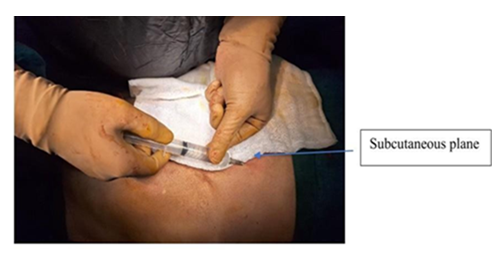
Image 1: Intra operative pictre showing subcutaneous infiltration of diluted Gentamycin. Subcutaneous at the incisional site. (Source: AIIMS, Bilaspur, H.P.)
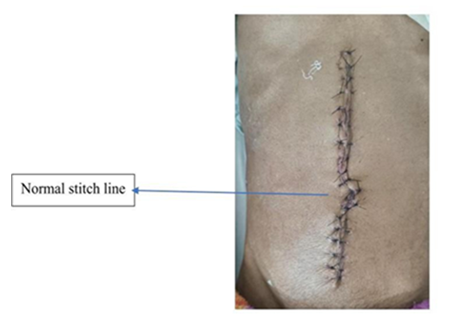
Image 2: Postoperative images of wounds in patients without SSI (Source: AIIMS, Bilaspur, H.P.)
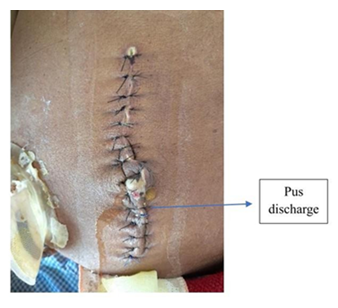
Image 3: Postoperative image of Mid Line Laparotomy wound with pus discharge in a case of Emergency Exploratory Laparotomy. (Source: AIIMS, Bilaspur, H.P.)
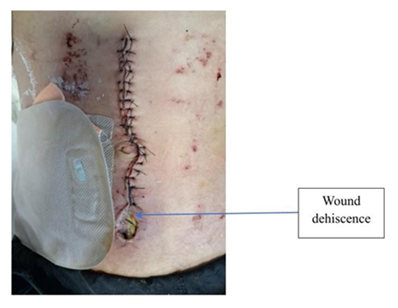
Image 4: Post Operative Image of Mid Line Laparotomy wound with skin dehiscence in a case of Emergency Exploratory Laparotomy. (Source: AIIMS, Bilaspur, H.P.)
Outcome Measures
Primary Outcome
- Incidence of surgical site infection.
Secondary Outcomes
- Hospital stay.
- Operative duration.
- Postoperative pain.
Statistical Analysis
Data were analyzed using Epi Info software version 7.2.6.0. Continuous variables were expressed as mean ± standard deviation or median with interquartile range. Categorical variables were expressed as frequencies and percentages. Statistical significance was considered at p
<0.05.
Results
Demographic characteristics
A total of 107 patients were included in the study. The mean age was 51.9 ± 16.4 years. Males constituted 71% of the study population. (Table:1)
|
SSI Overall |
|||
|
Parameters |
Yes (n = 15) |
No (n = 92) |
p value |
|
Age (Years) |
55.07 ± 20.74 |
51.42 ± 15.67 |
0.524 |
|
Age Group |
0.462 |
||
|
18-40 Years |
5 (33.3%) |
26 (28.3%) |
|
|
41-60 Years |
4 (26.7%) |
40 (43.5%) |
|
|
>60 Years |
6 (40.0%) |
26 (28.3%) |
|
|
Gender |
0.761 |
||
|
Male |
10 (66.7%) |
66 (71.7%) |
|
|
Female |
5 (33.3%) |
26 (28.3%) |
|
|
BMI (Kg/m²) |
21.40 ± 2.06 |
21.03 ± 2.01 |
0.475 |
|
BMI |
0.947 |
||
|
<18.5 Kg/m² |
1 (6.7%) |
8 (8.7%) |
|
|
18.5-22.9 Kg/m² |
11 (73.3%) |
66 (71.7%) |
|
|
23.0-24.9 Kg/m² |
2 (13.3%) |
14 (15.2%) |
|
|
25.0-29.9 Kg/m² |
1 (6.7%) |
4 (4.3%) |
Table: 1: Summary Table for Association between SSI Overall and Parameters.
Fifteen patients (14.02%) developed postoperative SSI, while 92 patients (85.98%) did not develop SSI.
No statistically significant association was observed between SSI and:
- Age (p = 524)
- Gender (p =761)
- BMI (p = 475)
- Operative duration (p =292)
- Blood loss (p = 490)
- Underlying diagnosis (p = 0.648) (Table:2)
|
SSI Overall |
|||
|
Parameters |
Yes |
No (n = 92) |
p value |
|
(n = 15) |
|||
|
Diagnosis |
0.401 |
||
|
Small Bowel Obstruction |
3 (20%) |
26 (28.3%) |
|
|
Prepyloric / Pre-Pyloric Perforation |
2 (13.3%) |
22 (23.9%) |
|
|
Intestinal Perforation |
4 (26.7%) |
13 (14.1%) |
|
|
Appendicular Perforation |
3 (20%) |
9 (9.8%) |
|
|
Gastric Outlet Obstruction |
1 (6.7%) |
6 (6.5%) |
|
|
Large Bowel Obstruction |
2 (13.3%) |
4 (4.3%) |
|
|
Grade V Dysphagia |
0 (0.0%) |
3 (3.3%) |
|
|
Surgical Obstructive Jaundice |
0 (0.0%) |
3 (3.3%) |
|
|
Obstructed Hernia |
0 (0.0%) |
2 (2.2%) |
|
|
Others |
0 (0.0%) |
4 (4.3%) |
|
|
Operation Time (Minutes) |
124.00 ± 53.02 |
110.00 ± 53.27 |
0.292 |
|
Blood Loss (mL) |
176.67 ± 103.28 |
166.74 ± 132.46 |
0.49 |
Table 2: Association between SSI Overall and other parameters.
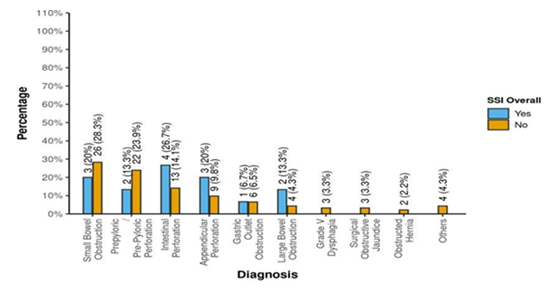
Figure 1: Association between SSI overall and diagnosis
Surgical Site Infection: Major SSOs were predominantly observed in patients with SSI. Hospital Stay
|
Seroma |
1 (50.0%) |
1 (100.0%) |
|
Wound Dehiscence |
1 (50.0%) |
0 (0.0%) |
|
SSO (Post-Operative Day 6) |
1 |
|
|
SSI |
0 (0.0%) |
3 (42.9%) |
|
Seroma |
0 (0.0%) |
2 (28.6%) |
|
Hematoma |
0 (0.0%) |
1 (14.3%) |
|
Lipolytic Seroma |
0 (0.0%) |
1 (14.3%) |
|
SSO (Post-Operative Day 8) |
1 |
|
|
Burst Abdomen |
1 (100.0%) |
0 (0.0%) |
|
Seroma |
0 (0.0%) |
1 (100.0%) |
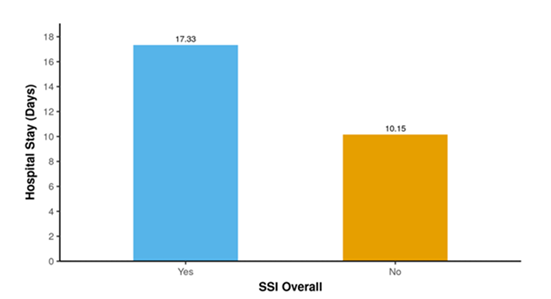
Figure 1: Association between SSI overall and Diagnosis.
Surgical Site Infection:
The overall incidence of SSI was 14.02%.
SSI was identified progressively during postoperative wound assessment:
- POD 3: 13.3%
- POD 6: 60%
- POD 8: 80%
Surgical Site Occurrence (SSO)
SSO was observed in 28 patients (26.2%). Distribution of SSO included: (Table 3)
- SSI: 15 cases
- Seroma: 7 cases
- Wound dehiscence: 3 cases
- Burst abdomen: 1 case
- Hematoma: 1 case
- Cellulitis: 1 case
|
SSO (Post-Operative Day 1) (Redness) |
2 (100.0%) |
0 (0.0%) |
- |
|
SSO (Post-Operative Day 3) |
1 |
||
|
Seroma |
1 (50.0%) |
1 (100.0%) |
|
|
Wound Dehiscence |
1 (50.0%) |
0 (0.0%) |
|
|
SSO (Post-Operative Day 6) |
1 |
||
|
SSI |
0 (0.0%) |
3 (42.9%) |
|
|
Seroma |
0 (0.0%) |
2 (28.6%) |
|
|
Hematoma |
0 (0.0%) |
1 (14.3%) |
|
|
Lipolytic Seroma |
0 (0.0%) |
1 (14.3%) |
|
|
SSO (Post-Operative Day 8) |
1 |
||
|
Burst Abdomen |
1 (100.0%) |
0 (0.0%) |
|
|
Seroma |
0 (0.0%) |
1 (100.0%) |
Table 3: Association between SSO, Post Operative Day and SSI.
Major SSOs were predominantly observed in patients with SSI. Hospital Stay
Figure 2: Association between SSI overall and Hospital Stay.
Patients with SSI had significantly prolonged hospital stay:
- SSI group: 6 ± 7.24 days
- Non-SSI group: 64 ± 5.79 days
- p <0.001
Operative Duration Mean operative duration:
- SSI group: 124 ± 02 minutes
- Non-SSI group: 110 ± 27 minutes
No statistically significant difference was observed. Blood Loss
Mean blood loss:
- SSI group: 67 ± 103.28 mL
- Non-SSI group: 74 ± 132.46 mL
No statistically significant association was observed. VAS score: (Table 4)
|
Pain (VAS) (Post-Operative Day 1) |
5.33 ± 1.87 |
6.06 ± 1.79 |
0.189 |
|
Pain (VAS) (Post-Operative Day 3) |
4.22 ± 1.56 |
4.81 ± 1.42 |
0.288 |
|
Pain (VAS) (Post-Operative Day 6)*** |
5.11 ± 2.26 |
3.19 ± 1.12 |
0.008 |
|
Pain (VAS) (Post-Operative Day 8)*** |
4.67 ± 2.40 |
2.08 ± 1.04 |
0.001 |
Table: 4: Association between SSI and VAS (pain score).
Important Findings:
No difference in pain on POD 1 or 3 followed by significant escalation in pain in the SSI group after POD 5, correlates with typical SSI pathophysiology (POD 3–7 onset)
Discussion
Surgical site infection remains a major challenge following emergency abdominal surgery, especially in contaminated and dirty wounds. The present study evaluated the role of preoperative local gentamicin infiltration as an adjunct to standard intravenous prophylaxis in reducing postoperative SSI. The overall SSI incidence observed in this study was 14.02%, which appears lower than rates reported in several Indian and international studies evaluating emergency laparotomy, where SSI incidence has ranged from 17% to 38%. This finding supports the potential role of local antibiotic infiltration in reducing wound contamination during surgery.
The findings of this study are consistent with previous work by Pollock et al. [5], Dogra et al. [6], Anand et al. [7], and studies evaluating gentamicin-collagen implants [8], all of which demonstrated lower SSI rates with localized antibiotic delivery. Gentamicin was selected because of its broad-spectrum activity against gram-negative organisms commonly implicated in abdominal SSI [9]. Local infiltration likely achieves higher antibiotic concentration at the incision site during the critical phase of bacterial inoculation while minimizing systemic toxicity [10]. In the present study, demographic variables such as age, gender, BMI, operative duration, and blood loss did not show statistically significant association with SSI. This suggests that local gentamicin infiltration may provide a protective effect across varied patient populations and surgical conditions. Patients who developed SSI had significantly prolonged hospital stay, emphasizing the substantial morbidity and economic burden associated with postoperative wound infection. Although encouraging, this study has several limitations. The observational design without a control arm limits the direct attribution of reduction in SSI to local gentamicin infiltration alone. The sample size was relatively modest, and the study was conducted at a single tertiary care center. Further multicentric randomized controlled trials with larger sample sizes are required to establish the efficacy, optimal dosage, and long-term safety profile of preoperative local gentamicin infiltration.
Conclusion
Preoperative local infiltration of gentamicin at the surgical site appears to be a safe, feasible, and cost-effective adjunctive strategy for reducing surgical site infection following emergency laparotomy. The observed SSI rate in this study was lower than many previously reported rates in contaminated abdominal surgery, suggesting potential benefit of localized antibiotic prophylaxis.
Patients developing SSI experienced significantly prolonged hospitalization and higher wound-related morbidity. Further randomized controlled trials are warranted before routine adoption into standard surgical protocols.
Limitations
- Single-center study.
- Lack of control group.
- Relatively small sample size.
- Observational study design.
- Limited long-term follow-up.
Future Recommendations
- Large multicentric randomized controlled trials should be conducted.
- Comparative studies between different locally infiltrated antibiotics are needed.
- Cost-effectiveness analyses should be performed.
Standardized dosing protocols require validation.
Ethical Considerations
The study was approved by the Institutional Ethics Committee of AIIMS Bilaspur. Written informed consent was obtained from all participants.
Conflict of interest
The authors declare no conflict of interest.
References
- Mangram AJ, Horan TC, Pearson ML, et al. Guideline for prevention of surgical site infection. Infect Control Hosp Epidemiol 20 (1999): 250-278.
- Berríos-Torres SI, Umscheid CA, Bratzler DW, et al. Centers for Disease Control and Prevention guideline for the prevention of surgical site infection JAMA Surg 152 (2017): 784-791
- Owens CD, Stoessel K. Surgical site infections: epidemiology, microbiology and prevention. J Hosp Infect 70 (2008): 3-10.
- GlobalSurg Collaborative. Surgical site infection after gastrointestinal surgery in high-income, middle-income, and low-income countries: a prospective, international, multicentre cohort study. Lancet Infect Dis 18 (2018): 516-525.
- Pollock AV, Evans M. Preincisional intraparietal Augmentin in abdominal surgery. Br J Surg 76 (1989): 279-280.
- Neniwal VK, Chohan P, Neniwal N, et al. A comparative study between preoperative intraincisional coamoxiclav infiltration and intravenous coamoxiclav injection for prevention of surgical site infection. Int Surg J 12 (2025): 1282-1287.
- Anand S, Batra R, Arora B, et al. A comparative study of preoperative intra-incisional infiltration of ceftriaxone vs. intravenous ceftriaxone for prevention of surgical site infections in emergency cases. J Evolution Med Dent Sci 5 (2016): 4537-4541.
- Ghuman A, Chan T, Karimuddin AA, et al. Prophylactic gentamicin-containing collagen implants to reduce surgical site infection: a systematic review and meta-analysis. Surg Infect 19 (2018): 261-269.
- Sartelli M, Chichom-Mefire A, Labricciosa FM, et al. The management of intra-abdominal infections from a global perspective: 2017 WSES guidelines for management of intra-abdominal infections. World J Emerg Surg 12 (2017): 29.
- Wang P, Hu J, Yang X, et al. Topical gentamicin application for the prevention of surgical site infection: a systematic review and meta-analysis. Int J Surg 68 (2019): 34-42.