Ebiakpor Bainkpo Agbedi*
Department of Planning, Research, and Statistics, Bayelsa State Primary Healthcare Board, Yenagoa, Nigeria
*Corresponding Author: Ebiakpor Bainkpo Agbedi, Department of Planning, Research, and Statistics, Bayelsa State Primary Healthcare Board, Yenagoa, Nigeria
Received: 14 September 2026; Accepted: 21 September 2026; Published: 30 September 2026
Background: Dental caries remained a major public-health concern and an important cause of dental pain, infection and tooth loss. Rural populations often experienced limited access to oral-health information and professional dental services. This study determined the prevalence of dental caries and examined its associated factors among adults in selected rural and urban communities in a sub-Saharan African setting.
Methods: A comparative cross-sectional study was conducted among 355 adults aged 18–65 years, comprising 177 urban and 178 rural respondents selected from three urban and three rural communities in Bayelsa State, Nigeria. Data were collected using an interviewer-administered questionnaire and clinical oral examinations. Dental caries was assessed using World Health Organization diagnostic criteria and the Decayed, Missing and Filled Teeth index. Descriptive statistics, chi-square tests and an independent-samples t-test were used for analysis, with statistical significance set at p < 0.05.
Results: The overall prevalence of dental caries was 48.7%. Prevalence was significantly higher among rural respondents than urban respondents (60.7% versus 36.7%; χ² = 20.38, df = 1, p < 0.001). Rural respondents recorded higher mean decayed teeth (0.65 versus 0.08) and missing teeth (0.56 versus 0.12), whereas urban respondents recorded a higher mean filled-teeth score (0.68 versus 0.24). The mean DMFT scores were 1.45 among rural respondents and 0.88 among urban respondents, but the difference wast statistically significant (t = −2.15, df = 353, p < 0.05). Dental caries was significantly associated with employment status, receipt of oral-health information, types of food and soft drinks commonly consumed, use of a toothbrush and toothpaste, previous dental attendance and daily toothbrushing frequency. Sex, age group and toothbrushing duration were not significantly associated with dental caries.
Conclusion: Dental caries had constituted a substantial oral-health problem, with rural adults experiencing a significantly greater burden than urban adults. Although cumulative DMFT experience was similar, rural respondents had experienced more untreated decay and missing teeth, while urban respondents had received more restorative care. The findings underscored the need for expanded oral-health education, affordable fluoride toothpaste, regular community screening, and improved access to preventive and restorative dental services, particularly in rural and riverine communities.
Dental caries; DMFT; Rural communities; Urban communities; Oral hygiene; Dental-service utilization; Nigeria
Dental caries articles; DMFT articles; Rural communities articles; Urban communities articles; Oral hygiene articles; Dental-service utilization articles; Nigeria articles
1. Introduction
Dental caries, commonly called tooth decay, is a biofilm-mediated, sugar-driven, multifactorial and dynamic disease affecting the hard tissues of the teeth—enamel, dentine and cementum. It develops when bacteria in dental plaque metabolise fermentable carbohydrates, particularly free sugars, and produce acids that gradually remove minerals from the tooth structure (demineralisation) [1]. Normally, demineralisation is balanced by remineralisation through saliva, calcium, phosphate and fluoride. However, when acid attacks occur frequently, mineral loss exceeds repair. The process may initially appear as a non-cavitated white-spot lesion, which can potentially be arrested or reversed. If it continues, it causes permanent destruction of the tooth structure and forms a cavity. Untreated dental caries may result in toothache, infection, dental abscess, difficulty eating and eventual tooth loss. Dental caries does not result from bacteria alone. Its development reflects interactions among: cariogenic dental biofilm, frequent consumption of free sugars, susceptibility of the tooth surface, inadequate fluoride exposure, reduced salivary flow, poor oral hygiene, time, behavioural and socioeconomic factors. Therefore, dental caries is better understood as a preventable, diet-related, noncommunicable disease rather than simply a hole in a tooth [2]. The term may refer both to the underlying disease process and to the resulting non-cavitated or cavitated lesion. Although, caries has affected humans since prehistoric times, the prevalence of this disease has remarkably increased over time but evidence indicates that this trend peaked and began to decline in many countries in the late 1970s and early 1980s notably in United States of America (USA), Western Europe, New Zealand and Australia [3-5]. The exact cause of the decline is unknown but evidence abound that it was attributable to the addition of trace amount of fluoride ion to public drinking water. Again, it was stated that the developed countries such as USA, United Kingdom (UK), Australia, New Zealand, Western Europe, and North America used to have more dental caries in comparison to the people of under-developed or developing countries from Africa and Asia [6,7]. The reason behind this was that the people from the developed countries used to take more refined foods that contained large amount of easily fermentable sugars, especially sucrose. Moreover, people of these countries could also afford to take “frequently in-between” meals that contained large number of sugars. These factors contribute immensely to their higher incidence of caries whereas at the same time the people from Africa and Asia did continue to take their traditional foods which were usually more fibrous and unrefined in nature and were not readily fermentable, thereby, contributing very little to the causation of dental caries. However, since 1970s, there has been a steady decreased in the prevalence of caries among the population of these countries because people have undertaken a wide range of caries preventive measures in the following forms; extensive water fluoridation, increased oral hygiene awareness, use of antibiotics, increased parenteral care, improvement in preventive dentistry, more availability of skilful dental professionals. However, recent report indicates that the people from the under-developed countries had shown higher incidences of dental caries. The reason being that the people from the under-developed countries nowadays have adopted more and more urbanized lifestyle and westernized pattern of food habits with the least prospect of having any caries prevention measures either individually or at the communal level [8,9]. Dental caries is a localized lesion of the enamel. The lesion progresses to involve the tooth dentine and later spread to the pulp and cause pulpitis. There might be resolution of the pulpitis at this point, or it might progress to cause periodontitis and later periapical granuloma. The periapical granuloma might at this point progress to form periapical abscess with or without discharging sinus. Again, the periapical abscess might result to osteomyelitis leading to cellulitis, space infection around the neck region and eventually Ludwig’s angina that might lead to death [10]. At every given stage of this dental disease, it had immensely affected on the quality of life of the dental patients in so many ways. Once a dental caries is established and early treatment and intervention is not initiated, some of these classical features are observed, which invariably affect the quality of life of our dental patients. The patients’ physical appearance and socio-economic life would be adversely affected. Patients would not eat or might chew with great discomfort. Patients would complaint of pain, foul smelling odour which was probably due to the discharging sinus. Each time patients took a look at the mirror, they might see un-aesthetical appearance and of course this had led to depression and social withdrawal in public gatherings. A good number of times, patients had unkept hair and clothing when in pain. Furthermore, pains resulting from dental caries could adversely affected their income. Patients might not be able to go about their normal working activities to earn them their daily living; invariably they become a financial burden to other members of the family.
Statement of the problem
Dental caries remained one of the most prevalent oral diseases worldwide and constituted a significant public health problem in sub-Saharan Africa. In Nigeria, previous studies documented considerable differences in the burden of dental caries across populations and geographical settings. For example, a prevalence of 32% was reported among 12-year-old children, while prevalence rates of 32% and 58% were reported among rural and urban populations, respectively, in Nigeria [11,12]. Despite this evidence, information on the prevalence and factors associated with dental caries among adults in rural and urban communities in Bayelsa State remained limited. Access to appropriate dental care was also a major concern in Bayelsa State. Most government-owned and private dental clinics were concentrated in the state capital, leaving residents of other local government areas with few or no dental facilities. People living in remote and riverine communities often travelled long distances through waterways to obtain dental care. The high cost of water transportation and the limited geographical distribution of dental facilities discouraged the timely use of professional dental services. Consequently, affected individuals delayed treatment, resorted to self-medication or sought care from unqualified providers, thereby increasing their risk of pain, infection, tooth loss and other complications. The cost of dental care presented an additional barrier. Dental services in the state were largely financed through out-of-pocket payments, while existing health insurance arrangements covered only a limited range of dental procedures. For individuals and households with low incomes and competing financial responsibilities, including school fees, accommodation and other basic needs, dental treatment was often regarded as an additional financial burden. This situation caused some individuals to tolerate dental problems until they became severe. Furthermore, inadequate oral hygiene practices, including improper toothbrushing techniques, contributed to the occurrence of dental caries. However, the extent to which place of residence, socioeconomic characteristics, access to dental services and oral hygiene practices were associated with dental caries among adults in the selected communities had not been adequately established. This lack of context-specific evidence limited the development of appropriate preventive programmes, equitable distribution of dental services and effective oral health policies. Therefore, the study determined the prevalence of dental caries and identified its associated factors among adults in selected rural and urban communities in Bayelsa State, Nigeria.
Justification of the study
Bayelsa State had relatively few dentists and trained dental surgery assistants in its employment. Dental caries was among the most frequently diagnosed oral diseases in dental clinics, followed by periodontal diseases. However, adequate information on the prevalence of dental caries and its associated factors among residents of the state was limited. This lack of reliable epidemiological information made effective planning, resource allocation and management of dental services difficult. Health information was recognised as an important instrument for promoting behavioural changes related to oral health risk factors. Nevertheless, the level of public awareness regarding the causes, risk factors and prevention of dental caries remained a concern among dental health professionals in Bayelsa State. The implementation of an effective oral health programme therefore required a comprehensive assessment of the population’s knowledge, attitudes and practices concerning dental caries. Findings from such an assessment were expected to guide the development of appropriate health education strategies and the selection of communication channels suitable for rural and urban populations. The study was also justified by the need to determine the dental caries status of the population to support effective planning and intervention. The development and implementation of the National Oral Health Policy depended on reliable data regarding the prevalence and distribution of dental caries and other oral diseases across the country. Identifying unmet dental needs and gaps in knowledge, attitudes and preventive practices was therefore necessary for developing relevant oral health policies and programmes. Consequently, the study would provide evidence that helped address the existing knowledge gap and contributed to the pool of data required for oral health planning at the state and national levels. It assessed the prevalence and associated risk factors of dental caries among rural and urban populations, compared the burden between the two settings and generated evidence to inform policy guidelines for dental caries prevention and management.
Research Questions
- What is the prevalence of dental caries among adults in rural and urban communities?
- Is there a significant difference in dental caries prevalence between adults in rural and urban communities?
- What are the mean Decayed, Missing and Filled Teeth scores among rural and urban adults?
- Is there a significant difference in mean Decayed, Missing and Filled Teeth scores between rural and urban adults?
- Which sociodemographic characteristics are associated with dental caries among adults?
- Are sugary foods, snacks and soft-drink consumption associated with dental caries?
- Are oral hygiene practices, including toothbrushing frequency, duration and technique, associated with dental caries?
- Is exposure to oral health information associated with dental caries?
- Is dental-service utilization associated with dental caries among adults?
- What factors independently predict dental caries among adults in rural and urban communities?
General Objective
To determine the prevalence of dental caries and identify associated factors among adults in selected rural and urban communities in sub-Saharan Africa.
Specific Objectives
- To determine the prevalence of dental caries among adults in rural and urban communities.
- To compare dental caries prevalence between adults residing in rural and urban communities.
- To assess the dental caries experience of adults using the Decayed, Missing and Filled Teeth index.
- To compare the mean Decayed, Missing and Filled Teeth scores of rural and urban adults.
- To examine the association between sociodemographic characteristics and dental caries among adults.
- To assess the dietary practices associated with dental caries, including the consumption of sugary foods, snacks and soft drinks.
- To examine the relationship between oral hygiene practices and dental caries.
- To determine the association between exposure to oral health information and dental caries.
- To examine the relationship between dental-service utilization and dental caries among adults.
- To identify the independent factors associated with dental caries among adults in rural and urban communities.
Scope and Limitations of the study
Scope
The study assessed the prevalence of dental caries and associated factors among adults aged 18-65 years residing in selected rural and urban communities in Bayelsa State, Nigeria. It employed a comparative cross-sectional design and included 355 respondents selected from three rural and three urban communities across the state’s senatorial districts. Data were collected through interviewer-administered questionnaires and clinical oral examinations. The study examined participants’ sociodemographic characteristics, dietary habits, oral hygiene practices, exposure to oral health information and utilization of dental services. Dental caries was assessed using the World Health Organization diagnostic criteria and the Decayed, Missing and Filled Teeth index. The prevalence and caries experience of rural and urban respondents were compared, and factors associated with dental caries were evaluated. The findings were limited to the selected communities and the period during which the study was conducted.
Limitations of the study
The cross-sectional design measured exposure and dental-caries status at a single point in time; therefore, temporal relationships and causality could not be established. Dietary habits, toothbrushing practices, dental visits and other behavioural factors were self-reported and might have been affected by recall and social-desirability biases.
Clinical examinations were conducted under field conditions using daylight and pen torches without dental radiographs. Consequently, early proximal, recurrent or hidden carious lesions might not have been detected, resulting in an underestimation of the true prevalence. Microbiological tests for cariogenic bacteria and assessments of salivary flow were not undertaken because of logistical and financial constraints.
Although rural and urban communities were included, the study covered only selected communities in Bayelsa State. The findings could not be generalized to all adults in Nigeria or sub-Saharan Africa without caution. Differences in access to dental services, diet, socioeconomic conditions and cultural practices might limit comparability with other populations. The relatively small sample size and broad age categories might also have limited the detection of some associations. Finally, the study’s observational design meant that residual confounding from unmeasured factors—such as fluoride exposure, detailed sugar intake and underlying medical conditions—could not be excluded.
Literature review
Dental caries is one of the most common oral diseases in the world. In a series of studies carried out by Powell [13,14] in USA on the feasibility of patient’s risk of developing caries to ensure an appropriate level of prevention and treatment. During the studies, the investigator came out with caries risk indicators which were considered as the variables. However, these variables relate with the disease process that could best be described as aetiological and non-aetiological factors. The aetiological factors were those that was believed to cause the disease such as streptococcus Mutans while non-aetiological factors include socioeconomic factors such as income, psychosocial factors such as health attitude and clinical variables to filled teeth and laboratory factors as well as salivary calcium level. The investigator further determined the threshold level for these variables such as high and low or positive and negative. People who had active caries or in whom teeth were missing due to caries and was positive to streptococcus Mutans were considered as high-risk patients. The risk factors vary from person to person, individual to individual, from child to child and adult to adult. The researcher, worked out a risk model that was based on single variable and compared it to the multiple variable risk model and found out that the multi-variate technique had resulted in better caries prediction. In the study, words such as sensitivity were used to describe the proportion of people with a disease who had a positive test result for the disease, while specificity was used to describe the proportion of people without a disease who had negative test result. However, the statistical method used for the data analysis was the logistic regression.
Similar study was carried out by Rethman at USA [15]. This time around the researcher did not only look at the host and causative factor but also believed that the community in which the patient live might be a risk factor. The expanded approach considers risk implications from various factors that could influence carious activity and might help dental personnel better manage patients from a preventive perspective. In this study, the researcher used community assessment, individual assessment, tooth assessment and tooth surface assessment as a working tool. In community assessment, the investigator did so by identifying decayed and filled teeth, while the individual assessment relied on several factors ranging from history of caries, preventive practice, nutritional habits and medical conditions. Based on the clinical evaluation and information derived from patient he or she could be classified as being at low, moderate or high-risk patient. Tooth assessment considers tooth susceptibility to pit and fissure decay and evidence of caries in primary dentition was considered a risk factor for permanent dentition. Tooth surface assessment demonstrates that about 88 percent of caries in children were due to pit and fissure caries. The pit and fissure caries were only a fragment of the total tooth surface. In the light of the above, the researcher further explained that since carious lesion were closely related to bacteria and host factor and not age-related, the researcher advocates the use of sealants for caries-risk patients as a preventive treatment irrespective of age. Numerous reasons were advanced by other dental personnel for the lack of frequent use of sealant. After, several studies the researcher came out with the following findings that support sealant use. First and foremost, the researcher made it clear that bacteria become non-viable and caries does not progress when sealants are applied to incipient caries lesion, reasons being that the nutrient source for streptococcus mutans had been eliminated thus changing the caries- active to caries inactive. Secondly, the researcher added that most of the lack of retention of sealant was as result of lack of proper application of sealants and as such whenever sealant was to be applied, it should follow the manufacturer’s instruction and the sealant should be extended to cover the pits and fissures. Again, pits and fissures covered with sealant should periodically be replaced with new sealants at a later day. Thirdly the researcher carried out a study on the efficacy of sealant and came out with a finding that about 74% of children who had single sealant application were caries- free after fifthteen years after. Fourthly, the researcher also considered the cost-effectiveness of sealant by reviewing about 1.3 million children that had single sealant application within three years. In the study, it was discovered that, the average charge for one surface restoration was more than double the average sealant charge. In summary, the researcher advocated for the placement of sealants using the community assessment, individual assessment, tooth assessment and tooth surface assessment model, and considered sealant as a potential substitute for expensive restorative procedures.
Fontana et al and Bartoloni et al. [16,17] carried out a similar study on patient’s caries risk assessment and categorized them as low, moderate and high. The investigators used low caries risk to mean no current active caries, restorations necessitated by caries that were placed five or more years ago and the patients’ demonstration of no evidence of active disease over many years, while moderate means no carious lesion development or progression since the previous examination, frequency of patient’s sugar intake was low, presence of salivary problems, behavioural or physical disability and positive history of fluoride exposure. Those at high risk were those with past caries experience, presence of streptococcus mutans in the saliva and presence of dietary sugar such as sucrose, fructose and glucose. In their study they were of the view that food that was retentive and sticky such as candy and sugars in solid form were more cariogenic than sugars in liquid form. And eating in between meals and late-night snacking were considered high caries risk. In their study, caries risk indicators were considered to include: (a) microbial agent (b) oral hygiene status (c) salivary problem (d) diet (e) exposure to fluoride (f) medical and demographic factors. Microbial agent in caries risk assessment such as streptococcus mutans and lactobacilli were implicated while oral hygiene status include the accumulation of plaque and salivary problem associated with low salivary flow rate which might be affected by dehydration, irradiation of the head and neck region, uncontrolled diabetes mellitus, autoimmune exocrinopathy and administration of certain drug. In this study, they considered normal salivary flow rate as 0.3-0.4 ml per minute and values less than 0.1ml per minutes was considered abnormal. Diet was considered as one of the caries risk indicators because certain carbohydrate especially sucrose was converted to extracellular glutan that bring about caries activity. Again, emphasis was placed on change of lifestyle especially when young adult leaves their homes for the first time seeking job or for study. They might experience significant change in their diet and resort to frequent snacking. Again, people who work evening or sedentary jobs might tend to snack on high sugar foods and caffeinated beverage. Another caries-risk indicator was the exposure to fluoride. Exposure to fluoride had significantly reduced the prevalence of caries, the rate of progression of caries and the rate of progression of caries lesion. What the investigators considered as exposure to fluoride was exposure and use of fluoridated drinking water in community water, well water, bottled water, home-used topical fluoride products like toothpaste, mouth rinse and professionally used fluoride exposure. However, past caries experience according to the investigators remains one of the strongest caries risk indicators. Using this as indicator means recording the number of teeth lost to caries, the number and size of restorations and when the restoration was placed and knowing the current caries activity while medical and demographic risk indicators such as uncontrolled diabetes, Sjogren’s syndrome that decreases salivary flow rate, mental and physical disabilities that affects the oral hygiene and enamel defects such as Hypoplasia were considered as caries risk factors. Again, socioeconomic status was a stronger predictor of caries risk assessment. This view was equally shared by Tamaki and colleagues [18] in a study carried out in Japan. However, the study showed that people with low socioeconomic status were considered high risk than those people with high socioeconomic status. In conclusion the researchers were of the view that since caries disease was a multi-factorial disease, the incorporation of caries risk assessment into the concept of caries management should include factors that might affect caries development. Such factors as past and current caries, diet, and fluoride exposure, presence of cariogenic bacteria, salivary status, general medical history and socio-demographic influence should be included when evaluating a patient’s caries risk status.
In 2025, Lim et al. [19] reported to have carried out a study on similar subject matter but this time around the researchers used diet as the only risk indicator in the study. The researchers conducted this study to test hypothesis that high consumption of soft drinks relative to milk and 100% fruit juice was a risk factor for dental caries development. This was done with the understanding that there were certain foods and drinks that had high cariogenic potential than some other foods and drinks. Using cross-sectional analysis, they demonstrated that, high consumption of soft drinks in the presence of gingival plaque deposits was significantly related to caries formation. In this study, they used milk, fruit juice and soft drink as a case study. However, previous studies had shown that milk had low cariogenic potential while 100% fruit juice and soft drink had the same amount of cariogenic potential [20]. The researchers used trained dentists and interviewers. Sample size of 369 children of 3 year and older were collected from Dental Assessment Centre in Detroit. They generated these data by oral examination and medical records of the children in the study area by using International Caries Detection and Assessment System. They also collected dietary information from the children by administering 2000 Block Kids Food Frequency Questionnaire. A baseline study was carried out and then follow-up study was done two years after. The data that was generated used cluster sampling technique. Statistical analysis of data was done using software (STATA). At the end of data analysis, the researchers came out with four intake pattern such as high -high milk juice, meaning high intake of milk or 100% fruit juice intake. Low-high soft drink, means low soft drink consumption at the baseline study and high consumption of soft drink in the follow-up study after two years. High-low soft drink, means high soft drink consumption at baseline study and low consumption of soft drink in the follow up study after two years. High-high soft drink, means high intake of soft drink at the baseline study and the same was maintained at the end of the follow-up study two years after. From this study, it was shown that out of the 369 children, 160 children had no new case of caries. Again, the high-high milk juice pattern was used as reference group in this model. It had been shown that children with low-high soft drink pattern had a 1.75 times greater risk of developing new carious lesion compared to the children in the reference group. In conclusion, the researchers were of the view that high intake of soft drinks over time or those who changed from low to high consumption of soft drink had a higher risk of developing new caries than those with a relatively higher intake of milk and 100% fruit juice at baseline and follow-up children. Reasons being that milk was a good alternative to soft drink because of its potential protective factors such as calcium, phosphorus and proteose-peptone in it. Tanaka et al. [21], also shared this view in a study done to determine the prevalence of dental caries with dairy product consumption. Again, it had many of the physical and chemical properties of saliva which makes it suitable substitute for saliva. However, the researchers were of the view that high consumption of soft drink over time or those who increased their consumption of soft drinks relative to consumption of milk and 100% fruit juice were at higher risk of developing caries. Again, it was emphasized that since total elimination of soft drinks was unrealistic for most children, young children could still consume soft drink safely by limiting their consumption rate to as low as few times per week and provided dental plaque removal was done regularly with fluoridated dentifrice as a preventive measure. However, this was applicable by extension to any group of persons who fell within this predictive range.
Miura et al. [22] carried out a study on this subject matter using 44 countries and stated that sugar consumption closely related to prevalence of dental caries but quick to add that socioeconomically developing countries changing from a traditional diet to more western style-diet results in increased sugar consumption such as icy food, beverages and sweets. Some of these socioeconomic factors that were pointed out were common among, the population employed in the service sector, the age group of 15-64 years, urban population and school attendance rate which greatly had positive correlation to prevalence of dental caries.
However, looking at the socio-demographic variables (income, attitude to dental care, level of education), biological variables (salivary flow, xerostomia, calculus,) and dietary pattern as factors considered being caries risk to patients.
Cianetti et al. [23] carried out a study using income and years of education to measure various outcomes which include oral diseases. The investigators group poverty-income into family income and poverty threshold. The years of education into fewer than 12 years of education, 12 years of education and more than 12 years of education. The results showed strong correlation between low-income with oral diseases just as it showed in other measured outcomes. A study carried in developing countries in Asia and Africa revealed that certain socioeconomic factors such as those employed in the service sector and the urban populations greatly influence the prevalence of dental caries [22].
Tooth brushing and flossing removes or reduces plaque and oral bacteria. The Stephan curve (Diagram 1) had showed that formation of acid by a thick plaque is rapid after the ingestion of carbohydrate. To reduce the amount of acid produce, tooth brushing should be carried out immediately after meal to prevent the plaque pH reaching the critical value. Surveys of caries among those who brushed their teeth several time a day had shown less caries than those who did not brushed them at all. Many methods of tooth brushing have been advanced, but studies evaluating the effectiveness of the most common brushing techniques have shown that no one method is superior. Tooth brushing techniques in practice include; Scrub technique, Roll technique, Bass method, Modified Bass method and Modified Stillman’s method [24,25]. Here in Nigeria, dentists recommended the modified Stillman’s method as one of the best oral hygiene practices. Use of chemical agents such as mouthwash, mouth rinse and topical antibiotics had been known to control plaque bacteria [26,27]. Rinsing twice daily with 0.2% chlorhexidine, a powerful antibacterial substance is effective in reducing oral bacteria and thus reduces caries progression.
Again, in 2001, a report explained the utilization of dental services in Southern China [28]. The investigators described the pattern of dental services utilization of middle-aged and elderly in Southern China. A sample size of 1,573 for 35-44-year-old adults and 1,515 for 65-74-year-olds adults in both urban and rural communities in Guangdong Province. From the findings the response to utilization of dental services was low for both age groups. The most commonly cited reason for not having seen a dentist was that there was no perceived need. The second most commonly reported reason was that the dental problems were not perceived as serious. Close to one-third of the rural elderly said that financial difficulty was a barrier to receiving dental care. Other reasons were the location of residence, fear of the dentist and dental attitude. In the same vein, those persons who had visited the dentist in these age groups were the educated ones, wealthier persons, urban residence and those who had a better oral health knowledge or more positive dental attitude. Consequent upon that, it was recommended that the use of mass media or collaboration with other discipline in primary health care might be better ways to disseminate oral health messages. The investigators also reported that oral health policy should place more emphasis on community-based preventive programs than on clinic-based curative services. A similar study was carried out in Indonesia in 2006 and 2007 [29]. A population of 1,107,594 in 2006 and 1,167,019 in 2007 was sampled for perceived need for and utilization of dental care and it was discovered that only 2.33% and 2.28% of Indonesians reported to have perceived need for dental care in 2006 and 2007 respectively. While dental care utilization only had a marginal increase from 0.65% in 2006 to 0.84% in 2007 for the given population. The perceived need for dental services and utilization of dental care among Indonesians was low due largely to various demographic and socioeconomic factors such residence (rural or urban), geographical access, income, age and living standard.
In 2005, Sayegh et al. [30], carried out a study on oral health, socio-demographic factors, dietary and oral hygiene practices in Jordanian children of 4-5-year-old. A sample size of 22,569 children was selected and questionnaires were administered and clinical examination was done. Of this number, 67% of the children had caries. The findings had it that there was a strong correlation of diet to the prevalence of dental caries. They further stated that caries was most prevalence among children who had been breast-fed for more than 18 months and children who had used comforters and those who had habits of sleeping beside their mother. The investigators further added that these categories of children were common among the low socio-economically disadvantage children. In 2001, Burt et al. [31] carried out a study on the relationship of diet with dental caries at Detroit, USA using Africa American adults. A sample size of 821 was used and discovered that 82% of the participants had cavitations due to dental caries and further added that 15% of their energy consumption came from sugars, the main dietary source of which was soft drinks (sugared soda water) coupled with high score of gingival plaque index. Parisotto et al. [32] carried out a similar study in Brazil to understand the progression of dental caries in childhood caries. A sample size of 169 was used. Preschool and children that were enrolled in public nursery schools were used. The design took care of three categories which included; caries-free group, early caries lesions group and cavitated caries lesions. The result show high association of a microorganism called streptococci mutans, dental plaque and high solid sugar with early caries lesion while the presence of lactobacilli microorganism, dental plaque and high solid sugar was associated with cavitated caries lesion. Glucose and sucrose had been noticed to cause caries. The plaque bacteria convert the glucose and sucrose to acid which decalcifies the enamel and dentine because the plaque pH was lowered below critical value of 6.5. Most times the plaque pH drops as low as 3.0. This was depicted in the Stephan curve (Diagram 1). Once the pH falls below the critical pH of 6.5 it takes about 40 minutes for the pH value to return to the original value [33]. The susceptible areas of the teeth were considered to be the contact points in preference to the tooth surfaces. Diet had been strongly implicated in the formation of caries. There are three main groups of polysaccharides known for the initiation of caries. Polymers of glucose called glutans formed on plaque bacteria due to the conversion of sucrose by the enzyme dextran sucrose. The physical nature of diet contributes to caries. A diet that contains sufficient amount of fibrous food help to keep teeth clean and enhance salivary flow. This way it reduces the chances of caries formation whereas intake of soft and sticky food increases caries formation. Again, the presence of phosphates, molybdenum, vanadium, vegetables, and vitamins in the diet is often associated with low caries incidence.
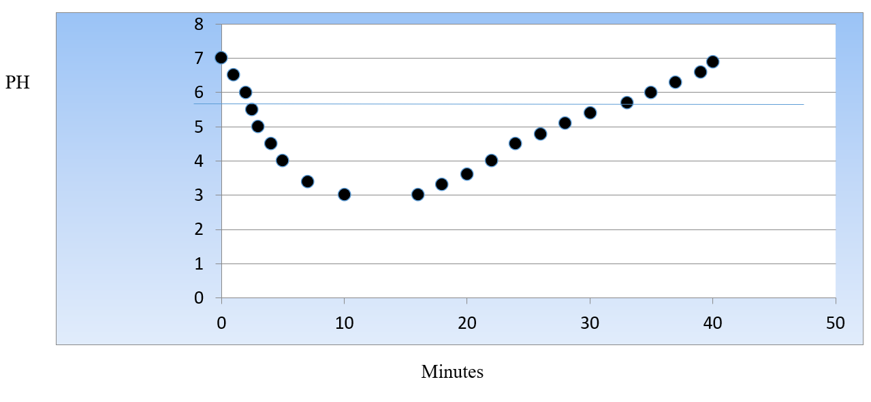
Diagram 1: Stephan Curve.
Consumption of carbohydrates between meals had been considered as one of the major factors responsible for caries formation. A survey [34] carried grouped 400 mental patients into seven groups showed that groups 1-6 were given sugar in addition to their meals in various form such as chocolate, caramels which are served as meals or in-between meals. The seventh group acted as a control. The groups which received sugar with meals showed a great increase in caries incidence. The control group had virtually no increase in caries. A similar study was carried out in Tennessee using 800 children and it was discovered that 300 children who did not had in-between meals had low caries. Dye and colleagues [35] also carried out healthful eating patterns among Mexican-American and non-Hispanic blacks in USA. A sample size of 4,236 children was collected. Interview questions regarding socio-demographic characteristics, oral health and dietary information was obtained. The researchers dwell extensively on past and current healthful eating practices using the history of breastfeeding, breakfast eating frequency, and eating of five served fruits and vegetables a day. However, the results showed that more untreated decayed surfaces in children aged 2-5 years were significantly associated with not receiving breast milk and not eating breakfast every day. The study provides explanation as to why poor eating practices were associated with caries in primary teeth. Specifically, not eating breakfast every day was found to be associated with overall caries experience and untreated decay. The study further explained that missing meals could have a direct influence on consumption of refined carbohydrates and skipping meals such as breakfast could lead to increase sugar consumption. However, the report concluded that there was direct, strong and statistically significant relationship between DMFT experience and the frequency of intake of sugary snacks between meals.
Fluoride plays key role in the prevention of dental caries. It is the most effective and most extensively used and tested of current anti-caries agent [36,37]. Fluoride is widely distributed in the earth’s crust. In nature, fluorides occur most abundantly in association with the elements calcium as fluoride or fluorspar and also form complexes with calcium and phosphorus as fluoroapatite, Ca10 (Po4)6F2 [38,39]. Fluorine displaces the hydroxyl group in the hydroxyapatite to form fluoroapatite which makes it more resistant to acid and bacteria attack. Fluorides are also found in silicate mineral as topaz and lepidolite. By virtue of dissolution, fluorides occur in most springs, wells, sea water, and plants. The presence of fluoride in water makes it an inevitable component of human diet. Fluorides are present in trace quantities in all surface and underground waters. Fluorides are absorbed by plants and are seen in foods and sea food (sardine, salmon, and shellfish) and tea leaves. Although, dental caries appears to be less common and less seen in most of Africa at the moments, WHO report [34] anticipated that in the light of changing living conditions and dietary habits, the incidence of dental caries would increase in many of the developing countries in this continent. The principal reasons for this increase appear to be increasing consumption of sugar and inadequate exposure to fluoride. Few developing countries had large-scale fluoridation programme in operation. Fluoride is a key agent in reducing the prevalence of dental caries, which is achieved in at least three ways;
- By encouraging repairs (re-mineralization) of early damage to enamel caused by acid produced by the breakdown of sugar by plaque bacteria
- By improving the chemical structure of the enamel making it more resistant to acid attack and
- By reducing the ability of the plaque bacteria to produce acid
The WHO oral health report noted that the prevalence and incidence of dental caries could be controlled by the joint action of communities, professionals and individuals. In many developing countries, however, access to oral health services is very limited, while in developed countries significant numbers of population groups are under-served. For these reasons, professionally applied fluorides were not considered to be relevant to this review. Rather the review [40] focused on public health approach including;
- Water fluoridation
- Salt fluoridation
- Milk fluoridation
- Fluoride toothpaste
The systematic reviews concluded that;
- Water fluoridation reduces the prevalence of dental caries by an average of 15% and reduces the incidence of caries by an average of 2.3 dmft in children aged 5-14 years
- Fluoride toothpaste and mouth rinses reduce the DMFT 3 years increment by 23% and 24% respectively
- Water fluoridation has benefits in addition to those associated with the use of fluoride toothpaste alone.
- Water fluoridation is associated with an increase of 13% in the risk of unaesthetic dental fluoride although further analysis suggested that the risk might be substantially higher in area in which the water is naturally fluoridated and lower in areas in which the concentration of fluoride in water has been adjusted.
Tooth susceptibility is being considered from the viewpoint of tooth morphology and the chemical composition of tooth [41,42]. The morphology of a tooth may account for the incidence of caries. A tooth with deep pits and fissure account for the high prevalence of dental caries. Teeth with deep pits and fissures are often considered as being more liable to caries because the greater proportion of such teeth provide for stagnation of food and bacteria. Again, contact area of teeth is also regarded as susceptible to caries attack as these areas provide stagnation for food and bacteria. Moreover, if the dental arch is well developed and the teeth are properly spaced and occlude satisfactorily there might be few or no stagnation areas and therefore fewer opportunities for bacterial attack. The chemical composition of tooth is one factor that account for tooth susceptibility to caries. It was discovered that trace elements such as fluoride, strontium, molybdenum and selenium were responsible for tooth resistance to caries attack. Most importantly was fluoride which was formed on the tooth surface that account for the resistance of tooth to caries. Furthermore, tooth position has also accounted for caries formation. The incidence is high with mal-aligned, rotated or out of position teeth in the dental arch because of high possibility of plaque accumulation in these areas as these regions become naturally difficult to clean [43,44].
In a studies [45-47] on health benefits of saliva it was stated that saliva plays a major role in the prevention of oral diseases such as dental caries because of its high inorganic content that bring about re-mineralization of decalcified enamel. It was discovered that factors that bring about decrease in salivary flow in the mouth might account for the high prevalence of oral diseases. Prominent among these factors include; age, radiation, certain drugs and certain systemic diseases like diabetes. According to the article review, decrease in salivary flow leads to dry mouth which account for high prevalence of dental caries. There was evidence that relative freedom from caries was associated with rapid rate of flow of saliva which tends to wash organism and food debris out of the mouth; but if the salivary flow rate was low, the chances of caries formation were high [45]. One single most common side effect of most drugs was dry mouth. Other groups of patients with high caries activity that might be associated with decrease salivary flow include patients who had received radiation therapy for head and neck cancer. Moreover, when the viscosity of saliva was increased, there would be more likelihood of deposition of plaque on the tooth surface, since the thick saliva often failed to cleanse the teeth. On the other hand, if the salivary viscosity was too low, it failed to protect the teeth against caries because of the low mineral and bicarbonate content. Again, saliva is highly buffered by bicarbonate and tends to reduce the fall in plaque pH [48,49], a salivary content high with bicarbonate tend to neutralize the acids produced by plaque bacteria by their buffering action and this result in decrease of caries formation. Saliva contains urea and saline which hydrolysed to produce ammonia which tends to bring about increase in salivary pH. This increase in pH tends to counter acid attack on the tooth surface during caries activities [3]. Saliva also contains opsonins and leucotaxins. These complementary fragments had anti-bacterial activities. Furthermore, in a comparative study, showed that the concentration of IgA and IgG were higher in the saliva of caries-high subject but lower in the saliva of caries-low groups. Salivary immunoglobulins such as IgA and IgG inhibit cariogenic bacteria by facilitating their destruction process through phagocytosis and thus eventually reduce the possibility of caries.
The concentration of calcium and phosphate in saliva is even more than plasma concentration suggesting supersaturation with respect to most forms of calcium phosphate such as tricalcium phosphate and octa calcium phosphate. The substances that are responsible for the supersaturation are associated with tyrosine-rich acidic protein of low molecular weight present in the saliva [50]. It tends to maintain an environment of the tooth saturated with calcium phosphate. The saturation of saliva by calcium phosphate is believed to be important in dental caries formation which further explains why the supersaturated saliva tends to re-mineralized initial white opacities initiated by caries. Another protein, statherin, allows saliva to maintain its state of supersaturation with respect to calcium and phosphate salts.
A study [31] carried out in Detroit, USA showed strong correlation of dental plaque with prevalence of dental caries in African American adults. Dental caries like any other bacterial disease is caused by specific organism. Two species of organisms were isolated from a carious mouth and were discovered to be the causative organism; lactobacillus acidophilus and streptococcus mutans. They are more acid producing organism. The lactobacillus acidophilus produces acid more slowly than the streptococcus mutans but can survive acidic environment and continuous production of acid at pH value even below 4.0, an acidity which inhibits most of other acid producing bacteria. However, this lower pH makes the lactobacillus to favourably multiply. Furthermore, it was suggested that lactobacillus was associated with initial attack of caries. Streptococcus mutans is a rapid acid producing organism and synthesizes copious dextran from sucrose that is important for dental plaque formation. The presence of streptococcus mutans on the teeth surfaces with caries had been found to be higher than those teeth with sound surfaces. The concentration also varies from one tooth to another and from individual to individual.
Theoretical framework of dental caries
There were several of these caries theories that were advanced to explain the pathophysiology of caries. Acidogenic Theory [51,52]; also known as ‘Miller’s chemicoparasitic theory’. This theory was first postulated by W.D. Miller in the year 1889 and it proposed that acids were formed due to fermentation of dietary carbohydrates by oral bacteria, which lead to progressive decalcification of tooth substance with subsequent disintegration of the organic matrix. It further stated that the process of dental caries formation involves two stages; initial stage and later stage. The initial stage explains the production of organic acids as a result of fermentation of carbohydrates by plaque bacteria. The later stage explains how the acids cause decalcification of enamel and dentin leading to total destruction of the enamel and dentin. The final result is the loss of integrity of the tooth structure at a particular point on the surface with formation of a cavity. Miller identified four important factors which could influence the process of tooth destruction in caries; dietary carbohydrate, microorganism, acids and dental plaque as the factors. According to miller, several fermentable dietary carbohydrates had been implicated in causation of caries such as glucose, fructose and sucrose. Among these carbohydrates, sucrose had been considered as the most potent carbohydrate in the causation of caries. According to Miller, several microorganisms play their individual roles in the development of dental caries and among them include; Streptococcus Mutans, Streptococcus Sanguis, Streptococcus Mitior, Streptococcus Salivarius, Streptococcus Milleri and Peptostreptococcus. Others include; Actinomyces Isrealii, Actinomyces Viscosus, Actinomyces Nasulandi and Lactobacilli Acidophilus [3]. Of all these organisms Streptococcus Mutans were mostly implicated and Actinomyces Isrealii was implicated in root caries. Again, acids play a major role in the causation of caries. These acids are produced due to the bacterial fermentation of dietary carbohydrate. They include; lactic acid, aspartic acid, butyric acids, acetic acids, propionic acids and glutamic acids. These acids cause demineralization of the enamel and dentin leading to cavitation of the tooth. This is made possible because the pH of the plaque bacteria was maintained below the critical pH of 6.5. Buffered plaque has been documented as one that causes caries. Plaque is a thin, transparent film produced on the tooth surface and it consists of proteins suspended in salivary mucins and extracellular bacterial polysaccharides (glucans).
Proteolytic Theory [51-53]; propounded by Gottelib in 1944 was the ‘Proteolytic Theory’. It states that the proteolytic enzymes liberated by cariogenic bacteria causes destruction of the organic matrix of enamel. Consequent upon that, the inorganic crystals of the enamel become detached from one another and finally the whole structure collapse leading to a cavity formation. This work was further advanced by Pincus in 1949 and proposed that ‘sulfated enzyme’ liberated by gram negative bacilli, hydrolysed the sulfated mucosubstances of enamel matrix and therefore liberate sulphuric acid, glutamic acid and aspartic which dissolve the mineral portion of the enamel.
Proteolysis Chelation Theory [51-53]; this theory was another theory propounded by Schart and his colleagues which explains the proteolytic breakdown of the organic portion of the enamel matrix after which chelating agent is formed by the combination of the proteolytic breakdown products, pellicle and food debris. The chelating agent formed is always negatively charged and it releases the positively charged calcium ions from the enamel and dentin that eventually results to tooth decay. In other words, chelation in this context means the complexing of a metallic ion to complex substances by a co-ordinate covalent bond that result in weakly ionized compound called chelate which account for the destruction of the organic matrix of the enamel as well as its mineral parts. These occur simultaneously.
Sucrose Chelation Theory [51-53]; this theory explains that if there is very high concentration of sucrose in the mouth of a caries active individual, there could be formation of complex substance like calcium saccharates and calcium complexing intermediaries by the action of phosphate relating enzymes. These complexes cause the release of the calcium and phosphorus ions from the enamel thereby resulting to tooth decay.
Autoimmune Theory [51-53]; this theory explains that few odontoblast cells at some specific sites within the pulp of few specific teeth are damaged by the autoimmune mechanism. Consequent upon that, the defence capacity and integrity of the overlying enamel or dentin in those specific areas are compromised and they can be the potential sites for caries development in future.
Conceptual framework
The conceptual framework was based on the assumption that sustained exposure to oral-health promotion activities had influenced people’s knowledge, attitudes, preventive practices and use of dental services in urban and peri-urban communities. The principal interventions had included medical and dental outreach programmes, annual oral-health weeks, oral-health awareness campaigns, and radio and television programmes delivered by dental professionals. These interventions had served as the independent variables within the framework. During the programmes, dental professionals had educated community members about the causes and prevention of oral diseases, appropriate oral-hygiene practices, correct toothbrushing methods, recommended brushing frequency and the importance of using fluoride toothpaste. They had also emphasized regular dental examinations, early reporting of oral-health problems and prompt visits to dental clinics. Exposure to these activities had been expected to improve oral-health knowledge, risk perception and attitudes towards preventive dental care. Improved knowledge and positive attitudes had acted as mediating factors between oral-health promotion activities and individual behaviour. Community members who had understood the benefits of oral hygiene had been more likely to brush their teeth correctly and frequently, use appropriate toothpaste, seek preventive dental care and consult dental professionals when symptoms developed. Access to dental facilities, availability and affordability of toothbrushes and fluoride toothpaste, educational attainment, socioeconomic status and proximity to dental professionals had been regarded as modifying factors. These conditions might have strengthened or weakened the extent to which oral-health knowledge had been translated into preventive behaviour and dental-service utilization. The expected outcomes had included improved oral-hygiene practices, increased use of toothbrushes and fluoride toothpaste, regular dental attendance, early detection and treatment of oral diseases, and a reduced burden of untreated dental caries. Thus, the framework had proposed that repeated oral-health education through outreach, annual campaigns and mass-media programmes had contributed to better oral-health outcomes through improved knowledge, favourable attitudes, preventive behaviour and timely utilization of dental services.
This pathway of oral-health outreach, annual oral-health weeks, awareness campaigns, and radio and television programmes lead to → increased exposure to professional oral-health information → improved knowledge, risk perception and attitudes → correct and frequent toothbrushing, use of fluoride toothpaste and timely dental visits → early detection and treatment of oral diseases → improved oral health and reduced untreated dental caries.
2. Materials and Methods
2.1 Study area
The study was conducted in Bayelsa State, located in the South-South geopolitical zone of Nigeria. The state was bordered by Delta State to the west, Rivers State to the east and the Atlantic Ocean to the south. It comprised eight local government areas distributed across three senatorial districts: Bayelsa Central, Bayelsa East and Bayelsa West. The study sites consisted of three selected urban communities and three selected rural communities drawn across the three senatorial districts. The urban communities were accessible by road and waterways and had primary and secondary schools, commercial centres and public institutions. Their residents included civil servants, traders, artisans and individuals from different professional backgrounds. The rural communities were accessible through varying combinations of road and water transportation, although some locations were reached mainly by waterways. Fishing and farming constituted the predominant occupations in these communities. The population of Bayelsa State was predominantly Ijaw, although other ethnic groups, including Igbo, Yoruba, Bini, Urhobo and Isoko, also resided in the state. The population included farmers, fishermen and women, civil servants, teachers, health workers, traders, artisans and other professionals. Educational institutions, including primary schools, secondary schools and universities, were distributed across the state.
2.2 Study population
The study population comprised male and female adults aged 18-65 years who resided in the selected rural and urban communities across Bayelsa Central, Bayelsa East and Bayelsa West senatorial districts during the study period. The urban study population consisted of eligible adults residing in the three selected urban communities, while the rural study population consisted of eligible adults residing in the three selected rural communities. Participants were drawn from different occupational, socioeconomic and ethnic backgrounds. They included civil servants, farmers, fishermen and women, traders, artisans and other professionals. Including eligible adults from the rural and urban communities enabled the prevalence of dental caries and its associated factors to be compared across the two residential settings while protecting the identities of the participating communities.
2.3 Study design
The study adopted a community-based comparative cross-sectional design. This design was used to determine the prevalence of dental caries and assess its associated factors among adults in selected rural and urban communities in Bayelsa State, Nigeria. Data on participants’ sociodemographic characteristics, oral hygiene practices, dietary behaviours, access to dental services and dental caries status were collected at a single point in time. The design also enabled the researchers to compare the prevalence and distribution of dental caries between adults residing in rural and urban communities. It further supported the assessment of associations between selected risk factors and the occurrence of dental caries among the study participants.
2.4 Sampling technique
A multistage random sampling technique was used to select the study participants. Bayelsa State was divided into three senatorial districts: Bayelsa Central, Bayelsa East and Bayelsa West. Each senatorial district comprised political wards, while the wards consisted of several communities. At the first stage, the communities in each senatorial district were classified as urban or rural. A table of random numbers was then used to select one urban community and one rural community from each senatorial district. This procedure produced six study sites comprising three urban and three rural communities. The identities of the selected communities were withheld to maintain anonymity. At the second stage, the quarters within each selected community were listed and assigned identification numbers. The number of quarters ranged from 9 to 14 across the communities. The required quarters were selected using a table of random numbers. At the third stage, households within each selected quarter were identified and assigned numbers. Participating households were selected using the table of random numbers. Eligible adults were subsequently selected from the chosen households until the required number of respondents was obtained. A total of 59 respondents was selected from each of the six communities, producing 354 participants. One additional eligible respondent was randomly selected from one of the rural communities to obtain the final sample size of 355 respondents. The same sampling procedure was applied across all selected urban and rural communities to promote comparability and minimize selection bias.
2.5 Sample size determination
In a study [11] carried out in Nigeria, showed the prevalence of dental caries to be 30%. Here in Bayelsa State, there was no documented study of the prevalence of dental caries, thus 30% prevalence is assumed for the statistical calculation of the sample size.
The sample size of my research work is as follows:
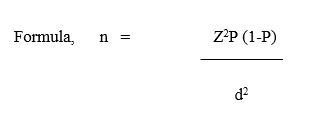
Where n = sample size
P = proportion
Z = corresponding table value for confidence interval
d = corresponding level of significant for the confidence interval
CI = confidence interval
Calculating for the sample size is as follows:
P = 30%
CI = 95%
Z = 1.96
d = 0.05
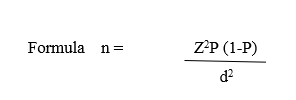
in substituting:
n = 1.962 r 0.3(1-0.3)
0.052
n = 3.8416 r 0.3 r 0.7
0.0025
n = 0.8067
0.0025
n = 322.68
n = 323
using non-response factor of 1.10
n = 323 x (1.10) = 355.3
n ≈ 355
From the above calculated value, the minimum sample size for the study is 355.
2.6 Selection criteria
2.6.1 Inclusion criteria: The selection of participants for inclusion was targeted at adults from the age group of 18-65 years. This age group was supposedly knowledgeable to divulge information voluntarily without necessarily passing through a third party as an informant. Both males and females who fell into this age group were included. The rural and urban communities that were selected by table of random numbers were included for this study. Both males and females who were physically present but gave their consent to participate were included in the study. In this study, housewives, husbands, school teachers, students, health workers, farmers, fishermen, lawyers and traders were included.
2.6.2 Exclusion criteria: Males and females who were below 18 years of age and above 65 years of age were excluded from the selection process. Males and females who fell into this age group of 18-65 years but never gave their consent to participate were excluded from the study. Families and household who decline to participate in the study were excluded. Those persons who though fell between the age group of 18-65 years but were physically absent as at the time of the study were excluded from the study. Again, migrant fisher men and cattle rearer were excluded from this study even though they were qualified for inclusion. However, respondents who decided to decline from participation half way into the interview were free to do so and were equally excluded from the study.
2.7 Methods of data collection
2.7.1 Questionnaire: Primary data was generated by personal interview with participants, use of researcher structured questionnaire. The questionnaire contains 50 items with four sections; section (A) has demographic variables, section (B) has knowledge, attitude, practice variables, section (C) contain biological variables and section (D) have clinical variables. The questionnaire has demographic variables such as age, sex, educational level, income and marital status, while section B have knowledge and attitude-based questions centred on type of diet, pattern of dieting, oral hygiene habits, oral health knowledge and attitude, education, income and other socio-economic factors. Section C was centred on assessment of the pattern of utilization of dental service, while section D was intended to evaluate the oral health status of respondents.
2.7.2 Clinical examination: examination of the hard and soft dental tissues including local examination of teeth surfaces, probing for caries, missing teeth, and filled teeth was done. Intra-oral examination of the soft dental tissue including the gingivae, oral mucosa, tongue and palate was carried out. This was done with the aid of pen torch and daylight.
2.7.3 Training of interviewers: one additional dentist, thirty Dental Surgery Technician (DSA), and two Dental Therapists were trained to administered the questionnaires and assessed the oral health status of participants
2.7.4 Materials and tools of measurement: the materials and equipment that were used in this study include;
- 350 dental probes
- 350 mouth mirrors
- 350 college tweezers
- 350 tongue retractors
- Roll of cotton wools and gauges
- Two packets of facemask
- Disclosing tables
- Teeth model
- Toothpaste
- toothbrush
- Methylated spirit
- Disposable latex gloves
- Instrument trays
- Pen torch
- A4 paper
- Ball pen and pencil
2.7.5 Data management and analysis
Completed questionnaires and oral examination records were checked for completeness, accuracy and consistency. Each questionnaire was assigned a unique identification number to prevent duplicate entry and protect participants’ identities. Responses were coded and entered into Microsoft Excel. The Excel dataset was checked for missing values, coding errors, duplicate records and outliers before being exported to the Statistical Package for the Social Sciences (SPSS version 23) for statistical analysis. Microsoft Excel was also used to organise the data and prepare selected Tables and Figures. Descriptive statistics were used to summarise the participants’ sociodemographic characteristics, oral health knowledge, attitudes, dietary practices, toothbrushing practices and utilisation of dental services. Categorical variables were presented using frequencies and percentages, while continuous variables were summarised using means and standard deviations. The results of the clinical oral examinations were recorded in accordance with the World Health Organization diagnostic criteria. Dental caries experience was assessed using the Decayed, Missing and Filled Teeth (DMFT) index and, where applicable, the Decayed, Missing and Filled Surfaces (DMFS) index. The decayed teeth, missing teeth and filled teeth components were calculated separately. Dental caries prevalence was determined as the proportion of participants who had at least one decayed, missing or filled tooth attributable to dental caries. The chi-square test was used to assess associations between categorical variables, including place of residence, sociodemographic characteristics, oral health knowledge, attitudes, practices and dental caries status. The independent-samples t-test was used to compare mean DMFT scores between two groups, particularly participants from rural and urban communities. Spearman’s rank correlation test was used to assess the relationships between oral health knowledge and attitude scores and the number of decayed teeth. All statistical tests were conducted at a 95% confidence level. A probability value of p < 0.05 was considered statistically significant. The findings were presented using tables, charts and appropriate summary statistics.
2.7.6 Validity and reliability of the research instrument
Validity: The questionnaire and oral examination checklist were developed based on the study objectives, research questions and relevant literature on dental caries. Face and content validity were assessed by experts in dentistry, public health, epidemiology and research methodology. The experts examined the instruments for clarity, relevance, appropriateness, comprehensiveness and consistency with the study objectives. Their observations and recommendations were used to revise ambiguous questions, remove irrelevant items and improve the overall structure of the instruments. The instruments were pretested among adults in a community with characteristics similar to those of the selected study communities but which was not included in the main study. Findings from the pretest were used to assess participants’ understanding of the questions, the appropriateness of the response options and the time required to complete the data collection procedures. Necessary corrections were made before the instruments were used for the main study.
Reliability: The internal consistency of the multi-item sections of the questionnaire was assessed using Cronbach’s alpha coefficient. These sections included questions relating to oral health knowledge, attitudes, dietary practices, toothbrushing practices and use of dental services. A Cronbach’s alpha coefficient of 0.70 was considered evidence of acceptable internal consistency. The reliability of the oral examination was strengthened through the training and calibration of the examiners before data collection. The examiners used the same diagnostic criteria and examination procedures for all participants. A proportion of participants was re-examined to assess intra-examiner and inter-examiner agreement. Cohen’s kappa statistic was used to determine the level of agreement, with a coefficient of 0.70 regarded as acceptable. Standardised instruments, adequate lighting and consistent infection-prevention procedures were maintained throughout the oral examinations.
2.8 Ethical consideration
- Institutional Consent: Ethical approval and institutional permission to conduct the study were obtained from the Bayelsa State Primary Health Care Board Ethics Committee before the commencement of data collection. The approval was issued with reference number PHCB/AD/171/Vol.1/p.59. The researchers complied with the conditions stipulated in the approval and observed established ethical principles throughout the study.
- Community Consent: Permission to conduct the study in the selected rural and urban communities was obtained from the relevant community leaders and local authorities. The purpose, procedures, anticipated benefits and potential risks of the study were explained to them. Community consent facilitated entry into the study sites but did not replace the requirement for individual informed consent from participants.
- Individual Consent: Written informed consent was obtained from each eligible participant before enrolment in the study. Participants were informed about the purpose of the study, the data collection procedures, potential benefits and risks, confidentiality of their information and the voluntary nature of participation. They were also informed of their right to decline participation or withdraw from the study at any time without penalty or loss of access to services. Privacy was maintained during questionnaire administration and oral examination. Participants’ names and other direct personal identifiers were excluded from the research records, while identification codes were used for data management. All collected information was treated confidentially, securely stored and used solely for the purposes of the study.
2.9 Timeline of the study
The study was conducted over five months, from May to September 2026. The activities were implemented as follows:
- Research Planning and Proposal Development - May 2026: The research topic was refined, relevant literature was reviewed, and the study objectives, research questions and methodology were developed. The research proposal and data collection instruments were prepared and reviewed during this period.
- Institutional Consent and Ethical Approval - June 2026: The research proposal, data collection instruments and other required documents were submitted to the relevant institutional authorities. Ethical approval and permission to conduct the study were obtained from the Bayelsa State Primary Health Care Board Ethics Committee, with approval reference number PHCB/AD/171/Vol.1/p.59. Approval was obtained before data collection commenced in the selected rural and urban communities.
- Data Collection Preparedness - July 2026: The questionnaire and oral examination procedures were pretested and revised where necessary. Research assistants were recruited and trained in participant selection, informed consent, questionnaire administration, oral assessment, confidentiality and data-quality assurance. The necessary materials and field logistics were also prepared.
- Data Collection - August 2026: Eligible adults were recruited from the selected rural and urban communities. Informed consent was obtained from each participant, questionnaires were administered, and participants’ dental caries status was assessed. Completed records were reviewed daily for completeness, accuracy and consistency.
- Report Writing and Dissemination - September 2026: The collected data were cleaned, coded, analysed and interpreted. The findings were presented in Tables and Figures, and the final research report was prepared. The results were subsequently disseminated to relevant stakeholders and prepared for scientific presentation and publication.
3. Results
|
Variable |
Urban n = 177 Frequency (%) |
Rural n = 178 Frequency (%) |
Total =355 Frequency (%) |
X2 |
df |
p-value |
|
|
Gender |
male |
89 (50.3) |
90 (50.6) |
179 (50.4) |
0.003 |
1 |
0.958 |
|
female |
88 (49.7) |
88 (49.4) |
176 (49.6) |
||||
|
Age |
18-35 yrs |
85 (48.0) |
84 (47.2) |
169 (47.6) |
0.025 |
1 |
0.875 |
|
36-65 yrs |
92 (52.0) |
94 (52.8) |
186 (52.4) |
||||
|
Marital status |
single |
68 (38.4) |
60 (33.7) |
128 (36.1) |
1.895 |
4 |
0.755 |
|
married |
88 (49.7) |
94 (52.8) |
182 (51.3) |
||||
|
divorced |
5 (2.8) |
8 (4.5) |
13 (3.7) |
||||
|
separated |
8 (4.5) |
10 (5.6) |
18 (5.1) |
||||
|
widow |
8 (4.5) |
6 (3.4) |
14 (3.9) |
||||
|
Ethnic group |
Izon |
132 (74.6) |
135 (75.8) |
267 (75.2) |
5.092 |
3 |
0.165 |
|
Ibo |
27 (15.3) |
25 (14.0) |
52 (14.6) |
||||
|
Yoruba |
8 (4.5) |
2 (1.1) |
10 (2.8) |
||||
|
Others |
10 (5.6) |
16 (9.0) |
26 (7.3) |
||||
|
Employment |
Self - employment |
57 (32.2) |
70 (39.3) |
127 (35.8) |
3.421 |
2 |
0.181 |
|
Gainfully employed |
47 (26.6) |
34 (19.1) |
81 (22.8) |
||||
|
Unemployed |
73 (41.2) |
74 (41.6) |
147 (41.4) |
||||
|
Eduction level |
Primary |
26 (14.7) |
32 (18.0) |
58 (16.3) |
0.712 |
2 |
0.7 |
|
Secondary |
86 (48.6) |
84 (47.2) |
170 (47.9) |
||||
|
Tertiary |
65 (36.7) |
62 (34.8) |
127 (35.8) |
Table 1: Sociodemographic characteristics of respondents.
Table 1 showed that 355 respondents participated in the study, comprising 177 (49.9%) urban and 178 (50.1%) rural residents. The distribution of participants between the two residential settings was therefore approximately equal. Males constituted 179 (50.4%) of the respondents, while females constituted 176 (49.6%). The sex distribution was similar in the urban and rural groups, and no statistically significant difference was observed (X2=0.003, p=0.958). Respondents aged 36-65 years constituted the majority, accounting for 186 (52.4%), while those aged 18-35 years accounted for 169 (47.6%). The age distribution did not differ significantly between urban and rural respondents (X2=0.025, p=0.875). More than half of the respondents were married, representing 182 (51.3%) of the total sample. Single respondents accounted for 128 (36.1%), while relatively small proportions were divorced, separated or widowed. There was no statistically significant difference in marital status between the urban and rural groups (X2=1.895, p=0.755). Most respondents were of Izon ethnicity, accounting for 267 (75.2%) of the participants. Igbo respondents constituted 52 (14.6%), other ethnic groups accounted for 26 (7.3%), and Yoruba respondents constituted 10 (2.8%). Ethnic distribution was not significantly different between urban and rural respondents (X2=5.092, p=0.165). Regarding employment status, 147 (41.4%) respondents were unemployed, 127 (35.8%) were self-employed and 81 (22.8%) were gainfully employed. Although self-employment was more common among rural respondents and gainful employment was more common among urban respondents, the overall difference in employment status was not statistically significant (X2=3.421, p=0.181). Secondary education was the most frequently reported educational level, accounting for 170 (47.9%) respondents. Tertiary education was reported by 127 (35.8%), while 58 (16.3%) had primary education. There was no statistically significant difference in educational attainment between urban and rural respondents (X2=0.712, p=0.700). Overall, the corrected Table 1 demonstrated that the urban and rural groups were broadly comparable in their sociodemographic characteristics. None of the measured characteristics showed a statistically significant rural-urban difference at the 5% significance level.
|
Variables |
Urban n = 177 Frequency (%) |
Rural n = 178 Frequency (%) |
Total =355 Frequency (%) |
X2 |
df |
p-value |
|
Food contribute to tooth decay |
||||||
|
Yes |
98(55.4) |
72(40.4) |
170(47.9) |
7.914 |
1 |
0.005 |
|
No |
79(44.6) |
106(59.6) |
185(52.1) |
1 |
||
|
Sweet causes tooth decay |
||||||
|
Yes |
117(66.1) |
125(70.2) |
242(68.2) |
0.695 |
1 |
0.404 |
|
No |
60(33.9) |
53(29.8) |
113(31.8) |
1 |
||
|
Soft drinks causes tooth decay |
||||||
|
Yes |
115(65.0) |
110(61.8) |
225(63.4) |
0.385 |
1 |
0.535 |
|
No |
62(35.0) |
68(38.2) |
130(36.6) |
1 |
||
|
Rinsed mouth with water after meal |
||||||
|
Yes |
152(85.9) |
144(80.9) |
296(83.4) |
1.586 |
1 |
0.208 |
|
No |
25(14.1) |
34(19.1) |
59(16.6) |
0.208 |
||
|
Dryness of mouth when taking meal |
||||||
|
Yes |
11(6.2) |
26(14.6) |
37(10.4) |
6.695 |
1 |
0.01 |
|
No |
166(93.8) |
152(85.4) |
318(89.6) |
|||
|
Sip liquid to aid swallowing during meal |
||||||
|
Yes |
15(8.5) |
23(12.9) |
38(10.7) |
1.836 |
1 |
0.175 |
|
No |
162(91.5) |
155(87.1) |
317(89.3) |
1 |
||
|
Difficulty in swallowing food |
||||||
|
Yes |
3(1.7) |
6(3.4) |
9(2.5) |
1.009 |
1 |
0.315* |
|
No |
174(98.3) |
172(96.6) |
346(97.5) |
1 |
||
|
Little amount of saliva in the mouth |
||||||
|
Yes |
6(3.4) |
8(4.5) |
14(3.9) |
0.236 |
1 |
0.593 |
|
No |
171(96.6) |
170(95.5) |
341(96.1) |
1 |
||
Table 2: Biological and dietary factors associated with dental caries.
Table 2 showed that 47.9% of the respondents reported that food contributed to dental caries. This awareness was significantly higher among urban respondents (55.4%) than rural respondents (40.4%; p=0.005). Overall, 68.2% reported that sweet foods caused dental caries, while 63.4% stated that soft drinks caused dental caries. However, these responses did not differ significantly between urban and rural participants. Most respondents (83.4%) reported rinsing their mouths with water after meals. Dryness of the mouth during meals was reported by 10.4% of respondents and was significantly more common among rural participants (14.6%) than urban participants (6.2%; p=0.010). Drinking liquids to aid swallowing, difficulty swallowing and having little saliva were relatively uncommon and did not differ significantly according to residence.
|
Sociodemographic characteristics |
Category |
Caries present, n= 173 (%) |
Caries absent, n= 182 (%) |
Total, n= 355 (%) |
X2 |
df |
p-value |
|
Sex |
Male |
85 (49.1) |
94 (51.6) |
179 (50.4) |
0.224 |
1 |
0.636 |
|
Female |
88 (50.9) |
88 (48.4) |
176 (49.6) |
||||
|
Age group |
18-35 yrs |
89 (51.4) |
80 (44.0) |
169 (47.6) |
1.994 |
1 |
0.158 |
|
36-65 yrs |
84 (48.6) |
102 (56.0) |
186 (52.4) |
||||
|
Employment status |
Self-employed |
61 (35.3) |
66 (36.3) |
127 (35.8) |
37.847 |
2 |
<0.001 |
|
Gainfully employed |
62 (35.8) |
19 (10.4) |
81 (22.8) |
||||
|
Unemployed |
50 (28.9) |
97 (53.3) |
147 (41.4) |
Table 3: Association between sociodemographic characteristics and dental caries status.
Table 3 showed that 85 of the 179 male respondents (47.5%) and 88 of the 176 female respondents (50.0%) had dental caries. Although the prevalence was slightly higher among females, there was no statistically significant association between sex and dental caries status (X2 =0.224, df=1, p=0.636). This indicated that dental caries occurred at comparable levels among male and female respondents. Among respondents aged 18-35 years, 89 of 169 (52.7%) had dental caries, compared with 84 of 186 respondents (45.2%) aged 36-65 years. Although dental caries was more prevalent among younger respondents, the difference was not statistically significant (X2 =1.994, df=1, p=0.158). Thus, age group was not significantly associated with dental caries status. Employment status was significantly associated with dental caries status (X2 =37.847, df=2, p<0.001). Dental caries was found among 61 of 127 self-employed respondents (48.0%), 62 of 81 gainfully employed respondents (76.5%) and 50 of 147 unemployed respondents (34.0%). Gainfully employed respondents recorded the highest prevalence of dental caries, while unemployed respondents recorded the lowest prevalence. Overall, sex and age group were not significantly associated with dental caries status. Employment status was the only sociodemographic characteristic in Table 3 that demonstrated a statistically significant association with dental caries. However, the observed association did not establish a causal relationship between employment and dental caries.
|
Variables |
Dental caries status |
Urban n = 177, (%) |
Rural n=178, (%) |
Total=355, n (%) |
X2 |
df |
p-value |
|
Teeth decay status |
Present |
65 (36.7) |
108 (60.7) |
173 (48.7) |
20.38 |
1 |
<0.001 |
|
Absent |
112 (63.3) |
70 (39.3) |
182 (51.3) |
||||
|
Total |
177 (100.0) |
178 (100.0) |
355 (100.0) |
Table 4: Dental caries status among urban and rural respondents.
Table 4 showed that 173 of the 355 respondents had dental caries, giving an overall prevalence of 48.7%. Dental caries was present among 60.7% of rural respondents, compared with 36.7% of urban respondents. Conversely, the proportion without dental caries was higher among urban respondents (63.3%) than rural respondents (39.3%). There was a statistically significant association between place of residence and dental caries status (X2=20.38, df=1, p<0.001)). Rural respondents were approximately 1.65 times as likely to have dental caries as urban respondents. The findings indicated that rural respondents experienced a significantly greater burden of dental caries.
|
variable |
Number examined |
Dental caries (%) |
Mean DT |
Mean MT |
Mean FT |
Mean DMFT |
|
Urban |
177 |
65 (36.7) |
0.08 |
0.12 |
0.68 |
0.88 |
|
Rural |
178 |
108 (60.7) |
0.65 |
0.56 |
0.24 |
1.45 |
|
Weighted Total |
355 |
173 (48.7) |
0.37 |
0.34 |
0.46 |
1.17 |
Table 5: Prevalence of dental caries among rural and urban respondents.
Table 5 showed that dental caries affected 173 of 355 respondents (48.7%). Prevalence was higher among rural respondents (60.7%; 108/178) than urban respondents (36.7%; 65/177), a difference of 24 percentage points. The mean DMFT score was also higher among rural respondents (1.45) than urban respondents (0.88), while the weighted overall mean was 1.17. Rural respondents had higher mean decayed teeth (DT: 0.65 vs. 0.08) and missing teeth (MT: 0.56 vs. 0.12). Urban respondents had a higher mean of filled teeth (FT: 0.68 vs. 0.24).
|
Variable |
Number examined |
Mean DMFT |
STD |
t |
df |
p-value |
|
Urban |
177 |
0.88 |
2.591 |
-2.15 |
353 |
0.032 |
|
Rural |
178 |
1.45 |
2.405 |
Table 6: Comparison of mean decayed, missing, and filled teeth (DMFT) scores between rural and urban respondents.
Table 6 showed that rural respondents had a higher mean DMFT score (1.45, SD = 2.405) than urban respondents (0.88, SD = 2.591). The difference of 0.57 points was statistically significant, t (353) = −2.15, p =0.032. This suggested a greater average burden of decayed, missing, and filled teeth among rural respondents.
|
Variables |
Category |
Teeth decay status |
Total, n (%) |
x2 |
df |
p-value |
|
|
present absent |
|||||||
|
n=173 n=182 |
|||||||
|
Received oral health information |
Yes |
137 (79.2) |
122 (67.0) |
259 (73.0) |
6.645 |
1 |
0.01 |
|
No |
36 (20.8) |
60 (33.0) |
96 (27.0) |
||||
|
Use toothbrush & toothpaste |
Yes |
40 (23.1) |
145 (79.7) |
185 (52.1) |
113.651 |
1 |
<0.001 |
|
No |
133 (76.9) |
37(20.3) |
170 (47.9) |
||||
|
Type of food commonly consumed |
Bread |
39 (22.5) |
17 (9.3) |
56 (15.8) |
75.516 |
4 |
<0.001 |
|
Snacks |
62 (35.8) |
50 (27.5) |
112 (31.5) |
||||
|
Chocolate |
34 (19.7) |
10 (5.5) |
44 (12.4) |
||||
|
Garri |
18 (10.4) |
93 (51.1) |
111 (31.3) |
||||
|
Others |
20 (11.6) |
12 (6.6) |
32 (9.0) |
||||
|
Type of soft drink commonly consumed |
Coke, Pepsi & Fanta |
140 (80.9) |
40 (22.0) |
180 (50.7) |
123.473 |
3 |
<0.001 |
|
Beverage drink |
20 (11.6) |
80 (44.0) |
100 (28.2) |
||||
|
Malt drink |
10 (5.8) |
50 (27.5) |
60 (16.9) |
||||
|
Others |
3 (1.7) |
12 (6.6) |
15 (4.2) |
||||
|
Had visited dentist |
Yes |
44 (25.4) |
80 (44.0) |
124 (34.9) |
13.388 |
1 |
<0.001 |
|
No |
129 (74.6) |
102 (56.0) |
231 (65.1) |
||||
|
Once |
160 (92.5) |
20 (11.0) |
180 (50.7) |
237.143 |
3 |
<0.001 |
|
|
Twice |
7 (4.0) |
44 (24.2) |
51 (14.4) |
||||
|
Three times |
3 (1.7) |
88 (48.4) |
91 (25.6) |
||||
|
Others |
3 (1.7) |
30 (16.5) |
33 (9.3) |
||||
|
Duration of toothbrushing |
One minutes |
29 (16.8) |
25 (13.7) |
54 (15.2) |
1.513 |
4 |
0.824 |
|
Two minutes |
53 (30.6) |
51 (28.0) |
104 (29.3) |
||||
|
Three minutes |
41 (23.7) |
45 (24.7) |
86 (24.2) |
||||
|
Four minutes |
14 (8.1) |
19 (10.4) |
33 (9.3) |
||||
|
No idea |
36 (20.8) |
42 (23.1) |
78 (22.0) |
||||
Table 7: Association between oral health information, dietary practices, oral hygiene practices and dental caries status.
Table 7 presented the associations between oral health information, dietary practices, oral hygiene practices and dental caries status among the 355 respondents. Receipt of oral health information was significantly associated with dental caries status (X2 =6.645, df=1, p=0.010). Among respondents with dental caries, 79.2% had received oral health information, compared with 67.0% of those without dental caries. Although oral health information was more frequently reported among respondents with dental caries, the finding did not establish that such information caused dental caries. Some respondents might have received oral health information after developing dental problems or seeking treatment. Use of a toothbrush and toothpaste was significantly associated with dental caries status (X2=135.901, df=1, p<0.001). Use of a toothbrush and toothpaste was significantly associated with dental caries status (X2=113.651, df=1, p<0.001). Only 23.1% of respondents with dental caries used a toothbrush and toothpaste, compared with 79.7% of those without dental caries. Conversely, 76.9% of respondents with dental caries did not use a toothbrush and toothpaste. These findings indicated that the use of a toothbrush and toothpaste was more common among respondents without dental caries. The type of food commonly consumed was significantly associated with dental caries status (X2=75.516, df=4, p<0.001). Snacks were the most frequently consumed food among respondents with dental caries, accounting for 35.8%, followed by bread at 22.5% and chocolate at 19.7%. Garri was the most frequently consumed food among respondents without dental caries, accounting for 51.1%. These findings indicated that respondents who consumed snacks, bread and chocolate were disproportionately represented among those with dental caries. The type of soft drink consumed was also significantly associated with dental caries status (X2=123.473, df=3), p<0.001). Coke, Pepsi and Fanta were consumed by 80.9% of respondents with dental caries, compared with 22.0% of those without dental caries. Beverage drinks and malt drinks were more frequently reported among respondents without dental caries. The findings indicated that consumption of carbonated soft drinks was strongly associated with dental caries status. Nevertheless, the cross-sectional design did not establish a causal relationship. Previous dental attendance was significantly associated with dental caries status (X2=13.388, df=1, p<0.001). Only 25.4% of respondents with dental caries had visited a dentist, compared with 44.0% of those without dental caries. In contrast, 74.6% of respondents with dental caries had never visited a dentist. This finding suggested that non-utilisation of professional dental services was more common among respondents with dental caries. Daily toothbrushing frequency was significantly associated with dental caries status (X2=237.143, df=3, p<0.001). Among respondents with dental caries, 92.5% brushed once daily, while 4.0% brushed twice daily and 1.7% brushed three times daily. In contrast, 48.4% of respondents without dental caries brushed three times daily, 24.2% brushed twice daily and only 11.0% brushed once daily. Thus, brushing only once daily was substantially more common among respondents with dental caries, whereas more frequent brushing was more common among those without dental caries. The duration of toothbrushing was not significantly associated with dental caries status (X2=1.513, df=4, p=0.824). Two minutes was the most frequently reported brushing duration among respondents with dental caries (30.6%) and those without dental caries (28.0%). The distribution of brushing duration was similar across both groups, indicating that brushing duration alone did not significantly differentiate respondents according to dental caries status. Overall, receipt of oral health information, use of a toothbrush and toothpaste, type of food consumed, type of soft drink consumed, previous dental attendance and daily toothbrushing frequency were significantly associated with dental caries status. Toothbrushing duration was the only factor in Table 7 that did not demonstrate a statistically significant association with dental caries.
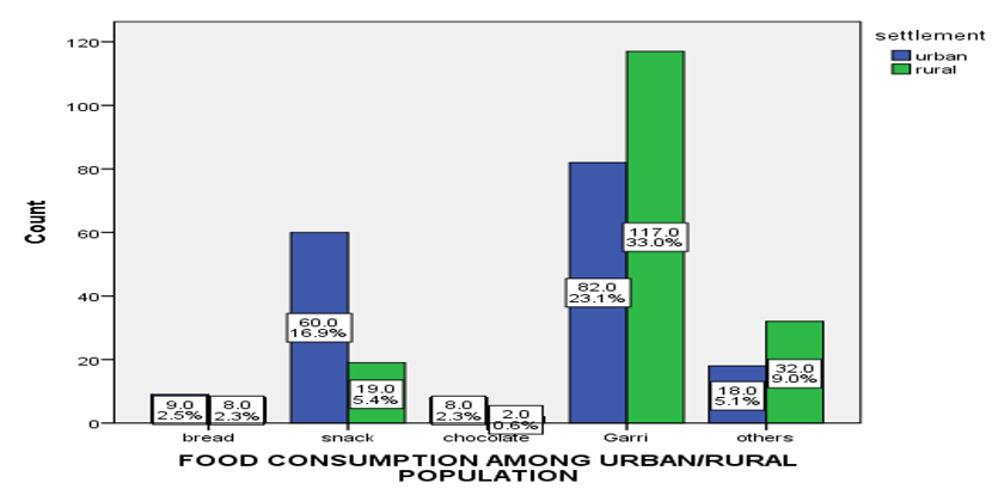
Figure 1: Types of food commonly consumed by rural and urban respondents
Figure 1 showed that garri was the most frequently consumed food in both groups, reported by 82 urban respondents (23.1% of the total sample) and 117 rural respondents (33.0%). Snacks were consumed more frequently by urban respondents than rural respondents, with 60 urban respondents compared with 19 rural respondents. Bread and chocolate consumption was relatively low in both groups. Foods classified as “others” were more frequently consumed by rural respondents than urban respondents. Overall, the Figure demonstrated differences in food-consumption patterns between the two residential groups, particularly for garri and snacks.
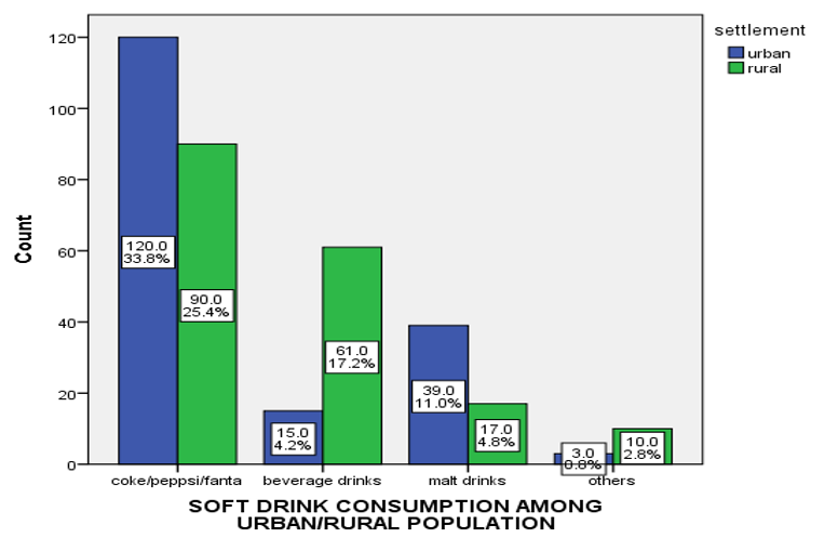
Figure 2: Respondents’ consumption of soft drink.
Figure 2 showed that Coke, Pepsi and Fanta were the most commonly consumed soft drinks, reported by 120 urban and 90 rural respondents. Beverage drinks were more frequently consumed by rural respondents, while malt drinks were more frequently consumed by urban respondents. Drinks classified as “others” were the least frequently consumed in both groups. The Figure indicated that carbonated soft-drink consumption was common among both rural and urban respondents, although urban respondents recorded a higher consumption of Coke, Pepsi and Fanta.
4. Discussions
The study found that dental caries had been significantly less prevalent among urban respondents than among rural respondents. Dental caries had been present in 36.7% of urban respondents and 60.7% of rural respondents (χ² = 20.38, df = 1, p < 0.001). The mean DMFT score had also been significantly lower in the urban population (0.88) than in the rural population (1.45; t = −2.15, df = 353, p = 0.032). These findings had indicated that rural respondents experienced a greater burden of dental caries despite the broadly similar consumption of refined carbohydrates in both populations.
The similarity in refined-carbohydrate consumption had suggested that diet alone did not adequately explain the rural-urban difference. Dental caries had been a multifactorial disease influenced by the frequency of sugar consumption, accumulation of dental plaque, fluoride exposure, oral-hygiene practices, access to preventive dental services and other biological and socioeconomic factors. The World Health Organization had explained that dental caries developed when bacteria in dental plaque converted free sugars into acids that progressively destroyed tooth structure. Continued consumption of free sugars, inadequate fluoride exposure and insufficient removal of dental plaque had increased the risk of caries development [54].
The relatively lower prevalence of dental caries among urban respondents might have been partly explained by their better oral-hygiene practices. The study found a statistically significant association between the use of a toothbrush and toothpaste and dental-caries status (χ² = 113.651, df = 1, p < 0.001). Only 23.1% of respondents with dental caries had used a toothbrush and toothpaste, compared with 79.7% of respondents without dental caries. Daily toothbrushing frequency had also been significantly associated with dental-caries status (χ² = 237.143, df = 3, p < 0.001). These findings had suggested that regular toothbrushing and the use of toothpaste might have reduced the effects of similar dietary exposure among urban respondents.
The protective effect might have been greater when the toothpaste contained fluoride. Fluoride had strengthened the enamel, promoted remineralisation of early lesions and increased resistance to repeated acid attacks. The World Health Organization had recommended twice-daily toothbrushing with toothpaste containing 1,000-1,500 ppm fluoride for the prevention of dental caries. The findings had agreed with Oyedele et al [55], who reported that fair and poor oral hygiene had significantly increased the likelihood of dental caries in a Nigerian population.
The rural-urban difference observed in the study had also been consistent with the findings of Akinsolu et al [12]. Their systematic review and meta-analysis of studies conducted in Nigeria reported that the pooled prevalence of dental caries had been higher in rural areas than in urban areas. The agreement between these findings had suggested that geographical inequalities in oral-health promotion, preventive behaviour and access to dental services might have contributed to the unequal distribution of dental caries.
Urban residents had been more frequently exposed to medical and dental outreach programmes, annual oral-health weeks, awareness campaigns, and radio and television programmes involving dental professionals. During these activities, dental professionals had demonstrated appropriate toothbrushing techniques and provided information about brushing frequency, fluoride toothpaste, dietary risk factors and the importance of visiting a dental clinic. Repeated exposure to these messages might have improved knowledge, risk perception and preventive practices among urban residents.
Mass-media programmes had offered an opportunity to reach large segments of the population and repeatedly communicate oral-health messages. Goldberg et al [56] found that mass-media oral-health campaigns had generally improved knowledge of oral-disease risk factors, symptoms and preventive practices. However, previous systematic reviews had shown that oral-health education alone had produced consistent improvements in knowledge but had not always resulted in sustained reductions in dental caries. Consequently, the relatively lower urban prevalence might not have resulted from media messages alone. It might instead have reflected the combined effect of repeated education, practical toothbrushing demonstrations, access to fluoride toothpaste, dental screening, professional preventive care and early referral.
The study further found that receipt of oral-health information had been significantly associated with dental-caries status (χ² = 6.645, df = 1, p = 0.010). Oral-health information had been received by 79.2% of respondents with dental caries, compared with 67.0% of respondents without caries. It did not indicate that receiving oral-health information had increased the occurrence of dental caries. Rather, individuals who had developed dental pain, tooth sensitivity or other symptoms might have visited a dental clinic and subsequently received oral-health information from dental professionals. This explanation had been supported by the finding that dental attendance was significantly associated with dental-caries status (χ² = 13.388, df = 1, p < 0.001). Dental visits in the population might have been predominantly symptom-driven instead of preventive. Therefore, some respondents might have acquired oral-health information only after dental caries had developed or after pain had prompted them to seek professional care. This pattern had represented possible reverse causation, in which the disease or its symptoms had preceded exposure to oral-health information.
Furthermore, because dental caries reflected the cumulative effects of behaviours and exposures over time, information received shortly before the survey might not have been sufficient to reverse lesions that had already developed. Consequently, the higher proportion of respondents with caries who had received oral-health information could have reflected their greater contact with dental professionals after the onset of symptoms rather than the failure of oral-health education. The cross-sectional design could not have established the chronological order between receipt of information and development of dental caries.
Access to dental services might also have contributed to the lower prevalence among urban respondents. Dental facilities and professionals had generally been more accessible in urban and peri-urban communities, while rural residents might have experienced geographical, transportation and financial barriers. These barriers could have delayed preventive examinations and treatment, allowing early lesions to progress into clinically detectable dental caries. The World Health Organization had similarly identified the unequal distribution of oral-health professionals, inadequate facilities and treatment costs as major barriers to oral healthcare, particularly in underserved populations [57].
Overall, the findings had demonstrated that similar consumption of refined carbohydrates did not necessarily result in an equal prevalence of dental caries. The lower prevalence among urban respondents might have been associated with better toothbrushing practices, greater use of toothbrushes and fluoride toothpaste, repeated exposure to oral-health campaigns, and better access to outreach and dental services. The higher receipt of oral-health information among respondents with caries had most likely reflected symptom-driven dental attendance and the acquisition of information after the onset of pain or other dental symptoms. The findings therefore supported the extension of regular oral-health campaigns, practical toothbrushing demonstrations, affordable fluoride toothpaste, mobile dental outreach, preventive screening and referral services to rural and underserved communities.
5. Conclusion
The study found that dental caries affected nearly half of the adults examined in the selected communities, and prevalence was significantly higher among rural residents than urban residents. Rural participants also had a higher mean DMFT score, indicating a greater burden of decayed, missing, and filled teeth. Caries status was associated with employment, access to oral-health information, use of toothbrush and toothpaste, food and soft-drink choices, dental visits, and toothbrushing frequency. Because the study used a cross-sectional design, these associations did not establish cause and effect. The findings supported strengthening oral-health education, preventive practices, screening, and access to dental services, particularly in rural communities.
Acknowledgement
The author sincerely acknowledged the Ethics Committee of the Bayelsa State Primary Health Care Board for reviewing and approving the study. Appreciation was extended to the data enumerators for their dedication and diligence during data collection. The author was also grateful to the community leaders for facilitating access to the selected communities and supporting the fieldwork. Finally, special appreciation was expressed to all participants who voluntarily provided their time, information and cooperation, without whom the study would not have been possible.
Author’s Contribution
Ebiakpor Bainkpo Agbedi conceptualized the study and was responsible for its methodology, supervision, data curation and formal analysis. He also prepared, reviewed and approved the final manuscript.
Conflict of interest
The study was financed entirely through the author’s personal savings. No financial or material support was received from any government institution, donor partner, company or professional body. The author declared that he had no financial, professional or personal conflicts of interest that could have influenced the conduct, analysis, interpretation or reporting of the study.
References
- Pitts, N.B., Zero, D.T., Marsh, P.D., Ekstrand, K., Weintraub, J.A., Ramos-Gomez, F., Tagami, J., Twetman, S., Tsakos, G., Ismail, A.: Dental caries. Nat. Rev. Dis. Primers. 3, (2017). https://doi.org/10.1038/nrdp.2017.30
- Pitts, N.B., Twetman, S., Fisher, J., Marsh, P.D.: Understanding dental caries as a non-communicable disease. Br. Dent. J. 231, 749-753 (2021). https://doi.org/10.1038/s41415-021-3775-4
- Lanfranco, L.P., Eggers, S.: Caries Through Time: An Anthropological Overview. (2004)
- Adil Ghalib Fadhil, B.: Epidemiology of Dental Caries 5 th lecture. (2005)
- Karsten, J.K., Heins, S.E., Madden, G.D., Sokhatskyi, M.P.: Dental Health and the Transition to Agriculture in Prehistoric Ukraine: A Study of Dental Caries. Eur. J. Archaeol. 18, 562-579 (2015). https://doi.org/10.1179/1461957115y.0000000004
- Raoult, D., Foti, B., Aboudharam, G.: Historical and geographical parallelism between the incidence of dental caries, Streptococcus mutans and sugar intake. Eur. J. Epidemiol. 28, 709-710 (2013). https://doi.org/10.1007/s10654-013-9826-7
- Grimoud, A.M., Lucas, S., Sevin, A., Georges, P., Passarrius, O., Duranthon, F.: Frequency of dental caries in four historical populations from the chalcolithic to the middle ages. Int. J. Dent. (2011). https://doi.org/10.1155/2011/519691
- Teshome, A., Muche, A., Girma, B.: Prevalence of Dental Caries and Associated Factors in East Africa, 2000-2020: Systematic Review and Meta-Analysis. Front. Public Health. 9, (2021). https://doi.org/10.3389/fpubh.2021.645091
- Judith, M., Nsanzabera, C.: Prevalence and Factors Associated with Dental Caries among Patients Attending Gahini District Hospital, Rwanda. International Journal of Healthcare Sciences. 13, 250-266 (2025). https://doi.org/10.5281/zenodo.15687394
- Mohamad, I., Zulkifli, S., Soleh, M., Rahman, R.: Ludwig’s Angina: The Importance of Oral Cavity Examination in Patients with a Neck Mass. Malaysia Family Physician. 7, (2012)
- Akpata, E.S.: Oral health in Nigeria. Int. Dent. J. 54, 361-366 (2004)
- Akinsolu, F.T., Abodunrin, O.R., Chukwuemeka, A., Olagunju, M.T., Adewole, I.E., Salako, A.O., Eleje, G.U., Ehizele, A.O., Lusher, J., Owotade, F., Ezechi, O.C., Foláyan, O.: Prevalence of dental caries in the primary, mixed and permanent dentitions in Nigeria: A systematic review and meta-analysis. PLoS One. 21, (2026). https://doi.org/10.1371/journal.pone.0349112
- Powell, L.V.: Caries risk assessment: Relevance to the practitioner. The Journal of the American Dental Association. 129, 349-353 (1998). https://doi.org/10.14219/JADA.ARCHIVE.1998.0209
- Powell, L.V.: Caries-Risk Assessment and Management for Infants, Children, and Adolescents. American Academy of Pediatric Dentistry. (2022)
- Rethman, J.: Trends in preventive care: Caries risk assessment and indications for sealants. The Journal of the American Dental Association. 131, 8S-12S (2000). https://doi.org/10.14219/JADA.ARCHIVE.2000.0396
- Fontana, M., Gonzalez-Cabezas, C.: Evidence-Based Dentistry Caries Risk Assessment and Disease Management, (2019)
- Bartoloni, J.A., Chao, S.Y., Martin, G.C., Caron, G.A.: Dental caries risk in the U.S. Air Force. The Journal of the American Dental Association. 137, 1582-1591 (2006). https://doi.org/10.14219/JADA.ARCHIVE.2006.0094
- 2009: Construction of a dental caries prediction model by data mining. J. Oral Sci. 51, 61-68
- Lim, S.W., Wu, J., Tian, Z., Kim, Y.W., Lim, S., Choi, S.G., Park, H., Kang, J.W., Choi, J.Y., Kim, D.W.: Sugar consumption and its role in dental caries: Insights from a 2-sample Mendelian randomization study. Medicine. 104, e46479 (2025). https://doi.org/10.1097/MD.0000000000046479
- Lim, S., Sohn, W., Burt, B.A., Sandretto, A.M., Kolker, J.L., Marshall, T.A., Ismail, A.I.: Cariogenicity of Soft Drinks, Milk and Fruit Juice in Low-Income African-American Children: A Longitudinal Study. The Journal of the American Dental Association. 139, 959-967 (2008). https://doi.org/10.14219/JADA.ARCHIVE.2008.0283
- Tanaka, K., Miyake, Y., Sasaki, S.: Intake of dairy products and the prevalence of dental caries in young children. J. Dent. 38, 579-583 (2010). https://doi.org/10.1016/J.JDENT.2010.04.009
- Miura, H., Araki, Y., Haraguchi, K., Arai, Y., Umenai, T.: Socioeconomic factors and dental caries in developing countries: A cross-national study. Soc. Sci. Med. 44, 269-272 (1997). https://doi.org/10.1016/S0277-9536(96)00167-0
- Cianetti, S., Lombardo, G., Lupatelli, E., Rossi, G., Abraha, I., Pagano, S., Paglia, L.: Dental caries, parents educational level, family income and dental service attendance among children in Italy. Eur. J. Paediatr. Dent. 18, (2017)
- Kumar, G., Jalaluddin, M., Singh, D.: Tooth Brush and Brushing Technique. Journal of Avances in Medicine. 2, (2013)
- Ilyas, M., Ashraf, S., Jamil, H.: Tooth brushing techniques. The Professional Medical Journal. 25, 135-139 (2018). https://doi.org/10.29309/tpmj/18.4429
- Qiu, W., Zhou, Y., Li, Z., Huang, T., Xiao, Y., Cheng, L., Peng, X., Zhang, L., Ren, B.: Application of Antibiotics/Antimicrobial Agents on Dental Caries. Biomed Res. Int. 2020, (2020). https://doi.org/10.1155/2020/5658212
- Takenaka, S., Sotozono, M., Ohkura, N., Noiri, Y.: Evidence on the Use of Mouthwash for the Control of Supragingival Biofilm and Its Potential Adverse Effects. Antibiotics. 11, (2022). https://doi.org/10.3390/antibiotics11060727
- Lo, E., Lin, H., Wang, Z., Wong, M., Schwarz, E.: Utilization of Dental Services in Southern China. J. Dent. Res. 80, 471-1474 (2001)
- Maharani, D.: Perceived need for and utilization of dental care in Indonesia in 2006 and 2007: A secondary analysis. J. Oral Sci. 51, 545-550 (2009)
- Sayegh, A., Dini, E.L., Holt, R.D., Bedi, R.: Oral health, sociodemographic factors, dietary and oral hygiene practices in Jordanian children. J. Dent. 33, 379-388 (2005). https://doi.org/10.1016/J.JDENT.2004.10.015
- Burt, B.A., Kolker, J.L., Sandretto, A.M., Yuan, Y., Sohn, W., Ismail, A.I.: Dietary patterns related to caries in a low-income adult population. Caries Res. 40, 473-480 (2006). https://doi.org/10.1159/000095645
- Parisotto, T.M., Steiner-Oliveira, C., Duque, C., Peres, R.C.R., Rodrigues, L.K.A., Nobre-dos-Santos, M.: Relationship among microbiological composition and presence of dental plaque, sugar exposure, social factors and different stages of early childhood caries. Arch. Oral Biol. 55, 365-373 (2010). https://doi.org/10.1016/j.archoralbio.2010.03.005
- What is the Stephan Curve?
- WHO: Sugars and dental caries. (2025)
- Dye, B.A., Shenkin, J.D., Ogden, C.L., Marshall, T.A., Levy, S.M., Kanellis, M.J.: The relationship between healthful eating practices and dental caries in children aged 2-5 years in the United States, 1988-1994. The Journal of the American Dental Association. 135, 55-66 (2004). https://doi.org/10.14219/JADA.ARCHIVE.2004.0021
- Almishkhas, S.I., Sulaimani, O.M., Almutairi, M.R., Baazeem, R.S., Alwadi, M.A., Alkhadra, S.S., Alanazi, M.M.: The Preventive Role of Fluoride in Dental Caries Management: Mechanisms, Efficacy, and Clinical Applications. Saudi Journal of Medicine and Public Health (SJMPH) Saudi J. Med. Pub. Health. 2, 1-11 (2025)
- Yeh, C.-H., Wang, Y.-L., Thuy, T., Vo, T., Lee, Y.-C., Lee, I.-T.: Fluoride in Dental Caries Prevention and Treatment: Mechanisms, Clinical Evidence, and Public Health Perspectives. Healthcare. 13, 2246 (2025). https://doi.org/10.3390/healthcare
- Waldbott, G.L.: Perspectives in Nutrition. Am. J. Clin. Nutr. 12, 455-462 (1963). https://doi.org/10.1093/AJCN/12.6.455
- Mark, A.M.: Sources of fluoride. Journal of the American Dental Association. 154, 360 (2023). https://doi.org/10.1016/j.adaj.2023.02.001
- Jones, S., Burt, B.A., Petersen, P.E., Lennon, M.A.: The effective use of fluorides in public health. Bull. World Health Organ. 83, 670-676 (2005)
- Goose, D.H., Brayshaw, B.: Tooth morphology and dental caries. Public Health. 86, 137-141 (1972). https://doi.org/10.1016/S0033-3506(72)80025-8
- Paiva, M.A.A. de, Leite, D.F.B.M., Farias, I.A.P., Costa, A. de P.C., Sampaio, F.C.: Dental Anatomical Features and Caries: A Relationship to be Investigated. In: Dental Anatomy. InTech (2018)
- Zahid, N., Qureshi, S.W., Nawaz, M.S., Ikram, A.M., Amin, G., Hassan, A.U., Tariq, A.: Association of dental caries with malocclusion: A observational study. Pak. J. Sci. 73, (2021)
- Kolawole, K.A., Folayan, M.O.: Association between malocclusion, caries and oral hygiene in children 6 to 12 years old resident in suburban Nigeria. BMC Oral Health. 19, (2019). https://doi.org/10.1186/s12903-019-0959-2
- Dodds, M., Roland, S., Edgar, M., Thornhill, M.: Saliva A review of its role in maintaining oral health and preventing dental disease. British Dental Association. 2, (2015). https://doi.org/10.1038/bdjteam.2015.123
- Dawes, C., Pedersen, A.M.L., Villa, A., Ekström, J., Proctor, G.B., Vissink, A., Aframian, D., McGowan, R., Aliko, A., Narayana, N., Sia, Y.W., Joshi, R.K., Jensen, S.B., Kerr, A.R., Wolff, A.: The functions of human saliva: A review sponsored by the World Workshop on Oral Medicine. Arch. Oral Biol. 60, 863-874 (2015). https://doi.org/10.1016/j.archoralbio.2015.03.004
- Stookey, G.K.: The effect of saliva on dental caries. The Journal of the American Dental Association. 139, 11S-17S (2008). https://doi.org/10.14219/JADA.ARCHIVE.2008.0347
- Zaman Kareem Hanan, Adnan abed azeez alazraqi, Shamam K. Oudah: The Role of Diet, Salivary pH and Plaque in Dental Caries Development. Future Dental Research. 3, 71-76 (2025). https://doi.org/10.57238/fdr.2024.152576.1020
- Ștefârță, A., Brătoiu, M.R., Rădoi, M.A., Mercuț, V., Ionescu, M., Scrieciu, M., Petcu, I.C., Mărășescu, P.C., Amărăscu, M.O., Popescu, A.M., Vlăduțu, D.E.: Assessment of Salivary Parameters—pH, Buffering Capacity and Flow-Associated with Caries Susceptibility. Diagnostics. 16, (2026). https://doi.org/10.3390/diagnostics16040625
- Sabbah, W., Tsakos, G., Chandola, T., Sheiham, A., Watt, R.: Social Gradients in Oral and General Health. J. Dent. Res. 86, 992-996 (2007)
- Jenkins, G.: The Physiology and Biochemistry of the Mouth. Blackwell Scientific Publications, London (1978)
- Purkait, S.K.: Essentials of Oral Pathology. Jaypee Brothers Medical Publishers Ltd, New Delhi (2003)
- DENTAL CARIES.
- WHO: Global oral health status report: towards universal health coverage for oral health by 2030: regional summary of the Africa Region. (2023)
- Oyedele, T.A., Fadeju, A.D., Adeyemo, Y.I., Nzomiwu, C.L., Ladeji, A.M.: Impact of oral hygiene and socio-demographic factors on dental caries in a suburban population in Nigeria. European Archives of Paediatric Dentistry. 19, 155-161 (2018). https://doi.org/10.1007/s40368-018-0342-z
- Goldberg, E., Eberhard, J., Bauman, A., Smith, B.J.: Mass media campaigns for the promotion of oral health: a scoping review. BMC Oral Health. 22, (2022). https://doi.org/10.1186/s12903-022-02212-3
- WHO: Oral Health Fact Sheet. (2025).