Akhil VP1, Shagufta Naaz2, Adil Asghar3, Poonam Kumari4, Satish Kumar5, Rajesh Kumar6, Shashi Kant7*
1MD, Assistant Professor, Department of Anaesthesiology, Government Medical College Idukki, Kerala, India
2MD, Professor, Department of Anaesthesiology, All India Institute of Medical Sciences (AIIMS) Patna, Patna, Bihar, India
3 MS, Professor, Department of Anatomy, All India Institute of Medical Sciences (AIIMS) Patna, Patna, Bihar, India
4 MD, Additional Professor, Department of Anaesthesiology, All India Institute of Medical Sciences (AIIMS) Patna, Patna, Bihar, India
5MD, Senior Resident, Department of Anaesthesiology, All India Institute of Medical Sciences (AIIMS) Patna, Patna, Bihar, India
6MD, Assistant Professor, Department of Anaesthesiology, All India Institute of Medical Sciences (AIIMS) Patna, Patna, Bihar, India
7MD, Assistant Professor, Department of Anaesthesiology, All India Institute of Medical Sciences (AIIMS) Patna, Patna, Bihar, India
*Corresponding Author: Dr Shashi Kant, Assistant Professor, Anesthesiology, AIIMS Patna, Patna, Bihar, India.
Received: 01 July 2026; Accepted: 09 July 2026; Published: XX- July 2026
Background: This study aimed to investigate the predictive significance of serum albumin levels in patients with sepsis upon admission to the ICU, focusing on their total norepinephrine dose, fluid requirements, lactate level changes within the first 24 hours, and seven-day mortality.
Design: This was a single-center observational prospective study.
Setting: It was performed in the critical care setting.
Patients: It comprised individuals with sepsis who were admitted to the ICU.
Interventions: None.
Measurements and main results This study of 60 patients used inferior vena cava (IVC) indices to guide fluid administration and vasopressors to maintain a mean arterial pressure above 65 mmHg. The correlation between serum albumin, total dose of noradrenaline, fluids administered, and lactate level changes were calculated. Ordinal regression was used to predict the total dose of noradrenaline, while Pearson’s product-moment correlation assessed the relationship between total fluids administered and serum albumin. Binomial logistic regression was used to predict seven-day mortality based on serum albumin level. A strong negative correlation was found between serum albumin and noradrenaline total dose, with an accuracy of 81.7%, a sensitivity of 95%, and a specificity of 83%. Serum albumin was a robust predictor of seven-day mortality with a predictive accuracy of 66.7%, sensitivity of 91.7%, and specificity of 29.2%. However, no significant association was found between serum albumin and total fluid requirements or changes in lactate levels during the first 24 hours (p-value >0.05).
Conclusion: Serum albumin levels significantly affect norepinephrine requirements and mortality in sepsis patients. However, the association between fluid requirements and lactate levels with serum albumin was not significant during the first 24 hours of ICU admission. Validating these findings within a diverse patient cohort is crucial.
Key Points: Research Question: Does the serum albumin level at the time of intensive care unit admission in patients with sepsis have prognostic value about the total norepinephrine dose, fluid requirements, changes in lactate levels within the first 24 hours, and seven-day mortality?
Findings: This observational study found a strong, statistically significant negative correlation between serum albumin and noradrenaline total dose (R = –0.705, p < 0.001).
Meanings: Serum albumin levels significantly impact norepinephrine requirements and seven-day mortality in sepsis patients.
Serum albumin; Sepsis; Noradrenaline; Septic shock; Intensive care unit; Mortality; Lactate; Fluid resuscitation
Serum albumin articles; Sepsis articles; Noradrenaline articles; Septic shock articles; Intensive care unit articles; Mortality articles; Lactate articles; Fluid resuscitation articles
Introduction
Albumin is essential for endothelial glycocalyx integrity. It regulates oncotic blood pressure and balances circulating and interstitial fluid volumes to maintain intravascular volume [1,2]. Serum albumin (SA) is a negative acute phase protein that characterizes acute illness [3]. Critically ill patients with hypoalbuminemia have low SA levels despite adequate albumin intake. The main cause is increased SA loss due to vascular permeability exceeding synthetic capacity. A low SA value in critically ill patients often indicates a poor prognosis [4]. Sepsis-3 defines sepsis as a dysregulated host response to infection that leads to life-threatening organ dysfunction, with septic shock characterized by profound circulatory, cellular, and metabolic disorders [5]. Septic shock is clinically manifested by persistent hypotension, with significantly increased mortality rates. This condition is defined by the need for vasopressors to sustain a mean arterial pressure (MAP) of at least 65 mmHg, and a serum lactate level of more than two mmol/L (18 mg/dL), despite adequate volume resuscitation [6]. Intravenous fluid administration is a central component of sepsis treatment and serves to maintain and improve intravascular volume, tissue perfusion, and oxygen delivery. However, it is essential to recognize that excessive fluid intake can lead to adverse outcomes, including pulmonary edema, abdominal compartment syndrome, and tissue edema [7,8]. Numerous studies have examined the lactate/albumin ratio’s ability to predict 28-day mortality in critically ill sepsis patients, as well as the benefits of albumin supplementation [1,2]. These studies focused on albumin supplementation rather than baseline SA levels. Van Beek et al. examined SA levels, norepinephrine, and fluid requirements in all ICU patients in a prospective observational study [1]. SA reduced norepinephrine and fluid requirements, affected lactate levels, and was associated with mortality rates in the first 24 hours after ICU admission, according to that study. Thus, this study seeks to determine whether SA levels at ICU admission can predict norepinephrine and fluid needs in septic patients in the first 24 hours. Baseline SA levels were also tested for their ability to predict 24-hour lactate levels and mortality within 7 days. This approach shows promise not only in preventing dehydration and fluid overload but also in mitigating norepinephrine-related side effects. In addition, the serum albumin level at admission may serve as a prognostic indicator, potentially reducing the need for vasopressors, inotropes, and fluid support while correlating with reduced mortality. Given the limited resources available to these facilities, it is critical to identify patients who will most benefit from hospitalization in an intensive care unit (ICU).
Materials and Methods
Approval from the Institute Research Committee and Institutional Ethics Committee was obtained before starting this study on 5th November 2019, project number AIIMS/Pat/IEC/PGTh/Jan 19/16, titled “Serum albumin: an early predictor of noradrenaline requirement in sepsis – a prospective observational study.” The study was registered in the Clinical Trial Registry of India (CTRI/2020/03/023863). This project was designed and conducted in accordance with the 1975 Declaration of Helsinki. The study protocol involved initiating research in the ICUs of AIIMS Patna after obtaining informed consent from either the patients themselves, if they were considered mentally competent, or their respective relatives. In order to preserve the study’s non-interventional design, care was taken to ensure that the treating physicians’ clinical judgments were not unduly influenced. Upon admission to the ICU, a series of standard diagnostic tests were performed, including complete blood count (CBC), liver function tests (LFT), kidny function tests (KFT), arterial blood gas (ABG) analysis, and random blood glucose determination, as well as blood and urine cultures. Given that the study was conducted during the COVID-19 pandemic, a comprehensive set of COVID-related investigations was also performed, covering procalcitonin (PCT), C-reactive protein (CRP), lactate dehydrogenase (LDH), serum ferritin, D-dimer, and interleukin-6 (IL-6) assessments for all patients admitted to the intensive care unit with suspected or confirmed COVID-19. All blood samples were sent for analysis within three hours of patient admission. Additionally, ABG analysis was repeated the following day to assess changes in lactate levels. The Sequential Organ Failure Assessment (SOFA) score was computed at the time of admission and after 24 hours, as it served as a diagnostic tool for sepsis based on the criteria established in the Sepsis-3 guidelines. Notably, an increase in the SOFA score of two or more points suggested the presence of organ dysfunction. Continuous monitoring of heart rate (HR), oxygen saturation (SpO₂), and electrocardiogram (ECG) was performed in the ICU, with blood pressure (BP) measurements taken at 30-minute intervals for all patients. In patients with hypotension requiring vasopressors, arterial cannulation for invasive arterial blood pressure monitoring was performed according to ICU protocol. After initial resuscitation and stabilization, patients with suspected sepsis were enrolled in the study. The inclusion criteria encompassed individuals aged 18 to 65 years, anticipated to have an ICU stay exceeding 24 hours, and possessing a body mass index (BMI) within the 20-30 kg/m² range, as evaluated through the Malnutrition Universal Screening Tool (MUST). A total of 60 patients met these inclusion criteria and were included in the study. Throughout the ICU course, fluid administration followed maintenance doses determined using the Holliday-Segar formula. Individual fluid boluses were administered for associated hypotension or repeated serum lactate levels above 4 mmol/L. The goal was to maintain a mean blood pressure of at least 65 mmHg [5,6]. Fluid reactivity was assessed at hourly intervals using the inferior vena cava (IVC) diameter and collapsibility index, or distensibility index, measured with a portable 5-1 MHz phased-array ultrasound probe (Sonosite™) [9,10]. To quantify the interventions, the total amount of norepinephrine administered within the first 24 hours after ICU admission was calculated in micrograms per kilogram (mcg/kg) of body weight. Likewise, the total amount of fluid administered during the study was calculated in milliliters per kilogram of body weight (mL/kg), considering all intravenous (IV) infusions and enteral fluids. Age, height, weight, and BMI (kg/m²) were the demographic variables measured and recorded. In addition, potentially confounding and interacting variables, such as age, gender, arterial lactate level at ICU admission, CRP level at ICU admission, and procalcitonin level at ICU admission, were statistically evaluated. To avoid treatment bias, data analysis was postponed until the sample size was finalized. Data was carefully recorded on a study form upon admission to the ICU, re-evaluated after 24 hours, and the patient’s condition was followed until the seventh day of admission to determine mortality.
Statistical Analysis
Missing values were eliminated from the dataset during data collection, which was entered into a Microsoft Excel spreadsheet. The Statistical Package for Social Sciences (SPSS, IBM), version 22, was used to analyze the data once data entry was complete. Appropriate coding was applied to categorical variables. Descriptive statistics were employed to present baseline demographic and clinical characteristics. Means and standard deviations (SD) were used to represent normally distributed continuous variables, while interquartile ranges (IQR) and medians were used to represent skewed data. SA levels were categorized as “hypoalbuminemia” or “normal” using a cut-off value of ≥3.5 g/dL for normal albumin levels. Statistical analysis was conducted using independent t-tests or Mann–Whitney U tests, depending on variable type, to assess relationships between baseline clinical characteristics, gender, SA category, and seven-day mortality. Correlation matrices were constructed to elucidate relationships between variables, using Pearson product-moment correlation or Spearman rank-order correlation for continuous variables. Finally, regression analysis was used to predict variable values, using linear regression for continuous dependent variables and binomial logistic regression for categorical predictions.
Results
Of the 60 participants, 40 (66.67%) were men and 20 (33.33%) were women. Additional baseline demographic and clinical characteristics are presented in Table 1.
Table 1: Baseline demographic and clinical characteristics (N = 60).
|
Variable |
Mean ± SD / Median (IQR) |
|
Age (years) |
50.9 ± 11.26 |
|
Weight (kg) |
64.27 ± 10.2 |
|
Height (m) |
1.66 ± 0.08 |
|
BMI (kg/m²) |
23.24 ± 2.58 |
|
Serum albumin (g/dL) |
3.10 ± 0.54 |
|
Total fluid input (mL/kg/24 hr) |
44.73 ± 15.30 |
|
pH at admission |
7.30 ± 0.13 |
|
pH after 24 hours |
7.25 ± 0.17 |
|
Serum lactate at admission (mmol/L) |
2.22 ± 0.97 |
|
Noradrenaline total dose (mcg/kg/24 hr) |
53.81 (IQR 36.99–110.77) |
|
Serum lactate after 24 hours (mmol/L) |
1.80 (IQR 1.53–2.40) |
|
CRP (mg/L) |
134.24 (IQR 70.27–206.75) |
|
Serum procalcitonin (ng/mL) |
0.81 (IQR 0.26–4.62) |
|
Serum creatinine (mg/dL) |
0.94 (IQR 0.75–1.49) |
BMI = body mass index; IQR = interquartile range; CRP = C-reactive protein.
Serum albumin was classified into “hypoalbuminemia” and “normal” categories using a normal albumin cut-off value of ≥3.5 g/dL. The baseline clinical characteristics across serum albumin categories are shown in Table 2.
Table 2: Baseline clinical characteristics across serum albumin category.
.
|
Variable |
Hypoalbuminemia |
Normal |
|
Serum albumin (g/dL) * |
2.93 ± 0.4 |
3.75 ± 0.21 |
|
Noradrenaline total dose (mcg/kg/24 hr) † |
74.4 (42.95–115.28) |
35.4 (24.71–49.34) |
|
Total fluid input (mL/kg/24 hr) * |
45 ± 16.3 |
43.9 ± 11.20 |
|
pH at admission* |
7.28 ± 0.14 |
7.39 ± 0.04 |
|
Serum lactate at admission (mmol/L) * |
2.32 ± 1.05 |
1.84 ± 0.39 |
|
CRP (mg/L) † |
145 (75.4–237.28) |
99.02 (48.65–141.1) |
|
Serum procalcitonin (ng/mL) † |
0.84 (0.29–6.68) |
0.71 (0.12–2.78) |
|
Serum creatinine (mg/dL) † |
0.91 (0.71–1.82) |
1.04 (0.91–1.28) |
Hypoalbuminemia, n = 48; Normal, n = 12. *Mean ± SD. †Median (IQR).
Primary outcome: Noradrenaline requirement
The total dose of norepinephrine per kilogram of body weight within 24 hours (mcg/kg/24 hr) differed statistically significantly between the two SA categories, according to the Mann–Whitney U test used in our analysis. The calculated U-statistics were 115.00, with a p-value of less than 0.001, indicating a significant difference in norepinephrine requirements based on serum albumin level. Furthermore, our analysis revealed a robust negative correlation between SA and total norepinephrine dose, indicated by a Spearman rank correlation coefficient (R) of –0.705 (p < 0.001). This indicates a strong inverse relationship, with SA explaining nearly 49.7% of the variance in total norepinephrine dose. In patients with hypoalbuminemia, the total dose of norepinephrine was 74.4 mcg/kg/24 hr (95% CI, 42.95–115.28). In comparison, patients with normal albumin levels received a significantly lower dose of 35.4 mcg/kg/24 hr (95% CI, 24.71-49.34). To further investigate the association between SA level and norepinephrine requirements, ordinal regression analysis was used to predict norepinephrine dose based on albumin category. This prediction model had an accuracy of 81.7%, a sensitivity of 95%, and a specificity of 83%, demonstrating its ability to differentiate patients based on albumin status (Table 3). The receiver operating characteristic (ROC) curve evaluating model performance yielded an area under the curve (AUROC) of 0.8, where a value of 1 indicates perfect discrimination; an AUROC of 0.8 reflects robust discrimination ability (Figure 1).
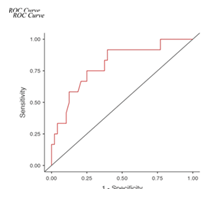
Figure 1: Receiver operating characteristic (ROC) curve for serum albumin in predicting noradrenaline requirement (AUROC = 0.8).
Table 3: Model coefficients – serum albumin category.
|
Predictor |
Estimate |
SE |
Z |
p |
|
Intercept |
0.5994 |
0.8009 |
0.748 |
0.454 |
|
Noradrenaline total dose |
–0.0342 |
0.0159 |
–2.145 |
0.032 |
Estimates represent the log odds of serum albumin category = “Normal” vs. “Hypoalbuminemia.”
Secondary outcomes
Serum albumin and total fluid input
Average total fluid requirements were slightly higher in patients in the hypoalbuminemia category than in patients with normal albumin levels; however, this difference did not reach statistical significance. No significant association was found between SA level and total fluid requirements (p = 0.073).
Serum albumin and change in lactate
The correlation between SA and lactate change was not statistically significant (p = 0.26).
Serum albumin and seven-day mortality
A notable difference was observed between the SA levels of surviving patients (mean 3.2 ± 0.46 mg/dL) and those who died within seven days (mean 2.94 ± 0.61 mg/dL). Binomial logistic regression was used to predict the probability of seven-day mortality based on SA level, resulting in the predictive model shown in Table 4. A ROC curve was constructed to assess this model’s effectiveness, plotting sensitivity against 1-specificity. The model achieved a prediction accuracy of 66.7%, with a sensitivity of 91.7% and a specificity of 29.2%. The AUROC was 0.62 (Figure 2), highlighting the model’s ability to distinguish between patients with different outcomes based on serum albumin level.
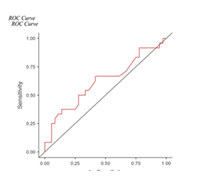
Figure 2: Receiver operating characteristic (ROC) curve for serum albumin in predicting seven-day mortality (AUROC = 0.62).
Table 4: Model coefficients – seven-day mortality.
|
Predictor |
Estimate |
SE |
Z |
p |
|
Intercept |
2.548 |
1.655 |
1.54 |
0.124 |
|
Serum albumin |
–0.960 |
0.532 |
–1.80 |
0.041 |
Estimates represent the log odds of seven-day mortality = “Death” vs. “Alive.”
Discussion
Our study cohort included 60 patients, 66% of whom were male. This uneven sample distribution resulted from the complete enumeration method and the study’s observational nature. Therefore, gender-stratified means were computed for all study variables. Notably, 58.3% of participants were over the age of 50 (Table 1). Women had higher mean SA levels than men. Female patients required a significantly higher dose of norepinephrine (mcg/kg/24 hr) than males to maintain a MAP above 65 mmHg. Participants’ average total fluid intake was 44.73 ± 15.30 mL/kg/24 hr (Table 1). Female patients had significantly higher average fluid intake than male patients; mean total fluid intake was 12.15 mL/kg/24 hr higher in women, a statistically significant difference (t = 3.10, p = 0.003). Male patients had higher serum procalcitonin levels than female patients. Our primary outcome was to determine the relationship between SA levels and total norepinephrine requirements in patients with sepsis. Patients with hypoalbuminemia required significantly more total norepinephrine than those with normal SA levels (U = 115.00, p < 0.001). A Spearman rank correlation coefficient (R) of –0.705 (p < 0.001) confirmed a significant negative correlation between SA level and total norepinephrine dose, with SA explaining 49.7% of the variation in total norepinephrine requirements. In contrast, patients with normal albumin levels received a much lower dose of norepinephrine (35.4 mcg/kg/24 hr; 95% CI, 24.71–49.34). Ordinal regression analysis demonstrated the ability to predict albumin category based on norepinephrine requirements with a prediction accuracy of 81.7%, a sensitivity of 95%, and a specificity of 83%, highlighting its ability to effectively differentiate patients based on albumin level. van Beek et al. undertook a comparable prospective observational cohort study to ascertain the prognostic significance of SA with respect to noradrenaline dose, volume of fluids administered, lactate levels, and mortality within the first 24 hours of ICU admission [1]. One hundred patients were evaluated in that study, and a significant association was found between SA and norepinephrine dose (OR 0.92; 95% CI, 0.84–0.99; p = 0.028). The results of both studies are similar and demonstrate a strong relationship between SA and noradrenaline requirement in sepsis patients. The ALBIOS trial, a multicenter randomized controlled trial involving 1818 patients with severe sepsis across 100 intensive care units, examined the effects of albumin replacement. Patients were divided into an albumin group and a crystalloid group, and the results suggested a shorter duration of inotrope requirements in the albumin replacement group. Interestingly, our study found a similar pattern: septic patients with normal SA levels required less norepinephrine despite not receiving albumin replacement. Regarding total fluid requirements, we found that the mean was higher in patients with hypoalbuminemia than in patients with normal albumin levels; however, this association was not statistically significant. Notably, van Beek et al. found a significant association between SA and total fluid volume administered to septic patients in their prospective observational cohort study (β –0.02; 95% CI, –0.03 to –0.00; p = 0.016) [1]. The ALBIOS study also found that the albumin replacement group had a significantly lower net fluid balance than the crystalloid group [12]. Notably, a review comparing eight meta-analyses of albumin in sepsis also suggested benefits associated with albumin replacement, although to a lesser extent than initially expected [2]. Compared with other studies, ours had a relatively small sample size, which may explain the lack of statistical significance in our total fluid requirement results. Furthermore, we identified a statistically significant, moderately positive correlation between total norepinephrine dose and total fluid input, with total norepinephrine dose explaining approximately 13.5% of the variation in total fluid input (R = 0.368, p < 0.01). Regarding mortality, patients who survived had a higher mean SA level than those who died within seven days. We successfully predicted seven-day mortality based on SA level using binomial logistic regression; the ROC curve showed a predictive accuracy of 66.7%, with a sensitivity of 91.7%, a specificity of 29.2%, and an AUROC of 0.62. These results are consistent with the SAFE study, which identified an independent association between SA levels below 25 g/L and 28-day mortality, although that study found no significant reduction in mortality when comparing albumin resuscitation with saline resuscitation, regardless of admission SA level. Furthermore, we found a statistically significant difference in total norepinephrine dose (mcg/kg/24 hr) between patients who survived and those who did not survive within seven days (U = 297, p < 0.05). In contrast, van Beek et al. found that SA had no significant association with 24-hour mortality (OR 0.95; 95% CI, 0.85–1.07; p = 0.41) [1]. Similarly, the ALBIOS trial found no differences in 28-day or 90-day mortality between the albumin and crystalloid groups (RR 1.00; 95% CI, 0.87–1.14; p = 0.94) [12]. A retrospective study of septic patients with COVID-19 found a strong association between hypoalbuminemia and mortality, with a threefold increased risk of death when the hypoalbuminemia cut-off was set at 1.38 g/dL [13]. To detect hypoalbuminemia, the investigators examined the medical records of 208 patients diagnosed with COVID-19-associated sepsis. Our findings are consistent with these results: 80% of our patients had an SA level below 3.5 mg/dL, with a 33% mortality rate, and SA was found to be a reliable predictor of seven-day mortality, with a predictive accuracy of 66.7%. Another study examined the association between nutritional biomarkers and prognosis in septic patients [14]. That study, which included 136 septic patients, found a significant association between decreases in albumin, total protein, total cholesterol, and cholinesterase and the risk of death (p < 0.05). Notably, diurnal changes in albumin were strongly associated with mortality during the ICU stay. A prospective cohort study of 116 sepsis participants examined the prognostic value of serum albumin [15]. Comparing surviving with deceased patients, the study found that survivors had higher SOFA and Acute Physiology and Chronic Health Evaluation II (APACHE II) scores. ROC curve analysis identified albumin level as a robust predictor of 28-day mortality, with an optimal cut-off value of 29.2 g/L. This finding is consistent with our study, in which SA was found to be a valuable predictor of seven-day mortality, with a predictive accuracy of 66.7%.
Conclusion
According to our findings, SA levels can accurately predict sepsis patients’ norepinephrine requirements during the first 24 hours following ICU admission. Additionally, SA emerges as an important predictor of seven-day mortality in patients admitted to the intensive care unit with sepsis. However, our study found no significant correlation between SA and total fluid requirements, or between SA and changes in lactate levels. These results point to the need for further research involving larger and more diverse populations to examine and validate these relationships.
Acknowledgements
None.
Authorship Contribution Statement
Dr Akhil VP (MD): Data Curation, Investigation, Formal Analysis, Literature search, Manuscript writing, Manuscript editing
Dr Shagufta Naaz (MD): Conceptualization, Design, Methodology, Project administration, Manuscript Review, Manuscript editing
Dr Adil Asghar (MD): Formal Analysis, Manuscript Review, Manuscript editing
Dr Poonam Kumari (MD): Investigation, Original draft presentation, Manuscript Review
Dr Shashi Kant (MD): Manuscript Review, Manuscript editing
Dr Rajesh Kumar: Literature search, original draft presentation
Dr Satish Kumar (MD): Data Curation, Literature search, original draft presentation
Competing interests
All named Authors state no conflict of interests.
References
- van Beek DEC, Königs MHH, Kuijpers YAM, et al. Predictive value of serum albumin levels on noradrenaline and fluid requirements in the first 24 h after admission to the Intensive Care Unit. A prospective observational study. Journal of Critical Care 47 (2018): 99-103.
- Caironi P, Langer T, Gattinoni L. Albumin in critically ill patients: the ideal colloid? Current Opinion in Critical Care 21 (2015): 302-308.
- Nicholson JP, Wolmarans MR, Park GR. The role of albumin in critical illness. British Journal of Anaesthesia 85 (2000): 599-610.
- McCluskey A, Thomas AN, Bowles BJ, et al. The prognostic value of serial measurements of serum albumin concentration in patients admitted to an intensive care unit. Anaesthesia 51 (1996): 724-727.
- Singer M, Deutschman CS, Seymour CW, et al. The Third International Consensus Definitions for Sepsis and Septic Shock (Sepsis-3). JAMA 315 (2016): 801-810.
- Rhodes A, Evans LE, Alhazzani W, et al. Surviving Sepsis Campaign: International Guidelines for Management of Sepsis and Septic Shock. Critical Care Medicine 45 (2017): 486-552.
- Sakr Y, Rubatto Birri PN, Kotfis K, et al. Higher Fluid Balance Increases the Risk of Death from Sepsis: Results From a Large International Audit. Critical Care Medicine 45 (2017): 386-394.
- Habes QLM, van Ede L, Gerretsen J, et al. Norepinephrine Contributes to Enterocyte Damage in Septic Shock Patients: A Prospective Cohort Study. Shock 49 (2018): 137-143.
- Ilyas A, Ishtiaq W, Assad S, et al. Correlation of IVC Diameter and Collapsibility Index with Central Venous Pressure in the Assessment of Intravascular Volume in Critically Ill Patients. Cureus 9 (2017): e1025.
- Bednarczyk JM, Fridfinnson JA, Kumar A, et al. Incorporating Dynamic Assessment of Fluid Responsiveness into Goal-Directed Therapy: A Systematic Review and Meta-Analysis. Critical Care Medicine 45 (2017): 1538-1545.
- Martin C, Medam S, Antonini F, et al. Norepinephrine: Not Too Much, Too Long. Shock 44 (2015): 305-309.
- Caironi P, Tognoni G, Masson S, et al. Albumin Replacement in Patients with Severe Sepsis or Septic Shock. New England Journal of Medicine 370 (2014): 1412-1421.
- Brandon Lopez A, Murillo GA, Neciosup AM, et al. Hypoalbuminemia as a predictor of mortality of sepsis from COVID-19. Hospital II Chocope, 2020. Revista de la Facultad de Medicina Humana 21 (2021): 1.
- Takegawa R, Kabata D, Shimizu K, et al. Serum albumin as a risk factor for death in patients with prolonged sepsis: An observational study. Journal of Critical Care 51 (2019): 139-144.
- Yin M, Si L, Qin W, et al. Predictive Value of Serum Albumin Level for the Prognosis of Severe Sepsis Without Exogenous Human Albumin Administration: A Prospective Cohort Study. Journal of Intensive Care Medicine 33 (2018): 687-694.