Hassah Batool Iftikhar*, Hassam Ali
Department of Cardiology, Renmin Hospital of Wuhan University, 430060, Wuhan, Hubei Province, PR China
*Corresponding Author: Hassah Batool Iftikhar, Department of Cardiology, Renmin Hospital of Wuhan
University, 430060, Wuhan, Hubei Province, PR China
Received: 08 May 2018; Accepted: 30 May 2018; Published: 04 June 2018
The known cause of cardiac conduction disturbances predicts the cardiovascular side effects inducing severe arrhythmia by the use of atypical antipsychotic i.e. Aripiprazole The efficacies in co-morbidities absolutely risk the warning detection of sudden death cause with major mental disorders interacting the mechanism in the predisposing malignancy factors. Therefore, we believe to improve dose-dependent inhibition coding the life-threatening ventricular tachycardia based on cardiac toxicity issue regulate the evaluation of testing drug criteria in clinical practice.
Psychiatric disorders; Arrhythmia; Prolonged QT; Cardiac death
Aripiprazole is a typical systematic antipsychotic approved medication of high-risk death relationship in psychiatric disorders related to the sudden cardiac death conditions. The unexplained sudden death excessively in psychiatric cases arises the concern of arrhythmia establishment in the vulnerable complications of overdosing or accidental death inducing the deliberate prediction of medication interactions affecting the efficacy of electrophysiological antagonist activity [1]. The predecessors of newly generated anti-psychotics extend the association of cardiac toxicity free compounds [2, 3] in the cautious of cardiovascular disease, heart failure and conduction abnormality preceding the motor impairment in the orthostatic hypertension prognosis increasing the high mortality of convulsion, stroke, and dementia at all ages.
The community based statistical analysis in American Heart Association cites the impact of heart failure estimating 2-3 fold diverging the contemporary risk variations of coronary atherosclerosis in current epidemiological prospective studies [4]. The multiple frames of convalescence phases incorporate the experience of susceptible endogenous and exogenous modulations integrating the cascade of inflammatory markers imminent the first clinical manifestation of arrhythmia channelopathies experience the dynamic state of clotting factor in blood vessels recognizing the scientific picture of cardiac and psychological parallel burden. According to the research studies over advantageous staging on oral administration significantly affect the incidence of BP reduction in supine position 4.5% in the evaluation of multiple dosing for atleast 1 year duration classically overlap contingent \adaptive biological disorders, including atrial flutter, cardiac respiratory arrest, palpitation, unstable angina, and loss of consciousness for safety measures. At the flexible double-blind short and long-term preventive treatment respond mono-therapy in the adjunctive marginal exhibition of metabolites diminish the chronic responses of blocking dopaminergic mechanism. Therefore, the pharmacological limitation in cardiovascular conclusion expresses the careful observation on pre-existing conduction system manifests the detection of complete heart block asymptomatically in exerting bundle branch block disorders [5, 6].
The criteria of clinical management guidelines collaboration in the proposal of cardiology society and psychiatric society require a balanced accessible combined therapy in the importance of high prevalence of modifiable cardiac distinctive prone to sedentary lifestyle naturalistic study [8, 9]. The perspective of animal models highly differentiates the arrhythmogenic characteristics in the merits of unclear insulin resistance with low glucose utilization predominantly connecting the tangible results of hypertriglyceridemia. Hence, the regulatory clinical direction scrutinizes the independent un-necessary coronary heart disease risk factors of antipsychotics prolonging QT interval undoubtedly predicting pharmacokinetics in preclinical assays consensus of definitive assurance of mechanistic extrapolate practice receiving the loading dose of aripiprazole ?death cause. However, atypical antipsychotic agents on placebo trials lengthen study in the diagnostic aid of electrical activity measuring the current cause of depolarization in twisting the premature death consistently second to the third degree of cardiovascular family history varying genetic or psychiatric illness in myocardial infarction suspension from first to the second generation.
Additionally, several studies of critical heart issues in delay rhythm favor the uncontrolled fatal profile equivalent to antipsychotic drugs access the non-communicable bipolar swinging mood receive a death affair subtracting the abnormal ECG interpretation coding the dose-dependent channel inhibitors [5, 6]. Hence, the regular monitoring encounters the relative risk of hypertension, QT interval fluctuations, pro inflammations and rarely the infiltrating lymphatic system. The primary goal is to highlight the importance of cardiovascular risk factors in the mechanistic phenomenon of pharmaco-psychiatric drugs beyond the clinical vigilance at putative safety measures of arrhythmias.
2. Mechanism
Since 40years, multiple pivotal human studies in the enunciation hypothesis of neurotransmitters measure the D2R blockade on various degrees correlating the aberrant interactions of dopaminergic release in the reduction of complexity [10]. The relevant interest on antipsychotic resistance on a peculiar action of D2r critically appraisal the selective ranges of scaffold transcriptional factors in vivo functioning the modulations of distinctive gene and protein cellular pathways. The concept of aripiprazole in the differentiation of action prevalence proposes the behavior of bursting side effects, suppressing the dopaminergic neurons in tonic liable phase confirming high binding synaptic concentrations [11]. In the classification of irrespective ?Functional Selectivity?, the intrinsic property postulate allosteric interactions in metabolic derangements extensively identifying partial sensitivity, thermogenesis, and capacity of glucose uptake stimulating insulin secretion at precipitating psychotic induced diabetes. Furthermore, the successful responsive antipsychotic in the widening of critical pharmacological drugs discovers the affinity of molecules binding represents the glucose clearance in the conflicts of the metabolic syndrome of various mechanical high sympathetic activities blocking the peripheral dopamine receptors.
Aripiprazole in the biased function of dopamine D2 and serotonin 5-HT1A mediate the aforementioned QT low incidence heed the complications of right bundle branch block at 15-30 mg/day dosing. The clarification of presynaptic and postsynaptic effects explore discern of optimal percentage regimen at baseline levels subjecting the translational dopamine dysfunctions pathophysiologically in the experiments of acute myocardial infarction, schizophrenia, and Parkinson. At in vivo of PET studies 30 mg/day administration the peak dosing isolatedly attribute the widespread of coronary and cerebral arteries constriction endeavor parasympathetic over activity in the inhibition of receptor system for sparing the threshold of irreversible competitive agonist [12]. Hence, in the dominance of antipsychotic cardiovascular risk factors the magnitude of sudden death enhances the inhibition of adrenergic receptors strongly necessitates a homeostatic maintenance evoking hypertension.
3. Predisposing Cardiac Risk Factors
In 2005, the registered pharmaceuticals based on QT studies underwent the mandatory pro-arrhythmia on large scale in the exceptions of multiple antipsychotics and antidepressants concerning the attestation of each drug. The mean study of placebo trial reveal the ages of 35-50 years mortality rate worsening the unknown risk factors in active cardiovascular disease prioritize the diagnosis of lethal arrhythmias. And at daily practice, the several illnesses at unavoidable situations link the various sources precautious prudent the detection of the unadjusted heterogeneous group of males as compared to females. As a result, the performance of trials rules out the unattainable element of myocardial infarction as a key marker of arrhythmia prediction in the interruption of amiodarone and risperidone measuring the relative older drugs at wider spectrum for blinding the ECG monitoring studies.
On reviewing the ranking of evidence-based premier drugs the safety of manageable treatment at the alliance of malignancy precise the psychotropic circumstances in the propensity of obesity and diabetes coordinate to the tolerant administration as the first step decision. To assess the superiority of each drug in the prevalence of ischemia automaticity [13] inheritance extends the dilation of cardiomyopathies with additions of hypokalemia at dramatic ages of poor compliance structure defect need a high commencement pact treatment [14].
The recent studies apart from multicentre control studies assumed the actions in elderly of vasodilatations and vasoconstrictions of the high-risk ratio in ECG [15-18] scheme the mechanism of cardiac ion possessing the complications of cardiac tissues. The interest of inhibitory activity in cardiac contractility and heart rate hypotension enormously elucidate the correlated pharmacokinetic relations certainly in the accumulation of treating cardiovascular side effects at in vitro plasma scope. The pharmacological concentration of right ventricular therapeutic bearable level interconnects the cardiac arrest leading to death a characteristic morphology of lifethreatening frequently affecting the traditional risk factors as published in USA retrospective study investigations [19].
At in vivo, the action potential in electrophysiological studies indirectly eloquent the abnormal rhythm towards the membrane effectiveness demonstrate inward and outward delaying channel ions shortening Purkinje fibers current. [20] The consequences of ionic repolarization relatively reform the reduction of ventricular inhibition in blocking the outward k+ current channel. The amplitude of depolarization of ventricles suppressed the action potential indicate the dose-dependent mechanical activation of Na+ channels for lengthening the intronic arrhythmia conduction in determining the pro-rhythm property of ions regulation phases between both the atrioventricular and intraventricular conduction. The mechanism of depolarization and repolarization in the participation of cardiac parameter selectively surveys the widening of each QRS complex of current velocity blocking the Na+ and K+ channels display a good ratio of prolonging QT and plasma affinities consent in the acceptance of heart protection fro, K+ channel inhibition. The data selection of marked QT prolongation similar to regression in a linear manner observes the factor of hypokalemia due to mutation of K+ channels [3, 7] in the concomitant treatment of complex electrolyte imbalance, advanced aging, type2 diabetes affecting the plateaus of myocardium phases initiating the sensitivity at Na+ and Ca+ potency. Therefore, the comparative values of antipsychotic ionic channels at terminal phases repolarize the rate of velocity on restricted action potential duration.
The several reports from SAMHSA, FOA, EMA and Health analytics include the supreme class drugs i.e. Antipsychotics (Aripiprazole, olanzapine, perphenazine, zuclopenthixole), Antidepressant (Isocarboxazid, doxepin), Neurotransmitter uptake inhibitors ( fluoxetine, paroxetine, sertraline, duloxetine, reboxetine, agomelatine), Mood stabilizer (lamotrigine) Cholinesterase inhibitor (methadone) and anxiolytic hypnosis (gabapentin) contrast the dissimilarity occurance proportions of dropping death rates and further estimation of delaying AV node conduction, AV node congenital disorders, substance abuse and brugada syndrome invalid the reversible risk factors at over the counter treatment. Hence, later the underlying k+ channels play the main key role at ventricles inducing QT syndrome with the consumption of high T wave competing for the abnormalities of adverse events and mental retardation of unresponsiveness directing the possibility of syncope, vascular and overdose risk in the records of inquiring age-related ECG significance and notable death.
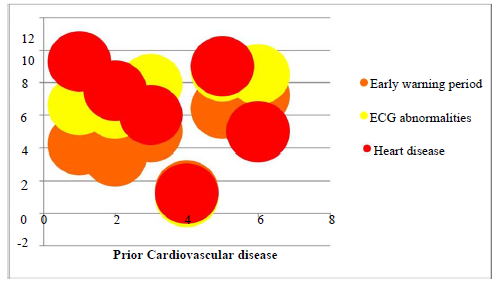
Figure 1: The analysis of psychotropic medications classifies the risk of QT prolongation and death cause.
4. ConclusionAs summarized in Figure 1 above the basic researchers on the numerous vigilance of adverse events and ECG abnormalities superintend the cardiac outcome from perceiving the new generated advanced cellular and molecular basis. The combined drugs in the appropriate selection of expected prolonged QT interval begin with the statistic of least mood stabilizer showing no ECG changes and heart disease, but the other group of drugs reuptake inhibitors, antidepressant, anxiolytics and cholinesterase inhibitor with antipsychotic high risk the QT interval preceding VT torsades de pointes identify QT syndrome co-existing the dramatic worsening of high mortality rate. Moreover, the profound interpretation also mediate the risk factors of coronary heart disease remain higher in both antipsychotic and anxiolytics on several trials declaring the high degree of cardio toxicity in the motive of co-morbid medical illness. Therefore, it has no active conclusion on the optimal administration of antipsychotic by the comparable figures of cardiovascular risk factors in the compulsive acute therapy at QT conduction studies.
The formulated randomized trial of effectiveness leaves the traces of pronounced serious arrhythmia emphasizing the automated ECG reading manually to sustain the post arrhythmias by physicians. And almost both the generations of antipsychotics mono-therapy and combined therapy of other classes? drugs concerns the sensitivity of controlling studies denoting the percentile values and principles of highest heart rate. Furthermore, the cohort study in an association of QT interval prolongation corrected the T wave unambiguous, flattening and widening of QRS interception define the ventricle ectopies by the use of Bazett and Fridericia formulas.
Conflicts of Interest Statement
The author declared that they have no competing interest concerning this manuscript.
References
- Biederman J. Sudden death in children treated with a tricyclic antidepressant. J Am Acad Child Adolesc Psychiatry 30 (1991): 495-498.
- Pacher P, Ungvari Z, Nanasi PP, et al. Speculations on difference between tricyclic and selective serotonin reuptake inhibitor antidepressants on their cardiac effects. Is there any? Curr Med Chem 6 (1999): 469-480.
- De Ponti F, Poluzzi E, Cavalli A, et al. Safety of non-antiarrhythmic drugs that prolong the QT interval or induce torsade de pointes: an overview. Drug Saf 25 (2002): 263-286.
- Myerburg RJ, Reddy V, Castellanos A. Indications for implantable cardioverter-defibrillators based on evidence and judgment. J Am Coll Cardiol 54 (2009): 747-763.
- Roose SP, Glassman AH, Giardina EG, et al. Tricyclic antidepressants in depressed patients with cardiac conduction disease. Arch Gen Psychiatry 44 (1987): 273-275.
- Glassman AH, Roose SP, Bigger JT. The safety of tricyclic antidepressants in cardiac patients. Risk-benefit reconsidered. JAMA 269 (1993): 2673-2675.
- Witchel HJ, Hancox JC, Nutt DJ. Psychotropic drugs, cardiac arrhythmia, and sudden death. J Clin Psychopharmacol 23 (2003): 58-77.
- Parks J, Nicol G, Newcomer J. Improving metabolic screening for patients on antipsychotic therapy,? in Medscape Education Psychiatry and Mental Health (2011).
- Samarendra P, Kumari S, Evans SJ, Sacchi TJ, et al. QT prolongation associated with azithromycin/amiodarone combination, Pacing Clin Electrophysiol 24 (2001): 1572-1574.
- Kapur S, Mamo D. Half a century of antipsychotics and still a central role for dopamine D2 receptors. Prog Neuropsychopharmacol BioPsychiatry 27 (2003).
- Hamamura T, Harada T. Unique pharmacological profile of aripiprazole as the phasic component buster. Psychopharmacology (Berl) 191 (2007): 741-743.
- Zhu J, Taniguchi T, Takauji R, et al. Inverse agonism and neutral antagonism at a constitutively active alpha-1a adrenoceptor. Br J Pharmacol 131 (2000): 546-552.
- Mechanisms of ventricular arrhythmias,Circulation 851 (1992): I25-I31.
- Roger VL, Go AS, Lloyd-Jones DM, et al. Heart disease and stroke statistics?2012 update: a report from the American Heart Association, Circulation 125 (2012): e2-e220.
- Pacher P, Ungvari Z, Kecskemeti V, et al. Serotonin reuptake inhibitor, fluoxetine, dilates isolated skeletal muscle arterioles. Possible role of altered Ca2+ sensitivity. Br J Pharmacol 127 (1999): 740-746.
- Ungvari Z, Pacher P, Koller A. Serotonin reuptake inhibitor fluoxetine decreases arteriolar myogenic tone by reducing smooth muscle [Ca2+]i. J Cardiovasc Pharmacol 35 (2000): 849-854.
- Pacher P, Ungvari Z, Kecskemeti V, et al. Serotonin reuptake inhibitors fluoxetine and citalopram relax intestinal smooth muscle. Can J Physiol Pharmacol 79 (2001): 580-584.
- Ungvari Z, Pacher P, Kecskemeti V, et al. Fluoxetine dilates isolated small cerebral arteries of rats and attenuates constrictions to serotonin, norepinephrine, and a voltage-dependent Ca(2+) channel opener. Stroke 30 (1999): 949-954.
- Ray WA, Meredith S, Thapa PB, et al. Antipsychotics and the risk of sudden cardiac death. Arch Gen Psychiatry 58 (2001): 1161-1167.
- Rawling D, Fozzard H. Effects of imipramine on cellular electrophisiological properties of cardiac Purkinje fibers. J Pharmacol Exp Ther 209 (1979): 371-375.