Shahidul Islam Belal1, Md. Shafiul Azam2*, Mohaimanun Khan3, Md Shamim Hossain4, Pinki Akter5, Sujan Barman6, Prakash Chandra Mondal7, Sonya Akter Sithila8, Mahi Tasnim Hossain9, Jui Alam10*
1Medical Technologist ( Laboratory), Medical Assistant Training School, Kushtia Bangladesh
2Department of Medical Biotechnology, University of Technology Sydney, Sydney, Australia
3Upazila Health Complex, Debidwer, Cumilla, Bangladesh
4Medical Technologist (Laboratory), Institute of Public Health Nutrition, Mohakhali, Dhaka, Bangladesh
5Labaid Limited Diagnostics , Dhanmondi, Bangladesh
6Medical Technologist, Purelab, UAE
7Medical Technologist, Kumidini Women's Medical Collage Hospital, Mirazapir, Tangail, Bangladesh
8Department of Biotechnology and Genetic Engineering, Kustia Islamic University, Bangladesh
9Department of Laboratory Medicine, University Of Newcastle, New South Wales, Sydney, Australia,
10Medical Laboratory Technologist, Medinova Medical Service Limited, Dhaka, Bangladesh
* Corresponding Author: Medical Laboratory Technologist, Medinova Medical Service Limited, Dhaka, Bangladesh
Received: 17 August 2026; Accepted: 19 August 2026; Published: 21 September 2026
Background: Multidrug-resistant tuberculosis (MDR-TB) is a major public health challenge that threatens global tuberculosis (TB) control efforts. The emergence of drug-resistant strains leads to prolonged treatment, increased healthcare costs, poor treatment outcomes, and higher mortality. Identifying the proportion of MDR-TB and its associated risk factors is essential for improving prevention and management strategies.
Objective: To determine the proportion of multidrug-resistant tuberculosis and identify the factors associated with MDR-TB among patients attending Chest Disease Hospital, Rajshahi.
Methods: This hospital-based descriptive cross-sectional study was conducted at Chest Disease Hospital, Rajshahi, from January 2016 to June 2017. A total of 325 tuberculosis patients were enrolled using purposive sampling, including patients with MDR-TB and drug-susceptible TB. MDR-TB was diagnosed using the Xpert MTB/RIF assay according to the National Tuberculosis Control Programme (NTP) guidelines. Data were collected through face-to-face interviews using a structured questionnaire and clinical records. Statistical analysis was performed using SPSS version 16.0. Descriptive statistics and appropriate inferential tests were applied, and a p-value <0.05 was considered statistically significant.
Results: Among the 325 tuberculosis patients, 30 (9.2%) were diagnosed with MDR-TB, while 295 (90.8%) had drug-susceptible TB. The mean age of MDR-TB patients was 42.0 ± 16.0 years, and 66.7% were male. Larger family size (>6 members) was significantly more common among MDR-TB patients than non-MDR-TB patients (56.7% vs. 37.6%, p<0.05). Low monthly family income was also significantly associated with MDR-TB, with 63.4% of MDR-TB patients having a monthly income below 10,000 BDT (p<0.001). A history of substance abuse was significantly higher among MDR-TB patients (90.0% vs. 59.7%, p<0.01). No significant associations were observed between MDR-TB and age, sex, residence, housing condition, educational status, marital status, previous contact with TB patients, BCG vaccination, diabetes mellitus, or sputum smear status (all p>0.05). Among MDR-TB cases, 60.0% were secondary MDR-TB and 40.0% were primary MDR-TB. Of the previously treated MDR-TB patients, 72.2% reported irregular daily drug intake, and 66.7% had no previous sputum smear conversion.
Conclusions: MDR-TB remains an important public health problem in the study population. Poor socioeconomic conditions, overcrowding, substance abuse, and inadequate treatment adherence appear to contribute to the development of drug resistance. Strengthening early diagnosis, ensuring uninterrupted treatment, improving adherence through effective DOT services, and enhancing patient counselling and socioeconomic support are essential to reduce the burden of MDR-TB in Bangladesh.
Multidrug-resistant tuberculosis; MDR-TB; Tuberculosis; Risk factors; Bangladesh.
Multidrug-resistant tuberculosis articles; MDR-TB articles; Tuberculosis articles; Risk factors articles; Bangladesh articles.
Introduction
Tuberculosis (TB) remains one of the leading infectious causes of morbidity and mortality worldwide despite decades of global control efforts. According to the World Health Organization (WHO), millions of new TB cases are reported annually, with a substantial proportion occurring in low- and middle-income countries [1,2]. The emergence and spread of multidrug-resistant tuberculosis (MDR-TB), defined as tuberculosis caused by Mycobacterium tuberculosis strains resistant to at least isoniazid and rifampicin, have become a major public health challenge3. MDR-TB complicates disease management because it requires prolonged treatment with second-line drugs, is associated with lower treatment success rates, higher healthcare costs, and increased mortality [4]. Bangladesh is recognized as one of the high TB burden countries globally and continues to face significant challenges in controlling drug-resistant tuberculosis [5]. Although the National Tuberculosis Control Programme (NTP) has expanded access to rapid molecular diagnostics and standardized treatment regimens, MDR-TB remains a serious concern6. Delayed diagnosis, poor treatment adherence, previous anti-TB treatment, treatment interruption, inadequate infection control practices, and socioeconomic inequalities contribute to the development and transmission of drug-resistant TB [7]. These challenges place a considerable burden on both the healthcare system and affected communities. Several studies have identified various factors associated with MDR-TB, including previous history of tuberculosis treatment, treatment default, close contact with MDR-TB patients, diabetes mellitus, smoking, malnutrition, HIV infection, alcohol use, low socioeconomic status, and overcrowded living conditions [8,9,10]. However, the relative contribution of these factors varies across geographical regions and healthcare settings because of differences in patient characteristics, healthcare infrastructure, and TB control practices. Therefore, region-specific evidence is essential for designing targeted interventions and improving patient outcomes [11]. Rajshahi serves as an important healthcare hub in northwestern Bangladesh, and the Chest Disease Hospital plays a crucial role in diagnosing and managing tuberculosis, including drug-resistant cases. However, limited published evidence is available regarding the current proportion of MDR-TB and its associated risk factors among patients attending this specialized hospital. Understanding the local epidemiology of MDR-TB is essential for strengthening surveillance, optimizing early diagnosis, improving treatment adherence, and guiding evidence-based public health strategies. Therefore, this study aimed to determine the proportion of multidrug-resistant tuberculosis among patients attending Chest Disease Hospital, Rajshahi.
Methodology
Study Design and Setting
This was a hospital-based descriptive cross-sectional study conducted at the Chest Disease Hospital, Rajshahi, Bangladesh. The study was carried out over an 18-month period from January 2016 to June 2017. The study aimed to determine the proportion of multidrug-resistant tuberculosis (MDR-TB) and identify the factors associated with MDR-TB among patients attending the hospital.
Study Population and Sampling
The study population consisted of patients diagnosed with either drug-resistant tuberculosis (MDR-TB) or drug-susceptible tuberculosis (non-MDR-TB) who attended Chest Disease Hospital, Rajshahi during the study period. Participants were recruited using a purposive sampling technique. A total of 325 patients were enrolled, including 30 confirmed MDR-TB cases and 295 non-MDR-TB patients, who served as the comparison group.
Eligibility Criteria
Patients diagnosed with either pulmonary or extrapulmonary tuberculosis were considered eligible for inclusion in the study. Patients were excluded if they had any serious illness requiring admission to an intensive care unit (ICU), had undergone recent surgery, had any acute medical emergency requiring continuous observation, or declined to provide informed consent to participate in the study.
Diagnosis and Sample Selection
Thirty confirmed cases of MDR-TB were included in the study. The diagnosis of MDR-TB was established according to the National Tuberculosis Control Programme (NTP) guidelines using the Xpert MTB/RIF assay, an automated real-time polymerase chain reaction (PCR)-based molecular diagnostic test. The Xpert MTB/RIF assay detects Mycobacterium tuberculosis and rifampicin resistance simultaneously. As rifampicin resistance is considered a reliable surrogate marker for multidrug-resistant tuberculosis because concomitant resistance to isoniazid is highly prevalent, patients with rifampicin-resistant TB were classified as MDR-TB in accordance with national guidelines. Patients diagnosed with pulmonary or extrapulmonary tuberculosis who responded to the standard first-line anti-tuberculosis treatment regimen and showed no evidence of rifampicin resistance were classified as non-MDR-TB.
Data Collection Procedure
Data were collected after obtaining permission from the appropriate hospital authority and informed written consent from all participants. Information was collected through face-to-face interviews using a structured pretested questionnaire. A comprehensive medical history was obtained from each participant, followed by a detailed clinical examination. Vital signs, including pulse rate, respiratory rate, and blood pressure, were measured using standard clinical procedures. Sociodemographic information, including age, sex, residence, marital status, educational level, occupation, housing condition, family size, and monthly household income, was recorded. Clinical and behavioural information such as smoking status, substance use, history of contact with tuberculosis patients, previous tuberculosis treatment, treatment adherence, Directly Observed Treatment (DOT) history, previous anti-tuberculosis drug regimen, treatment centre, sputum conversion history, and registration category were also documented. Tuberculosis cases were classified as pulmonary or extrapulmonary, and pulmonary tuberculosis cases were further categorized as smear-positive or smear-negative according to standard diagnostic criteria. Patients diagnosed with MDR-TB without any previous history of anti-tuberculosis treatment were classified as having primary MDR-TB, whereas those who had received previous anti-tuberculosis treatment before being diagnosed with MDR-TB were categorized as secondary MDR-TB.
Study Variables
The primary outcome variable was the presence or absence of multidrug-resistant tuberculosis. Independent variables included age, sex, place of residence, educational status, occupation, marital status, socioeconomic status, family size, housing condition, smoking and addiction history, contact with tuberculosis patients, previous tuberculosis treatment, treatment adherence, DOT history, sputum conversion status, and tuberculosis classification.
Statistical Analysis
All collected data were checked for completeness and consistency before entry into the database. Data were entered and analyzed using the Statistical Package for the Social Sciences (SPSS) version 16.0. Descriptive statistics were used to summarize the study findings. Continuous variables were expressed as mean ± standard deviation (SD), whereas categorical variables were presented as frequencies and percentages. Associations between multidrug-resistant tuberculosis and potential risk factors were assessed using appropriate statistical tests according to the nature of the variables. A p-value of less than 0.05 was considered statistically significant.
Ethical Considerations
Ethical approval was obtained from the appropriate institutional authority before the commencement of the study. Written informed consent was obtained from all participants after explaining the study objectives and procedures. Participation was voluntary, and participants were free to withdraw at any time without affecting their medical care. Confidentiality was maintained by assigning unique identification numbers and securely storing all study records. The study was conducted in accordance with the ethical principles for research involving human participants.
Results
Table 1: Frequency of MDR-TB.(n=325).
|
TB type |
Frequency |
percent |
|
1.MDR-TB |
30 |
3.2 |
|
2.non MDR-TB |
295 |
90.8 |
|
Total |
325 |
100 |
Table 1 showed frequency of MDR-TB. It revealed that among the total 325 patients with tuberculosis, 30 patients (9.2%) were suffering from MDR TB. Remaining 295 patients (90.8%) were suffering from TB susceptible to all 1st line drugs.
X2 = 7.149, df = 5, P > 0.05.
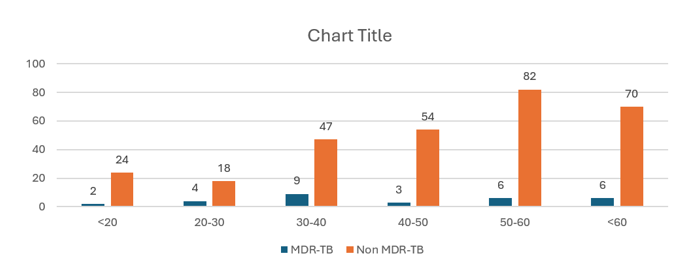
Figure 1: Age distribution of patients with MDR-TB and non MDR-TB. (n=325).
X2 = 7.149, df = 5, P > 0.05.
Fig 1 showed age distribution of patients with MDR and non MDR-TB. It revealed that overall mean (±SD) age was 46.87 (±16.29) years. Among the patients with MDR TB mean (±SD) age was 42 (±16) years and patients with non-MDR TB was 47 (±16) years. Most of the patients (80%) with MDR TB were more than 30 years of age. And 40% of the patients were more than 50 years of age. Similar age distribution was observed in non-MDR TB patients. No significant difference in age distribution was observed between MDR TB & non-MDR TB patients (P > 0.05).
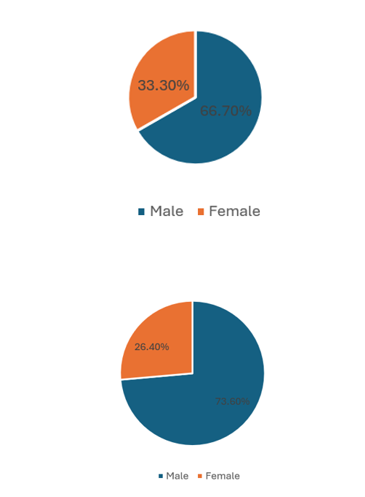
Figure 2: Sex distribution of patients with MDR-TB and non MDR-TB (n=325)
X2 = 0.655, df = 1, P > 0.05
Figure 2 showed sex distribution among MDR-TB and non MDR-TB. Majority of the patients both with MDR TB (66.7%) and with non-MDR TB (73.6%) were male which is more than double of female, there is no significant sex difference between MDR TB & non-MDR TB patients (P > 0.05).
Table 2: Residence of patients with MDR-TB and non MDR-TB.(n=325).
|
Residence |
MDR-TB n(%) |
non MDR-TB n(%) |
Total n(%) |
|
Rural |
28 (93.3) |
259 (87.8) |
287 (88.3) |
|
Urrban |
2 (6.7) |
36 (12.2) |
38 (11.7) |
|
Total |
30 (100) |
295 (100) |
325 (100) |
x2=0.808, df=1, p>0.05.
Table 2 showed residence of the patients. It revealed that among the patients with MDR TB 28 (93.3%) were residing in rural areas and remaining 2 (6.7%) were residing in urban areas. Among patients with non-MDR TB 259 (87.8%) were residing in rural areas & 36 (12.2%) were residing in urban areas. There is no significant difference of residence between patients with MDR TB & non-MDR TB.
Table 3: Housing conditions of patients with MDR-TB and non MDR-TB (n=325)
|
Housing Condition |
MDR-TB n(%) |
Non MDR-TB n(%) |
Total n(%) |
|
Kacca |
16 (53.3) |
184 (62.4) |
200 (61.5) |
|
Semi Paka |
12 (40.0) |
87 (29.5) |
99 (30.5) |
|
Paka |
2 (6.7) |
24 (8.1) |
26 (8.0) |
|
Total |
30 (100) |
295 (100) |
325 |
X² 1.422, df=2, p>0.05.
Table 3 showed housing condition of patients with MDR-TB and non MDR-TB. It showed that 16 (53.3%) of patients with MDR TB lives in kacha house & 184 (62.4%) of patients with non-MDR TB lives in kacha house. There is no significant difference in housing condition between MDR TB & non-MDR TB.
Table 4: Religion of patients with MDR-TB and non MDR-TB. (n=325).
|
Religion |
MDR-TB n (%) |
Non MDR-TB n (%) |
Total n (%) |
|
Islam |
27 (90.0) |
265 (89.8) |
292 (89.8) |
|
Hinduism |
3 (10.0) |
24 (8.1) |
27 (8.3) |
|
Christianity |
0 (0.0) |
6 (2.0) |
6 (1.8) |
|
Total |
30 (100) |
295 (100) |
325 |
x2= 0.724, df= 2, p>0.05.
Table 4 showed frequency of religion of patients with MDR-TB and non MDR-TB. It revealed that majority of the patients was Muslim (overall 89.8%). Among them 90% (27) of MDR TB and 89.8% (265) of non MDR TB were Muslim. Only 6 (2.0%) were Christian in non-MDR TB group. No significant religious difference was observed between MDR TB & non-MDR TB group (P > 0.05).
Table 5: Educational qualification of patients with MDR-TB and non MDR-TB (n=325).
|
Education |
MDR-TB n (%) |
Non MDR-TB n (%) |
Total n (%) |
||
|
Illiterate |
16 (53.3) |
142 (48.1) |
158 (48.6) |
||
|
Up to Primary |
7 (23.3) |
88 (29.8) |
95 (29.2) |
||
|
Classes VI-IX |
4 (13.3) |
11 (3.7) |
15 (4.6) |
||
|
SSC & above |
3 (10.0) |
54 (18.3) |
54 (18.3) |
||
|
Total |
30 (100) |
295 (100) |
325 |
Table 5 revealed educational status in patients with MDR-TB and non MDR-TB. It Shows majority (approximately 50%) of the patients were illiterate. 16 (53.3%) in MDR TB group and 142 (48.1%) in non MDR TB group were educated to SSC and above and only 54 (18.3%) among non-MDR TB group were educated to SSC and above.
Table 6: Occupations of patients with MDR-TB and non MDR-TB (n=325).
|
Occupation |
MDR-TB n (%) |
Non MDR-TB n (%) |
Total n (%) |
||
|
Farmer |
7 (23.3) |
116 (39.3) |
123 (37.8) |
||
|
Housewife |
8 (26.7) |
54 (18.3) |
62 (19.1) |
||
|
Student |
2 (6.7) |
6 (2.0) |
8 (2.5) |
||
|
Day laborer |
4 (133) |
12 (4.1) |
16 (4.9) |
||
|
Business |
3 (10.0) |
47 (15.9) |
50 (15.4) |
||
|
Service |
0 (0.0) |
6 (2.0) |
6 (1.8) |
||
|
Transport Worker |
3 (10.0) |
6 (2.0) |
9 (2.8) |
||
|
Others |
3 (10.0) |
48 (16.3) |
51 (15.7) |
||
|
Total |
30 (100) |
295 (100) |
325 |
||
Table 6 showed occupation of patients with MDR-TB and non MDR-TB. It revealed that most of the male patients were farmers both among MDR TB group (7, 23.3%) and non- MDR TB group (116, 39.3%). Most of the female patients were housewives both among MDR TB (8, 26.7%) and non-MDR TB group (54, 18.3%).
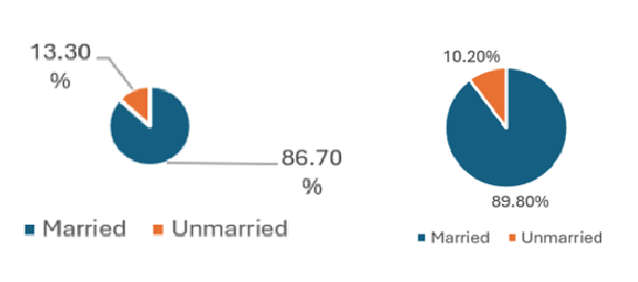
Figure 3: Marital status of patients with MDR-TB and non MDR-TB. (n = 325).
x ^ 2 = 0.291 P > 0.05 df = 1
Pie charts in figure 3 showed marital status in patients with MDR-TB and non MDR-TB. It revealed that most of the patients were married both among MDR TB group (26, 86.7%) and non MDR TB group (291, 89.5%). Only 4 (13.3%) in MDR TB group and only 30 (10.2%) in non-MDR TB group were unmarried. There is no significant difference in the marital status between MDR TB & non-MDR TB group (P > 0.05).
Table 7: Family size of patients with MDR-TB and non MDR-TB (n=325).
|
Family Size |
MDR-TB n (%) |
Non MDR-TB n (%) |
Total n (%) |
||
|
<5 Family Members |
3 (10.0) |
91 (30.8) |
94 (28.9) |
||
|
5-6 Family Members |
10 (33.3) |
93 (315) |
103 (31.7) |
||
|
>6 Family Members |
17 (56.7) |
111 (37.6) |
128 (394) |
||
|
Total |
30 (100) |
295 (100) |
325 |
x²-6.626, df=2, p<0.05.
Table 7 showed frequency of family size category among patients with MDR-TB and non MDR-TB. It revealed that overall 128 (39.4%) of the patient had family member >6 in numbers and 94 (28.9%) had <5 family member. Among patient with MDR-TB more than half (17, 56.7%) had family members >6 in number and only 3 (10.0%) had <5 family members Whereas among non MDR-TB group 37.6% (111) patients had family member >6 and 30.8% (91) patients had family member <5. Higher number of family member is significantly associated with MDR-TB (p<0.05).
Table 8: Monthly income of patients with MDR-TB and non MDR-TB. (n=325).
|
Monthly Income |
MDR-TB n (%) |
Non MDR-TB n (%) |
Total n (%) |
|
<5000 tk |
5 (16.7) |
6 (2.0) |
11 (3.4) |
|
5000-10000 tk |
14 (46.7) |
143 (48.5) |
157 (48.3) |
|
10000-15000 tk |
5 (16.7) |
104 (35.3) |
109 (33.5) |
|
>15000 tk |
6 (20.0) |
42 (14.2) |
48 (14.8) |
|
Total |
30 (100) |
295 (100) |
325 |
X²=20.663, df=3, p<0.001.
Table 8 showed monthly income in patients with MDR-TB and non MDR-TB. The table showed that most of the patient (19, 63.4%) with MDR-TB had a monthly income <10,000 tk. whereas approximately half of the non MDR-TB patient had monthly income <10,000 tk. and approximately half 10,000 tk. Lower monthly incomes was significantly associated with MDR-TB (p<0.001).
Table 9: History of previous contact in patients with MDR-TB and non MDR-TB. (n=325).
|
History of Previous contact |
MDR-TB n (%) |
Non MDR-TB n (%) |
Total n (%) |
|
No |
23 (76.7) |
183 (62.0) |
206 (63.4) |
|
Yes |
7 (23.3) |
112 (38.0) |
119 36.6) |
|
Total |
30 (100) |
295 (100) |
325 |
X²=2.512, df=1, p>0.05.
Table 9 showed history of contact with TB patients in patients with MDR-TB and non MDR-TB. It revealed that among the patient with MDR-TB only 7 (23.3%) had previous contact with TB patients and among patient non MDR-TB 112 (38.0%) had previous contact with TB patient. But the difference in the proportion is statistically insignificant (p>0.05).
Table 10: Relation with contacts of patients with MDR-TB and non MDR-TB. (n=119).
|
Relation with Contact |
MDR-TB n (%) |
Non MDR-TB n (%) |
Total n (%) |
|
Spouse |
0 (0.0) |
36 (32.1) |
36 (30.3) |
|
Parents |
2 (28.6) |
23 (20.5) |
25 (21.0) |
|
Friends |
1 (14.3) |
12 (10.7) |
13 (10.9) |
|
Neighbors |
1 (14.3) |
36 (32.2) |
37 (31.1) |
|
Siblings |
1 (14.3) |
0 (0.0) |
1 (0.8) |
|
Others |
2 (28.6) |
5 (4.5) |
7 (5.9) |
|
Total |
7 (100) |
112 (100) |
119 |
Table 10 showed relation with contact of patients with MDR-TB and non MDR-TB. It was found that among seven patients of MDR-TB, who had contact with TB patients, 2 (28.6%) had history of TB among parents, 1 (14.3%) among friends, 1 (14.3%) among neighbor, 1 (14.3%) among sibling and 2 (28.6%) among other. 36 (32.0%) patients with non MDR-TB had history of TB among spouse, 23 (20.5%) among parents, 12 (10.7%) among friends. 36 (32.2%) among neighbor and 5 (4.5%) among others.
Table 11: BCG vaccination status of patients with MDR-TB and non MDR-TB. (n=325).
|
BCG Vaccination |
MDR-TB n (%) |
Non MDR-TB n (%) |
Total п (%) |
|
No |
15 (50.0) |
142 (48.1) |
157 (48.3) |
|
Yes |
15 (50.0) |
153 (51.9) |
168 (51.7) |
|
Total |
30 (100) |
295 (100) |
325 |
=0.038, df=1, p>0.05.
Table 11 revealed BCG vaccination status in patients with MDR-TB and non MDR-TB. It showed that 50% (15) patients with MDR-TB had history of BCG vaccination and 51.9% (153) patients with non MDR-TB had history of BCG caccination and the difference of proportion was not statistically significant (p>0.05).
Table 12: Frequency of diabetes mellitus in patients with MDR-TB and non MDR-TB. (n=325).
|
Diabetes Mellitus |
MDR-TB n (%) |
Non MDR-TB n (%) |
Total n (%) |
|
Absent |
5 (16.7) |
89 (30.2) |
94 (28.9) |
|
Present |
25 (83.3) |
206 (69.8) |
231 (71.1) |
|
Total |
30 (100) |
295 (100) |
325 |
x²-2.415, df=1, p>0.05.
Table 12 showed frequency of diabetes mellitus in patients with MDR-TB and non MDR-TB. It revealed that among patients with MDR-TB only 5 (16.7%) patients had history of Diabetes and among the patients with non MDR-TB 89 (30.2%) patients had history of diabetes. But the difference was not statistically significant (p>0.05).
Table 13: Drug abuse status in patients with MDR-TB and non MDR-TB. (n=325).
|
Drug abuse Status |
MDR-TB n (%) |
Non MDR-TB n (%) |
Total n (%) |
|
No H/O drug abuse |
3 (10.0) |
119 (40.3) |
122 (37.5) |
|
Have H/O drug abuse |
27 (90.0) |
176 (59.7) |
203 (62.5) |
|
Total |
30 (100) |
295 (100) |
325 |
H/O-History of
X-10.690, df=1, p<0.01.
Table 13 showed drug abuse status in patients with MDR-TB and non MDR-TB. It showed that 90.0% (27) patients of MDR-TB dad a history of drug abuse. Whereas 59.7% (176) patients of non MDR-TB had history of drug abuse. History of drug abuse was found to be significantly associated with MDR-TB (p<0.01).
Table 14: Type of drug abuse in patients with MDR-TB and non MDR-TB. (n=203).
|
Type of drug abuse |
MDR-TBn (%) |
Non MDR-TB n (%) |
Total п (%) |
|
Jarda |
9 (33.3) |
71 (40.3) |
80 (39.4) |
|
Smoking |
11 (40.7) |
70 (39.8) |
81 (39.9) |
|
Smoking & Ganja |
7 (25.9) |
35 (19.9) |
42 (20.7) |
|
Total |
27 (100) |
176 (100) |
203 |
X²=1.016, DF-2, P>0.05.
Table 14 showed type of drug abuse in patients with MDR-TB and non MDR-TB. It revealed that among patients with MDR-TB 18 (66.6%) patients were smoker and among patient with non MDR-TB 105 (59.7%) patients were smoker. And the difference of proportion was statistically insignificant (p>0.05).
Table 15: Anatomical site of TB in patients with MDR-TB and non MDR-TB. (n=325).
|
Anatomical Site |
MDR-TB n (%) |
Non MDR-TB n (%) |
Total n (%) |
|
Pulmonary |
29 (96.7) |
295 (100.0) |
- |
|
Extra Pulmonary |
1 (3.3) |
- |
1 (0.3) |
|
Total |
30 (100) |
295 (100) |
325 |
X²=9.864, df=1, p<0.01.
Table 15 showed anatomical site of TB in patients with MDR-TB and non MDR-TB. It revealed that although it is statistically significant (p<0.01), all of the non MDR-TB 295(100%) and almost all (29, 96.7%) of MDR-TB patients were suffering from pulmonary TB. Only 1 (3.3%) patient from MDR-TB was suffering from extra pulmonary TB.
Table 16: Sputum smear result in patients with MDR-TB and non MDR-TB. (n=325).
|
Sputum Smear |
MDR-TB n (%) |
Non MDR-TB n (%) |
Total n (%) |
|
Smear Positive |
27 (90.0) |
251 (85.1) |
278 (85.5) |
|
Smear Negative |
3 (10.0) |
44 (14.9) |
47 (14.5) |
|
Total |
30 (100) |
295 (100) |
325 |
x²=0.532, df=1, p>0.05.
Table 16 showed sputum smear results in patients with MDR-TB and non MDR-TB. It revealed that 27 (90.0%) patients among MDR-TB were smear positive and 251 (85.1%) patients among non MDR-TB were smear positive. The difference was not statistically significant (p>0.05).
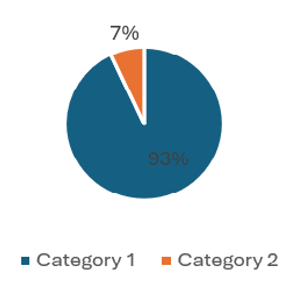
Figure 4: Frequency of treatment category in patients with non MDR-TB. (n=295).
Pie chart in figure 4 showed frequency of treatment category among patients with non MDR-TB. It revealed that most of the patients (277, 93.9%) with non MDR-TB were receiving category I and 18 (6.1%) patients were receive category II anti-TB treatment.
Table 17: Frequency of different category of MDR-TB. (n=30).
|
MDR category |
Frequency |
Percent |
|
1Primary MDR-TB |
12 |
40 |
|
Secondary MDR-TB |
18 |
60 |
|
Total |
30 |
100 |
Table 17 showed frequency of category of MDR-TB. It revealed that among the 30 patients with MDR-TB 12 (40%) were primary MDR (newly diagnosed as a case of MDR-TB) and 18 (60%) were secondary MDR-TB (Previously treated with anti-TB drugs.
Table 18: Time interval from beginning of symptoms and starting treatment in patients with MDR-TB. (n=30).
|
Interval of treatment |
Frequency |
Percent |
|
Immediately |
24 |
82.8 |
|
Within 2 weeks |
4 |
13.8 |
|
Time lapse >2 months |
1 |
3.4 |
|
Total |
30 |
100 |
Table 18 showed time interval from beginning of symptoms and starting treatment in patients with MDR-TB. It revealed that among the 30 patients with MDR-TB 24 (82.8%) received anti-TB treatment immediately after diagnosis. 4 (13.8%) received treatment within 2 weeks of diagnosis and only 1 (3.4%) received treatment >2 months after diagnosis.
Table 19: Frequency of treatment center types treating patients with MDR-TB. (n=30).
|
Treatment received from |
Frequency |
Percent |
|
GOV |
27 |
90 |
|
NGO |
3 |
10 |
|
Total |
30 |
100 |
Table 19 showed frequency of type of treatment centers in patients with MDR-TB. The table revealed that most (27, 90%) of the patients with MDR-TB received treatment from government organization and only 3 (10%) had received treatment from NGOs.
Table 20: Frequency of previous treatment category in patients with secondary MDR-TB. (n=18).
|
Previous treatment category |
Frequency |
Percent |
|
Category I |
16 |
88.9 |
|
Category II |
2 |
11.1 |
|
Total |
18 |
100 |
Table 20 showed frequency of previous treatment category in patients with secondary MDR-TB, It revealed that among the 18 patients of MDR-TB who received previous anti-TB treatment 16 (88.9%) received category I treatment and 2 (11.1%) received category II treatment.
Table 21: Frequency of daily drug intake (adherence) in patients with secondary MDR-TB. (n=18).
|
Daily drug intake |
Frequency |
Percent |
|
No |
13 |
72.2 |
|
Yes |
5 |
27.8 |
|
Total |
18 |
100 |
Table 21 showed adherence of in patients with secondary MDR-TB. The table revealed that majority (13, 72.2%) of previously treated patients did not take daily anti-TB regimen but only 5 (27.8%) received daily anti-TB treatment.
Table 22: History of DOT therapy in patients with secondary MDR-TB. (n=18).
|
History of DOT therapy |
Frequency |
Percent |
|
Sometimes |
8 |
44.4 |
|
Always |
10 |
55.6 |
|
Total |
18 |
100 |
Table 22 showed regularity of DOT therapy in patients with secondary MDR-TB. It revealed that more than half of the patients (10, 55.6%) of previously treated MDR-TB cases received DOT therapy on regular basis. A significant number of patients (8, 44.4%) received DOT therapy irregularly.
Table 23: Observer of DOT therapy in patients with MDR-TB. (n=18).
|
Observer of DOT therapy |
Frequency |
Percent |
|
Health worker |
8 |
44.4 |
|
Community personnel |
10 |
55.6 |
|
Total |
18 |
100 |
Table 23 showed observer of DOT therapy in patients with secondary MDR-TB. It revealed that MDR-TB patients who received previous anti-TB treatment had DOT therapy observed by health worker (8, 44.4%) and by community personnel (10, 55.6%).
Table 24: Previous sputum conversion history in patients with secondary MDR-TB. (n=18).
|
Sputum conversion history |
Frequency |
Percent |
|
Converted |
6 |
33.3 |
|
Not converted |
12 |
66.7 |
|
Total |
18 |
100 |
Table 24 showed previous sputum conversion history in patients with secondary MDR-TB. The table revealed that among MDR-TB patients who received previous anti-TB treatment, 6 (33.3%) had a history of sputum smear conversion and 12 (663.7%) patients were treatment failure, relapse or lost to follow up cases.
Table 25: Registration category of patients with MDR-TB. (n=30).
|
Sputum conversion history |
Frequency |
Percent |
|
New |
12 |
40 |
|
Non converter cat-l |
8 |
26.7 |
|
Failure after cat-l |
2 |
6.7 |
|
Failure after cat-II |
2 |
6.7 |
|
Relapse after cat-l |
3 |
9.9 |
|
Others (Lost to follow up) |
3 |
10 |
|
Total |
30 |
100 |
Table 25 showed registration category in patients with MDR-TB. It revealed that among the 30 MDR-TB patients 12 (40.0%) were recorded as new, 8 (26.7%) were recorded as non converter cat-l, 2 (6.7%) as failure after cat-1, 1 (3.3%) failure after cat-ll, 4 (13.3%) as relapse after cat-l and 3 (10.0%) were recorded as others or lost to follow up cases.
Discussion
The present hospital-based cross-sectional study was conducted to determine the proportion of multidrug-resistant tuberculosis (MDR-TB) and identify the factors associated with MDR-TB among tuberculosis patients attending Chest Disease Hospital, Rajshahi. A total of 325 tuberculosis patients were enrolled, including 30 MDR-TB cases and 295 drug-susceptible TB patients. The study demonstrated that 9.2% of all tuberculosis patients had MDR-TB, indicating that drug-resistant tuberculosis remains an important public health concern in northwestern Bangladesh. The observed proportion of MDR-TB (9.2%) is comparable with reports from several high TB burden countries, where MDR-TB prevalence among notified TB cases ranges between 5% and 12%. Bangladesh remains one of the high-burden countries for tuberculosis and drug-resistant TB, and previous national reports have documented that MDR-TB continues to pose a significant challenge despite expansion of rapid molecular diagnostic services [12]. The presence of nearly one in every eleven TB patients with MDR-TB in the present study highlights the continued need for early diagnosis, prompt initiation of appropriate treatment, and improved adherence to therapy. The mean age of patients with MDR-TB was slightly lower than that of non-MDR-TB patients (42 versus 47 years), although the difference was not statistically significant. Most MDR-TB patients were older than 30 years, suggesting that economically productive adults remain the most affected age group. Similar observations have been reported in studies from Bangladesh, India, Ethiopia, and Pakistan, where MDR-TB predominantly affects adults because they have greater occupational exposure, increased mobility, and a higher likelihood of previous anti-tuberculosis treatment. The absence of a significant association between age and MDR-TB in this study suggests that drug resistance may develop across a wide age range when other risk factors are present [13]. Male patients constituted approximately two-thirds of both MDR-TB and non-MDR-TB groups, although sex was not significantly associated with MDR-TB. Male predominance among tuberculosis patients has been consistently reported worldwide. This finding may reflect greater occupational exposure, smoking, substance abuse, delayed health-seeking behaviour, and increased social interaction among men. However, because similar proportions were observed in both study groups, gender alone does not appear to be an independent determinant of MDR-TB in this population. The majority of participants originated from rural areas, and no significant difference in residence or housing conditions was observed between MDR-TB and non-MDR-TB patients. This finding is understandable because Chest Disease Hospital, Rajshahi mainly serves a rural population. Previous studies from Bangladesh have also reported a predominance of rural TB patients due to the larger rural population, poverty, limited healthcare accessibility, and delayed diagnosis [14]. Although residence itself was not associated with MDR-TB, rural populations may still face barriers to early diagnosis and treatment completion. Nearly half of the study participants were illiterate, and educational status did not differ significantly between MDR-TB and non-MDR-TB groups. Low educational attainment is common among TB patients in developing countries and may reduce awareness regarding disease transmission, treatment adherence, and infection prevention. Although education was not statistically associated with MDR-TB in the present study, improving health literacy remains an essential component of tuberculosis control programmes [15]. Family size showed a statistically significant association with MDR-TB. More than half (56.7%) of MDR-TB patients belonged to households with more than six family members compared with 37.6% of non-MDR-TB patients. Larger family size may facilitate prolonged household exposure, overcrowding, delayed isolation of infectious patients, and increased opportunities for transmission of resistant strains. Similar findings have been reported in several Asian and African studies, where overcrowded living conditions were identified as important contributors to TB transmission. Monthly family income was another important determinant. Nearly two-thirds of MDR-TB patients had a monthly family income below 10,000 BDT, and lower income was significantly associated with MDR-TB. Poverty influences nutritional status, access to healthcare, treatment adherence, transportation costs, and living conditions, all of which increase vulnerability to tuberculosis and drug resistance [16]. This observation supports previous reports demonstrating that socioeconomic deprivation remains one of the strongest predictors of poor tuberculosis outcomes. History of contact with TB patients was not significantly associated with MDR-TB in the present study. Although household contact is a recognized risk factor for tuberculosis transmission, many patients may fail to recall previous exposure, or transmission may occur in community settings rather than within families [17]. Therefore, the lack of statistical significance should be interpreted cautiously. BCG vaccination status also showed no significant association with MDR-TB. BCG vaccination primarily protects against severe childhood forms of tuberculosis rather than preventing pulmonary tuberculosis or drug-resistant disease in adults. Consequently, similar vaccination rates between MDR-TB and non-MDR-TB groups are biologically plausible. Diabetes mellitus was common in both groups but was not significantly associated with MDR-TB. Although diabetes increases susceptibility to tuberculosis and may adversely affect treatment outcomes, its role in the development of drug resistance remains controversial [18]. Several international studies have produced inconsistent findings, suggesting that diabetes alone may not independently predict MDR-TB without considering treatment adherence and previous drug exposure. A particularly important finding of the present study was the strong association between substance abuse and MDR-TB. Ninety percent of MDR-TB patients reported a history of drug abuse compared with 59.7% of non-MDR-TB patients, and this difference was statistically significant [19]. Substance abuse, particularly smoking, may impair immune function, reduce adherence to prolonged anti-tuberculosis treatment, increase treatment interruption, and worsen treatment outcomes. Numerous studies have similarly identified smoking and substance abuse as modifiable risk factors for MDR-TB, highlighting the importance of integrating smoking cessation and addiction counselling into TB control programmes. Almost all MDR-TB patients had pulmonary tuberculosis, while extrapulmonary disease was uncommon. This finding agrees with the established epidemiology of MDR-TB because pulmonary disease represents the principal source of transmission and the primary indication for molecular diagnostic testing. Likewise, sputum smear positivity was high in both study groups, reflecting the infectious nature of patients attending a specialized chest disease hospital. Among MDR-TB patients, 60% had secondary MDR-TB, whereas 40% represented primary MDR-TB. The predominance of secondary MDR-TB suggests that inadequate previous treatment, treatment interruption, or poor adherence continues to contribute substantially to the emergence of drug resistance [20]. However, the relatively high proportion of primary MDR-TB also indicates ongoing community transmission of resistant Mycobacterium tuberculosis strains, which represents a major public health concern. Treatment history further supported this observation. Among previously treated MDR-TB patients, most had received Category I treatment, more than 70% admitted irregular daily drug intake, and two-thirds had no previous sputum conversion. These findings strongly suggest that incomplete treatment adherence and treatment failure remain major contributors to the development of MDR-TB. Similar conclusions have been reported by WHO and numerous international studies, emphasizing that uninterrupted treatment, effective DOT implementation, and regular follow-up are essential for preventing drug resistance.
Conclusion
This hospital-based cross-sectional study demonstrated that multidrug-resistant tuberculosis (MDR-TB) remains a significant public health challenge among patients attending Chest Disease Hospital, Rajshahi. Larger family size, lower socioeconomic status, and a history of substance abuse were significantly associated with MDR-TB, whereas demographic characteristics, educational status, residence, BCG vaccination, diabetes mellitus, and history of contact with TB patients showed no significant association. The study also found that secondary MDR-TB was more common than primary MDR-TB, indicating that previous inadequate treatment and poor treatment adherence contribute substantially to the development of drug resistance. These findings highlight the need for early diagnosis, strict treatment adherence, effective Directly Observed Treatment (DOT), patient counselling, and strengthened tuberculosis control strategies to reduce the burden of MDR-TB in Bangladesh.
Limitations of the Study
The present study had several limitations that should be considered while interpreting the findings. First, the study was conducted in a single tertiary-level chest disease hospital; therefore, the findings may not be generalizable to the entire population of Bangladesh. Second, the relatively small number of MDR-TB cases (n = 30) may have reduced the statistical power to detect associations with some variables. Third, the cross-sectional study design does not allow determination of causal relationships between the identified risk factors and MDR-TB. Fourth, information on previous treatment history, contact history, and substance abuse was based on participants' self-reports, which may be subject to recall bias. Finally, important clinical and laboratory factors such as HIV status, nutritional status, drug susceptibility to second-line anti-tuberculosis drugs, and molecular characterization of Mycobacterium tuberculosis strains were not assessed, which could have provided additional insight into the epidemiology of MDR-TB.
References
- Hussain MW, Haque MA, Ekram AS, et al. Multi-drug resistant tuberculosis in Rajshahi district. TAJ: Journal of Teachers Association 18 (2005): 113-117.
- Karmaker H, Hossain G. Pattern of Drug Resistant Tuberculosis at Northern Part of Bangladesh and. Health and Healthcare in Indian Subcontinent: Special Focus North East India (2019): 1.
- Sayem MA, Hossain MG, Ahmed T, et al. Effect of nutritional support on treatment of multi-drug resistant tuberculosis in Rajshahi Division, Bangladesh. Journal of Tuberculosis Research 8 (2020): 223-236.
- Rifat M, Hall J, Oldmeadow C, et al. Factors related to previous tuberculosis treatment of patients with multidrug-resistant tuberculosis in Bangladesh. BMJ open (2015): e008273.
- Rizvi SS, Tarafder S, Kamal SM, et al. Socio-demographic characteristics and risk factors contributing pulmonary tuberculosis infection and recent transmission. Journal of Tuberculosis Research 7 (2019): 228-237.
- Begum N, Ansari MM, Jahan Het al. Profile of MDR-TB Patients Admitted in a Tertiary Level Hospital in Bangladesh 5 (2017): 15-19.
- Shamim Hossain, SM Mostafa Kamal, Asif Mahmud, et al. Detection and determination of drug resistance pattern of MTB among non-suspected TB patients admitted in a tertiary care level hospital in Bangladesh using FAST Strategy. Am J Biomed Sci & Res 27(2025): AJBSR.MS.ID.003527.
- Hasan MM, Hoq MI, Chowdhury SR. Pulmonary versus extrapulmonary tuberculosis among diagnosed tuberculosis cases in Bangladesh: Evidence from a systematic review and meta-analysis. Journal of Clinical Tuberculosis and Other Mycobacterial Diseases (2026):100606.
- Mphande-Nyasulu FA, Puengpipattrakul P, Praipruksaphan M, et al. Prevalence of tuberculosis (TB), including multi-drug-resistant and extensively-drug-resistant TB, and association with occupation in adults at Sirindhorn Hospital, Bangkok. IJID regions 2 (2022): 141-148.
- Islam MS, Banu S, Tarannum S, et al. Examining pulmonary TB patient management and healthcare workers exposures in two public tertiary care hospitals, Bangladesh. PLOS Global Public Health 2 (2022): e0000064.
- Hussain MW, Haque MA, Banu SA, et al. Extrapulmonary tuberculosis: experience in Rajshahi chest disease clinic and chest disease hospital. TAJ: Journal of Teachers Association 17 (2004): 16-19.
- Rahman MA, Nipu SA, Nahar DN, et al. In Vitro Evaluation of the Antibacterial Activity of Zingiber officinale (Ginger) Against Salmonella Typhi. Bangladesh J Infect Dis 12 (2025): 260-266
- Islam MS, Gurley ES, Banu S, et al. Prevalence and incidence of tuberculosis infection among healthcare workers in chest diseases hospitals, Bangladesh: Putting infection control into context. Plos one 18 (2023): e0291484.
- Akther K, Amin MA, Sharna FK, et al. Development and Evaluation of Fluorogenic and ChromogenicChitosan-Based Hydrogels for the Detection of BacterialEnzymes. Bangladesh J Infect Dis 12 (2025): 273-284
- Chuchottaworn C, Thanachartwet V, Sangsayunh P, et al. Risk factors for multidrug-resistant tuberculosis among patients with pulmonary tuberculosis at the central chest institute of Thailand. PloS one 10 (2015): e0139986.
- Shivekar SS, Kaliaperumal V, Brammacharry U, et al. Prevalence and factors associated with multidrug-resistant tuberculosis in South India. Scientific reports 10 (2020): 17552.
- Kundu S, Marzan M, Gan SH, et al. Prevalence of antibiotic-resistant pulmonary tuberculosis in Bangladesh: a systematic review and meta-analysis. Antibiotics 9 (2020): 710.
- Karim R. An epidemiological study of drug resistant tuberculosis cases: survey in the northern part of Bangladesh. Public Health Research (2016).
- Lv H, Zhang X, Zhang X, Bai J, et al. Global prevalence and burden of multidrug-resistant tuberculosis from 1990 to 2019. BMC infectious diseases 24 (2024): 243.
- Nabi SG, Aziz MM, Uddin MR, et al. Nutritional status and other associated factors of patients with tuberculosis in selected urban areas of Bangladesh. Well Testing Journal 33 (2024): 571-590.