Shanmugam Palanisamy1*, Bhavya Shri Subramaniam1, Sathish Thangamuthu1, Subramanian Nallusamy1, Parthasarathi Rengasamy2
1Department of Chemical Engineering, Kongu Engineering College, Erode, TamilNadu, India
2Department of Microbiology, Annamalai University, Annamalainagar, TamilNadu, India
*Corresponding Author: Shanmugam Palanisamy, Department of Chemical Engineering, Kongu Engineering College, Erode-638 060, TamilNadu, India
Received: 03 February 2021; Accepted: 10 February 2021; Published: 24 February 2021
Technologies developed in the field of nanoparticles have replaced the use of chemical to eco-friendly green nanoparticle. The nanoparticle sysnthesis can be attained by top-down and bottom-up methods. The source of nano-paerticle synthesis can be acheived by green plant wastes and microorganisms. This becomes a major solution for the defects of conventional nanoparticles developed by chemical synthesis and it can be substuituted for agriculture field for different application like fertilzer, pesticides, etc. It is important to mention that nanoparticles have considerably increased the production in agriculture. The physiological and biological improvements in plants by the application of nanoparticles based on metals or carbon can be enhanced by advanced techniques of testing and implementation. Metal, metal oxide, composite and polymeric nanoparticles are applied to plants through various modes to increase the crop yield and protect from pathogenic attack for not to risk the crop life-span. Recently usage of nano zeolite in the field of agriculture potentially improves its yield. This review gives a brief introduction about the nanoparticles and its various synthesis methods applied in various fields of agriculture to increase production capacities. Also, it elaborate the application and challenges that carried in application in agricultural field.
Nanoparticles; Metal-oxide; Plant extract; Crop productivity; Nano zeolite
1. Introduction
Increase in global resource destruction that is reflected as major problem of climate change, water scarcity and soil erosion. This challenges in agriculture sector show uncertainty to ensure the food security and agro-based products productivity. The projected population of 9.8 billion by 2050, in need of available agro-based food and commodities, can be supplied within enriched cultivating yield [1-3]. So, higher yield and productivity of the agro-product in limited cultivable land must enhance using innovation in agricultural sector [4]. This sector has a narrow profit with the traditional way of farming. On substantial investment and innovation can meet sustainably the growing demand of food crisis [5]. Hence, the maximizing profit is the motto in farmer’s attitude. But new technologies with increased investment must compromise the advantages with increased yield for the agro-product producers within appropriate and less subsidized over sustained over time. Agriculture can be effectively improved using technological solution and better infrastructure for the agro-product transportation at the concern area of requirement. The growing cutting-edge research track can offer the development of high-tech agricultural commodities in agro-product using nanotechnology concept. Also this can support and explore sustainable development by the creation of alternative engineering. It can directly or indirectly deliver effective solution for the agricultural related problems. Presently, nanotechnology engineering enables nanotech innovation at the agricultural problem-fixes in these industries. There are number of applications related to nanoparticle (NP) at the multiple disciplines, but its recent trend in innovation at agricultural development is growing. NP technology is growing its strength to act as unique targeted characteristics in farming application. Due to biotic and abiotic stresses, deficiency in nutrient of crop and pollution that affect the environmental circumstance are the major unprecedented challenges are faced in agriculture and farming. This can reduce the potential of crop yield. Thus, the plant protection products from nanotechnology assistance made an increased assurance on crop yield. Extreme temperature, water deficiency, toxic metals pollution, alkalinity and salinity are threatening climate change factors which affect the existing ecosystem. So the plant adaptation in this climate change has to be ensured and better eco-balance of the plant growth in farming is required. In this contest, the nanomaterials application can enhance the productivity of crops with controlled infuse of nutrients for increasing the agricultural output efficiency with minimal use of agri-based material inputs. Hence, use of agro-based nanoparticles, so called green nanoparticles (GNP), is the readily available resources that can be the source for NPs in the existing field. Yield potential with above 80% can possible with nanotechnologies that might substantially adjust the deficiency in nutrients, water and tolerance, which can reduce the cost impact and environmental stress.
2. Nanomaterials
Nanomaterials contain organic, inorganic or a hybrid material, with the size varies from 1 to 100 nm, which are used for various applications like material composites manufacturing, nano-drug delivery system, energy material synthesis, catalysis and material carrier.
 |
Note: NA – Not Available
Table 1: Type, size, crystallinity of nanoparticles obtained from different agro wastes.
Different sizes and shapes in the applications in agriculture, food processing, medicine, ionization, coagulation and environmental science. Nanofertilizers, crop improvement by nanocarriers, nanopesticides, nanosensors, stress tolerant and soil improvement nanomaterials are the major application in which part of the nanotechnology can play vital role in agriculture field. The various types of nanoparticles and its sources that are widely used in agriculture sector are listed in table 1.
If the minerals and elements of the nanofertilizer released in controlled time span, then the yield and growth of the crop can be improved. Gene transfer through nanocarriers in the genetic materials can produce transgenic plants which can effectively enhance the crop improvement. The crop protection can be ensured using nanopesticides delivery system in smart and more targeted use of chemical which should be monitored in public and health regulatory awareness. Within precision farming of the crop productivity, nanosensors and its computerized control mechanism highly contribute in the farm management. Major stress tolerance on plant can be avoiding and drought condition and pH-salinity variation can be promoted by nanomaterials.
2.1 Synthesis methodology
Nanomaterials are classified based on the structure such as 0D, 1D, 2D and 3D dimensions. The 0D is known as zero-dimensional or no dimension nanomaterials, which have not confined to the nanoscale range. About the other three dimensional materials, number of studies are widely seen in different application in the form of material strength and properties, such structures are 1) nanotubes, nanorods, nanowires for 1D or one-dimensional; 2) nanofilms, nanolayers, nanocoatings for 2D or two-dimensional; and 3) nanoflowers, nanoballs with 3D or three dimensional of the bulk nanomaterials in nanoscale range >100nm [21]. Synthesis or fabrication of nanomaterials is developed with well-controlled dimension in both physical and chemical methods. Major synthesis of agro-waste to NP can evolve by top-down syntheses method. Bottom-Up syntheses have higher production cost and relatively increase the undesired materials and chemicals which need not be used for fertilizer purpose.
2.1.1 Top down synthesis: The process of the distraction in the large size materials into small size particles with the range of nm size within defined shape or morphology may represent the Top-down synthesis process. Recovery of minerals or precious materials and molecules of agro-based applications would add value product in the economical gaining. Paddy straw is a low cost abundant agriculture material, in which burning cause environmental pollution. The acid-base hydrolytic method is used to recover the silica oxide and lignin from the straw. Three main components in agro-waste consist of cellulose, hemicelluloses and lignin which are destructed into smaller carbon materials by thermochemical or biochemical conversion processes.
2.1.2 Cracking and Coking: High thermal condition involved in cracking of heavy hydrocarbon residues is defined in thermal cracking, in which, the products contain higher concentration of olefines, aromatics, cyclic rings and sulphur content in liquid products and hydrocarbons of gaseous phases. By using H2 as substiutent, the properties of the product can be improved. Also, the Carbon which reject from the heavy residuces are named as coking. This process produce lighter hydrocarbons with low sulphur and most of the sulphur will retain in coke itself.
2.1.3 Hydrothermal method: The phenomena of hydrothermal crystallization takes place in a closed vessel with prolonged heat treatment under autogenous pressure with varying time spans. The zeolites have different characteristic effects that are as follows:
- Composition in the mixtures (silica to alumina ratio; OH-; inorganic cations; carrier inerts)
- Nature of reactants and their pretreatments techniques
- Thermal condition of the process
- Holding period in the synthesis
- pH of the reaction mixture
2.1.4 Ultrasonic method: Ultrasound has been successfully used with the sol–gel process in the synthesis of a wide range of nano and micro particles. The most important mechanism enhancing crystallization via effective ultrasonic cavitations technique. Cavitations increase the rate of secondary nucleation and mass transfer, which in turn increases crystal growth rates. Thus the use of ultrasound for synthesis of micro and nano particles can significantly reduce the time and temperature required for the synthesis. Some literature works indicate increase in the degree of material crystalline through the sonication process.
2.1.5 Microwave method: Compared with conventional thermal technology, microwave techniques is attractive due to selective and internal heating, uniform volumetric heating, indirect contact with the heating source and periodic regulation of the process [22]. The specific electromagnetic radiation within the frequency of 300 MHz to 300 GHz, to the specific 2.45 GHz frequency with equivalent to 122 mm and 1.02x10⁻⁵ eV for wavelength and energy. As microwave radiation on dielectric material may cause polarization of the material by redistributing in internal bond charges. Here, the penetration of microwave due to the radiation frequency, physical structure and chemical bonding indicate the adsorption capability on the materials. Absorbability depends on materials such way, in few cases, microwave adsorption increases with increase in temperature or additional external source of heating might required. Here, the most common carbon nanoparticles from biomass are mainly influence in the adsorption through the material and the carbon matrix. For branched polymeric structure in biomass, the dissipation of electric energy in the form of heat is effective even without any acid treatment and further, the inorganic group has no effect in polarization of the polymers. However, the physics of heating process by microwave technique has limited understanding over the heating material.
2.2 Metal-incorporation with support
Plant can generate the MNPs in the photosynthesis in the form of metal ions that can have absorbs the soluble salts for living mechanism [23]. Metal nanoparticle is also exposed to plants through fertilizers, pesticides and herbicides [24]. The delivery system of nanoparticles includes transport of DNA molecules or oligonucleotides into the plant cells [25]. Another method of incorporation is done using agrochemicals by capsulation, absorption, entrapment, weak ionic bond attachment [26]. Tools for modifying the plant gene to synthesize nanoparticle on its own is also achieved by bio-nanotechnology.
2.3 Benefits of nanomaterials from agro-based materials
The losses and residue wastes in the farm field are mainly burned directly on the open ground, which comprised of CH4, CO, reactive nitrogen, SO2 and hydrocarbons with particulate matters of 0.1 (PM0.1) and 2.5nm (PM2.5) released into atmosphere. Due to low temperature and high humidity enable the fog formation due to particulate matters and dense fine ash cloud [27, 28]. Oxides of nitrogen and nitrous oxides of the wheat straw and rice paddy residues produces dangorous levels of reactive nitrogen during the burning in the farm field. In Octobor-November 2017, New Delhi possessed such a threat of bad air quality with less than 2.5nmaverage measured concentration ranges from 22.43 to 718.95 μgm−3 compared to the national average ambient air quality standards of 60 μgm−3 approximately [28, 29]. Similarly, straw burning in China can increase from 2 to 4 times for the 10 nm (PM10) particles which have adverse health issues in year 2015 [30]. This pollution might increase by 75% in smoke formation over the atmosphere which reduces the visibility in the road and affect the existing radiation balance. Also, the influence of transportation of the fine matters can affect multi-provisonal scale with wide range of distance in highly polluted air masses [28, 29]. The air quality worsen to affect more than 2.5 million people every year into high risk of death. fine particles exposure results in health hazardous such as resipiratory problem, aggravated asthma, chronic bronchitis, irregular heart functioning and even death [28, 30]. Also, more than 14 different types of semi-volatile organic compounds of polycyclic aromatic hydrocarbons and organo-chlorinated pesticides are observed with an increase of upto 14 times in the air quality as investigated in rice straw open burning [31]. So, it is consistency monitored and reported the hazardousness of air quality at the major city around the world. Government can prohibit agro-commodities burning by imposed ban, but there is no alternative methodology proposed to eradicate this pollution problem from traditional method.
3. Nanoparticle in Soil Nutrients
The addition of fertilizers and organic manures consists of mainly nutrients and minerals to enrch the soil quality for the farmers to improve fertility of the soil. Those used fertilizers in nutrient deficient soil have not solved the issues of plant requiement. Both organic and inorganic substance from agro-waste are practiced in traditional farmers activity, but due to lack of knowledge about the scientific expertises in the traditional manure preparation, might delinecate the required level of nutrients for the plant. In enhance those level of nutrients with organic compounds, organomineral fertilizers are introduced with affordable price and avoid the scarcity of major nurtrients such as N, P and K elements with the need of the crop. But deleterious effect of nutrients in soil errosion, water leaching and slip in atmosphere has to reduce through the selection of appropriate NPs as minerals and carrier. Recently, intensive research are in progress to combine minerals and nutrients within NPs agro-waste.
In general, there are two classification of nutrients, micro- and macro-nutrients, which are uptake from soil in cations or anions of ionic forms. The major amounts of C, H, O, S, N, P, K, Ca and Mg are the most important essential macronutrients for plant development and smaller amounts of Fe, Mn, Zn, Cu, Mo and Cl are the micronutrients required for the crucial growth rate in plant development. So, the nutrients in all of the kind of minerals are required for the development of the plant production and yield.
Using minerals or nutrients into soil might increment its impact with known or unknown consequences in soil function. The concentration level of the mineral in the soil could vary case to case of NP properties, which have not influence the chemical properties such as pH, electrical conductivity, salinity, organic soil carbon, cation-exchange capacity and nutrients perentage. But excess supply of nutrients or minerals of those Nps can cause a disrupted properties in soil function and this dosage exceed 2000 ppm can degrade soil biota activity [32]. For instance, Rashid et al and Hu et al independently reported that higher than 1000 ppm of ZnO NPs can induce toxicity to the earthworm DNA, mitochondria and cellulose which are mainly doseage dependent in the soil [21, 32]. It is noticed that up to 20 tonnes per ha of organomineral fertilizer with N, P and K can have sufficient levels to increase food production [33] . But, other environmental conditions and its influences may disturb the incubation study to for NPs application. But in some cases like carbon NPs in soil can induce positive effects of high-cation exchange and water holding capacity with appropriate pH for fertility [34].
3.1 Nanomaterials application in agro-farming through fertilizers
The most important pre requisite for agriculture development is fertilizer development [35]. Kale and his coworkers reported that degrading of agricultural land has been observed in that 40% land has direct impact of degrading. This degrading can affect soil fertility severly because of practices the farm intensively throughout the years [36]. This results in the requirement of increase amount of fertilizer to improve the soil fertility [37]. Though a huge amount of fertilizer is used, only a small amount of fertilizer reaches the targeted site because of leaching, drifting, runoff, hydrolysis, evaporating, photolytic or even microbial degrading mechanism [38]. Repeated usage and large amount of fertilizer degrades the inherent nutrient equilibrium of the soil. To overcome this major problem, nanofertilizer can be a best alternative.
There are three ways of the nutrients delivery into crops using nanofertilizers, which are [3, 39, 40]:
- The nutrient can be encapsulated inside nanomaterials such as nanotubes or Nano porous materials, coated with a thin protective polymer film
- Delivered as particles directly to the plants
- Emulsions of nanoscale dimensions
To regulate the demand-based release and induce the plant in-take under enhanced consumption of nitrogen can be attasined by using zeolites, clay or chitosan [40]. This undertake the main significant in controlling the loss of nitrogen [40]. Highly porous nanomaterials are used to enhance the nutrient subliment for the plant growth. Particulalry, the main nutrient subliment into plant root and leaf surfaces must enabled with nanoscale properties of nanomaterials [41]. Similarly, nutrients such as Mn, Br, Cu, Fe, Cl, Mo, Zn can play an integral role in increase of crop productivity.
To increase the plant growth, the release of chemicals can be controlled by using nano composites such as Zn–Al layered double-hydroxide [42]. By using cochleate nanotubes the fertilizers can be effectively incorporated in plants to improve the yields [43]. By inserting the urease enzyme into silica nanoparticles, the release of nitrogen by urea hydrolysis has been controlled [44]. Nanoparticle titanium dioxidecan be introduced into fertilizers as a bactericidal additive which also leads to improve crop yield through the photoreduction of nitrogen gas [45]. Silica nanoparticles absorbed by roots shows that it forms films at the cell walls, which can enhance the plant’s resistance to stress and lead to improved yields [46]. Based on reacting nature of nanofertilizer, it can be distinguished as [47]
- Control or slow release fertilizers
- Control loss fertilizers
- Magnetic fertilizers
‘Control loss fertilizer’, is newly used in agriculture to reduce the non-point pollution of input in agriculture that function by forming nano network through self-assembly upon contact with water in soil [48, 49]. Upto 21.6% and 24.5% N2 runoff and leaching loss can be controlled and reduce the impact by nanofertilizers. An increase in production by 5.5% of wheat by increasing mioneral N2 to 9.8% augments in soil residual can improve the traditional farming [49]. There are several patents that are more than one hundrand of them granted in year 1998 to 2008. Hence, it intitated to make higher development of patient publication as like pharmaceuticals patents.
4. Carbon-Based Materials
Continuous charring of plant materials and burning of vegetation both in bush fire or partial burning into biochar can establish up to 35% carbon in soil as carbon sequestration for improve the soil quality [34]. But continuous littering of plants might increase the CO2 emission in open ground, but it has not affected the carbon cycle. In particular, use of carbon in farming have followed in traditional methods, but its production mode, surface chemistry interaction with soil and atmosphere, material stability and adsorbent pore characteristics are must compared for effective utilization of carbon NPs.
Similalry, organic manure basically increase the content of soil organic and microbial biomass carbon with potential rise in CO2 emission and turnover rate constant in variation of microbial communities in soil. The research reported that macronutrients have no attributed effect in microbial population, but carbon mineralization have significantly made a incremental change in several non-dominant bacteria in abendance for paddy field [50]. They suggested the long-term carbon mineralization can enable soil organic carbon, nitrogen microbial biomass and non-dominant bacterial holdup for plant growth. It is examined that addition of chemical fertilizer has not induced a degradation of soil organic carbon, which enhances the soil water content for wheat crop [51]. Organic carbon for long residence time both in soil and environment can resist in microbial degradation. The carbon applications are mainly focused to find the characteristics influence of functional group or chemical bonding of heteroatoms over the carbon chain. Acidity, adsorption capacity, hydrophobicity, ion exchange rate and polarization intensity within specific atmosphere condition such as moisture level and temperature are bound to investigate in the biochar at the soil [50, 51]. In specific to the adsorption capacity of both moisture and minerals which can attribute the reactivity of ions with the design of ionic exchange in the carbon structure. Here, adsorption capacity mainly enhanced for increase of charge density in carbon compound [52]. Soil pH and respiration can be increased by the carbon material. Carbon-based nanoparticles are classified as Fullerenes and carbon nanotubes (CNTs). Fullerenes are a large spheroidal molecule consisting of a hollow cage of sixty or more atoms, which are produced by the action of an arc discharge between carbon electrodes in an inert atmosphere. Carbon nanotubes (CNTs) at nanometer (nm) size have pure carbon on high concnetration with shapes like tubes in thin and elongated length about 1-3 nm in diameter, and longer length on 100 to 1000 nm.
Other than agriculture waste, there are some other sources of organic materials such as municipal solid and sewage sludge waste which are used to produce carbon nanomaterials. Here, the source of carbon can be obtained from household, domestic and commercial refuse/ waste collection and it has 70-80% of organic constituents. Recent treatment process of waste such as Composting, Vermicomposting, Waste-to-Energy, Land filling, Biogas, Refuse-derived Fuel/Pelletization, Mechanical biological treatment is practically implemented in different countries. However, Utilization of municipal (household) solid waste into resource for agriculture field with conditioning soil and supply as nutrients supplementary [53]. But need of effective collection, pre-treatment and non-carbon material disposal has practical burdens that occur in developing countries. Also, residential/commercial sectors, transportation, segregation, treatment and disposal in urban and metro cities has high waste material potential in which huge investment are underlying to reduce the high methane emitter as global warming gas (third highest methane emission into atmosphere). Exceeding the carrying capacity of waste with the limited geographical area has facing a major challenge for safe disposal within ceaseless solid waste in urbanization of rural countries.
5. Metal-Based and Metal-Oxides Materials
Silver and silver oxide nanoparticles (AgNP) are generally used in agro-based mineral suppliment, in that the AgNPs are used as antimicrobials and for the increase of plant growth. The study on Ag nanocapsules implicate the regular discharge of active herbicides substance at the slow rate of discharge into the tissues and cuticles have sucessfully incurred in it. Some researchers concluded that indicate that the penetration of AgNP in plants is necessary to cause a toxic effect, whereas its presence without pentration may have a positive impact on plants such as enhanced production of antioxidant enzymes and molecules as an adaptive mechanism, improving morphological growths in roots and shoots.
Copper and copper oxide nanoparticles (CuNP) generally have a major role in agriculture for suppliment of minerals. Its usage on plants have both positive and negative impacts. Due to oxidative nature, copper oxide nanoparticle has toxic effects on plants. Whereas using lower concentration of CuNP gives an appreciable impacts in growth of plants.
Titanium dioxide nanoparticles have role in influence the folicular growth. This foliar treatment results in an increased yeild and chlorophyll concentration. It also results in increased plant growth. These nanoparticles also brings a significant modification in soil enzyme activities by improve the soil quality and health as measaured in bio-indicators. It also increases microbial activity.
Zinc and zinc oxide nanoparticles (ZnNP) can positively increases micronutrient contents in plants. Majorly it can be applied to increase dry shoot weight, biomass, shoot and root growth with increase seed germination by lower concentration. Similerly, At high concentration this can decrease germenation process. Sometimes application of higher concentration of ZnNP may lead to negative effect of Inhibition in root growth and chlorophyll synthesis which might reduce efficiency in photosynthetic mechanism.
Silicon and silicon di oxide nanoparticles are applied enhancing seed germination of plants at lower concentration. It also promotes germination with increased fresh and dry weight of leaf. Due to the presence of Nano-SiO2 particles, plant can grow despite in environment stress and however the use of nano-SiO2 enhance leaves weight, amino acids, accumulation of proline, chlorophyll, nutrients and action of enzymes.
Gold nanoparticles (AuNPs) increases the plant height, leaves density and chlorophyll content. This can increase NADPH+ H+ and ATP with promoted in photochemical reaction to convey CO2 fixation. It shows good results in Cellular and physiological processes increased due to treatment of AuNPs. Hence, green synthesized paricles can be used as nanocarriers in some plants. Most of the precursors of nanoparticles are subjected with metal NPs.
6. Denitrification
The most abundant element present in the soil is nitrogen. It is available in various forms such as N, NO3–N, NH4–N, NO2, N2O, NO and NH3. Due to volatization and denitrification N2O, NO, and NH3 escapes into atmosphere. Other forms losses crop removal, erosion, leaching. Plant absorbs nitrogen in the form of NO3–N, NH4–N and easily reach the plant root, thus more important is given to its fixation. Absorption of NH4 + by root reduces Ca2+, Mg2+, and K+ uptake while increases absorption of NH3–N H2PO3−, SO42−, and Cl-. NH3-N is less subjected to losses from leaching and denitrification.
7. Polymeric Materials
Cu-Zn nanoparticles is delivered by combining a polymer film with carbon nanofiber. This polymeric film protects the Cu-Zn nanoparticles from rapid release into the soil. The polymeric nanoparticles are nanosphered or nanocapsuled in shape. The growth of chickpea is enhanced by preparing nanfertilizer in this way. The study on polymerization of methacrylic acid within chitosan solution, which is named as Chitosan-NPs, has loaded with NPK. Enhanced growth and crop yield is achieved when chitosan-NPK NPs are applied in folicules of wheat. Similarly, polymeric NP in fertilizer has investigated, where nano-enabled materials has bonding agents or secondary proactive layers over fertilizers that are not categorized in nanostructure in its application. An example of polymer application is nanoclay-based fertilizer. Polyacrylamide hydrogel polymer enhances the mechanical strength of the fertilizer, and the nano-fertilizer with and without the polymers exhibited slower release of N relative to pure urea.
8. Zeolite and its Potential Agriculture
8.1 Zeolite
world. Aluminosilicate in the cornor sharing in the form of AlO4 and SiO4 tetrahedrons with extruded in three dimensional frameworks are the major zeolite crystals. High porosity, capable of holding selective NH3 and K cations and high capacity of cation exchange are the major merits of zeolite in application at agriculture field. Zeolites are used for nutrients carriers and/or mediator of free nutrients supplement process [54].
8.2 Nano zeolite
Nano zeolite can be synthesized by using co-precipitation technique [55] and the zeolite base nanocomposite was synthesized by direct impregnation of nutrients in nano zeolite. Analcine, Chabezite, Clinoptilolite, Erionite, Heulandite, Mordenite, Philipsite are some naturally occurring zeolites. About more than 50 spieces of zeolites at different crystal strucutre and chemical composition are exisit for the detailed study. But, only few application derived research articles are publised in the journals.
8.3 Zeolite structure
Zeolites are 3 dimensional structured composed of pores and corner sharing aluminosilicate (AlO4 and SiO4) tetrahedrons, as represented in figure 1. The pore size is about 12Å in diameter and the channels connecting the pores is about 8Å in diameter. It is also composed of 12 silicon-oxygen tetrahedron rings [56]. This arrangement if silicon reduces the overall ratio of oxygen to silicon as 2:1. The pore diameter and the channel diameter depends on the mineral. The channels are the way to pass ions and molecules around the structure. Due totheir innerstructure, they are characterized by uniquephysicochemical properties: high and cation exchangesorption capacity,ion-selectivity, molecular sieving, catalytic activityand high thermal stabilityup to 750°C. In some zeolite structures the quadrivalent silicon is replaced by trivalent aluminium, which gives positive ion deficiency, this can be neutralized by the presence of divalent and monovelents ions. For ex: Sodium (Na+), Calcium(Ca2+) , Potassium(K+).
The zeolite empirical formula can be represented as:
M2/nO . Al2O3 . xSiO2. yH2O
M represents any alkali or alkaline earth cation, n the valence of the cation, x varies between 2 and 10, and y varies between 2 and 7 , with structural cations comprising Si, Al and Fe3+, and exchangeable cations K, Na and Ca [57]. The two main characteristic physical property of zeolite is ion exchange and reversible dehydration. However, the most common of the natural zeolites i.e., clinoptilolite has empirical and unit-cell formulae as:
(Na4K4) (Al8Si40) O96 . 24H2O
The elements in the first paranthesis is exchangeable cation and the elements in second paranthesis are structural cation [58].
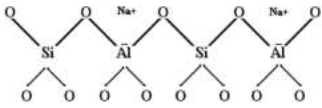
figure 1: Schematic structure of the natural zeolite [45].
8.4 Characteristics of zeolite in agriculture
The main character of zeolites to apply in agriculture is because of its retention in soil for long period [59]. Zeolites are potential adsorbents due to the ability of their microporous structures to adsorb molecules at relatively low pressure [60, 61]. These are good cationic exchangers compared to other minerals because it contains variety of cage structures, natural structural defects, adsorbed ions. The internal areas of zeolites are in the range of 400-850 m2 g-1 for zeolites [62]. Stephen H [63] results showed that addition of zeolite improved the nutrient levels and improved growth in plants because of its retention property. The urease in zeolite have been studied with adsorption capacity and this has been investigated to find the properties and activity of ureases by the zeolite influences. Application of zeolite on soils can reduce the leaching of nitrates from the soil [64]. When NH4-zeolite combined with P, though it has high soluble nature of P but uptake by the plants has lower rate and quantity [65].
8.5 Application of nano-zeolites
The major application of the zeolites such as refineries, adsorption and sorption, seperation processes, environmental science and agricultural sectors. Zeolite improves soil condition by enhancing water and nutrients utilization efficacy, fertility, biological activity, ammonia volatization and soil salinity which increase the cultivation product outlet [66, 67]. Slow degradation and decomposition property of nano-zeolite increases the availability of nutrients to the plants for a required time period [68]. Retention of anions by nano-zeolites is because of its high pore density, anion exchange capacity and increased surface area [54]. Not only substituting nutrients by silica-alumina materials has widely popular inwhich the zeolite is mainly used in agriculture to capture,store and release nitrogen slowly [69]. Application of nano-zeolite in agriculture is possible because of their special cation exchange properties, molecular sieving and adsorption [70]. Zeolites manages the activity of nitrogen and phosphorous.
9. Physiological and Biochemical Effects on Adding Nanoparticle to Plants
The concept of nano materials is vast and is widely applied in the field of agriculture. It is experimentally verified by various researchers and various physiological and biochemical effects were observed by introducing nanoparticles through many ways. It is observed that an increase in activity of malondialdehyde and peroxidase when Fe2O3 nanoparticles are applied in the root of Arachis hypogea at a concentration 2–50mg/kg and its application also increases the plant height, root length and chlorophyll content [71]. Also, when nano Fe2O3 are sprayed to soybean until growth at different stages of maturity an increased in yield and pod weight is observed [72] . It is also seen an increase in growth and chlorophyll content when super paramagnetic iron-oxide nanomaterials are exposed through soil to soybean by [73]. It is also revealed an increased germination, seedling, activities of antioxidant enzymes (catalase, superoxidedismutase and peroxidase) is seen when Fe2O3 paricle at a size of about 18nm is applied to the watermelon plant through soil [74]. By exposing Nano copper through Soil to Mungbean an enhanced photosynthetic activity by modulating fluorescence emission, photo phosphorylation which Increases nitrogen assimilation, length of root and shoot [75] is achieved. When Nano Fe2O3 with a size of 21nm is exposed to Peanut shows a Increased protein content [76] . An Increased yield with concentration of seed protein and chlorophyll is achieved when NanoFe is applied through folicules to Black-eyed pea is revealed by D. Alidoust [77]. An excessive accumulation of Cu in plants affects the biological activity and it is toxic to plants, thus the accumulation of copper can be prevented by application of nano copper oxide in plants such as Halimione portulacoides, Phragmites australis etc is shown by F. Andreotti et al. [78]. An Improved photosynthetic quantum efficiency and chlorophyll content in leaves of treated seedlings of mustard is achieved when nano silver particles are applied to it [79] Titanium oxide nanoparticle of size around 20–160nm is applied through Soil route for 130 days to the Tomato plant promotes the root growth [80]. Application of SiO2 nanoparticles to Larix olgensis showed a best results with an increase in mean height, root length, number of lateral roots, and chlorophyll concentration. Haghighi et al. revealed that when Nano-Si; particles are applied in Lycopersicum esculentum were observed to act better in the adaptation of plants under salinity stress, with improvements in root and shoot growth. When SiO2 particles of around 50 nm are exposed to Lens culinary shows an improved germination and early growth of plants under salinity stress. Flowering can be improved by using Si nanoparticle in Vicia faba by the research studies [81].
10. Yield Potential of the Crop
Yeild of crop depends on the quantity of micro and macro nutrients available in soil. The nutrients fuctions and its effects of deficiency are listed in Table 2:
|
Table 2: Major and Micro nutrient elements functions in plants and effects of defiency.
11. Crop Productivity
In mid century it is essential to increase the crop productivity by 50% for the increased population [88]. Crop production rate can be increased by using different plant breeds, nanofertilizers [89]. Nanomaterials enhance the cropproductivity by increasing the efficiency of agricultural inputs. This efficiency can be increased by delivering fertilizer at a targeted site and avoid detoxification of soil. Reducing the loss of applied fertlizer can also increases crop productivity. It can also be increased by inducing seed germination. Nanomaterials such as TiO2, ZnO, FeO, ZnFeCu-oxide, carbon nanotubes, fulerenes can enchance the productivity. The application of nanoparticles to fertilizers reduces eutrophication thus fertilizers efficiently reaches the targeted site. Nanozinc and boron are applied in folicules to increase the fruit yeild. Application of nanoparticles can faster the seed germination which results in short time yield. Nanomaterials are often considered as ’smart delivery system’ which exhibits unique functions in crop production [86].
12. Detoxification
Nano-remediation methods involve the application of reactive nanomaterials for transformation and detoxification of pollutants.When Nanoparticle enters into the cell, they interrupt the electron transport system (ETS) cycle of chloroplast and mitochondria which triggers oxidative burst due to increase of reactive oxygen species concentration. So metal based NPs can induce oxidative stress in many plant species. Sulfur metabolism in plants plays an important role in stress tolerance, especially in metaldetoxification. Over usage of herbicides leave residue in the soil and cause damage to the succeeding crops. This Continuous usage of single herbicide leads to evolution of herbicide resistant weed species. Atrazine herbicide is used globally for the control of pre-and postemergence broadleaf and grassy weeds, which has high persistence and mobility in some types of soils [23]. Residual problems due to the application of atrazine herbicide pose a threat towards widespread use of herbicide and limit the choice of crops in rotation. Application of silver modified with nanoparticles of magnetite stabilized with Carboxy Methyl Cellulose (CMC) nanoparticles recorded 88% degradation of herbicide atrazine residue under controlled environment [90].
13. Conclusion
Nanotechnology in agriculture is a definite solution for a demanding food supply for a huge population. The extraction of nanoparticles from agricultural waste is a substitute for waste management and raw sources for nanoparticle synthesis. The green nanoparticles can be delivered through fertilizers, pesticides for the enhancing the production of plants. Green nanoparticles are synthesized by various methodologies from plant waste. In this review work the methods available for green nanoparticle synthesis are overviewed. These nanoparticles can also be implanted through capsulation, absorption, entrapment, weak ionic bond attachment. By the application of nanoparticle the presence of macro and micro nutrients in the soil can be absorbed effectively, which is more essential for high yield and growth. By the application in soil, the release of chemicals can be controlled by nano composites. Application of carbon, metal and metal oxide based nanoparticles produces a positive impact on plants. The metal nanoparticles mainly involves in avoiding denitrification of nitrogen elements. The usage of zeolites in agriculture as a carrier for nutrients can improve the soil condition and nutrient utilization efficiency. Sometimes nanoparticle can be added at a specific plant cycle to meet the economic production. Nanomaterials are often considered as ’smart delivery system’ because of its unique characteristics and its functions.
Acknowledgment
The authors thank the SEED Grant Research Scheme (KEC/R&D/SGRS/05/2020), KVIT Trust, India for the financial support.
References
- Islam SMF, Karim Z. World’s Demand for Food and Water: The Consequences of Climate Change, in: Farahani MHDA, Vatanpour V, Taheri AH, (Eds), Desalination - Challenges and Opportunities, IntechOpen (2019).
- Campbell LS, Davies B. Experimental investigation of plant uptake of caesium from soils amended with clinoptilolite and calcium carbonate. Plant and Soil 189 (1997): 65-74.
- Calvo-Polanco M, ZhangWS, MacdonaldSE, et al. Boreal forest plant species responses to pH: ecological interpretation and application to reclamation. Plant and Soil 420 (2017): 195-208.
- Kolencik M, Ernst D, Komar M, et al . Effect of Foliar Spray Application of Zinc Oxide Nanoparticles on Quantitative, Nutritional, and Physiological Parameters of Foxtail Millet (Setaria italica L.) under field Conditions. Nanomaterials 9 (2019): 1559.
- Clark MJ, Zheng Y. Fertilizer rate influences production scheduling of sedum-vegetated green roof mats. Ecological Engineering 71 (2014): 644-650.
- Baiocco D, Lavecchia R, Natali S, et al. Production of Metal Nanoparticles by Agro-Industrial Wastes: A Green Opportunity for Nanotechnology. Chemical Engineering Transactions 47 (2016 ): 67-72.
- Skiba MI, Vorobyova VI. Synthesis of Silver Nanoparticles Using Orange Peel Extract Prepared by Plasmochemical Extraction Method and Degradation of Methylene Blue under Solar Irradiation. Advances in Materials Science and Engineering (2019): 1-8.
- Sinsinwar S, Sarkar MK, Suriya KR, et al. Use of agricultural waste (coconut shell) for the synthesis of silver nanoparticles and evaluation of their antibacterial activity against selected human pathogens. Microbial Pathogenesis 124 (2018):30-37.
- Ganaie SU, Abbasi T, Abbasi SA. Green Synthesis of Silver Nanoparticles Using an Otherwise Worthless Weed Mimosa (Mimosa pudica): Feasibility and Process Development Toward Shape/Size Control. Particulate Science and Technology 33 (2015): 638-644.
- Kalaiselvi M, Subbaiya R, Masilamani Selvam. Synthesis and characterization of silver nanoparticles from leaf extract of Parthenium hysterophorus and its anti-bacterial and antioxidant activity Int.J.Curr.Microbiol.App.Sci 2 (2013): 220-227220.
- Vasyliev G, Vorobyova V, Skiba M. Green Synthesis of Silver Nanoparticles Using Waste Products (Apricot and Black Currant Pomace) Aqueous Extracts and Their Characterization. Advances in Materials Science and Engineering (2020): 11.
- Krishnaswamy K, Vali H, Orsat V. Value-adding to grape waste: Green synthesis of gold nanoparticles. Journal of Food Engineering 142 (2014): 210-220.
- Yaro SA, Olajide OS, Asuke F. Synthesis of groundnut shell nanoparticles: characterization and particle size determination. The Int. Journal Adv. Manuf. Technology 91 (2017): 1111-1116.
- Mohd NK, Wee NNNA, Azmi AA. Green synthesis of silica nanoparticles using sugarcane bagasse. AIP Conference Proceedings 1885 (2017): 020123.
- Chen H, Wang W, Martin JC, et al. Extraction of Lignocellulose and Synthesis of Porous Silica Nanoparticles from Rice Husks: A Comprehensive Utilization of Rice Husk Biomass. ACS Sustainable Chemistry and Engineering 1 (2012): 254-259.
- Patel KG, Misra NM, Vekariya RH, et al. One-pot multicomponent synthesis in aqueous medium of 1,4-dihydropyrano [2,3-c] pyrazole-5-carbonitrile and derivatives using a green and reusable nano-SiO2 catalyst from agricultural waste. Research on Chemical Intermediates 44 (2017): 289-304.
- Bankar A, Joshi B, Kumar AR, et al. Banana peel extract mediated novel route for the synthesis of palladium nanoparticles. Materials Letters 64 (2010): 1951-1953.
- Lakshmipathy R, Palakshi Reddy B, Sarada NC, et al. Watermelon rind-mediated green synthesis of noble palladium nanoparticles: catalytic application. Appl Nanosci 5 (2015): 223-228.
- Pandit PR, Fulekar MH. Egg shell waste as heterogeneous nanocatalyst for biodiesel production: Optimized by response surface methodology. Journal of Environmental Management 198 (2017): 319-329.
- Stan M, Lung I, Soran ML, et al. Removal of antibiotics from aqueous solutions by green synthesized magnetite nanoparticles with selected agro-waste extracts. Process Safety and Environmental Protection 107 (2017): 357-372.
- Hu C W, Li M, Cui Y B, et al. Toxicological effects of TiO2 and ZnO nanoparticles in soil on earthworm Eisenia fetida. Soil Biology and Biochemistry 42 (2010): 586-591.
- Namazi AB, Allen DG, Jia CQ. Probing microwave heating of lignocellulosic biomasses. Journal of Analytical and Applied Pyrolysis 112 (2015): 121-128.
- Harris AT, Bali R. On the formation and extent of uptake of silver nanoparticles by live plants. Journal of Nanoparticle Research 10 (2008): 691-695.
- Danish M, Hussain T. Nanobiofertilizers in Crop Production. In: Panpatte, D. G., Jhala, Y. K. (Eds.). Nanotechnology for Agriculture: Crop Production & Protection. Springer, Singapore (2019).
- Joga MR, Zotti MJ, Smagghe G, et al. RNAi efficiency, systemic properties, and novel delivery methods for pest insect control: what we know so far. Frontiers in physiology 7 (2016): 553.
- Pandey G. Challenges and future prospects of agri-nanotechnology for sustainable agriculture in India. Environmental Technology and Innovation 11 (2018): 299-307.
- Janta R, Sekiguchi K, Yamaguchi R, et al. Ambient PM2.5, polycyclic aromatic hydrocarbons and biomass burning tracer in Mae Sot District, western Thailand, Atmospheric Pollution Research 11 (2022): 27-39.
- Bray CD, Battye WH, Aneja VP. The role of biomass burning agricultural emissions in the Indo-Gangetic Plains on the air quality in New Delhi, India.Atmospheric Environment 218 (2019): 116983.
- Phairuang W, Suwattiga P, Chetiyanukornkul T, et al. The influence of the open burning of agricultural biomass and forest fires in Thailand on the carbonaceous components in size-fractionated particles. Environmental Pollution 247 (2019): 238-247.
- Liu T, He G, Lau AKH. Statistical evidence on the impact of agricultural straw burning on urban air quality in China, Science of the Total Environment 711 (2019): 134633.
- Klinmalee, Kim Oanh NT. Influence of rice straw open burning on levels and profiles of semi-volatile organic compounds in ambient air. Chemosphere 243 (2019): 125379.
- Rashid MI, Shahzad T, Shahid M, et al. Zinc oxide nanoparticles affect carbon and nitrogen mineralization of Phoenix dactylifera leaf litter in a sandy soil. Journal of hazardous materials 324 (2017): 298-305.
- Crusciol CAC, Campos Md, Martello JM, et al. Organomineral Fertilizer as Source of P and K for Sugarcane. Sci Rep 10 (2020): 5398.
- Bruun S, EL-Zehery T. Biochar effect on the mineralization of soil organic matter. Pesquisa Agropecuária Brasileira 47 (2012): 665-671.
- Davarpanah S, Tehranifar A, Davarynejad G, et al. Effects of foliar applications of zinc and boron nano-fertilizers on pomegranate (Punica granatum cv. Ardestani) fruit yield and quality. Scientia Horticulturae 210 (2016): 57-64.
- Kale AP, Gawade SN. Studies on nanoparticle induced nutrient use efficiency of fertilizer and crop productivity. Green Chem Tech Lett 2 (2016): 88-92.
- Li SX, Wang ZH, Miao YF, et al. Soil organic nitrogen and its contribution to crop production. Journal of Integrative Agriculture 13 (2014): 2061-2080.
- Solanki P, Bhargava A, Chhipa H, et al. Nano-fertilizers and Their Smart Delivery System. In Rai M, Ribeiro C, Mattoso L, Duran N. (eds) Nanotechnologies in Food and Agriculture. Springer, Switzerland (2015).
- Marzouk NM, Abd-Alrahman HA, EL-Tanahy AMM, et al. Impact of foliar spraying of nano micronutrient fertilizers on the growth, yield, physical quality, and nutritional value of two snap bean cultivars in sandy soils. Bull Natl Res Cent 43 (2019): 84.
- Millán G, Agosto F, Vázquez M. Use of clinoptilolite as a carrier for nitrogen fertilizers in soils of the Pampean regions of Argentina. International Journal of Agriculture and Natural Resources 35 (2008): 293-302.
- Eichert T, Goldbach HE. Equivalent pore radii of hydrophilic foliar uptake routes in stomatous and astomatous leaf surfaces–further evidence for a stomatal pathway. Physiologia Plantarum 132 (2008): 491-502.
- Bin Hussein MZ, Zainal Z, Yahaya AH, et al. Controlled release of a plant growth regulator, α-naphthaleneacetate from the lamella of Zn-Al-layered double hydroxide nanocomposite. Journal of Controlled Release 82 (2002): 417-427.
- DeRosa M, Monreal C, Schnitzer M, et al. Nanotechnology in fertilizers. Nature Nanotech 5 (2010): 91.
- Hossain KZ, Monreal CM, Sayari A. Adsorption of urease on PE-MCM-41 and its catalytic effect on hydrolysis of urea. Colloids and Surfaces B: Biointerfaces 62 (2008): 42-50.
- Yang F, Liu C, Gao F, et al. The Improvement of Spinach Growth by Nano-anatase TiO2 Treatment Is Related to Nitrogen Photoreduction. Biol Trace Elem Res 119 (2007): 77-88.
- Singha A, Singha NB, Hussaina I, et al. Plant-nanoparticle interaction: An approach to improve agricultural practices and plant productivity. International Journal of Pharmaceutical Science Invention 4 (2015): 25-40.
- Lateef A, Nazir R, Jamil N, et al. Synthesis and characterization of zeolite based nano–composite: An environment friendly slow release fertilizer. Microporous Mater 232 (2016): 174-183.
- Jiang J, Cai DQ, Yu ZL, et al. Loss-control fertilizer made by active clay, flocculant and sorbent.Chinese Patent Specification ZL200610040631 (2006): 1.
- Liu R, Kang Y, Pei L, et al. Use of a New Controlled-Loss-Fertilizer to Reduce Nitrogen Losses during Winter Wheat Cultivation in the Danjiangkou Reservoir Area of China. Communications in Soil Science and Plant Analysis 47 (2016): 1137-1147.
- Guo Z, Han J, Li J, et al. Effects of long-term fertilization on soil organic carbon mineralization and microbial community structure. PLoS One 14 (2019): e0211163.
- Jin Z, Shah T, Zhang L, et al. Effect of straw returning on soil organic carbon in rice–wheat rotation system: A review, Food Energy Secur 9 (2020): e200.
- Franca AS, Oliveira LS, Nunes AA, et al. Microwave assistedthermal treatment of defective coffee beans press cake for the production of adsorbents Bioresource Technology 101 (2010): 1068-1074.
- Pujara Y, Pathak P, Sharma A, et al. Review on Indian Municipal Solid Waste Management practices for reduction of environmental impacts to achieve sustainable development goals. Journal of Environmental Management 248 (2019): 109238.
- Sangeetha C, Baskar P. Zeolite and its potential application in agriculture, Agricultural Reviews 37 (2016): 101-108.
- Rafiq Z, Nazir R, Durr-e-Shahwar Shah MR, et al. Utilization of magnesium and zinc oxide nano-adsorbents as potential materials for treatment of copper electroplating industry wastewater. Journal of Environmental Chemical Engineering 2 (2014): 642-651.
- Manikandan A, Subramaniam K. Fabrication and characterisation of nanoporous zeolite based N fertilizer. African Journal of Agricultural Research 9 (2014): 276-284.
- Santiago O, Walsh K, Kele B, et al. Novel pre-treatment of zeolite materials for the removal of sodium ions: potential materials for coal seam gas co-produced wastewater. SpringerPlus 5 (2016): 571.
- Engin MS, Uyanik A, Cay S, et al. Effect of the Adsorptive Character of filter Papers on the Concentrations Determined in Studies Involving Heavy Metal Ions. Adsorption Science & Technology 28 (2010): 837-846.
- Rehakova M, Cuvanova S, Dzivak M, et al. Agricultural and agrochemical uses of natural zeolite of the clinoptilolite type. Curr. Opin. Solid State Mater. Sci 8 (2004): 397-404.
- Salehi S, Anbia M. Adsorption selectivity of CO2 and CH4 on novel PANI/Alkali-Exchanged FAU zeolite nanocomposites. Journal of Inorganic and Organometallic Polymers and Materials 27 (2017): 1281-1291.
- Mahesh M, Thomas J, Arun Kumar K, et al. Zeolite Farming: A Sustainable Agricultural Prospective. Int. J. Curr. Microbiol. App. Sci 7 (2018): 2912-2924.
- Ferch H. Zeolites and clay minerals as sorbents and molecular sieves. Chemie Ingenieur Technik 52 (1980): 366-366.
- Anderson CH SH, Ervin EH. Amendments and Construction Systems for Improving the Performance of Sand-Based Putting Greens. Agronomy Journal 95 (2003): 1583.
- Huang ZT, Petrovic AM. Physical Properties of Sand as Affected by Clinoptilolite Zeolite Particle Size and Quantity. Journal of Turfgrass Management 1 (1994): 1-15.
- Saikiran A, Vivekanand M, Prahalad M, et al. Microwave synthesis of Zn/Mg substituted and Zn/Mg-F co-substituted nanocrystalline hydroxyapatite. Materials Today: Proceedings 27 (2019): 2355-2359.
- Xiubin H, Zhanbin H. Zeolite application for enhancing water infiltration and retention in loess soil. Resources. Conservation and Recycling 34 (2001): 45-52.
- Kieta KA, Owens PN. Phosphorus release from shoots of Phleum pretense L. after repeated freeze-thaw cycles and harvests, Ecological Engineering 127 (2019): 204-211.
- Rai V, Acharya S, Dey N. Implications of Nanobiosensors in Agriculture. Journal of Biomaterials and Nanobiotechnology 3 (2012).
- Marie L, Jean-Francois H, Stanley L, et al. Silicon and Plants: Current Knowledge and Technological Perspectives. Frontiers in Plant Science 8 (2017): 411.
- Ahmed OH, Sumalatha G, Muhamad AMN. Use of zeolite in maize (Zea mays) cultivation on nitrogen, potassium and phosphorus uptake and use efficiency. International Journal of the Physical Sciences 5 (2010): 2393-2401.
- Rui M, Ma C, Hao Y, et al. Iron oxide nanoparticles as a potential iron fertilizer for peanut (Arachishypogaea). Frontiers in plant science 7 (2016): 815.
- Sheykhbaglou R, Sedghi M, Shishevan MT, et al. Effects of nano-iron oxide particles on agronomic traits of soybean. Notulae Scientia Biologicae 2 (2010): 112-113.
- Ghafariyan MH, Malakouti MJ, Dadpour MR, et al. Effects of magnetite nanoparticles on soybean chlorophyll. Environmental science and technology 47 (2013): 10645-10652.
- Li J, Chang PR, Huang J, et al. Physiological effects of magnetic iron oxide nanoparticles towards watermelon. Journal of Nanoscience and Nanotechnology 13 (2013): 5561-5567.
- Pradhan S, Patra P, Mitra S, et al. Copper nanoparticle (CuNP) nanochain arrays with a reduced toxicity response: A biophysical and biochemical outlook on Vigna radiata. Journal of agricultural and food chemistry 63 (2015): 2606-2617.
- Suresh S, Karthikeyan S, Jayamoorthy K. Effect of bulk and nano-Fe2O3 particles on peanut plant leaves studied by Fourier transform infrared spectral studies. Journal of Advanced Research 7 (2016): 739-747.
- Alidoust D, Isoda A. Effect of γ-Fe2O3 nanoparticles on photosynthetic characteristic of soybean (Glycine max (L.) Merr.): foliar spray versus soil amendment. Acta Physiol. Plant 35 (2013): 3365-3375.
- AndreottiF, Mucha AP, Caetano C, et al. Interactions between salt marsh plants and Cu nanoparticles-Effects on metal uptake and phytoremediation processes.Ecotoxicology and Environmental Safety 120 (2015): 303-309.
- Sharma P, Bhatt D, Zaidi MGH, et al. Silver nanoparticle-mediated enhancement in growth and antioxidant status of Brassica juncea. Applied Biochemistry and Biotechnology 167 (2012): 2225-2233.
- Antisari LV, Carbone S, Gatti A Vianello, et al. Uptake and translocation of metals and nutrients in tomato grown in soil polluted with metal oxide (CeO2, Fe3O4, SnO2, TiO2) or metallic (Ag, Co, Ni) engineered nanoparticles. Environ. Sci. Pollut. Res 22 (2015): 1841-1853.
- Rastogi A, Tripathi DK, Yadav S, et al. Application of silicon nanoparticles in agriculture. 3 Biotech 9 (2019): 90.
- Pandey R. Mineral Nutrition of Plants. In, Bahadur B., Venkat Rajam M., Sahijram L., Krishnamurthy K. (eds) Plant Biology and Biotechnology. Springer, New Delhi (2015).
- Zambrosi FCB, Ribeiro RV, Marchiori PER, et al. Sugarcane performance under phosphorus deficiency: physiological responses and genotypic variation. Plant and soil 386 (2015): 273-283.
- Leigh RA, Wyn Jones RG. A Hypothesis Relating Critical Potassium Concentrations for Growth to the Distribution and Functions of This Ion in the Plant Cell. New Phytologist 97 (1984): 1-13.
- Guo W, Nazim H, Liang Z, et al. Magnesium deficiency in plants: An urgent problem. The Crop Journal 4 (2016): 83-91.
- Farooq MUM, Wakeel A, Nawaz A, et al. Nanotechnology in agriculture: Current status, challenges and future opportunities.Science of The Total Environment 721 (2020): 137778.
- Chen CT, Lee CL, Yeh DM. Effects of Nitrogen, Phosphorus, Potassium, Calcium, or Magnesium Deficiency on Growth and Photosynthesis of Eustoma. HortScience 53 (2018): 795-798.
- Kah M, Tufenkji N, White JC. Nano-enabled strategies to enhance crop nutrition and protection. Nature Nanotechnology 14 (2019): 532-540.
- Marchiol L. Nanotechnology in Agriculture: New Opportunities and Perspectives, in:Celik, O., (Eds), New Visions in Plant Science, IntechOpen (2018).
- Susha VS, Chinnamuthu CR. Synthesis and Characterization of Iron based Nanoparticles for the Degradation of Atrazine Herbicide. Research Journal of Nanoscience and Nanotechnology 2 (2012): 79-86.