Reeya Kim1 and Kyoung Su Kim2*
1Brookline High School, 115 Greenough Street, Brookline, MA 02445, USA
2Gangbuk Baeksang Dental Clinic, Gwangsan Tower, 1083 Hancheon-ro, Gangbuk-gu, Seoul 01048, Republic of Korea
*Corresponding Author: Kyoung Su Kim, Board-certified Specialist in Integrated Dental Medicine, Gangbuk Baeksang Dental Clinic, Gwangsan Tower, 1083 Hancheon-ro, Gangbuk-gu, Seoul 01048, Republic of Korea
Received: 23 June 2026; Accepted: 29 June 2026; Published: 30 June 2026
Objective: To synthesize clinical efficacy, safety concerns, contraindications, and drug–drug interactions of over-the-counter medications used for oral and orofacial pain, and to clarify boundaries between self-medication and professional care.
Methods: A narrative review was conducted using PubMed to identify articles published from January 2006 to April 2026. The search focused on over-the-counter (OTC) analgesics and oral pain-related medications, including acetaminophen, nonsteroidal anti-inflammatory drugs (NSAIDs), aspirin, topical oral analgesics, therapeutic mouthrinses, adverse effects, contraindications, and drug–drug interactions. Clinical trials, systematic reviews, meta-analyses, guidelines, consensus statements, and high-quality narrative reviews were prioritized. A total of 84 articles were included in the qualitative synthesis.
Results: NSAIDs, with or without acetaminophen, were supported as effective short-term options for selected acute dental and postoperative pain conditions. Acetaminophen may be useful when NSAIDs are contraindicated or as an adjunct. However, over-the-counter medications are insufficient for odontogenic infection, persistent mucosal lesions, neuropathic facial pain, chronic temporomandibular disorder-related pain, and medically complex conditions requiring professional evaluation. Major safety concerns include gastrointestinal bleeding, renal injury, cardiovascular risk, hepatotoxicity, antiplatelet effects, methemoglobinemia, duplicated ingredients, and interactions with anticoagulants, antiplatelet agents, corticosteroids, antidepressants, antihypertensive drugs, lithium, methotrexate, and warfarin.
Conclusions: OTC medications can provide short-term relief for selected oral and orofacial pain conditions, particularly acute dental and
postoperative pain. However, they require careful attention to indication, dose, duration, comorbidities, concurrent medications, psychological vulnerability, and red-flag symptoms, and should not substitute for definitive dental, medical, or specialist care.
Over-the-counter medication, Oral pain, Orofacial pain, Dental pain, Nonsteroidal anti-inflammatory drugs, Acetaminophen, Drug–drug interaction
Over-the-counter medication articles; Oral pain articles; Orofacial pain articles; Dental pain articles; Nonsteroidal anti-inflammatory drugs articles; Acetaminophen articles; Drug–drug interaction articles
Introduction
Oral and orofacial pain is common, disruptive, and often prompts patients to seek immediate symptom relief before obtaining professional dental care. It includes acute odontogenic pain, postoperative dental pain, mucosal pain, periodontal inflammatory pain, temporomandibular disorder (TMD)-related pain, and neuropathic facial pain. In the United States, approximately 5% of adults report orofacial pain within the preceding 3 months [1]. Globally, oral diseases affect approximately 3.7 billion people and frequently cause pain, discomfort, functional limitation, and reduced quality of life [2]. Toothache alone has been reported in nearly one-third of adults over a 12-month period, underscoring the substantial burden of oral pain worldwide [3].
For many patients, the first stop is not the dental clinic but the pharmacy aisle. In the United States, over-the-counter (OTC) medications are readily available in pharmacies, supermarkets, and convenience stores. As a result, acetaminophen, ibuprofen, naproxen, aspirin, and topical oral analgesics are often used before patients seek dental or medical consultation [4,5]. For selected acute dental pain conditions, OTC non-opioid analgesics, particularly nonsteroidal anti-inflammatory drugs (NSAIDs) with or without acetaminophen, can provide effective short-term pain relief when used appropriately [6].
The convenience of OTC access, however, should not be mistaken for an absence of risk. The wide availability of OTC medications may create the false impression that they are universally safe. Misuse, excessive dosing, duplicated ingredients in combination products, prolonged use, and inappropriate selection in medically complex patients may lead to clinically significant adverse events [7]. NSAIDs may increase gastrointestinal, renal, cardiovascular, and bleeding-related risks; acetaminophen may cause hepatotoxicity when overdosed or combined with other acetaminophen-containing products; and topical oral anesthetics may pose safety concerns when used repeatedly or in vulnerable populations [8,9].
This narrative review is based on the premise that OTC medications are useful only when their apparent simplicity is matched by informed use. The purpose of this review is to examine both the therapeutic accessibility and clinical vulnerability of OTC medication use for oral and orofacial pain. Specifically, this review summarizes the clinical evidence, safety concerns, contraindications, and drug-drug interactions of commonly used systemic analgesics and selected topical oral medications. It also clarifies the appropriate clinical roles and limitations of OTC medications and identifies conditions and patient populations in which professional dental, medical, or specialist evaluation is required, including infection, progressive dental disease, neuropathic pain, chronic TMD-related pain, and medically or psychologically complex presentations.
Materials and Methods
A literature search was performed in PubMed for articles published over the past 20 years, from January 2006 to April 2026. The search strategy included combinations of the following keywords: “oral pain,” “orofacial pain,” “dental pain,” “toothache,” “postoperative dental pain,” “periodontal pain,” “mucositis,” “temporomandibular disorder,” “neuropathic orofacial pain,” “over-the-counter medication,” “OTC analgesics,” “nonsteroidal anti-inflammatory drugs,” “NSAIDs,” “ibuprofen,” “naproxen,” “aspirin,” “acetaminophen,” “paracetamol,” “benzocaine,” “topical oral analgesics,” “drug interaction,” “drug-drug interaction,” “adverse effects,” and “medication safety.”
Articles were selected based on their relevance to the use of OTC medications for oral and orofacial pain, including evidence on analgesic efficacy, clinical indications, limitations, adverse events, contraindications, and interactions with commonly prescribed medications. Priority was given to clinical trials, systematic reviews, meta-analyses, clinical guidelines, consensus statements, and high-quality narrative reviews. Additional relevant references were identified through manual screening of the reference lists of selected articles.
Because this study was designed as a narrative review, formal systematic review procedures, including duplicate screening, quantitative meta-analysis, and risk-of-bias assessment, were not performed. Instead, the included literature was synthesized qualitatively to provide a clinically practical overview of OTC medication use, safety considerations, and drug-drug interactions in the management of oral and orofacial pain.
Results
1. Overview of OTC Medications Used for Oral and Orofacial Pain
OTC medications are commonly used by patients to manage oral and orofacial pain before seeking professional care. In the United States, these medications are readily available in pharmacies, supermarkets, and convenience stores, allowing patients to access analgesic and topical products without a prescription. The most frequently used systemic OTC analgesics for oral and dental pain include acetaminophen, NSAIDs such as ibuprofen and naproxen, and aspirin [5,10]. Selected topical oral analgesics, particularly benzocaine-containing products, are also available for short-term relief of localized mucosal discomfort [11].
The role of OTC medications differs substantially according to the underlying pain condition. For acute dental pain, postoperative dental pain, and inflammatory odontogenic pain, NSAIDs, either alone or in combination with acetaminophen, represent the most clinically relevant OTC options. The American Dental Association (ADA) recommends NSAIDs as first-line therapy for acute dental pain, and Centers for Disease Control and Prevention (CDC) dental pain guidance similarly notes that NSAIDs are more effective than opioids for surgical dental pain in many clinical situations [6,12].
However, OTC medications should be understood primarily as symptomatic therapies rather than definitive treatments [13]. They may reduce pain intensity while the patient awaits dental or medical evaluation, but they do not treat dental caries, pulpal disease, periapical infection, periodontal disease, spreading odontogenic infection, or neuropathic pain syndromes. This distinction is particularly important because inappropriate reliance on OTC medications may delay diagnosis and definitive treatment [14]. The working scope of this review therefore distinguishes OTC agents useful for short-term symptom control from conditions that require professional dental, medical, or specialist management. To provide a clinically practical overview, table 1 summarizes reasonable OTC medication options for common oral and orofacial pain conditions and highlights key safety cautions.
2. Systemic OTC Analgesics for Acute Dental and Orofacial Pain
Systemic OTC analgesics are most relevant for acute toothache, postoperative dental pain, periodontal inflammatory pain, and short-term musculoskeletal orofacial pain. Among these agents, NSAIDs are particularly important because many acute dental pain conditions have an inflammatory component mediated by prostaglandin production [15]. Ibuprofen and naproxen inhibit cyclooxygenase activity and reduce prostaglandin-mediated inflammation and pain [16]. This anti-inflammatory effect helps explain why NSAIDs are often more effective than acetaminophen alone for acute inflammatory dental pain [12].
Ibuprofen is one of the most commonly used OTC medications for toothache and postoperative dental pain [17]. Naproxen provides a longer duration of action and may be useful when longer dosing intervals are preferred [18]. Both agents may be effective for short-term management of pain associated with toothache, extraction-related pain, or gingival inflammatory discomfort, provided that the patient has no contraindications such as active gastrointestinal ulceration, kidney disease, anticoagulant use, or high bleeding risk. In appropriate patients, NSAIDs alone or combined with acetaminophen are generally preferred before considering opioid-containing regimens [10,16].
Acetaminophen is another important OTC analgesic. Unlike NSAIDs, acetaminophen does not provide substantial peripheral anti-inflammatory activity, but it can reduce pain and fever and may be useful when NSAIDs are contraindicated [18,19]. It is also frequently combined with NSAIDs because the two drug classes have different mechanisms of action. The combination of an NSAID and acetaminophen can provide effective analgesia for acute dental pain while avoiding opioid exposure in many patients [20].
Aspirin is also available OTC, but it is generally less preferred for routine dental pain relief compared with ibuprofen, naproxen, or acetaminophen because of its antiplatelet effect and gastrointestinal toxicity risk [21]. Importantly, aspirin should not be placed directly on the gingiva or tooth surface as a “home remedy,” because topical contact may cause chemical irritation or tissue injury [22,23]. In clinical counseling, aspirin should be discussed as a systemic medication with bleeding-related precautions, rather than as a local oral treatment.
3. OTC Medications for Mucosal Pain and Oral Ulcerative Conditions
Oral mucositis and mucosal pain may arise from aphthous ulcers, traumatic ulcers, denture-related irritation, viral ulcerative conditions, chemotherapy- or radiotherapy-associated mucositis, or other inflammatory mucosal diseases [24,25]. OTC topical oral analgesics are often used by patients for short-term relief of localized oral discomfort 26. Among these, benzocaine-containing gels, liquids, sprays, and lozenges are commonly marketed for pain in the mouth and gums.
Benzocaine acts as a topical anesthetic and may provide temporary symptomatic relief by reducing local sensory nerve activity [11]. However, its benefit is generally short-lived and should not replace evaluation of persistent, recurrent, or unexplained oral ulceration. U.S. Food and Drug Administration (FDA) safety information emphasizes that benzocaine oral products are associated with methemoglobinemia, a rare but potentially serious or life-threatening condition that reduces oxygen delivery in the blood [27]. The FDA has specifically warned against benzocaine use for teething pain in children younger than 2 years, and adult use should also be limited to appropriate short-term indications [28].
In oral mucositis, OTC topical anesthetics may have a limited role, but management often requires clinician-directed care, particularly in cancer therapy-associated mucositis [29]. Bland rinses such as saline, sodium bicarbonate, or saline/sodium bicarbonate solutions are commonly recommended as supportive measures, and alcohol-free mouthwashes may be preferable when the mucosa is irritated 30. National Cancer Institute (NCI) guidance lists bland rinses and topical anesthetics as topical approaches for oral mucositis management [24]. In a previous randomized controlled trial, alcohol-free mouthwashes including Zinc chloride and sodium bicarbonate mouthwashes during cancer treatment-related mouth care were recommended [31].
For this review, topical oral analgesics are discussed as OTC medications, whereas bland rinses and alcohol-free mouthwashes are considered supportive oral care measures. Clinically, patients should be advised that oral ulcers lasting longer than two weeks, ulcers associated with induration or bleeding, recurrent unexplained lesions, or mucosal pain accompanied by systemic symptoms require professional evaluation rather than repeated OTC anesthetic use.
4. OTC Products in Periodontal and Gingival Inflammatory Pain
Gingival and periodontal pain may occur in gingivitis, periodontitis, periodontal abscess, pericoronitis, traumatic gingival injury, or after periodontal procedures [32]. OTC analgesics such as ibuprofen, naproxen, and acetaminophen may reduce pain associated with gingival inflammation, but they do not address the underlying microbial biofilm, periodontal pocketing, attachment loss, or abscess formation [33,34]. Therefore, the role of OTC medication in periodontal pain should be framed as temporary symptom control rather than periodontal therapy.
Some OTC therapeutic mouthrinses, such as essential oil- or cetylpyridinium chloride-containing rinses, may help reduce plaque or gingivitis-related inflammation. Chlorhexidine mouthrinse has evidence for gingival health but is generally prescription-only in the United States [35]. Cetylpyridinium chloride-containing rinses may also be included among OTC oral products with antiplaque or anti-gingivitis indications, although their role is adjunctive and should not be equated with periodontal treatment [36].
Periodontitis requires professional diagnosis and management. The ADA nonsurgical treatment guideline describes scaling and root planing, with or without adjuncts, as the evidence-based nonsurgical approach for chronic periodontitis. Accordingly, OTC products should not be presented as treatments for periodontitis itself [37]. Rather, they may be used as adjuncts to oral hygiene, plaque control, or short-term pain relief while the patient receives definitive periodontal care.
5. Clinical Boundaries: Conditions in Which OTC Medications Are Insufficient
A central theme of safe OTC use is recognizing when OTC medications are insufficient. OTC analgesics may temporarily reduce pain intensity, but they can mask symptoms of progressive disease [38]. Dental pain caused by caries, pulpitis, apical periodontitis, cracked tooth, periodontal abscess, or spreading odontogenic infection requires definitive dental diagnosis and treatment 39. Persistent toothache, facial swelling, fever, trismus, dysphagia, lymphadenopathy, purulent drainage, or rapidly worsening pain should prompt urgent professional evaluation [40]. To translate these clinical boundaries into practical guidance, table 2 summarizes red-flag presentations in which OTC medication use should not delay dental, medical, or specialist evaluation (Table 2).
To avoid overstating the role of OTC medications, this review distinguishes reasonable short-term OTC use from clinical situations requiring professional evaluation. OTC medications may reduce pain intensity, but persistent pain, swelling, fever, purulent discharge, dysphagia, dyspnea, non-healing mucosal lesions, electric shock-like facial pain, or progressive mandibular dysfunction should prompt dental, medical, or specialist evaluation rather than repeated self-medication [41,42].
Neuropathic orofacial pain is another area in which OTC medications have a limited role. Patients with burning, electric shock-like, stabbing, or paroxysmal facial pain may have trigeminal neuralgia, post-traumatic trigeminal neuropathic pain, postherpetic neuralgia, burning mouth disorder, or another neuropathic pain condition [43]. Acetaminophen or NSAIDs may reduce nonspecific discomfort in some patients, but they are not standard treatments for neuropathic orofacial pain [44,45]. Pharmacologic management often involves prescription medications such as gabapentinoids, serotonin-norepinephrine reuptake inhibitors, tricyclic antidepressants, or sodium channel blockers, depending on diagnosis [46,47]. The preliminary framework for this review therefore classifies neuropathic orofacial pain as a condition requiring professional evaluation rather than OTC-based management.
TMD-related pain may also require careful distinction. Short-term NSAID or acetaminophen use may be reasonable for acute musculoskeletal flare-ups, but chronic TMD pain often involves behavioral, biomechanical, psychosocial, sleep-related, and central sensitization components [48,49]. Repeated long-term OTC analgesic use without diagnosis may increase adverse event risk while failing to address the underlying drivers of persistent pain [50]. Therefore, OTC medications should be positioned as short-term adjunctive tools, not as stand-alone long-term therapy.
6. Safety Concerns and Drug-Drug Interactions
Although OTC medications are widely accessible, their availability should not be interpreted as universal safety. Many patients using OTC analgesics are older adults, have chronic medical conditions, or take prescription medications that increase the risk of adverse events [51]. For this reason, safe OTC use in oral and orofacial pain requires assessment of comorbidities, concurrent medications, dosing frequency, treatment duration, and duplicated ingredients across products [52].
NSAIDs carry clinically important gastrointestinal, renal, cardiovascular, and bleeding-related risks [53,54]. FDA ibuprofen labeling warns that NSAIDs may cause severe stomach bleeding, with higher risk in adults aged 60 years or older, patients with a history of stomach ulcers or bleeding problems, those taking anticoagulants or corticosteroids, those taking other NSAID-containing drugs, and those consuming three or more alcoholic drinks daily while using the product [55]. NSAIDs may also interact with antiplatelet agents, anticoagulants, systemic corticosteroids, selective serotonin reuptake inhibitors (SSRIs) and serotonin-norepinephrine reuptake inhibitors (SNRIs), lithium, methotrexate, and antihypertensive regimens involving ACE inhibitors or angiotensin receptor blockers with diuretics [56,57]. These interactions are particularly relevant in medically complex dental patients.
Acetaminophen has fewer gastrointestinal and platelet-related risks than NSAIDs, but hepatotoxicity is a major safety concern [58]. FDA acetaminophen labeling requires liver warnings related to excessive dosing, concomitant use of other acetaminophen-containing products, and alcohol use [59]. Because acetaminophen is commonly included in cold, flu, sleep, and combination pain medications, unintentional duplicate dosing is a frequent safety issue [60]. Patients taking warfarin, patients with liver disease, and those with heavy alcohol use require additional caution [61].
Aspirin requires special attention because it combines analgesic effects with irreversible antiplatelet activity. This may increase bleeding risk, especially when combined with anticoagulants, antiplatelet agents, other NSAIDs, corticosteroids, or alcohol [62]. In dental contexts, aspirin use should be specifically reviewed before invasive procedures or in patients with spontaneous gingival bleeding, gastrointestinal bleeding risk, or medically indicated antithrombotic therapy [63].
Topical benzocaine products require a different safety discussion. Their major concern is not drug-drug interaction in the conventional sense, but the risk of methemoglobinemia [64,65]. FDA safety information states that benzocaine oral products can cause methemoglobinemia and that serious cases may occur after one or more uses. Patients with anemia, cardiopulmonary disease, glucose-6-phosphate dehydrogenase deficiency, or exposure to oxidizing drugs may be particularly vulnerable. Therefore, benzocaine should be used only for short-term localized symptoms, and persistent oral pain or ulceration should be evaluated rather than repeatedly anesthetized [66,67].
Table 3 summarizes clinically relevant drug-drug interactions and patient-specific precautions for commonly used OTC medications in oral and orofacial pain. Because OTC medications are frequently selected without professional input, these interactions and risk factors should be considered part of routine OTC counseling.
|
Clinical condition |
Reasonable OTC option |
Key caution |
|
Acute toothache |
NSAID ± acetaminophen |
GI, renal, cardiovascular, and bleeding risk |
|
Post-extraction pain |
NSAID ± acetaminophen |
Bleeding risk, renal risk, delayed recognition of complications |
|
Oral ulcer pain |
Short-term topical oral analgesic |
Benzocaine-related methemoglobinemia risk |
|
Gingival pain |
Analgesic ± therapeutic mouthrinse |
Not definitive therapy for periodontitis or abscess |
|
Neuropathic facial pain |
OTC medications generally inadequate |
Risk of delayed diagnosis |
|
TMD-related pain |
Short-term analgesic use only |
Chronic use risk; does not address biopsychosocial contributors |
OTC, over-the-counter; NSAID, nonsteroidal anti-inflammatory drug; GI, gastrointestinal; TMD, temporomandibular disorder.
Table 1: Practical OTC options according to oral and orofacial pain conditions.
|
Clinical situation |
Red flags requiring professional evaluation |
Suggested care pathway |
|
Toothache / suspected odontogenic pain |
Pain lasting more than 1-2 days, fever, swelling, pain on biting, red gums, foul-tasting discharge |
Dentist or urgent dental care |
|
Possible odontogenic infection / abscess |
Facial swelling, fever, worsening pain, purulent drainage, lymphadenopathy |
Prompt dental evaluation; urgent care if systemic signs are present |
|
Severe spreading infection |
Difficulty breathing, difficulty swallowing, rapidly increasing facial/neck swelling, trismus with systemic symptoms |
Emergency department |
|
Post-extraction pain |
Uncontrolled pain, worsening pain after initial improvement, foul odor/taste, exposed socket, persistent bleeding, fever |
Dentist/oral surgeon |
|
Oral ulcer or mucosal lesion |
Ulcer persisting longer than 2 weeks, induration, bleeding, recurrent unexplained lesions, unexplained mucosal pain |
Dentist, oral medicine specialist, or oral surgeon |
|
Gingival/periodontal pain |
Swelling, pus, tooth mobility, deep periodontal pocket symptoms, fever, spreading pain |
Dentist/periodontist |
|
Neuropathic facial pain |
Electric shock-like pain, brief paroxysmal attacks, trigger-zone pain, sensory deficit, postherpetic pain |
Orofacial pain specialist, neurologist, or oral medicine specialist |
|
TMD-related pain |
Persistent functional limitation, progressive limitation of opening, locking, severe recurrent pain, chronic pain with sleep or psychological distress |
Dentist with TMD expertise, orofacial pain specialist, physical therapist, or multidisciplinary pain care |
OTC, over-the-counter; TN, trigeminal neuralgia; TMD, temporomandibular disorder; ED, emergency department.
Table 2: Red flags requiring dental, medical, or specialist evaluation.
|
OTC medication/class |
Interacting drugs or clinical situations |
Potential concern |
Practical caution |
|
Ibuprofen / naproxen / other NSAIDs |
Anticoagulants, antiplatelet agents, corticosteroids, other NSAIDs, aspirin, regular alcohol use |
Increased gastrointestinal bleeding and bleeding complications |
Avoid duplicate NSAID use; use cautiously or avoid in patients with high bleeding risk, peptic ulcer history, or anticoagulant/antiplatelet therapy |
|
Ibuprofen / naproxen / other NSAIDs |
ACE inhibitors or ARBs plus diuretics |
Increased risk of renal injury; reduced antihypertensive effect |
Use cautiously in older adults, patients with CKD, dehydration, or hypertension; consider acetaminophen when NSAIDs are inappropriate |
|
Ibuprofen / naproxen / other NSAIDs |
Lithium |
Increased lithium concentration and toxicity risk |
Avoid or use only with medical supervision |
|
Ibuprofen / naproxen / other NSAIDs |
Methotrexate |
Reduced methotrexate clearance and increased toxicity risk |
Avoid unsupervised NSAID use, especially in patients receiving high-dose or chronic methotrexate |
|
Ibuprofen |
Low-dose aspirin used for cardioprotection |
Possible interference with aspirin’s antiplatelet effect |
Patients taking aspirin for cardiovascular prevention should consult a clinician before using ibuprofen |
|
Acetaminophen |
Other acetaminophen-containing products, including cold, flu, sleep, or combination pain medications |
Unintentional overdose and hepatotoxicity |
Screen for duplicate ingredients; avoid exceeding recommended daily dose |
|
Acetaminophen |
Heavy alcohol use or liver disease |
Increased risk of liver injury |
Avoid excessive dosing; use cautiously or seek medical advice in liver disease or regular alcohol use |
|
Acetaminophen |
Warfarin |
Possible increased INR and bleeding risk with repeated or high-dose use |
Use cautiously with prolonged or frequent dosing; consider INR monitoring when clinically relevant |
|
Aspirin |
Anticoagulants, antiplatelet agents, NSAIDs, corticosteroids, SSRIs/SNRIs, alcohol |
Increased bleeding and gastrointestinal toxicity |
Avoid unnecessary analgesic aspirin in patients with bleeding risk or antithrombotic therapy |
|
Aspirin |
Children or adolescents with viral illness |
Risk of Reye syndrome |
Avoid aspirin use in children/adolescents unless specifically directed by a clinician |
|
Topical benzocaine |
Young children, G6PD deficiency, anemia, cardiopulmonary disease, exposure to oxidizing drugs such as dapsone or nitrates/nitrites |
Methemoglobinemia and impaired oxygen delivery |
Avoid in children younger than 2 years; use only short-term in appropriate adults; persistent oral lesions require evaluation |
|
OTC therapeutic mouthrinses |
Alcohol-containing rinses in mucositis, xerostomia, burning mouth symptoms, or mucosal irritation |
Burning, dryness, or mucosal irritation |
Prefer alcohol-free formulations in patients with mucosal sensitivity or cancer therapy-related oral complications |
OTC, over-the-counter; NSAID, nonsteroidal anti-inflammatory drug; ACE, angiotensin-converting enzyme; ARB, angiotensin II receptor blocker; CKD, chronic kidney disease; INR, international normalized ratio; SSRI, selective serotonin reuptake inhibitor; SNRI, serotonin-norepinephrine reuptake inhibitor; G6PD, glucose-6-phosphate dehydrogenase.
Table 3: Clinically relevant drug-drug interactions and safety precautions for OTC medications used in oral and orofacial pain.
7. Practical Clinical Framework for Safe OTC Use
A practical approach to OTC medication use begins with identifying the likely pain source, estimating urgency, screening for medication-related risk, and defining a short duration of use. For uncomplicated acute toothache or postoperative dental pain in patients without contraindications, an NSAID such as ibuprofen or naproxen, with or without acetaminophen, may be considered for short-term pain control. This approach aligns with ADA and CDC guidance favoring NSAIDs as first-line therapy for acute dental pain [68,69].
For patients who cannot take NSAIDs because of gastrointestinal bleeding risk, kidney disease, anticoagulant therapy, aspirin-sensitive asthma, or other contraindications, acetaminophen may be a more appropriate OTC option, provided that total daily dose and duplicate acetaminophen exposure are carefully controlled. For localized mucosal pain, topical benzocaine may be considered only for short-term use in appropriate adults, but patients should be warned about excessive use and instructed to seek care for persistent or suspicious lesions [70].
For gingival inflammatory pain, OTC systemic analgesics may reduce discomfort, and selected therapeutic mouthrinses may support plaque and gingivitis control. However, periodontitis, periodontal abscess, and spreading infection require professional treatment. OTC products should therefore be framed as adjunctive symptom-relief options, not as substitutes for scaling and root planing, antimicrobial therapy when indicated, drainage, extraction, endodontic treatment, or other definitive procedures [35,71].
Clinically, patients should be advised to seek professional care when pain is severe, persistent, recurrent, associated with swelling or fever, accompanied by trismus or dysphagia, triggered by electric shock-like attacks, or associated with non-healing mucosal lesions. The safest OTC strategy is therefore not simply choosing the “strongest” available product, but matching the medication to the likely pain mechanism, patient risk profile, and need for definitive care. These clinical decision points are summarized in figure 1, which provides a patient-centered framework for identifying pain type, recognizing warning signs, assessing patient-specific medication risks, selecting appropriate OTC options, and monitoring the need for professional evaluation.
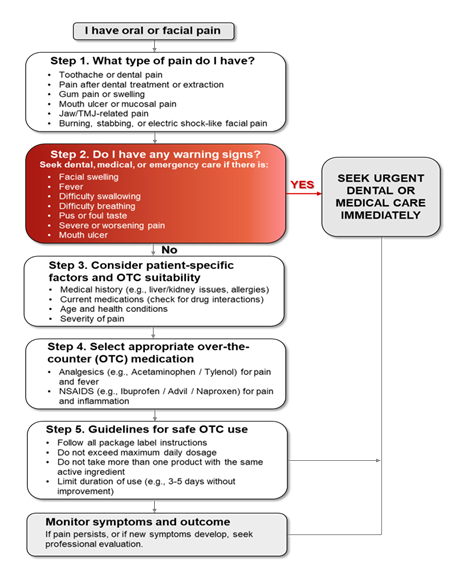
Figure 1: Patient-centered decision framework for safe over-the-counter medication use in oral and orofacial pain.
This framework emphasizes that over-the-counter medications may provide short-term symptom relief for selected oral and orofacial pain conditions, but they should not replace professional evaluation when red-flag symptoms, infection, persistent mucosal lesions, neuropathic pain features, chronic temporomandibular disorder-related pain, or patient-specific medication risks are present.
Discussion
This narrative review supports a deliberately cautious interpretation: OTC medications can provide meaningful short-term relief for selected oral and orofacial pain conditions, particularly acute dental and postoperative dental pain, but only when convenience is paired with clinical judgment. The evidence is strongest when pain is acute, inflammatory, and time-limited, because NSAIDs such as ibuprofen and naproxen target prostaglandin-mediated inflammation. Acetaminophen may be useful when NSAIDs are contraindicated or as an adjunct when combined with an NSAID. However, this support should not be generalized to all oral and orofacial pain conditions.
The clinical role of OTC medications becomes more limited when pain is chronic, neuropathic, infectious, or diagnostically unresolved. OTC medications may reduce pain intensity, but they do not treat dental caries, pulpitis, periapical infection, periodontal abscess, spreading odontogenic infection, persistent mucosal disease, neuropathic facial pain, or chronic temporomandibular disorder-related pain. In these conditions, temporary symptom relief may create a misleading sense of control while the underlying disease progresses. Thus, the benefit of OTC medication is conditional rather than universal. It is best understood as a bridge to appropriate care, not as a substitute for diagnosis [72,73].
The central conflict in the literature is not whether OTC medications work, but whether they are used safely. Existing guidance generally supports NSAIDs and acetaminophen for acute dental pain, particularly as part of a broader movement away from unnecessary opioid prescribing [74]. However, safety warnings and pharmacologic data also show that these medications can cause clinically significant harm when used inappropriately. This creates a practical tension: the same accessibility that makes OTC medications valuable for early pain relief also makes them vulnerable to misuse, overuse, and delayed professional care.
OTC availability should not be confused with pharmacologic innocence. NSAIDs may increase gastrointestinal bleeding, renal injury, cardiovascular risk, and bleeding complications, particularly in older adults and patients taking anticoagulants, antiplatelet agents, corticosteroids, SSRIs/SNRIs, lithium, methotrexate, or antihypertensive regimens involving angiotensin-converting enzyme (ACE) inhibitors or angiotensin II receptor blockers (ARBs) with diuretics [38,53,54]. Acetaminophen is often perceived as gentle, but excessive dosing or duplicated exposure through cold, flu, sleep, and combination analgesic products can lead to serious hepatotoxicity [75]. Aspirin requires additional caution because of its irreversible antiplatelet effect [76]. Topical benzocaine, although used locally, carries a rare but potentially serious risk of methemoglobinemia [77].
Medically complex patients are where “simple OTC advice” becomes clinically unsafe. Patients with cardiovascular disease, chronic kidney disease, liver disease, peptic ulcer disease, bleeding disorders, asthma sensitive to aspirin or NSAIDs, or those receiving anticoagulants or multiple prescription medications require individualized counseling [70,78]. In these patients, even short-term OTC use may carry meaningful risk. Therefore, safe OTC recommendation should include screening for systemic disease, concurrent medications, prior adverse drug reactions, alcohol use, and potential duplication of active ingredients.
Psychological and psychiatric vulnerability adds another layer of risk. Chronic pain, anxiety, depression, insomnia, health anxiety, somatic symptom burden, and substance-use vulnerability may increase the likelihood of repeated self-medication, dose escalation, prolonged use, or use of OTC medications for reasons beyond analgesia 79,80. In oral and orofacial pain, this is especially relevant because chronic TMD pain, burning mouth symptoms, persistent idiopathic facial pain, and neuropathic pain often coexist with sleep disturbance, mood symptoms, pain catastrophizing, or central sensitization [81]. In such cases, repeated OTC use may be less a sign of successful pain control and more a signal of unresolved biopsychosocial complexity.
Misuse does not always look dramatic, but it can still be clinically important. OTC misuse may involve taking higher-than-recommended doses, combining multiple NSAIDs, using acetaminophen-containing products unknowingly in parallel, applying topical anesthetics repeatedly to persistent lesions, or relying on analgesics to avoid professional evaluation [82]. This pattern may be particularly concerning in patients with chronic pain or psychological distress, where medication use can gradually shift from short-term symptom relief to habitual self-management without diagnostic clarity.
The clinical implication is that OTC counseling should become more precise. Rather than simply advising patients to take “ibuprofen,” “naproxen,” or “acetaminophen,” clinicians should match OTC recommendations to the likely pain mechanism, expected duration of symptoms, medical history, medication profile, and psychological context [83]. Patients should be advised to use the lowest effective dose for the shortest appropriate duration, avoid overlapping ingredients, and seek professional care when pain is severe, persistent, recurrent, associated with swelling or fever, electric shock-like in quality, or accompanied by non-healing mucosal lesions [84].
This review therefore refines the clinical role of OTC medications rather than presenting them as universally effective pain treatments. OTC medications can be effective for selected oral and orofacial pain conditions, particularly acute dental and postoperative dental pain, when used appropriately. However, their effectiveness is inseparable from safety screening, indication-specific use, awareness of drug-drug interactions, and recognition of conditions requiring professional care. In other words, OTC medications are useful not because they are easy to obtain, but because they can be safely integrated into a clinically informed pain-management strategy.
Several limitations should be acknowledged. This study was designed as a narrative review; therefore, formal systematic screening, duplicate review, quantitative synthesis, and risk-of-bias assessment were not performed. In addition, the evidence base is uneven across oral and orofacial pain conditions. Acute dental pain has relatively stronger clinical guidance, whereas OTC-specific evidence for mucosal pain, chronic TMD-related pain, neuropathic orofacial pain, and psychologically complex pain presentations remains limited. Nevertheless, by integrating efficacy, safety concerns, contraindications, drug-drug interactions, and misuse potential, this review provides a practical framework for safer OTC medication use in oral and orofacial pain.
Conclusion
OTC medications are useful for short-term relief of selected oral and orofacial pain conditions, particularly acute dental and postoperative dental pain. NSAIDs, with or without acetaminophen, have the strongest clinical support for acute dental pain management, whereas topical oral analgesics and aspirin require more cautious use because of safety concerns. However, OTC medications do not replace definitive dental or medical care, particularly in infection, persistent mucosal disease, neuropathic facial pain, chronic TMD-related pain, or medically complex patients. Safe OTC use requires attention to dose, duration, comorbidities, concurrent medications, psychological vulnerability, and the potential for misuse or overuse. A safety-centered approach can help clinicians guide patients toward effective symptom relief while reducing adverse events and delays in appropriate care.
References
- Renton T, Wilson NH. Understanding and managing dental and orofacial pain in general practice. Br J Gen Pract 66 (2016): 236-237.
- Lai Y. The impact of social and commercial determinants on the unequal increase of oral disorder disease burdens across global, regional, and national contexts. BMC Oral Health 25 (2025): 1308.
- Porporatti AL. Prevalence of Toothache in Adults: A Meta-Analysis of Worldwide Studies. JDR Clin Trans Res 11 (2026): 324-341.
- Green JL, Dailey-Govoni T, Kalidindi SD, et al. Prevalence of Over-the-Counter and Prescription Medication Use in the US. JAMA Netw Open 9 (2026): e2559479.
- Heard KJ. Overuse of non-prescription analgesics by dental clinic patients. BMC Oral Health 8 (2008): 33.
- Carrasco-Labra A. Evidence-based clinical practice guideline for the pharmacologic management of acute dental pain in adolescents, adults, and older adults: A report from the American Dental Association Science and Research Institute, the University of Pittsburgh, and the University of Pennsylvania. J Am Dent Assoc 155 (2024): 102-117.e109.
- Sánchez-Sánchez E. Consumption of Over-the-Counter Drugs: Prevalence and Type of Drugs. Int J Environ Res Public Health 18 (2021).
- Ziesenitz VC. Efficacy and Safety of NSAIDs in Infants: A Comprehensive Review of the Literature of the Past 20 Years. Paediatr Drugs 24 (2022): 603-655.
- Kumar M, Chawla R, Goyal M. Topical anesthesia. J Anaesthesiol Clin Pharmacol 31 (2015): 450-456.
- Pozzi A, Gallelli L. Pain management for dentists: the role of ibuprofen. Ann Stomatol (Roma) 2 (2011): 3-24.
- De Freiras GC, Pozzobon RT, Blaya DS, et al. Efficacy of Benzocaine 20% Topical Anesthetic Compared to Placebo Prior to Administration of Local Anesthesia in the Oral Cavity: A Randomized Controlled Trial. Anesth Prog 62 (2015): 46-50.
- Hersh EV. Nonsteroidal Anti-Inflammatory Drugs and Opioids in Postsurgical Dental Pain. J Dent Res 99 (2020): 777-786.
- Albert SM. Promoting safe and effective use of OTC medications: CHPA-GSA National Summit. Gerontologist 54 (2014): 909-918.
- Green VG, Polk DE, Turturro MA, et al. Evidence-based clinical practice guidelines for the management of acute dental pain. Am J Emerg Med 89 (2025): 247-253.
- Kim SJ, Seo JT. Selection of analgesics for the management of acute and postoperative dental pain: a mini-review. J Periodontal Implant Sci 50 (2020): 68-73.
- Cooper SA. Longer analgesic effect with naproxen sodium than ibuprofen in post-surgical dental pain: a randomized, double-blind, placebo-controlled, single-dose trial. Curr Med Res Opin 35 (2019): 2149-2158.
- Christensen S, Paluch E, Jayawardena S, et al. Analgesic Efficacy of a New Immediate-Release/Extended-Release Formulation of Ibuprofen: Results From Single- and Multiple-Dose Postsurgical Dental Pain Studies. Clin Pharmacol Drug Dev 6 (2017): 302-312.
- Ohashi N, Kohno T. Analgesic Effect of Acetaminophen: A Review of Known and Novel Mechanisms of Action. Front Pharmacol 11 (2020): 580289.
- Ayoub SS. Paracetamol (acetaminophen): A familiar drug with an unexplained mechanism of action. Temperature (Austin) 8 (2021): 351-371.
- Tena-Garitaonaindia M, Rubio JM, Martínez-Plata E, et al. Pharmacological bases of combining nonsteroidal anti-inflammatory drugs and paracetamol. Biomedicine & Pharmacotherapy 187 (2025): 118069.
- Fendrick AM, Greenberg BP. A review of the benefits and risks of nonsteroidal anti-inflammatory drugs in the management of mild-to-moderate osteoarthritis. Osteopath Med Prim Care 3 (2009): 1.
- Wang Y. Aspirin inhibits inflammation and scar formation in the injury tendon healing through regulating JNK/STAT-3 signalling pathway. Cell Prolif 52 (2019): e12650.
- Sundram E. Evaluative comparison of systemic aspirin therapy effects on gingival bleeding in post non-surgical periodontal therapy individuals. J Pharm Bioallied Sci 4 (2012): S221-S225.
- Lalla RV, Sonis ST, Peterson DE. Management of oral mucositis in patients who have cancer. Dent Clin North Am 52 (2008): 61-77.
- Maria OM, Eliopoulos N, Muanza T. Radiation-Induced Oral Mucositis. Front Oncol 7 (2017).
- Derry S, et al. Topical analgesics for acute and chronic pain in adults—an overview of Cochrane Reviews. Cochrane Database Syst Rev 5 (2017): CD008609.
- Singh R, Patel P, Al Khalili Y. Benzocaine. StatPearls (2026).
- Vohra R, Huntington S, Koike J, et al. Pediatric Exposures to Topical Benzocaine Preparations Reported to a Statewide Poison Control System. West J Emerg Med 18 (2017): 923-927.
- Villa JF, Strang A, Owolabi A, et al. Addressing Pain in Oral Mucositis: Narrative Review of Current Practices and Emerging Treatments. J Pain Res 18 (2025): 3723-3741.
- Sant Ana G, Normando AGC, De Toledo I, et al. Topical Treatment of Oral Mucositis in Cancer Patients: A Systematic Review of Randomized Clinical Trials. Asian Pac J Cancer Prev 21 (2020): 1851-1866.
- Mohammadi F. Effectiveness of sodium bicarbonate and zinc chloride mouthwashes in the treatment of oral mucositis and quality of life in patients with cancer under chemotherapy. Nurs Open 9 (2022): 1602-1611.
- Herrera D, Retamal-Valdes B, Alonso B, et al. Acute periodontal lesions (periodontal abscesses and necrotizing periodontal diseases) and endo-periodontal lesions. J Periodontol 89 Suppl 1 (2018): S85-S102.
- Miller CR. Associations of nonsteroidal anti-inflammatory drug use with periodontal disease in postmenopausal women: The OsteoPerio study. J Periodontol 97 (2026): 820-833.
- Ren J, Fok MR, Zhang Y, et al. The role of non-steroidal anti-inflammatory drugs as adjuncts to periodontal treatment and in periodontal regeneration. J Transl Med 21 (2023): 149.
- James P. Chlorhexidine mouthrinse as an adjunctive treatment for gingival health. Cochrane Database Syst Rev 3 (2017): CD008676.
- Teng F. Cetylpyridinium chloride mouth rinses alleviate experimental gingivitis by inhibiting dental plaque maturation. Int J Oral Sci 8 (2016): 182-190.
- Zubair S. Targeted Use of Antimicrobials in Periodontal Therapy. Cureus 17 (2025): e79874.
- Fendrick AM, Pan DE, Johnson GE. OTC analgesics and drug interactions: clinical implications. Osteopath Med Prim Care 2 (2008): 2.
- Renton T. Dental (Odontogenic) Pain. Rev Pain 5 (2011): 2-7.
- Brizuela M, Daley JO. Oral Facial Infection of Dental Origin: A Guide for the Medical Practitioner. StatPearls (2026).
- Stinson J. Understanding the use of over-the-counter pain treatments in adolescents with chronic pain. Can J Pain 1 (2017): 84-93.
- Chladek JS. An Exploratory Study of Over-the-Counter Medication Counseling Topics in Community Pharmacies and Alignment with Counseling Frameworks. Pharmacy (Basel) 14 (2026).
- Shinoda M. Orofacial Neuropathic Pain—Basic Research and Their Clinical Relevancies. Front Mol Neurosci 14 (2021): 691396.
- Moore RA, Chi CC, Wiffen PJ, et al. Oral nonsteroidal anti-inflammatory drugs for neuropathic pain. Cochrane Database Syst Rev (2015): CD010902.
- Vo T, Rice ASC, Dworkin RH. Non-steroidal anti-inflammatory drugs for neuropathic pain: How do we explain continued widespread use? Pain 143 (2009): 169-171.
- Mu A, Weinberg E, Moulin DE, et al. Pharmacologic management of chronic neuropathic pain: Review of the Canadian Pain Society consensus statement. Can Fam Physician 63 (2017): 844-852.
- Tesfaye S, Kempler P. Conventional management and current guidelines for painful diabetic neuropathy. Diabetes Res Clin Pract 206 (2023): 110765.
- Gil-Martínez A, Paris-Alemany A, López-de-Uralde-Villanueva I, et al. Management of pain in patients with temporomandibular disorder (TMD): challenges and solutions. J Pain Res 11 (2018): 571-587.
- Kulkarni S, Thambar S, Arora H. Evaluating the effectiveness of nonsteroidal anti-inflammatory drug(s) for relief of pain associated with temporomandibular joint disorders: A systematic review. Clin Exp Dent Res 6 (2020): 134-146.
- Mattsson M. Patterns of Analgesic Prescribing and High-Risk Prescribing in Primary Care in Ireland 2014-2022—A Repeated Cross-Sectional Study. Eur J Pain 29 (2025): e70115.
- O'Neil CK, Hanlon JT, Marcum ZA. Adverse effects of analgesics commonly used by older adults with osteoarthritis: focus on non-opioid and opioid analgesics. Am J Geriatr Pharmacother 10 (2012): 331-342.
- Pickering G. Pharmacological Pain Treatment in Older Persons. Drugs Aging 41 (2024): 959-976.
- Tawfik AG. Nonsteroidal Anti-Inflammatory Drugs and Risk of Gastrointestinal Bleeding: A Systematic Review and Meta-Analysis. Clin Pharmacol Ther 119 (2026): 46-62.
- Davis A, Robson J. The dangers of NSAIDs: look both ways. Br J Gen Pract 66 (2016): 172-173.
- Venerito M, Wex T, Malfertheiner P. Nonsteroidal Anti-Inflammatory Drug-Induced Gastroduodenal Bleeding: Risk Factors and Prevention Strategies. Pharmaceuticals (Basel) 3 (2010): 2225-2237.
- Moore N, Pollack C, Butkerait P. Adverse drug reactions and drug-drug interactions with over-the-counter NSAIDs. Ther Clin Risk Manag 11 (2015): 1061-1075.
- Lee MT. Concomitant Use of NSAIDs or SSRIs with NOACs Requires Monitoring for Bleeding. Yonsei Med J 61 (2020): 741-749.
- Zacharia GS, Jacob A. Acetaminophen: A Liver Killer or Thriller. Cureus 15 (2023): e47071.
- Orandi BJ. Association of FDA Mandate Limiting Acetaminophen (Paracetamol) in Prescription Combination Opioid Products and Subsequent Hospitalizations and Acute Liver Failure. JAMA 329 (2023): 735-744.
- Wolf MS. Risk of unintentional overdose with non-prescription acetaminophen products. J Gen Intern Med 27 (2012): 1587-1593.
- Lopes RD, Horowitz JD, Garcia DA, et al. Warfarin and acetaminophen interaction: a summary of the evidence and biologic plausibility. Blood 118 (2011): 6269-6273.
- Sung JJ. Combining aspirin with antithrombotic agents. BMJ 333 (2006): 712-713.
- Shibata K, Akagi Y, Nozawa N, et al. Influence of nonsteroidal anti-inflammatory drugs on aspirin's antiplatelet effects and suggestion of the most suitable time for administration of both agents without resulting in interaction. J Pharm Health Care Sci 3 (2017): 9.
- Veltri KT, Rudnick E. Benzocaine-Induced Methemoglobinemia: A Case Report. PT 41 (2016): 180-191.
- Vallurupalli S, Manchanda S. Risk of acquired methemoglobinemia with different topical anesthetics during endoscopic procedures. Local Reg Anesth 4 (2011): 25-28.
- Dairi AS, Dairi G, Farghaly MA. Anesthetic Management in a Patient With Glucose-6-Phosphate Dehydrogenase Deficiency Undergoing Coblation Adenoidectomy With Septoplasty and Turbinectomy. J Med Cases 10 (2019): 293-295.
- Goi T, Shionoya Y, Sunada K, et al. General Anesthesia in a Glucose-6-Phosphate Dehydrogenase Deficiency Child: A Case Report. Anesth Prog 66 (2019): 94-96.
- Moore RA, et al. Non-prescription (OTC) oral analgesics for acute pain—an overview of Cochrane reviews. Cochrane Database Syst Rev (2015): CD010794.
- Scrivani SJ, et al. Pain Management for Dental Medicine in 2021: Opioids, Coronavirus and Beyond. J Pain Res 14 (2021): 1371-1387.
- Bindu S, Mazumder S, Bandyopadhyay U. Non-steroidal anti-inflammatory drugs (NSAIDs) and organ damage: A current perspective. Biochem Pharmacol 180 (2020): 114147.
- Refaey MS. Exploring the therapeutic potential of medicinal plants and their active principles in dental care: A comprehensive review. Heliyon 10 (2024): e37641.
- Fukuda KI. Diagnosis and treatment of abnormal dental pain. J Dent Anesth Pain Med 16 (2016): 1-8.
- Samir PV. A Correlation between Clinical Classification of Dental Pulp and Periapical Diseases with its Patho Physiology and Pain Pathway. Int J Clin Pediatr Dent 16 (2023): 639-644.
- Mobasheri A. Combination vs. single-drug nonprescription analgesics for acute pain management: A narrative review. Br J Clin Pharmacol 91 (2025): 2796-2816.
- Schaffer DH, Murray BP, Khazaeni B. Acetaminophen Toxicity. StatPearls (2026).
- Polzin A, Hohlfeld T, Kelm M, et al. Impairment of aspirin antiplatelet effects by non-opioid analgesic medication. World J Cardiol 7 (2015): 383-391.
- Umar A, Bilal M, Jawed B, et al. When Pain Relief Turns Perilous: Uncovering the Hidden Dangers and Advanced Management of Benzocaine-Induced Methemoglobinemia. Cureus 16 (2024): e67949.
- Soleimanpour M. The Role of Non-Steroidal Anti-Inflammatory Drugs (NSAIDs) in the treatment of Patients with Hepatic Disease: A Review Article. Anesth Pain Med 6 (2016): e37822.
- Ripon RK, Maleki N. Association between chronic pain and substance use. Sci Rep 15 (2025): 22038.
- Saeed Alqahtani N. Vulnerability to anxiety and depression symptoms co-occurring among adult patients at family medicine clinics in Najran University Hospital, Saudi Arabia. S Afr J Psychiatr 32 (2026): 2567.
- Tait RC, Ferguson M, Herndon CM. Chronic Orofacial Pain: Burning Mouth Syndrome and Other Neuropathic Disorders. J Pain Manag Med 3 (2017).
- Cryer B, Barnett MA, Wagner J, et al. Overuse and Misperceptions of Nonsteroidal Anti-inflammatory Drugs in the United States. Am J Med Sci 352 (2016): 472-480.
- Cole JA. Interventions to improve the appropriate use of polypharmacy for older people. Cochrane Database Syst Rev 10 (2023): CD008165.
- Hsu JR, Mir H, Wally MK, et al. Clinical Practice Guidelines for Pain Management in Acute Musculoskeletal Injury. J Orthop Trauma 33 (2019): e158-e182.