Anuradha K1*, Partha Majumder S2, Shiffin R3
1Assistant Professor, Department of Obstetrics and Gynae, Enam Medical College Hospital, Savar, Bangladesh 2Assistant Professor, Department of Pediatric Surgery, Dhaka Medical College Hospital, Dhaka, Bangladesh 3Assistant Professor, Department of Obstetrics and Gynae, Anwer Khan Modern Medical College Hospital, Dhaka, Bangladesh
*Corresponding author: Anuradha K, Assistant Professor, Department of Obstetrics and Gynae, Enam Medical College Hospital, Savar, Bangladesh
Received: 20 July 2022; Accepted: 26 July 2022; Published: 12 August 2022
Background: Single-dose prophylaxis, a type of prophylactic antibiotic, used in a caesarean section usually helps in lessening the growth of microorganism confrontation. Single-dose prophylaxis is a very short course of an antibiotic used just before the surgery begins which helps in the improvement of aseptic and surgical procedures and reduces postoperative wound infections more effectively than multiple doses of it.
Methods: This study is a single-blinded single centred randomized control trial which was conducted at the Department of Obstetrics and Gynecology, in Shahed Suhrawardy Medical College Hospital. The study period for this trial was June 13- to November 13. The sample size for this study was 136.
Result: In the study group most of the respondents 54(79.4%) were aged between 20-25 years wherein in the control group most of the respondents 54(79.4%) were aged between 20-25 years. In the control group, most of the operations 45(66%) had needed <30 minutes wherein in the control group most of the operations 55(80.9%) had needed <30 minutes. In the caesarean section of the study group, 13(19.1%) were routine patients while 44(64.7%) were emergency. On the other hand, in the caesarean section of the control group 13(19.1%) were routine patients while 55(80.9%) were emergency. The grade O wound infection of the study group was 54(79.4%) whereas the control group was 53(77.9%) and followed by grade I was 11(16.2%) in both groups, grade III in the study group was 3(4.4%), grade IV in the control group was 4(5.9%). Most of the respondents of the study group 48(70.7%) had stayed between 3-5 days after the operation and wherein the control group 55(80.9%) had stayed between 3-5 days after the operation.
Conclusion: Single-dose antibiotic prophylaxis is equally effective and less costly than multi-dose in uncomplicated gynecology and obstetrics cases and can be
Single Dose Antibiotic Prophylaxis, Obstetric, Gynecological Surgeries, Patients Satisfaction
1. Introduction
Prophylactic antibiotics in surgery are generally used to avoid post-operative infection, morbidity, and mortality, and to reduce the duration of operation and also the cost of treatment [1]. Single-dose prophylaxis, a type of prophylactic antibiotic, used in a caesarean section usually helps in lessening the growth of microorganism confrontation [2]. Single- dose prophylaxis is a very short course of an antibiotic used just before the surgery begins which helps in the improvement of aseptic and surgical
procedures and reduce the postoperative wound infections [3-6]. Studies had found that caesarean deliveries are more likely to cause wound infections compared to vaginal deliveries[7, 8]. Several studies had advocated that the appropriate use of a single dose antibiotic prophylaxis during caesarean delivery significantly reduces the incidence of surgical site infections much more effectively compared to the multiple-dose of antibiotics [9-14]. Surgical site infections cause longer hospital day stays by an average of 7 days which increases the treatment cost up to $3000 [15, 16]. In recent years, the costs of antibiotics have increased intensely and to prescribing of expensive broad-spectrum rather than narrow-spectrum antibiotics has become a trend worldwide [17]. Besides, to treat Obst and Gynae surgeries with multiple doses of broad-spectrum antibiotics for long 7-10 days which have evidence of decreased compliance and drug resistance and also the cost is a concern. Although single-dose prophylaxis has not been accepted widely in comparison to multiple-dose regimens recent studies and guidelines advocated that single-dose antibiotic prophylaxis is equally effective in clean, and clean- contaminated surgical procedures as multiple-dose antibiotic prophylaxis [18-23]. In this sense, the use of single-dose antibiotic prophylaxis is considered to be a cost-effective treatment option that maximum patients can afford. Besides, preoperative initiation of a single dose of antibiotics is equally effective as multiple doses for preventing postpartum infections [24-26]. Initiation of antibiotic prophylaxis within an hour before skin incision had been proven more effective to reduce post-caesarean infectious morbidity compared to initiating it after cord clamping and also it does not affect neonatal infection improvement [27-31]. Another study reported that using antibiotic prophylaxis for the caesarean section before skin incision decreases 40% in postpartum endometritis and 30% wound infection compared with after umbilical cord clamping of the same drug [32]. Hence, this study was conducted to evaluate the usefulness of single-dose antibiotic prophylaxis in obstetric and gynaecological surgeries and assess the patient’s satisfaction regarding the cost in comparison to their income, side effects and hospital day stays.
1.1 Objective of the study
The objective of this study was to evaluate the usefulness of single-dose antibiotic prophylaxis in obstetric and gynaecological surgeries and assess the patient’s satisfaction regarding the cost in comparison to their income, side effects and hospital day stays.
2. Materials and Methodology
This study is a single-blinded single centred randomized control trial which was conducted at the Department of Obstetrics and Gynecology, in Shahed Suhrawardy Medical College Hospital. The study period for this trial was June 13- November 2013. The sample size for this study was 136.
2.1 Inclusion criteria
- All obstetric and gynaecological operated patients in the abdominal route
- The adult patients who were aged between 20-35 years.
- The participants who were willing to give their consent after knowing the study’s
2.2 Exclusion criteria
- Patients with associated medical disorders like hypertension, diabetes mellitus, Ischemic heart disease, Autoimmune disease or any other chronic disease.
- Patients or attendance unwilling to take part in the
The antibiotics were administered only within half an hour before the operation. For obstetric cases Cefuroxime+inj. Metro and for gynaecological cases Ciprofloxacin+inj. Metro was used as a broad- spectrum antibiotic. After the postoperative follow- up, all the required data were recorded which were further used for this study purpose. All the medical history was collected from the hospital authority considering the ethical issue. The written consent was taken from all the respondents and they were made aware of the study’s purpose. The data were analyzed with the statistical tool SPSS version 21.
3. Result
Figure 1 shows the age distribution of the respondents. In the study group most of the respondents 54(79.4%) were aged between 20-25 years and followed by 9(13.2%) were 26-30 years and 5(7.4%) were 31-35 years wherein the control group most of the respondents 54(79.4%) were aged between 20-25 years and followed by 5(7.4%) were 26-30 years and 9(13.2%) were 31-35 years. Figure 2 clarifies the monthly income of the respondents. The respondents of the study group 3(4.4%) had income between 2100-4000 TK and followed by 5(7.4%) had 4100-6000, 32(47.1%) had 6100-8000, 17(25.0%) had 8100-10000 and 11(16.2%) had >1000 TK on the hand the respondents of the control group 2(2.9%) had income between 4100-6000 TK and followed by 15(22.1%) had 6100-8000, 6(8.8%) had 8100-10000,7(10.3%) had >1000 TK. Table 1 explains the mode of operation among the respondents. In the caesarean section of the study group, 13(19.1%) were routine patients while 44(64.7%) were emergency. On the other hand, in the caesarean section of the control group 13(19.1%) were routine patients while 55(80.9%) were emergency. This table shows the duration of operation of the respondents. In the control group, most of the operations 45(66%) had needed <30 minutes and 23(34%) were carried out between 30-60 minutes wherein in the control group most of the operations 55(80.9%) had needed <30 minute and 30(19.1%) were carried out between 30-60 minute. This table represents the cost of the antibiotic for the respondents. The cost of cefuroxime+metro for the study group was 270/-. where the control group was 1974/-. Table 4 shows the distribution of study patients according to
Wound-Southampton wound grading. The grade O wound infection of the study group was 54(79.4%) whereas the control group was 53(77.9%) and followed by grade I was 11(16.2%) in both groups, grade III in the study group was 3(4.4%), grade IV in the control group was 4(5.9%). This table shows the days of stay at the hospital of the respondents. Most of the respondents of the study group 48(70.7%) had stayed between 3-5 days after the operation and followed by 16(23.5%) who stayed 5-7 days and 4(4.9%) stayed >7 days wherein the control group 55(80.9%) had stayed between 3-5 days after the operation and followed by 8(11.8%) stayed 5-7 days and 5(7.4%) stayed >7 days. This table explains the complication of the study patients where a few of the respondents 4(5.9%) faced nausea but in the control group dry mouth was seen in 2(2.9%), nausea in 12(17.6%) and vomiting in 1(1.5%) cases (Table-6).
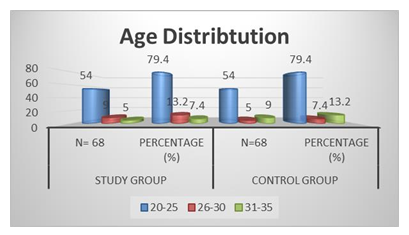
Figure 1: Age Distribution of the Respondents.
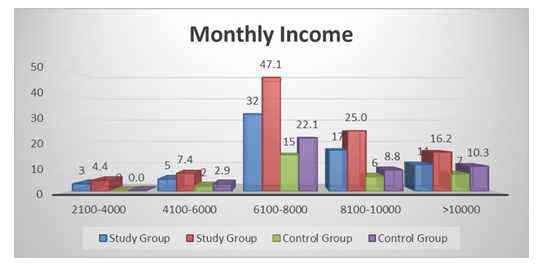
Figure 2: Monthly Income of the Respondents.
|
Mode of Operation |
Study Group |
Control Group |
|||
|
N=68 |
Percentage (%) |
N=68 |
Percentage (%) |
||
|
Caesarean section |
Routine |
13 |
19.1 |
13 |
19.1 |
|
Emergency |
55 |
80.9 |
55 |
80.9 |
|
Table 1: Mode of Operation among the Respondents.
|
Duration of Operation |
Study Group |
Control Group |
||
|
N=68 |
Percentage (%) |
N=68 |
Percentage (%) |
|
|
<30 minute |
45 |
66.2 |
55 |
80.9 |
|
30-60 |
23 |
33.8 |
13 |
19.1 |
Table 2: Duration of Operation of the Respondents.
|
Cost of Antibiotic |
Study Group |
Control Group |
|
Name of Antibiotic |
Cefuroxime+Metro |
Cefuroxime+Metro |
|
Cost in Tk |
270 |
1974 |
Table 3: Cost of the Antibiotics.
|
Wound Infection Grading |
Study Group |
Control Group |
||
|
N=68 |
Percentage (%) |
N=68 |
Percentage (%) |
|
|
Grade O |
54 |
79.4 |
53 |
77.9 |
|
Grade I |
11 |
16.2 |
11 |
16.2 |
|
Grade II |
0 |
0.0 |
0 |
0.0 |
|
Grade III |
3 |
4.4 |
0 |
0.0 |
|
Grade IV |
0 |
0.0 |
4 |
5.9 |
|
Grade V |
0 |
0.0 |
0 |
0.0 |
Table 4: Distribution of Study Patients According to Wound-Southampton Wound Grading.
|
Hospital Stay (Day) |
Study Group |
Control Group |
||
|
N=68 |
Percentage (%) |
N=68 |
Percentage (%) |
|
|
3-5 |
48 |
70.6 |
55 |
80.9 |
|
5-7 |
16 |
23.5 |
8 |
11.8 |
|
>7 |
4 |
5.9 |
5 |
7.4 |
Table 5: Days of Stay at the Hospital.
|
Complication |
Study Group |
Control Group |
||
|
N=68 |
Percentage (%) |
N=68 |
Percentage (%) |
|
|
Dry Mouth |
0 |
0.0 |
2 |
2.9 |
|
Nausea |
4 |
5.9 |
12 |
17.6 |
|
Vomiting |
0 |
0.0 |
1 |
1.5 |
|
Diarrhea |
0 |
0.0 |
0 |
0.0 |
|
Skin rash |
0 |
0.0 |
0 |
0.0 |
Table 6: Complication of the Study Patients.
4. Discussion
Prophylactic antibiotics are primarily used to lessen surgical site infection, morbidity and mortality in obstetric and gynaecological surgery. Hence, the initiation of antibiotic prophylaxis for caesarean section and gynecologic surgeries should be perioperative which ensures a high plasma concentration of antibiotics at the time of operation. Numerous recent studies in obstetric and gynaecological fields advocated in favour of the positive role of prophylactic antibiotics. Many studies disclosed that proper and timely administration of single-dose prophylactic antibiotics can prevent postoperative infection. In the study group, most of the respondents 79.4% were aged between 20-25 years and followed by 13.2% were 26-30 years and 7.4% were 31-35 years wherein in the control group most of the respondents 79.4% were aged between 20-25 years and followed by 7.4% were 26-30 years and 13.2% were 31-35 years [Figure 1]. Mohan J et in their study showed the age distribution between 21-70 years where most of the patients belonged 21- 30 years old [33]. The respondents of the study group 4.4% had income between 2100-4000 TK and followed by 7.4% had 4100-6000, 47.1% had 6100-8000, 25.0% had 8100-10000 and 16.2% had >1000 TK on the hand the respondents of the control group 2.9% had income between 4100-6000 TK and followed by 22.1% had 6100-8000, 8.8% had 8100-10000, 10.3% had >1000 TK [Figure 2]. In the caesarean section of the study group 19.1% were routine patients while 64.7% were emergency. On the other hand, in the caesarean section of the control group 19.1% were routine patients whereas 80.9% were emergency [Table 1]. Sadique I. et. al. also showed caesarean section in 81.6% of cases and followed by TAH at 6.55% and laparotomy at 6.55% [34]. In the control group most of the operations 66% had needed <30 minutes and 34% were carried out between 30-60 minutes wherein in the control group most of the operations 80.9% had needed <30 minutes and 19.1% were carried out between 30-60 minute [Figure 2]. The mean duration of surgery was 74.59 minutes [33]. The study of Lyimo et al. showed the duration was ≤60 minutes in 60.4% cases and >60 minutes in 39.6% cases [35]. The cost of cefuroxime+metro for the study group was 270/-. where the control group was 1974/-. [Table 3] A. I. Elbur et al. in their study showed the use of cefuroxime in 89.2% of cases [36]. R. Zaida in her study showed the Cost of antimicrobial therapy in Taka (Mean± SE) was 113.06 ± 24.533 [37]. The grade O wound infection of the study group was 54(79.4%) were control group was 53(77.9%) and followed by grade I was 11(16.2%) in both groups, grade III in the study group was 3(4.4%), grade IV in the control group was 4(5.9%) [Table 4]. Most of the respondents of the study group 70.7% had stayed between 3-5 days after the operation and followed by 23.5% stayed 5-7 days and 4.9% stayed >7 days wherein the control group 80.9% had stayed between 3-5 days after the operation and followed by 11.8% stayed 5-7 days and 7.4% stayed >7 days [Table 5]. Mohan J et al. in their study showed the mean duration of hospital stay was 8.2 days [33]. Another study found that 21.8% had stayed in the hospital between 1-3 days after the operation and followed by 50.1% who stayed 4-7 days and 21.2% stayed 8-14 days and 7% stayed >15 days [38]. A few of the respondents 5.9% faced nausea but in the control group, dry mouth was seen in 2.9%, nausea in 17.6% and vomiting in 1.5% cases [Table 6]. The administration single dose of prophylactic Cefotaxime is effective in preventing postoperative complications. The results obtained in this study show that single-dose antibiotic prophylaxis is as effective as conventional multi-dose antibiotic therapy. It is cost-effective when compared to the multi-dose regimen. The resistance of microorganisms can be prevented by the use of this single-dose prophylactic antibiotic. This prospective study confirms that single-dose antibiotic prophylaxis had a beneficial effect on women undergoing elective caesarean section and gynecologic surgeries.
5. Conclusion
The initiation of single-dose antibiotic prophylactic Cefuroxime is equally effective and less costly than multidose in uncomplicated gynecology and obs cases and can be instituted in our setting. Some studies emphasise that single-dose antibiotic prophylaxis is as effective as multi-dose antibiotic therapy. It is also proven to be cost-effective when compared to the multi-dose regimen. Besides, the use of this single-dose prophylactic antibiotic can prevent the resistance of microorganisms. Moreover, single- dose antibiotic prophylaxis had an advantageous consequence on women who had undergone elective caesarean section. The short duration of antibiotic prophylaxis helps in reducing medical costs, resistant micro-organisms, fewer side effects, less chance of bacterial resistance, less chance for allergies or toxicity, well tolerable and fewer postoperative complications.
References
- Mangram AJ, Horan TC, Pearson ML, et al. Guideline for prevention of surgical site infection, 1999. Centers for Disease Control and Prevention (CDC) Hospital Infection Control Practices Advisory Am J Infect Control 27 (1999): 97-134.
- ACOG Committee on Practice Bulletins– ACOG practice bulletin No. 104: antibiotic prophylaxis for gynecologic procedures. Obstet Gynecol 113 (2009): 1180-1189.
- ACOG: Committee Opinion 465: Antimicrobial Prophylaxis for Cesarean Delivery: Timing of Administration. Obstet Gynecol 116 (2010): 791-792.
- Boselli E, Bouvet L, Rimmelé T, et Antimicrobial prophylaxis for caesarean delivery: before or after cord clamping? A meta-analysis. Ann Fr Anesth Reanim 28 (2009): 855-867.
- Lamont R, Sobel J, Kusanovic J, et Current debate on the use of antibiotic prophylaxis for caesarean section. BJOGy 118 (2011): 193-201.
- Owens SM, Brozanski BS, Meyn LA, et al. Antimicrobial prophylaxis for cesarean delivery before skin Obstet Gynecol 114 (2009): 573-579.
- Liu S, Liston RM, Joseph KS, et Maternal Health Study Group of the Canadian Perinatal Surveillance System. Maternal mortality and severe morbidity associated with low risk planned caesarean delivery versus planned vaginal delivery at term. CMAJ 176 (2007): 455-460.
- Harbarth S, Samore MH, Lichtenberg D, et Prolonged antibiotic prophylaxis after cardiovascular surgery and its effect on surgical site infections and antimicrobial resistance. Circulation 101 (2000): 2916- 2921.
- Tanos V, Rojansky Prophylactic antibiotics in abdominal hysterectomy. J Am Coll Surg 179 (1994): 593-600.
- McGregor JA, French JI, Makowski Single-dose cefotetan versus multidose cefoxitin for prophylaxis in cesarean section in high-risk patients. Am J Obstet Gynecol 154 (1986): 955-960.
- Chang WC, Lee MC, Yeh LS, et al. Quality- initiated prophylactic antibiotic use in laparoscopic-assisted vaginal hysterectomy. Aust N Z J Obstet Gynaecol 48 (2008): 592-
- Garner JS. CDC guideline for prevention of surgical wound infections, 1985. Supercedes guideline for prevention of surgical wound infections published in Infect Control 7 (1986): 193-200.
- Gourisankar K, Lall SS, Mukherji J, et al. A Randomized Controlled Trial Comparing Two Different Antibiotic Regimen for Prophylaxis at Cesarean section. J Obstet Gynecol India 62 (2012): 35-38.
- Jan N, Abbas Z, Ahmed MN, et Prospective Randomized Open Labeled Study Comparing Prophylactic Efficacy of Parenteral Single Dose Cefuroxime vs Ampicillin-Sulbactam in Patients undergoing elective cholecystectomy. JK Science 14 (2012).
- Kirkland KB, Briggs JP, Trivette SL, et al. The impact of surgical-site infections in the 1990s: attributable mortality, excess length of hospitalization, and extra Infect Control Hosp Epidemiol 20 (1999): 725- 730.
- Martone WJ, Jarvis WR, Culver DH, et al. Incidence and nature of endemic and epidemic nosocomial infections. In: Bennett JV, Brachman PS, eds. Hospital Infections. 3rd ed. Boston, Mass: Little Brown & Co Inc (1992): 577-596.
- Von Gunten V, Reymond JP, Troillet N. Use of broad-spectrum antibiotics in six non- university Swiss hospitals. Swiss Med Wkly 30 (2001): 438-441
- National Institute for Health and Clinical 1.4.6.19-20:2011. Review of Clinical Guideline (CG74) - Prevention and treatment of surgical site infection. NICE (2011).
- Cunningham Cesarean delivery and peripartum hysterectomy. In: Leveno KJ, Bloom SL, Hauth JC, Gilstrap LC, Wenstrom KD, editors. William’s obstetrics. 22nd ed. New York: McGraw Hill (2005): 588-604.
- Kamat AA, Brancazio L, Gibson M. Wound infection in gynecologic surgery. Infect Dis Obstet Gynecol 8 (2000): 230-234.
- McDonald M, Grabsch E, Marshall C, et al. Single- versus multiple-dose antimicrobial prophylaxis for major surgery: a systematic Aust N Z J Surg 68 (1998): 388-396.
- Lamont RF, Sobel JD, Kusanovic JP. The current debate on the use of antibiotic prophylaxis for caesarean BJOG 118 (2011): 193-201.
- Burke JF. The effective period of preventive antibiotic action in experimental incisions and dermal Surg 50 (1961): 161- 168.
- Sadique I, Abid S, Aleem S, et al. Single Dose Prophylaxis in Obstetrics and Gynecological Surgeries. Annals 15 (2009): 176-179.
- Sadaquat Jabeen, Rehena Single Dose Versus Multi-Dose Cephradine As Antibiotic Prophylaxis In Elective Abdominal Hysterectomy. JPMI 21 (2007): 50-54.
- Gonik Single versus three-dose cefotaxime prophylaxis for caesarean section. Obstet Gynecol 65 (1985): 189-193.
- Campillo F, Rubio JM. Comparative study of single-dose cefotaxime and multiple doses of cefoxitin and cephazolin as prophylaxis in gynaecologic surgery. Am J Surg 164 (1992): S12-S15.
- Tita ATN, Rouse DJ, Blackwell S, et Emerging Concepts in Antibiotic Prophylaxis for Cesarean Delivery: A Systematic Review. Obstetric Gynecol 113 (2009): 675-682.
- Cunningham FG, Leveno KJ, Bloom SL, et Single-dose antibiotic prophylaxis in elective obstetrics. William Obstetrics 22nd ed. USA: McGraw-Hill Education (2005).
- John A, Jones, Howard Antibiotic prophylaxis in elective gynecology. Te Linde's Operative Gynecology 9th Ed: Lippincott Williams & Wilkins (2003): 195- 207.
- Schaberg Resistant gram-positive organisms. Ann Emerg Med 24 (1994): 462- 464.
- Schaberg DR, Culver DH, Gaynes Major trends in the microbial etiology of nosocomial infection. Am J Med 91 (1991): 72S-75S.
- Jayanthi Mohan, Thangaroja T, Maya Single-dose antibiotic prophylaxis in elective obstetric and gynaecological surgeries-a descriptive study (2017).
- Sadique I, Abid S, Aleem S, et al. Single Dose Prophylaxis in Obstetrics and Gynaecological Surgeries, Annals (2009).
- Fadhili M Lyimo, Anthony N Massinde, Benson R Kidenya, et Single dose of gentamicin in combination with metronidazole versus multiple doses for prevention of post-caesarean infection at Bugando Medical Centre in Mwanza, Tanzania: a randomized, equivalence, controlled trial. BMC Pregnancy and Childbirth 13 (2013): 123.
- Abubaker Ibrahim Elbur, Yousif MA, Ahmed SA El Sayed, et Misuse of prophylactic antibiotics and prevalence of postoperative wound infection in obstetrics and gynecology department in a Sudanese hospital 6 (2014): 158-164.
- Zaida R. Use of Single Dose Prophylactic Antibiotic in Routine Abdominal Hysterectomy, Bangladesh J Physiol Pharmacol 22 (2006): 1-4.
- Dale W Bratzler, Peter M Houck, Chesley Richards, et Use of Antimicrobial Prophylaxis for Major Surgery. Arch Surg 140 (2005): 174-182.