Farzana Hoque*1, Mohammad Kamran Akhtar2
1Associate Professor, Department of ENT-Head and Neck Surgery, Medical College for Women and Hospital, Dhaka, Bangladesh
2Medical Officer, ICU, National Institute of Cancer Research & Hospital (NICRH), Dhaka, Bangladesh
*Corresponding Author: Dr. Farzana Hoque, Associate Professor, Department of ENT-Head and Neck Surgery, Medical College for Women and Hospital, Dhaka, Bangladesh.
Received: 02 August 2026; Accepted: 07 September 2026; Published: 00 September 2026
Background: Tonsillectomy is a common otolaryngologic procedure. Surgeon experience may influence operative duration and adverse event rates, yet limited prospective data exist from teaching hospital settings.
Objective: To evaluate the impact of surgeon seniority on operative duration and the occurrence of adverse events following tonsillectomy.
Methods: This prospective study included 70 patients undergoing cold dissection tonsillectomy at a tertiary care hospital in Dhaka from July to December 2010. Operations were performed by senior, junior, or resident surgeons. Data on operative duration, instrumental injuries, hemorrhage, and postoperative symptoms were collected on day one and day seven. Pain was assessed using a 0–10 numeric rating scale.
Results: Senior surgeons performed 42.86% of operations with a mean operative time of 22.5 minutes, compared to 34.2 minutes for residents and 38.7 minutes for junior surgeons. Instrumental injuries occurred in 14.29% of cases, with the highest frequency observed among procedures performed by junior surgeons (22.22%). No reactionary hemorrhage occurred; secondary hemorrhage occurred in one patient (1.43%) operated by a resident surgeon. Dysphagia affected 68.57% of patients on day one, decreasing to 22.86% by day seven. Pain scores improved from a peak of 5/10 in 17 patients on day one to 1/10 in 30 patients on day seven.
Conclusion: Surgeon experience significantly influences operative duration and the rate of instrumental injuries. Structured training programs with adequate supervision are essential to minimize adverse events during the learning curve.
Adverse events, Operative time, Postoperative complications, Surgical experience, Tonsillectomy
Adverse events articles, Operative time articles, Postoperative complications articles, Surgical experience articles, Tonsillectomy articles
Introduction
Tonsillectomy ranks among the most frequently performed surgical procedures in otolaryngology practice globally [1]. The operation is primarily indicated for recurrent tonsillitis, obstructive sleep apnea, peritonsillar abscess, and suspected malignancy [2,3]. Despite being considered a relatively safe procedure, tonsillectomy carries an inherent risk of adverse events that range from minor and self-limiting to severe and potentially life-threatening [4]. Among the various techniques available for tonsil removal, cold dissection remains the traditional gold standard against which newer technologies are compared [1,5]. This technique involves sharp dissection of the tonsil from its fossa using metallic instruments, followed by hemostasis achieved through ligation, bipolar diathermy, or a combination of both [6]. While cold dissection avoids thermal injury to surrounding tissues, it requires meticulous surgical skill and may be associated with longer operative times and greater intraoperative blood loss compared to thermal techniques [7]. Surgeon experience has long been suspected to influence surgical outcomes across multiple specialties. In otolaryngology, the learning curve for tonsillectomy may be particularly steep due to the confined operative field, proximity to vital structures, and the need for precise hemostasis [4,8]. Junior surgeons in training may lack the tissue handling skills, anatomical familiarity, and confidence that come with years of operative experience [9]. Several studies have examined the relationship between surgeon seniority and post-tonsillectomy hemorrhage. A retrospective analysis of 1,284 patients demonstrated that reactionary hemorrhage occurred significantly more frequently when operations were performed by trainees compared with consultants (p = 0.033) [4]. Similarly, a large population-based study from Sweden reported that the risk of postoperative bleeding requiring intervention was higher when surgery was performed by less experienced surgeons [10]. Instrumental injuries during tonsillectomy represent another category of adverse events that may be influenced by surgeon experience. These include dislodged or fractured teeth, thermal burns to oral commissures, lacerations of the tongue, soft palate, uvula, tonsillar pillars, and posterior pharyngeal wall [11]. While such injuries are often minor, they can result in prolonged recovery, patient dissatisfaction, and medicolegal consequences [12]. Operative duration serves as a surrogate marker for surgical efficiency and technical proficiency. Prolonged operative time may increase the risk of anesthesia-related complications, postoperative pain, and infection [5]. Studies have consistently shown that experienced surgeons’ complete tonsillectomies faster than trainees, although the clinical significance of this difference remains debated [4,13]. In teaching hospital settings, the balance between providing adequate training opportunities for residents and ensuring patient safety presents an ongoing challenge [8]. Supervised training is essential for developing the next generation of otolaryngologists, yet patients rightly expect optimal outcomes regardless of who performs their surgery [9]. Despite the recognized importance of surgeon experience, prospective data examining its impact on tonsillectomy-related adverse events remain limited, particularly in resource-constrained settings. The present study was therefore undertaken to evaluate the influence of surgeon seniority on operative duration and the occurrence of adverse events following cold dissection tonsillectomy in a tertiary care teaching hospital.
Methods
This prospective study was conducted at the Department of Otolaryngology–Head & Neck Surgery, Medical College for Women and Hospital, Uttara, Dhaka, from July 1, 2010, to December 31, 2010. A total of 70 patients admitted for tonsillectomy were enrolled using a purposive sampling technique.
Inclusion criteria: All patients admitted for tonsillectomy for recurrent tonsillitis were included in the study.
Exclusion criteria: Patients with tonsillitis and enlarged adenoids were excluded. Additionally, patients admitted for tonsillectomy who also underwent other procedures such as submucosal diathermy, antral washout, turbinectomy, septoplasty, polypectomy, or submucosal resection were excluded.
Study procedure: All tonsillectomies were performed using the cold dissection technique under general anesthesia. Hemostasis was achieved using bipolar diathermy, ligature, or a combination of both. Operations were categorized based on the primary surgeon's experience level: senior surgeon (consultant with over 10 years of experience), junior surgeon (postgraduate trainee with 3–5 years of experience), or resident surgeon (rotating trainee with 1–2 years of experience). Data were collected using a structured questionnaire through patient interviews, clinical examination, and postoperative follow-up. Pain was assessed on the first and seventh postoperative days using a 0–10 numeric rating scale, where 0 represented no pain, and 10 represented the worst imaginable pain [7].
Data analysis: Data were entered and analyzed using SPSS software. Descriptive statistics, including frequency, percentage, and mean, were calculated. Adverse event rates were compared across surgeon experience groups using descriptive analysis.
Result
A total of 70 patients underwent cold dissection tonsillectomy during the six-month study period. The demographic analysis revealed a female preponderance, with 43 female patients (61.43%) and 27 male patients (38.57%). The mean age of the study population was 24.6 years (range 5–48 years). Blood group distribution showed O positive as the most common (35.71%), followed by B positive (32.86%), A positive (22.86%), AB positive (5.71%), and O negative (2.86%). Regarding operative duration, 50% of procedures were completed within 20–30 minutes. The mean operative time varied considerably according to surgeon experience. Senior surgeons completed tonsillectomies with a mean operative time of 22.5 minutes (range 18–32 minutes). Resident surgeons required a mean of 34.2 minutes (range 25–48 minutes), while junior surgeons had the longest mean operative duration at 38.7 minutes (range 28–55 minutes). Senior surgeons performed the highest proportion of operations (42.86%, n=30), followed by resident surgeons (31.43%, n=22) and junior surgeons (25.71%, n=18). Instrumental injuries occurred in 14.29% of all patients (n=10). When stratified by surgeon experience, the highest rate was observed among procedures performed by junior surgeons (22.22%, n=4), followed by resident surgeons (13.64%, n=3) and senior surgeons (10.00%, n=3). The most common instrumental injury was pillar injury (5.71%), followed by dislodged teeth (2.86%). Other injuries included trauma to the tongue, soft palate, uvula, and posterior pharyngeal wall, each occurring in one patient (1.43%). No case of reactionary hemorrhage was recorded in this series. Secondary hemorrhage occurred in one patient (1.43%) on the sixth postoperative day. This patient was operated upon by a resident surgeon. Regarding early postoperative morbidities, dysphagia was the most frequent complaint on the first postoperative day, affecting 68.57% of patients. Otalgia was reported by 12.86%, and nausea or vomiting by 2.86%. By the seventh postoperative day, dysphagia decreased to 22.86%, throat pain persisted in 28.57%, and otalgia in 20.00%. Pain score assessment demonstrated marked improvement over the study period. On the first postoperative day, the highest number of patients (17) reported a pain score of 5, while 16 patients (all children aged 5–12 years) reported a score of 0. On the seventh postoperative day, 30 patients reported a pain score of 1, 2 patients scored 2, and 2 patients scored 3, indicating substantial pain resolution by one week after surgery.
Table 1: Distribution of sex and blood groups of participants (n=70)
|
Characteristic |
n |
% |
|
Sex distribution |
||
|
Male |
27 |
38.57 |
|
Female |
43 |
61.43 |
|
Blood group distribution |
||
|
O positive |
25 |
35.71 |
|
B positive |
23 |
32.86 |
|
A positive |
16 |
22.86 |
|
AB positive |
4 |
5.71 |
|
O negative |
2 |
2.86 |
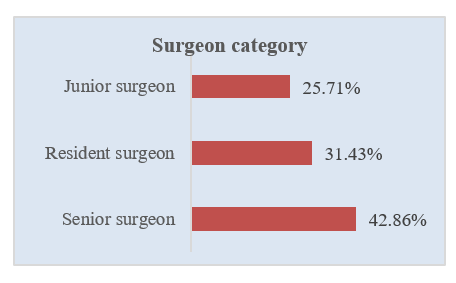
Figure 1: Number of operations by surgeon experience (n=70)
Table 2: Operative duration by surgeon experience
|
Surgeon category |
Mean operative time |
Range |
|
(minutes) |
||
|
Senior surgeon |
22.5 |
18–32 |
|
Resident surgeon |
34.2 |
25–48 |
|
Junior surgeon |
38.7 |
28–55 |
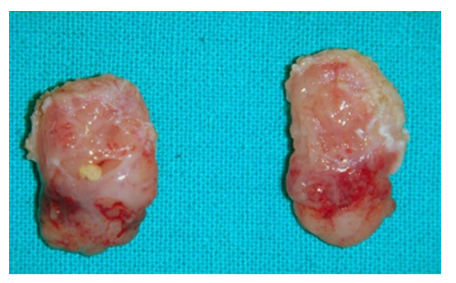
Figure 2: Dissected specimen of the tonsils
Table 3: Instrumental injuries by surgeon experience
|
category |
Operations |
Instrumental injuries |
|
n |
n (%) |
|
|
Senior S. |
30 |
3 (10.00) |
|
Resident S. |
22 |
3 (13.64) |
|
Junior S. |
18 |
4 (22.22) |
|
Total |
70 |
10 (14.29) |
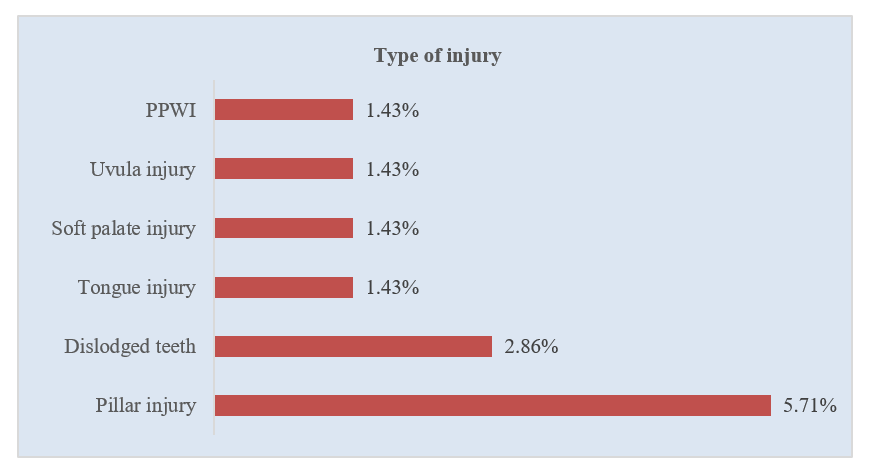
Figure 3: Types of instrumental injuries
Table 4: Postoperative morbidities on day 1 and day 7
|
Morbidity |
Day 1 n (%) |
Day 7 n (%) |
|
Dysphagia |
48 (68.57) |
16 (22.86) |
|
Throat pain |
Not recorded |
20 (28.57) |
|
Otalgia |
9 (12.86) |
14 (20.00) |
|
N&V |
2 (2.86) |
0 (0) |
|
Edematous uvula |
Not recorded |
1 (1.43) |
|
SH |
0 (0) |
1 (1.43) |
N&V: Nausea and vomiting, SH: Secondary hemorrhage
Table 5: Pain score distribution on day 1 and day 7
|
Pain score |
Number of patients |
|
|
On day 1 |
On day 7 |
|
|
n |
||
|
0 |
16 |
0 |
|
1 |
0 |
30 |
|
2 |
0 |
2 |
|
3 |
0 |
2 |
|
4 |
10 |
0 |
|
5 |
17 |
0 |
|
6 |
12 |
0 |
|
7 |
6 |
0 |
|
8 |
2 |
0 |
|
9 |
0 |
0 |
|
10 |
0 |
0 |
POD: Postoperative day. Pain was assessed using a 0–10 numeric rating scale [7]
Discussion
The present prospective study evaluated the impact of surgeon experience on operative duration and adverse events following cold dissection tonsillectomy. The findings demonstrate a clear inverse relationship between surgeon seniority and both operative time and instrumental injury rates, highlighting the importance of experience in achieving optimal surgical outcomes. Operative duration varied substantially according to surgeon experience level. Senior surgeons completed tonsillectomies with a mean time of 22.5 minutes, compared to 34.2 minutes for residents and 38.7 minutes for junior surgeons. This finding aligns with previous reports demonstrating that experienced surgeons operate more efficiently than trainees [4,14]. Prolonged operative time in less experienced hands may be attributed to factors such as less confident tissue dissection, repeated instrument adjustments, and more frequent pauses for hemostasis [15]. While the clinical significance of these time differences remains debatable, shorter operative duration is generally associated with reduced anesthesia exposure, lower intraoperative blood loss, and potentially faster recovery [16]. Instrumental injuries occurred in 14.29% of all patients, with the highest rate observed among junior surgeons (22.22%), followed by resident surgeons (13.64%) and senior surgeons (10.00%). This gradient supports the hypothesis that surgical proficiency acquired through experience reduces the likelihood of iatrogenic trauma [4,17]. The most common injury was to the tonsillar pillars (5.71%), followed by dislodged teeth (2.86%). These findings are comparable to previous reports where instrumental injuries ranged from 3% to 8% in various series [15,18]. The higher rate in the present study may reflect the inclusion of minor mucosal injuries that are often underreported in retrospective audits. Pillar injury deserves particular attention as it may result from excessive retraction or injudicious dissection in the wrong surgical plane [6]. Maintaining the correct avascular plane between the tonsil capsule and the pharyngeal muscles is essential to minimize trauma to surrounding structures [1]. Dislodged teeth, while uncommon, can be prevented by careful dental assessment preoperatively and the use of dental guards during surgery [12]. Hemorrhage rates in this study were low, with no reactionary hemorrhage and only one case of secondary hemorrhage (1.43%) occurring on the sixth postoperative day in a patient operated by a resident surgeon. This rate is consistent with published figures ranging from 1.85% to 2% for cold dissection tonsillectomy [19,20]. The absence of reactionary hemorrhage across all surgeon experience levels suggests that the institutional protocol for achieving hemostasis using bipolar diathermy and ligature was effective regardless of operator seniority. However, some studies have reported higher hemorrhage rates among trainees, emphasizing the need for meticulous hemostasis and careful supervision [4,10]. Dysphagia was the most common morbidity on the first postoperative day (68.57%), decreasing to 22.86% by day seven. This temporal pattern is expected, as postoperative edema and pain gradually subside. Persistent dysphagia beyond the first week, as observed in approximately one-fifth of patients, may warrant nutritional support and hydration monitoring [11]. Pain scores demonstrated substantial improvement from day one to day seven. Notably, 16 patients (all children) reported a pain score of zero on day one, while no adult patient reported a complete absence of pain. This age-related difference has been observed previously and may reflect differences in pain perception, expression, or recall between children and adults. By day seven, 30 patients reported mild pain (score 1), indicating satisfactory recovery.
Limitations:
This study is limited by its small sample size, single-center design, short seven-day follow-up, and lack of inferential statistical analysis due to insufficient group sizes for meaningful comparison.
Conclusion
Surgeon experience significantly influences operative duration and instrumental injury rates following cold dissection tonsillectomy. Senior surgeons operate more efficiently and with fewer tissue injuries than trainees. However, hemorrhage rates remain low across all experience levels when meticulous hemostasis is practiced. Structured training programs with adequate supervision are essential to minimize adverse events during the surgical learning curve in teaching hospital settings.
Recommendation:
Teaching hospitals should implement structured, competency-based training protocols for tonsillectomy. Supervised gradual progression from observation to assisted dissection then independent surgery may reduce adverse events. Regular skills assessment and video-based feedback are strongly recommended.
Conflict of Interest Statement: The authors declare no conflicts of interest. No funding was received for this study. The corresponding author had full access to all data and final responsibility for the decision to submit for publication.
References
- Mitchell RB, Archer SM, Ishman SL, et al. Clinical practice guideline: tonsillectomy in children (update). Otolaryngology–Head and Neck Surgery 160 (2019): S1-42.
- Torretta S, Drago L, Marchisio P, et al. Recurrences in chronic tonsillitis substained by tonsillar biofilm-producing bacteria in children. Relationship with the grade of tonsillar hyperplasy. International journal of pediatric otorhinolaryngology 77 (2013): 200-4.
- Pankhania M, Rees J, Thompson A, et al. Tonsillitis, tonsillectomy, and deep neck space infections in England: the case for a new guideline for surgical and non-surgical management. The Annals of The Royal College of Surgeons of England 103 (2021): 208-17.
- Manimaran V, Mohanty S, Jayagandhi SK, et al. A retrospective analysis of peroperative risk factors associated with posttonsillectomy reactionary hemorrhage in a teaching hospital. International Archives of Otorhinolaryngology 23 (2019): e403-7.
- Kumar A, Kumar S, Krishnan A, et al. A comparative analysis of outcomes of conventional cold dissection versus laser tonsillectomy in pediatric cases in a tertiary care hospital in Haryana. Indian Journal of Otolaryngology and Head & Neck Surgery 74 (2022): 5311-8.
- Say MA, Bilgin E, Baklacı D. Evaluation of anterior and posterior pillar suturing following adult Tonsillectomy in terms of Hemorrhage, Pain, and Dysphagia complications. Indian Journal of Otolaryngology and Head & Neck Surgery 74 (2022): 5624-9.
- Dhakal A, Shrestha BL, Pokharel M, et al. Microscopic Assistance in Cold Dissection Tonsillectomy–Does it Improve Surgical Outcome?. Journal of College of Medical Sciences-Nepal 18 (2022): 185-93.
- Sarny S, Habermann W, Ossimitz G, et al. Significant post-tonsillectomy pain is associated with increased risk of hemorrhage. Annals of Otology, Rhinology & Laryngology 121 (2012): 776-81.
- Ordemann AG, Hartzog AJ, Seals SR, et al. Is weight a predictive risk factor of postoperative tonsillectomy bleed?. Laryngoscope Investigative Otolaryngology 3 (2018): 238-43.
- Østvoll E, Sunnergren O, Ericsson E, et al. Mortality after tonsil surgery, a population study, covering eight years and 82,527 operations in Sweden. European Archives of Oto-Rhino-Laryngology 272 (2015): 737-43.
- Hong SA, LaGorio L, Husain I. Post-tonsillectomy dysphagia secondary to glossopharyngeal nerve injury. BMJ Case Reports CP 13 (2020): e232657.
- Lawlor, Claire M, et al. "Association between age and weight as risk factors for complication after tonsillectomy in healthy children." JAMA Otolaryngology–Head & Neck Surgery 144 (2018): 399-405.
- Guntinas-Lichius O, Geissler K, Mäkitie AA, et al. Treatment of recurrent acute tonsillitis—a systematic review and clinical practice recommendations. Frontiers in surgery 10 (2023).
- Kim, Young Chul, et al. "Impact of dynamic tongue reconstruction on sequential changes of swallowing function in patients undergoing total or near-total glossectomy." Annals of plastic surgery 91 (2023): 257-264.
- Hoque, Farzana, et al. "Complications of Tonsillectomy in Adults: Tonsillectomy complications." Journal of the Medical College for Women & Hospital 20 (2024): 64-71.
- Joarder AH. Post tondillectomy complications-A study of 50 cases (Dissertation) Dhaka. Bangladesh College of Physiciand and Surgeons. 1990.
- Walker P, Gillies D. Post-tonsillectomy hemorrhage rates: are they technique-dependent?. Otolaryngology--Head and Neck Surgery 136 (2007): s27-31.
- Chowdhury, M. Alamgir, et al. "Advantages of ultrasonic tonsillectomy by harmonic scalpel." Bangladesh Journal of Otorhinolaryngology 16 (2010): 91-95.
- Heath, Chloe, et al. "Kids Voices, the perioperative experience of emergency surgery from children’s perspectives: A qualitative study." Patient Education and Counseling 110 (2023): 107674.
- Pham, Viet, et al. "Postoperative outcomes in coblation versus electrocautery tonsillectomies." Int J Otolaryngol Head Neck Surg 3 (2014): 32.