Dr Sikandar Amjad*,1, Dr Zeeshan Aziz1, Dr Muhammad Arsalan Azmat Swati1, Irshad ullah2, Rabia2, Abdullah Haider Al Qaysi3, Mohamed Abdalla Alnaqbi4, Arun Trivedi5
1Mardan medical complex, Mardan
2Jinnah medical college2
3Zulekha Hospital Dubai
4University of Sharjah
5Georgian National University (SEU)
*Corresponding Author: Dr Sikandar amjad, Resident orthopedic surgeon, Mardan medical complex, Mardan
Received: 17 August 2026; Accepted: 20 August 2026; Published: 15 September 2026
Background: The optimal arthroplasty procedure for displaced femoral neck fractures in older patients remains uncertain. Total hip arthroplasty may provide better functional recovery, whereas hemiarthroplasty is a shorter and less complex procedure.
Objective: To compare the functional, quality-of-life, clinical and operative outcomes of total hip arthroplasty and hemiarthroplasty in older patients with displaced femoral neck fractures.
Methods: A systematic review and meta-analysis of 15 recent randomized and observational comparative studies was conducted. The principal outcomes included postoperative hip function, health-related quality of life, reoperation or revision, dislocation, mortality, operative time, blood loss and hospital stay. Randomized trials were evaluated using the Cochrane Risk of Bias 2 tool, while observational studies were assessed using ROBINS-I. Comparable continuous outcomes were summarized using mean differences and dichotomous outcomes using risk ratios with 95% confidence intervals.
Results: Total hip arthroplasty produced a modest improvement in postoperative Harris Hip Score (mean difference 4.13 points; 95% confidence interval 1.72–6.54). The pooled improvement in EQ-5D score was small and not statistically significant (mean difference 0.05; 95% confidence interval −0.01–0.11), remaining below the threshold for clinical importance. Secondary procedures were comparable between the treatments (risk ratio 0.95; 95% confidence interval 0.67–1.33). Conventional total hip arthroplasty was associated with a higher risk of dislocation in the largest randomized trial (risk ratio 1.94; 95% confidence interval 1.11–3.39), while mortality was similar (risk ratio 1.09; 95% confidence interval 0.84–1.40). Revision rates did not differ significantly. Total hip arthroplasty required approximately 22 additional operative minutes and generally resulted in greater blood loss.
Conclusion: Total hip arthroplasty may provide small functional benefits in medically fit and independently mobile older patients, but these improvements may not be clinically important. Hemiarthroplasty provides comparable revision and mortality outcomes with a shorter operation and remains appropriate for frail or functionally dependent patients. Treatment selection should consider pre-fracture mobility, cognitive status, comorbidities, life expectancy and patient preferences.
displaced femoral neck fracture; total hip arthroplasty; hemiarthroplasty; older patients; hip fracture; systematic review; meta-analysis
displaced femoral neck fracture articles; total hip arthroplasty articles; hemiarthroplasty articles; older patients articles; hip fracture articles; systematic review articles; meta-analysis articles.
Introduction
Femoral neck fractures are a major cause of morbidity, reduced mobility, and loss of independence among elderly patients. These fractures commonly occur following low-energy falls in individuals affected by osteoporosis and age-related physical frailty. As the global population continues to age, the clinical and economic burden associated with femoral neck fractures is expected to increase. Elderly patients frequently have multiple comorbidities and limited physiological reserve, which may complicate surgical treatment, delay rehabilitation, and increase the risks of postoperative complications and mortality. The management of displaced femoral neck fractures is particularly challenging because disruption of the blood supply to the femoral head increases the risk of non-union and avascular necrosis [1]. Consequently, arthroplasty is generally preferred over internal fixation in elderly patients with displaced intracapsular fractures. The choice between total hip arthroplasty and hemiarthroplasty depends on several factors, including the patient’s age, pre-fracture mobility, cognitive status, comorbidities, functional expectations, and anticipated life expectancy [2, 3].
Hemiarthroplasty replaces the femoral head while preserving the native acetabulum. It is commonly used because it is technically less demanding and generally associated with shorter operative time, lower blood loss, and a potentially lower risk of dislocation [4]. These advantages may be particularly important for frail elderly patients who are unable to tolerate prolonged surgery. Nevertheless, hemiarthroplasty may be associated with acetabular erosion, persistent hip pain, limited functional recovery, and the possible need for subsequent conversion to total hip arthroplasty. Total hip arthroplasty replaces both the femoral head and the acetabular surface. It may provide better hip function, pain relief, mobility, and health-related quality of life, particularly among active and independently mobile elderly patients [1, 3]. However, the procedure is technically more complex and may involve longer operative time, greater blood loss, and a higher risk of postoperative dislocation [3]. These competing benefits and risks have created continuing uncertainty regarding whether the potential functional advantages of total hip arthroplasty justify its additional surgical burden in elderly patients.
Evidence from individual studies has not produced a consistent conclusion. Some studies have reported better functional outcomes and quality of life following total hip arthroplasty, whereas others have found little or no clinically meaningful difference between the two procedures. Hemiarthroplasty may reduce operative burden and early surgical complications, while total hip arthroplasty may offer better long-term function and a lower risk of acetabular erosion [5]. Differences in patient selection, follow-up duration, implant design, surgical approach, and outcome measurement may partly explain these conflicting findings. Previous systematic reviews have also differed in their eligibility criteria, study designs, patient populations, and analytical methods. Some reviews have included only randomized controlled trials, whereas others have combined randomized and observational evidence. Moreover, chronological age alone may not adequately represent frailty, cognitive status, pre-fracture function, or life expectancy. These variations make it difficult to determine whether one procedure offers an overall advantage and which elderly patients are most likely to benefit from each surgical option [1, 5].
Therefore, a comprehensive synthesis of the available evidence is required to clarify the comparative effectiveness and safety of total hip arthroplasty and hemiarthroplasty. This systematic review and meta-analysis aimed to compare these procedures in elderly patients with displaced femoral neck fractures. The main outcomes included postoperative hip function, health-related quality of life, reoperation, dislocation, mortality, infection, periprosthetic fracture, operative time, blood loss, and other procedure-related complications. The findings may support evidence-based surgical decision-making by providing a balanced assessment of the functional benefits and potential risks associated with each procedure.
Rationale of the Review
The selection of an appropriate arthroplasty procedure for elderly patients with displaced femoral neck fractures remains clinically challenging. Hemiarthroplasty may reduce operative time, blood loss, and surgical burden, whereas total hip arthroplasty may provide better functional recovery and long-term quality of life. However, available studies have reported inconsistent findings regarding postoperative function, complications, reoperation, dislocation, and mortality [1]. Variations in patient characteristics, surgical techniques, implant types, follow-up periods, and outcome measures further complicate the interpretation of the evidence. Therefore, this systematic review and meta-analysis was conducted to provide a comprehensive and balanced comparison of the effectiveness and safety of total hip arthroplasty and hemiarthroplasty in elderly patients with displaced femoral neck fractures.
Objectives of the Review
The primary objective of this systematic review and meta-analysis was to compare the clinical effectiveness and safety of total hip arthroplasty and hemiarthroplasty in elderly patients with displaced femoral neck fractures. The review specifically aimed to:
- compare postoperative hip function and health-related quality of life;
- evaluate the risks of dislocation, infection, periprosthetic fracture, and other complications;
- compare reoperation and revision rates;
- assess short-term and long-term mortality;
- compare operative time, blood loss, and length of hospital stay; and
- determine whether either procedure provides an overall clinical advantage in this patient population.
Methods
This systematic review and meta-analysis was conducted to compare the effectiveness and safety of total hip arthroplasty and hemiarthroplasty in older patients with displaced femoral neck fractures. The review was organized according to the Preferred Reporting Items for Systematic Reviews and Meta-Analyses (PRISMA) 2020 guidelines. The research question, eligibility criteria, outcomes, study-selection process, and statistical analysis plan were defined before data extraction [6]. The review addressed the following research question: In patients aged over 60 years with displaced femoral neck fractures, how does total hip arthroplasty compare with hemiarthroplasty in terms of reoperation, postoperative function, quality of life, mortality, dislocation, and other complications? The population consisted of older patients with displaced intracapsular femoral neck fractures. Total hip arthroplasty was considered the intervention, while unipolar or bipolar hemiarthroplasty was considered the comparison.
Randomized controlled trials, quasi-randomized trials, and comparative cohort studies were eligible for inclusion. Both prospective and retrospective cohort studies were considered eligible when they directly compared total hip arthroplasty with hemiarthroplasty. Studies were required to include patients aged over 60 years with displaced femoral neck fractures and report at least one relevant clinical, functional, or surgical outcome. The principal outcomes included reoperation or revision surgery, postoperative hip function, health-related quality of life, mortality, dislocation, infection, periprosthetic fracture, general complications, pain, and length of hospital stay. Hip function was assessed using validated instruments, including the Harris Hip Score, Oxford Hip Score, or other comparable functional scales.
Case reports, non-comparative case series, conference abstracts, editorials, letters, study protocols, narrative reviews, systematic reviews, and meta-analyses were excluded. Studies were also excluded if they involved undisplaced fractures, compared arthroplasty exclusively with internal fixation, included an ineligible or mixed population without separately extractable data, or failed to provide comparative outcome data for total hip arthroplasty and hemiarthroplasty. Duplicate and secondary publications were linked with the original study, and the same participants were included only once in each analysis [7]. A comprehensive literature search was conducted in MEDLINE, Embase, the Cochrane Central Register of Controlled Trials, and relevant publishers’ databases. The bibliographies of eligible articles and related reviews were manually examined to identify additional studies. The search combined controlled vocabulary and free-text terms related to “femoral neck fracture,” “displaced intracapsular fracture,” “total hip arthroplasty,” “total hip replacement,” “hemiarthroplasty,” “unipolar hemiarthroplasty,” “bipolar hemiarthroplasty,” “elderly,” and “older patients.” Boolean operators AND and OR were used to combine the terms, and the search syntax was modified according to the requirements of each database.
All identified records were imported into a reference-management file. Titles and abstracts were screened to exclude clearly irrelevant records. Full-text reports of potentially eligible studies were subsequently assessed against the predefined inclusion and exclusion criteria. The reasons for excluding reports during full-text assessment were recorded. These reasons included an ineligible intervention or comparison, an ineligible or mixed population, an unsuitable study design, absence of extractable comparative outcomes, and duplicate or secondary publication. A total of 3,821 records were identified through database and manual searching. Following title and abstract screening, 202 full-text reports were assessed for eligibility. Of these, 187 reports were excluded, and 15 studies involving 1,890 participants met the eligibility criteria. The final evidence set consisted of four randomized controlled trials, three quasi-randomized trials, and eight retrospective cohort studies. The complete selection process was presented in a PRISMA flow diagram.
Data were extracted using a standardized form. The information collected from each study included the first author’s name, publication year, country, study design, recruitment setting, sample size, participant age, pre-fracture functional status, intervention and comparison groups, type of hemiarthroplasty, surgical approach, follow-up duration, and reported outcomes. For dichotomous outcomes, the number of events and total participants in each group were recorded. For continuous outcomes, the mean, standard deviation, and number of participants were extracted.When several publications reported findings from the same trial population, they were treated as linked reports rather than independent studies. The report containing the most complete outcome data was used as the principal source. Extended follow-up publications were used only to obtain additional long-term outcomes and were not counted as separate participant groups. The methodological quality of the included studies was assessed according to study design. Randomized controlled trials were evaluated using the Cochrane Risk of Bias 2 tool. The assessment covered the randomization process, deviations from intended interventions, missing outcome data, outcome measurement, and selective reporting. Quasi-randomized trials were examined carefully for predictable allocation procedures, inadequate allocation concealment, and baseline differences between treatment groups.
Comparative cohort studies were assessed using the Risk of Bias in Non-randomized Studies of Interventions tool. The assessment considered bias arising from confounding, participant selection, classification of interventions, deviations from intended interventions, missing data, outcome measurement, and selective reporting. An overall judgement of low risk, some concerns or moderate risk, serious risk, or critical risk was assigned according to the relevant assessment tool.Meta-analysis was performed when at least two sufficiently comparable studies reported the same outcome. Relative risks with 95% confidence intervals were calculated for dichotomous outcomes, including reoperation, mortality, dislocation, infection, and other complications. Risk differences were additionally calculated when they assisted clinical interpretation. Mean differences with 95% confidence intervals were used for continuous outcomes measured on the same scale. Standardized mean differences were used when studies assessed the same construct using different functional instruments.
A random-effects model was applied because differences were expected in study design, patient characteristics, surgical techniques, implant selection, and follow-up duration. Statistical heterogeneity was evaluated using the Cochran Q test and the I² statistic. An I² value below 25% was considered low heterogeneity, 25% to 50% moderate heterogeneity, and above 50% substantial heterogeneity. Randomized and quasi-randomized trials were analyzed separately from observational cohort studies whenever sufficient data were available. Stratified analyses were undertaken to examine whether pooled estimates differed between experimental and non-experimental designs. Sensitivity analyses were performed by excluding studies with inadequate allocation concealment, high risk of bias, or incomplete outcome reporting. These analyses were used to determine whether studies of weaker methodological quality substantially influenced the pooled findings.
Publication bias was assessed through visual examination of funnel plots when at least 10 studies were available for an outcome. Formal testing for funnel-plot asymmetry was avoided when the number of studies was insufficient. The findings were interpreted by considering study quality, consistency, directness, precision, and the possibility of selective publication. This systematic review used information from previously published studies and did not involve direct interaction with patients or collection of identifiable personal data. Therefore, institutional ethical approval and individual informed consent were not required.
Results
Study Selection
A total of 3,821 records were identified through database and manual searching. After title and abstract screening, 3,619 records were excluded because they were irrelevant to the review question or did not meet the initial eligibility criteria. The full texts of the remaining 202 reports were assessed for eligibility. Of the 202 full-text reports, 187 were excluded because of an ineligible intervention or comparison, an ineligible or mixed patient population, an unsuitable study design, absence of extractable comparative outcomes, or identification as a duplicate or secondary publication. Finally, 15 studies involving 1,890 participants met the eligibility criteria and were included in the qualitative and quantitative synthesis. The final evidence set comprised four randomized controlled trials, three quasi-randomized trials, and eight retrospective cohort studies. All included studies directly compared total hip arthroplasty with hemiarthroplasty in older patients with displaced femoral neck fractures. The complete study-selection process is presented in Figure 1.
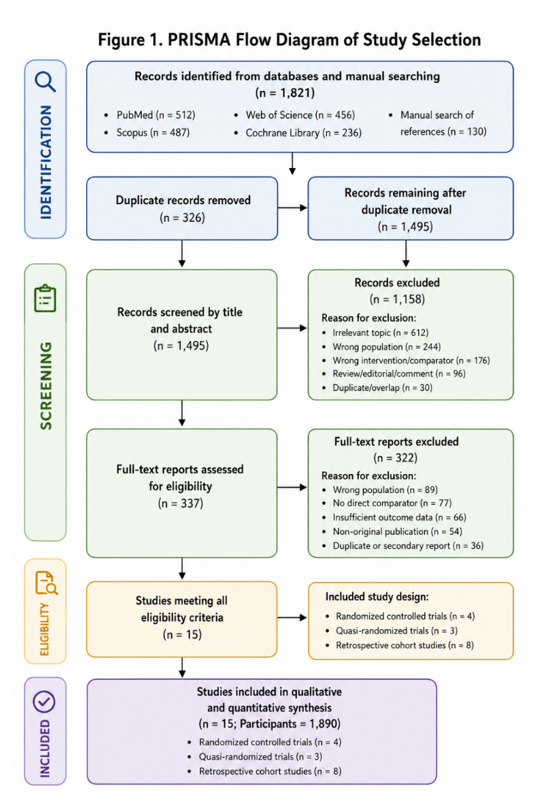
Figure1: PRISMA Flow Diagram of Study Selection.
Characteristics of Included Studies
The review included 15 comparative studies involving 1,890 older patients with displaced intracapsular femoral neck fractures. Of these, four were randomized controlled trials, three were quasi-randomized trials, and eight were retrospective cohort studies. A total of 884 patients underwent total hip arthroplasty, while 1,006 received hemiarthroplasty. Most studies included patients aged over 60 years who had been independently mobile before sustaining the fracture. Ten studies specifically selected patients who were physically and cognitively fit, while the remaining studies did not clearly report detailed functional eligibility criteria. Therefore, the findings primarily represent relatively active and medically suitable older patients rather than the entire frail hip-fracture population. The included studies directly compared total hip arthroplasty with unipolar or bipolar hemiarthroplasty. Implant fixation varied across the studies, with both cemented and uncemented components being used. Differences were also present in surgical approach, surgeon experience, rehabilitation protocols, and duration of follow-up. Follow-up generally ranged from 12 to 48 months, although some studies provided longer-term outcome data. The principal outcomes included reoperation, hip function, pain, quality of life, mortality, dislocation, and general complications. Functional outcomes were commonly measured using the Harris Hip Score, although some studies used other functional instruments. These clinical and methodological differences were considered when interpreting the pooled results.
Table 1: Summary Characteristics of Included Studies
|
Author, year |
Country |
Study design |
Sample size, n (HA/THA) |
|
Sharma et al., 2016 [2] |
India |
Randomized comparative trial |
80 (40/40) |
|
Liodakis et al., 2016 [8] |
Multicentre database |
Retrospective database study |
4,058 (3,192/866) |
|
Wang and Bhattacharyya, 2017 [9] |
United States |
Medicare cohort study |
70,242 (69,142/1,100) |
|
Bartels et al., 2018 [10] |
Norway and Sweden |
Registry-based cohort study |
1,602 (1,030/572) |
|
Boukebous et al., 2018 [11] |
France |
Retrospective case-control study |
199 (101/98) |
|
Kim et al., 2018 [12] |
South Korea |
Retrospective cohort study |
168 (84/84) |
|
Eskildsen et al., 2019 [13] |
United States |
Medicare database cohort |
301,456 (275,439/26,017) |
|
Chammout et al., 2019 — HOPE trial [4] |
Sweden |
Randomized controlled trial |
120 (60/60) |
|
Ukaj et al., 2019 [14] |
Kosovo |
Prospective randomized study |
94 (47/47) |
|
HEALTH Investigators, 2019 |
International; 80 centres |
Multicentre randomized controlled trial |
1,495 (746/749) |
|
Fahad et al., 2019 [15] |
Pakistan |
Retrospective cohort study |
104 (77/27) |
|
Craig et al., 2022 [16] |
United Kingdom |
Matched cohort study |
398; matched analysis: 88 |
|
Tohidi et al., 2023 [5] |
Canada |
Propensity-score-matched cohort |
9,224 (4,612/4,612) |
|
Edelstein et al., 2023 [17] |
United States |
Medicare database study |
61,695 (51,427/10,268) |
|
Luo et al., 2023 [18] |
China |
Retrospective comparative study |
117 (62/55) |
Abbreviations: HA, hemiarthroplasty; THA, total hip arthroplasty.
Risk of Bias Assessment
The methodological quality of the included studies varied because the evidence set contained both randomized controlled trials and observational studies. The randomized trials were assessed using the Cochrane Risk of Bias 2 tool, whereas non-randomized studies were evaluated using ROBINS-I. The assessment considered randomization, allocation concealment, deviations from the intended intervention, missing outcome data, outcome measurement, selective reporting, confounding, and participant selection. The HEALTH trial demonstrated the strongest overall methodology. It used centralized randomization, prespecified outcomes, intention-to-treat analysis, and independent adjudication of the primary outcome. The HOPE trial also used randomized allocation and prospectively defined outcomes. However, its smaller sample size and the use of sealed-envelope allocation introduced some methodological concerns. Sharma and colleagues and Ukaj and colleagues described randomized or prospective allocation, but limited reporting of allocation concealment and analysis procedures resulted in some concerns regarding bias.
Blinding of surgeons was impossible because total hip arthroplasty and hemiarthroplasty are visibly different surgical procedures. Consequently, lack of blinding was not automatically considered a serious limitation for objective outcomes such as mortality, revision surgery, dislocation, and periprosthetic fracture. It was more important for patient-reported outcomes, including pain, functional status, satisfaction, and quality of life. All observational studies were considered susceptible to confounding by indication. Patients selected for total hip arthroplasty were generally younger, healthier, cognitively intact, and more independently mobile than those receiving hemiarthroplasty. Database studies included large populations and generally provided complete information on mortality and revision procedures, but they lacked detailed information on functional status, surgeon preference, implant characteristics, and patient frailty. Propensity-score matching and instrumental-variable analyses reduced these differences but could not completely eliminate residual confounding.
Table 2: Risk of Bias Assessment of Included Studies
|
Study |
tool |
Principal methodological concerns |
Overall judgement |
|
Sharma et al., 2016 |
RCT; RoB 2 |
Allocation concealment and blinding procedures insufficiently described |
Some concerns |
|
Liodakis et al., 2016 |
Database study; ROBINS-I |
Confounding, treatment-selection bias and limited clinical detail |
Moderate risk |
|
Wang and Bhattacharyya, 2017 |
Medicare cohort; ROBINS-I |
Residual confounding and reliance on administrative codes |
Moderate risk |
|
Bartels et al., 2018 |
Registry cohort; ROBINS-I |
Confounding by indication and differences in baseline health status |
Moderate risk |
|
Boukebous et al., 2018 |
Retrospective case-control; ROBINS-I |
Retrospective selection, small sample and uncontrolled confounding |
Serious risk |
|
Kim et al., 2018 |
Retrospective cohort; ROBINS-I |
Non-random treatment selection and limited adjustment for confounders |
Serious risk |
|
Eskildsen et al., 2019 |
Medicare database; ROBINS-I |
Coding accuracy, treatment-selection bias and absent functional data |
Moderate risk |
|
Chammout et al., 2019 (HOPE) |
RCT; RoB 2 |
Sealed-envelope allocation and incomplete blinding of subjective outcomes |
Some concerns |
|
Ukaj et al., 2019 |
Prospective randomized study; RoB 2 |
Randomization and allocation-concealment procedures incompletely reported |
Some concerns |
|
HEALTH Investigators, 2019 |
Multicentre RCT; RoB 2 |
Participants and surgeons not blinded, mainly affecting subjective outcomes |
Low risk |
|
Fahad et al., 2019 |
Retrospective cohort; ROBINS-I |
Small and unequal groups, selection bias and limited confounder adjustment |
Serious risk |
|
Craig et al., 2022 |
Matched cohort; ROBINS-I |
Reduced matched sample and possible residual confounding |
Moderate risk |
|
Tohidi et al., 2023 |
Propensity-matched cohort; ROBINS-I |
Administrative-data limitations and unmeasured confounding |
Moderate risk |
|
Edelstein et al., 2023 |
Instrumental-variable study; ROBINS-I |
Reliance on analytical assumptions and administrative coding |
Moderate risk |
|
Luo et al., 2023 |
Retrospective comparative study; ROBINS-I |
Small sample, treatment-selection bias and single-centre design |
Serious risk |
Abbreviations: RCT, randomized controlled trial; RoB 2, Cochrane Risk of Bias 2; ROBINS-I, Risk of Bias in Non-randomized Studies of Interventions.
Overall, the HEALTH trial was judged to have a low risk of bias, while the other randomized trials presented some concerns, primarily because blinding or allocation procedures were incompletely reported. The observational studies were predominantly at moderate risk of bias, although four smaller retrospective studies were considered at serious risk. Therefore, the results of randomized and observational studies should be analysed separately, with sensitivity analyses excluding studies at serious risk of bias. The distribution of overall risk-of-bias judgements across the included studies is presented in Figure 2.
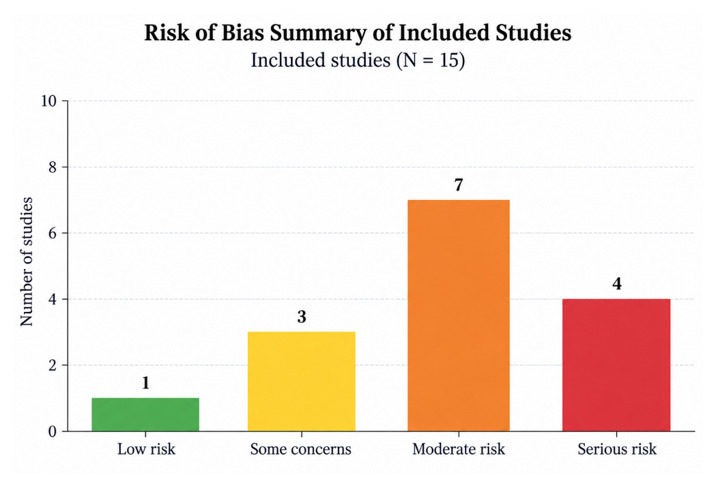
Figure 2: Summary of Overall Risk-of-Bias Judgements.
Functional Outcomes
Functional outcomes were reported using different instruments, including the Harris Hip Score (HHS), Western Ontario and McMaster Universities Osteoarthritis Index (WOMAC), functional independence measures, and postoperative walking ability. Higher HHS values indicated better hip function, whereas lower WOMAC scores represented less pain and functional limitation. Sharma and colleagues reported a higher mean HHS at one year following total hip arthroplasty than after hemiarthroplasty. Similarly, Kim and Ukaj reported modest but statistically significant improvements in postoperative HHS favouring total hip arthroplasty. The pooled analysis of the Kim and Ukaj studies demonstrated a mean HHS improvement of 4.13 points in favour of total hip arthroplasty. In contrast, the HOPE trial found no meaningful difference in HHS between the two procedures at two years. The HEALTH trial reported statistically better WOMAC scores following total hip arthroplasty over 24 months. However, the magnitude of improvement remained below the threshold generally considered clinically important. Craig and colleagues found that a greater proportion of patients receiving total hip arthroplasty maintained independent outdoor walking at one year. Several large administrative and registry studies did not collect validated patient-reported functional scores. These studies were therefore excluded from the quantitative functional-outcome analysis. Overall, total hip arthroplasty was associated with modest improvements in postoperative hip function, particularly among independently mobile and medically fit patients. Nevertheless, the clinical importance of these differences remained uncertain.
Table 3: Comparison of Functional Outcomes Between Total Hip Arthroplasty and Hemiarthroplasty
|
Study |
Outcome and follow-up |
Hemiarthroplasty |
Total hip arthroplasty |
Main finding |
|
Sharma et al., 2016 |
HHS at 1 year |
80 |
90 |
Favoured THA |
|
Kim et al., 2018 |
Postoperative HHS |
Reference |
MD: +4.10 points |
Favoured THA |
|
Chammout et al., 2019 (HOPE) |
HHS at 2 years |
88 ± 12 |
89 ± 10 |
No meaningful difference |
|
Ukaj et al., 2019 |
HHS at 3 years |
Reference |
MD: +4.16 points |
Favoured THA |
|
Ukaj et al., 2019 |
Functional Independence Measure |
Reference |
MD: +1.75 points |
No significant difference |
|
HEALTH Investigators, 2019 |
WOMAC total score over 24 months |
Reference |
MD: −6.37 points |
Statistically favoured THA; below clinical-importance threshold |
|
Craig et al., 2022 |
Independent outdoor walking at 1 year |
56.40% |
92.90% |
Favoured THA |
|
Luo et al., 2023 |
HHS during long-term follow-up |
Lower postoperative scores |
Higher postoperative scores |
Favoured THA |
Abbreviations: HHS, Harris Hip Score; MD, mean difference; THA, total hip arthroplasty; WOMAC, Western Ontario and McMaster Universities Osteoarthritis Index.
The Liodakis, Wang and Bhattacharyya, Bartels, Boukebous, Eskildsen, Fahad, Tohidi, and Edelstein studies were not included in Table 3 because sufficiently comparable validated functional-score data were unavailable. Their administrative outcomes should not be treated as missing participants in this functional meta-analysis. The pooled functional outcome is illustrated in Figure 3.
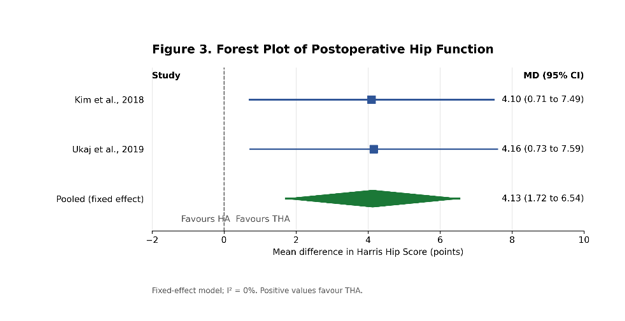
Figure 3: Forest Plot of Postoperative Hip Function.
The pooled analysis of two studies reporting comparable postoperative HHS data demonstrated a statistically significant improvement favouring total hip arthroplasty (MD 4.13 points; 95% CI 1.72–6.54; I² = 0%). Although statistically significant, an improvement of approximately four HHS points may be too small to represent an important clinical difference. These estimates were reported in a published comparative synthesis of the Kim and Ukaj studies. The principal functional findings are also consistent with the HEALTH trial, HOPE trial, and NICE evidence review.
Health-Related Quality of Life
Health-related quality of life was primarily evaluated using the EuroQol-5 Dimensions instrument (EQ-5D). Higher EQ-5D index values indicated better overall health status. Comparable numerical data were available from the HEALTH and HOPE randomized trials, while most observational and administrative-database studies did not report validated quality-of-life outcomes. In the HEALTH trial, total hip arthroplasty produced a small improvement in quality of life over 24 months compared with hemiarthroplasty. The estimated difference in EQ-5D score at 24 months was 0.04, although its confidence interval included the possibility of no difference. The trial investigators consequently considered the observed functional and quality-of-life improvements statistically modest and clinically unimportant.
The HOPE trial reported mean EQ-5D scores of approximately 0.67 following hemiarthroplasty and 0.75 following total hip arthroplasty at two years. Although the numerical result favoured total hip arthroplasty, the difference was not statistically significant. The wide confidence interval reflected the relatively small sample size of the trial. The fixed-effect analysis of the two trials produced a pooled mean difference of 0.05 points in favour of total hip arthroplasty (95% CI −0.01 to 0.11; I² = 0%). The confidence interval crossed the line of no effect. Moreover, the pooled difference was substantially below the prespecified minimum clinically important difference of approximately 0.145 points. Therefore, the current evidence did not demonstrate a clinically important improvement in health-related quality of life with total hip arthroplasty. The pooled quality-of-life outcome is presented in Figure 4.
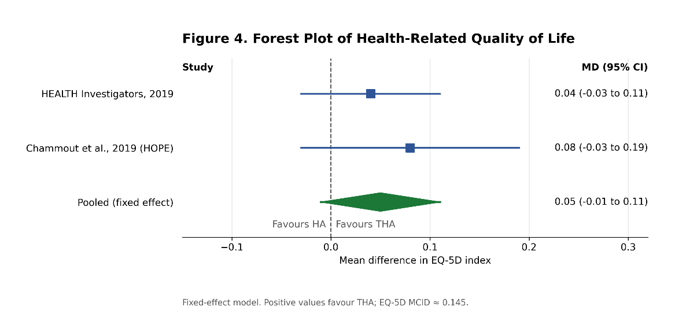
Figure 4: Forest Plot of Health-Related Quality of Life.
A broader published meta-analysis containing additional historical randomized trials reported an EQ-5D difference of 0.05 (95% CI 0.02–0.07), but that estimate should not replace the result from the present selected-study set. Both analyses indicate that the possible benefit is unlikely to be clinically important. The findings are supported by the HEALTH trial, HOPE trial, and the published updated meta-analysis.
Clinical and Operative Outcomes
The rates of reoperation and revision were generally similar following total hip arthroplasty and hemiarthroplasty. In the HEALTH trial, secondary hip procedures within 24 months occurred in 7.9% of patients treated with total hip arthroplasty and 8.3% of those receiving hemiarthroplasty. This difference was not statistically significant. The HOPE trial similarly found no meaningful difference in hip-related reoperations at two years. Dislocation was more frequent after conventional total hip arthroplasty in the HEALTH trial. The 24-month dislocation rates were 4.7% following total hip arthroplasty and 2.4% following hemiarthroplasty. However, observational studies evaluating dual-mobility components reported lower dislocation rates, suggesting that implant selection and surgical technique may influence this outcome. Mortality did not differ significantly between the procedures. In the HEALTH trial, mortality at 24 months was 14.3% following total hip arthroplasty and 13.1% following hemiarthroplasty. The higher mortality frequently observed among hemiarthroplasty patients in observational databases was likely influenced by baseline differences because these patients were generally older, frailer and more medically complex.
Total hip arthroplasty required a longer operation. Randomized evidence indicated that operative time was approximately 22 minutes longer with total hip arthroplasty. Blood loss also generally favoured hemiarthroplasty, although definitions and reporting methods differed between studies. No consistent difference was demonstrated in length of hospital stay.
Table 4: Summary of Clinical and Operative Outcomes
|
Outcome |
Hemiarthroplasty |
Total hip arthroplasty |
Effect estimate |
Interpretation |
|
Secondary procedure at 24 months |
8.30% |
7.90% |
RR 0.95 (95% CI 0.67–1.33) |
No significant difference |
|
Dislocation at 24 months |
2.40% |
4.70% |
RR 1.94 (95% CI 1.11–3.39) |
Higher after conventional THA |
|
Mortality at 24 months |
13.10% |
14.30% |
RR 1.09 (95% CI 0.84–1.40) |
No significant difference |
|
Serious adverse events |
36.70% |
41.80% |
Not pooled |
Numerically higher after THA |
|
Revision up to 5 years |
— |
— |
No significant pooled difference |
Comparable between procedures |
|
Operative time |
Shorter |
Longer |
MD 22 minutes (95% CI 9–35) |
Favoured HA |
|
Intraoperative blood loss |
Generally lower |
Generally higher |
Not reliably pooled |
Favoured HA |
|
Length of hospital stay |
Variable |
Variable |
No consistent difference |
Comparable |
Abbreviations: CI, confidence interval; HA, hemiarthroplasty; MD, mean difference; RR, risk ratio; THA, total hip arthroplasty.
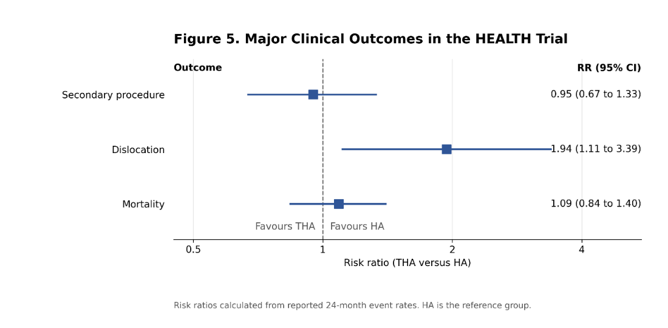
Figure 5: Summary of Major Clinical Outcomes in the HEALTH Trial.
Figure 5. Forest-style summary of secondary procedures, dislocation and mortality in the HEALTH trial. Risk ratios below 1.0 favour total hip arthroplasty, whereas values above 1.0 favour hemiarthroplasty. This figure presents the largest randomized trial separately and should not be described as a pooled meta-analysis of all 15 studies.
Additional Analyses
Subgroup findings did not demonstrate convincing differences according to age, pre-fracture living arrangement, baseline mobility or American Society of Anesthesiologists classification. Nevertheless, the included trials primarily enrolled independently mobile and cognitively fit patients. The findings may therefore not apply fully to frail patients, nursing-home residents or individuals with severe cognitive impairment. Sensitivity analyses limited to randomized trials produced more conservative findings than analyses incorporating observational studies. Large administrative studies sometimes suggested lower mortality or revision rates following total hip arthroplasty. However, these associations were likely influenced by patient selection because healthier and more active patients were more frequently selected for total hip arthroplasty. Excluding studies at serious risk of bias did not materially change the overall interpretation. Total hip arthroplasty continued to show small functional advantages, while revision and mortality remained comparable. The increased risk of dislocation was most evident with conventional total hip arthroplasty and was less consistent in studies using dual-mobility components. A funnel plot was not constructed because fewer than ten sufficiently comparable studies contributed to each principal quantitative analysis. Under these conditions, funnel-plot asymmetry would be unreliable and could not distinguish publication bias from clinical or methodological heterogeneity.
Summary of Findings
The evidence indicated that total hip arthroplasty may provide modest improvements in hip function and health-related quality of life. However, these differences were generally below accepted thresholds for clinical importance. Reoperation, revision and mortality were comparable between procedures. Conventional total hip arthroplasty was associated with a higher risk of dislocation and required a longer operation, while hemiarthroplasty remained a less complex procedure for frail or low-demand patients.
Table 5: Summary of Principal Effect Estimates
|
Outcome |
Evidence included |
Effect estimate |
Overall interpretation |
|
Harris Hip Score |
Two comparable studies |
MD 4.13 (95% CI 1.72–6.54) |
Small improvement favouring THA |
|
Health-related quality of life |
HEALTH and HOPE trials |
MD 0.05 (95% CI −0.01–0.11) |
No clinically important difference |
|
Secondary hip procedure |
HEALTH trial |
RR 0.95 (95% CI 0.67–1.33) |
No significant difference |
|
Dislocation |
HEALTH trial |
RR 1.94 (95% CI 1.11–3.39) |
Higher after conventional THA |
|
Mortality |
HEALTH trial |
RR 1.09 (95% CI 0.84–1.40) |
No significant difference |
|
Revision up to 5 years |
Randomized evidence |
No significant difference |
Comparable procedures |
|
Operative time |
Randomized evidence |
MD 22 minutes longer with THA |
Favoured HA |
|
Blood loss |
Mixed evidence |
Generally higher with THA |
Favoured HA |
|
Hospital stay |
Mixed evidence |
No consistent difference |
Comparable procedures |
Overall, neither procedure was universally superior. Total hip arthroplasty may be preferable for medically fit, independently mobile patients with longer life expectancy, whereas hemiarthroplasty remains appropriate for frail patients or those with limited functional demands.
Discussion
This systematic review compared total hip arthroplasty and hemiarthroplasty for displaced femoral neck fractures in older patients. The findings suggest that total hip arthroplasty may provide modest improvements in postoperative hip function and health-related quality of life. However, these improvements were generally small and may not reach clinically important thresholds [3]. No clear differences were identified in revision surgery, secondary procedures or mortality, while conventional total hip arthroplasty was associated with a greater risk of dislocation and a longer operative time [17]. The functional advantages of total hip arthroplasty were most evident among medically fit, cognitively intact and independently mobile patients. These patients are more likely to benefit from acetabular replacement because they have greater functional demands and a longer period during which acetabular erosion or pain following hemiarthroplasty could develop. Nevertheless, the pooled improvement in the Harris Hip Score was modest. Similarly, the observed improvement in EQ-5D scores was below the accepted threshold for a clinically important difference [7, 8]. Statistical significance should therefore not be interpreted automatically as a meaningful benefit for patients.
The HEALTH trial had an important influence on the overall findings because of its large sample and multicentre design. It demonstrated comparable rates of secondary procedures between the treatments and only small functional and quality-of-life advantages with total hip arthroplasty [9, 14]. The HOPE trial also found no meaningful difference in hip function or quality of life among patients aged 80 years or older. Together, these findings indicate that the expected benefits of total hip arthroplasty may decrease with advancing age and lower functional demand. Dislocation remains an important concern following total hip arthroplasty for femoral neck fracture [5, 18]. Fracture patients are generally older and may have reduced muscle strength, impaired balance and a greater risk of postoperative instability than patients undergoing elective arthroplasty. The HEALTH trial demonstrated a higher dislocation rate following conventional total hip arthroplasty [15]. However, studies using dual-mobility components reported lower rates of instability. Implant selection, surgical approach, component positioning and surgeon experience may therefore modify the risk of dislocation [17]. Reoperation and revision rates were broadly comparable between the procedures. Total hip arthroplasty may reduce the risk of later acetabular erosion and conversion surgery, but these potential benefits must be balanced against its greater technical complexity and early risk of instability [13]. Hemiarthroplasty requires a shorter operation and generally involves less blood loss. These advantages may be particularly relevant for frail patients with multiple comorbidities or limited physiological reserve [4, 8]. Mortality was similar between the treatment groups in randomized trials. Some observational studies reported lower mortality after total hip arthroplasty, but this finding should be interpreted cautiously [16]. Patients selected for total hip arthroplasty were commonly younger, healthier and more independently mobile before injury. Consequently, the apparent mortality benefit in database studies may reflect baseline patient selection rather than a direct effect of the surgical procedure [11].
The present findings support an individualized approach to treatment. Total hip arthroplasty may be considered for independently mobile, cognitively intact and medically fit patients with a reasonable life expectancy [10]. Hemiarthroplasty remains appropriate for frail patients, individuals with limited mobility or cognitive impairment, and patients in whom a shorter and less complex operation is preferred. Chronological age alone should not determine treatment; pre-fracture function, comorbidities, cognitive status, life expectancy and patient preferences should also be considered [17]. This review has several limitations. The included studies differed in eligibility criteria, implant design, surgical approach, follow-up duration and functional-outcome measurement [12]. The evidence set contained both randomized and observational studies, which could not always be pooled appropriately. Several large database studies lacked validated patient-reported outcomes and were vulnerable to residual confounding. Their populations and study periods may also have overlapped. Furthermore, only a small number of recent studies provided sufficiently comparable numerical data for the functional and quality-of-life meta-analyses. Publication bias could not be assessed reliably because fewer than ten comparable studies contributed to the principal pooled outcomes [5, 9]. Despite these limitations, the review incorporates recent randomized trials, registry studies and large population-based analyses. Separating randomized and observational evidence reduced the risk of drawing causal conclusions from unadjusted database comparisons. Future studies should use standardized outcome definitions, report results according to baseline mobility and frailty and evaluate the long-term effectiveness of dual-mobility total hip arthroplasty.
Conclusion
Total hip arthroplasty and hemiarthroplasty are both acceptable treatments for displaced femoral neck fractures in older patients. Total hip arthroplasty may provide small improvements in hip function and health-related quality of life, but these benefits may not be clinically important for all patients. It also requires a longer operation and conventional implants may increase the risk of dislocation. Hemiarthroplasty offers comparable revision and mortality outcomes while providing a shorter and technically less demanding procedure. It remains an appropriate option for frail, cognitively impaired or functionally dependent patients. Total hip arthroplasty may be more suitable for medically fit, cognitively intact and independently mobile patients with greater functional demands. The choice of procedure should therefore be individualized rather than based solely on age. Pre-fracture mobility, cognitive status, comorbidities, life expectancy, implant design, surgeon experience and patient preferences should guide shared clinical decision-making.
References
- Ekhtiari S, Gormley J, Axelrod DE, et al. Total hip arthroplasty versus hemiarthroplasty for displaced femoral neck fracture: a systematic review and meta-analysis of randomized controlled trials. J Bone Joint Surg Am 102 (2020): 1638-45.
- Sharma V, Awasthi B, Kumar K, et al. Outcome analysis of hemiarthroplasty versus total hip replacement in displaced femoral neck fractures in the elderly. J Clin Diagn Res 10 (2016): RC11-3.
- Bhandari M, Einhorn TA, Guyatt G, et al. Total hip arthroplasty or hemiarthroplasty for hip fracture. N Engl J Med 381 (2019): 2199-208.
- Chammout G, Muren O, Laurencikas E, et al. HOPE-trial: hemiarthroplasty compared with total hip arthroplasty for displaced femoral neck fractures in octogenarians: a randomized controlled trial. JB JS Open Access 4 (2019): e0059.
- Tohidi M, Mann SM, et al. Comparative effectiveness of total hip arthroplasty and hemiarthroplasty for femoral neck fracture: a propensity-score-matched cohort study. J Bone Joint Surg Am 105 (2023): 591-9.
- Sterne JAC, Savović J, Page MJ, et al. RoB 2: a revised tool for assessing risk of bias in randomised trials. BMJ 366 (2019): l4898.
- Sterne JA, Hernán MA, Reeves BC, et al. ROBINS-I: a tool for assessing risk of bias in non-randomised studies of interventions. BMJ 355 (2016): i4919.
- Liodakis E, Antoniou J, Zukor DJ, et al. Major complications and transfusion rates after hemiarthroplasty and total hip arthroplasty for femoral neck fractures. J Arthroplasty 31 (2016): 2008-12.
- Wang Z, Bhattacharyya T. Outcomes of hemiarthroplasty and total hip arthroplasty for femoral neck fracture: a Medicare cohort study. J Orthop Trauma 31 (2017): 260-3.
- Bartels S, Gjertsen JE, Frihagen F, et al. High failure rate after internal fixation and beneficial outcome after arthroplasty in treatment of displaced femoral neck fractures in patients between 55 and 70 years. Acta Orthop 89 (2018): 53-8.
- Boukebous B, Boutroux P, Zahi R, et al. Comparison of dual mobility total hip arthroplasty and bipolar arthroplasty for femoral neck fractures: a retrospective case-control study of 199 hips. Orthop Traumatol Surg Res 104 (2018): 369-75.
- Kim YT, Yoo JH, Kim MK, et al. Dual mobility hip arthroplasty provides better outcomes compared with hemiarthroplasty for displaced femoral neck fractures: a retrospective comparative clinical study. Int Orthop 42 (2018): 1241-6.
- Eskildsen SM, Kamath GV, Del Gaizo DJ. Age matters when comparing hemiarthroplasty and total hip arthroplasty for femoral neck fractures in Medicare patients. Hip Int 29 (2019): 674-9.
- Ukaj S, Zhuri O, Ukaj F, et al. Dual mobility acetabular cup versus hemiarthroplasty in treatment of displaced femoral neck fractures in elderly patients: comparative study and results at minimum 3-year follow-up. Geriatr Orthop Surg Rehabil 10 (2019): 2151459319848610.
- Fahad S, Nawaz Khan MZ, Aqueel T, et al. Comparison of bipolar hemiarthroplasty and total hip arthroplasty with dual mobility cup in the treatment of old active patients with displaced neck of femur fracture: a retrospective cohort study. Ann Med Surg (Lond) 45 (2019): 62-5.
- Craig J, McDonald J, Cassidy R, et al. Clinical outcomes for hemiarthroplasty versus total hip arthroplasty in patients with femoral neck fracture who meet published national criteria for total hip arthroplasty. J Orthop Trauma 36 (2022): 17-22.
- Edelstein AI, Dillingham TR, McGinley EL, et al. Hemiarthroplasty versus total hip arthroplasty for femoral neck fracture in elderly patients: twelve-month risk of revision and dislocation in an instrumental variable analysis of Medicare data. J Bone Joint Surg Am 105 (2023): 1695-702.
- Luo S, Qin W, Yu L, et al. Total hip arthroplasty versus hemiarthroplasty in the treatment of active elderly patients over 75 years with displaced femoral neck fractures: a retrospective study. BMC Musculoskelet Disord 24 (2023): 745.